Devpost
Participate in our public hackathons
Devpost for Teams
Access your company's private hackathons
Grow your developer ecosystem and promote your platform
Drive innovation, collaboration, and retention within your organization
By use case
Blog
Insights into hackathon planning and participation
Customer stories
Inspiration from peers and other industry leaders
Planning guides
Best practices for planning online and in-person hackathons
Webinars & events
Upcoming events and on-demand recordings
Help desk
Common questions and support documentation
Sort by:
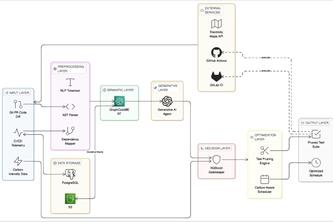
Software development has a hidden climate footprint. Millions of daily CI/CD pipeline runs waste gigawatts of power by executing on dirty energy grids and re-running redundant, unimpacted test suites.
WITHSTAND connects people facing addictive urges with anonymous peers for five minutes of real-time support, helping them withstand the moment and choose a safer next step.
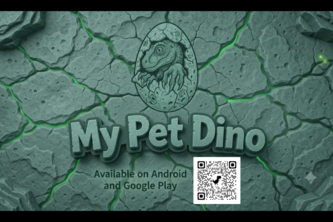
My Pet Dino is a real-world AR game where your steps hatch rare dinosaurs. Hunt for eggs, trade on a player-driven market, and build your ultimate high-stat roster before the PvP Arena opens!
TsunaCare helps long-distance family caregivers stay connected: a shared care timeline for the whole family, deadline reminders for care paperwork, and 30-second AI-powered voice logging.
A little bird that helps you with daily guided lymphatic drainage, giving your face a refreshing new look and feel.
A stock tracker that pings you. Drag a line on the chart, close the app, get a push when the price hits. Congress, insider and 13F trades next to the chart.
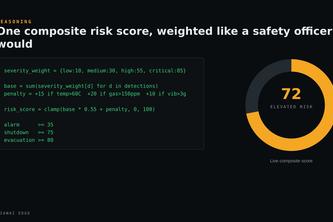
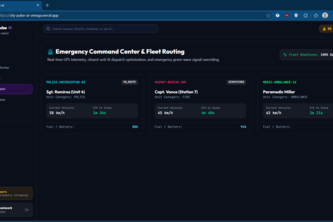
AI-powered edge safety system that detects workplace hazards, assesses risk, and triggers real-time emergency responses using computer vision and sensor fusion.
Turn community commitments into actions. Shapers brings tasks, meetings, accountable budgets, and AI-assisted task management, already joined by 15 Bangkok Global Shapers.
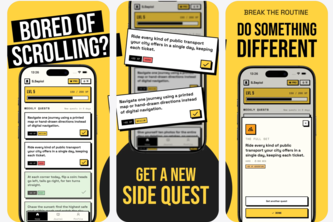
Side Quests turns boredom into real-world adventures by giving you simple real life quests to try something new, step outside your routine, and make memories worth keeping.
Every generation has a history.
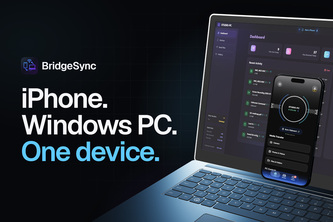
Your iPhone and Windows PC, finally as one. Files at full speed, your notifications and screen on your desktop, one shared clipboard, all over your own network and end-to-end encrypted.
GRIDLOCK reimagines Tic-Tac-Toe as a real-time strategy game for up to four players, where special moves let you bend the board, disrupt opponents, and rewrite the rules of a familiar classic.
Somehow, doing boring things next to someone makes them bearable. That's the whole app: your friends, a timer, a raccoon called Momo, and the paperwork you've been dodging for month
An AI-powered research assistant that helps users understand PDFs, summarize documents, answer questions, and create personalized study plans using Gemini.
The AI Operating System for Future Cities, predicting urban crises before they happen.
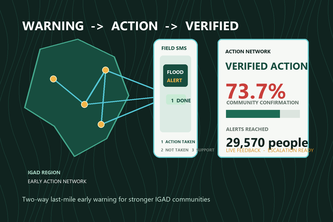
Dira ("The Next Horizon") closes the early alert, early action gap end to end: from a trained predictive model to a verified human voice call.
Turning IGAD early warnings into verified community action through explainable AI impact scoring, targeted SMS alerts, and two-way feedback.
MCP won the tool layer. This is its payment layer — every paid tool call metered and settled in USDC on Base via x402, receipt included.
Bring lecture notes to life, directly connecting them to real academic research from university journal and open access through AI.
Clearing programmable infrastructure for money in motion.
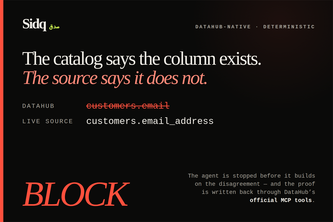
When DataHub says a column exists but PostgreSQL says it doesn't, Sidq blocks the agent — and writes the proof back through DataHub's official MCP tools.
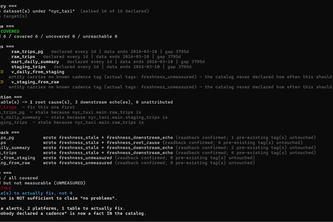
4 stale alerts across two platforms collapse to 1 table to fix — and the datasets nobody declared an SLA for become visibly UNMEASURED in the DataHub UI, instead of silently absent from the report.
Focus Buddy: an AI focus coach that helps students track their study sessions and gives detailed, personalized feedback to improve their focus habits.
AI-powered active recall. Diagnoses what a student actually understands by having them explain a passage in their own words, then color-mapping their explanation against the source.