-
-

Uncropped image of my app icon
-
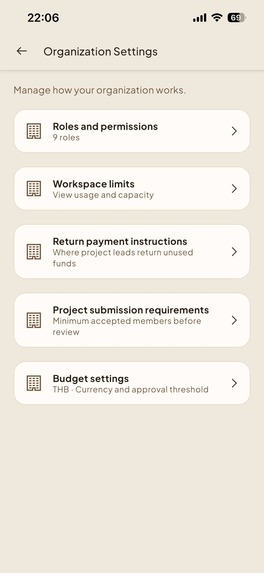
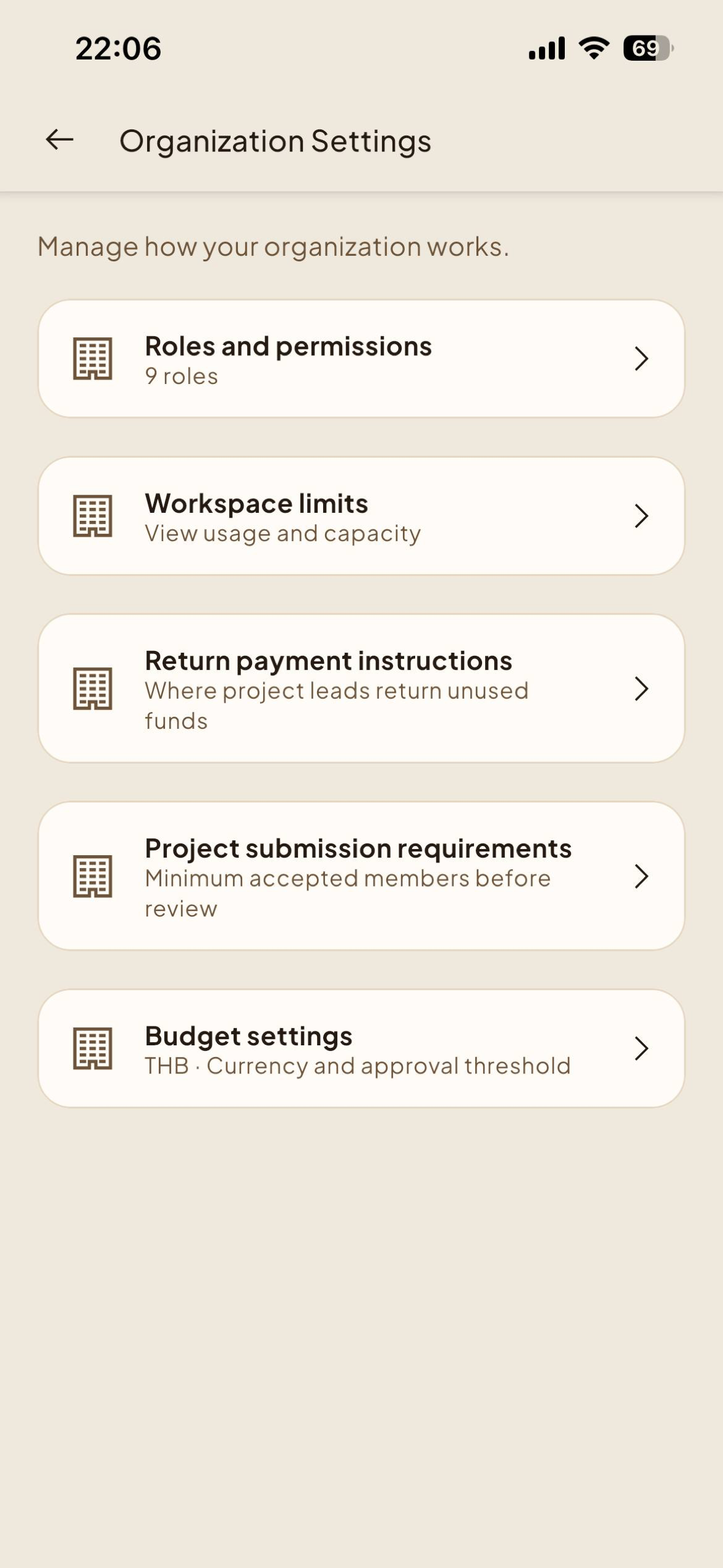
Shape how your organization works with shared roles, permissions, and budget rules.
-
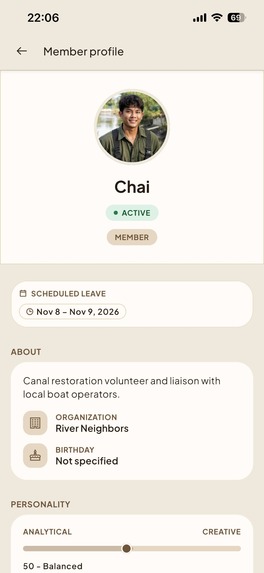
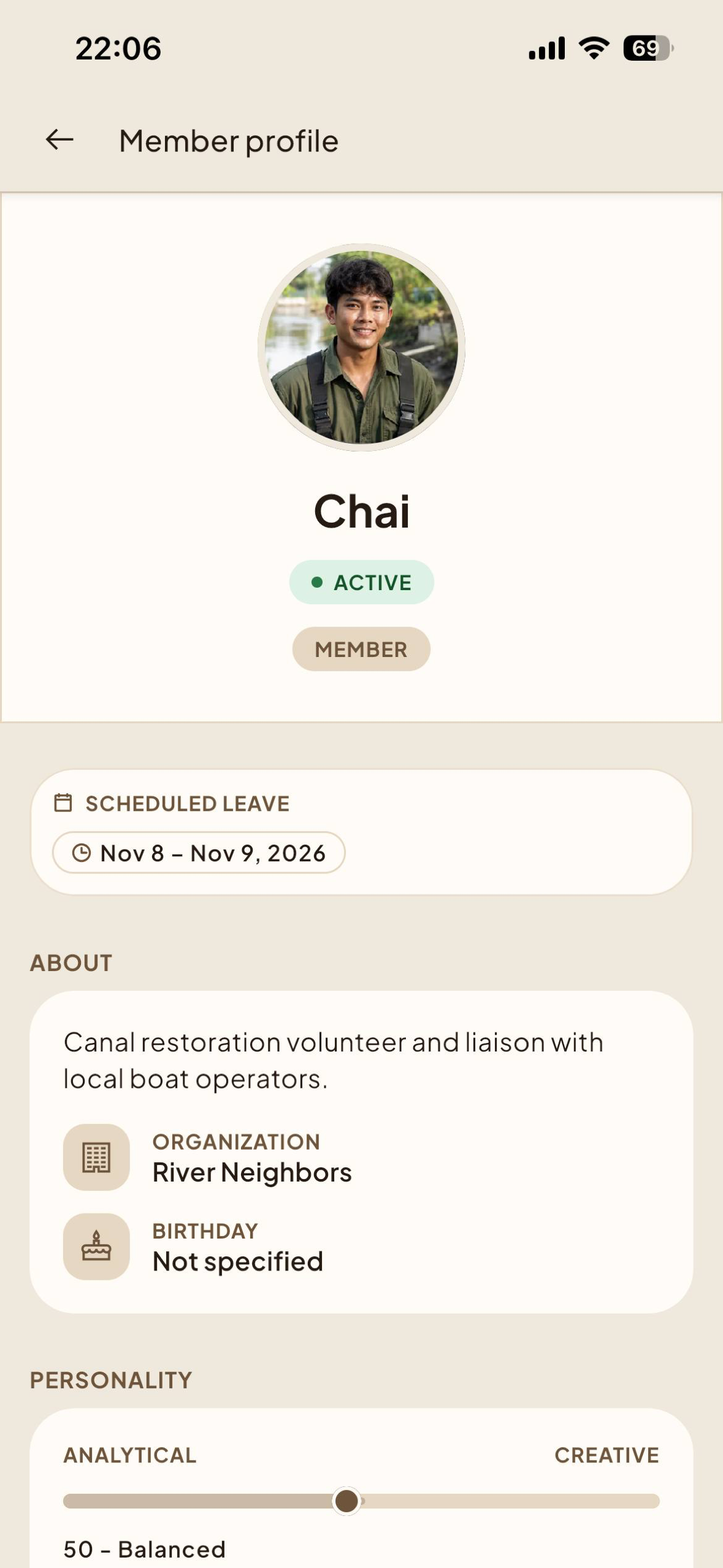
Get to know your volunteers and see their upcoming availability.
-
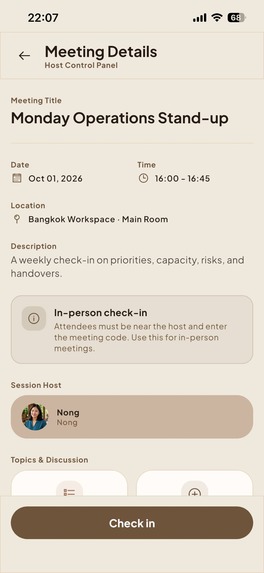
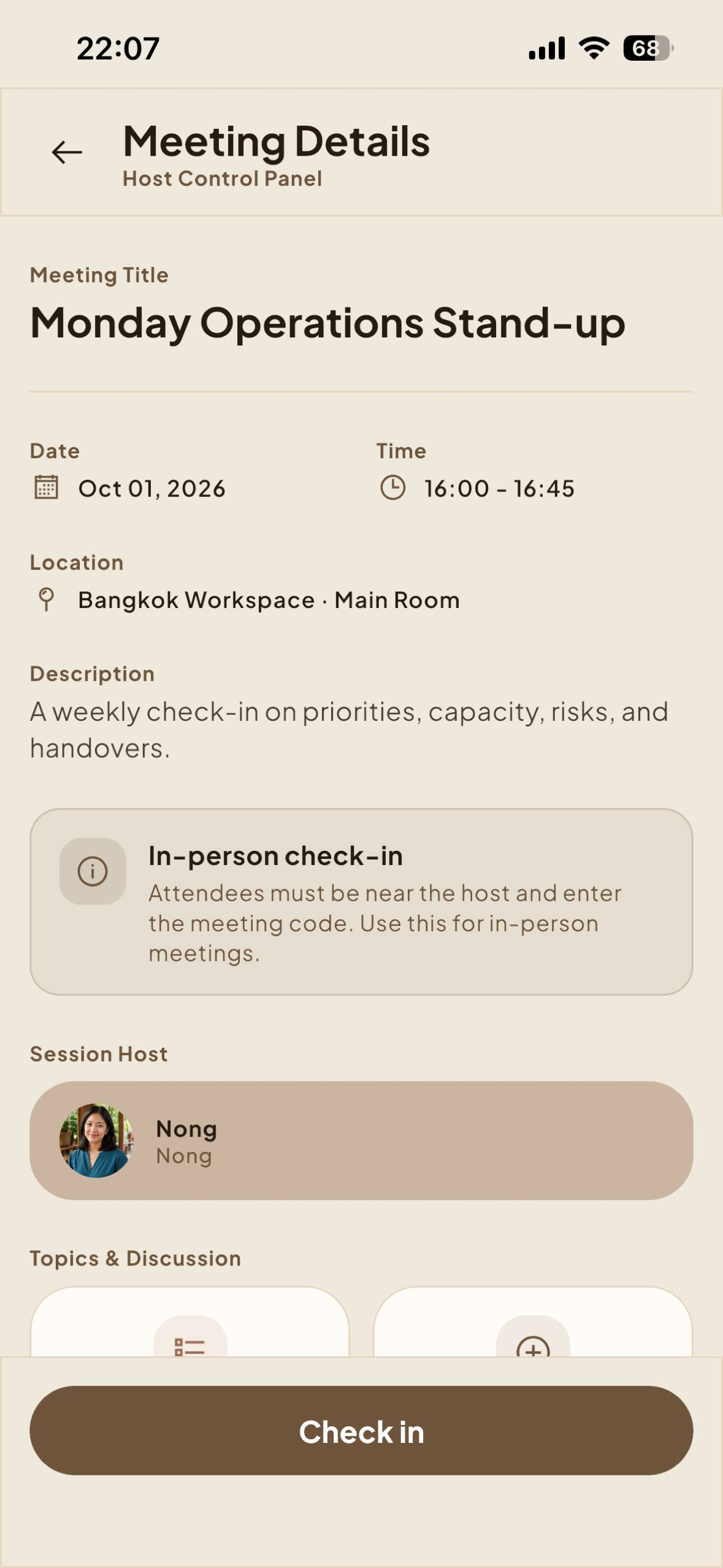
Keep meetings organized with session details and in-person check-in.
-
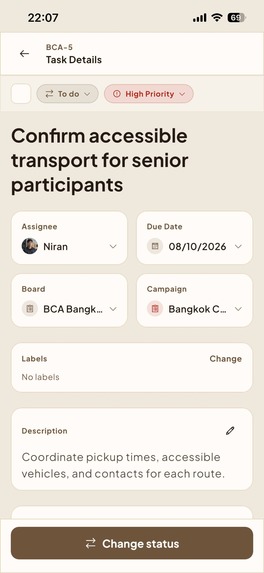
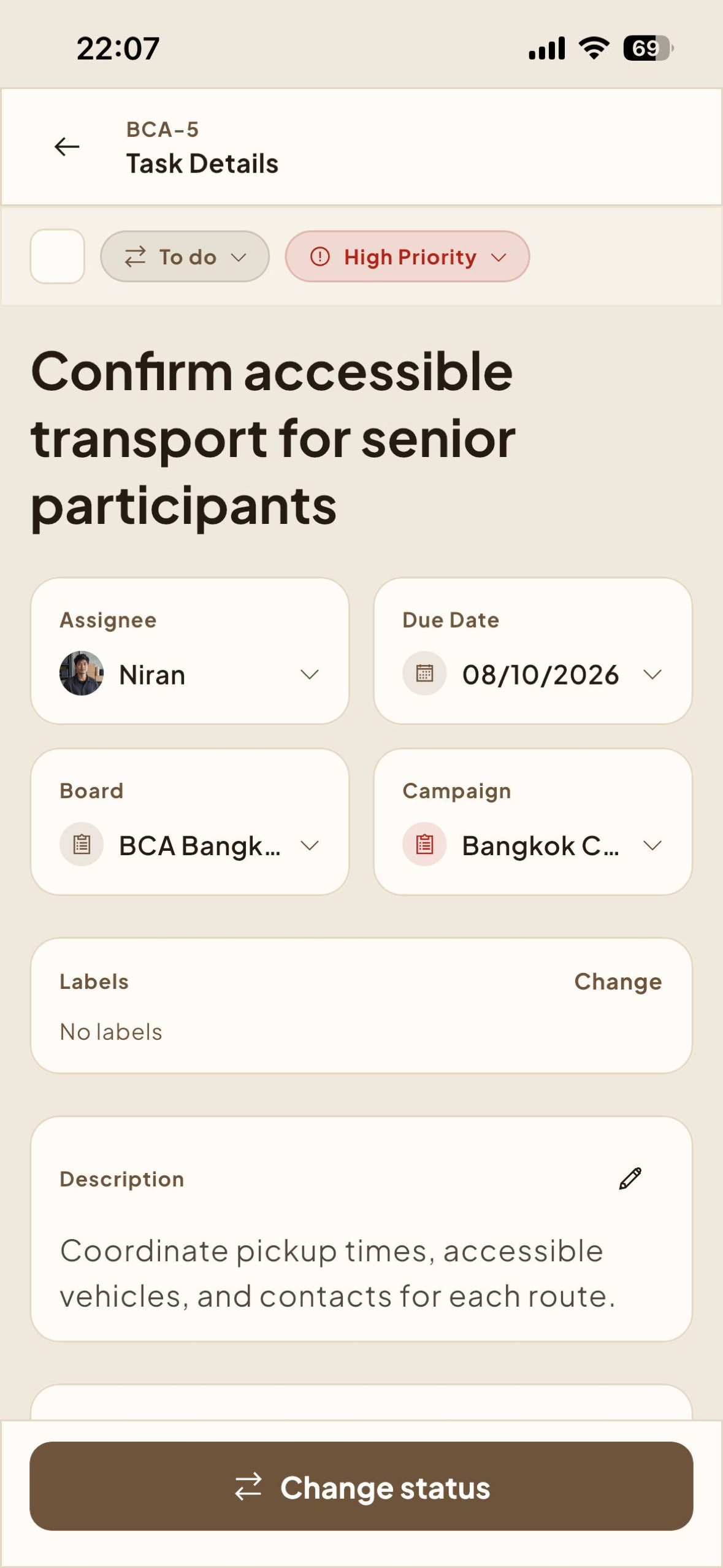
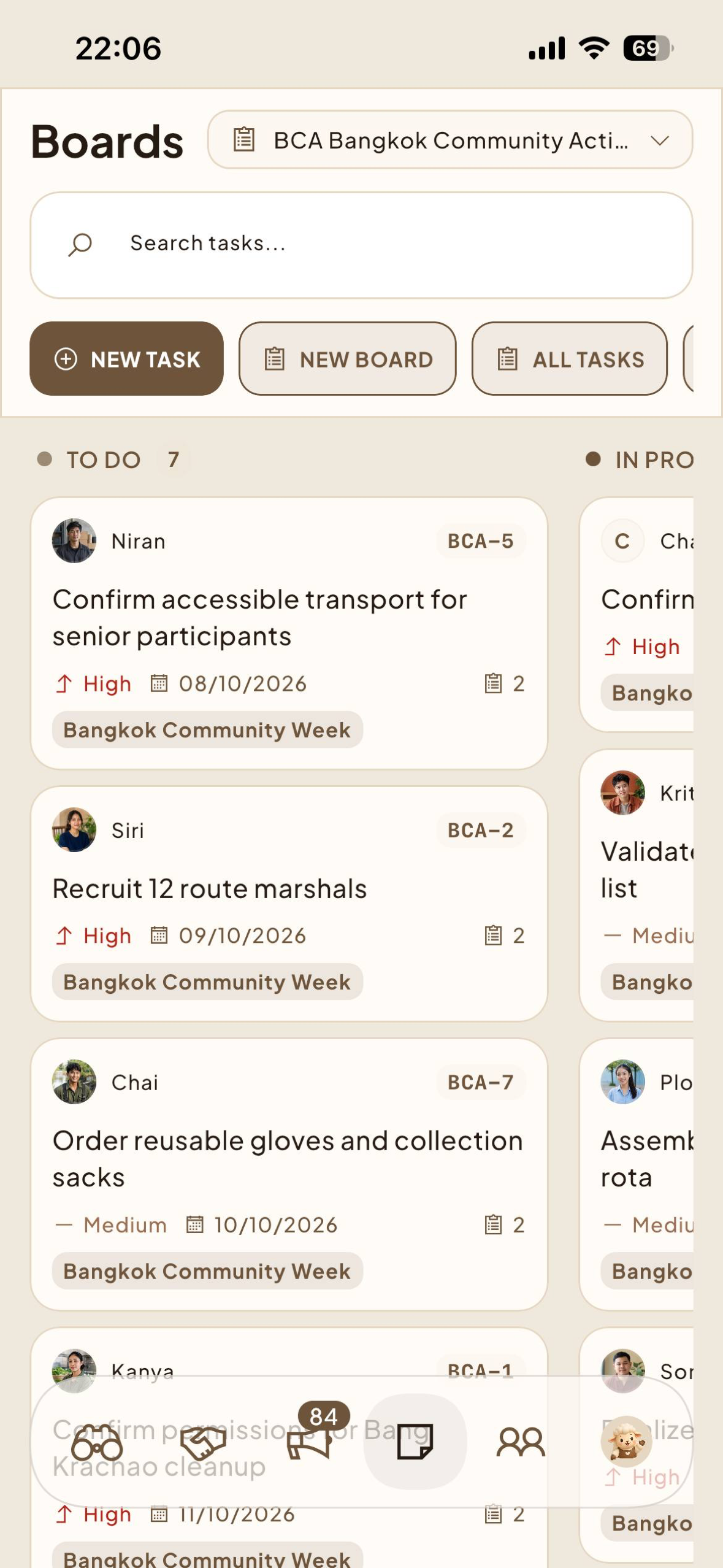
Give every task a clear owner, deadline, and project context.
-
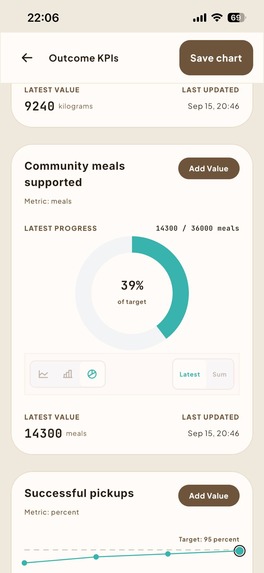
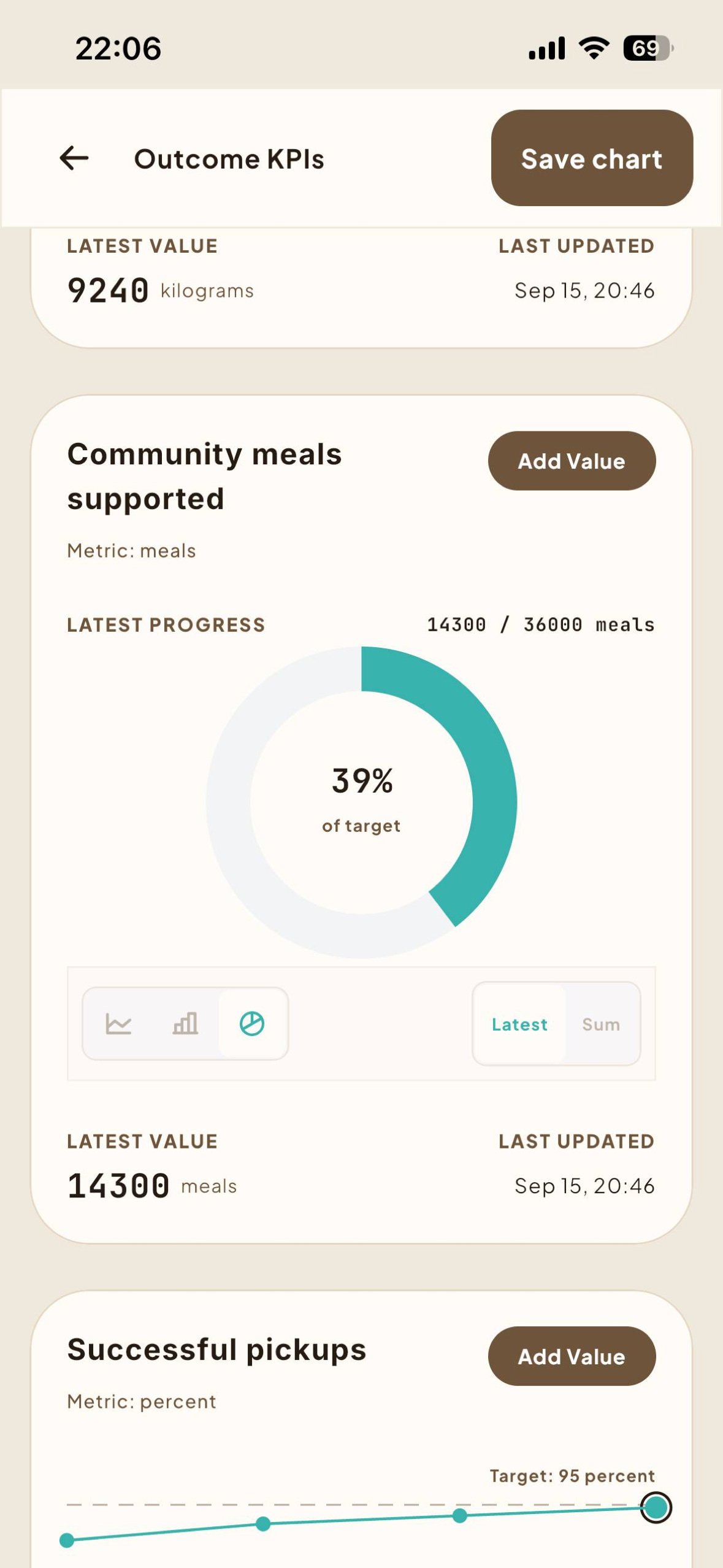
Measure community impact with visual goals and progress tracking.
-
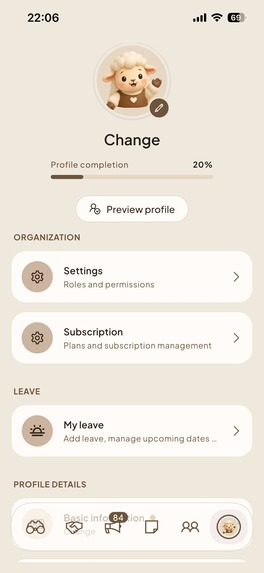
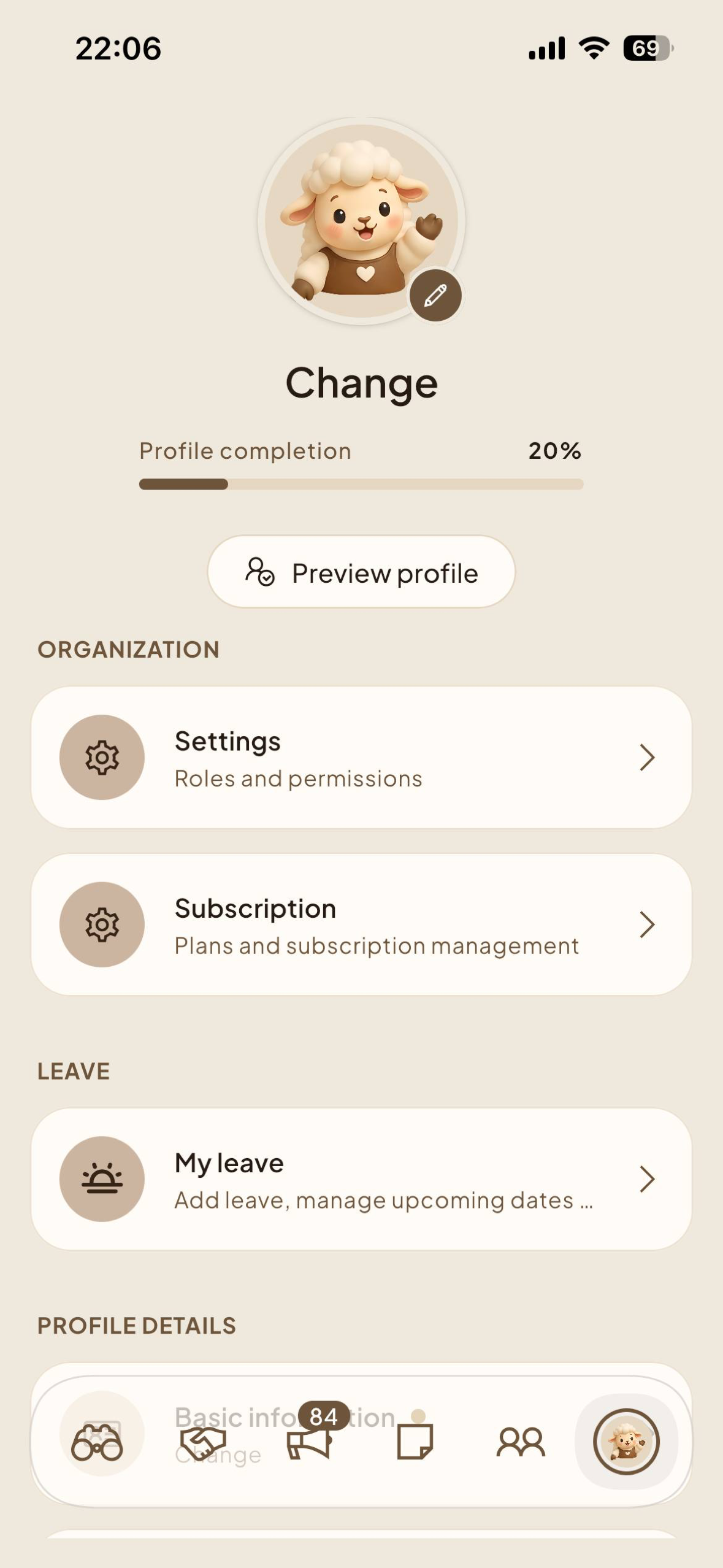
Manage your profile, organization, subscription, and leave in one place.
-
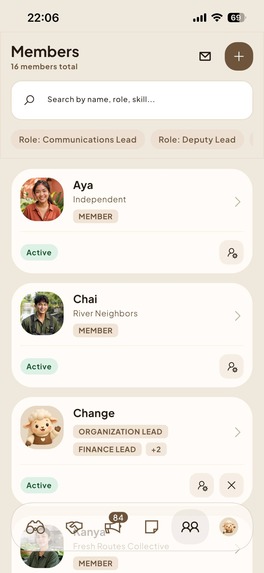
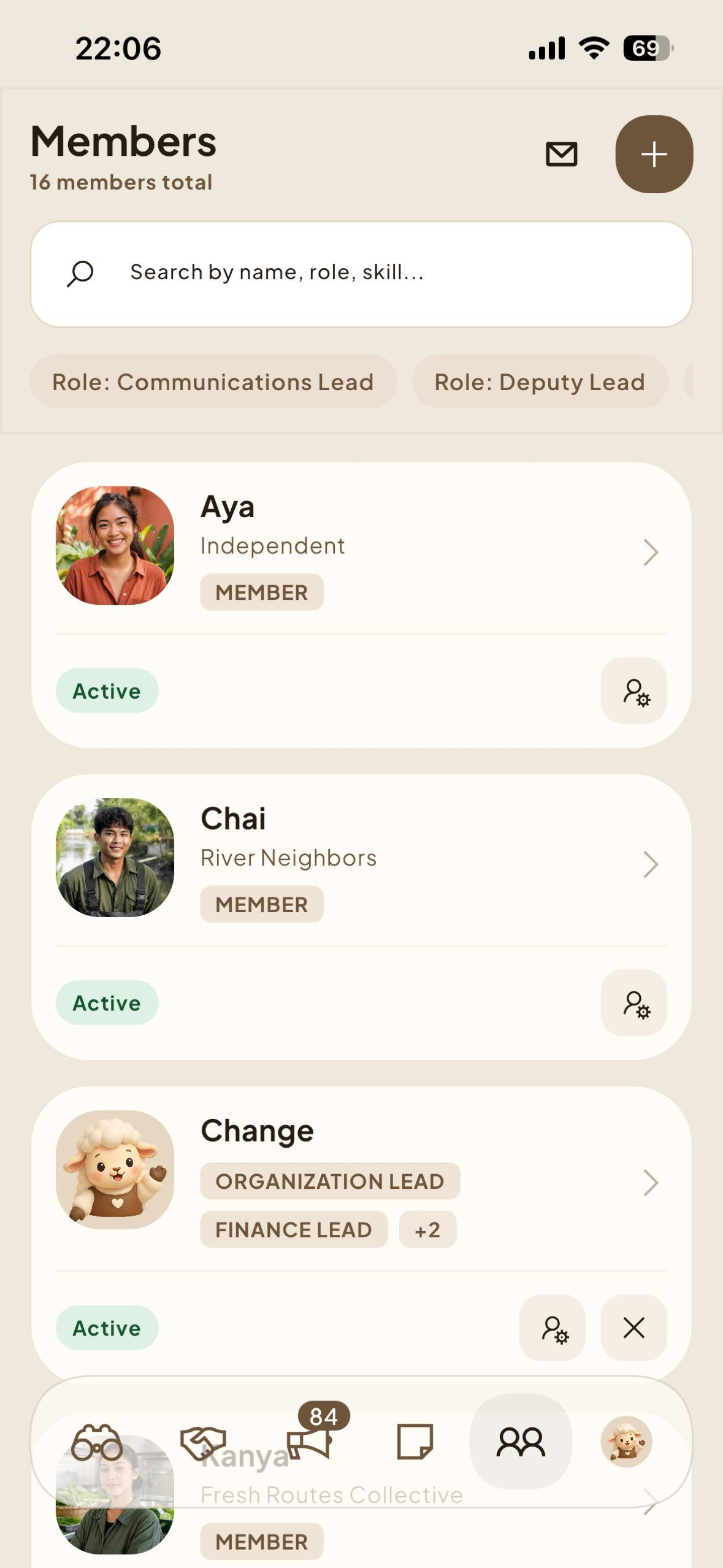
Find the people behind your projects and manage team roles.
-
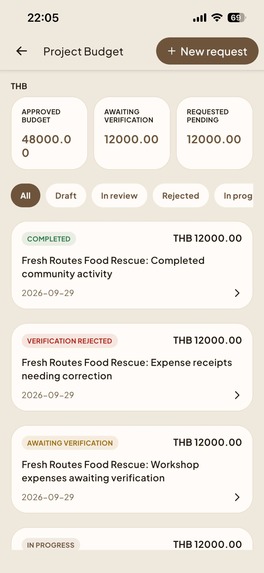
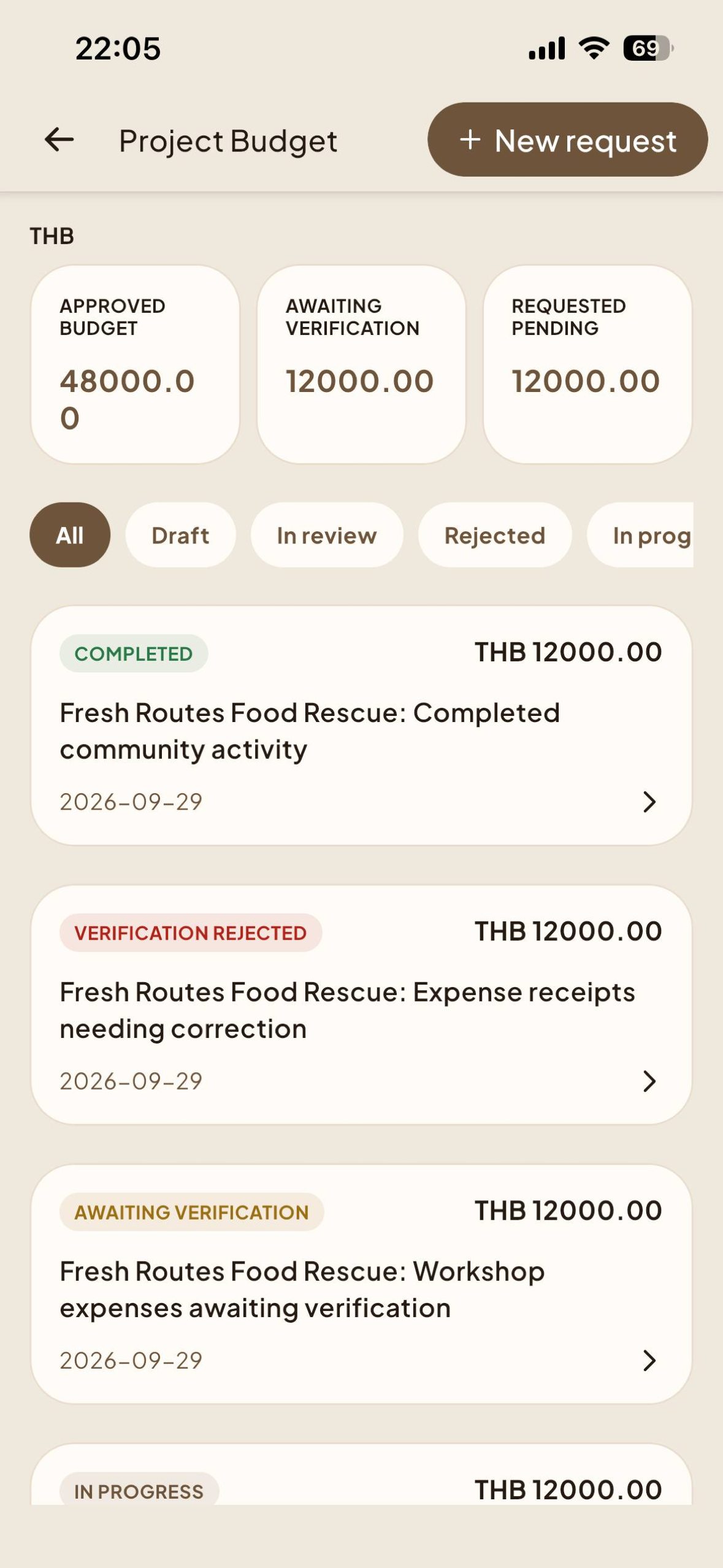
Track project funding from budget requests to verified expenses.
-
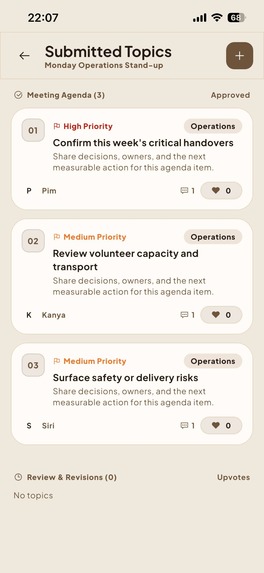
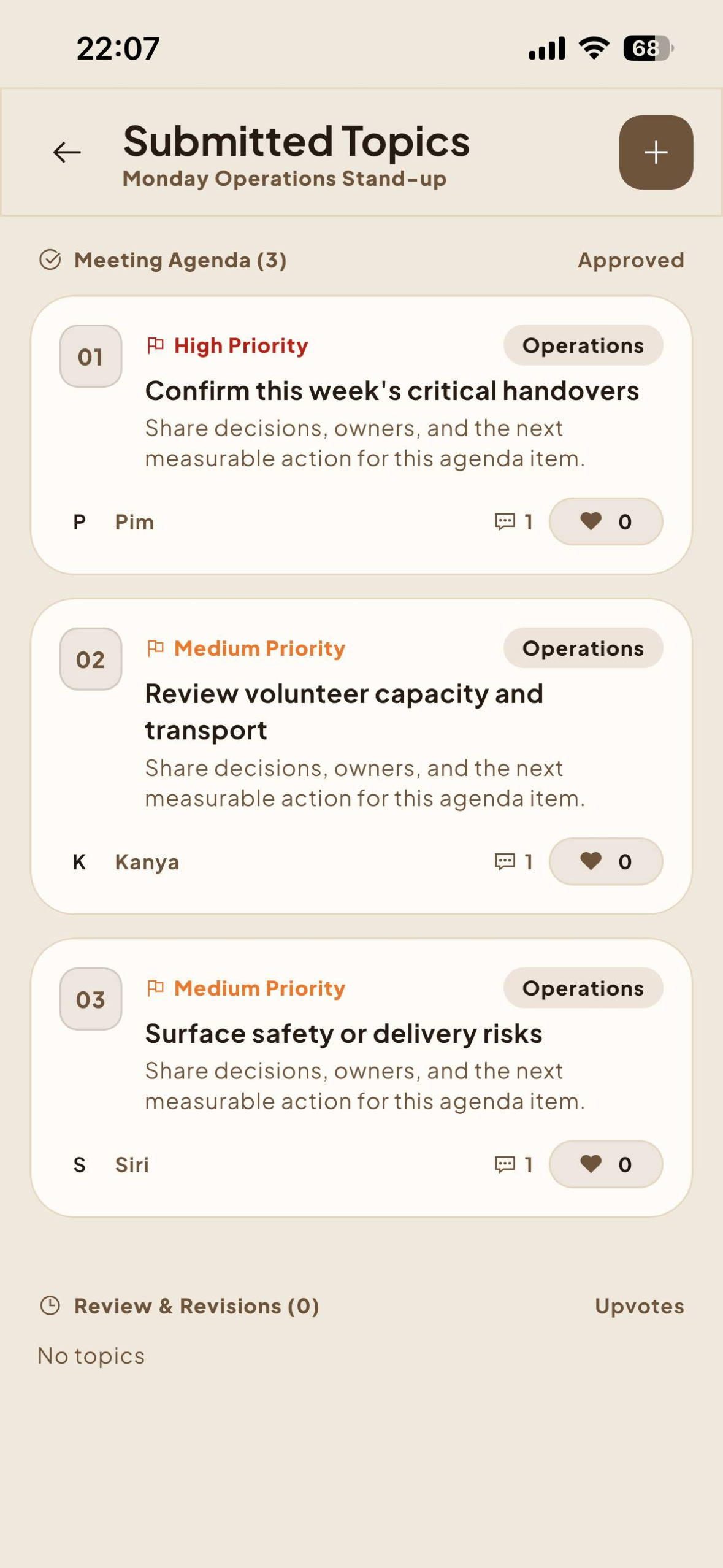
Build meeting agendas together with prioritized topics, comments, and votes.
-
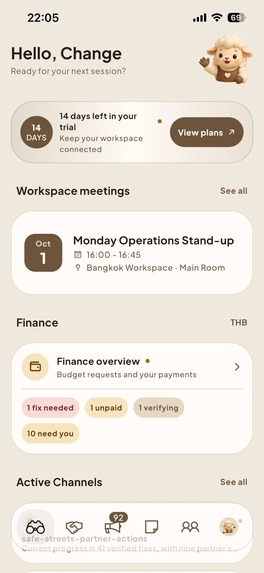
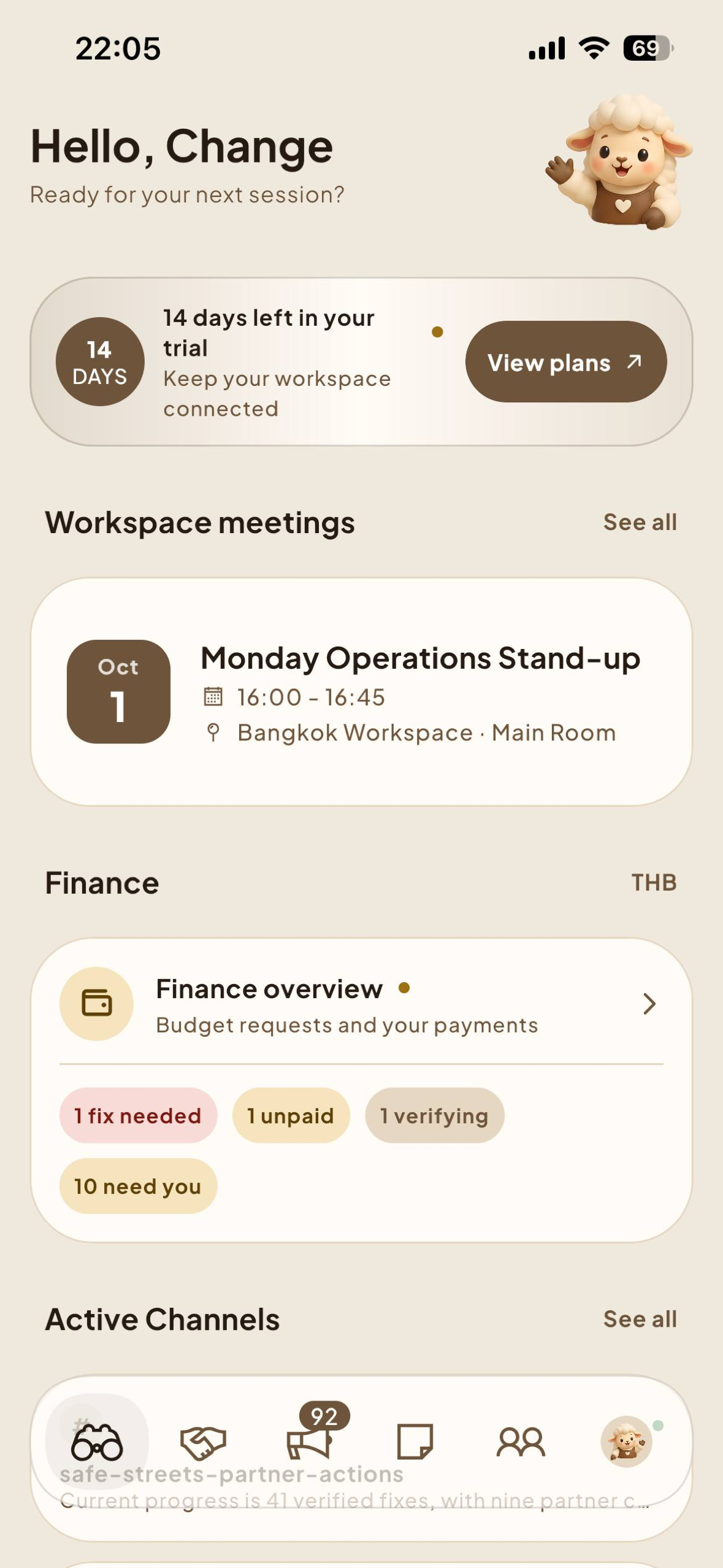
Your community workspace at a glance: meetings, finances, and active conversations.
-
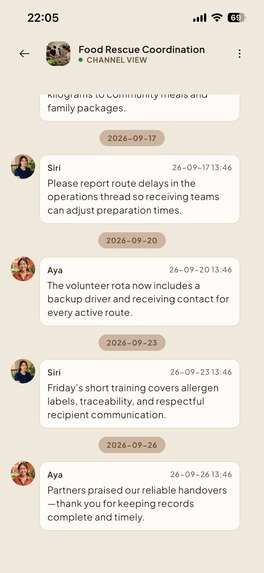
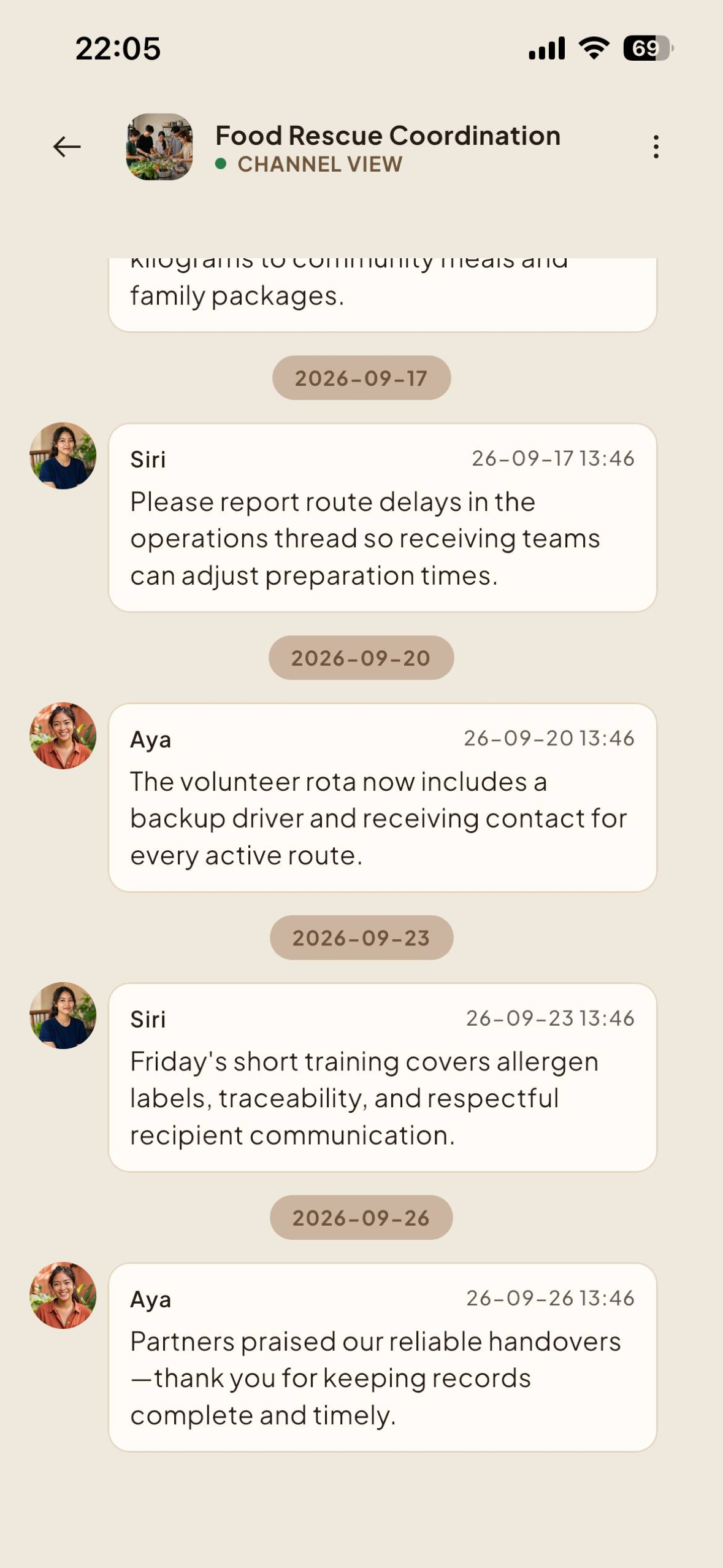
Keep volunteers connected with dedicated project conversations.
-
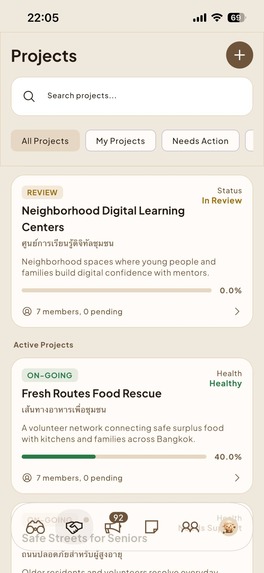
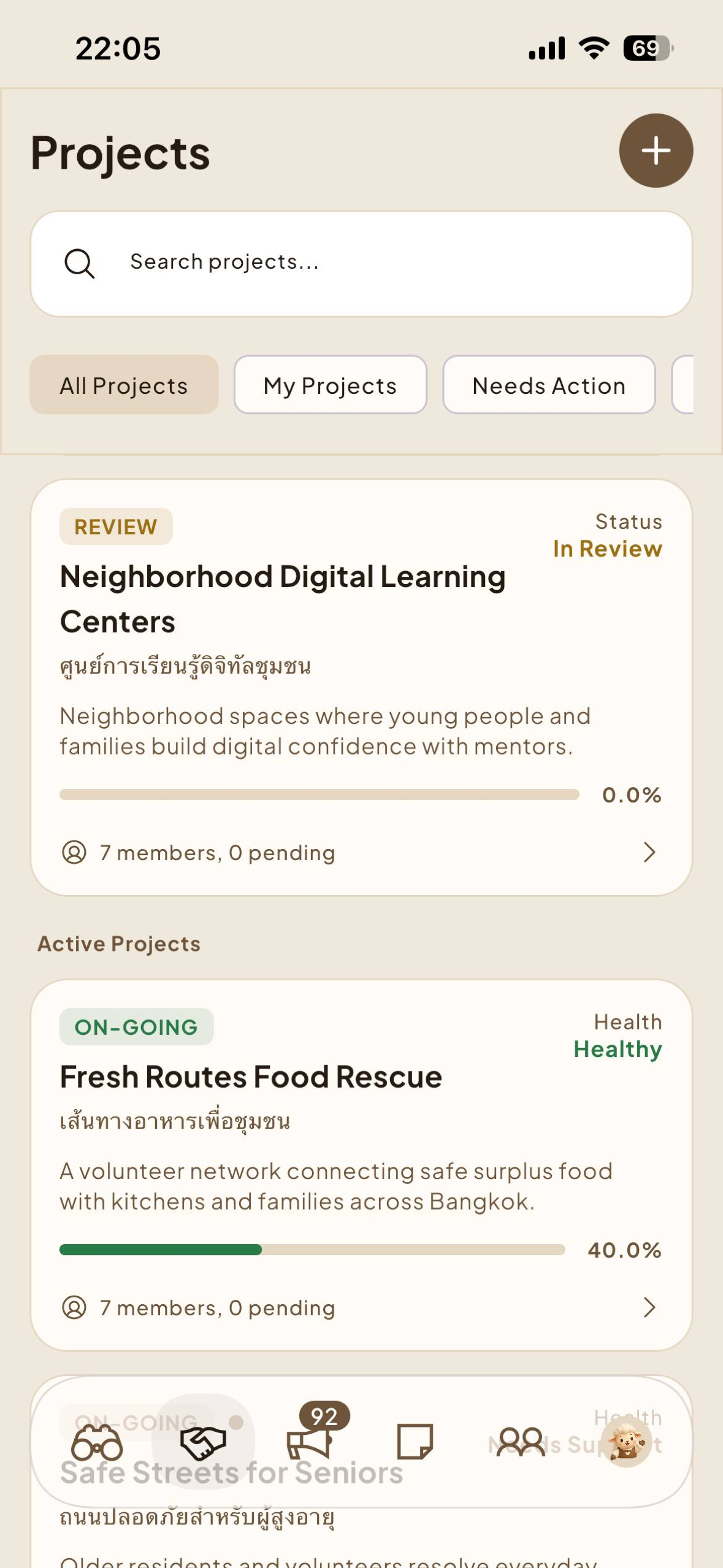
Turn community ideas into projects and track their progress.
-
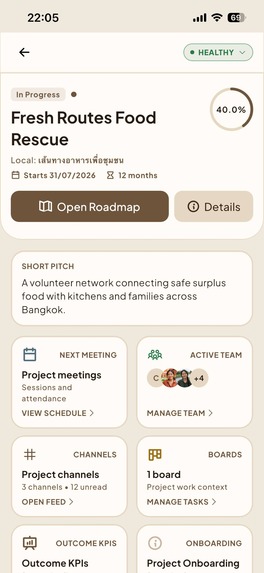
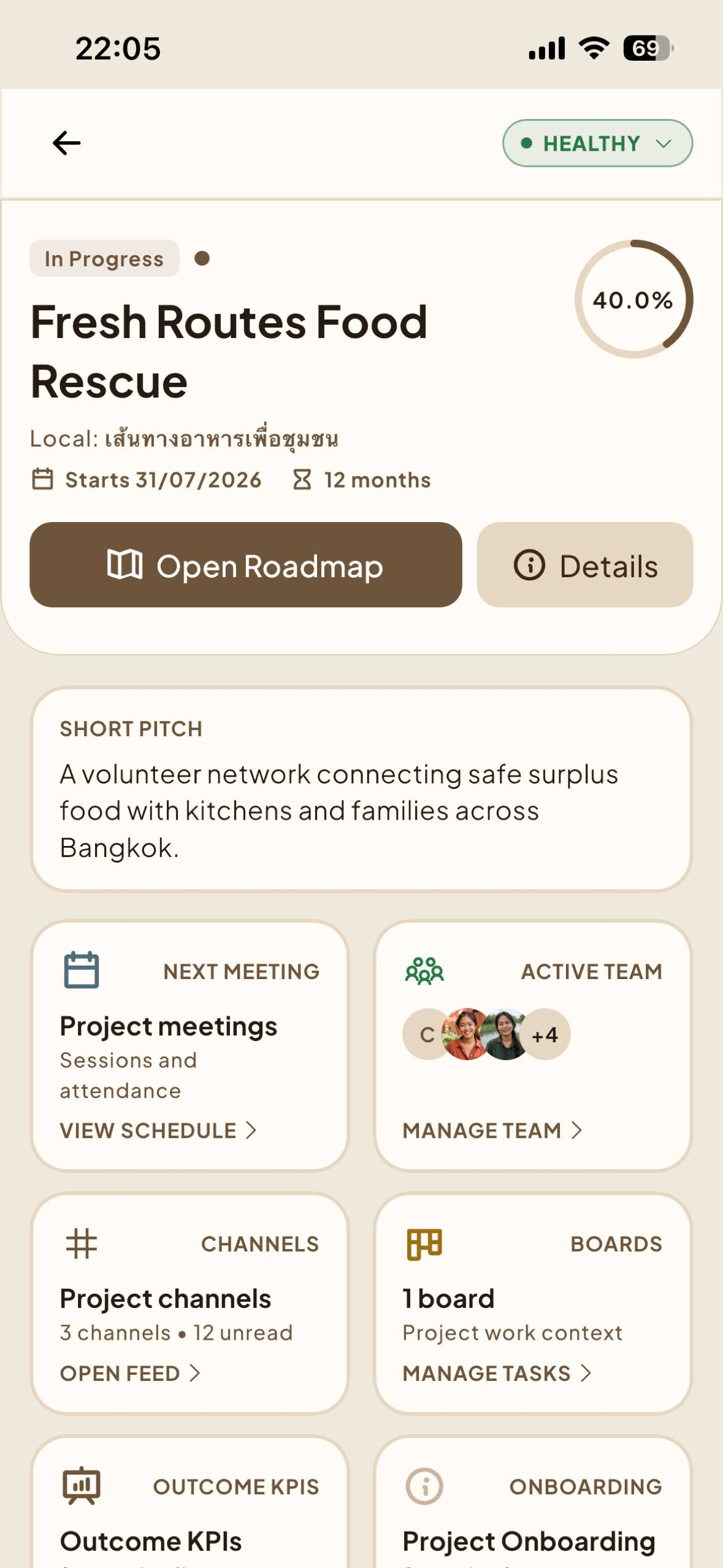
Bring project goals, teams, budgets, and next steps together.
-
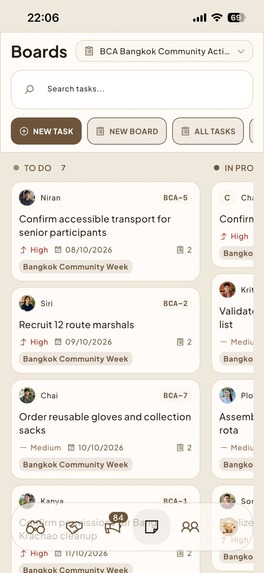
Coordinate community work with shared task boards and clear priorities.

Inspiration
Our teammate Claire is a curator in the Global Shapers Community. Community work meant keeping track of plans in chats, responsibilities in spreadsheets, and decisions across email. People were giving their time; coordinating that time was becoming another job.
We built Shapers to help community teams turn commitments into completed work. It is live on iOS and Android, and as of September 29, 15 Bangkok Global Shapers have joined the app. Their experience is shaping what we ship.
What it does
A team can propose a project, review it, organize its tasks on a board, and track who is responsible for the next step. Channels keep discussions in the workspace, while meetings and attendance check-in connect plans to participation. Project leads can submit budget requests with supporting receipts; financial records and review actions stay restricted to the appropriate people. In-person meeting check-in uses nearby device connections to help confirm attendance.
The Finance Hub makes payment follow-up part of that same workspace. Members see their obligations, submit proof after paying externally, and follow confirmation. Finance leads review the evidence or request corrections. Shapers organizes the records and accountability; it does not process those payments.
Our released Model Context Protocol (MCP) integration lets members work with their tasks through compatible AI assistants. They can find their assignments and tasks awaiting their review, create a task assigned to themselves, and make permitted updates to task details or status. We have verified task reads and writes through a real AI assistant against the released server. Members explicitly authorize access, existing task permissions still apply, and resulting task activity identifies both the human member and its AI origin.
One RevenueCat-powered subscription covers a workspace and its members within the plan's limits. The organization funds coordination; occasional volunteers can participate without buying individual subscriptions.
Accomplishments
As of September 29, our team reports 15 Bangkok members have joined. In our September 27 update, the curatorship team had created channels and boards, more than 30 tasks had been created with some completed, and five members had checked in online during a recent Hub meeting. Onboarding continues across a roughly 50-member hub.
We have also turned community feedback into a released feature. Bangkok's difficulty following payment records across spreadsheets and LINE messages led us to build the Finance Hub, now available on both iOS and Android alongside dashboard improvements and guided onboarding. MCP adds another released way to act on tasks in that workspace.
Bangkok's Financial Officer has approved a Plus-plan subscription budget. The hub is evaluating Shapers through an agreed one-month pilot and will vote on subscribing at its conclusion. The paid subscription decision is still ahead.
How we built it
Kotlin Multiplatform and Compose Multiplatform share feature logic, state, networking, navigation, and UI across iOS and Android. Native integrations handle platform-specific behavior. A shared design system uses Plus Jakarta Sans, warm colors, and rounded components to make detailed workflows feel approachable on both platforms.
For in-person meeting check-in, we use Google Nearby Connections to help verify that members are physically present, connecting attendance records to participation.
Ktor and PostgreSQL support workspace permissions and structured review workflows. RevenueCat handles subscription purchases and restoration, with backend verification connecting access to the subscribed workspace. Our MCP server uses the Kotlin MCP SDK and routes task actions through the existing task workflows, preserving permissions and activity history.
Challenges and lessons
Community members may only open the app between other commitments. The design has to make responsibility, review status, and the next action clear. Finance made that especially concrete: a member needs to see what they owe and whether it is confirmed, while a finance lead needs evidence and review controls.
That feedback taught us to build around the work people are already trying to do. We apply the same principle to MCP: members can act on their tasks through an assistant while Shapers retains the permissions, workflow rules, and record of who changed what.
What's next
We will continue onboarding Bangkok member and international members (we will be hosting demo for international Hubs) and evaluate the pilot through completed work, repeat participation, use of financial workflows, and the hub's subscription vote. We will also learn whether members use AI-assisted task management in their everyday coordination.
Building on the Bangkok pilot, we plan to introduce Shapers to Global Shapers hubs in other countries and learn from their local needs. Our aim is to give more community teams a practical way to organize the work they care about.
We are entering the RevenueCat Peace Prize, Ship Kotlin Everywhere, RevenueCat Design Award, HAMM Award, and Grand Prize.
Built With
- compose-multiplatform
- decompose
- digitalocean
- docker
- flyway
- google/nearby
- koin
- kotlin
- kotlin-multiplatform
- ktor
- mcp
- mvikotlin
- postgresql
- revenuecat


Log in or sign up for Devpost to join the conversation.