Devpost
Participate in our public hackathons
Devpost for Teams
Access your company's private hackathons
Grow your developer ecosystem and promote your platform
Drive innovation, collaboration, and retention within your organization
By use case
Blog
Insights into hackathon planning and participation
Customer stories
Inspiration from peers and other industry leaders
Planning guides
Best practices for planning online and in-person hackathons
Webinars & events
Upcoming events and on-demand recordings
Help desk
Common questions and support documentation
Sort by:
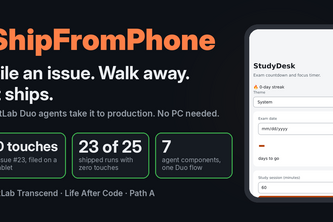
I filed an issue from my Android tablet. 13 minutes later, GitLab Duo agents had it reviewed, scanned, merged, deployed and verified in production. Zero human touches.
A sovereign-ready AI bridge, designed around Apertus, that turns cross-border business requests into structured, actionable enquiries.
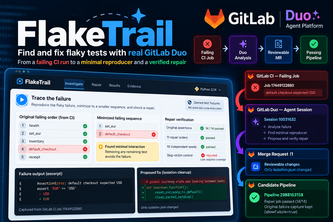
Turn an order-dependent test failure into a smaller reproducer and check a repair that preserves every assertion.
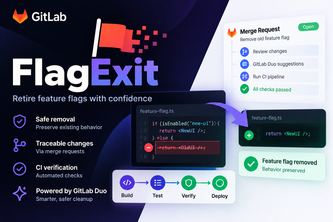
Retire a completed feature flag with a reviewable diff and evidence for the behavior you intend to keep.
Know what your camera actually captured. SurfaceLedger uses OpenCV 5 to detect missing coverage, weak image detail, and areas needing recapture—without inventing pixels.
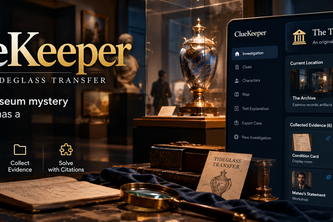
An interactive museum mystery where every clue has a traceable source. Explore, question characters, and solve the case in a persistent Alexa+ web simulation powered by real MCP tools.
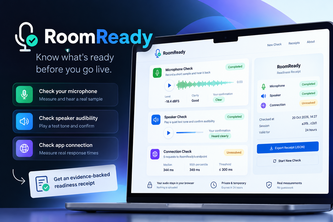
Know what's ready before you go live. RoomReady checks your microphone, audibility, and app connection, turning real measurements and user confirmations into an evidence-backed soundcheck receipt.
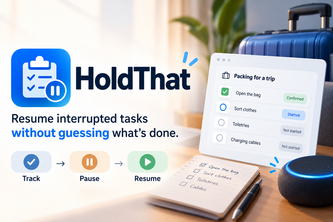
HoldThat helps you resume interrupted tasks without guessing what’s done. Track confirmed progress, preserve unfinished steps, and pick up exactly where you left off.
APERTUS FRACTURE finds reproducible reliability failures in Apertus by testing where meaning is lost across prompts, tool interfaces, model stages, and serving paths.
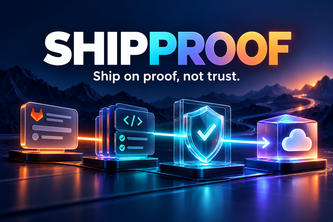
Ship on proof, not trust. GitLab Duo agents turn issues into tests, challenge a zero-traffic Cloud Run release with live user journeys, and promote traffic only when the evidence passes.
An MCP server that lets AI agents use a merchant's PayPal account under hard limits they cannot change, with plain-language rules and human approval.
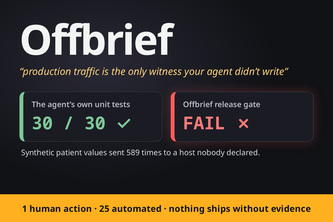
A release gate for AI coding agents: recorded traffic replayed against stable (twice) and the candidate, plus per-run honeytoken markers, catches what the agent's own tests never will.
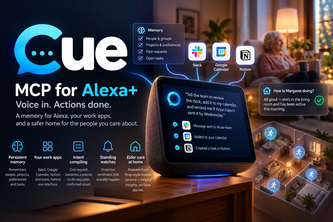
An MCP Powered Semantic Memory Layer For Personalized Assistance, Connected Workflows, And Sensor Informed Elderly Care.
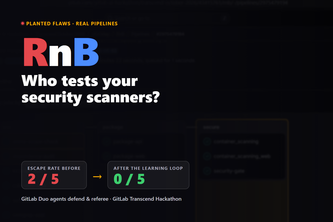
Who tests your security scanners? RnB plants known flaws in merge requests, measures which ones the pipeline lets through, and turns every miss into a new rule. GitLab Duo agents fix and referee.
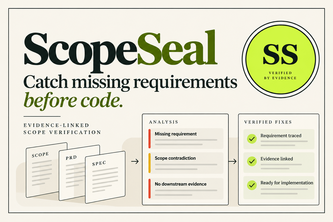
Catch missing requirements, scope drift, and conflicting specs before coding. ScopeSeal links every finding to evidence and safely verifies proposed fixes without changing original documents.
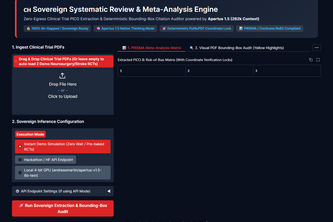
A zero-egress clinical literature extraction pipeline that uses Apertus 1.5's 262k context and deterministic bounding-box coordinate locks to automate medical meta-analyses without LLM hallucinations.
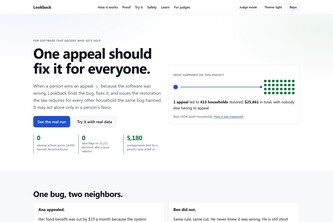
When one person wins an appeal because the software was wrong, Lookback fixes the bug and finds everyone else it harmed. It acts alone only in a person's favor.
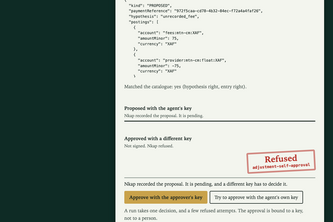
An AI agent that investigates mobile-money payments that don't match the ledger, and can only propose the fix. Fixed rules check it, and a different key must approve.
Every break, mended in gold
G-push turns idle PCs into a distributed computing network. Creators submit Blender rendering jobs, and workers earn rewards for verified results, making powerful computing more accessible.
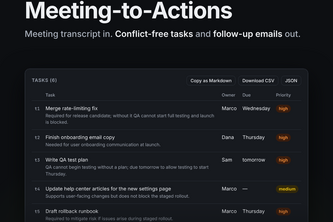
Turning messy meeting transcript into a clean action plan, with every task owned and dated, conflicts resolved, and follow-up emails ready to send.
An Apertus v1.5 repair agent that diagnoses failing JavaScript, proposes minimal fixes, verifies them offline, and records auditable evidence.
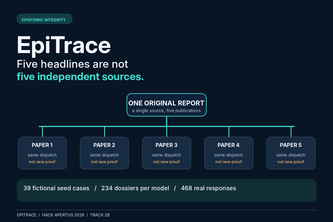
EpiTrace tests whether Apertus mistakes repeated reports for independent evidence. Across 468 evaluations, both models handled known copies well but misclassified unknown source origins as dependent.
Snag turns a client's screenshot and one sentence into a structured bug ticket, and keeps what the AI saw apart from what it guessed.