-
-
logo
-
-
-
-
-
-
Inspiration
AI is making 3D creation accessible to everyone. Today, even people without professional modeling skills can generate 3D models and create impressive 3D scenes using AI.
However, I discovered a major problem: creating 3D content is becoming easier, but rendering it still requires expensive GPUs and significant computing power.
This creates a barrier for students, independent creators, and people who cannot afford high-performance hardware.
That inspired a new idea: What if crowdfunding could provide computing power instead of money?
This is how G-push was born.
What It Does
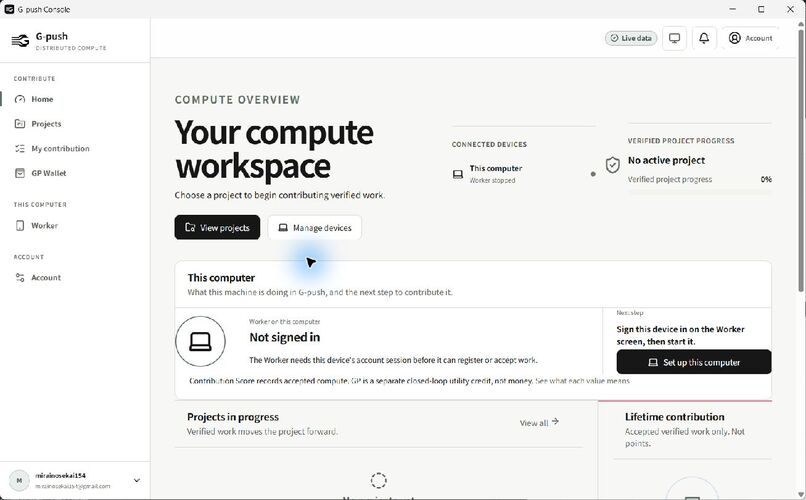
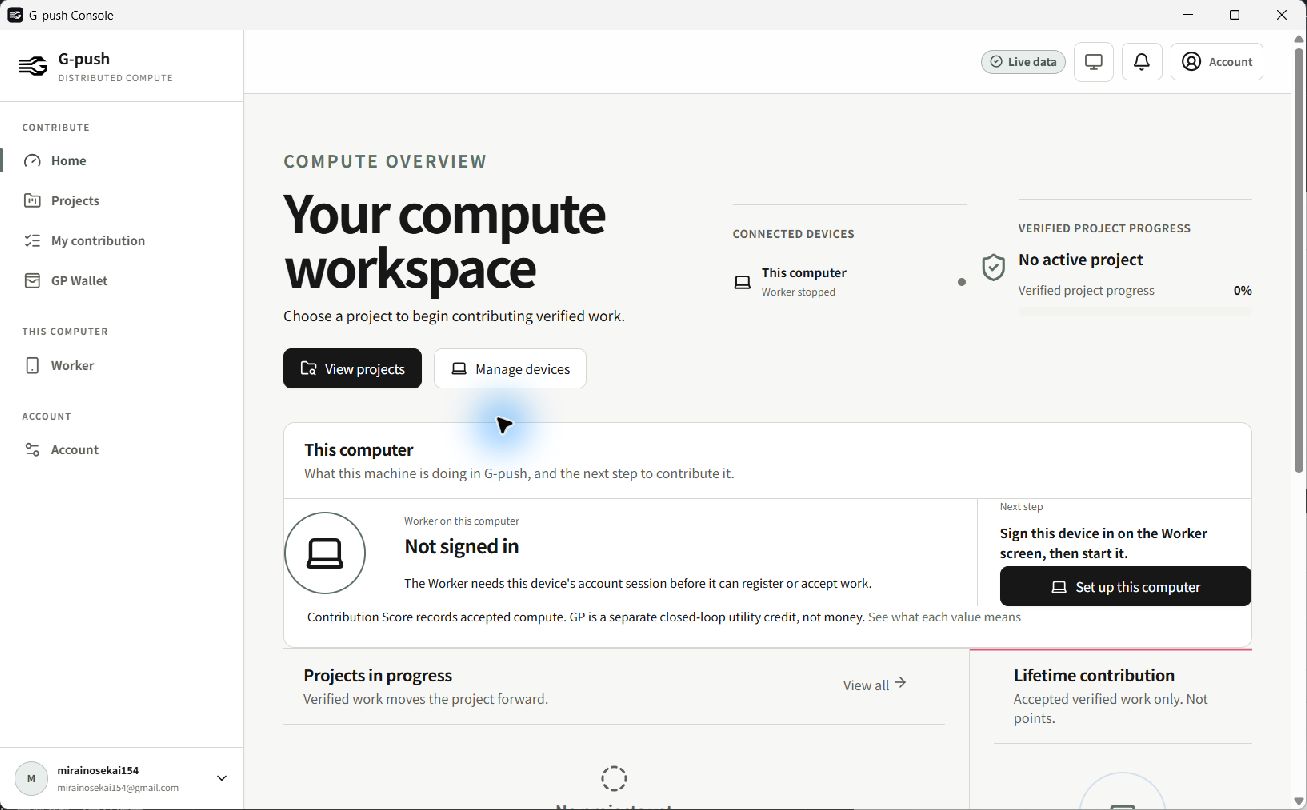
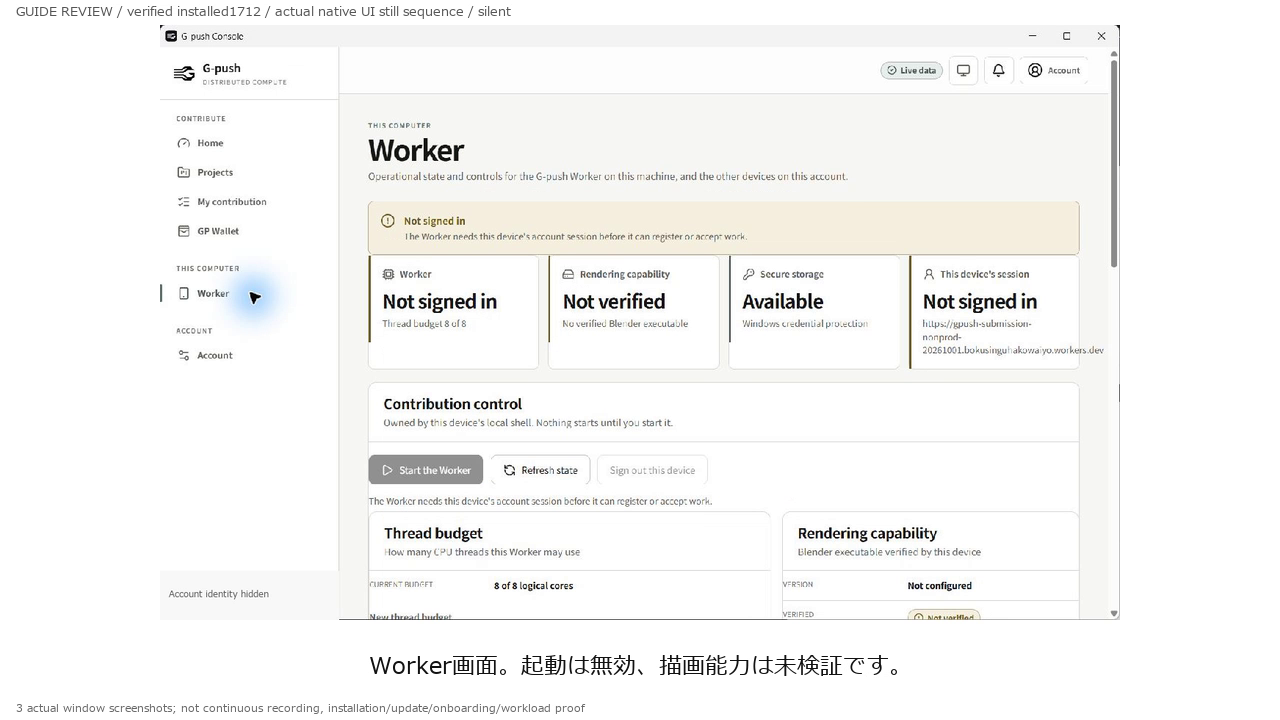
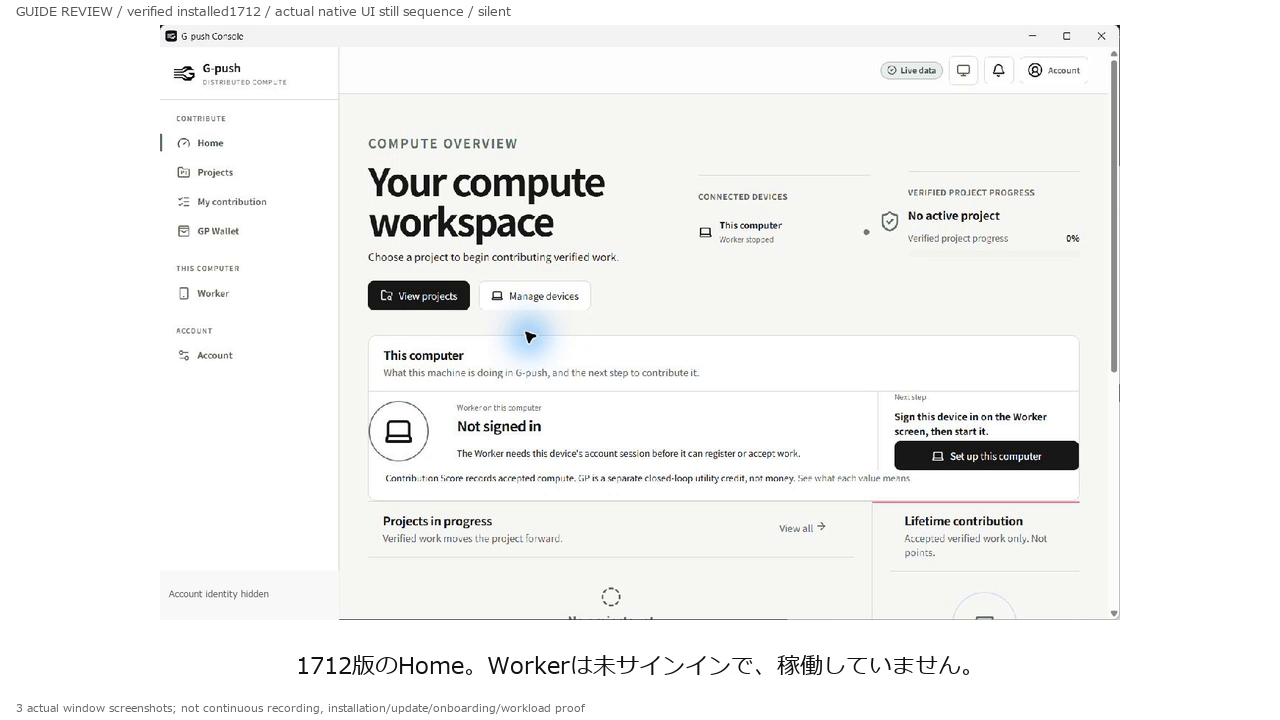
G-push is a GPU-powered crowdfunding platform that allows people to support creative projects by sharing their computers' unused processing power instead of donating money.
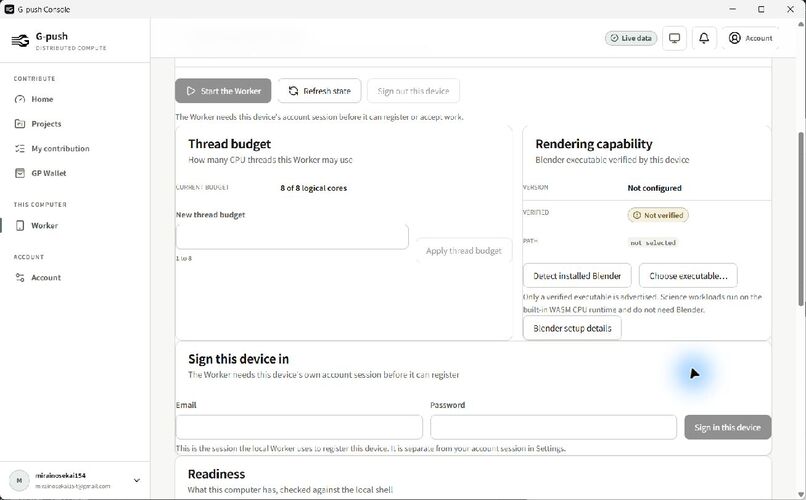
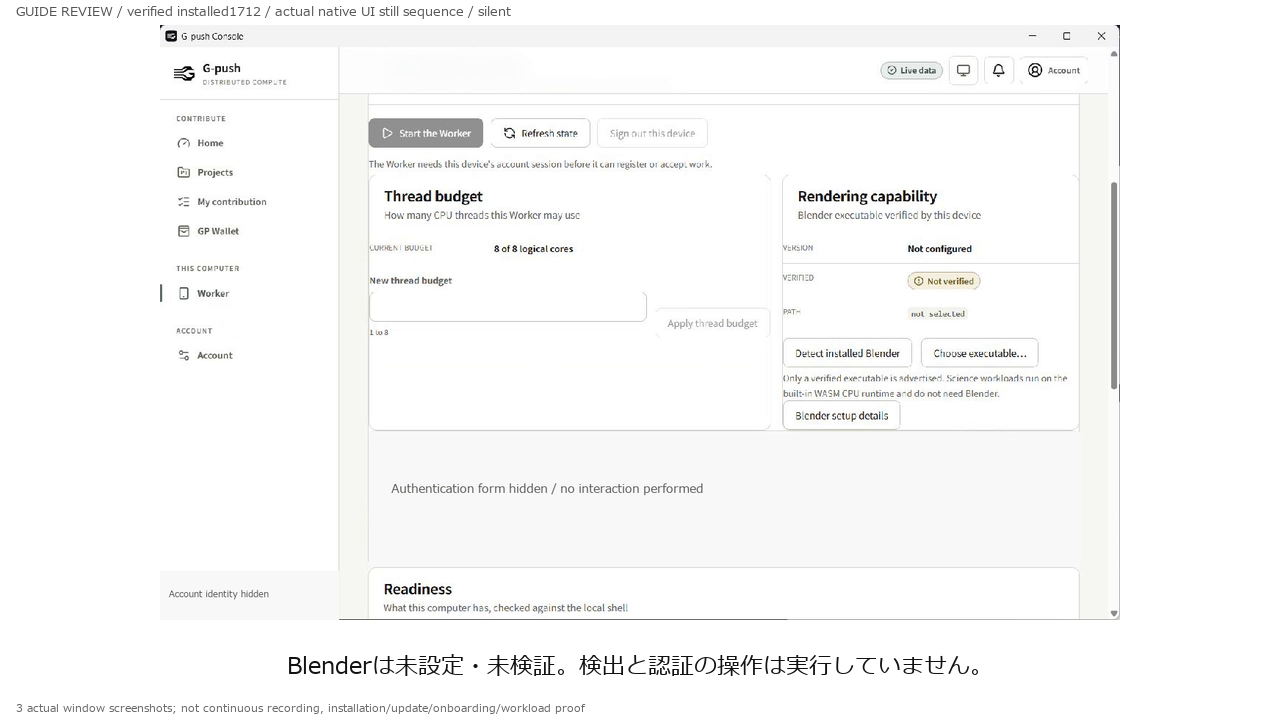
Creators can submit computationally intensive tasks, such as Blender rendering, and other users can contribute their GPUs to help complete them.
The platform is designed to distribute rendering jobs across participating computers, verify the results, and reward contributors with GP credits for their computational contributions.
Our goal is to make high-performance computing accessible to everyone, regardless of their financial resources.
How I Built It
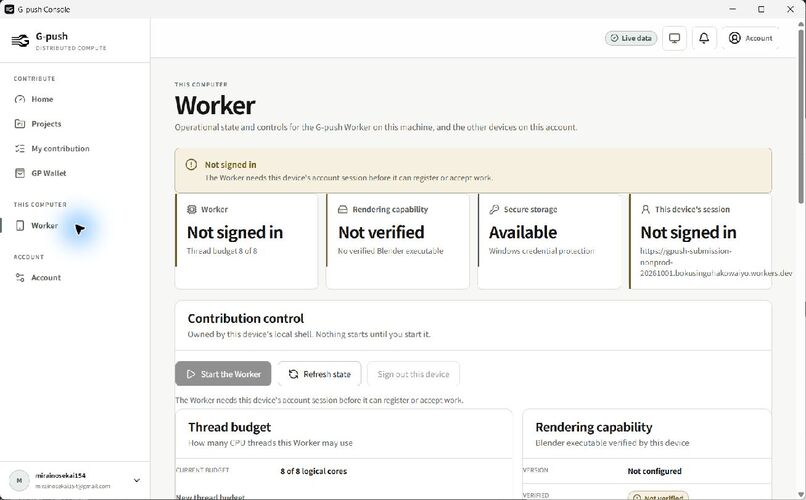
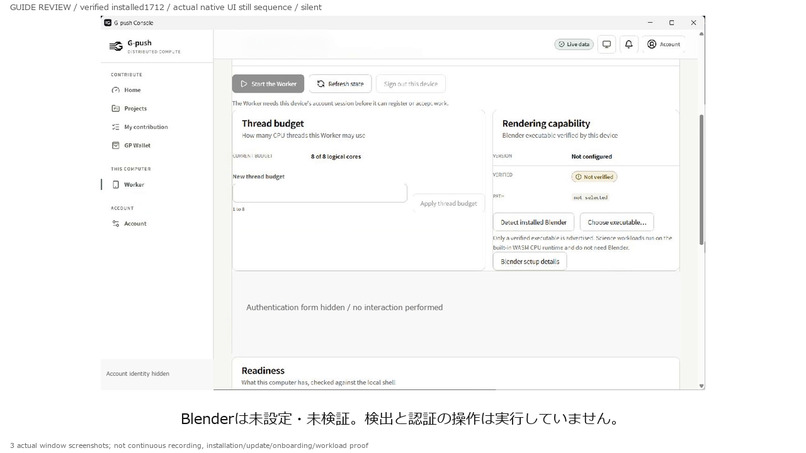
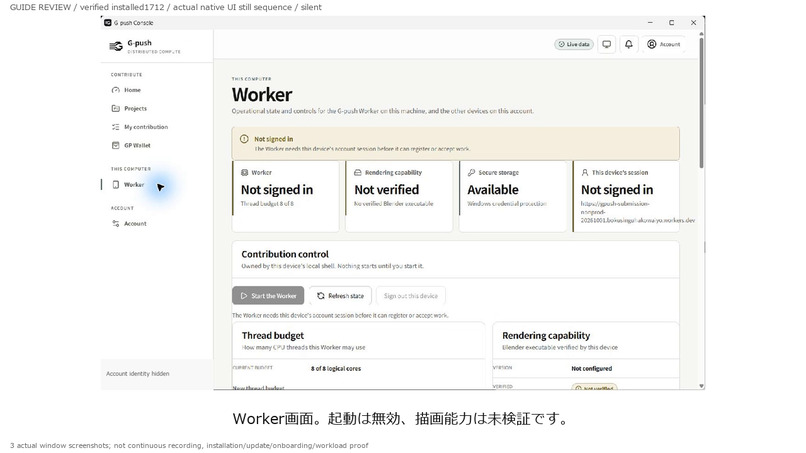
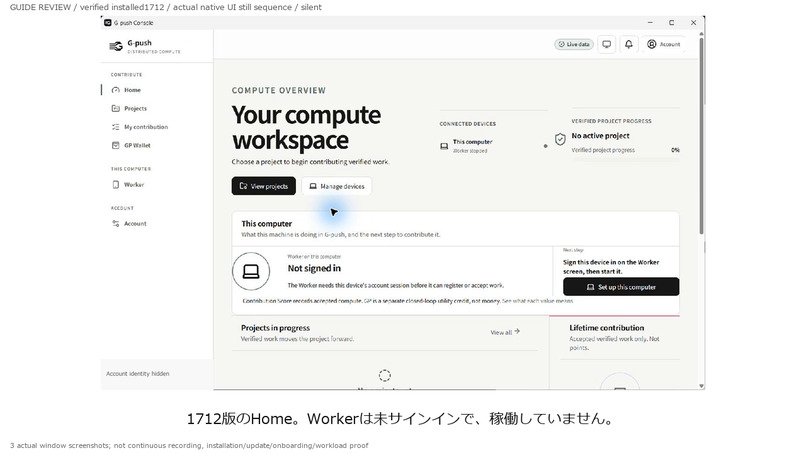
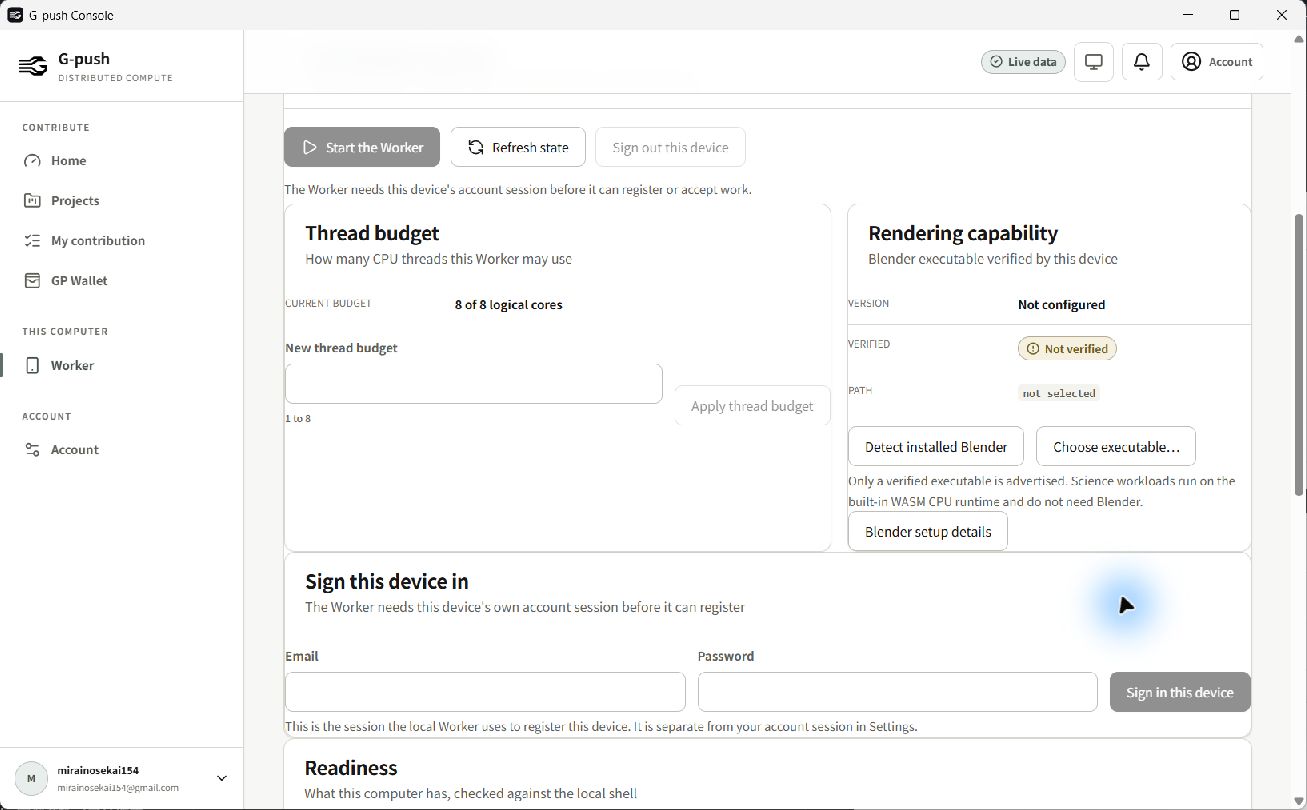
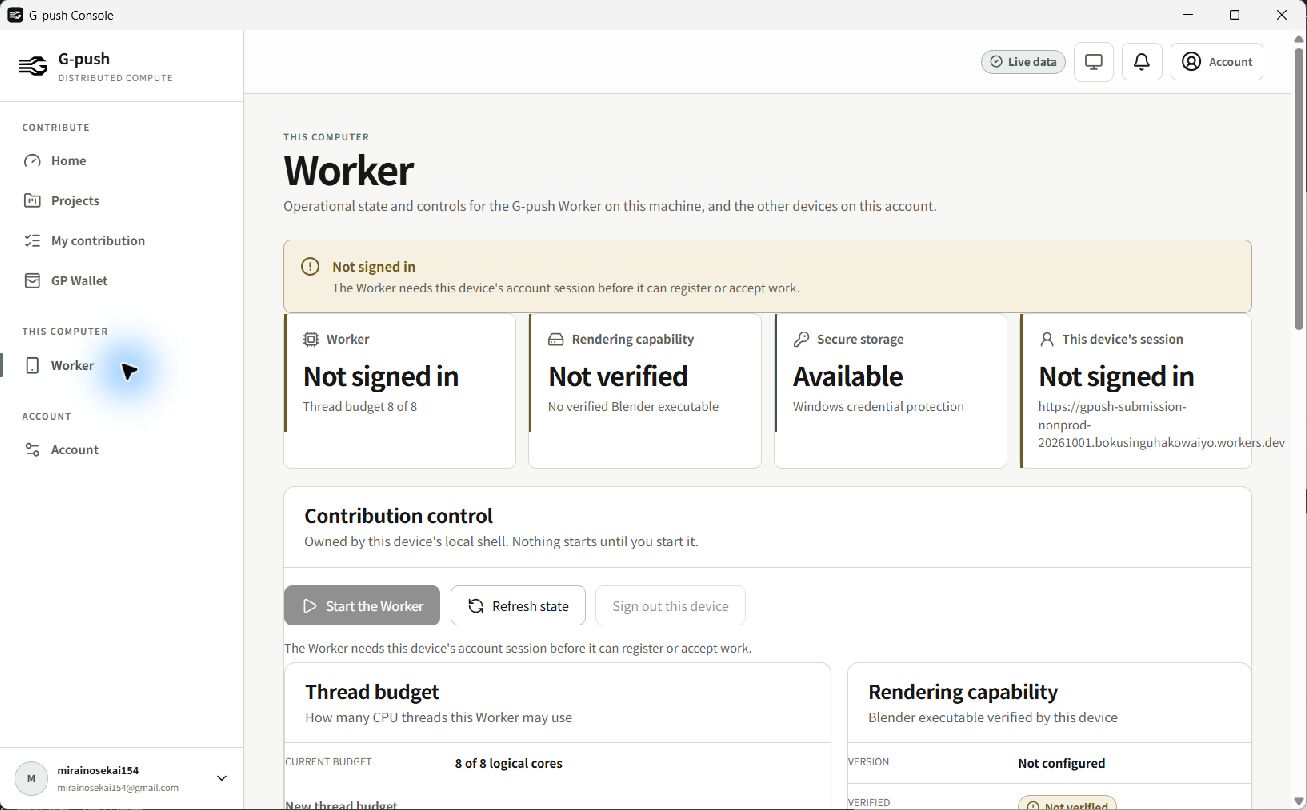
I am developing G-push as a distributed computing platform with a Windows desktop application, a cloud backend, and a Blender-based rendering system.
The desktop application uses Electron and Node.js, while Supabase, PostgreSQL, and Cloudflare Workers support backend services, authentication, and task management.
The system is designed to coordinate computing jobs between creators and workers, execute Blender tasks in isolated environments, and verify results before awarding credits.
Challenges I Faced
One of the biggest challenges was building a reliable system that distributes real computing tasks across different machines.
Unlike simply sharing files, distributed rendering requires task coordination, secure execution, result verification, and reliable reward accounting.
I also encountered challenges involving Windows application packaging, authentication, GPU resource management, and preventing duplicate rewards.
What I Learned
Through this project, I learned how distributed systems, cloud infrastructure, GPU computing, and application security work together.
More importantly, I realized that innovation does not always require more expensive hardware. Sometimes, the solution is to connect resources that people already have.
What's Next
I am working toward completing the full end-to-end rendering workflow and delivering an easy-to-use Windows application.
Ultimately, I want G-push to become a new kind of crowdfunding platform where anyone can support creativity—not just with money, but with computing power.
Built With
- blender
- cloudflare-workers
- docker
- electron
- git
- javascript
- node.js
- opencode
- postgresql
- supabase
- typescript
- windows


Log in or sign up for Devpost to join the conversation.