-
-
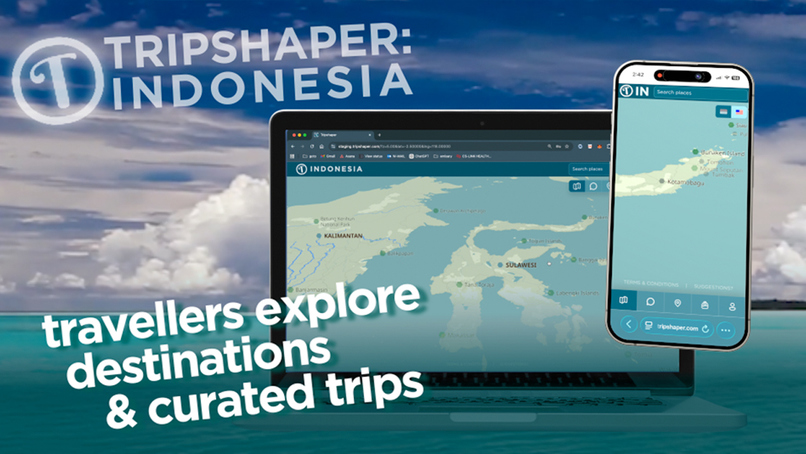
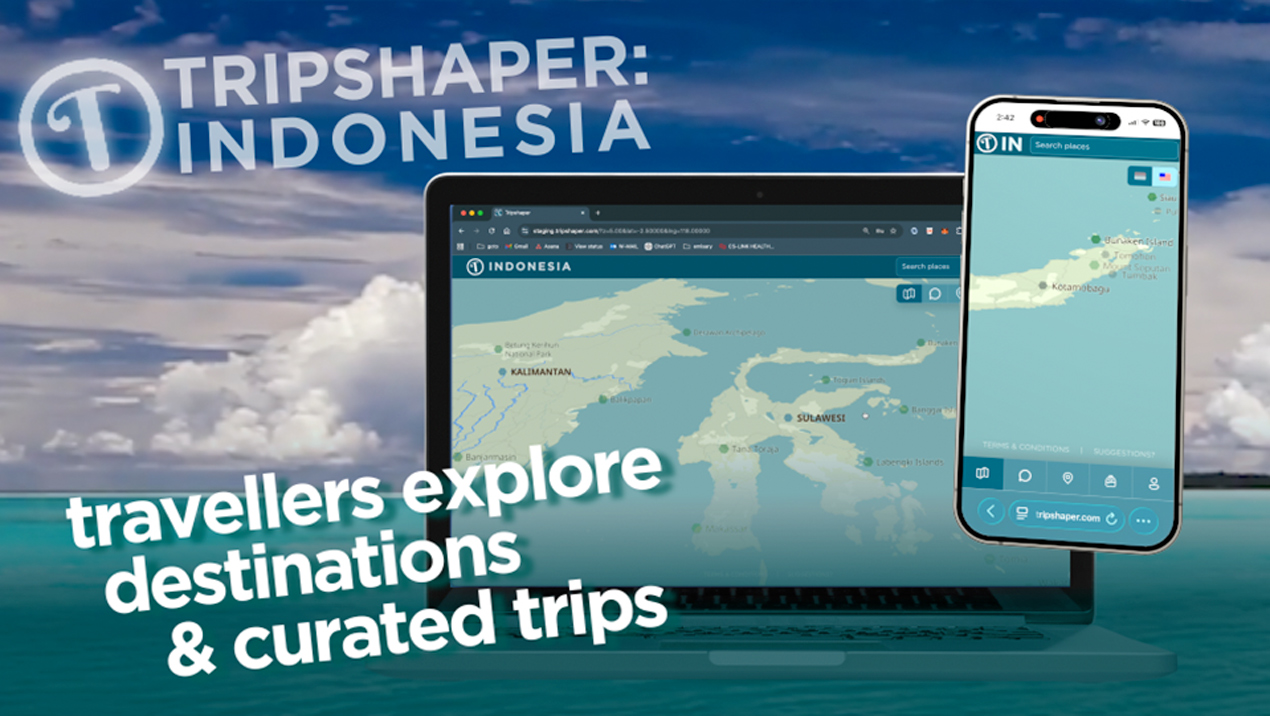
Travelers explore destinations and curated trips
-
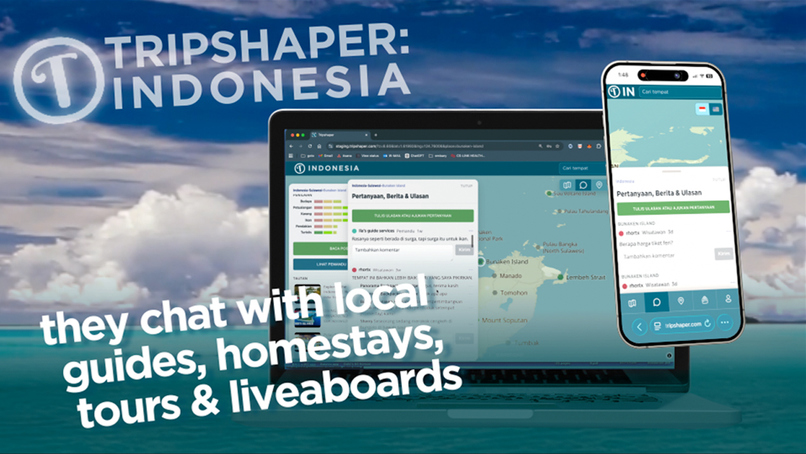
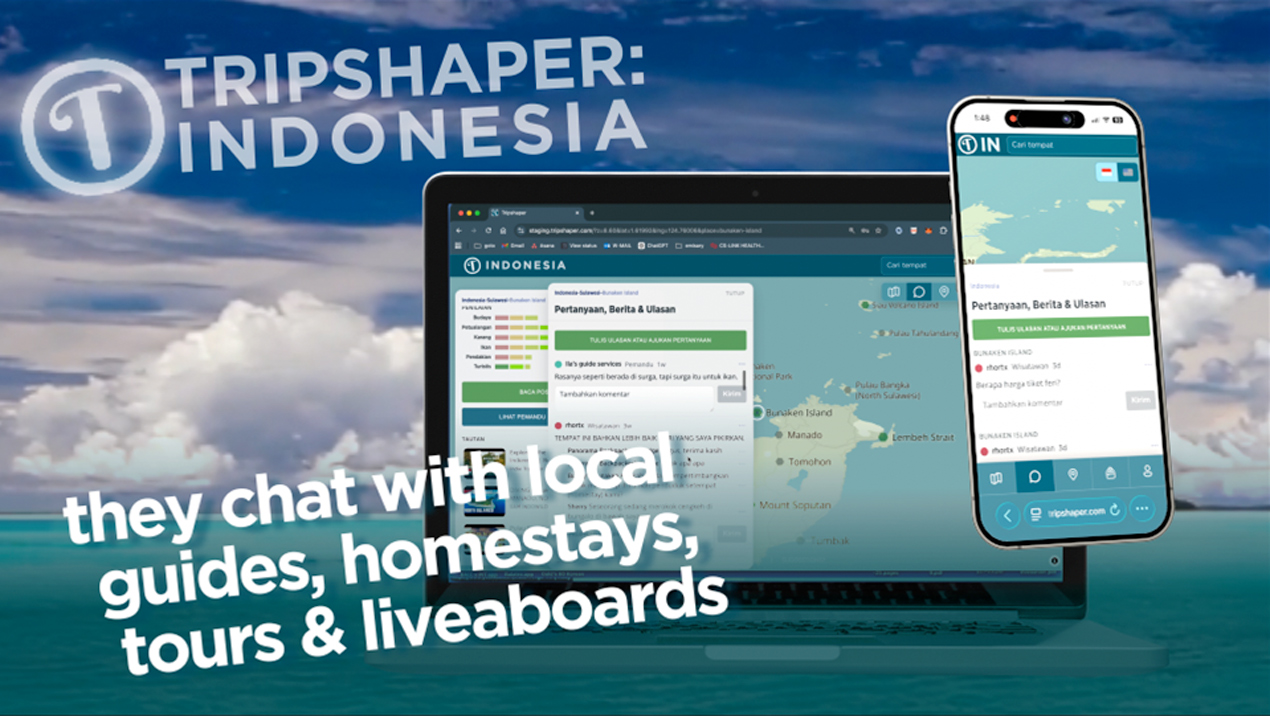
They chat with local guides, homestays, tours and liveaboards
-
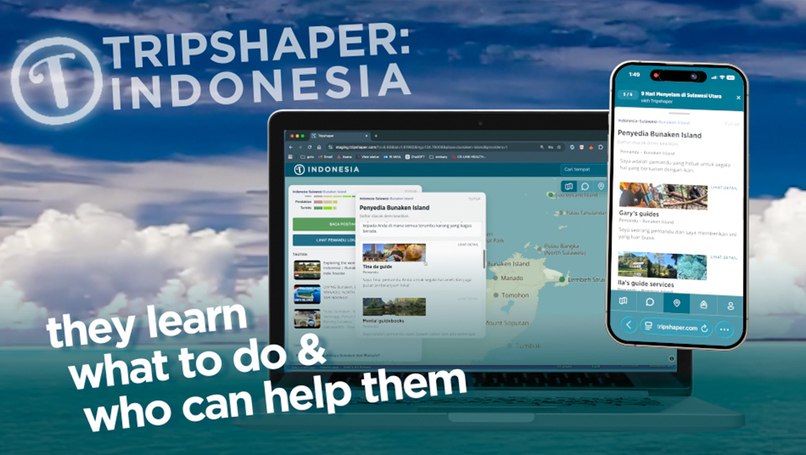
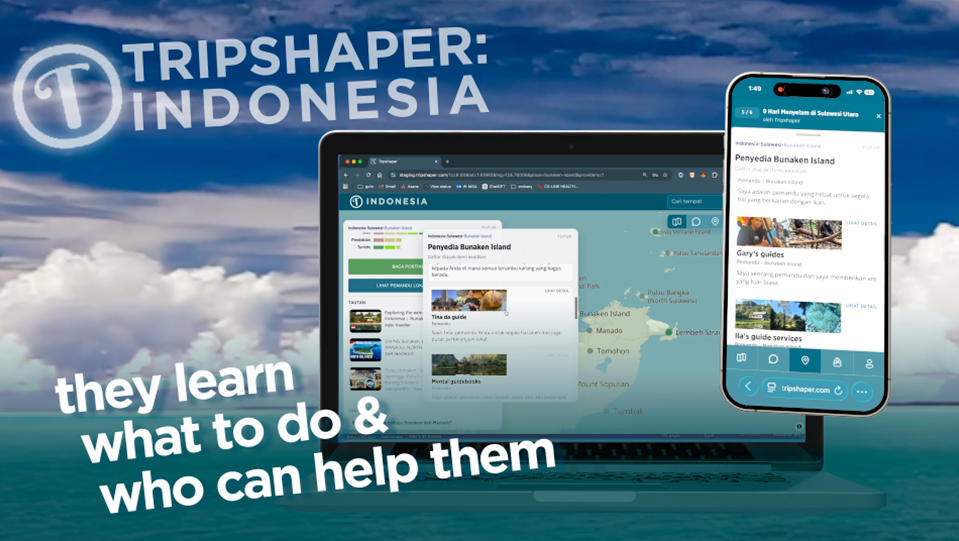
They learn what to do and who can help them
-
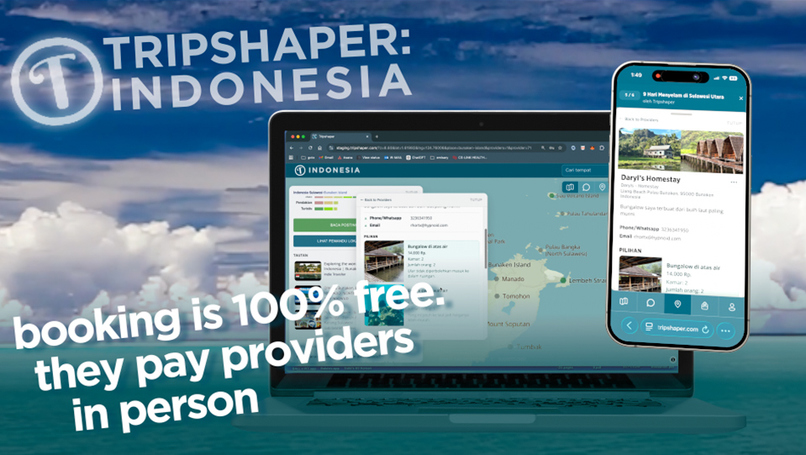
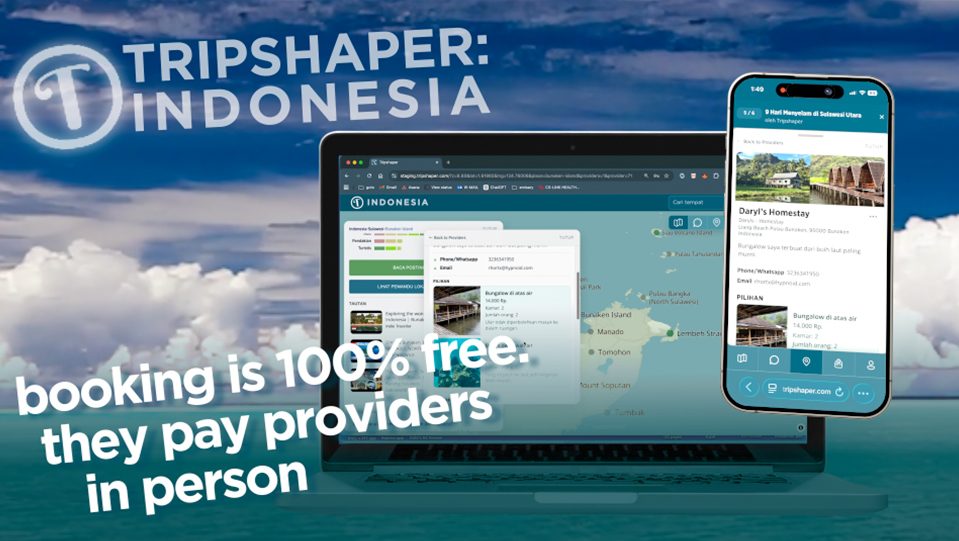
Booking is 100% free. They pay providers in person
Inspiration
While planning a trip to Indonesia, I realized how many different maps, blogs, forums, videos, and booking sites I needed just to build a good itinerary. Once I was there, I also saw how much small local providers can lose to major booking platforms charging 15–20% commissions.
What it does
Tripshaper lets travelers:
- Explore more than 1,100 Indonesian destinations on an interactive map
- Ask local providers practical questions
- Build and share their own trips
- Make direct, commission-free bookings
How I built it
I built Tripshaper with Codex and ChatGPT, first using GPT-5.5 and later GPT-5.6, on a Laravel and JavaScript foundation. The process involved a great deal of experimentation, testing, and iteration.
Challenges I ran into
As a non-technical product manager, I needed reliable ways to know whether the app was actually working as intended. I built a set of analytics and health dashboards to track user behavior, latency, errors, server performance, and friction throughout the experience.
Accomplishments that I'm proud of
I’m proud that I built a working bilingual travel platform by myself—something that would traditionally have required a product team and several developers working for months.
What I learned
Travelers have endless alternatives, so a useful product is not enough. You have to continually remove friction, earn trust, and give people a clear reason to return.
What's next for Tripshaper.com
Tripshaper is currently in beta. I’m using a small stream of visitors from Google Ads to study behavior and improve usability and engagement.
I’m also building a curated-trip generator that combines a logistics graph of Indonesian destinations with LLM calls. After answering a few simple questions, travelers will receive a personalized trip that is both appealing and geographically practical.
Built With
- codex
- geojson
- google-translate
- gpt5.6
- javascript
- laravel
- maplibre
- mysql
- openai
- openstreetmap
- planetiler
- pmtiles
- redis

Log in or sign up for Devpost to join the conversation.