-
-
-
-
-
-
-
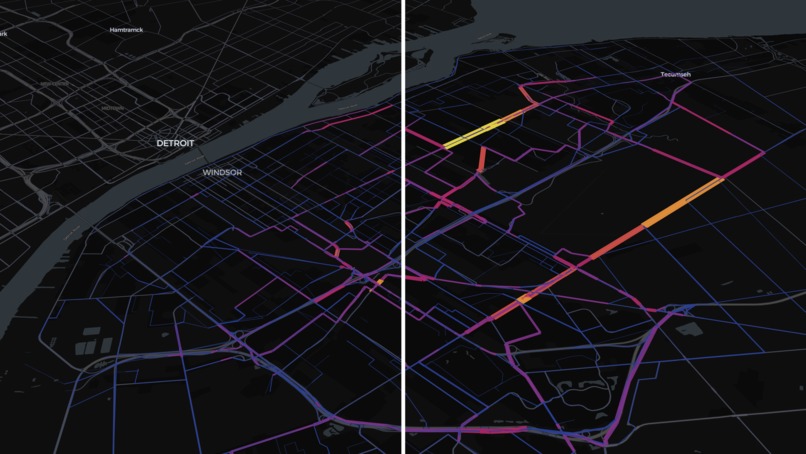
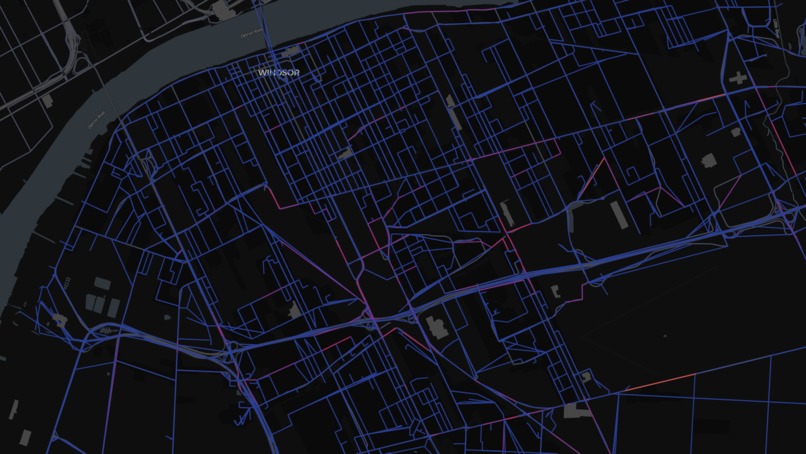
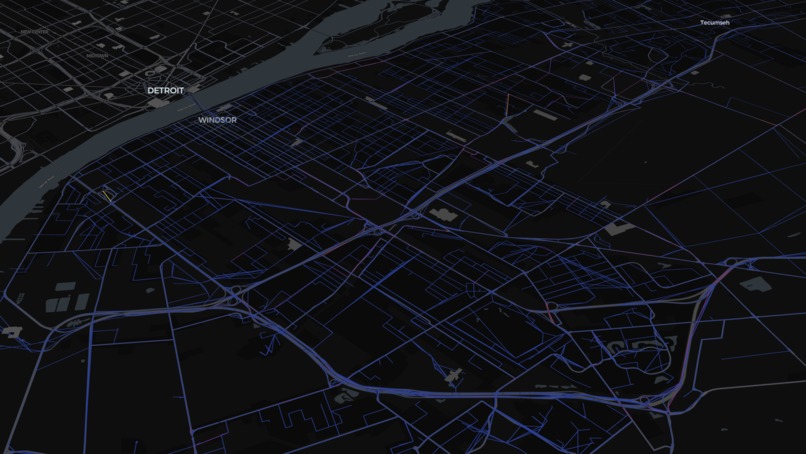
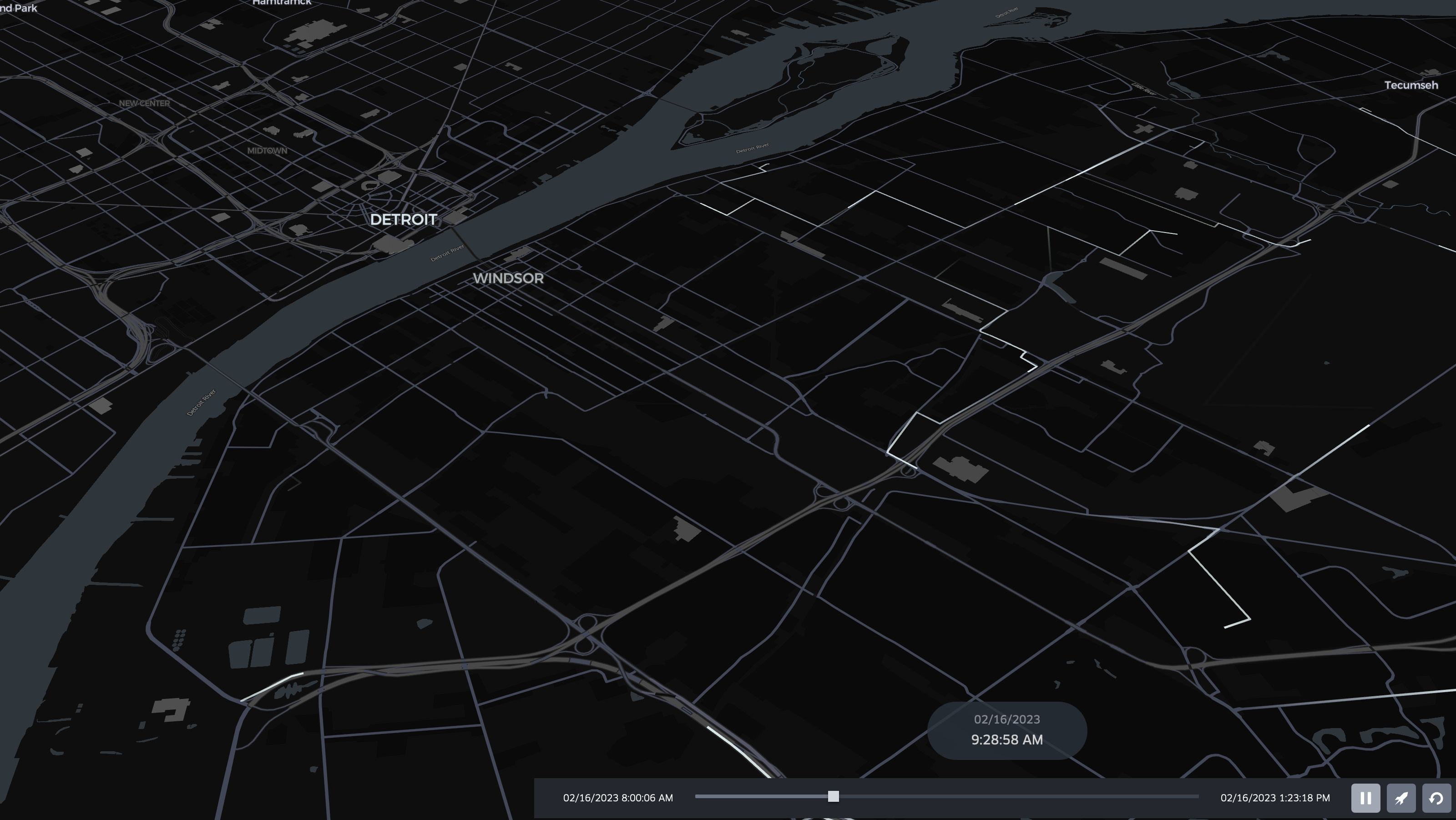
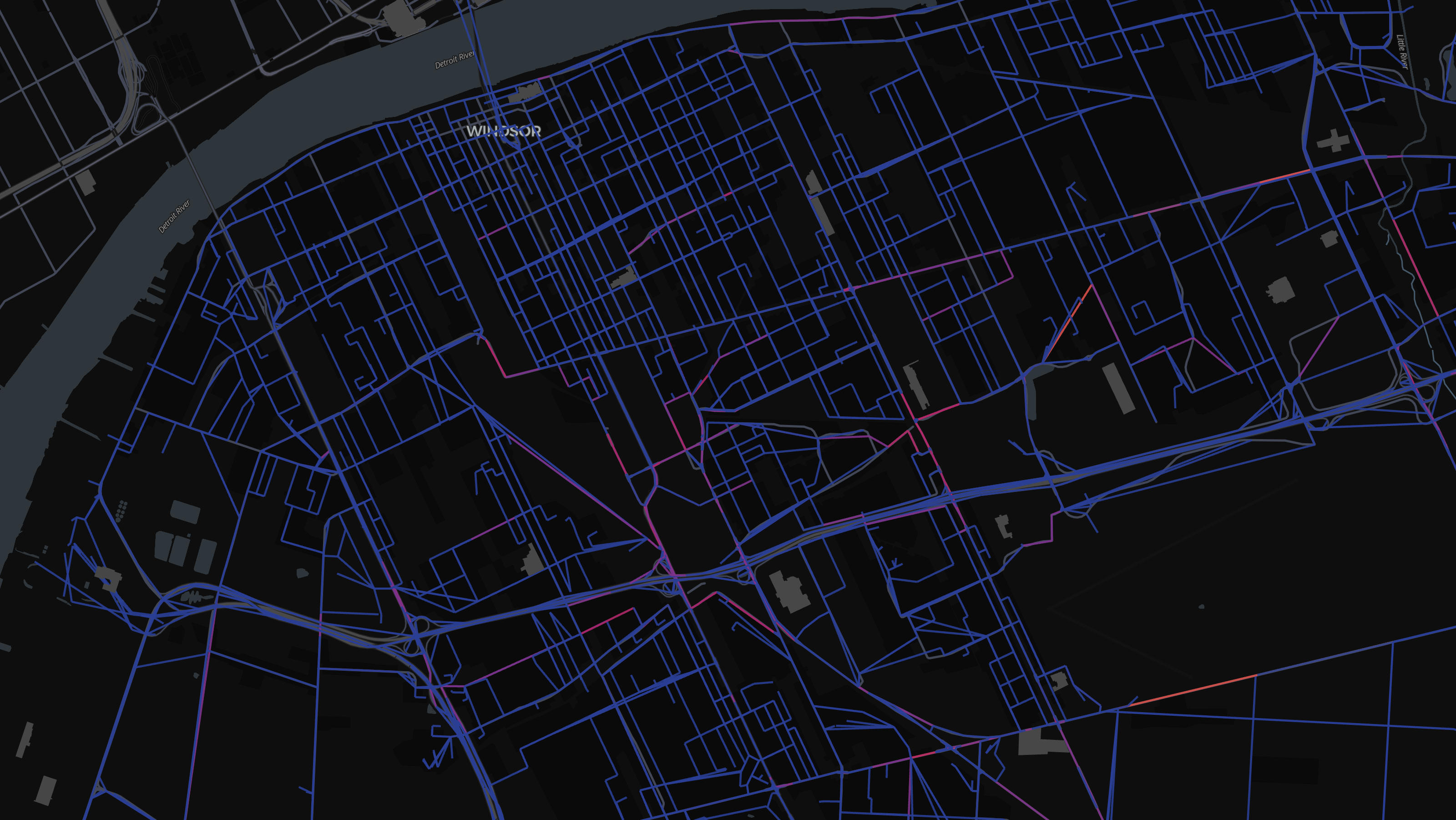
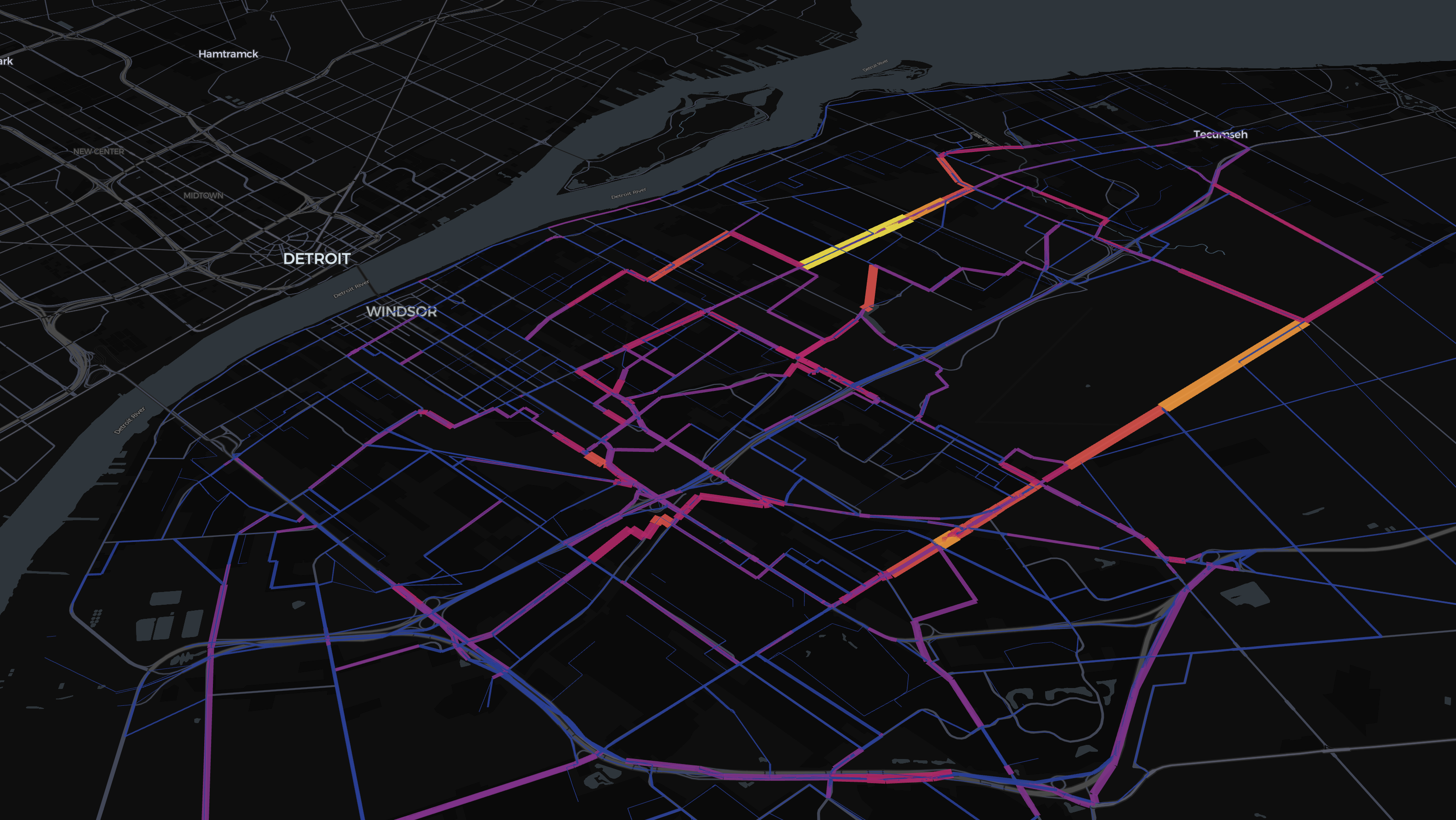
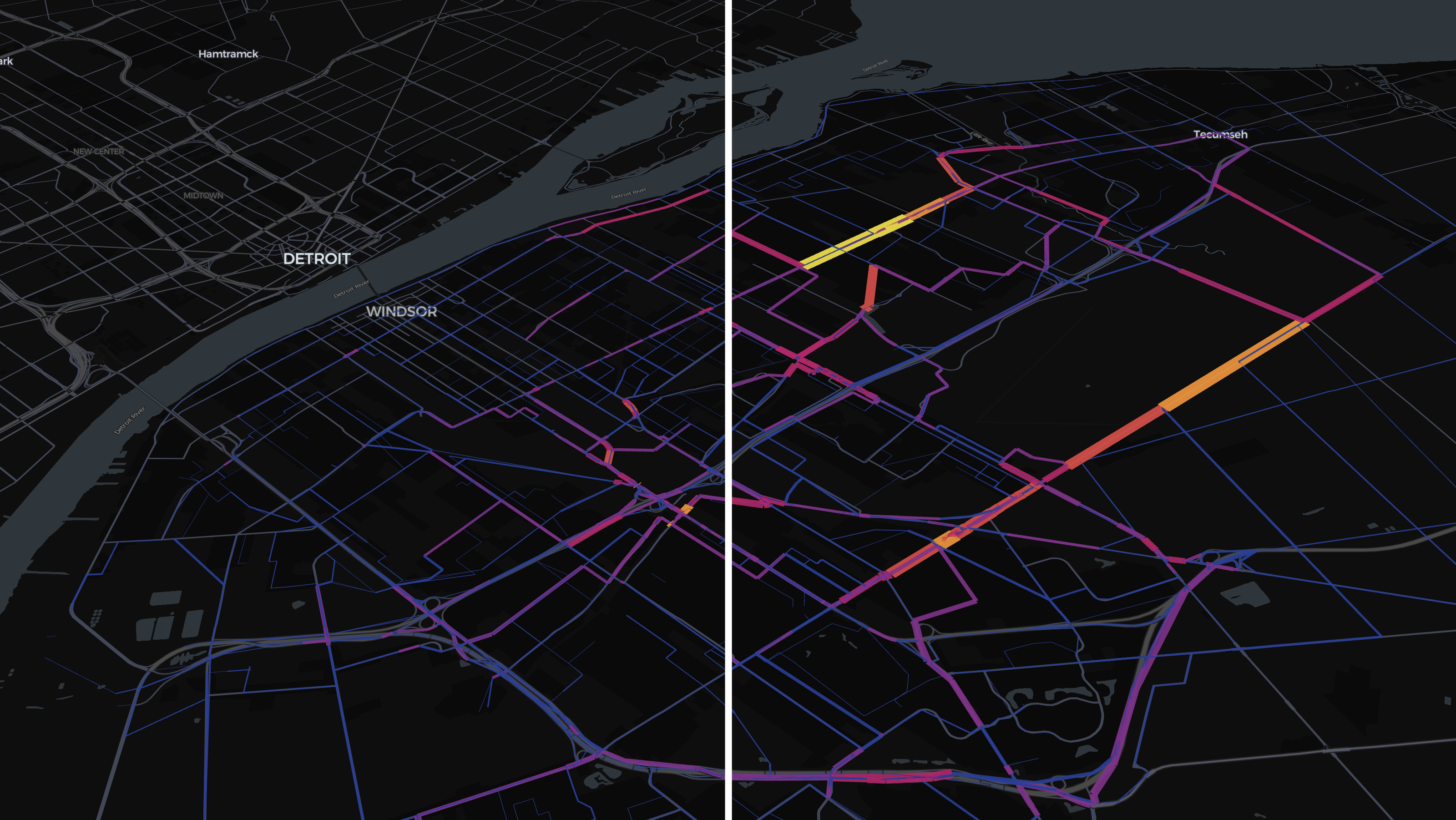
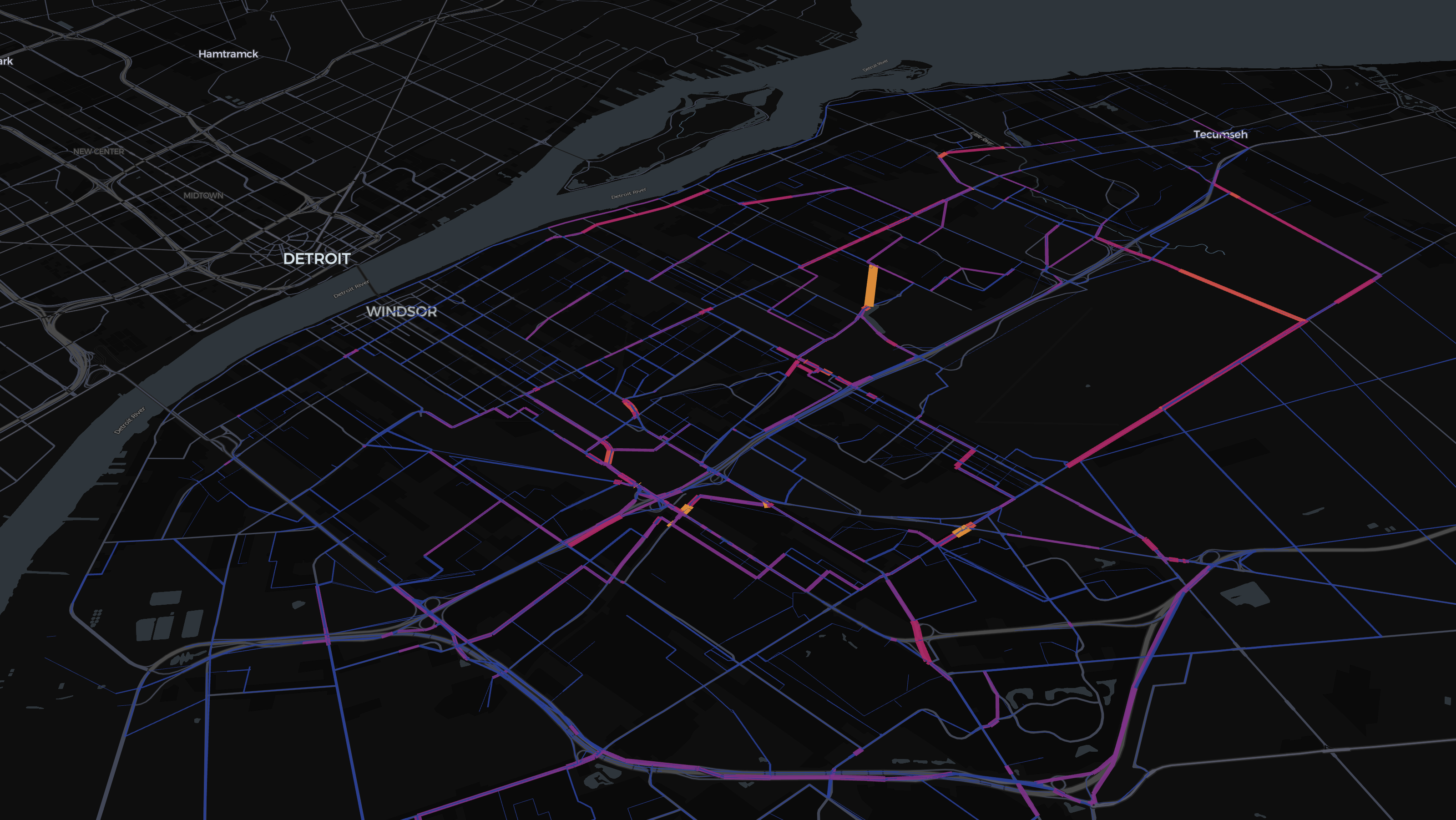
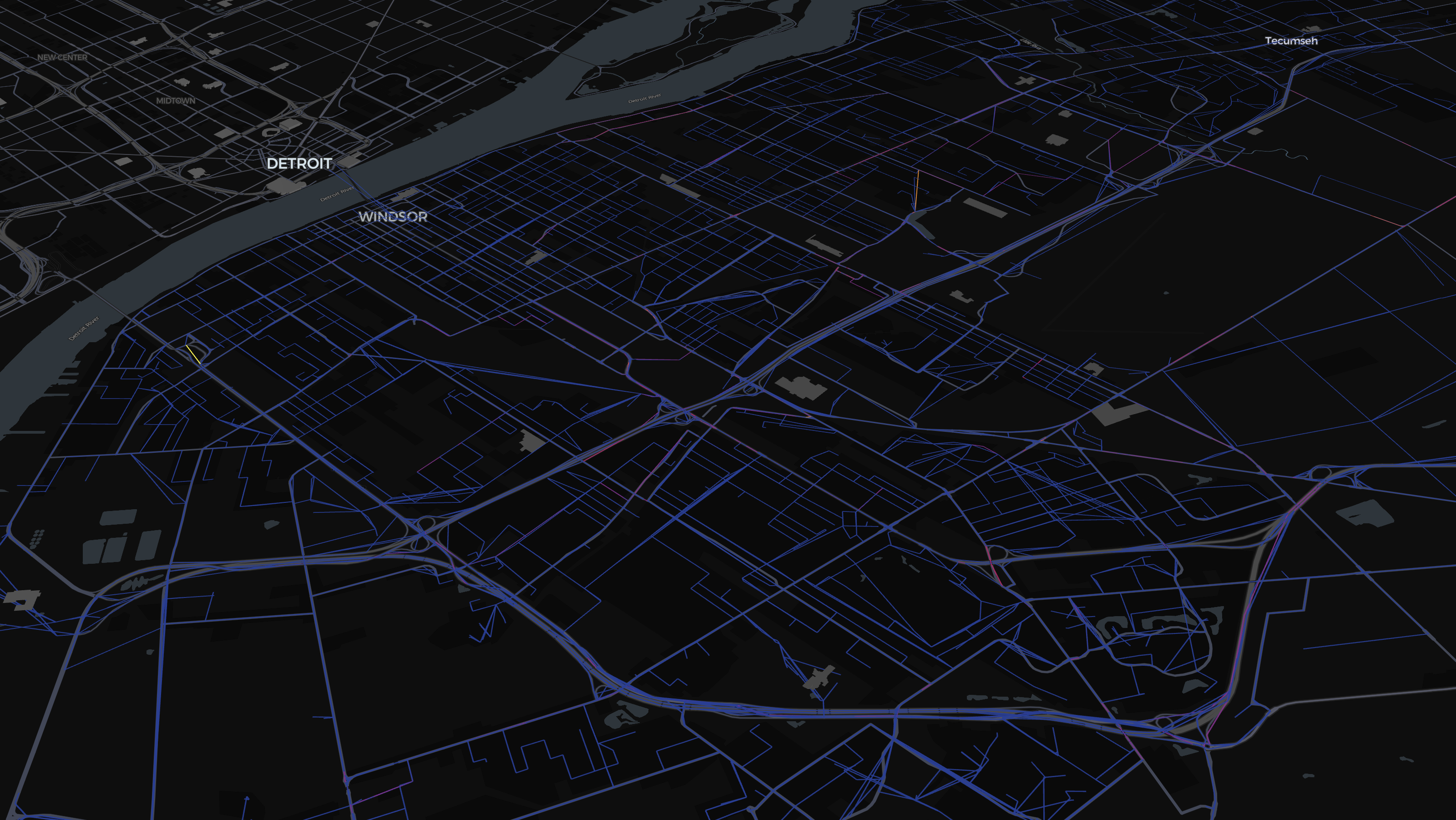
Comparison smart routing vs standard routing
-
-
-
-
-
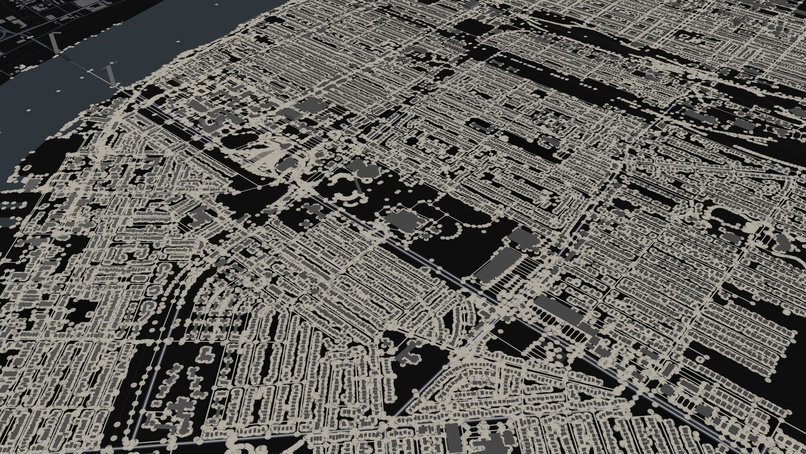
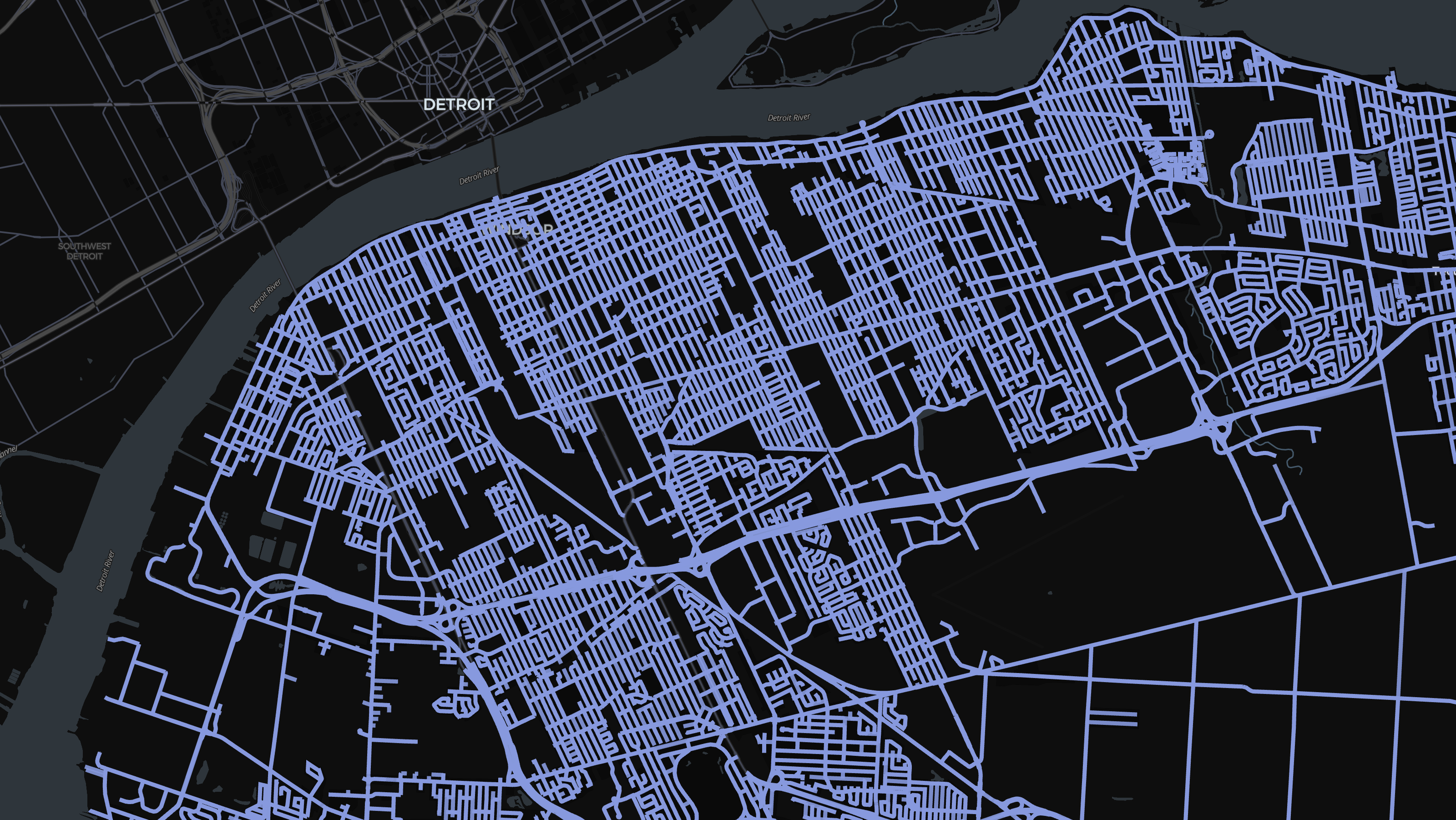
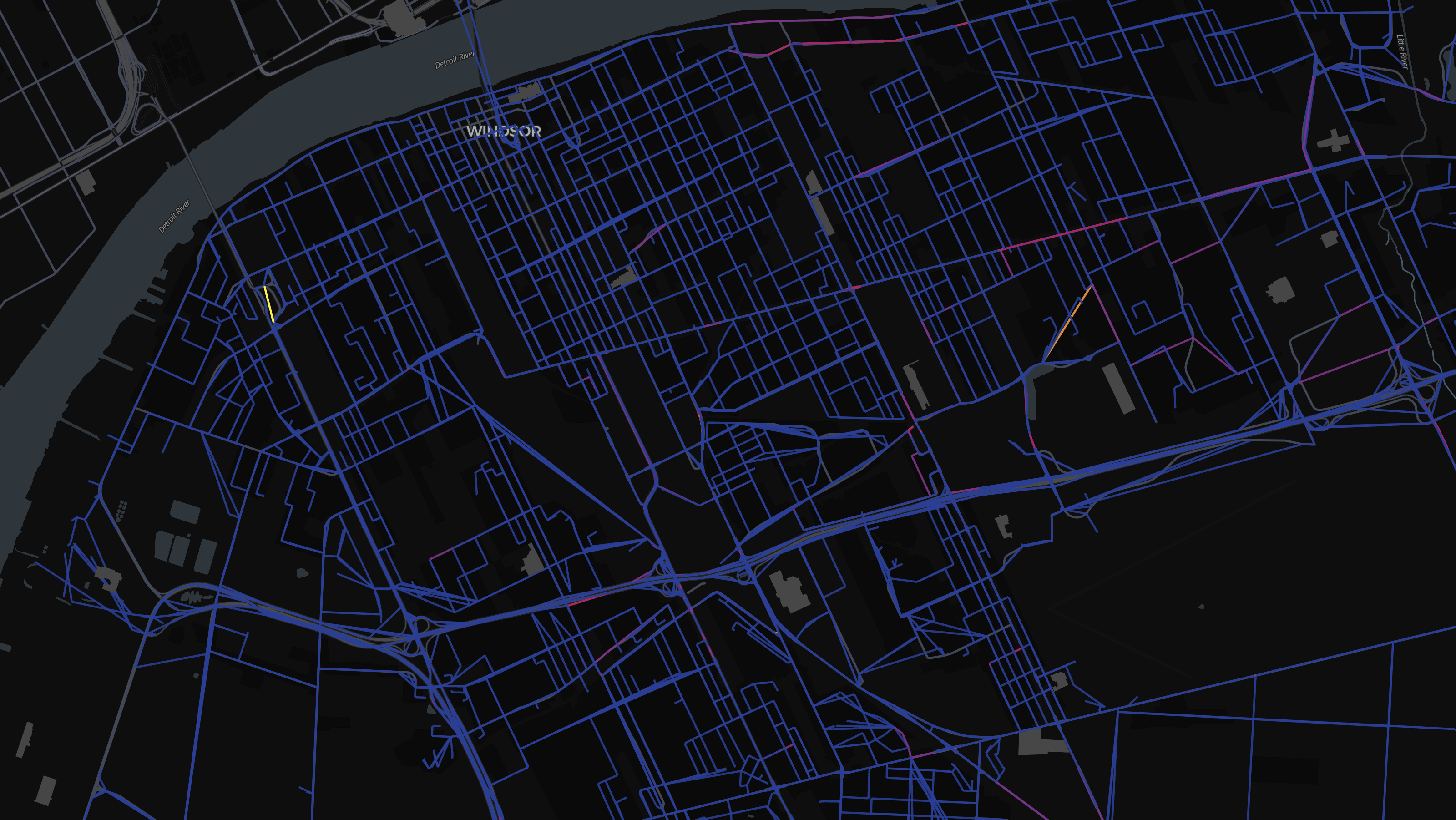
Raw data from OSM, Nominatim, Overpass
Skynet (for Cars) Project (Digital Automation)
Inspiration
Picture this: It’s the night of the Billie Eilish concert, and I’m hyped. Got my tickets, got my playlist running, and I’m cruising down the highway—until I hit the dreaded 401 standstill. Brake lights as far as the eye can see. Remember when they say Toronto is a one-hour drive from Toronto? This was when it hit me.
Time was ticking, and I had two choices: accept my fate and miss the show or ditch the car, hop onto the express, and somehow make it just in time. That moment sparked the idea—why does everyone default to the 401 because it's "supposed" to be the fastest route? What if we could change that with smarter, real-time traffic management?
What it Does
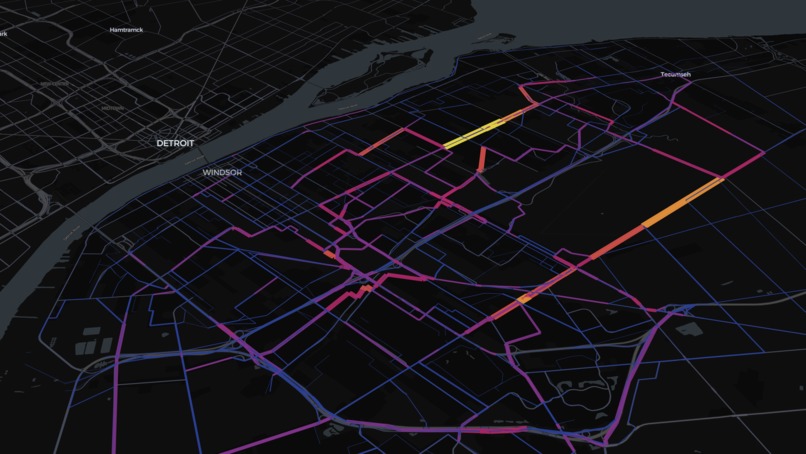
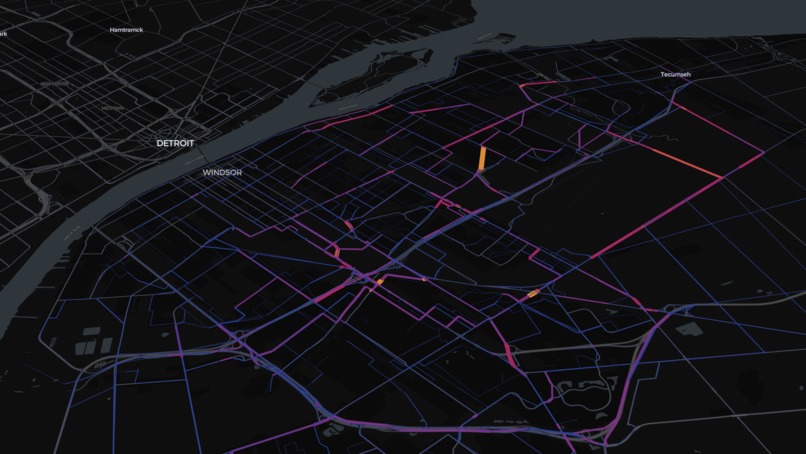
We propose Skynet (for Cars), a consensus-based routing system designed to divert traffic from chokepoints by providing vehicles with real-time traffic context. Instead of everyone piling onto the primary routes and creating bottlenecks, our system:
- Monitors traffic patterns in real time
- Recommends alternative secondary routes when congestion is detected
- Optimizes overall traffic flow, even if it means initially routing through “slower” streets
In simulations, this approach resulted in a 30% reduction in traffic pressure while maintaining similar commuter patterns. Our goal is to eventually shift from a centralized traffic status service to a mesh-based, peer-to-peer system ideal for a future with autonomous vehicles.
How We Built It
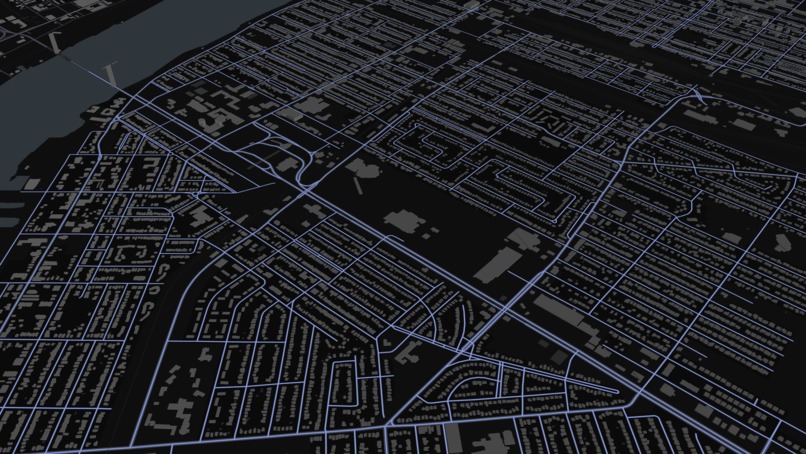
- Data Acquisition: We sourced comprehensive map data from OpenStreetMap, Overpass, and Nominatim.
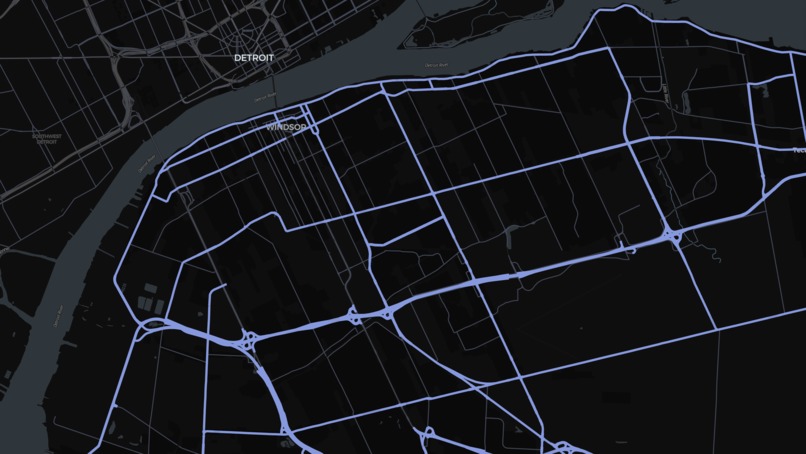
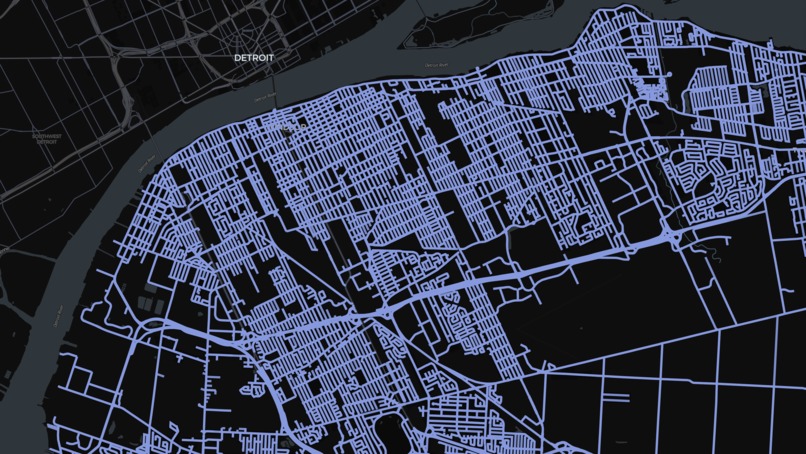
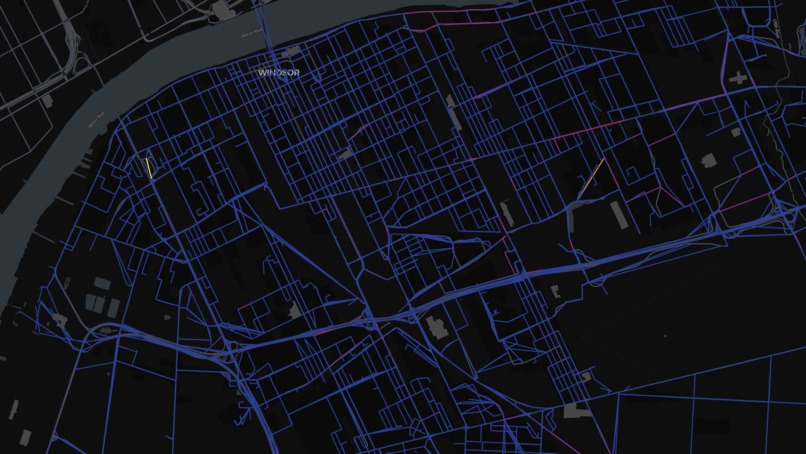
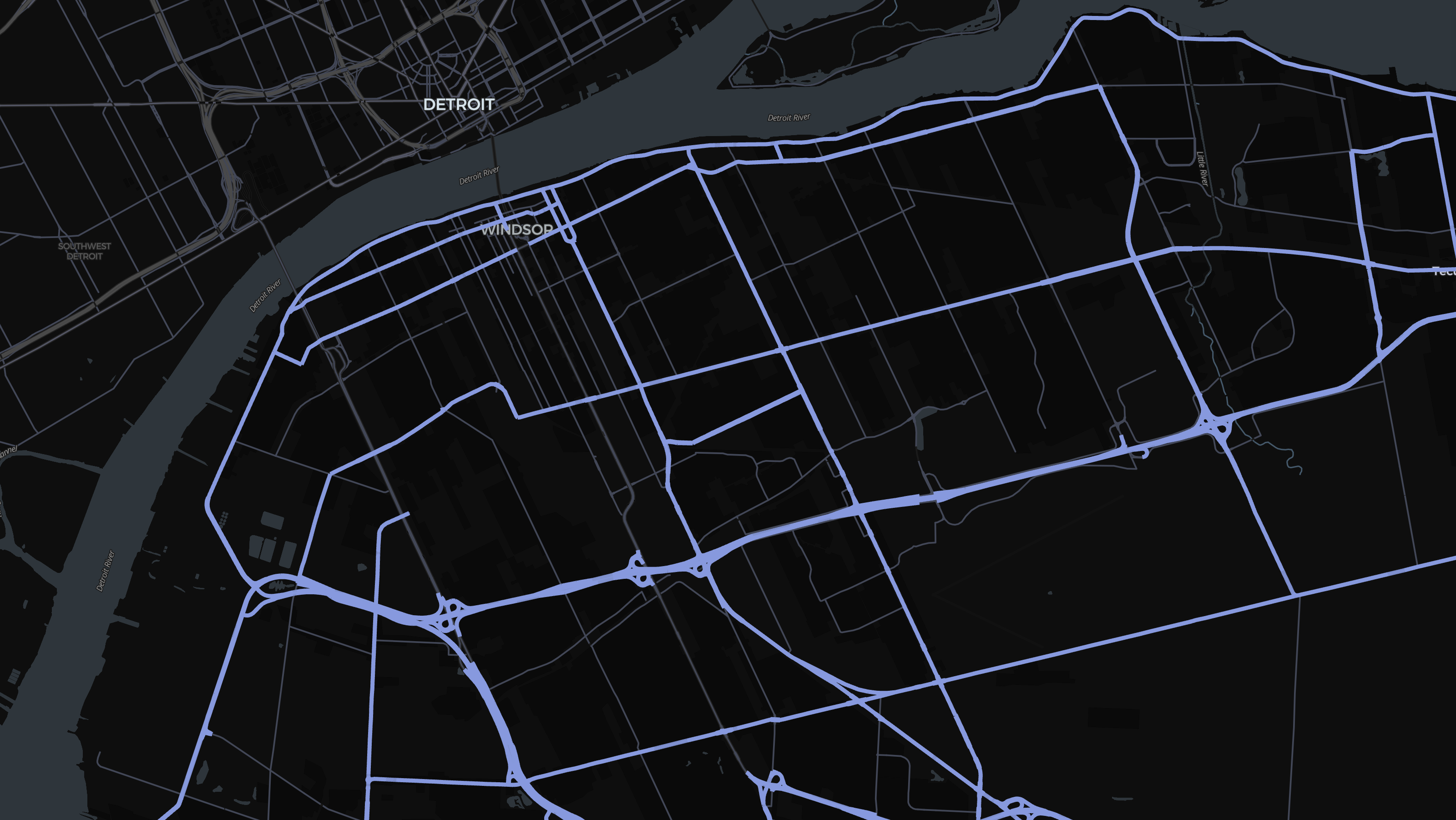
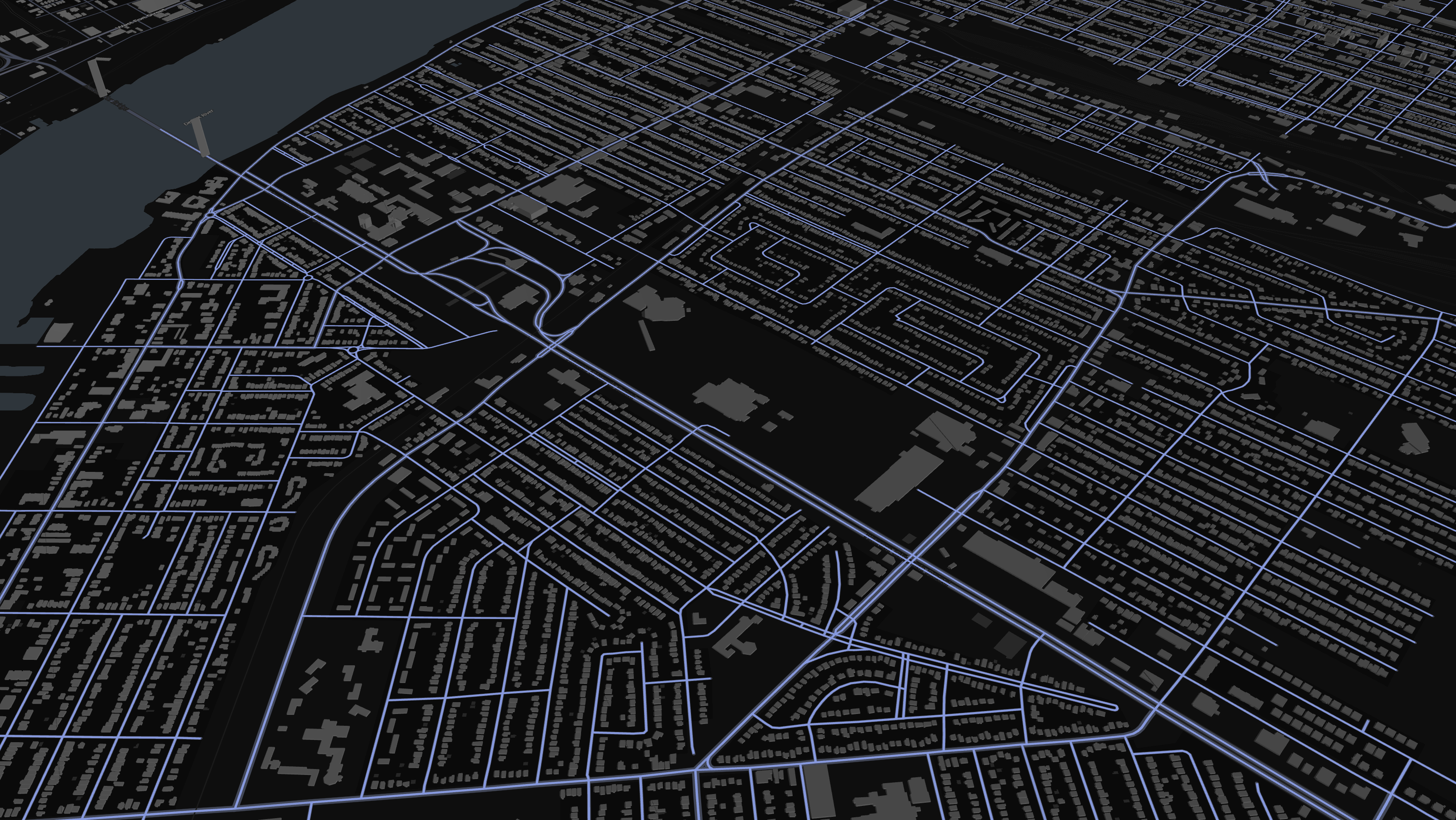
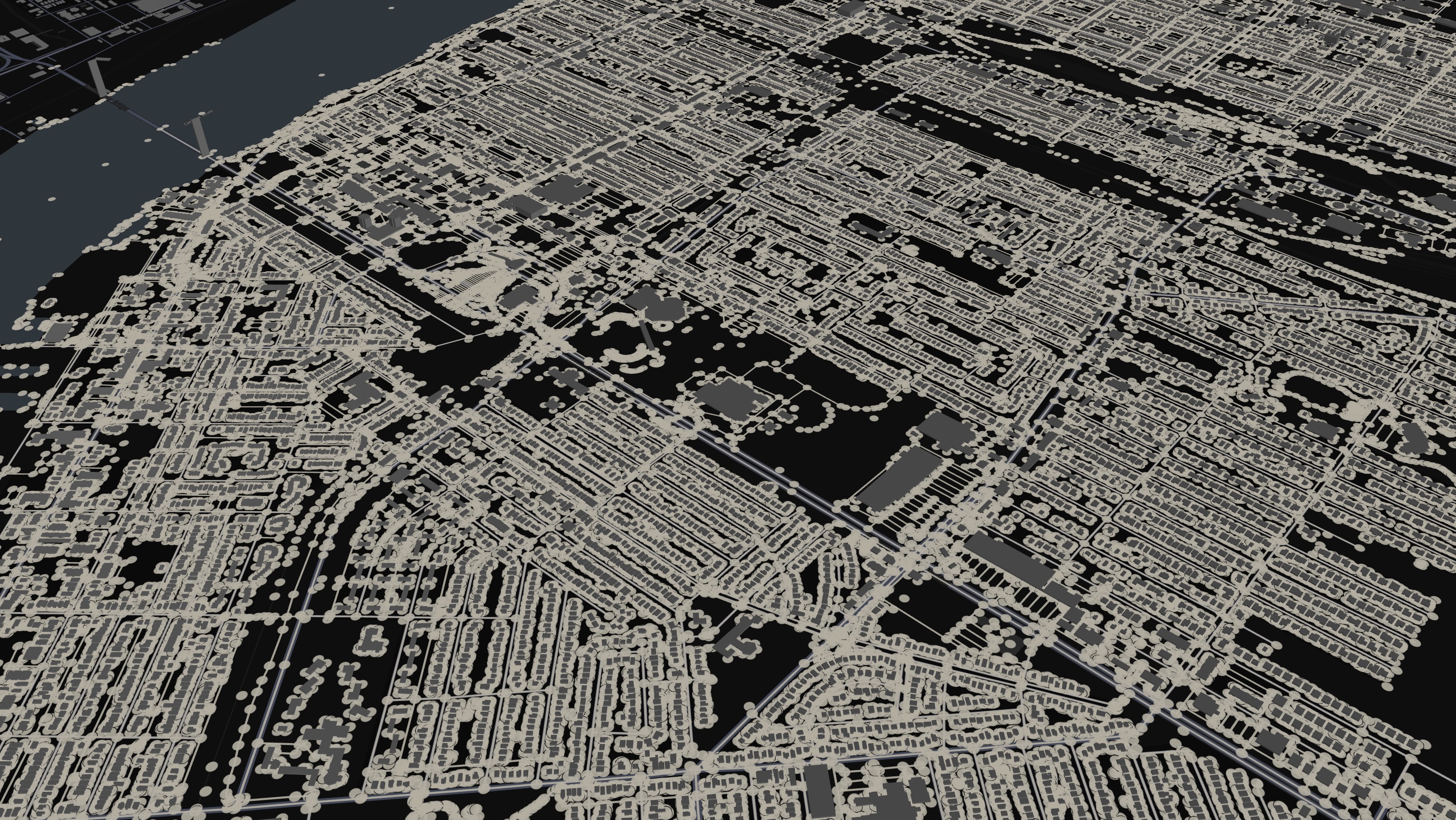
- Creating the Sandbox: We built a city-wide simulation for Windsor, starting with 2.5 million lines of XML data that contained all sorts of city details.
- Data Cleaning: This involved:
- Connecting disconnected nodes
- Removing overlapping routes
- Refining speed limits and other parameters
- Simulation Environment: Our final sandbox covered the entire city of Windsor with around 20,000 nodes.
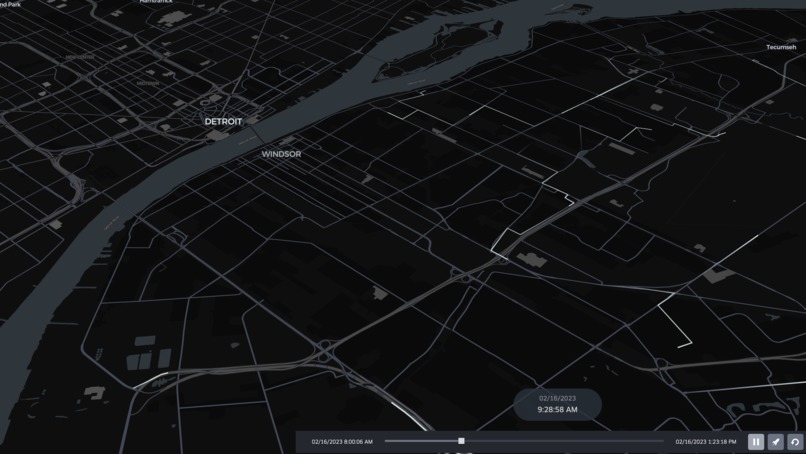
- Routing Simulation: We compared traditional routing (favoring primary routes) with our new system, which uses a penalty-based weight routing method. This method dynamically reroutes vehicles as congestion builds, thereby alleviating pressure on the main roads.
Challenges We Ran Into
- Data Processing: Handling and cleaning 2.5 million lines of XML was a monumental task.
- Computational Demands: Testing our pathfinding algorithm on a grid with over a million nodes required us to max out a 256-core server.
- Algorithm Optimization: Ensuring our routing algorithm could dynamically respond to real-time congestion while maintaining efficiency was a significant hurdle.
Accomplishments That We're Proud Of
- Successfully built a comprehensive simulation environment of Windsor with 20,000 nodes.
- Demonstrated a 30% reduction in traffic pressure in our simulations.
- Validated the effectiveness of consensus-based routing in reducing congestion and improving overall travel times.
What We Learned
- Data Management is Key: Cleaning and refining large datasets is critical for accurate simulations.
- Optimization is Crucial: Efficient pathfinding algorithms are essential when dealing with vast networks.
- Real-Time Information Can Transform Traffic: Providing vehicles with up-to-date traffic context can dramatically improve route distribution and reduce congestion.
- Scalability Matters: Transitioning from centralized to decentralized systems will be vital as we move towards a future of autonomous vehicles.
What's Next for Skynet (but for Cars)
- Peer-to-Peer Communication: Develop a decentralized, mesh-based communication system to reduce reliance on centralized servers.
- Enhanced Routing Algorithms: Further refine our penalty-based weight routing to adapt even better to dynamic traffic conditions.
- Wider Deployment: Expand testing to other cities to validate the system across different traffic environments.
- Integration with Autonomous Vehicles: Prepare for a future where self-driving cars share real-time data seamlessly, optimizing traffic flow on a broader scale.


Log in or sign up for Devpost to join the conversation.