-
-
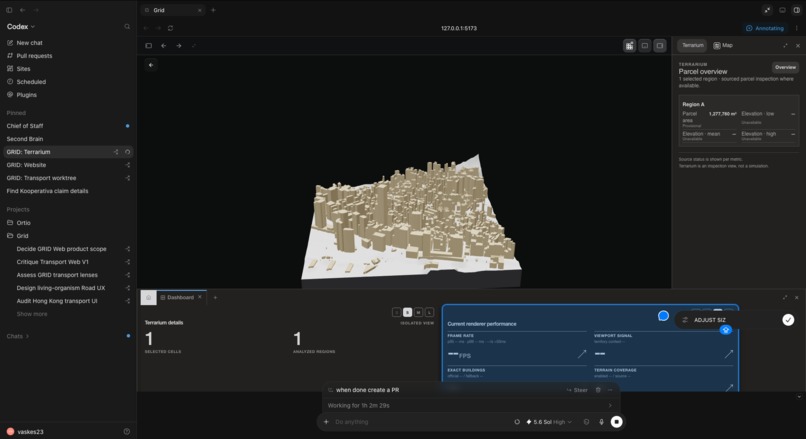
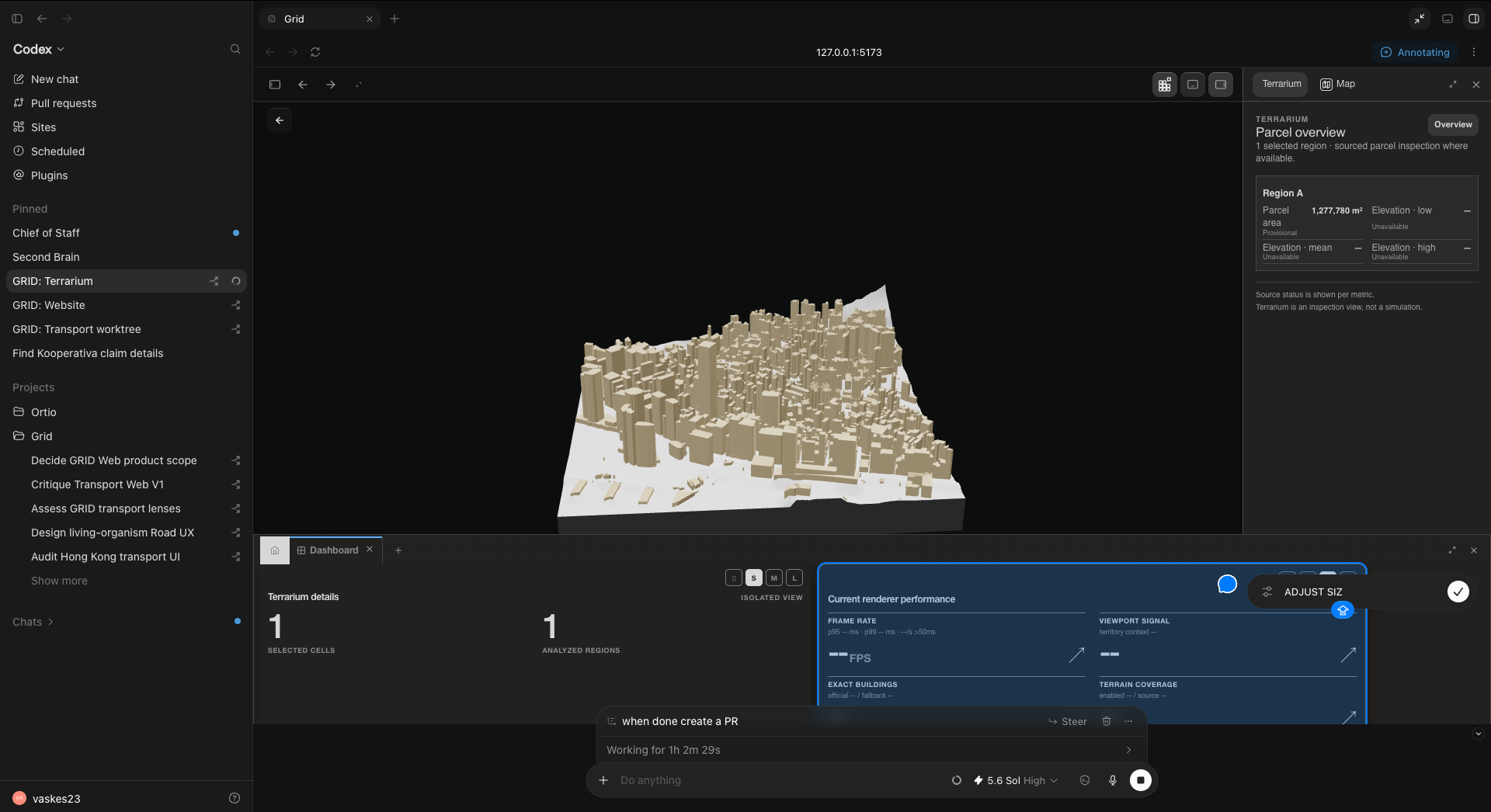
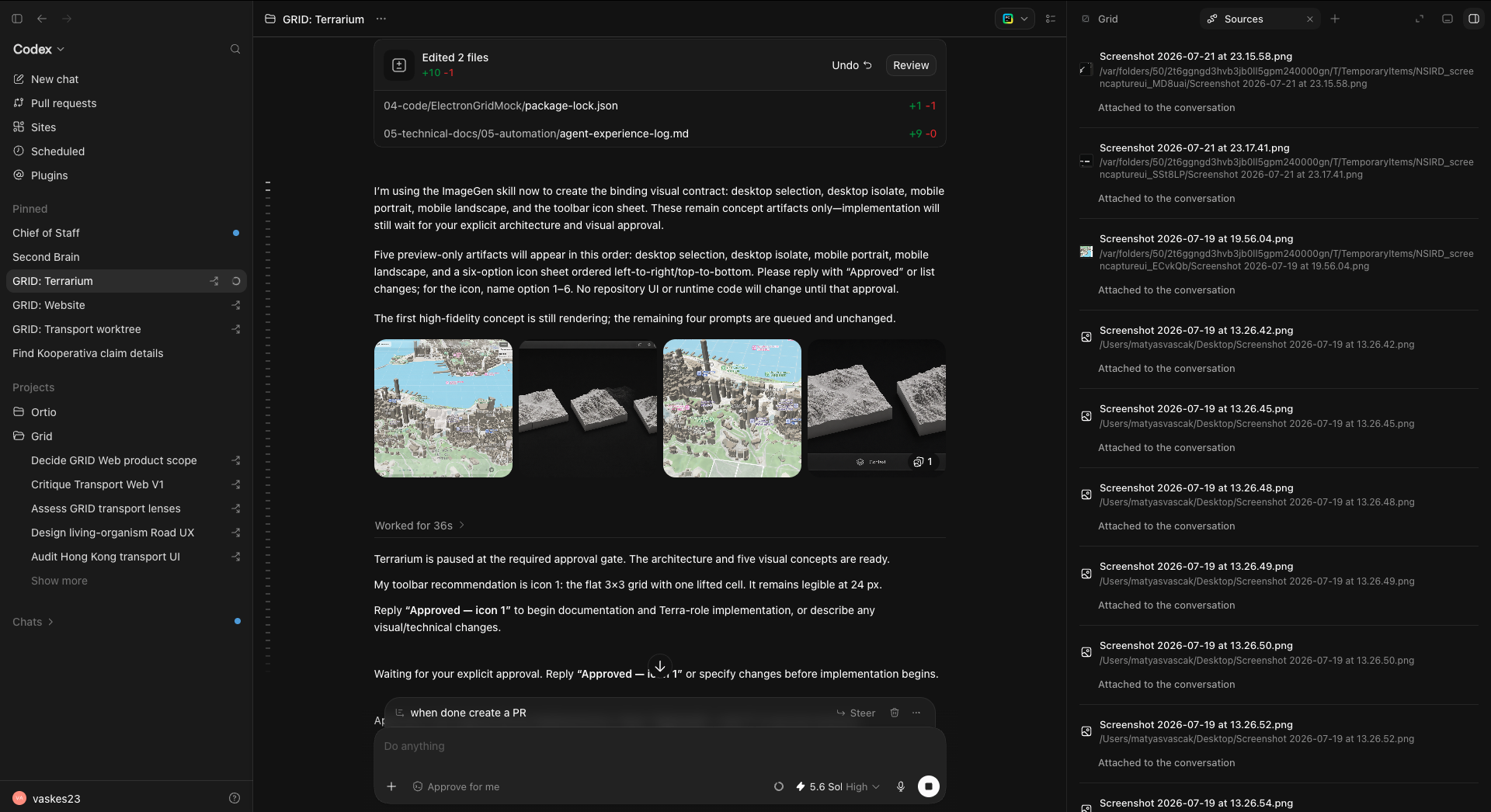
Foundation in work in Codex app, working on the grid.
-
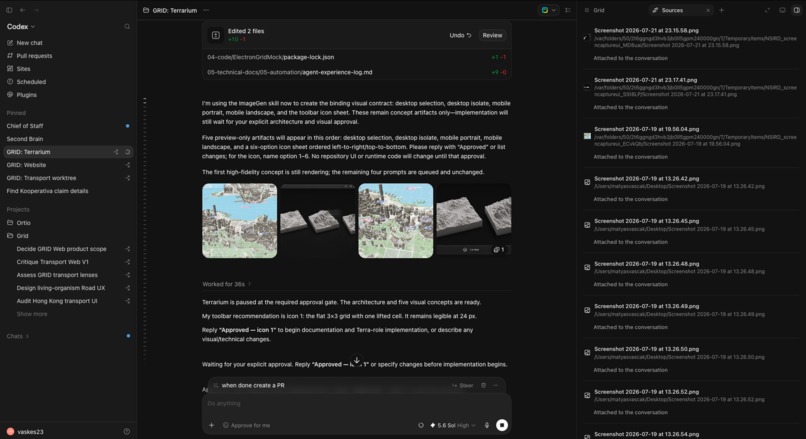
To findas perfect envision with Codex.
-
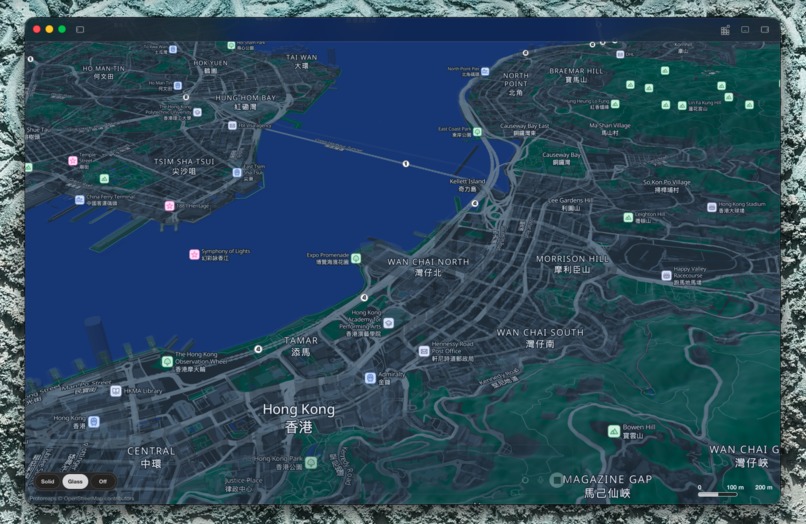
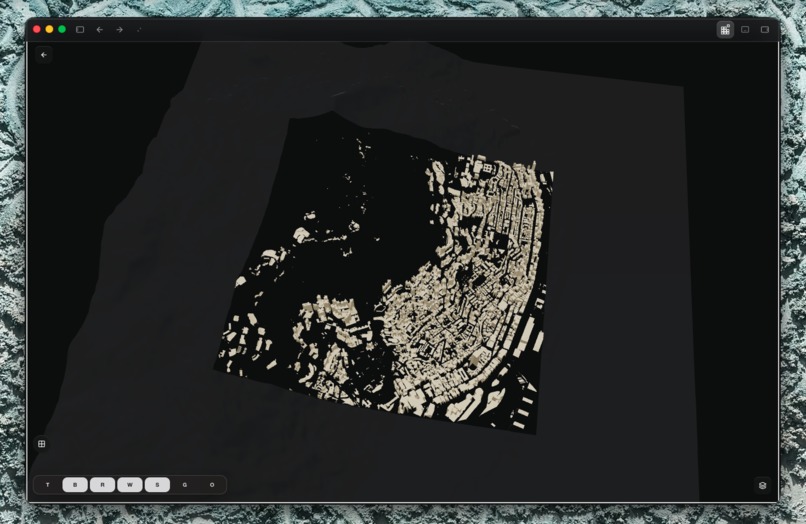
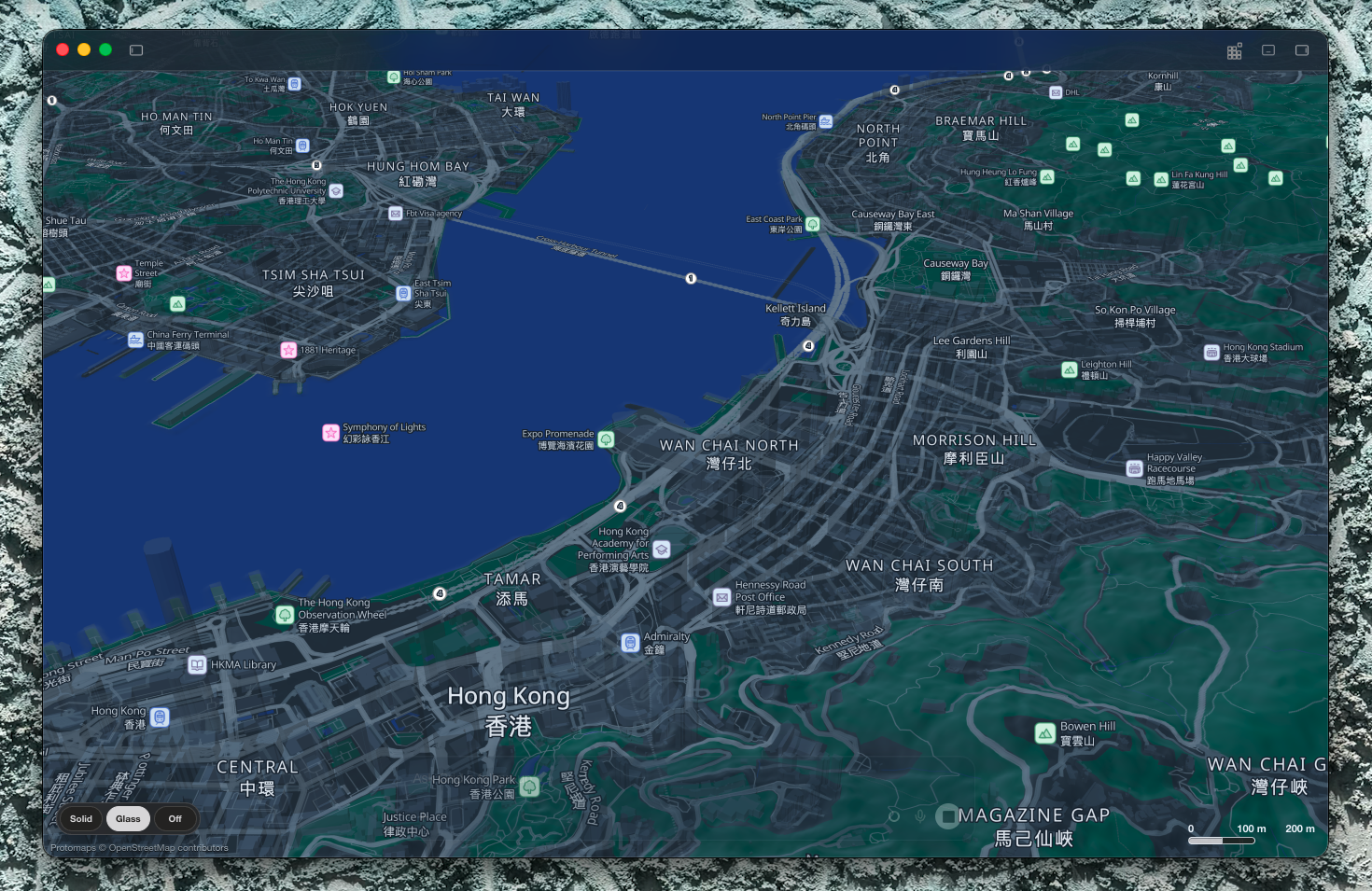
View of the city, with the buildings hidden.
-
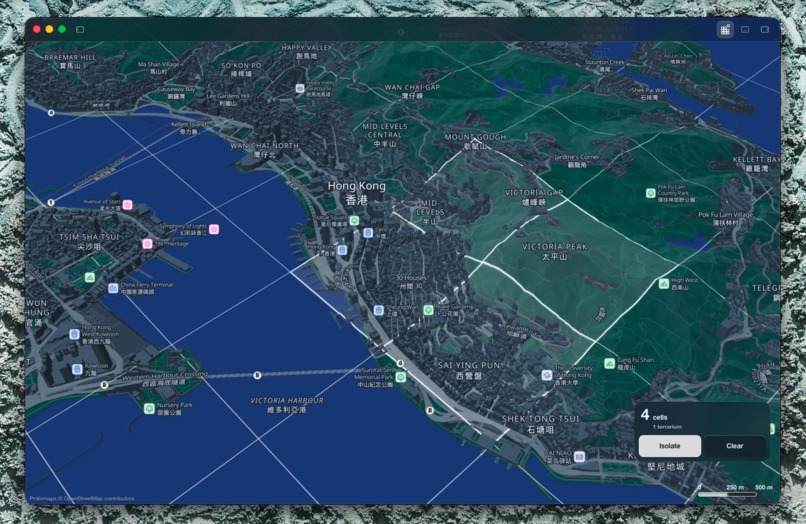
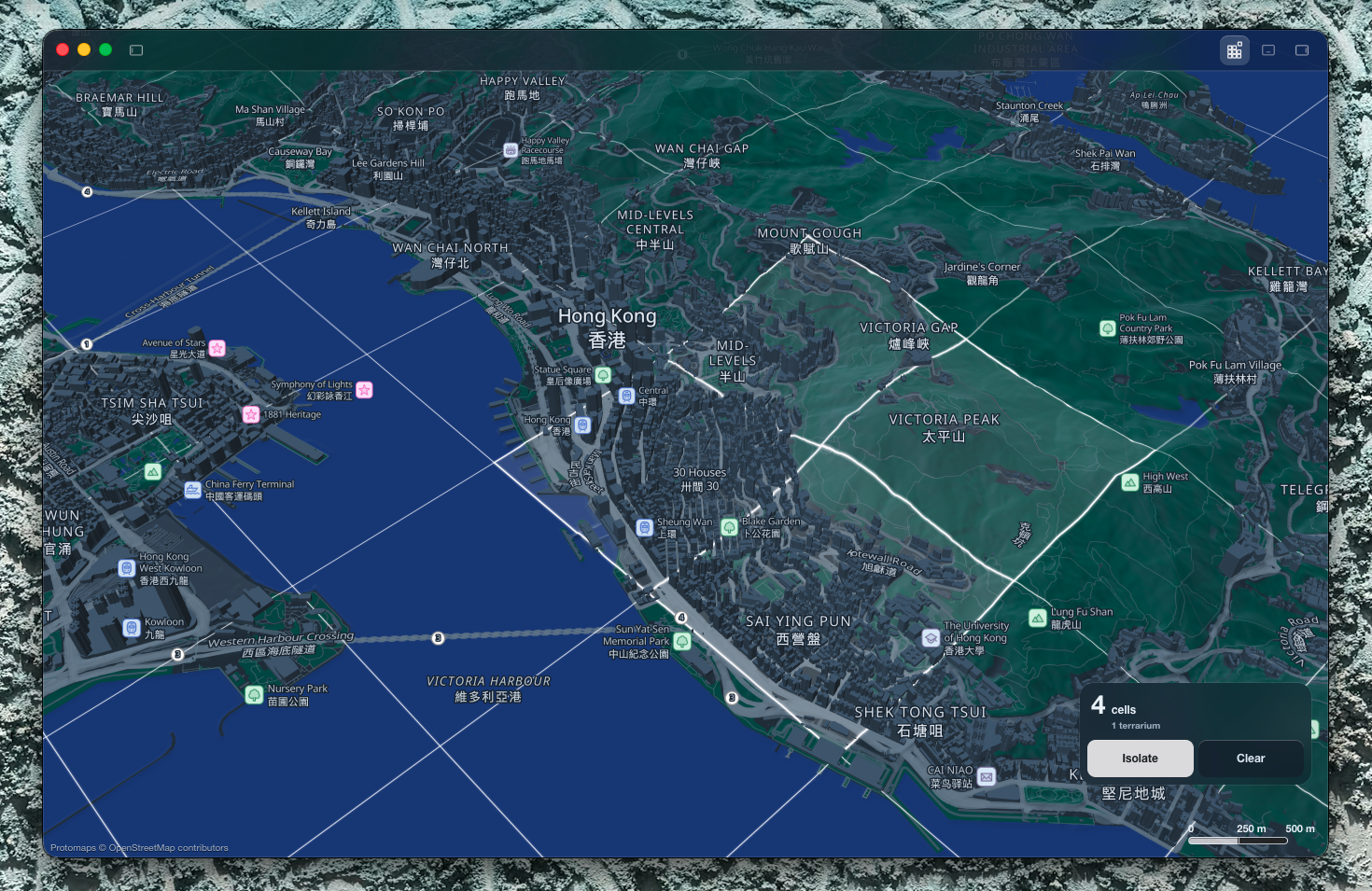
Testing the selection tool for the terrarium feature.
-
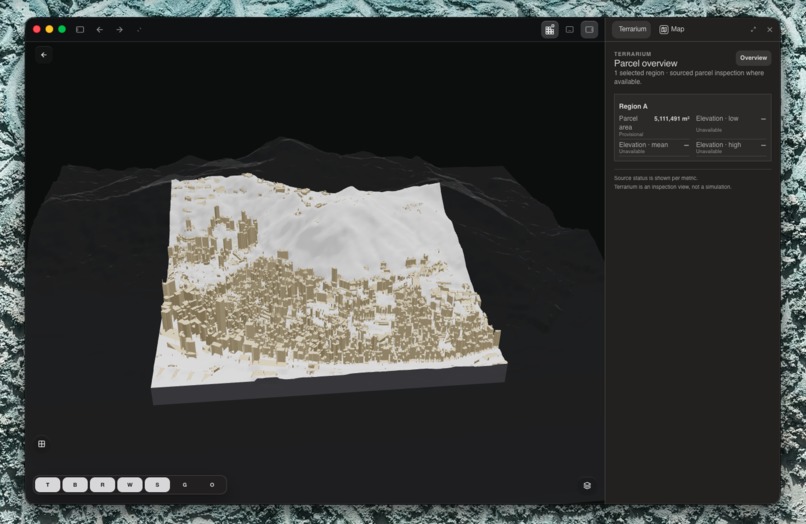
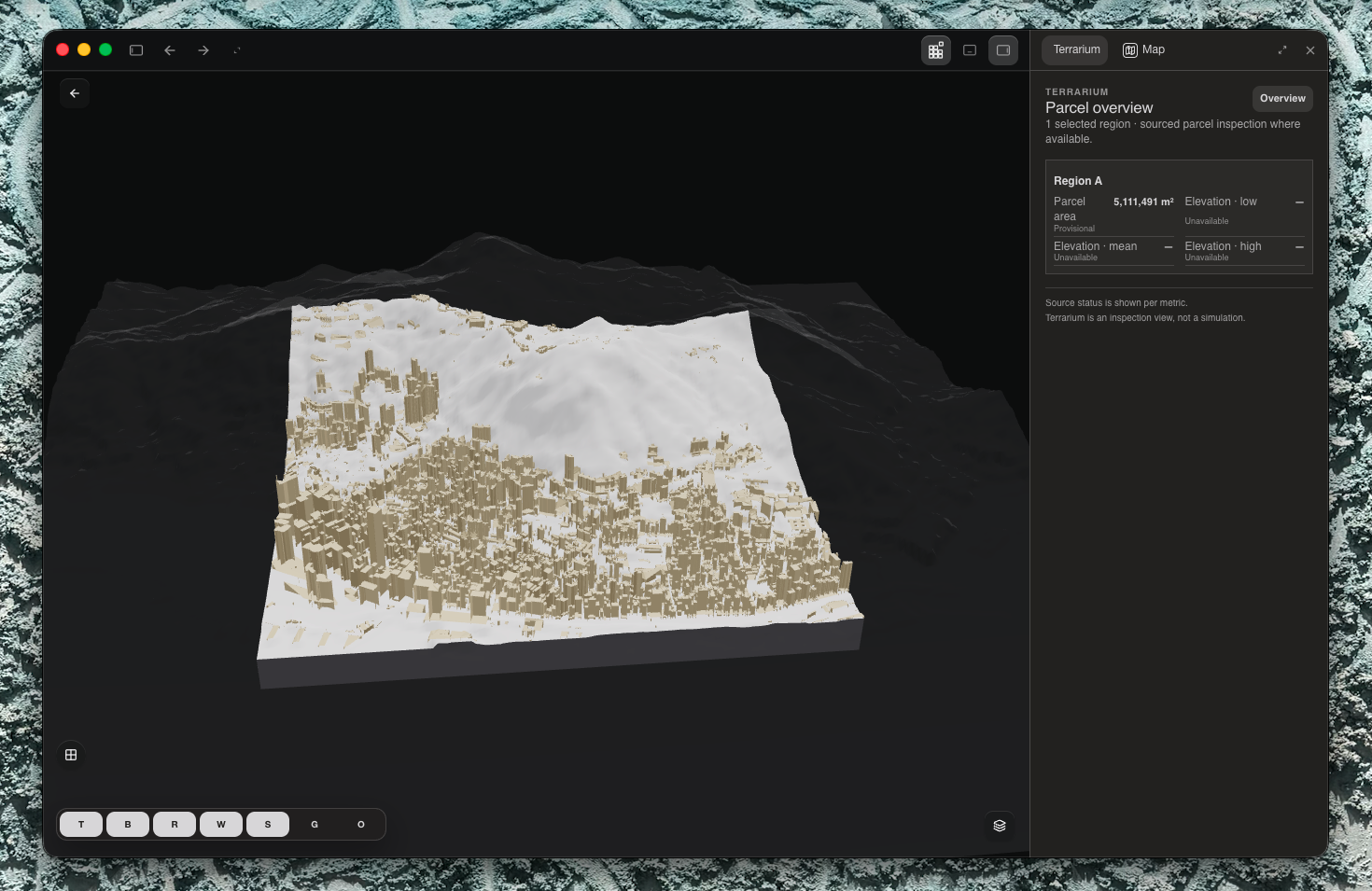
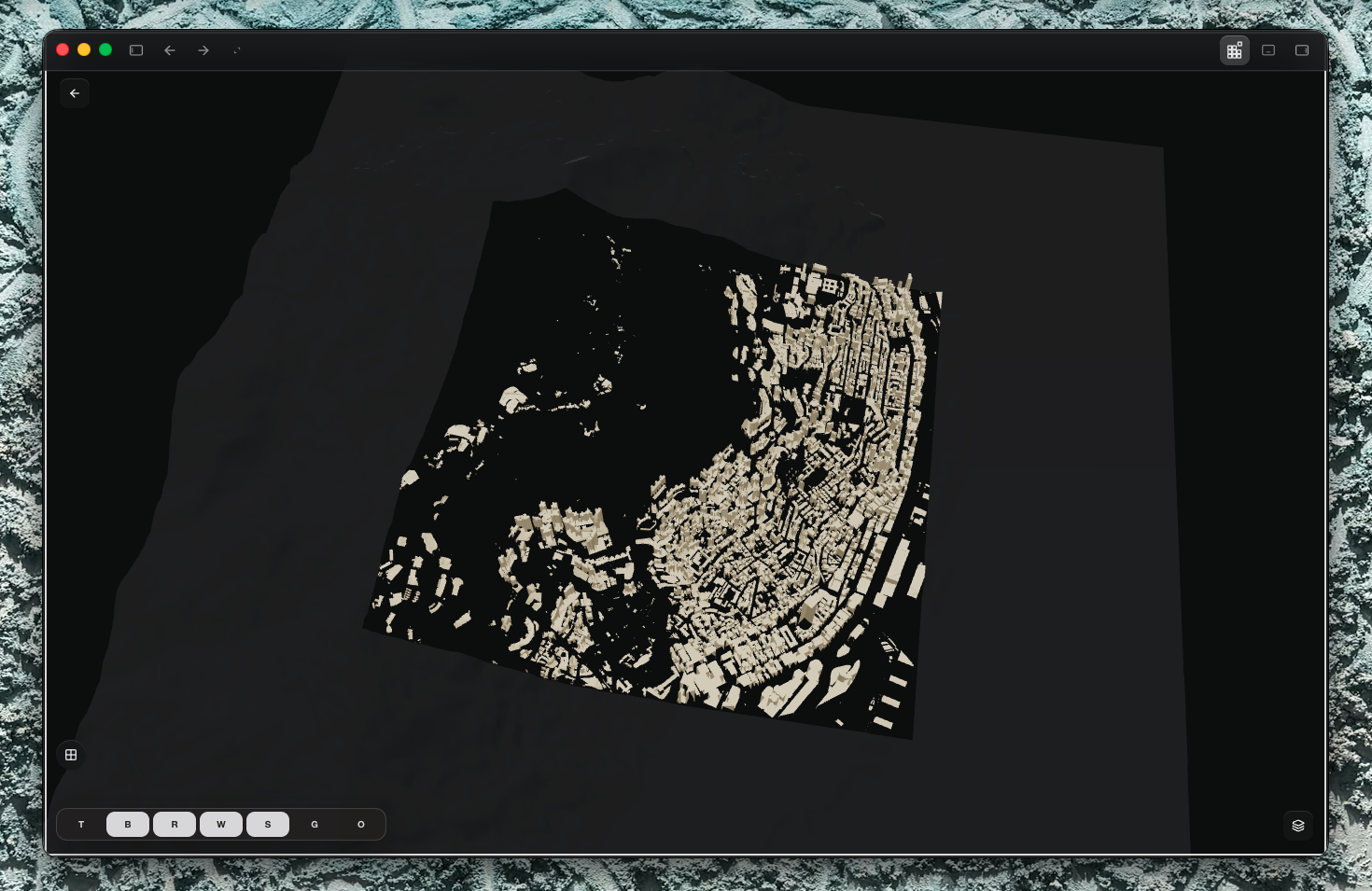
Isolated piece of city with the building displayed.
-
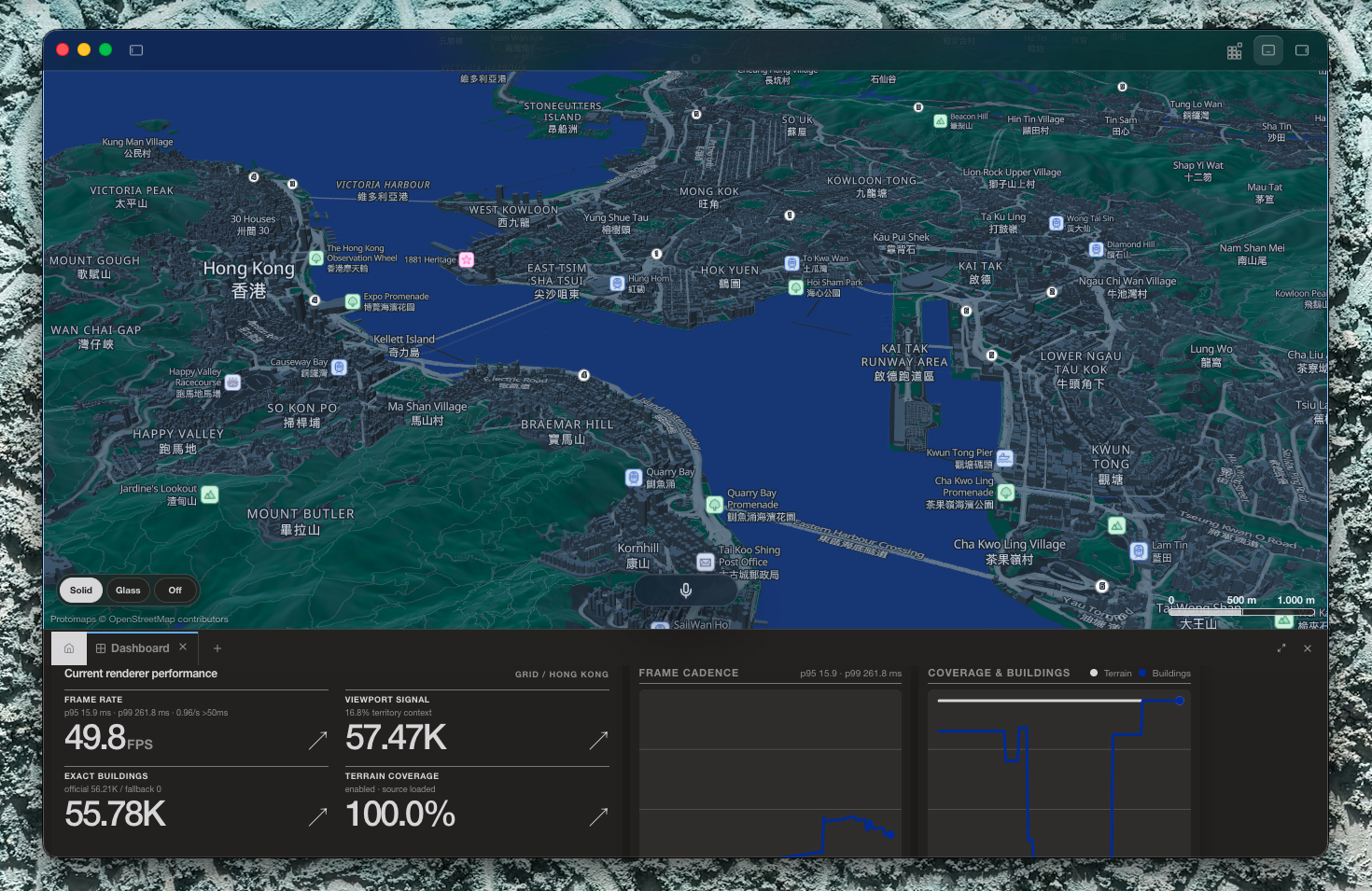
Hong Kong urban grid model made in seconds instead of weeks.
-
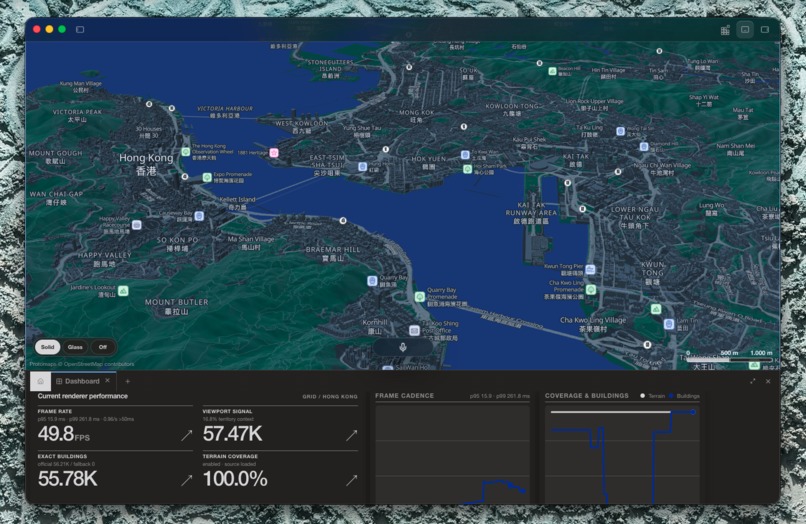
Dashboard for monitoring performance
Inspiration
Hong Kong. My inspiration came from the place where East meets West. I was studying there and doing research at HKU. In Shenzhen, I saw kids playing at 10 p.m. I was wondering if the same could be done in Europe without a Big Brother watching you. Can I make the city more effective and productive? Can I make the work of the engineers and urban planners easier? Can I make their life simpler?
What it does
This is the beginning. For now what it does. The work you had to do manually, now can be done in seconds. If you ever saw architects making a model of a city to get a better idea of scale, urban patterns, and limitations, you would know it's a lot of work. My app will do much more, but the thing I'm turning in today is the feature Terrarium, where I'm able to select a specific part of the city and generate just what they would have to build with their arms for weeks. I can do it in seconds. Plus, I can give you right away an analysis, compare two places, and see their differences right away, with numerical precision.
How we built it
This specific feature was done with a lot of agents and a lot of annotations. I was joking, I'm managing a company. I wake up, I micromanage decisions made by agents, I remove blockers, and I adjust with annotations that I usually don't like. I describe a performance, it's not feeling right, and I give it cues, what it could cause, and it just goes, I research. I work like this for eight to nine hours. Micromanaging, adjusting. In the evening, I create a new goal or prompt that I know will take a lot of time. And as I sleep, 5.6 Sol is great on spawning agents that work on it. And when I wake up, I micromanage, tweak, and repeat the cycle.
Challenges we ran into
Planning, infinite planning. Sometimes the vision I had in my head would get boiled down by the agent's planning, and I would have to steer it a lot. And sometimes I would have to redo the feature. Or bugs would cause the thread not loading, so it was a challenge. The biggest was communicating things to agent, for which it has no sense of feel, or how a person might view it. Giving it the roles of how an urban analyst or urban planner might go about the situation, and it viewing it from that perspective helped a lot.
Accomplishments that we're proud of
I'm very much proud of finishing in a week, who would have taken me months. I had this idea in my head, even back when I was in Hong Kong. I saw a picture of a UI which I found fabulous, but I never thought about implementing it. With the new models and the updates to the Codex, I provided screenshots of the UI which I liked, creating a 3D map, a mountain. Because ranting about it and throwing ideas at it for like an hour, I was able to make the vision clear enough for Codex to create it. No proud that it finally exists as I had imagined it months ago.
What we learned
I learned a lot about steering agents in long-term work and about loop engineering, so that I am present only when I truly need to be present. I learned about what makes agent perform good work, and the short answer is as much context as possible.
What's next for GRID
I dropped out of university, and I want to pursue this project long term. Dream is to come to America, work on it there. I don't have the finances or co-founders right now. So, seeking feedbacks from heads of cities, and soon, hopefully, getting my dream co-founders, my good friends on board, to expanding this project and change the way how cities are planned, maintained, and sustained for the benefit of all who live there and will live there.
For that, I will work on several new features. Imagine a city at your fingertips. Every decision mapped. Every possible outcome simulated. Every data point in one place. Shown not as a dashboard, but as lights, as visual cues through the city, which are intuitive to understand, but truthful in nature. A lot of work and new features will be needed in greater to accomplish it.
Built With
- codex
- electron
- esri
- geojson
- gis
- gpt-5.6
- javascript
- mapbox
- maplibre
- node.js
- openstreetmap
- pmtiles
- protomaps
- react
- three.js
- typescript
- vite

Log in or sign up for Devpost to join the conversation.