-
-

-

-
-
-
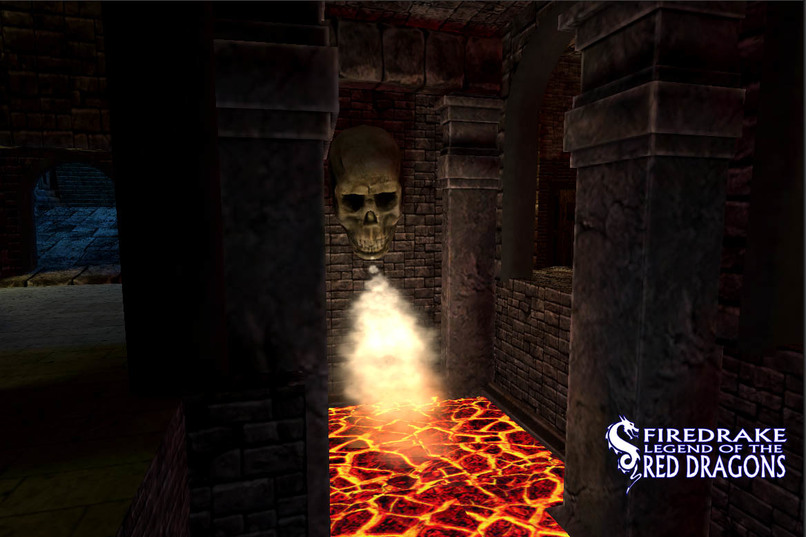
Enviromental rendering of the firedrake dungeon
-
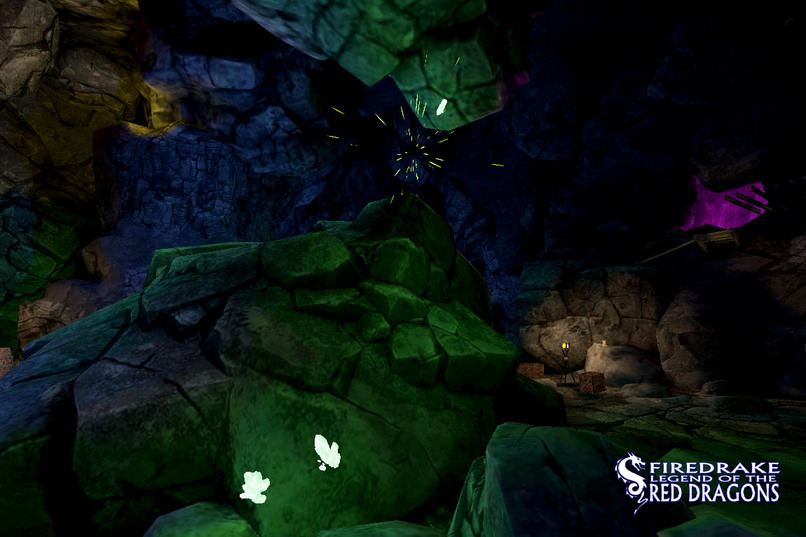
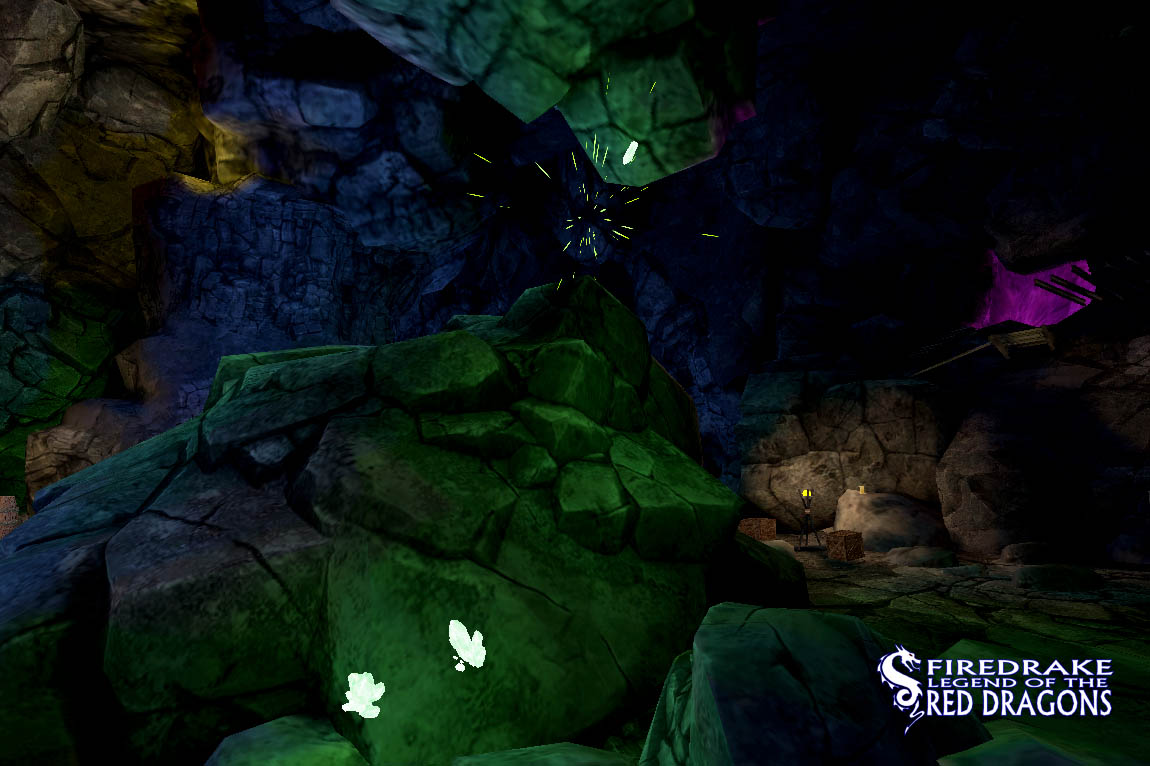
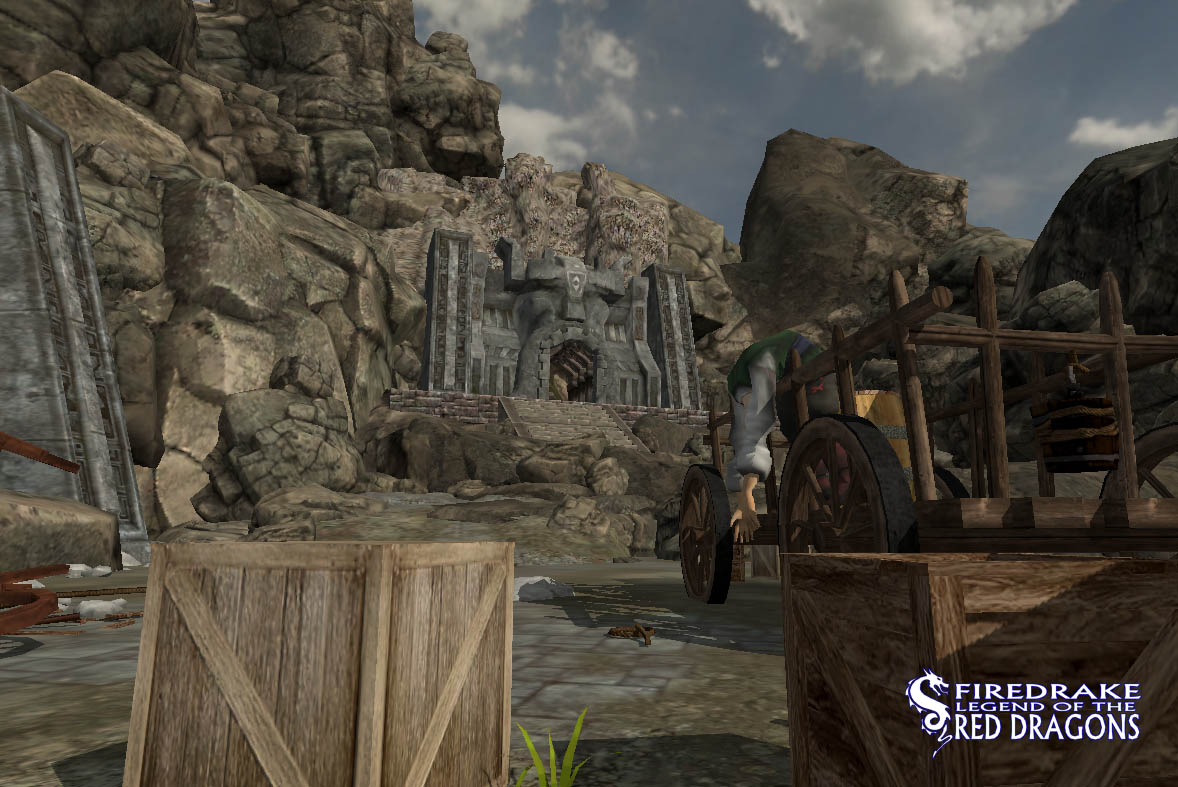
The cave level of The app.
-
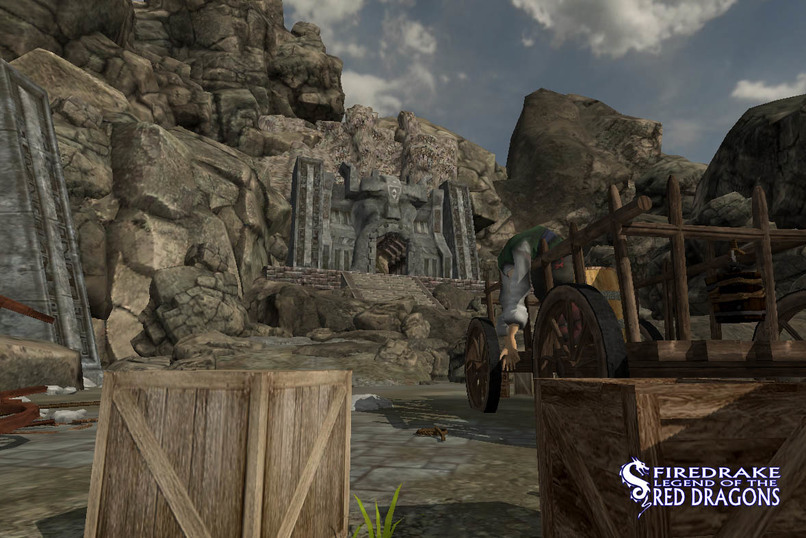
Every dark and deep dungeon adventure needs a good "outside" level to set the tone and contrast of the deep, dark dungeon for the player.
-
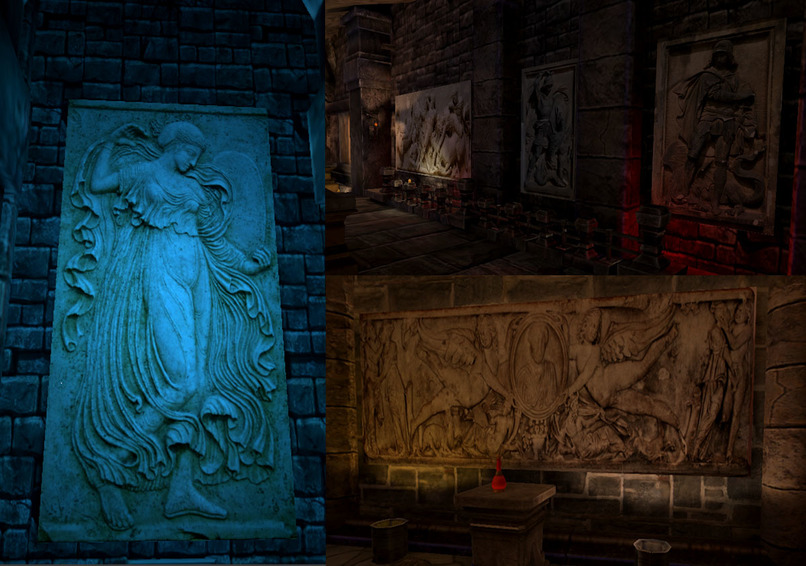
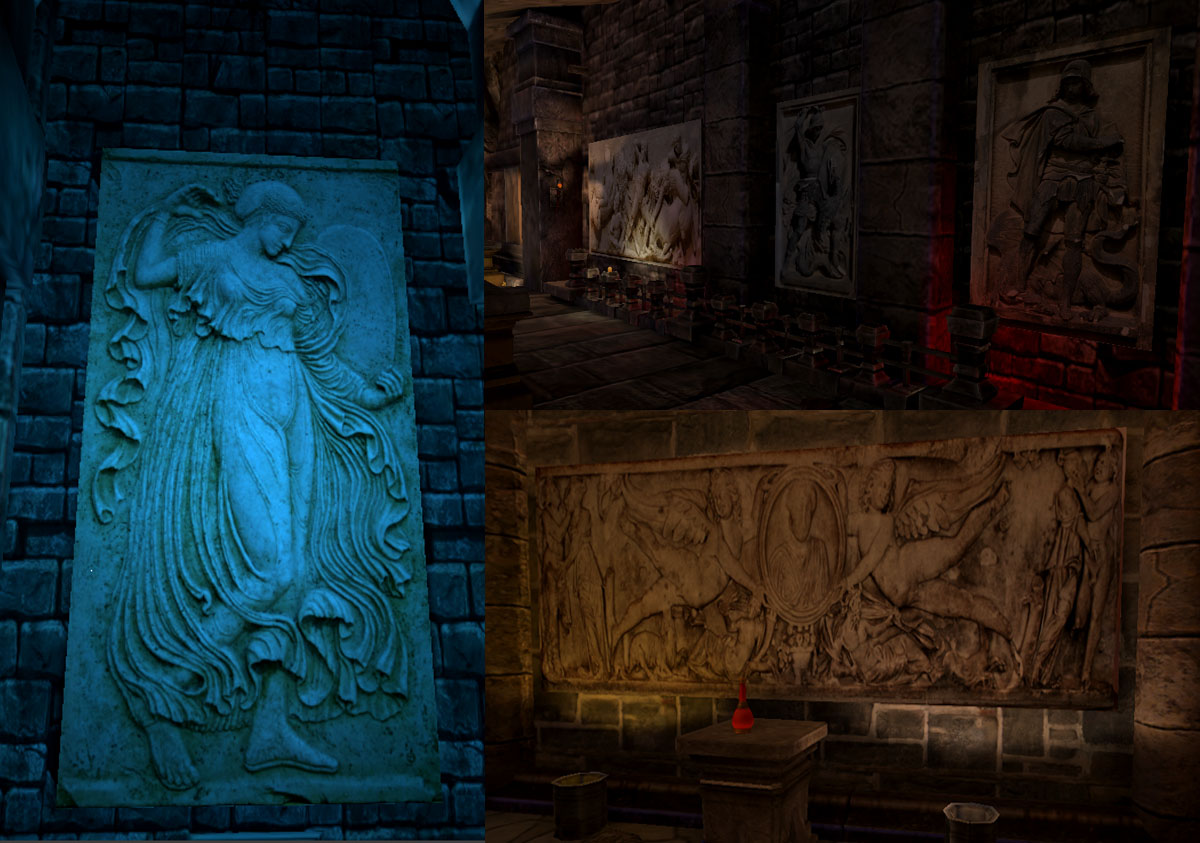
The wall art hanging aobut onthe dungeons walls...
-
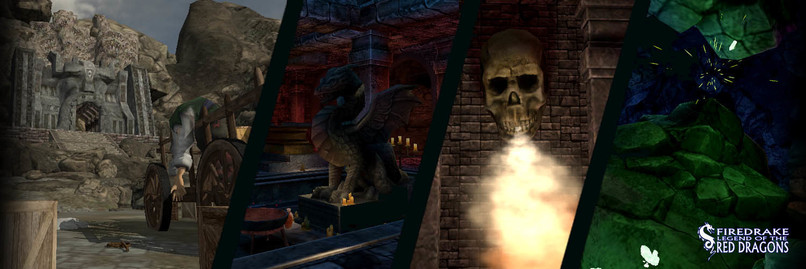
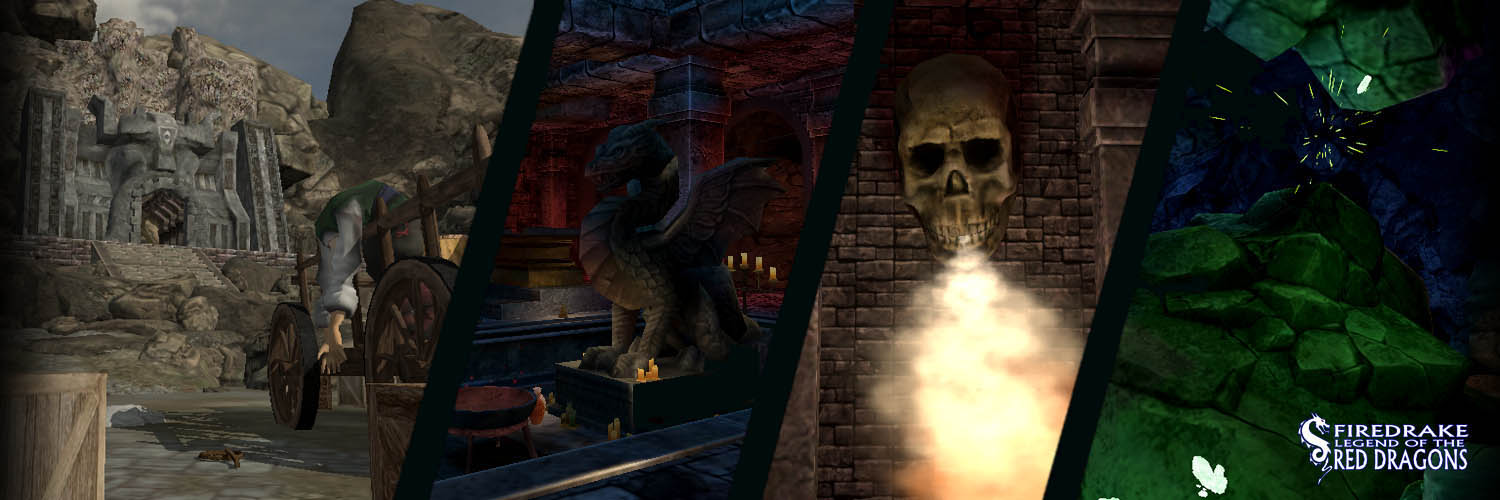
Firedrake Montoge for the text section.
-
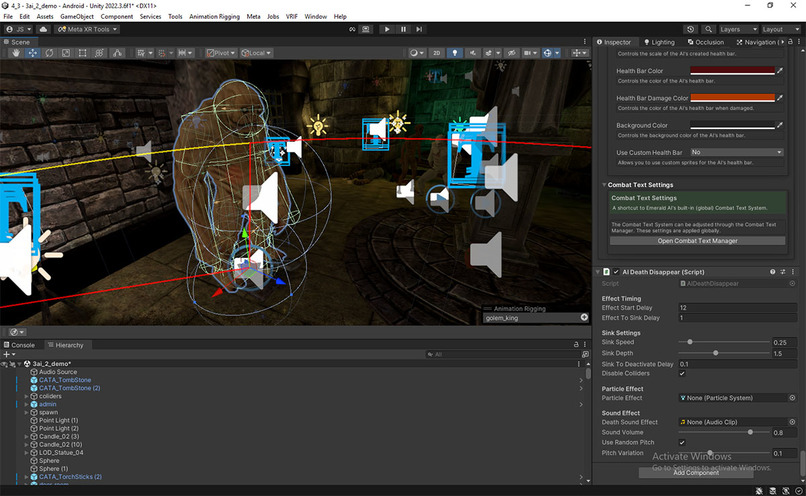
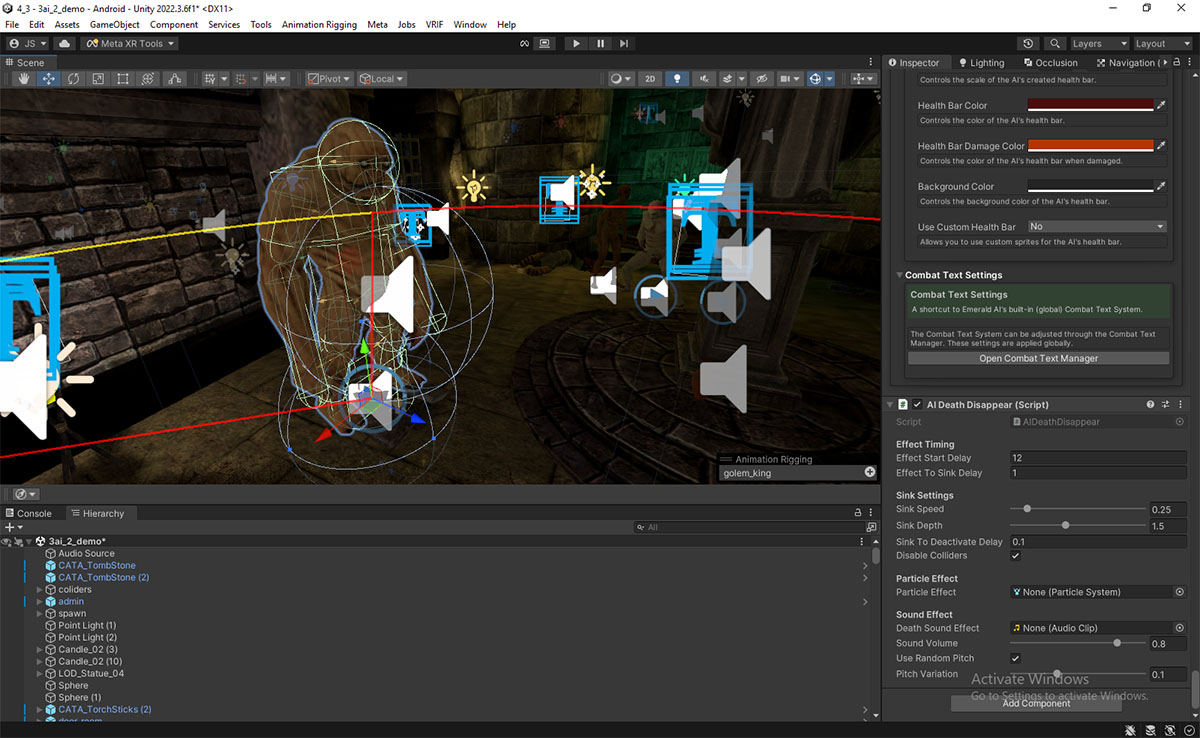
Working on the AI's in Unity.


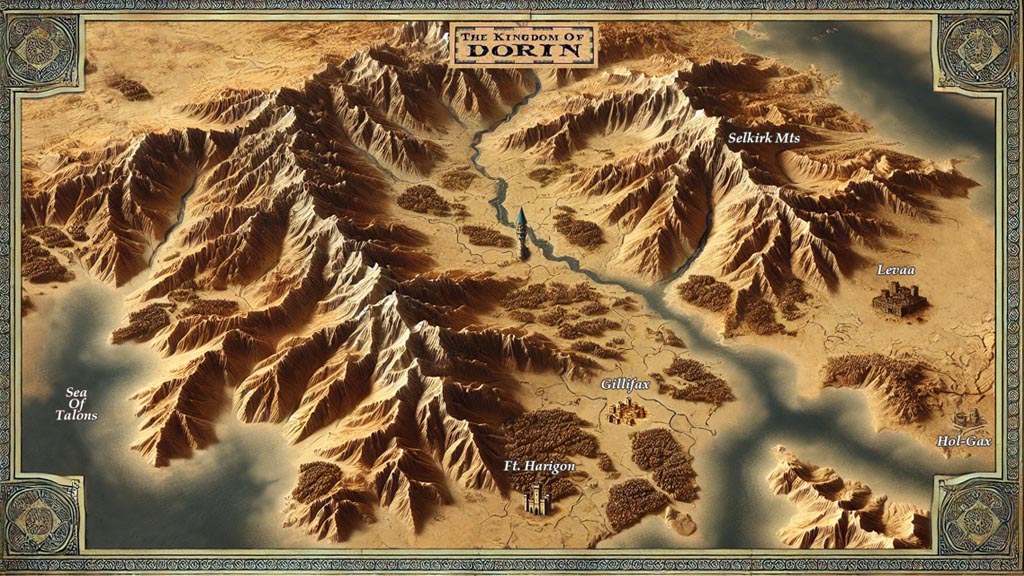
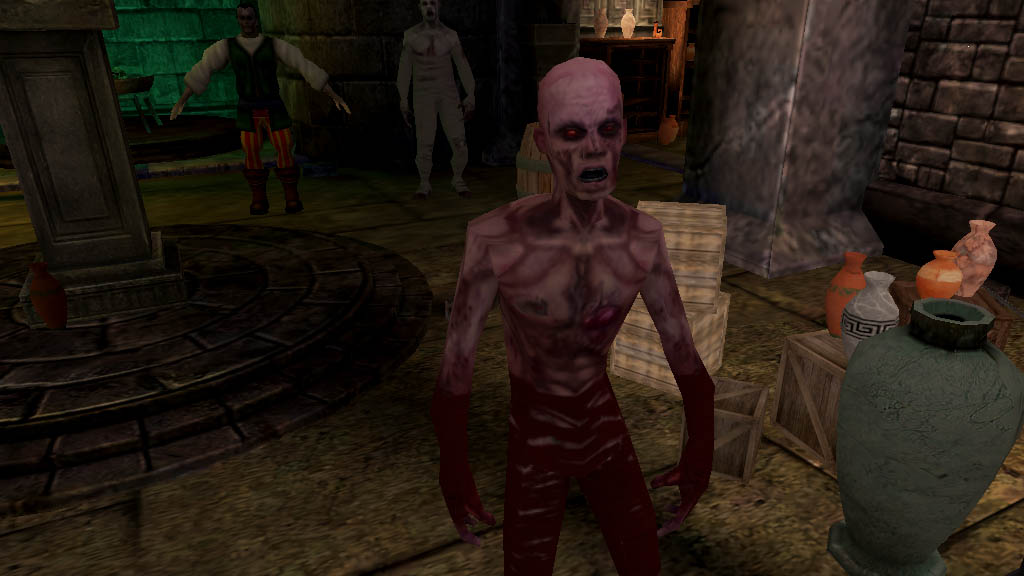
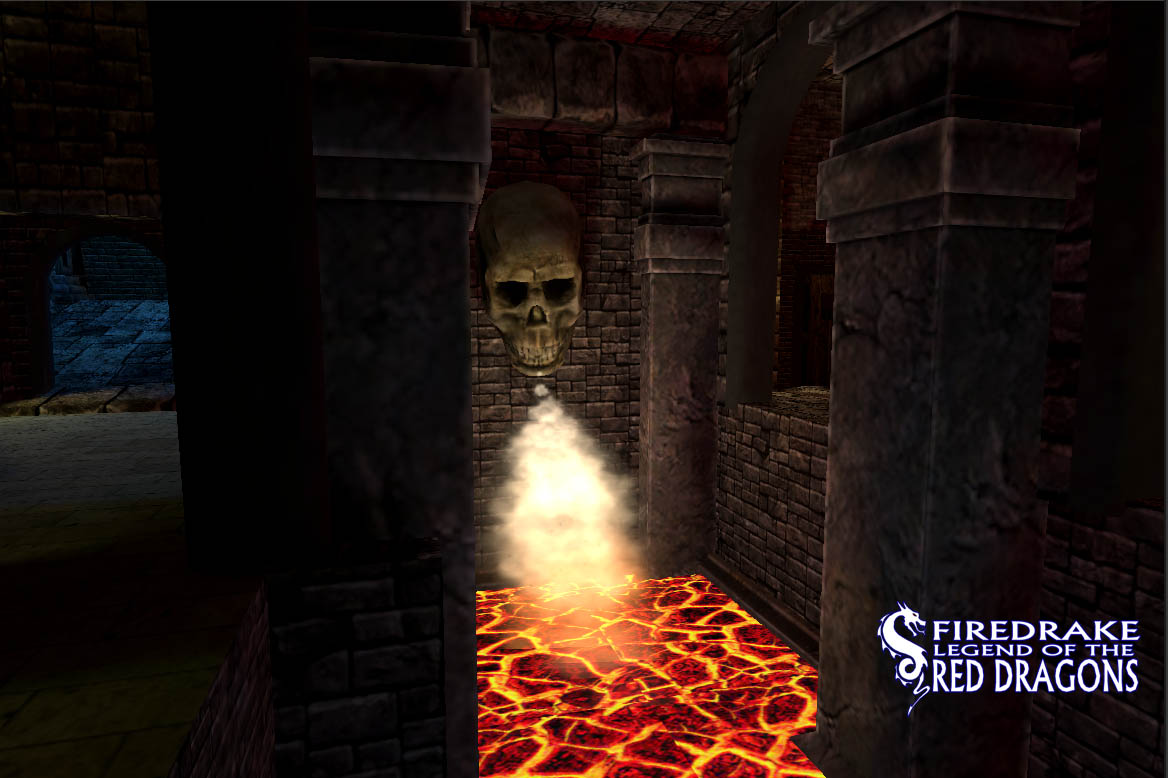
Firedrake: The Wizard’s Warren
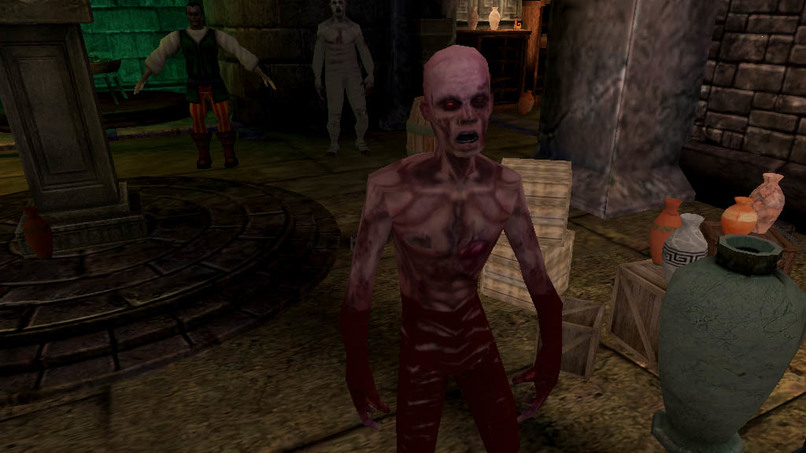
Episode Three of the Firedrake Saga Step into the shadows of a forgotten dungeon in this fully immersive mobile VR fantasy adventure for Quest 2, 3, and Pro. You are The Ranger charged with venturing deep into the cursed warrens where the villagers of Levita have been dragged by the minions of Ozmot. Their fate is darker than death: to be twisted into the ranks of the Unlifeless Army.
Every corridor hides danger, every chamber a challenge. Unearth powerful weapons, uncover ancient magic, and embark on perilous quests that grant new abilities to aid your fight. As you descend, you’ll slowly unravel the sinister designs of the Necromages of Ozmot, who seek to resurrect the long-vanquished Red Dragons and plunge the world into fire and ruin.
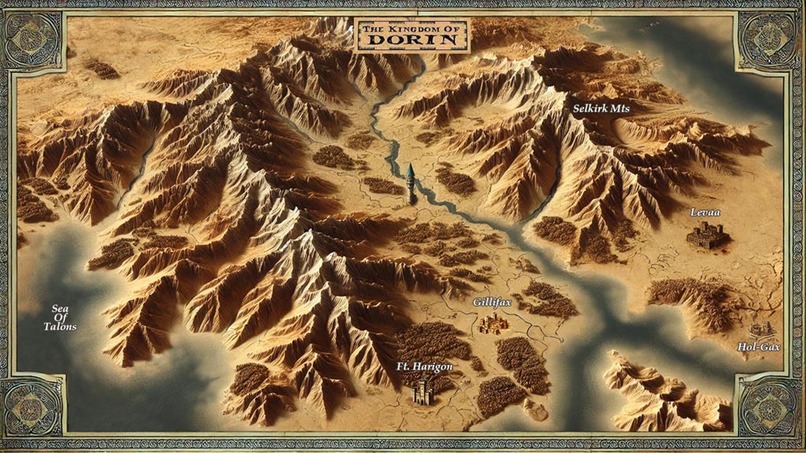
Do you have the courage to solve the crypt’s riddles, face its horrors, and reclaim legendary relics before they fall into enemy hands? The fate of Levita and perhaps all of Dorin, rests on your bow, your blade, and your will. Enter the dungeon. Claim the magic. Stop the unthinkable.
Firedrake: Wizard’s Warren is Chapter 3 of the long-running Firedrake VR series, with previous chapters released on GearVR and Oculus Go. This new chapter represents a complete ground-up rewrite of the engine, systems, and assets—transitioning from early 3DoF VR to a full 6DoF immersive environment featuring climbing, jumping, flying, physics interactions, and deeply tactile item interaction.
Firedrake is an intense VR experience. It has fast-paced movement, brutal melee combat, sudden jump scares, and mature themes woven throughout. It is absolutely not for the faint of heart.
This adventure has been built quietly in 1.75 years of “stealth mode” by a solo developer, with about 70% of the environment and art complete before the Meta Hackathon began. The hackathon phase focused on VR player interaction systems, environmental Interactions, physics, combat feel, puzzle logic, and, especially around the Meta SDK, Meta’s XR tools, and Meta-assisted code generation workflows.
This is an update to the app as most level design and initial setup was completed before the hackathon started.
Work Completed Prior to the Hackathon
Environment & Level Design – 90% Complete Over one year was dedicated to building the world:
- 15 interconnected dungeon zones and surface regions.
- Roughly 50/50 mix of Asset Store content and custom art.
- Custom models built in Blender; all textures hand-painted in Photoshop.
- No AI was used for any artwork, textures, or models.
Core Player Framework -60%
- Prototype player controller with inventory slots, HUD, jump, step sounds.
- Basic climbing and traversal experiments.
- Early work on a physics-based interaction layer.
Combat System (Initial Prototype) -50%
- Built using Emerald AI 3.0, which was mid-production replaced by Emerald AI 2024—requiring all AI/player integration to be restarted.
- Prior to the hackathon, combat was around 40% complete but not VR-refined.
Sound Design – 80% Complete
- Majority of core sounds implemented.
- No spatialized 3D audio yet; all audio was 2D at this stage.
UI, Splash Screens, and Art – 85% Complete -Complete style guide and menu aesthetic. -Wrist-popup UI was only in rough prototype form.
Quest Subsystem – 10% Complete -Early-level prototype of quest tracking and item collection logic.
--
Hackathon Phase – What Was Built
The Meta Hackathon work centered around interaction fidelity, combat feel, player feedback, AI cleanup, systems design, and Meta SDK integration throughout major gameplay mechanics.
Player Controller Enhancements
- Fully revised combat feedback system.
- Sprint/Stamina system with recovery states.
- Improved VR locomotion feel through refined physics step/jump audio.
- Meta haptics support integrated for meaningful impact feedback.
Combat Overhaul Combat moved from a rough prototype to a polished, VR-appropriate system. While the long-term goal is a full physics-based dismemberment system, for the hackathon a reliable, tuned hit-registration system was implemented.
Key improvements:
- Impact recognition and enemy feedback tuned heavily.
- Sound, vibration, and physics responses revised for VR presence.
- Extensive balance passes for timing, feel, and VR realism. Meta SDK Integration
- Meta Haptics API used for combat impact feedback on controllers.
- Meta 3D Spatialized Audio used for directional weapon and enemy impacts.
- Player-to-environment impact sounds tied to spatial audio emitters.
AI Cleanup
- Significant logic for defeated AI built using Meta’s Lambda AI coding sessions, reducing CPU overhead during large encounters.
Health Potion System
- Fully implemented 3D item, sound effects, and VFX.
- Restorative system tied into combat and damage pipeline Via Meta Lamda.
Death & Respawn
- Built new respawn flow, including logic, checkpoints, and player state restoration.
- Existing combat code extended using Meta Lambda AI–generated code for rapid iteration.
Audio Overhaul A full audio pass was completed:
- All weapon, player, and environment sounds refined.
- 3D positional audio added using the Meta XR Audio SDK.
- Mixing and attenuation updated to support Quest mobile VR ergonomics.
Quest Subsystem (Hackathon-Rebuilt)
- Collectible and pickup logic system created.
- Quest progress tracking and HUD notifications added.
- Event-driven architecture for story integration.
Save System
- New game state save/load system implemented during the hackathon for player persistence, quest advancement, and collectible tracking.
Paper Interaction System (Major Challenge)
One of the most unexpectedly challenging systems: picking up, holding, dropping, and fluttering pieces of paper in VR. This system went from chaotic to surprisingly immersive.
- Custom gravity and drag algorithms.
- Realistic flutter physics during drop events.
- Accurate grabbing, alignment, and hold pose using the Meta SDK Grabber System.
- Fine-tuned collision and sound interactions.
Breakables Subsystem
Prototype expanded into a full production-ready system. ~90% of this system was completed during the hackathon. Includes:
- Throwing mechanics
- Impact detection
- Breakable meshes and debris
- Break sounds
- Lighting responses
Loot Chest Mechanics
- Implemented interactive treasure chest, physics-based lid, and internal loot spawning.
- Integrated with Meta Grabber API for lifting and manipulating items.
- Built satisfying VR sound/feedback profiles.
Physical Door Interactions
- Push-to-open physics doors.
- Locked puzzle doors.
- Full sound design pass for hinge creaks, impacts, and latches. Timed Door Puzzles
- Standard RPG “pull lever / door opens / timed closure” mechanic.
- Backend puzzle logic generated using AI Vib Sessions via Meta Lambda, guided by extremely detailed functional specs.
- Custom art and animated components built for the system.
Accessibility in Firedrake
Firedrake includes adjustable comfort movement, clear high-contrast interaction cues, optional haptic and audio feedback, readable subtitles, and simplified Meta-toolkit interactions. These features reduce motion strain and make combat, navigation, and puzzle-play approachable for more players.
Some of thie work was done before the hackathon, but a large portion was done during the hackathon.
I like to just work it in to the base development from the start.
Meta SDK Tools Used
- Meta Hand system
- Meta Grabber interactions
- Meta System Performance Utility for profiling GPU/CPU usage.
- Dynamic FOV enabled via Meta SDK to stabilize framerate under heavy load.
- Meta GPU/CPU state tuning, both manual and automatic.
- Lighting optimizations for mobile VR.
Summary
The Meta Hackathon allowed this long-running project to evolve from a mostly completed environment into a fully interactable, immersive, playable VR RPG—with major gameplay systems finally connected, polished, and optimized using Meta SDK technologies throughout.
In the span of the hackathon:
- Player interactions were deeply refined.
- Combat became immersive and VR-appropriate.
- Puzzle, door, and pickup systems were built out.
- Spatial audio and haptics elevated every action.
- Accessibility options were added
- Performance reached production-quality standards on Quest hardware.




Log in or sign up for Devpost to join the conversation.