Inspiration
We were in the first year of our engineering journey and from our initial days we are bound with the feeling of participating in the tech events, learning new skills, and building something unique from the things which we observe in our day to day Life, By moving forward when i said we, it actually means we are a group of three friends and we are more oftenly indulged in the discussions about tech, problems, researching and we try to get a solution for a problem by discussing it among ourselves and we also take assistance of the experienced persons to get more knowledge, proper way of approaching towards the problems. As days passed our excitement towards tech, coding and developing has started to immensely increase. So we decided to attend Hackathons, Ideathon, and many tech events. So as the conclusion we say that the engineering and the process of solving the societal problems, building softwares inspires us a lot
What it does
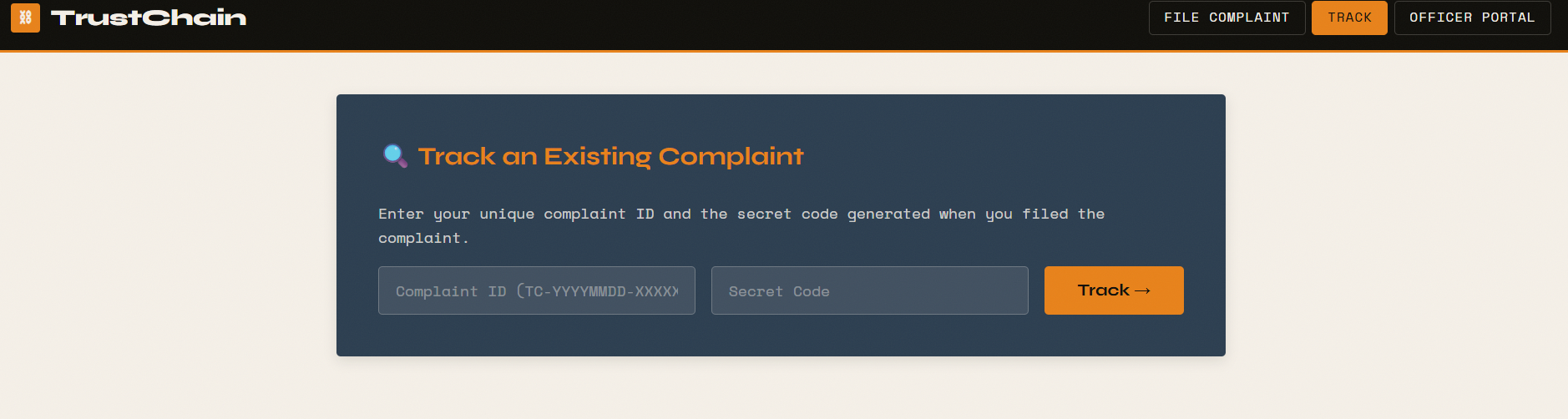
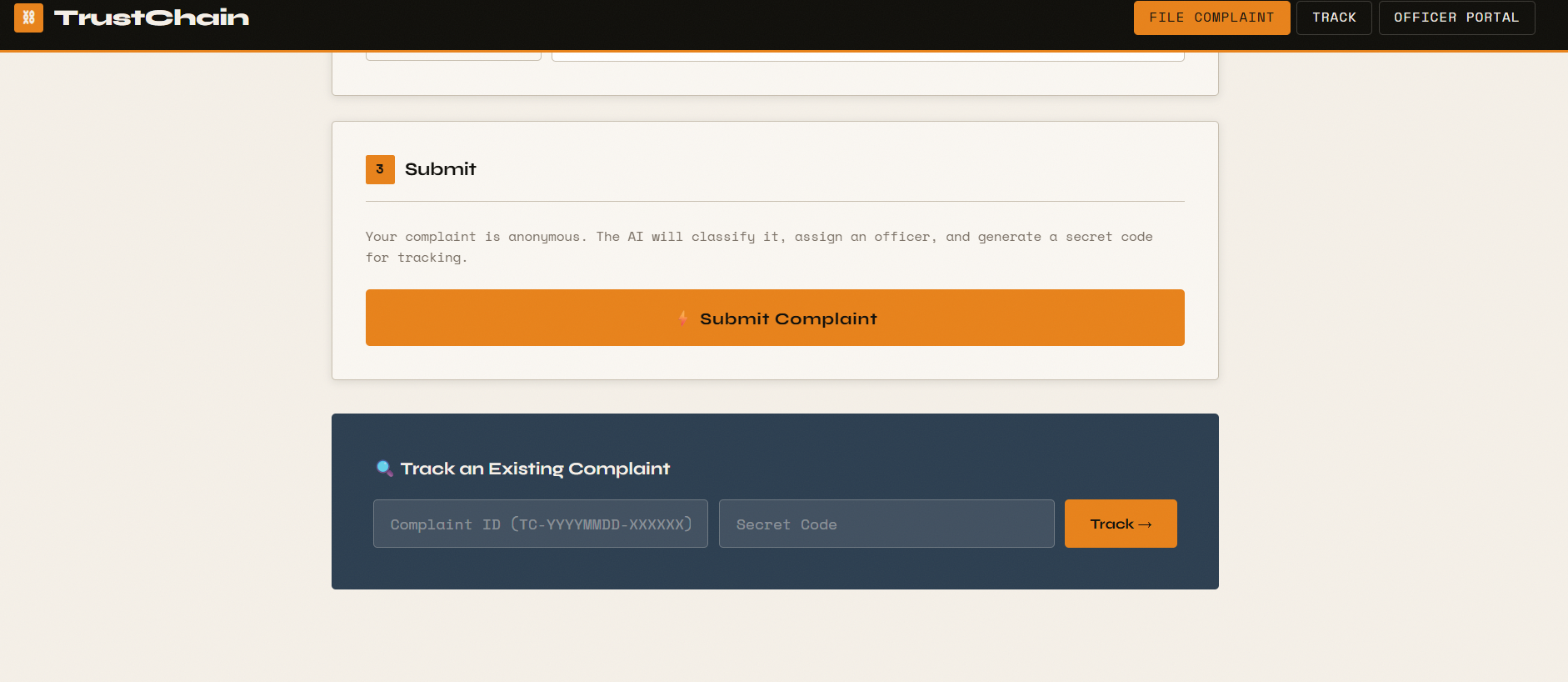
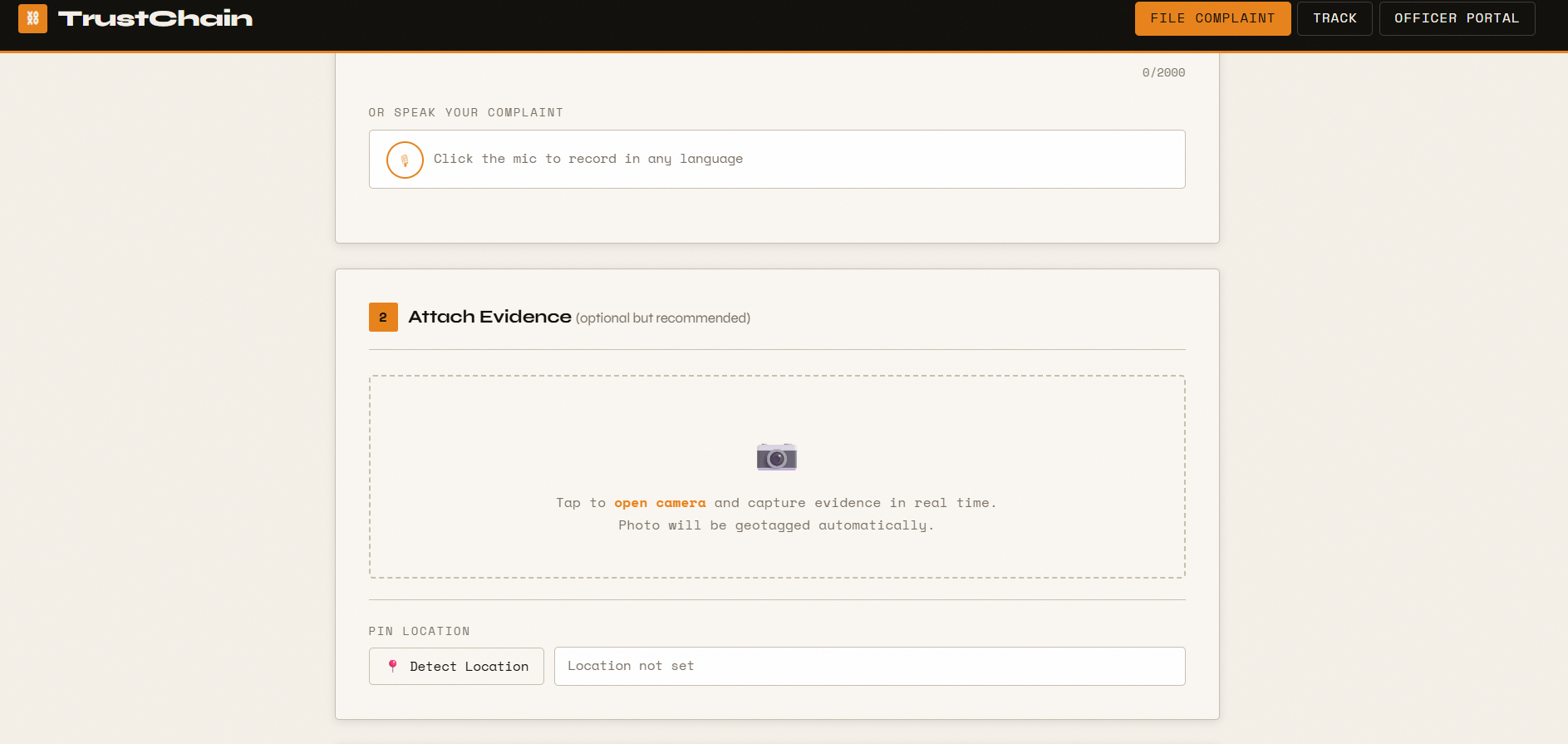
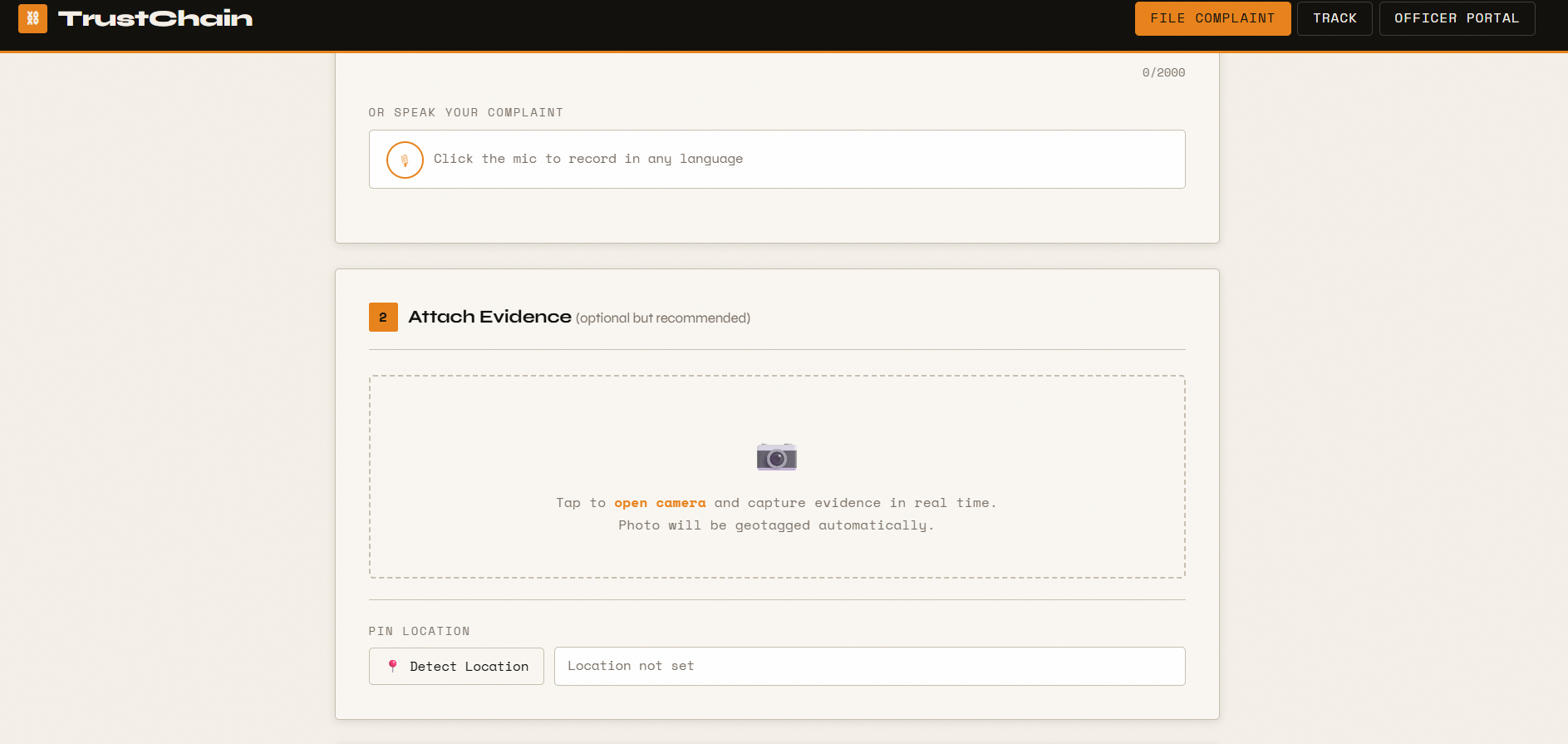
The Concept of the project whcih we are elaborating here is "AI BASED CIVIC SYSTEM" I just want to keep the synopsis clean and simple. it acts as a problem solving bridge between the peoples of the society and the administrative officials of that particular locality. As we all know hesitation and fear the people is real sometimes, We know this sounds a liitle bit crazy and out of sense but it is very genuine sometimes when people want to report about the problems arised in their locality but the fear of getting targated by the officals and the exposure of their personal information and they also hesitate to come forward and make a report. So to overcome that our system has many features to report a arised porblem we have imgae uploading slot, voice or text modules to record the problem, GPS modules to upload the location of the problem, In some cases people might misuse this application to report the fake problems to tackle that we have used the real time image uploading and location tracking to minimize that issue and few more important features which are integrated in our sysem are Classification module many locals may not be knowing to which department they need to tag to post forward the issue so to make that less complicated our classification module analysis the image uploaded and the problem which is recoreded in the voice format or text and makes a conclusion to which department the problem has to be forwareded. Then comes our most important Architecture our Upon successful submission, the system automatically generates a unique Complaint ID along with a secure secret access code, which the user can use later to track the progress of their complaint without revealing their identity.
To ensure authenticity, the system requires the user to capture a real-time image of the issue through the in-web camera, and this image is automatically tagged with geolocation data and a timestamp. This ensures that the complaint is tied to a real place and time, improving reliability while still maintaining user anonymity. Basic validation checks, including AI-based image authenticity detection and location consistency verification, are performed to filter out spam or fake submissions.
Once validated, the complaint is securely logged in an append-only system (tamper-resistant record), ensuring that no entry can be altered or deleted later, thereby maintaining transparency. The complaint is then automatically assigned to a first-level officer based on the location of the issue.
The assigned officer is required to send worker to resolve that problem. The system enforces a strict rule that a complaint cannot be marked as resolved without valid proof. To further strengthen trust, nearby users or community members can view the before-and-after evidence and provide simple feedback through intuitive options such as “Resolved” or “Not Resolved,” eliminating the need for reading or writing.
again we give 2 options resolved or not resolved,
If the user again issue marked as “Not Resolved” by that or any user then he again needs to capture a real-time image of the issue through the in-web camera, and this image is automatically tagged with geolocation data and a timestamp. This ensures that the complaint is tied to a real place and time, improving reliability while still maintaining user anonymity. Basic validation checks, including AI-based image authenticity detection and location consistency verification, are performed to filter out spam or fake submissions.
, or if the officer fails to provide in live status of that in 24hours, the system give another 24hr chance expecting the worker is not did or not solved the problem and this is not problem of officer and if again same problem appears then automatically escalates the complaint to a higher authority level. This ensures accountability and prevents negligence or false resolution claims.
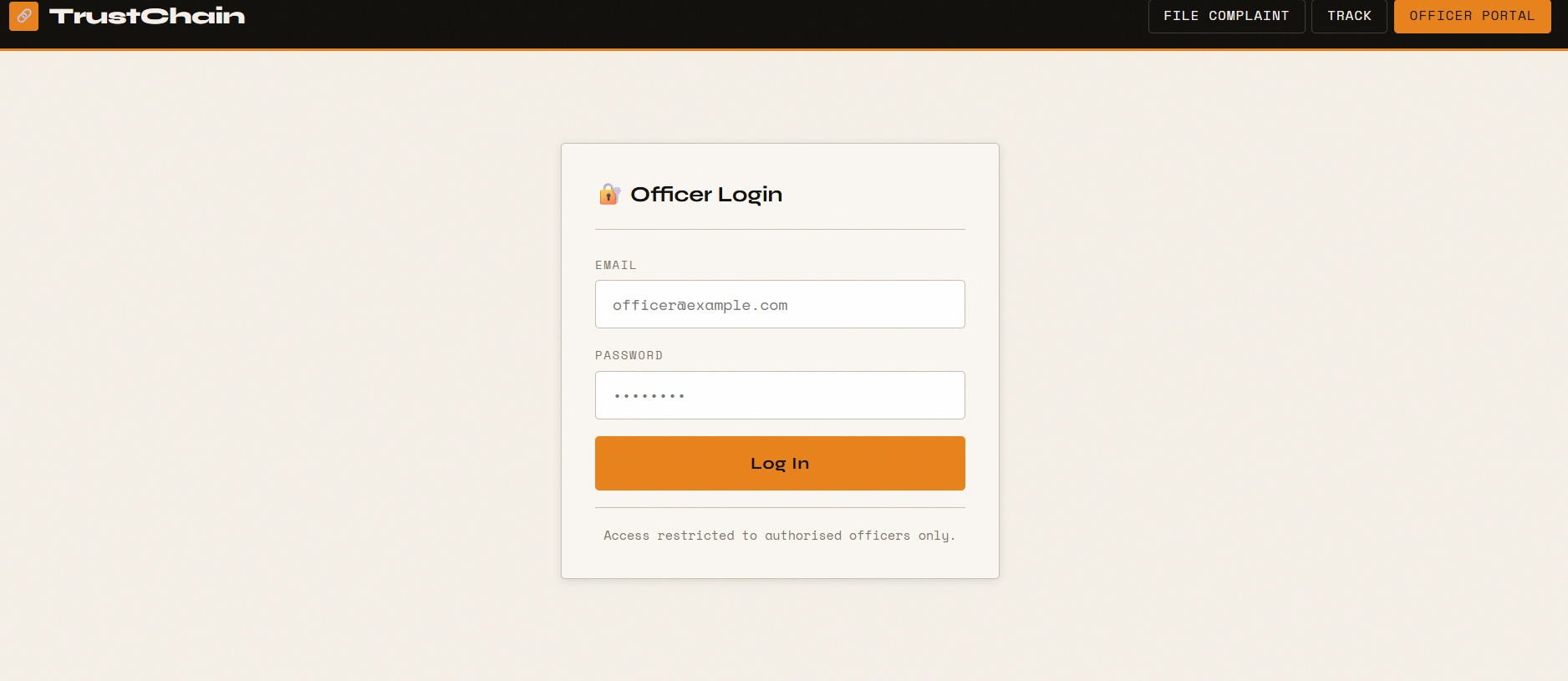
(note throug location primary is local area authority the secondary officer is taluk lever l authorith and tertiary is district level authority it msut give name number of the officer if he fails the details of the officer also go to higher authority officers so that he can be punished) Users can track their complaint at any time using their Complaint ID and secret code, where they can view the complete timeline, including submission details, status updates, proof of action, and community validation results. This creates a fully transparent and trust-driven grievance redressal system that prioritizes safety, accessibility, and accountability without relying on institutional goodwill alone
How we built it
We built CivicTrust by combining a web application with AI, location services, and a complaint tracking system. We created the reporting system so users can submit complaints using text, voice, images, and their location.
The submitted information is processed using AI to understand the complaint, identify its category and determine the responsible department. We then connect the complaint with the appropriate local authority and give it a unique Complaint ID and secure access code so the user can track its progress.
We also worked on real-time image capture with location and timestamp information to make the reports more reliable. For the resolution process, officers have to provide evidence instead of simply marking a complaint as solved. Users can then verify the result, and unresolved complaints can move through the escalation process.
Since this was a team project, we divided the work between us and worked together on integrating the different parts into one working prototype.
Challenges we ran into
One of the biggest challenges was trying to connect all the different parts of the system into one working flow. We were dealing with image uploads, GPS location, AI-based complaint classification, officer assignment, tracking, evidence, and escalation, so even small issues in one part could affect the rest of the system.
Another challenge was making sure that complaints could not simply be marked as resolved without proper proof. We had to think about how to collect real-time images, location and timestamps and then use them during the verification process.
We also faced challenges while working with technologies that we were still learning. Since this was one of our early major projects, we had to spend a lot of time researching, testing different approaches, fixing errors, and understanding how the different technologies could work together.
Managing all of this within the limited time of a hackathon was difficult, but it also helped us understand what it takes to turn an idea into a working system.
Accomplishments that we're proud of
Accomplishments That We're Proud Of
We are proud that we were able to turn an idea we discussed as a team into a working project. What started as a simple thought about making it easier for people to report civic problems became a complete system with complaint reporting, AI-based classification, location tracking, evidence-based resolution, community verification, and escalation.
We are also proud of the amount of new technology we were able to learn and use while building the project. We had to understand how different parts of the system could work together and solve problems along the way.
Most importantly, we are proud that we built something around a real problem that people face in their daily lives. Presenting CivicTrust at a hackathon and seeing our idea work as an actual prototype was a great experience for all of us.
What we learned
While working on this project, we realized that building a working website is only one part of solving a real problem. We had to think about what could happen when an actual person uses the system.
For example, we had to think about fake complaints, user privacy, how to identify the correct department, what happens when an officer does not respond, and how we can know whether a problem was actually solved.
We also understood that AI should have a proper purpose in the project. Instead of adding AI just to say that our project uses AI, we used it where it can actually help, such as understanding complaints and deciding which department they should be sent to.
Since this was built as a team, we also learned a lot from discussing our ideas with each other, trying different approaches, making mistakes, and improving the system step by step.
The biggest thing we learned is that solving a real-world problem requires thinking about many situations, not just making the main feature work.
What's next for AI BASED CIVIC SYSTEM
We want to take CivicTrust beyond the hackathon prototype and make it more practical for real-world use. Our next step is to improve the AI models so that complaints can be classified more accurately and fake or duplicate reports can be detected better.
We also want to improve the voice system and support more local languages, especially Kannada and Hindi, so that more people can use the platform comfortably.
Another important area is connecting the system with more realistic administrative workflows and improving the escalation process. We would also like to make the public dashboard and civic map more useful for understanding recurring problems in different areas.
In the future, we hope to test the platform with real users, collect feedback, improve the system based on that feedback, and gradually turn CivicTrust into a reliable platform for reporting and tracking civic issues.
Built With
- ai/ml
- computer
- express.js
- gps
- leaflet.js
- learning
- machine
- mongodb
- natural-language-processing
- node.js
- openstreetmap
- react
- supabase
- three.js
- typescript
- vision


Log in or sign up for Devpost to join the conversation.