Inspiration
With the growing threats of climate change and the pressure to reduce emissions, railway networks are increasingly vital infrastructure. Reducing the cost of operating, and thereby travelling on, railways is essential. We wanted to work on a project with real impact and felt like it was possible with this Challenge.
Challenges we ran into
the supplied dataset does not fit in memory and needed to be preprocessed.
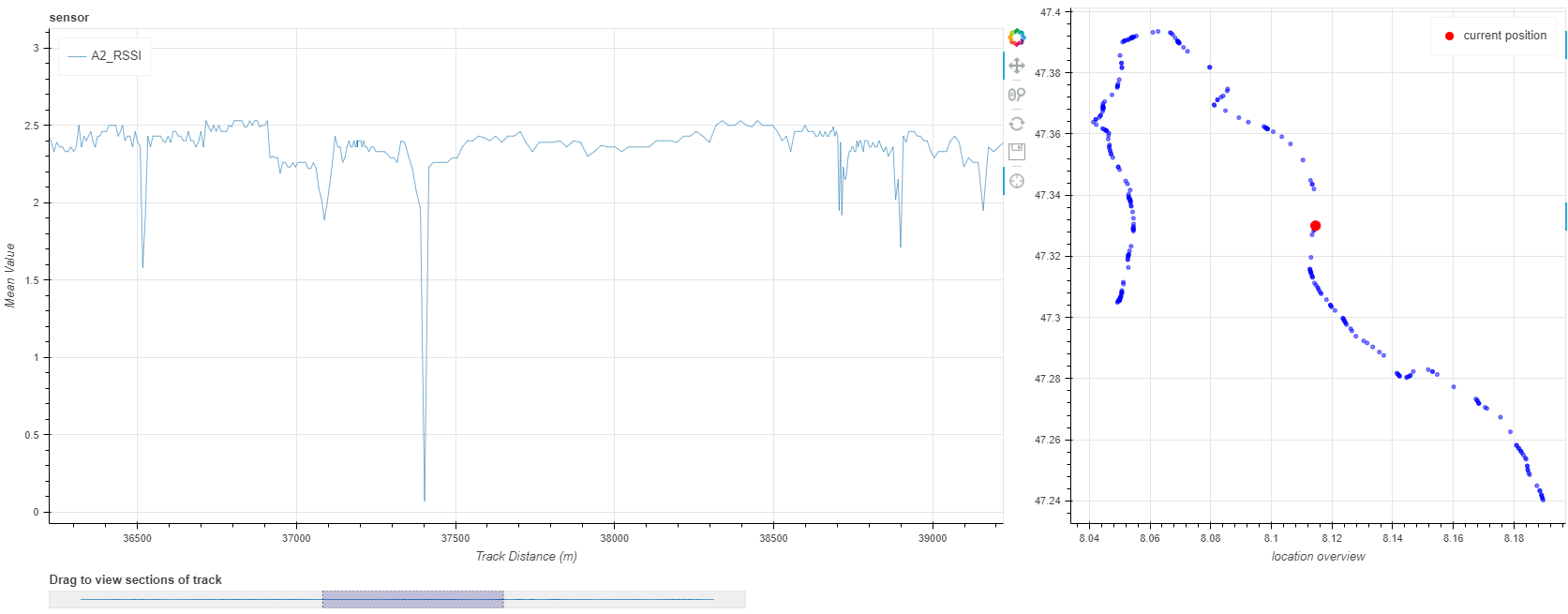
creating interactive plots with Bokeh library was not quick enough
Accomplishments that we're proud of
Creating a fully functional Data Processing pipeline
Creating a Flask API to serve processed data and get predictions from the model
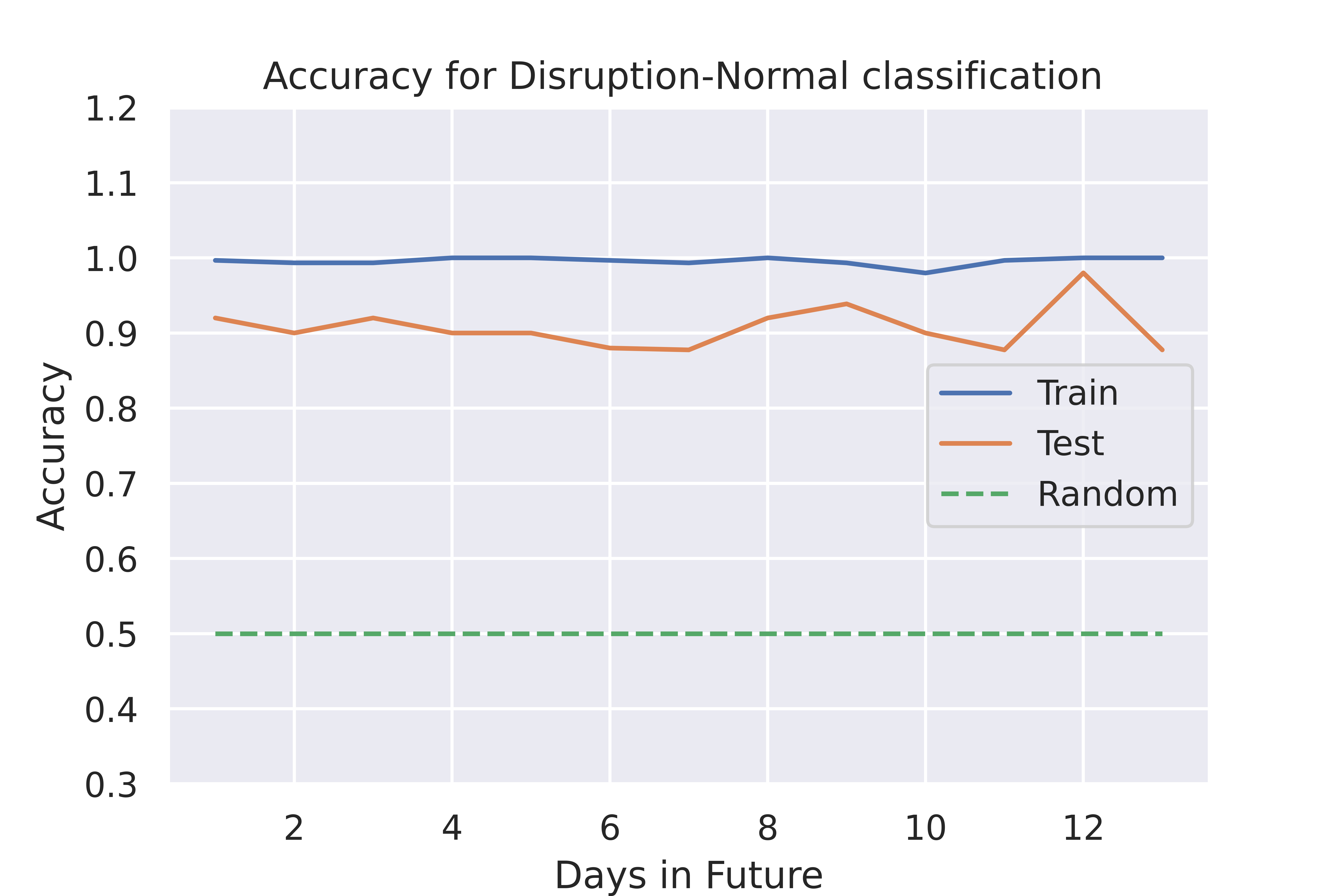
Achieving a model accuracy over 90%
Working hard, everyone trying and pitching in to finish the project.
What we learned
Double-checking the units of the supplied data is important
Making simple (non-interactive plots) would have delivered more value in the short term
A team of 5 complete strangers can come together (virtually and in person) and create a viable solution to a real problem in 48hrs
What's next for ZSL Zen
We think we’ve built the base of an end to end system. With a little more work, we could finish connecting all the services and deploy a full prototype.
Promotional Text
Have you ever wondered what goes into ensuring trains run smoothly ?
No? Well it’s a lot. But don’t worry, we don't delay you with all the details. But maybe just a sneak peek. For instance, trains continuously receive signals from the tracks they run. This ensures the train travels at the right speed and slows down for hazards like difficult track conditions. But sometimes these signals can become unreliable, and cause disruptions and unnecessary stops on a route that is actually perfectly safe.
Now we wouldn’t want you getting held up because of these false alarms.
And that’s where ZSL Zen comes in. It’s a next generation monitoring tool that rail networks can use to intelligently prevent issues before they ever occur. It’s driven by a state of the art machine learning model and our team swears by it.
So how does it work?
Well, since you asked, we monitor the recorded signal characteristics over time, looking for the key signatures that could identify a potential failure.
The devil is in the details, but lucky for users of ZSL Zen, they can operate with confidence, knowing that the model is constantly looking out for their infrastructure, predicting potential future issues with 92% accuracy on balanced evaluation set. And giving enough warning time to actually solve them.
ZSL Zen comes in two flavours, our API that’s ready now to add value to your existing technology stack, or you can kick back and wait for our soon-to-be launched dashboard service.
Come check out our repo, talk to us and bring a little more _Zen _ to your networks


Log in or sign up for Devpost to join the conversation.