Inspiration

All over the world aware of this covid19. Different types of organizations work for covid19. Many People are recovered and Many Coutries are take many steps. May be We will get a vaccine. But We know that prevention is better than cure. Scientists are checking out how to solve this.

What does coronavirus

Coronaviruses (CoV) are a large family of viruses that cause illness ranging from the common cold to more severe diseases such as Middle East Respiratory Syndrome (MERS-CoV) and Severe Acute Respiratory Syndrome (SARS-CoV).

How I built it

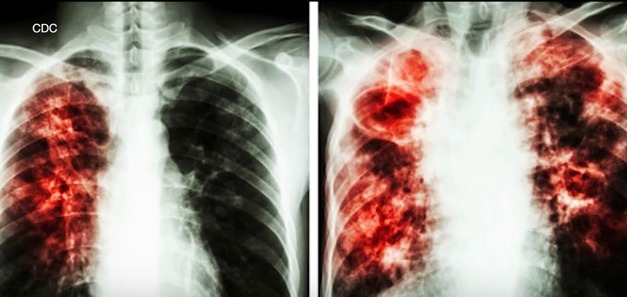
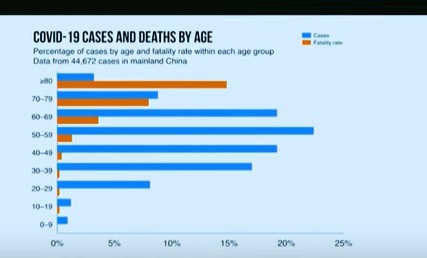
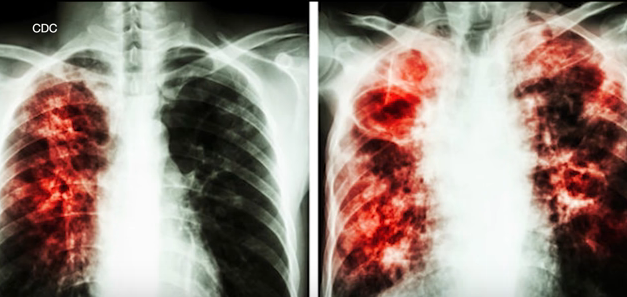
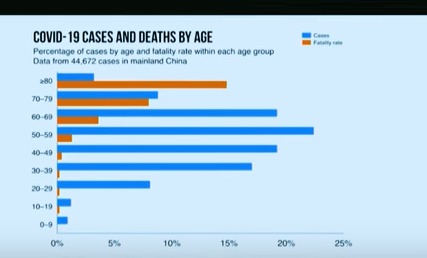
Most people infected with the COVID-19 virus will experience mild to moderate respiratory illness and recover without requiring special treatment. Older people and those with underlying medical problems like cardiovascular disease, diabetes, chronic respiratory disease, and cancer are more likely to develop serious illnesses. At this time, there are no specific vaccines or treatments for COVID-19. However, there are many ongoing clinical trials evaluating potential treatments. WHO will continue to provide updated information as soon as clinical findings become available.

Challenges I ran into

Since 31 December 2019 and as of 28 March 2020, 591 971 cases of COVID-19 (in accordance with the applied case definitions and testing strategies in the affected countries) have been reported, including 27 090 deaths.

Accomplishments that I'm proud of

Katie Pearce / Published March 14 To slow the spread of COVID-19 through U.S. communities, the U.S. Centers for Disease Control and Prevention has encouraged Americans to practice "social distancing" measures. But what is social distancing, and how is it practiced?

For more information on the latest guidance, the Hub compiled information from the CDC and from Johns Hopkins experts Caitlin Rivers, an epidemiologist from the Johns Hopkins Center for Health Security, and Tom Inglesby, the center's director. Here's what they had to say.

What is social distancing?

Social distancing is a public health practice that aims to prevent sick people from coming in close contact with healthy people in order to reduce opportunities for disease transmission. It can include large-scale measures like canceling group events or closing public spaces, as well as individual decisions such as avoiding crowds.

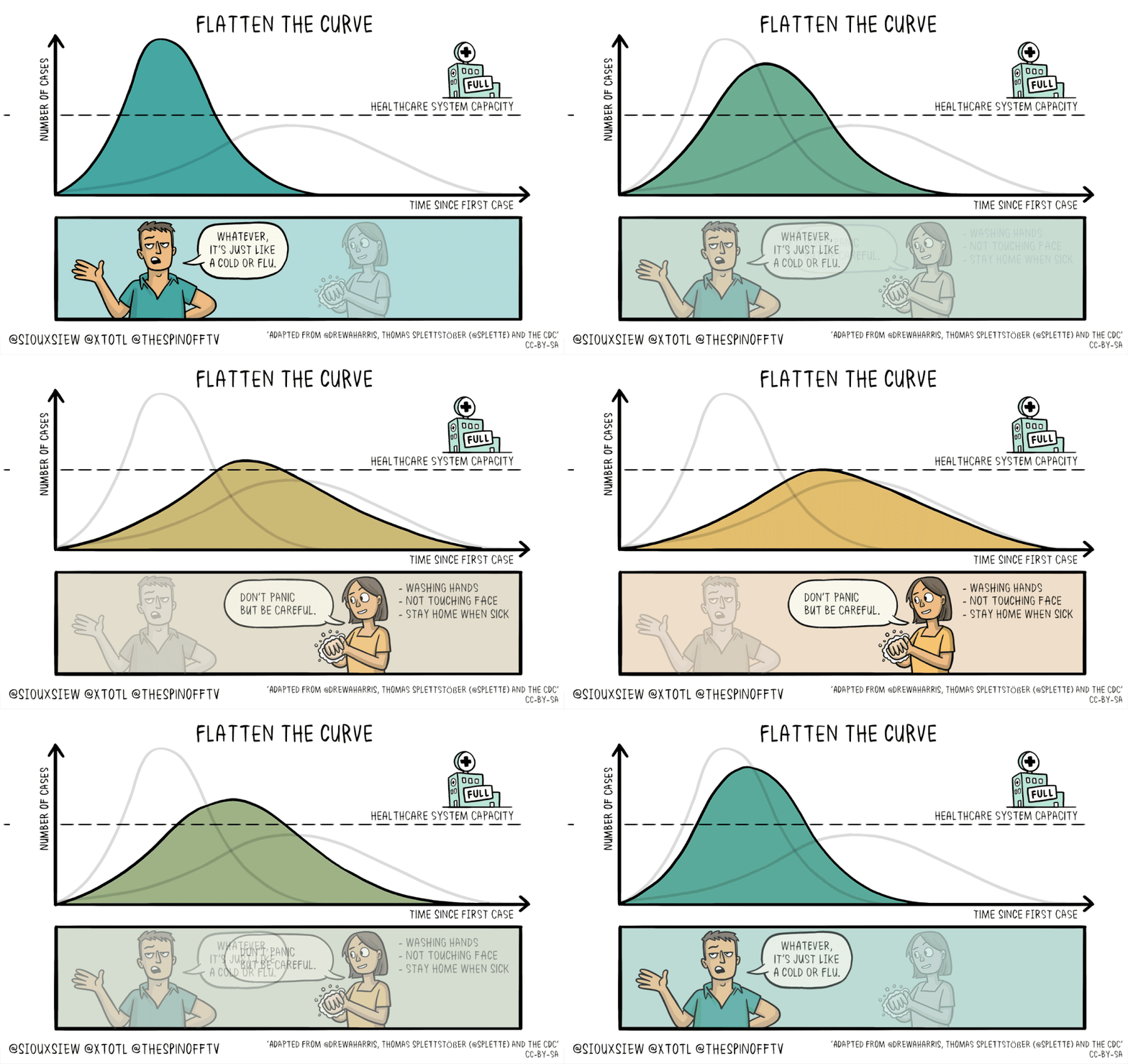
With COVID-19, the goal of social distancing right now is to slow down the outbreak in order to reduce the chance of infection among high-risk populations and to reduce the burden on health care systems and workers. Experts describe this as "flattening the curve," which generally refers to the potential success of social distancing measures to prevent surges in illness that could overwhelm health care systems. https://api.hub.jhu.edu/factory/sites/default/files/Covid-19-curvesv3.gif "The goal of social distancing in the U.S. should be to lower the pace and extent of spread of COVID-19 in any given city or community," Inglesby wrote recently on Twitter. "If that can happen, then there will be fewer people with the disease, and fewer people needing hospitalization and ventilators at any one time." How do I practice social distancing?

The CDC defines social distancing as it applies to COVID-19 as "remaining out of congregrate settings, avoiding mass gatherings, and maintaining distance (approximately 6 feet or 2 meters) from others when possible."

This means, says Rivers, "no hugs, no handshakes."

It's particularly important—and perhaps obvious—to maintain that same 6-foot distance from anyone who is demonstrating signs of illness, including coughing, sneezing, or fever.

Along with physical distance, proper hand-washing is important for protecting not only yourself but others around you—because the virus can be spread even without symptoms.

"Don't wait for evidence that there's circulation [of COVID-19] in your community," says Rivers. "Go ahead and step up that hand-washing right now because it really does help to reduce transmission." Although Inglesby says the concept has little modern precedent at a large scale, he points to an early study, not yet peer reviewed, showing the different experience of peak coronavirus rates for two Chinese cities. The city of Guangzhou, which implemented disease control measures early into the outbreak, had significantly lower numbers of hospitalizations from COVID-19 on its peak day than the city of Wuhan, which put measures in place a month into the outbreak.

Inglesby says people shouldn't fret about a "perfect" approach to social distancing: "It's a big country and we will need partial solutions that fit into different communities. A 75% solution to a social distancing measure may be all that is possible … [which] is a lot better than 0%, or forcing a 100% solution that will fail."

What are other ways to limit the spread of disease?

Other public health measures could include isolation and quarantine. According to the CDC's latest guidance:

Isolation refers to the separation of a person or people known or reasonably believed to be infected or contagious from those who are not infected in order to prevent spread of the disease. Isolation may be voluntary, or compelled by governmental or public health authorities.

Quarantine in general means the separation of a person or people reasonably believed to have been exposed to a communicable disease but not yet symptomatic from others who have not been so exposed in order to prevent the possible spread of the disease. With COVID-19, the CDC has recommended a 14-day period to monitor for symptoms.

The CDC offers more details on which populations face greater risks, and specific cautionary measures they should take.

What's next for World Health Organization news on coronavirus effected

Since 31 December 2019 and as of 28 March 2020, 591 971 cases of COVID-19 (in accordance with the applied case definitions and testing strategies in the affected countries) have been reported, including 27 090 deaths.

Share this project:

Updates

posted an update

Basic protective measures against the new coronavirus Stay aware of the latest information on the COVID-19 outbreak, available on the WHO website and through your national and local public health authority. Most people who become infected experience mild illness and recover, but it can be more severe for others. Take care of your health and protect others by doing the following: https://youtu.be/bPITHEiFWLc

Wash your hands frequently

Regularly and thoroughly clean your hands with an alcohol-based hand rub or wash them with soap and water.

Why? Washing your hands with soap and water or using alcohol-based hand rub kills viruses that may be on your hands. Maintain social distancing

Maintain at least 1 metre (3 feet) distance between yourself and anyone who is coughing or sneezing.

Why? When someone coughs or sneezes they spray small liquid droplets from their nose or mouth which may contain virus. If you are too close, you can breathe in the droplets, including the COVID-19 virus if the person coughing has the disease. Why is it recommended to avoid close contact with anyone who has fever and cough? https://youtu.be/6Ooz1GZsQ70

Wash your hands frequently

Regularly and thoroughly clean your hands with an alcohol-based hand rub or wash them with soap and water.

Why? Washing your hands with soap and water or using alcohol-based hand rub kills viruses that may be on your hands. Maintain social distancing

Maintain at least 1 metre (3 feet) distance between yourself and anyone who is coughing or sneezing.

Why? When someone coughs or sneezes they spray small liquid droplets from their nose or mouth which may contain virus. If you are too close, you can breathe in the droplets, including the COVID-19 virus if the person coughing has the disease. What can people do to protect themselves and others from getting the new coronavirus? https://youtu.be/bPITHEiFWLc Avoid touching eyes, nose and mouth

Why? Hands touch many surfaces and can pick up viruses. Once contaminated, hands can transfer the virus to your eyes, nose or mouth. From there, the virus can enter your body and can make you sick. Practice respiratory hygiene

Make sure you, and the people around you, follow good respiratory hygiene. This means covering your mouth and nose with your bent elbow or tissue when you cough or sneeze. Then dispose of the used tissue immediately.

Why? Droplets spread virus. By following good respiratory hygiene you protect the people around you from viruses such as cold, flu and COVID-19. If you have fever, cough and difficulty breathing, seek medical care early

Stay home if you feel unwell. If you have a fever, cough and difficulty breathing, seek medical attention and call in advance. Follow the directions of your local health authority.

Why? National and local authorities will have the most up to date information on the situation in your area. Calling in advance will allow your health care provider to quickly direct you to the right health facility. This will also protect you and help prevent spread of viruses and other infections.

Stay informed and follow advice given by your healthcare provider How is the new coronavirus affecting people who get it? https://youtu.be/qF42gZVm1Bo

Stay informed on the latest developments about COVID-19. Follow advice given by your healthcare provider, your national and local public health authority or your employer on how to protect yourself and others from COVID-19.

Why? National and local authorities will have the most up to date information on whether COVID-19 is spreading in your area. They are best placed to advise on what people in your area should be doing to protect themselves.

Protection measures for persons who are in or have recently visited (past 14 days) areas where COVID-19 is spreading

Follow the guidance outlined above.

Stay at home if you begin to feel unwell, even with mild symptoms such as headache and slight runny nose, until you recover. Why? Avoiding contact with others and visits to medical facilities will allow these facilities to operate more effectively and help protect you and others from possible COVID-19 and other viruses.

If you develop fever, cough and difficulty breathing, seek medical advice promptly as this may be due to a respiratory infection or other serious condition. Call in advance and tell your provider of any recent travel or contact with travelers. Why? Calling in advance will allow your health care provider to quickly direct you to the right health facility. This will also help to prevent possible spread of COVID-19 and other viruses.

Log in or sign up for Devpost to join the conversation.

posted an update

COVID-19 Solidarity Response Fund

Help WHO fight COVID-19

Donate Now The world is facing an unprecedented challenge with communities and economies everywhere affected by the growing COVID-19 pandemic. The world is coming together to combat the COVID-19 pandemic bringing governments, organizations from across industries and sectors and individuals together to help respond to this global outbreak. The outpouring of global solidarity and support sparked by this shared challenge has been phenomenal.

The World Health Organization (WHO) is leading and coordinating the global effort, supporting countries to prevent, detect, and respond to the pandemic.

Everyone can now support directly the response coordinated by WHO. People and organizations who want to help fight the pandemic and support WHO and partners can now donate through the COVID-Solidarity Response Fund for WHO at www.COVID19ResponseFund.org. https://www.who.int/emergencies/diseases/novel-coronavirus-2019/donate

Log in or sign up for Devpost to join the conversation.

posted an update

Pass the message: Five steps to kicking out coronavirus WHO, FIFA launch joint campaign to equip football community to tackle COVID-19 Geneva, 23 March 2020: FIFA, the international governing body of football, and the World Health Organization (WHO) have teamed up to combat the coronavirus (COVID-19) by launching a new awareness campaign led by world-renowned footballers, who are calling on all people around the world to follow five key steps to stop the spread of the disease.

The “Pass the message to kick out coronavirus” campaign promotes five key steps for people to follow to protect their health in line with WHO guidance, focused on hand washing, coughing etiquette, not touching your face, physical distance and staying home if feeling unwell.

“FIFA and its President Gianni Infantino have been actively involved in passing the message against this pandemic since the very beginning,” said WHO Director-General Dr Tedros Adhanom Ghebreyesus at the virtual launch of the campaign at WHO headquarters in Geneva, Switzerland. “Be it through campaigns or funding, FIFA has stood up to the coronavirus, and I am delighted that world football is supporting WHO to kick out the coronavirus. I have no doubt with this type of support that together we will win.”

“We need teamwork to combat the coronavirus,” said FIFA President Gianni Infantino. “FIFA has teamed up with WHO because health comes first. I call upon the football community worldwide to join us in supporting this campaign to pass the message even further. Some of the greatest players to have played the beautiful game have put their names to the campaign and are united in their desire to pass the message to kick out COVID-19.”

Twenty-eight players are involved in the video campaign, which is being published in 13 languages.

Sami Al Jaber (KSA), Alisson Becker (BRA), Emre Belözoğlu (TUR), Jared Borgetti (MEX), Gianluigi Buffon (ITA), Iker Casillas (ESP), Sunil Chhetri (IND), Youri Djorkaeff (FRA), Han Duan (CHN), Samuel Eto’o (CMR), Radamel Falcao (COL), Laura Georges (FRA), Valeri Karpin (RUS), Miroslav Klose (GER), Philipp Lahm (GER), Gary Lineker (ENG), Carli Lloyd (USA), Lionel Messi (ARG), Mido (EGY), Michael Owen (ENG), Park Ji-sung (KOR) , Carles Puyol (ESP), Célia Šašić (GER), Asako Takakura (JPN), Yaya Touré (CIV), Juan Sebastián Verón (ARG), Sun Wen (CHN) and Xavi Hernández (ESP).

A video campaign, which will be published on player and FIFA digital channels, is also being provided as individual localized files to the 211 FIFA member associations and media agencies, together with a graphics toolkit for implementation on social media to further pass the message. https://www.who.int/news-room/detail/23-03-2020-pass-the-message-five-steps-to-kicking-out-coronavirus

Log in or sign up for Devpost to join the conversation.

posted an update

Are smokers and tobacco users at higher risk of COVID-19 infection? Smokers are likely to be more vulnerable to COVID-19 as the act of smoking means that fingers (and possibly contaminated cigarettes) are in contact with lips which increases the possibility of transmission of virus from hand to mouth. Smokers may also already have lung disease or reduced lung capacity which would greatly increase risk of serious illness.

Smoking products such as water pipes often involve the sharing of mouth pieces and hoses, which could facilitate the transmission of COVID-19 in communal and social settings.

Conditions that increase oxygen needs or reduce the ability of the body to use it properly will put patients at higher risk of serious lung conditions such as pneumonia. https://www.who.int/news-room/q-a-detail/q-a-on-smoking-and-covid-19

Log in or sign up for Devpost to join the conversation.