-
-
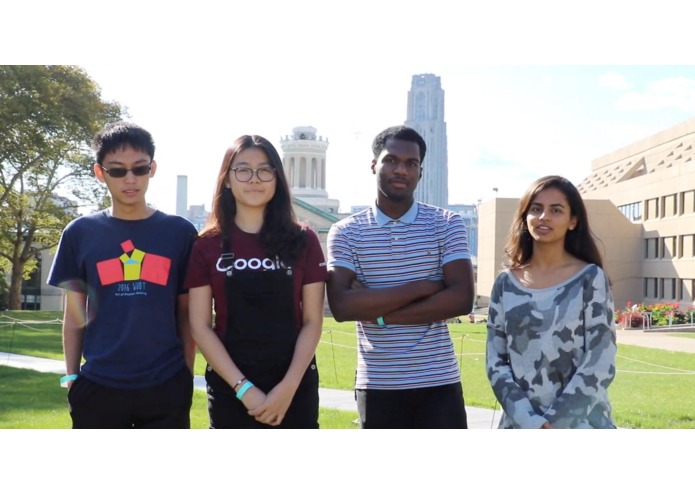
Team Photo!
-
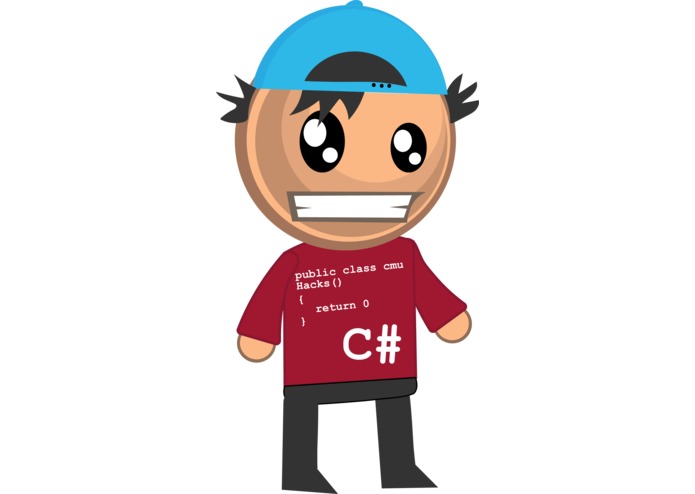
Game Player
-
Fence
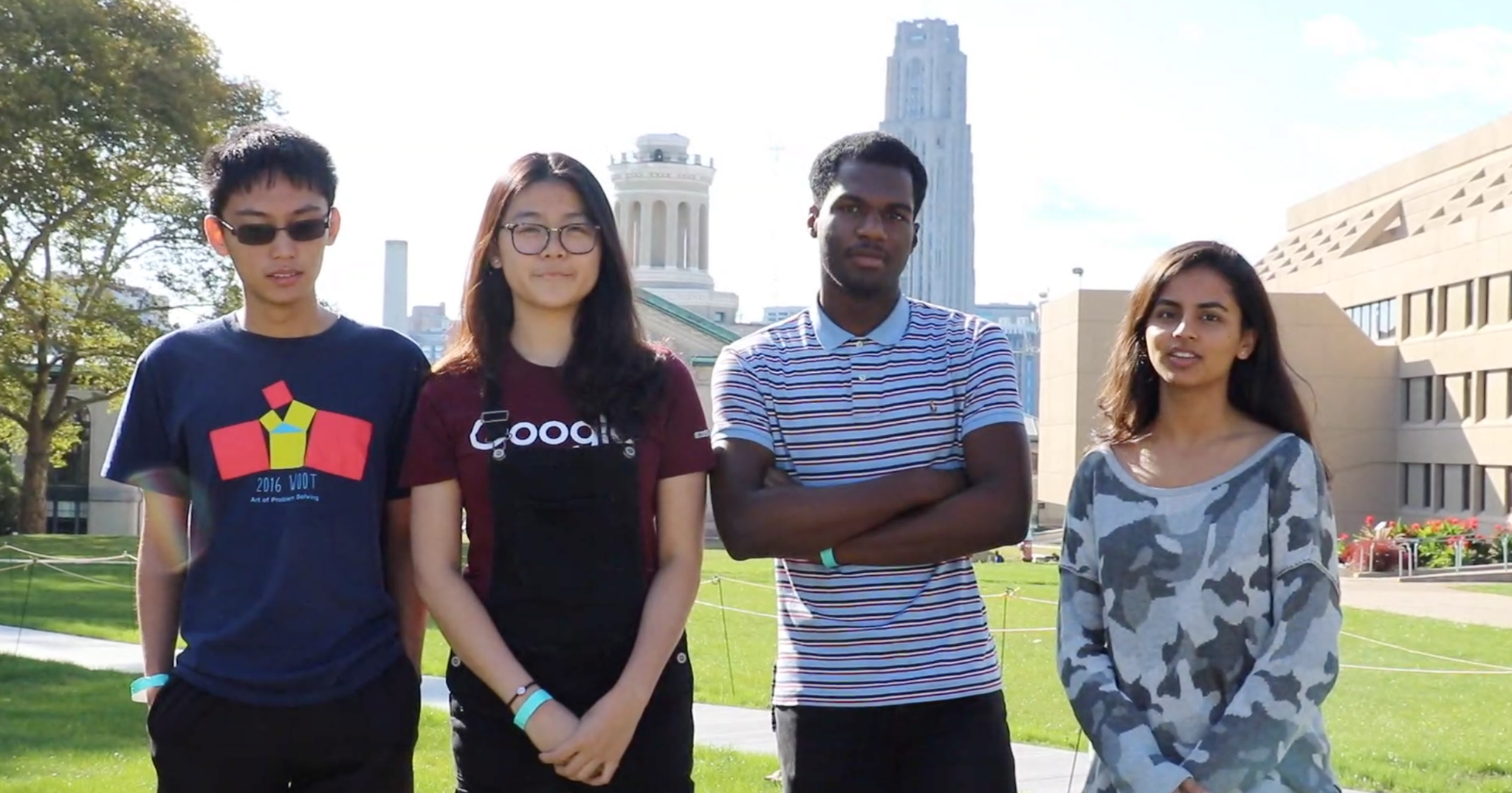

Inspiration
We wrote down ideas on a whiteboard and erased ones we didn’t think we could complete, or weren’t interested in. Ultimately, it boiled down to this idea – it related to us as college students, and was fairly manageable given our skillset.
What it does
This game stimulates the daily life of a college student. The goal for the player is to balance his academics, personal health and his part-time jobs to get an education and pay for his monthly student loan after 35 days. We divided the game into three difficulty levels according to the kind of college the character is going to: 2-year public college (easy), 4-year public college (medium), and 4-year private college (hard). Through three bars, player can see the current energy, grade, and deposit of the character. In the game, the player will make different choices: either to study, or to work, to eat a meal or to skip the meal. Each choice corresponds to some rewards or penalty in the character’s energy, grade, and deposit. Once the player is able to pay off his monthly tuition or fails to maintain some aspect of his life, the game ends.
Challenges we ran into
The first challenge we ran into is that our team was built during the individual mixer process. We didn’t know each other beforehand and two of us were new to programming. It was difficult for us to work as a team immediately and come up with interesting yet doable ideas. We also had a lot of difficulties debugging and using concise logic to write the functions we needed. Our program didn’t turn out the way we originally imagined, but we overcome these difficulties together. We wrote down our thoughts and reasoning on the whiteboard to help with organization. Even though two of our teammates were new to this, we talked to each other about possible solutions, suggestions, and advice. We tried different methods and watched tutorials while making the game to help us understand C#, Unity, and Adobe-Illustrator. Ultimately, our lack of experience hindered us from making a more complete product.
Accomplishments that we're proud of
This is our first Hackathon. We successfully created a product that had a direct relationship with us as college students. We are excited about bringing CMU landmarks into the game, such as “painting the Fence”. During the process, some of us learned image editing using Adobe-Illustrator; some of us delved deeper into Unity; some of us learned C#. We maintained productivity throughout the 24 hours and did manage to get sleep during this time, even if sparingly so.
What we learned
We learned to work with Illustrator, Unity, and C#. Most importantly, though, we learned to work as a team and to create a finished product under a strict deadline.
What's next for Work Hard Pay Hard
During our planning, we discussed many features that weren’t able to be added to the final game. These included special NPC interactions, options to join a club / Greek Life, random events, and separate bars for mental and physical health. In addition, we also considered fleshing out the plot, and adding more levels to more fully simulate a four-year experience.


Log in or sign up for Devpost to join the conversation.