-
-
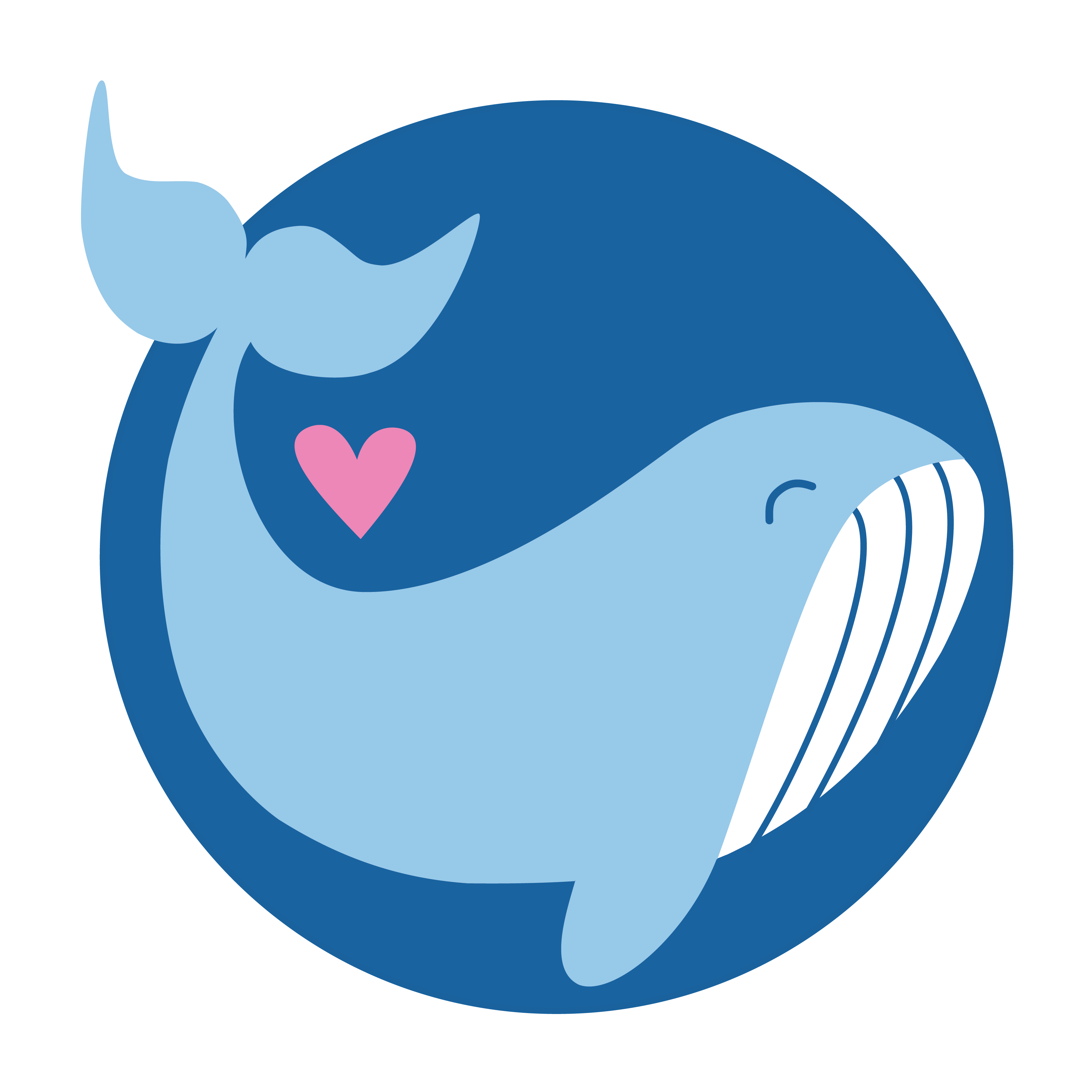
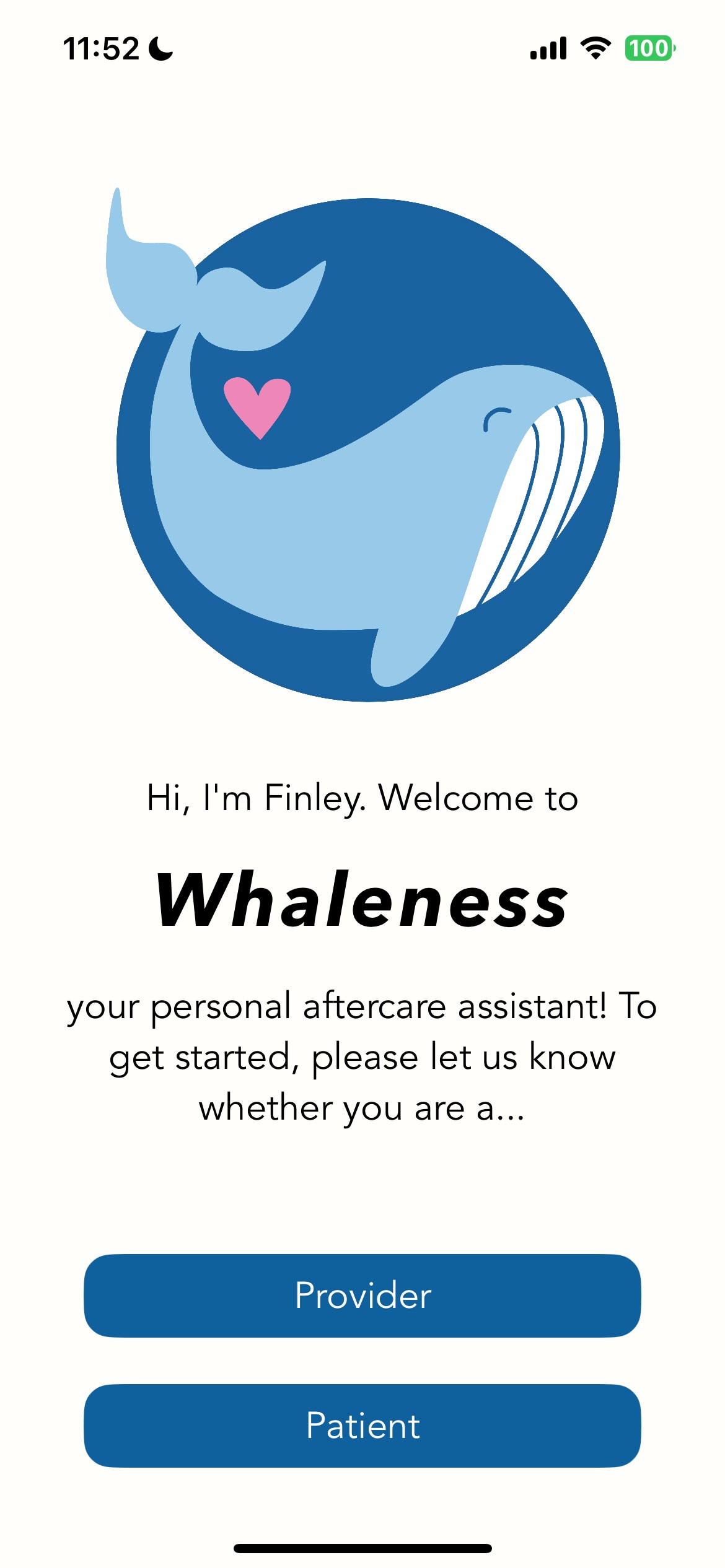
logo
-
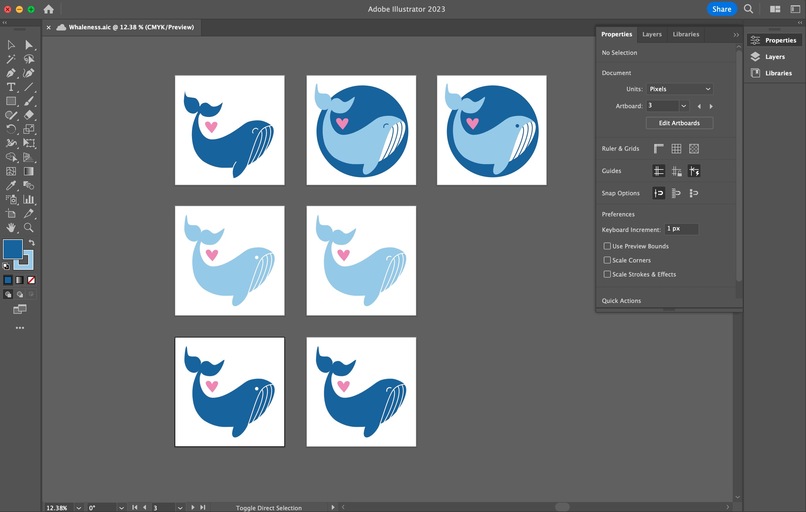
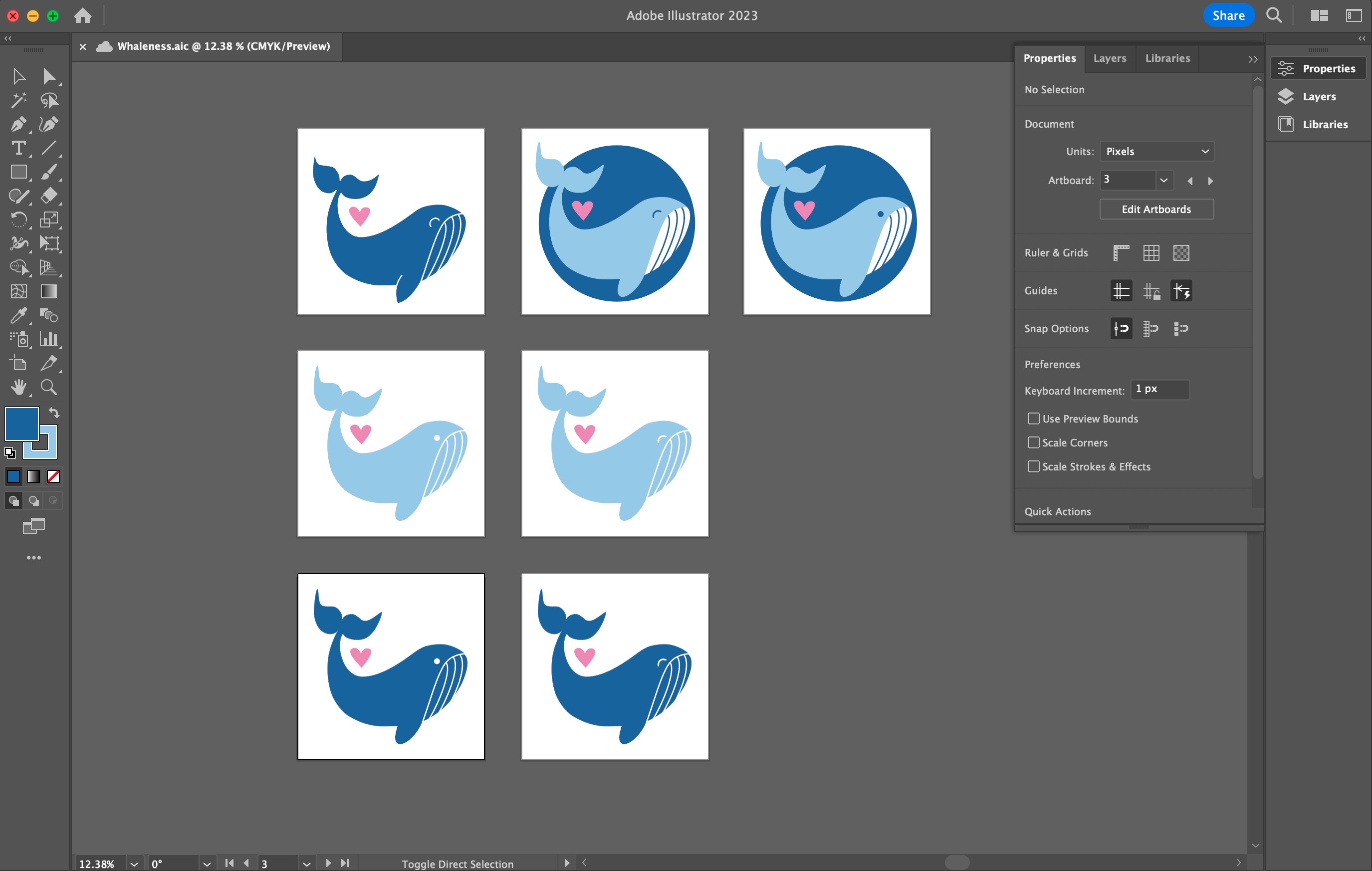
illustrator files
-
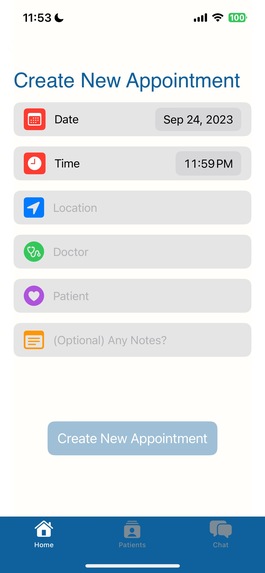
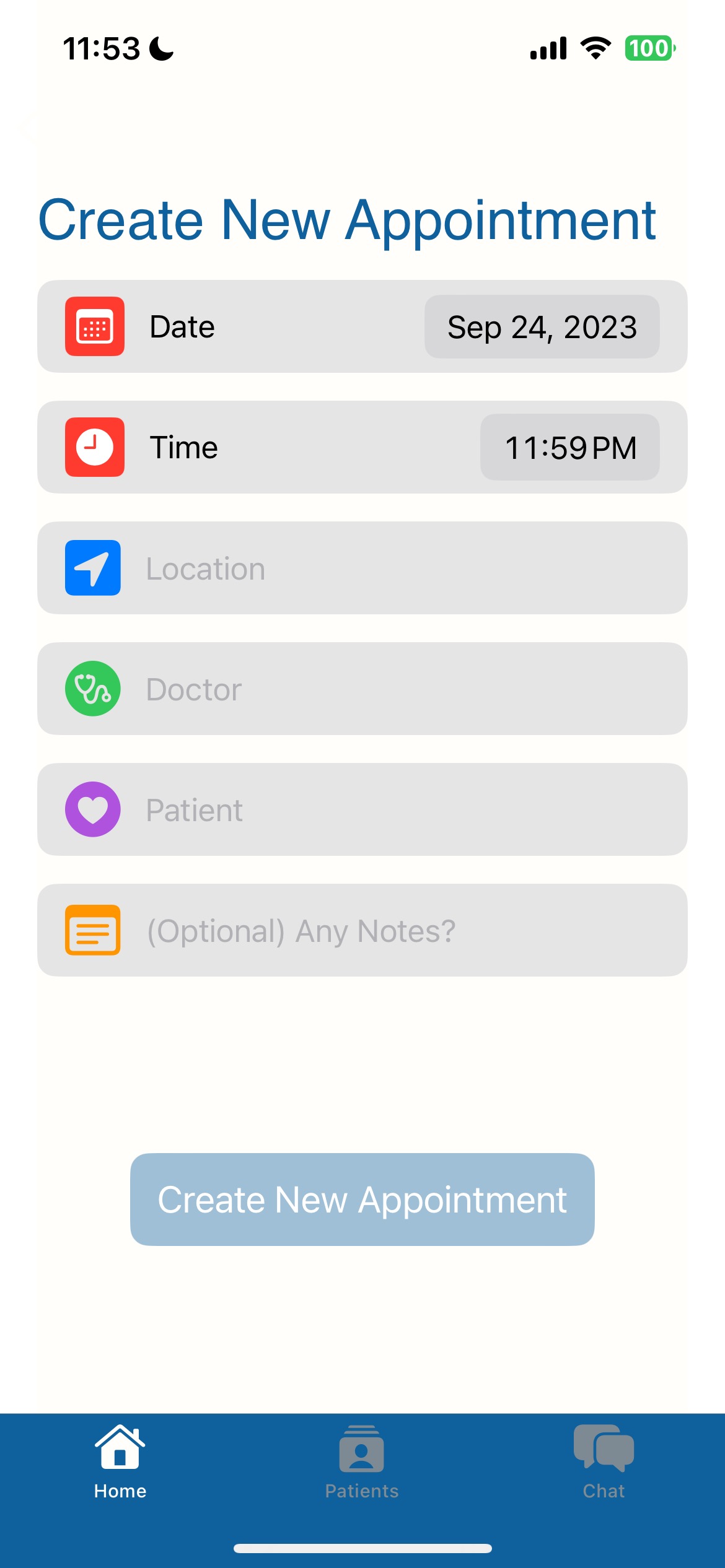
create new appointment
-
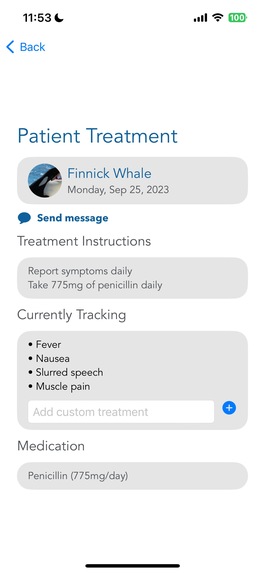
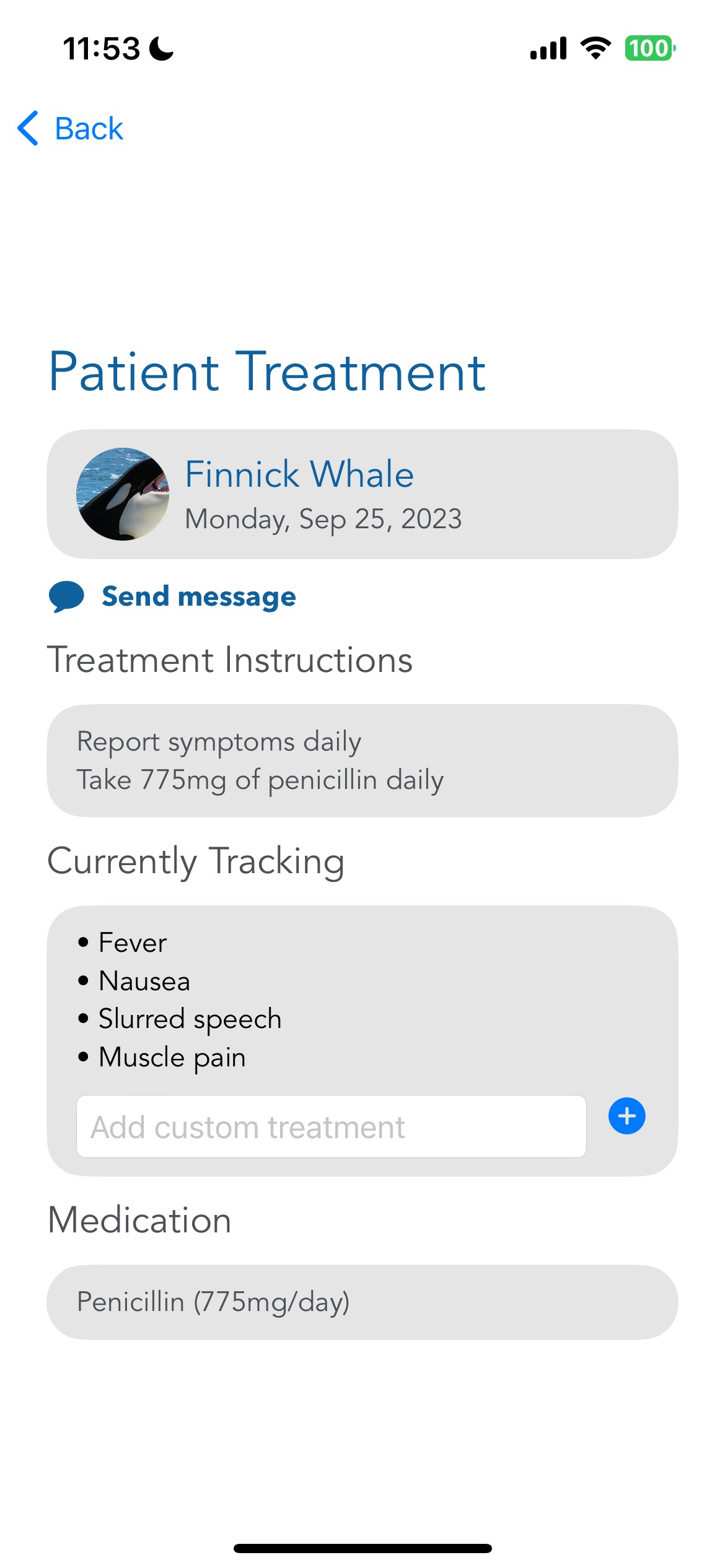
patient treatment
-
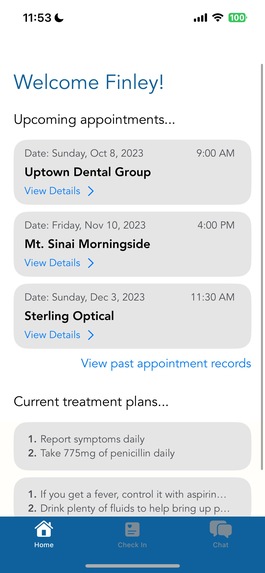
patient home view
-
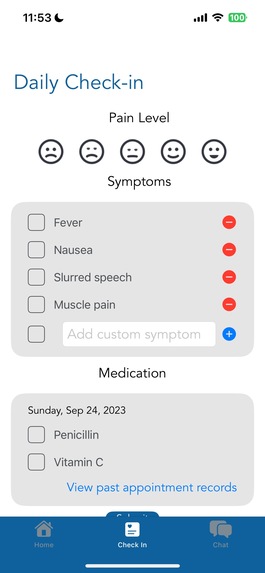
patient checkin
-
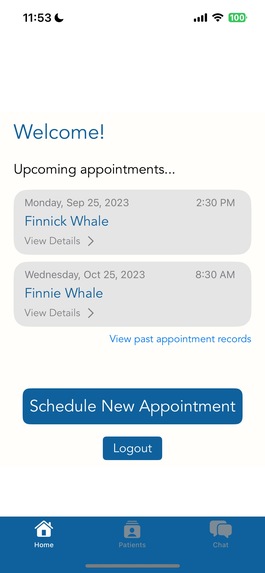
provider home view
-
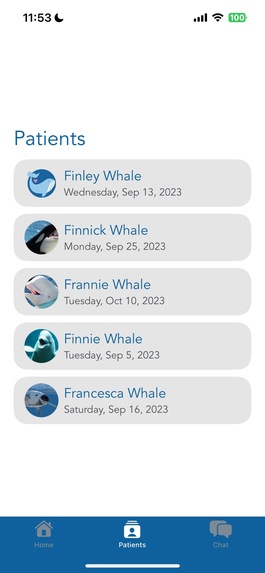
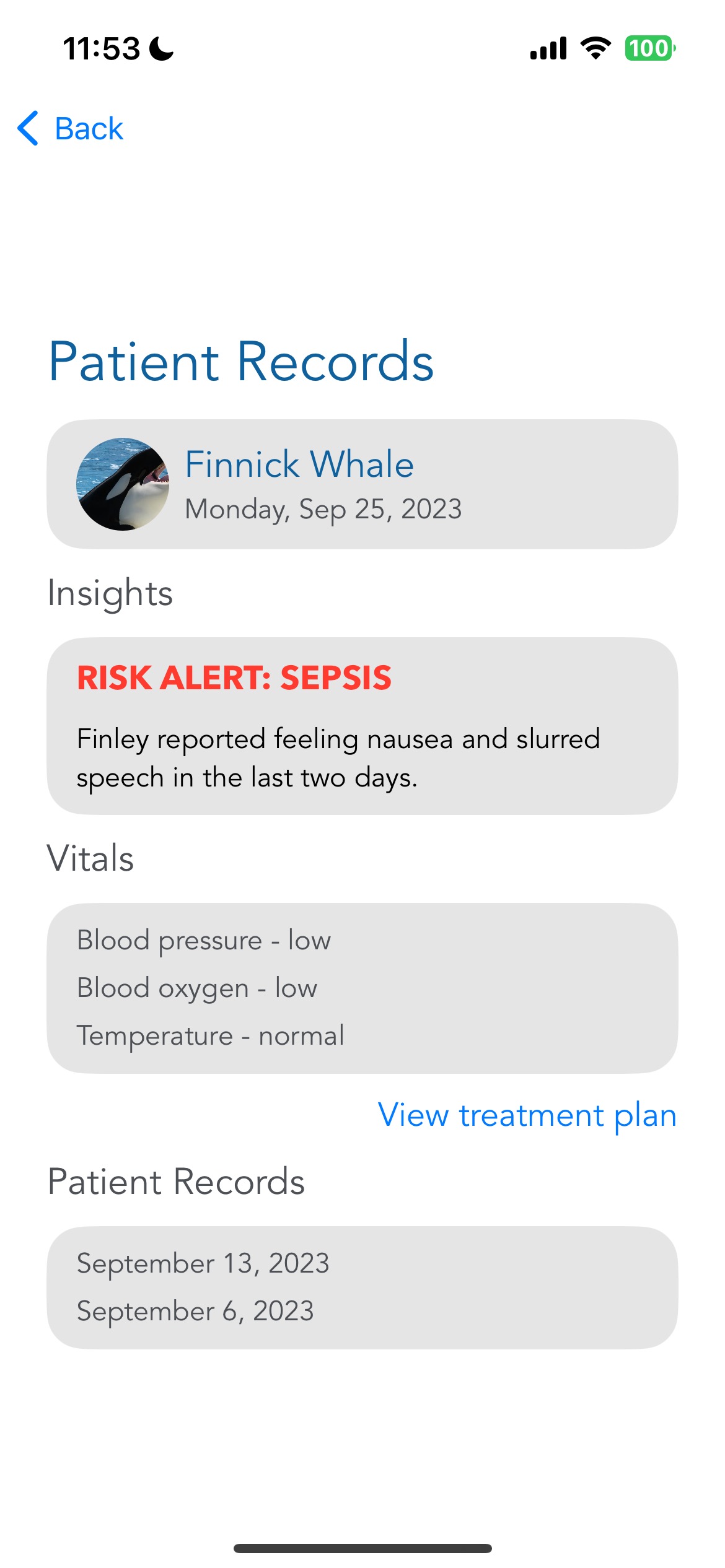
provider's patient view
-
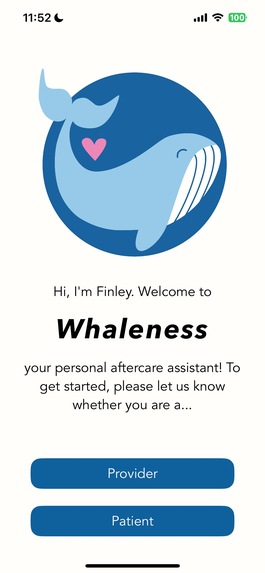
landing page
-
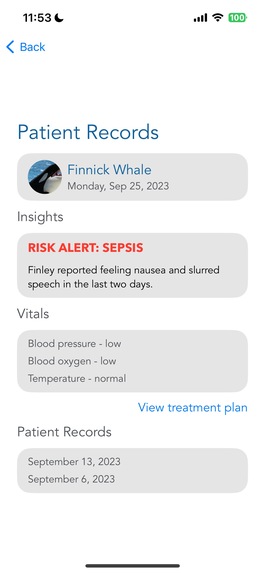
patient records
-
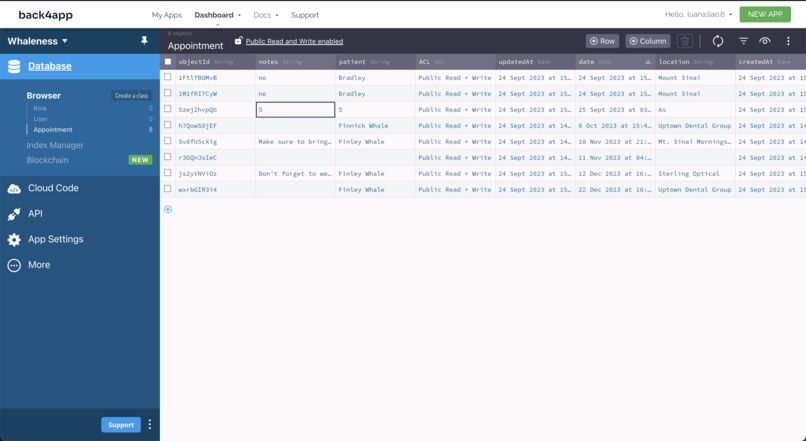
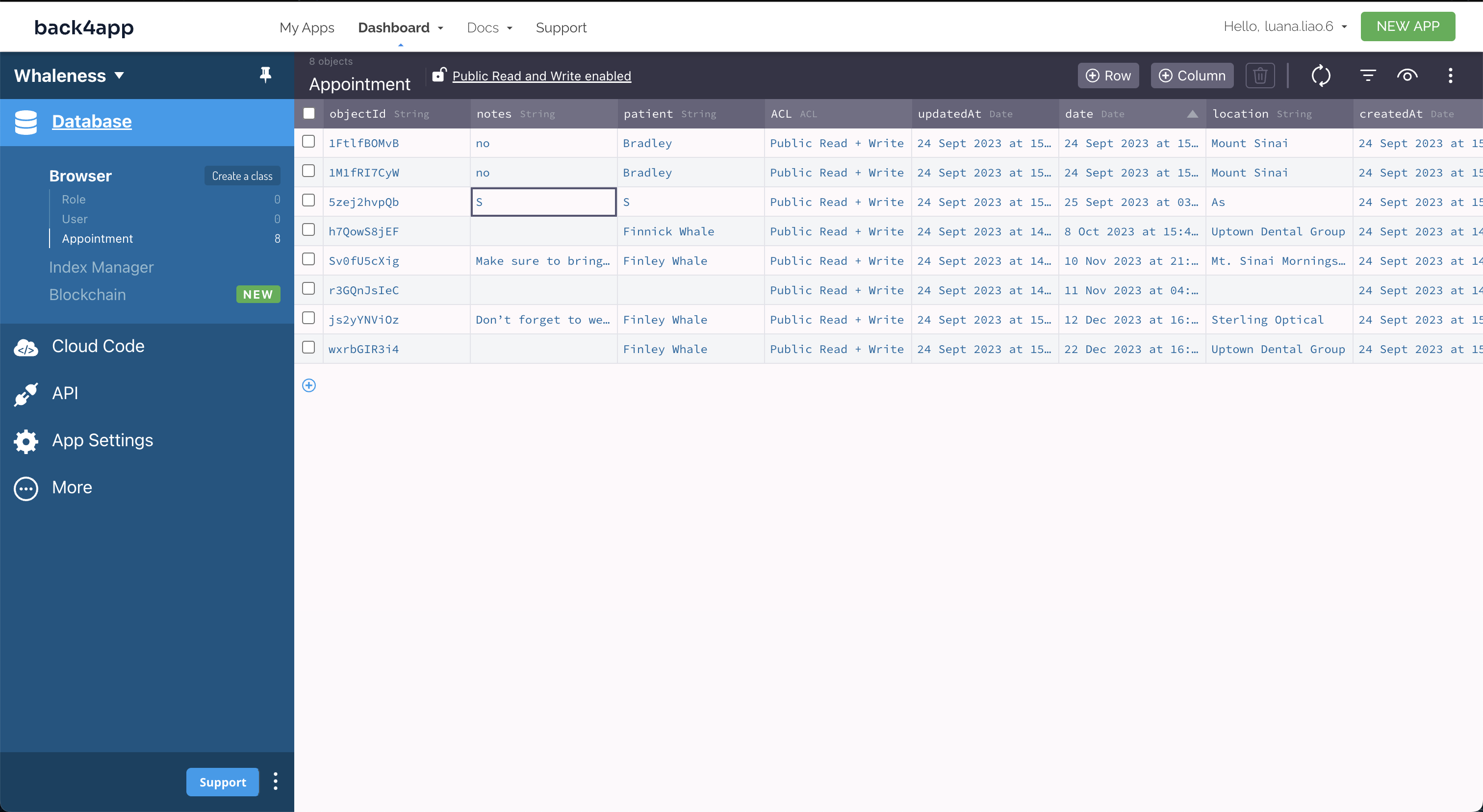
appointment database
-
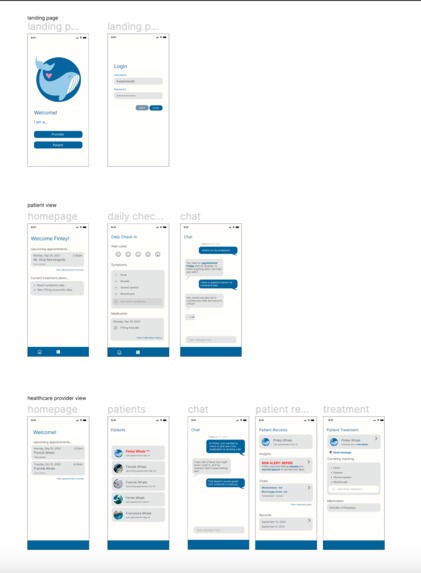
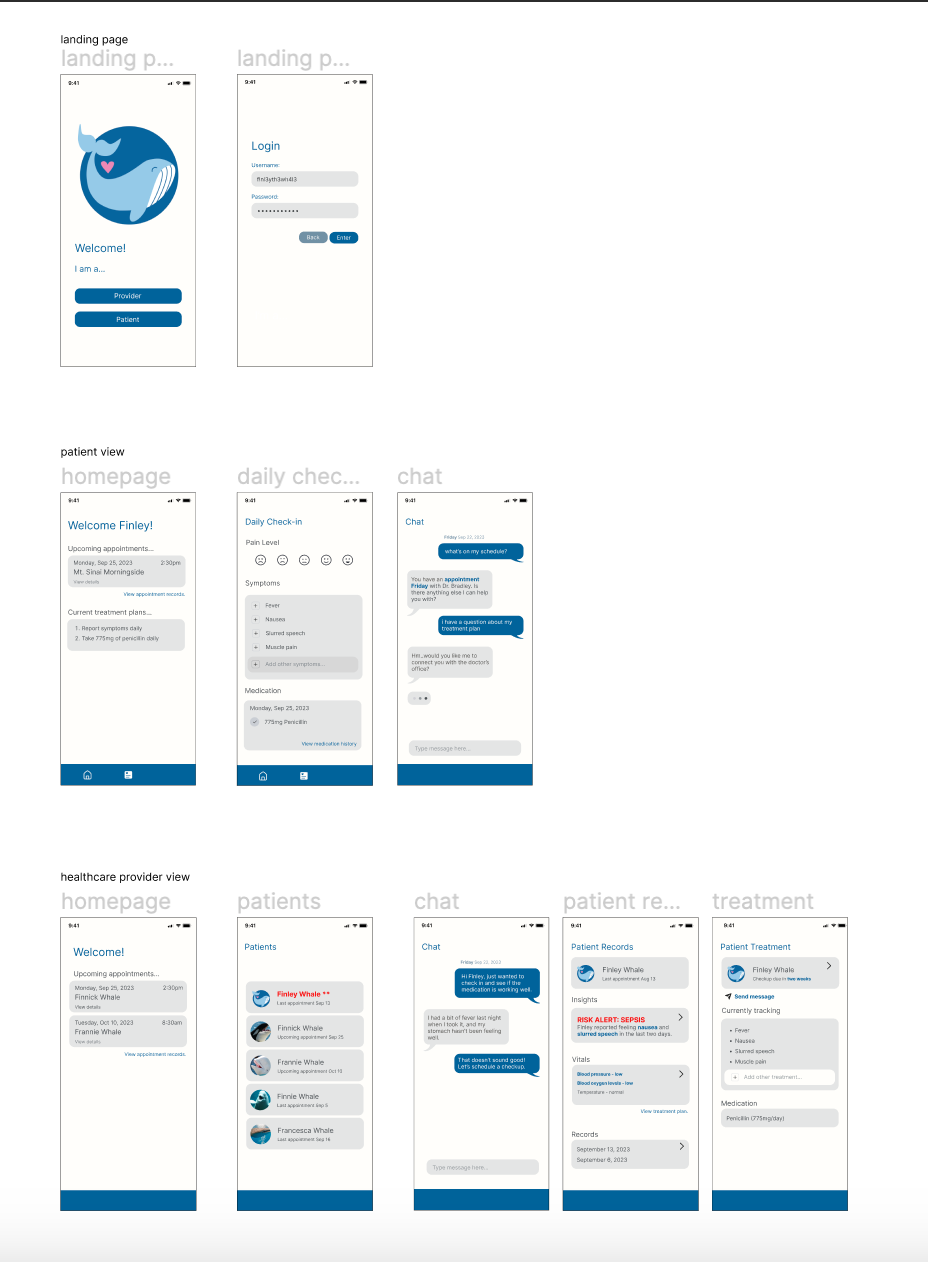
figma mockup
Inspiration
There are 1.7 million cases of sepsis in the USA each year, and it contributes to over 270,000 deaths. As many as 20% of sepsis patients are readmitted to the hospital within 30 days of being discharged, usually due to complications from the infection. After researching into, we found that communication breakdown between healthcare providers and patients contributed largely to this statistic: many patients are unaware of the proper recovery procedures or that occurring issues may be leftover complications from sepsis. Likewise, doctors and healthcare providers may be unaware of previous sepsis diagnoses and fail to get a proper understanding of the patient’s condition. By providing a centralized platform to connect providers with patients even after discharge, we hope to address this issue and mitigate the number of preventable sepsis cases and deaths.
What it does
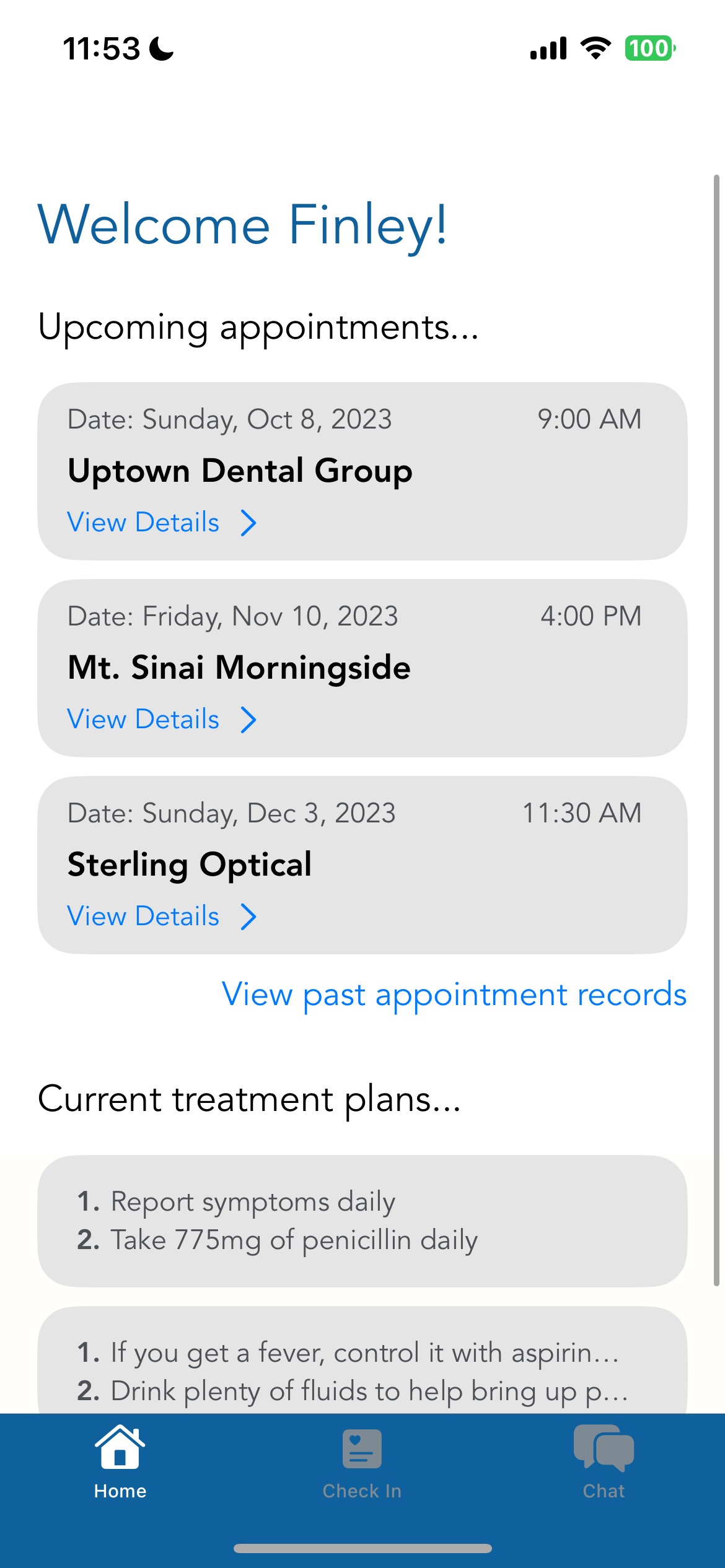
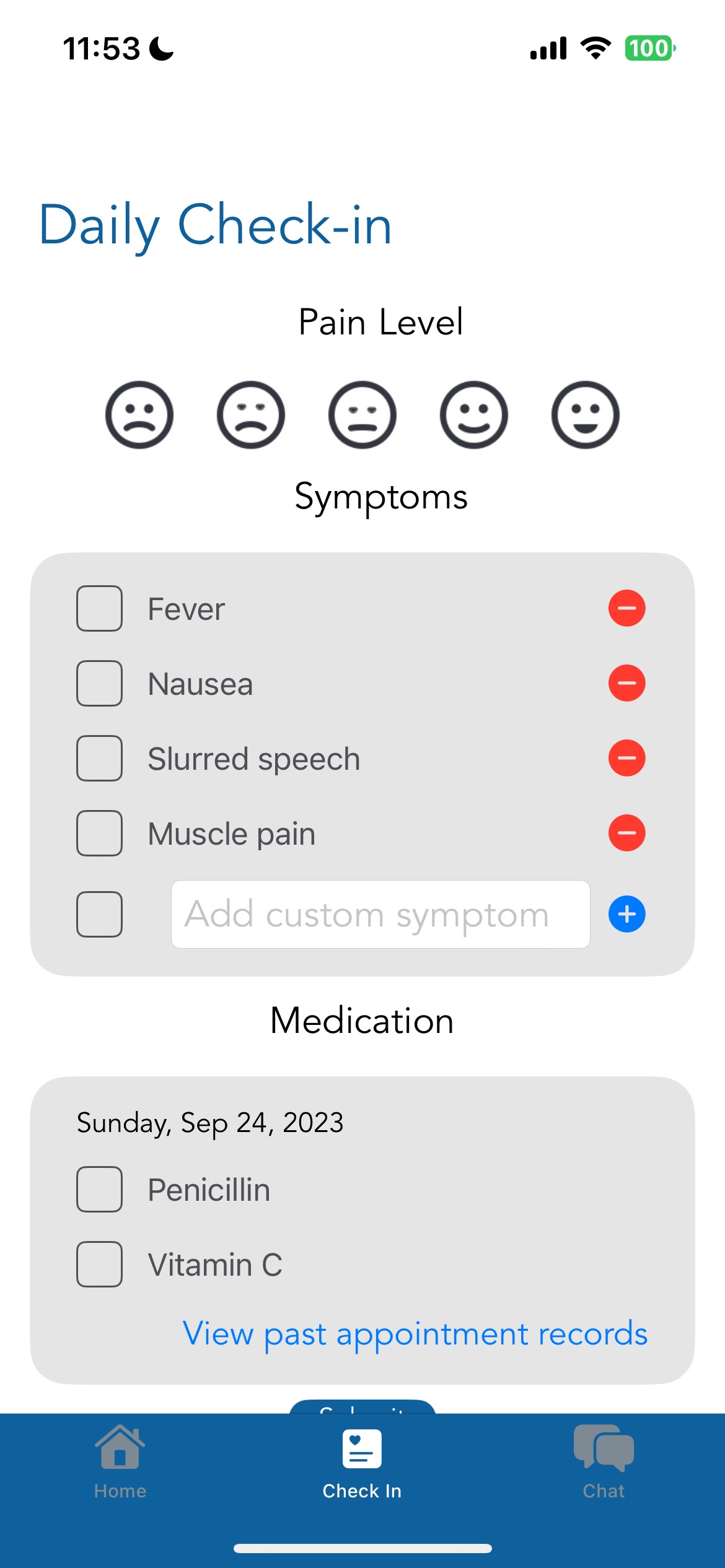
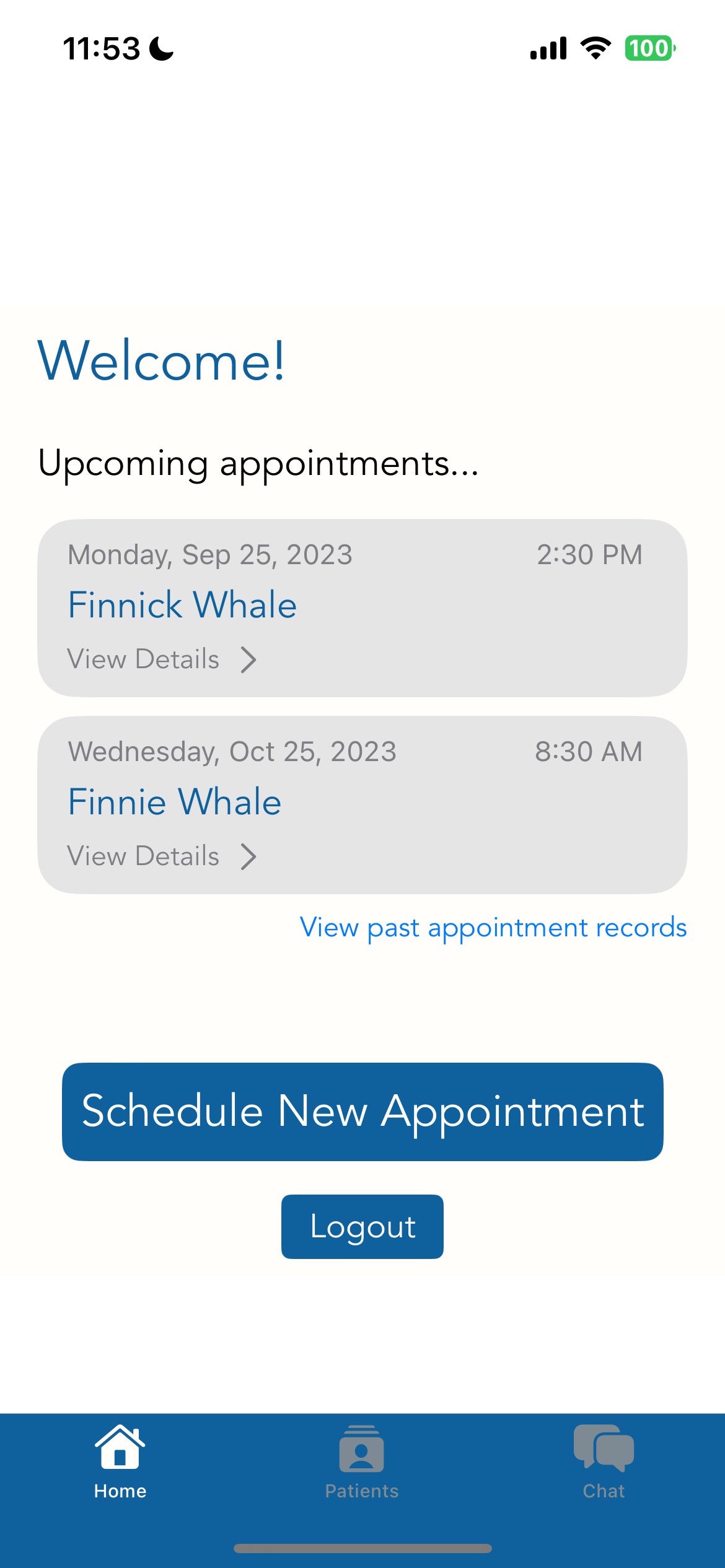
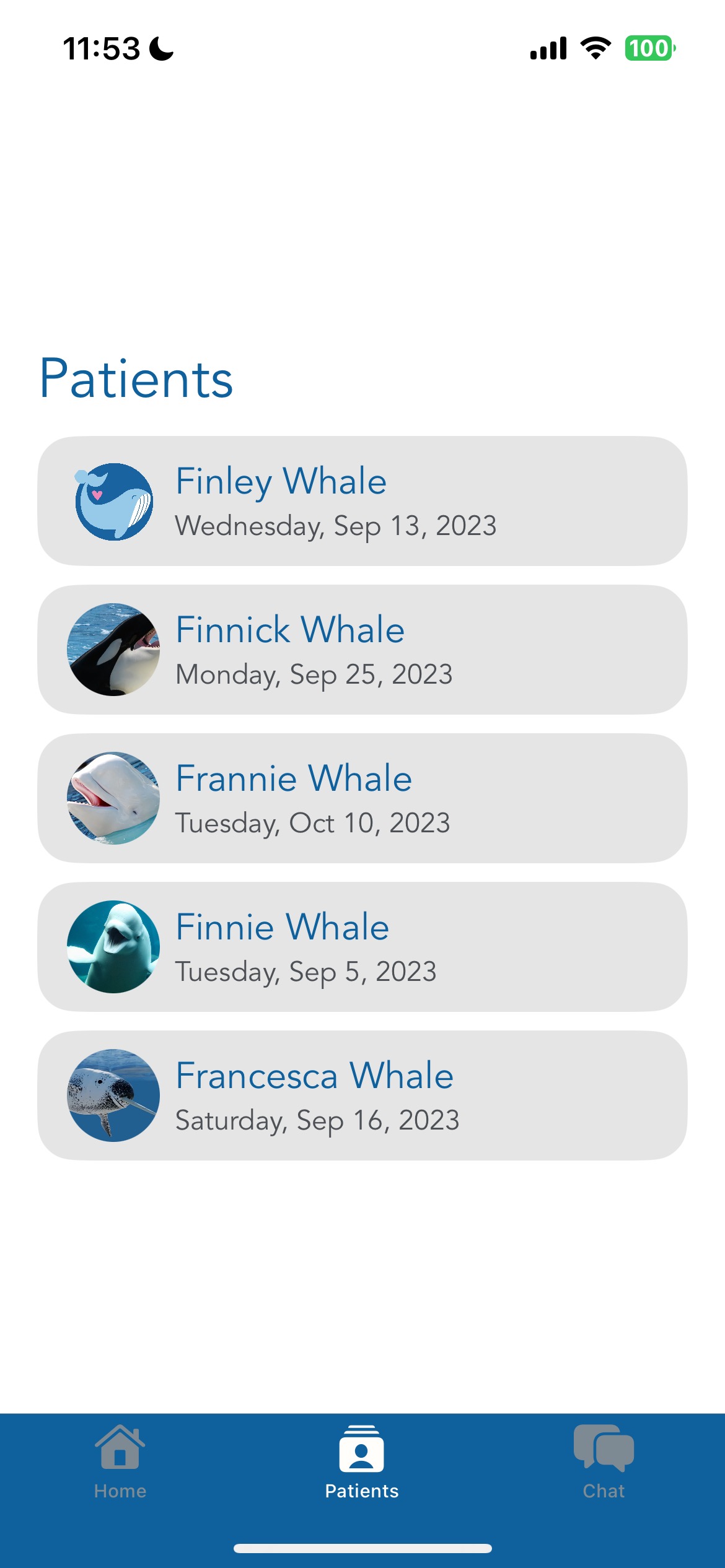
Whaleness serves to streamline the aftercare process for patients — from symptom tracking to notifying providers. Patients will be able to view treatment plans as prescribed by their healthcare providers and report any symptoms or concerns through the app. Whaleness also flags irregular patterns in vital signs (e.g. heart rate, oxygen levels) to flag possible sepsis complications and notify healthcare providers. A messaging function is built into the app for direct communication between patients and providers.
How we built it
We used Figma to create a rough mockup and prototype of Whaleness, modeling various views before building the app using Swift through Xcode. Our logo and mascot, Finley, was created in Adobe Illustrator after an initial round of brainstorming from the team.
Challenges we ran into
We had never developed a mobile app before, so we had to learn Swift fundamentals from scratch and figure out how to integrate our ideas into the app. Our team also ran into issues running Xcode on our computers, requiring a lot of troubleshooting and reinstalling. These complications meant that we spent more time learning the ropes of Xcode and Swift and had less time to work on the features we wanted to. We did our best to use our time efficiently by researching different functions we hoped to implement and refining the designs and user flow.
There were many features that we wanted to implemented but unfortunately did not have the time too — we'll be incorporating these in the future!
Accomplishments that we're proud of
Our lovely logo - Finley!
What we learned
We learned a lot about tenets of patient safety and sepsis — but also a lot on the technical side as well. This was our first time working with outside APIs and integrating everything into one project. Only one team member had ever worked with Swift before, so we had to build from scratch.
As an app, we also learned a lot about user accessibility and user workflow. We wanted to make the app as simple and useful as possible, meaning we had a focus on user experience and interface.
What's next for Whaleness
We're hoping to to integrate Apple Health data from the Apple Watch into the platform, providing medical information used to track and identify possible patients at risk. We're also working on integrating ChatGPT into the chatbot feature for more efficient and informative responses.
Built With
- adobe-illustrator
- back4app
- figma
- openai
- parseswift
- swift
- swiftui


Log in or sign up for Devpost to join the conversation.