Inspiration
I was inspired by the physics-based systems in Boneworks and wanted to explore that part of VR more. I think going the physics-based route in VR is the way to go as it offers way to interact with the environment that other platforms can't provide.
What it does
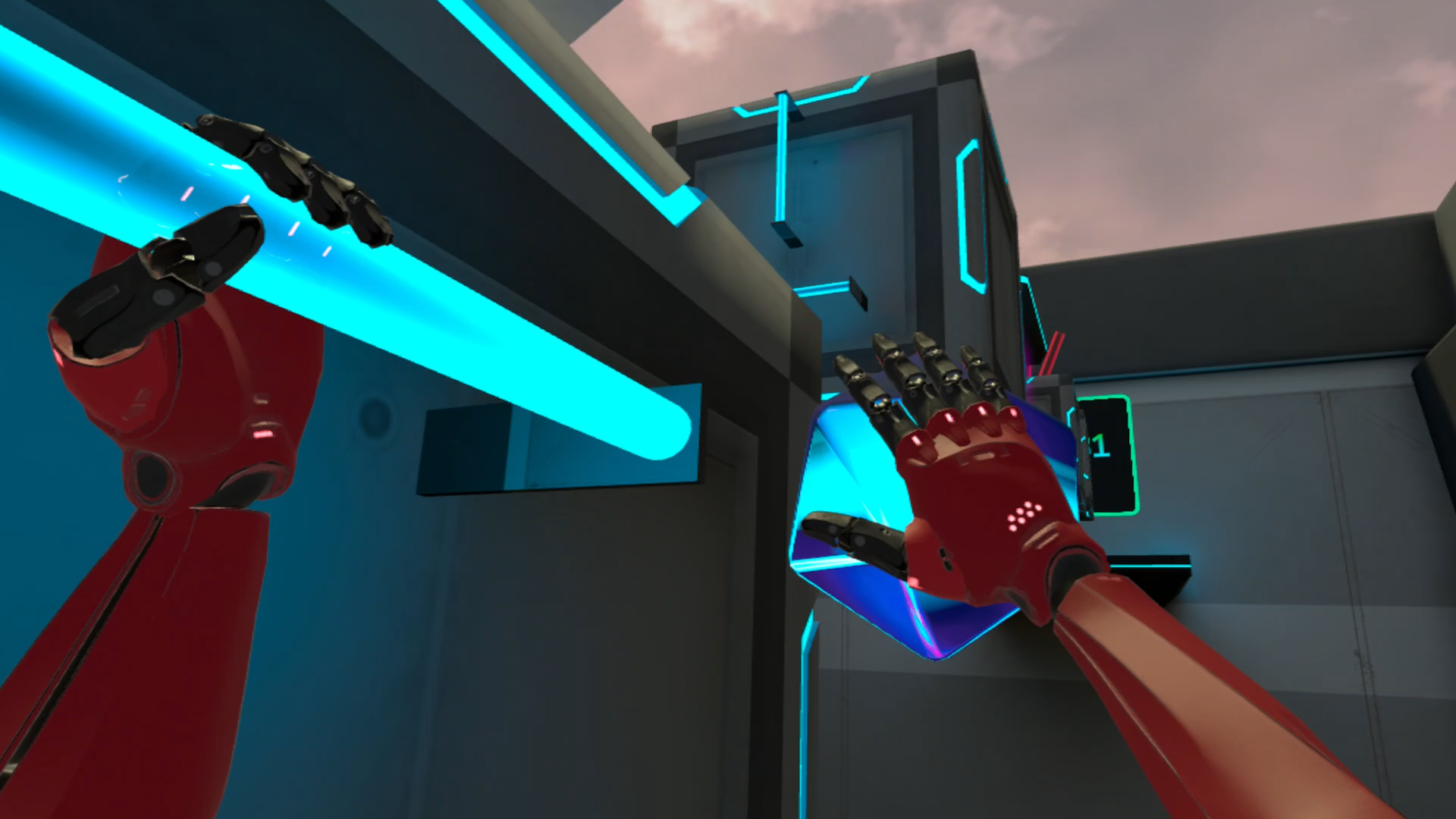
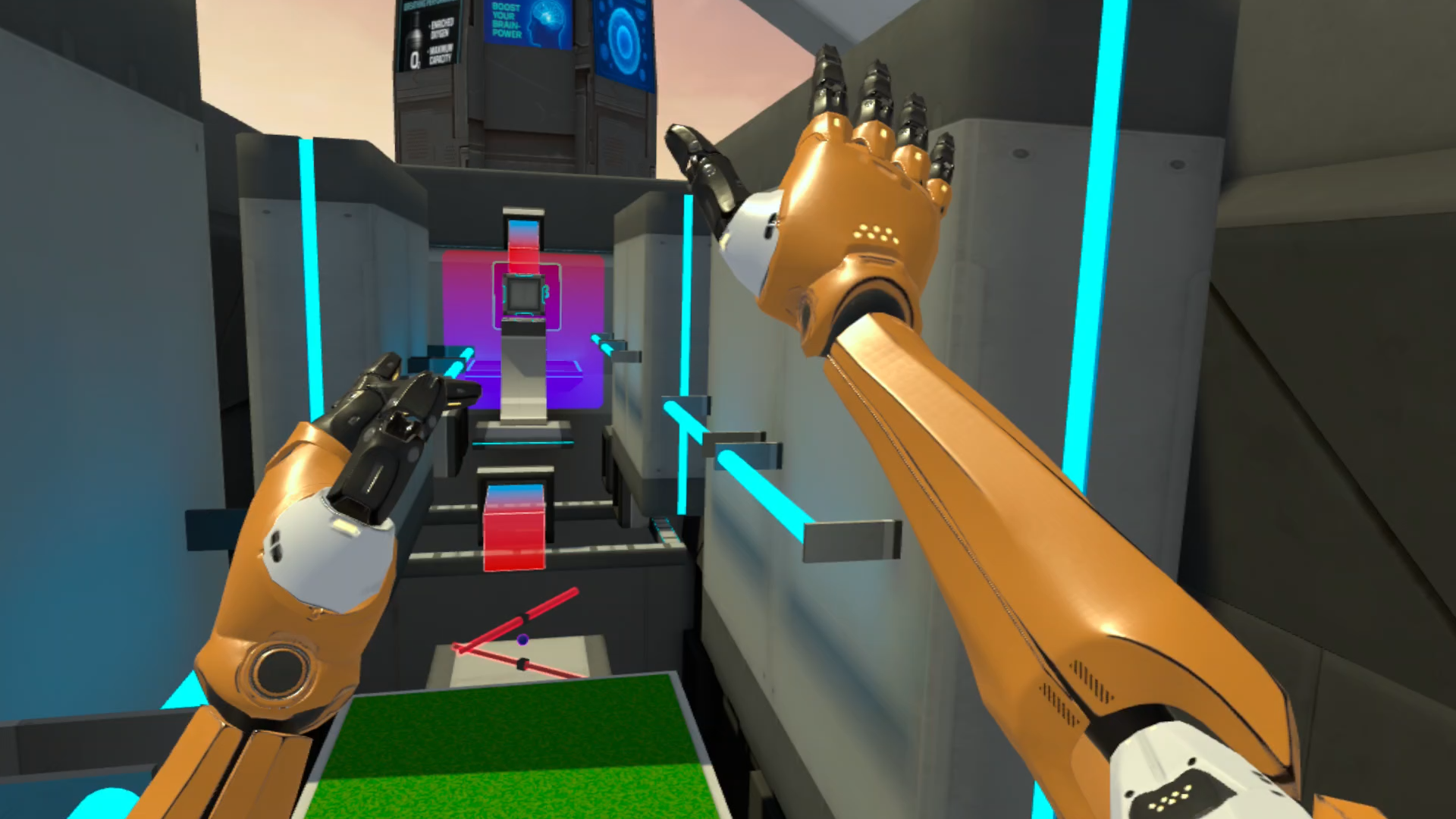
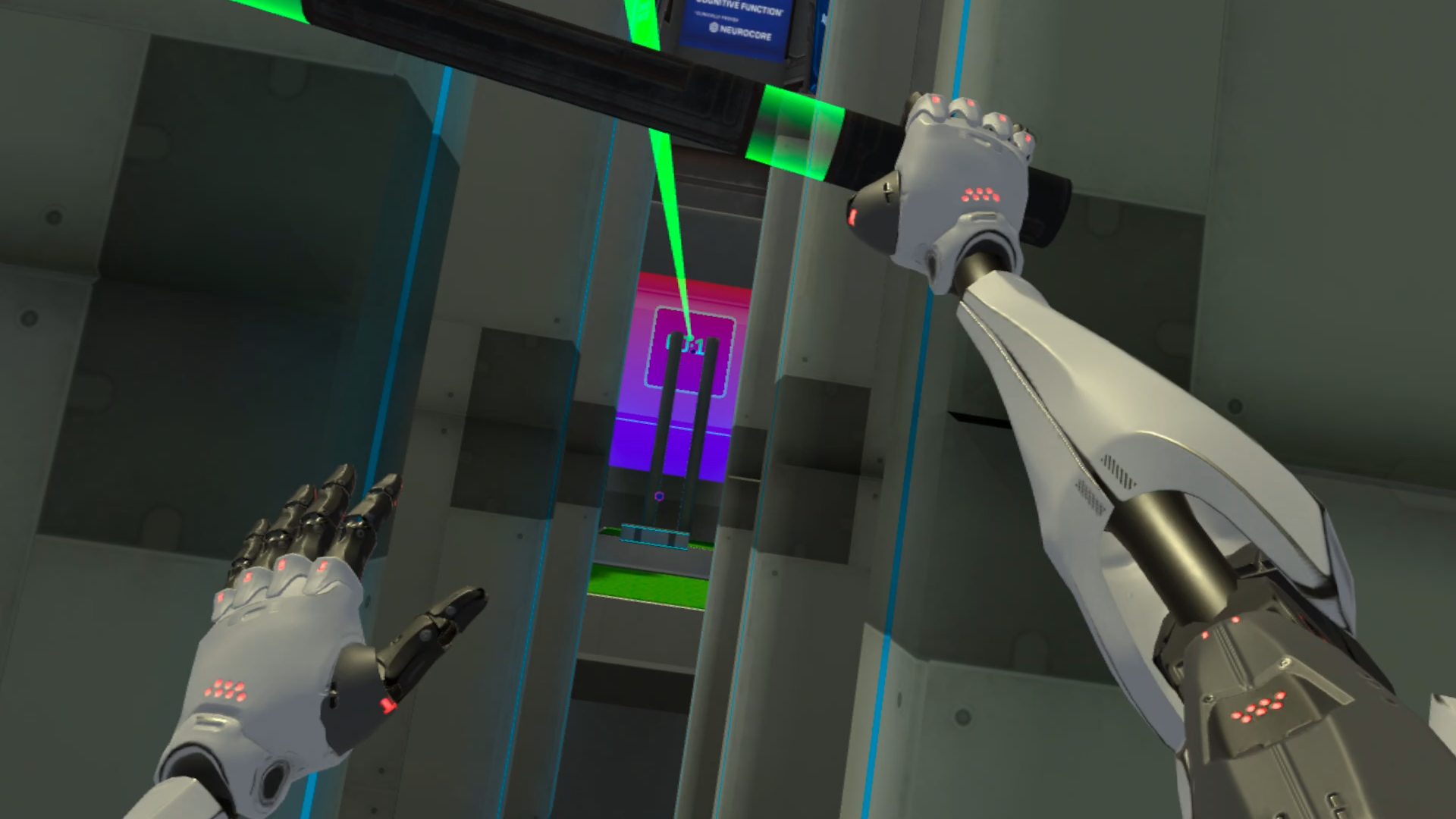
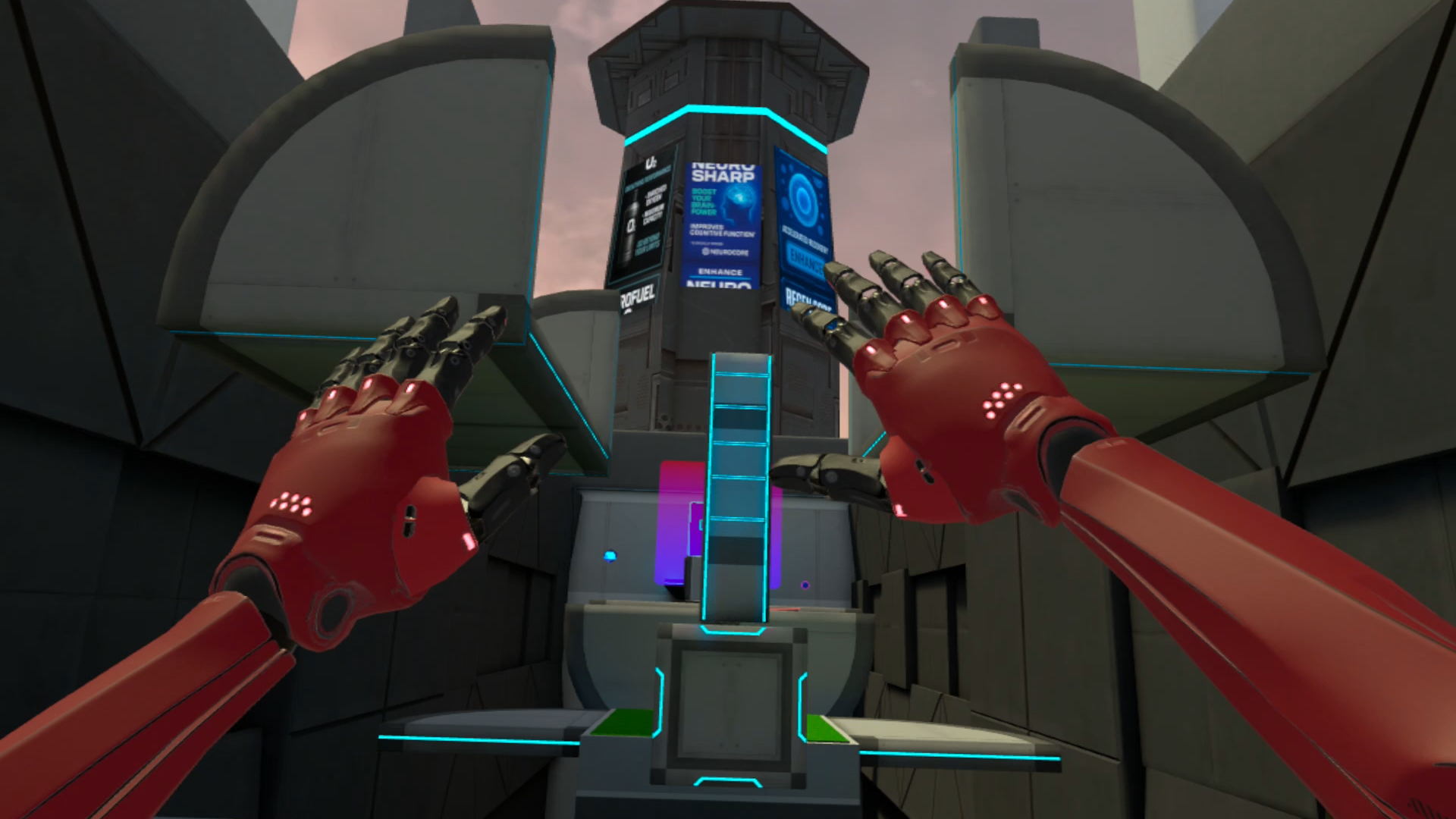
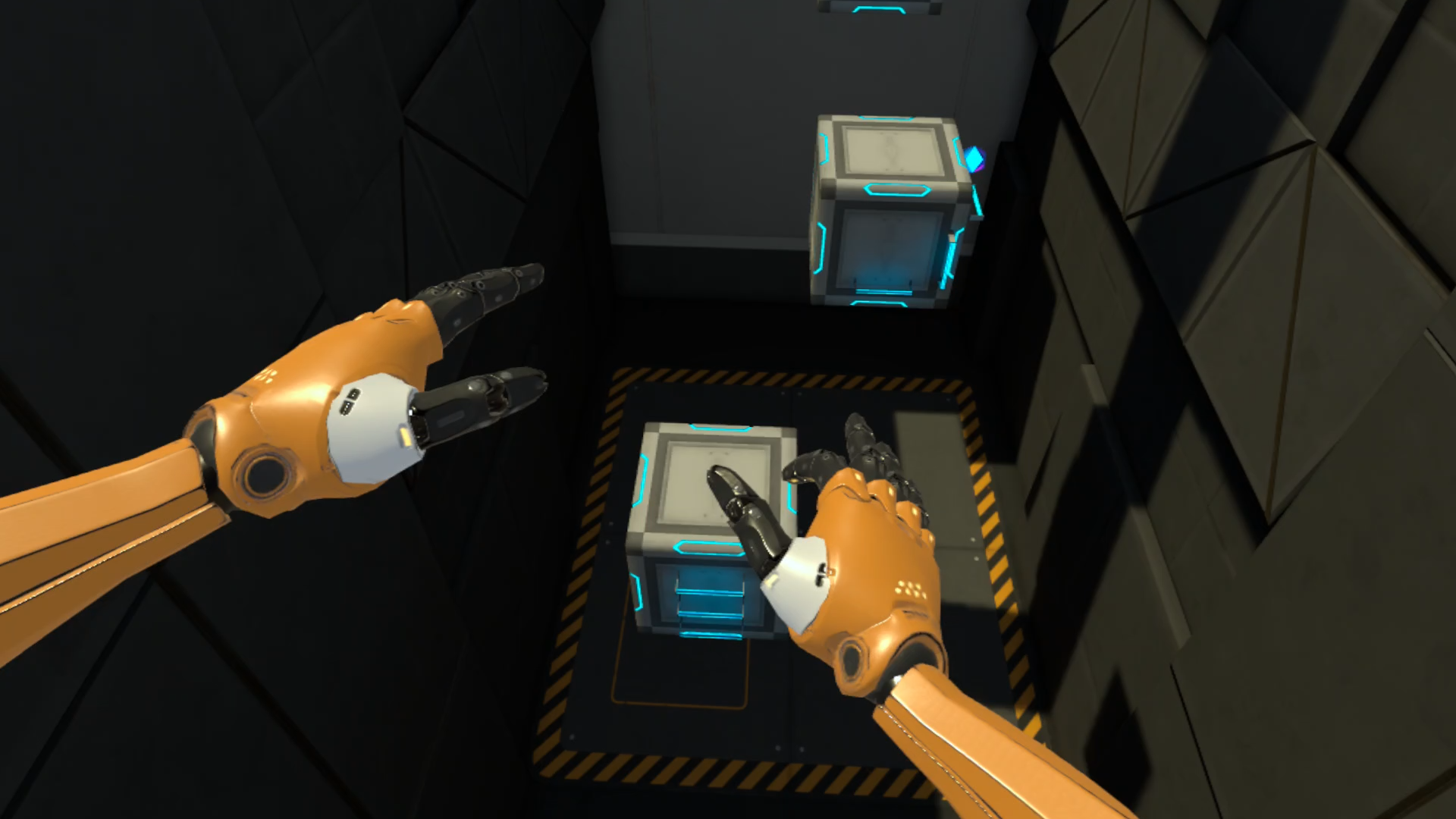
Vaultline Rush aims to push VR physics-based climbing to new heights while also eliminating the common pitfalls that comes with it.
How we built it
I build it in Unity Engine with Hexabody and Hurricane VR. I extended those frameworks to be able to achieve the vision I have.
Challenges we ran into
The biggest challenge was definetely the AutoMantle system. I needed to find a 100% reliable way of determining the pressure that a hand applies on a surface in order to trigger the AutoMantle. Since the game is centered around a physics-based avatar, I used the delta between the real controllers and the ingame hands to determine how "hard" the player is pressing against a surface. That check + a couple more led to the best feeling physical climbing I have ever experienced.
Accomplishments that we're proud of
The thing I am proud of the most is the fact that as a solo dev, I managed to put out a finished and polished game with a lot of heart. The AutoMantle system and the Advanced Elbow IK are very close behind that in terms of accomplishments.
What we learned
I learned a lot during the process, mainly how to keep the scope realistic while avoiding decisions that will reduce the fun from the game. I also learned how to process feedback from playtesters and act on them from a developer perspective, instead of reactionary changes.
What's next for Vaultline Rush
This is just the beginning for Vaultline Rush. New Trials and Modes are planned, because the game is set up in a way that I am not limited by almost any idea.


Log in or sign up for Devpost to join the conversation.