Inspiration
The inspiration for V-Clean came from living in and witnessing the daily impact of unmanaged waste in Nigerian cities like Jos. Overflowing dumpsites, blocked drainage channels, and poor sanitation weren’t just inconveniences,they were fueling public health crises and flooding in low-income communities. Yet while technology was solving global problems, these local, deeply human issues remained untouched. We asked ourselves: What if smart, low-power technology could help citizens and cities manage waste more intelligently even with limited resources
What it does
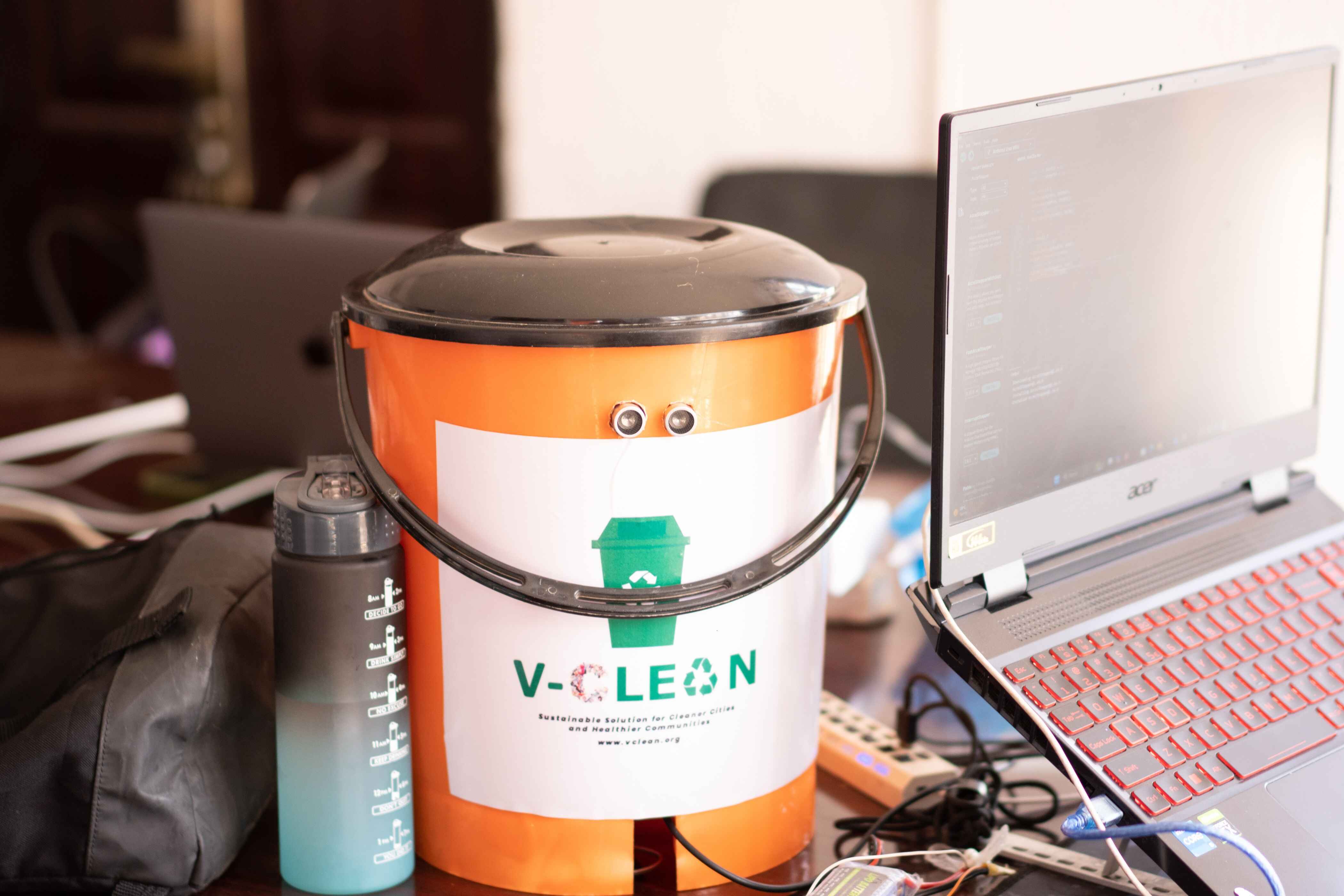
V-Clean is a smart waste management system designed for low-resource environments. It helps cities identify, monitor, and manage waste more efficiently using a combination of solar-powered smart bins, drone mapping, and a mobile app.The smart bins use sensors to detect when they are full and send alerts using GSM, so waste collectors know exactly when and where to pick up trash avoiding overflow and unnecessary trips. Drones are used to map illegal dumpsites and track waste accumulation across neighborhoods. At the same time, everyday citizens can use the mobile app to report waste issues, upload photos, and tag the urgency of a situation. All of this data is sent to a central dashboard that gives local governments and waste managers a real-time overview of what's happening in their cities. With this system, waste collection becomes faster, more cost-effective, and more transparent especially in areas where power, internet, and infrastructure are limited.
How we built it
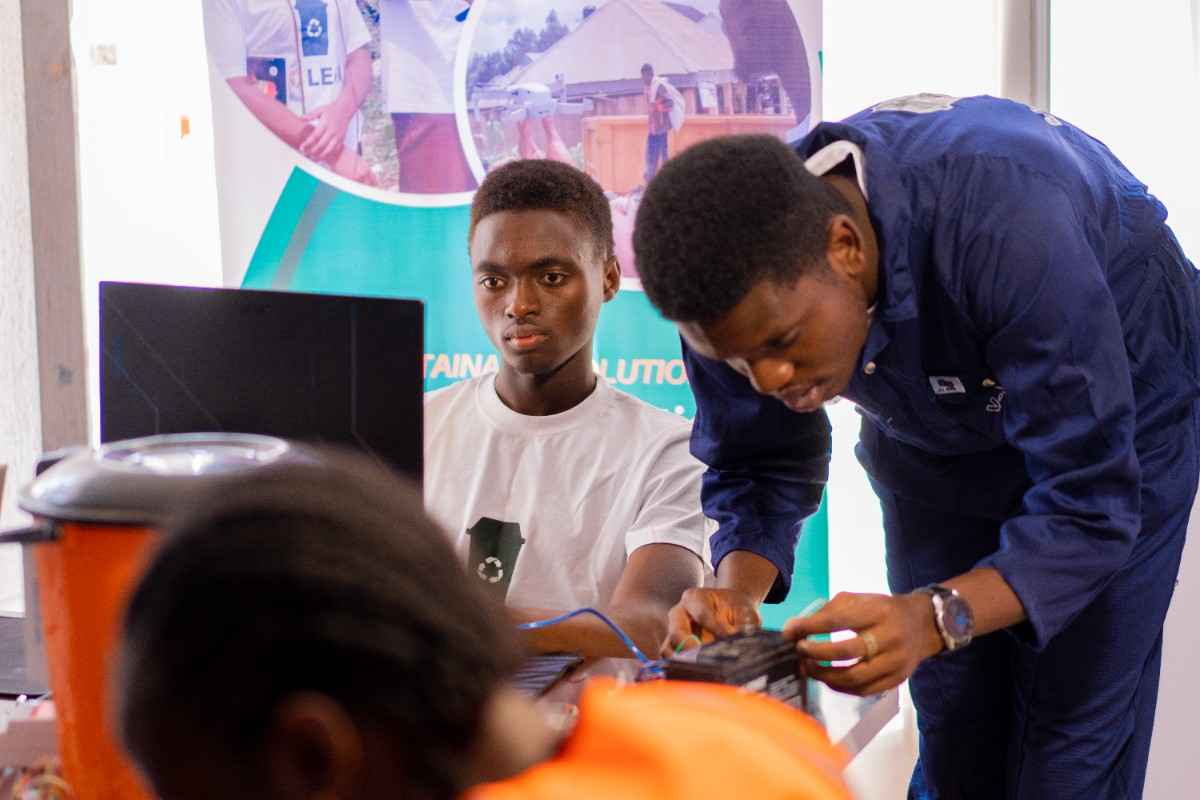
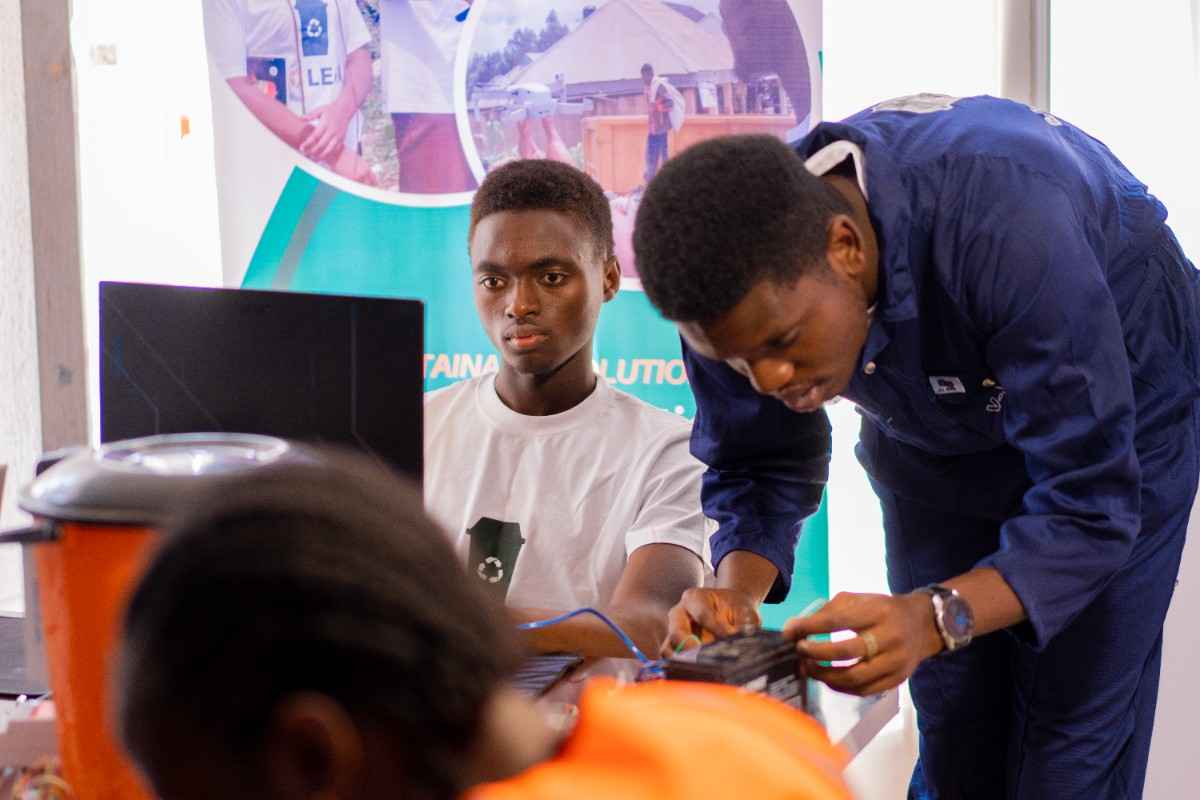
We built V-Clean as a resource-constrained waste management system combining solar-powered smart bins using IoT sensors and GSM modules, drones integrated with GIS for waste hotspot mapping, a mobile app for citizen reporting and participation, and a cloud dashboard that helps governments monitor, analyze, and act. We chose hardware like the ESP8266, ultrasonic sensors, and GSM modules for their low-power profile and affordability. The software stack includes Flutter, Node.js, Firebase, and Python-based analytics.
Challenges we ran into
Our biggest challenges were gaining the trust of government agencies, building systems that work without reliable electricity or internet, training citizens and waste pickers with limited digital literacy, and ensuring long-term sustainability and scalability. We tackled these by designing offline-first, solar-powered systems, offering hands-on training, and using real-world feedback to refine our prototypes
Accomplishments that we're proud of
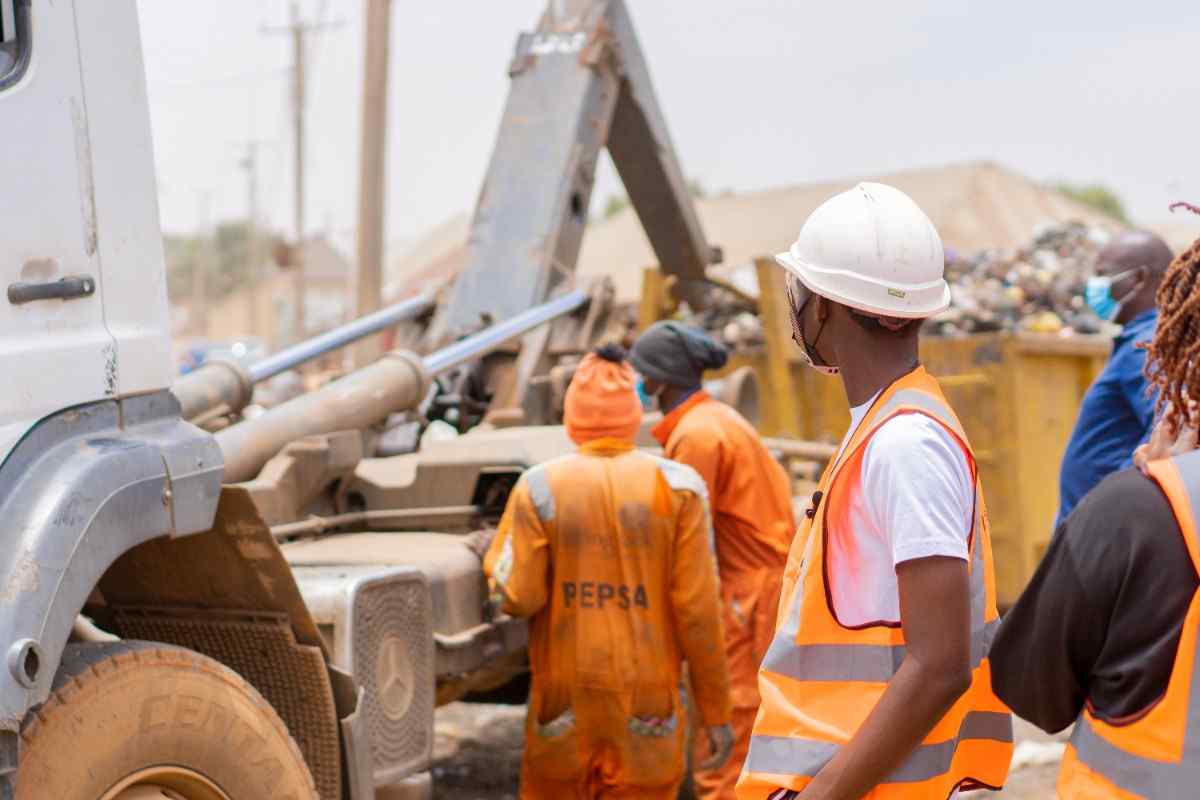
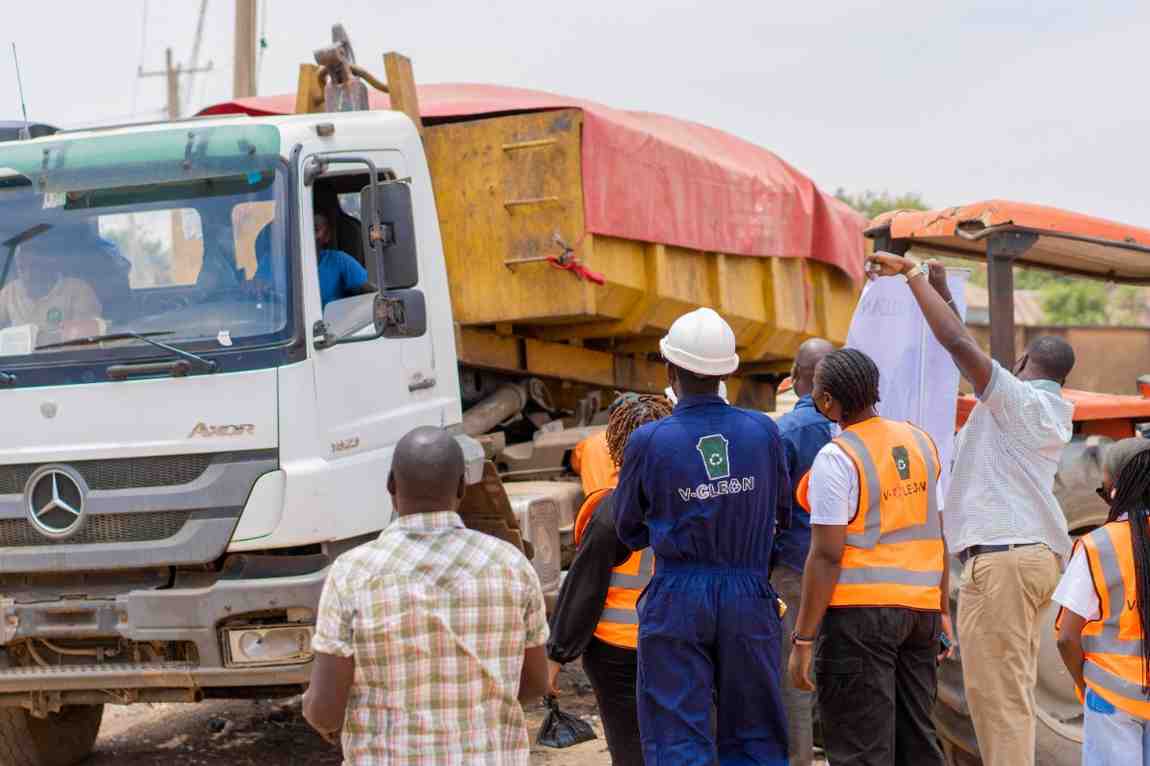
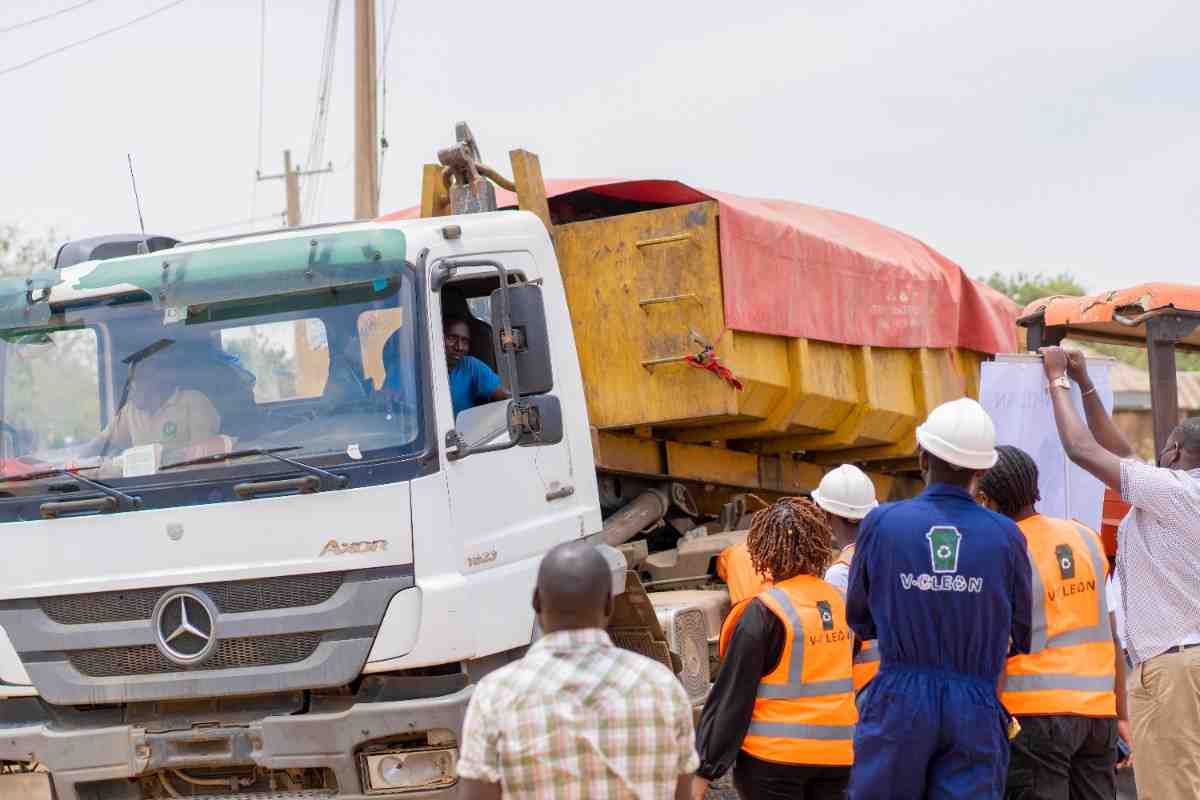
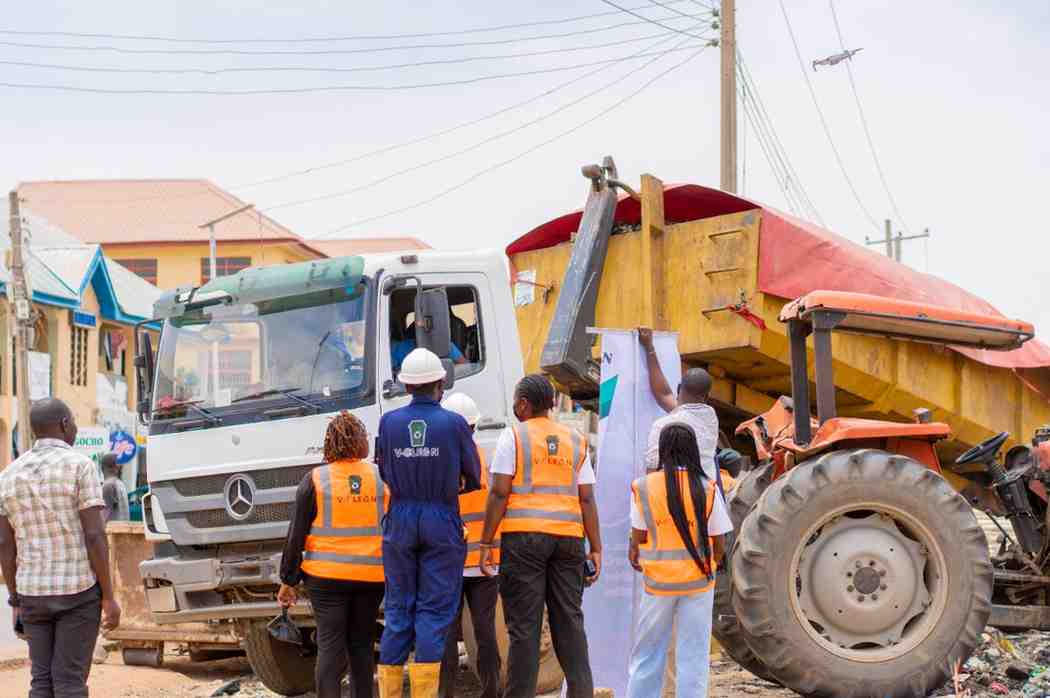
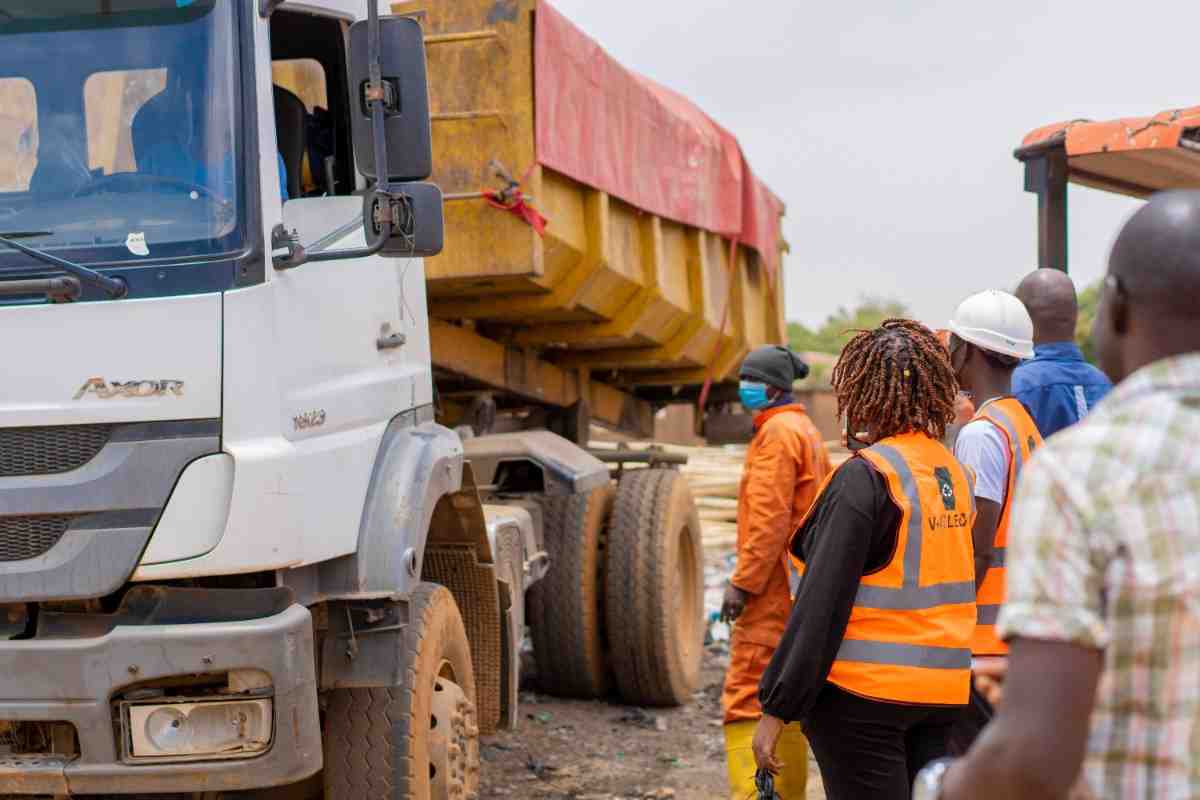
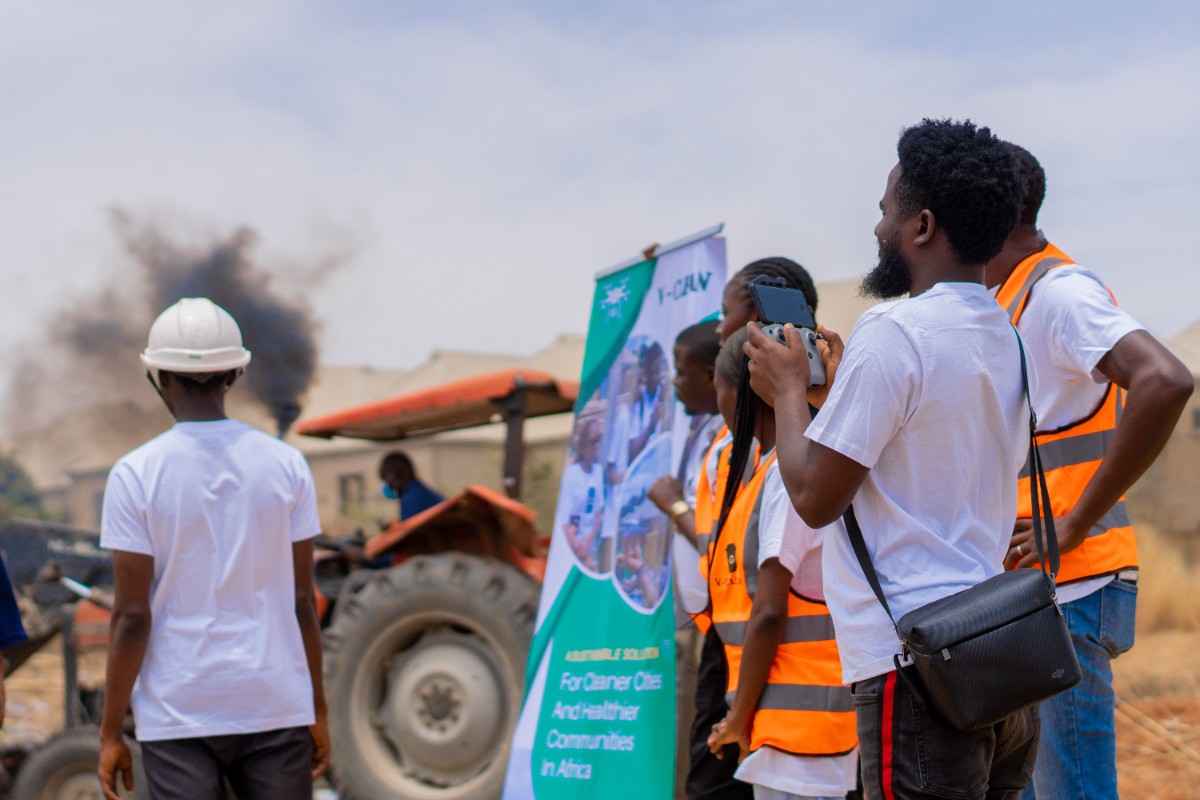
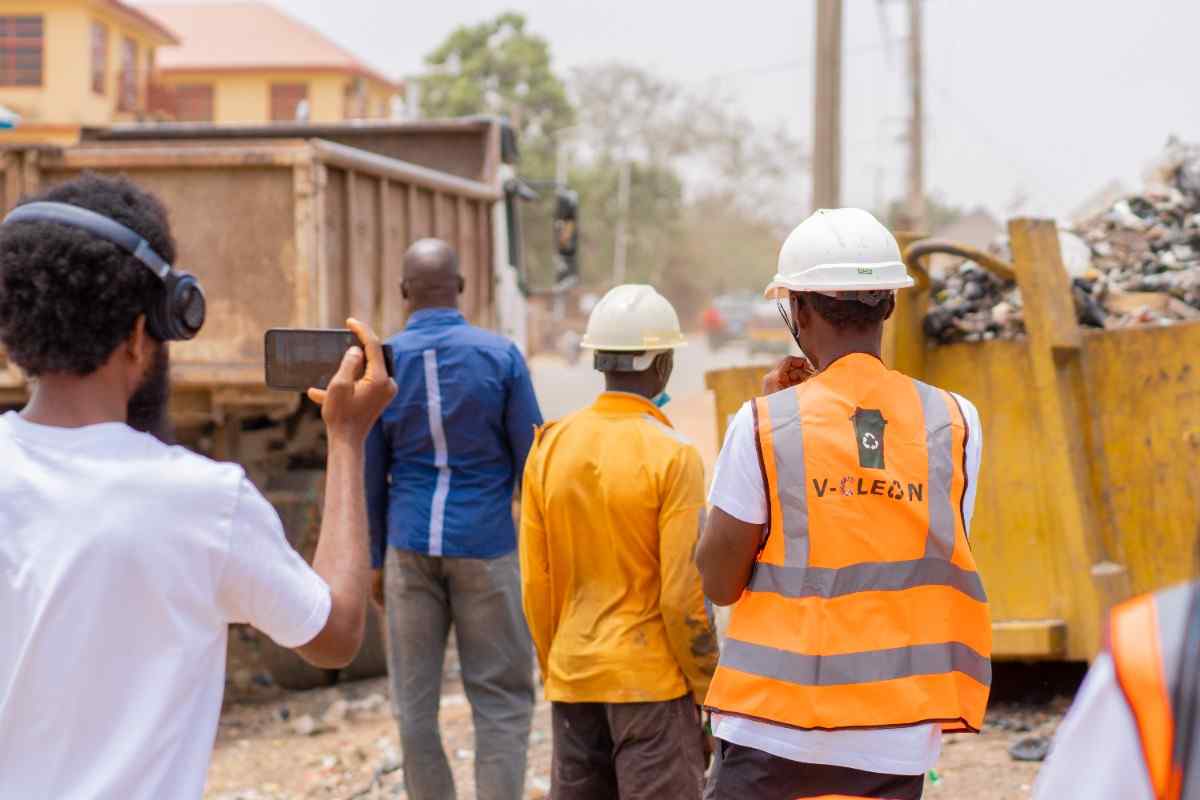
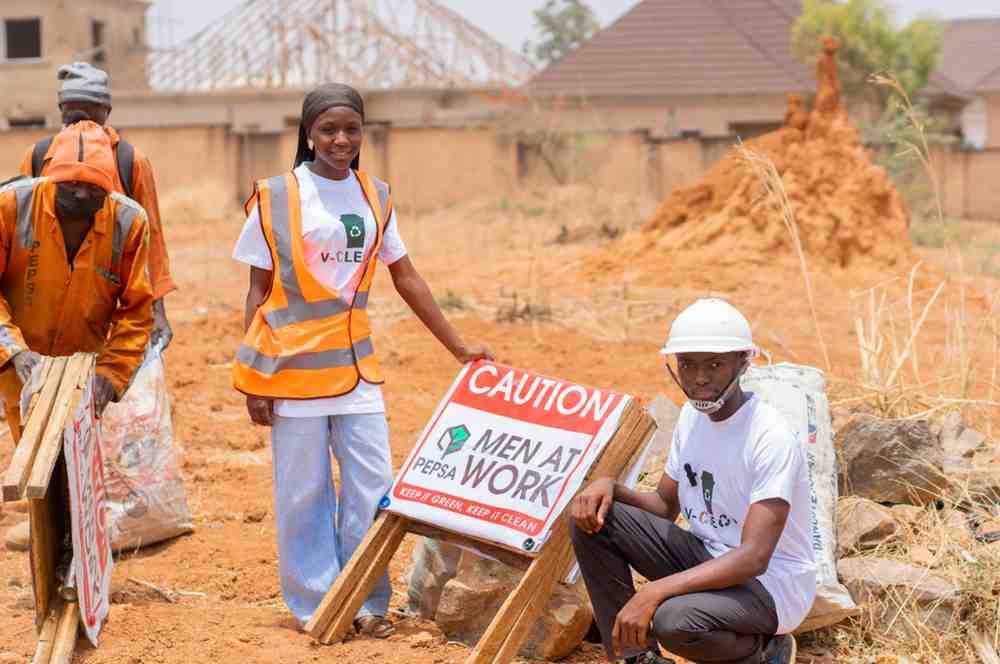
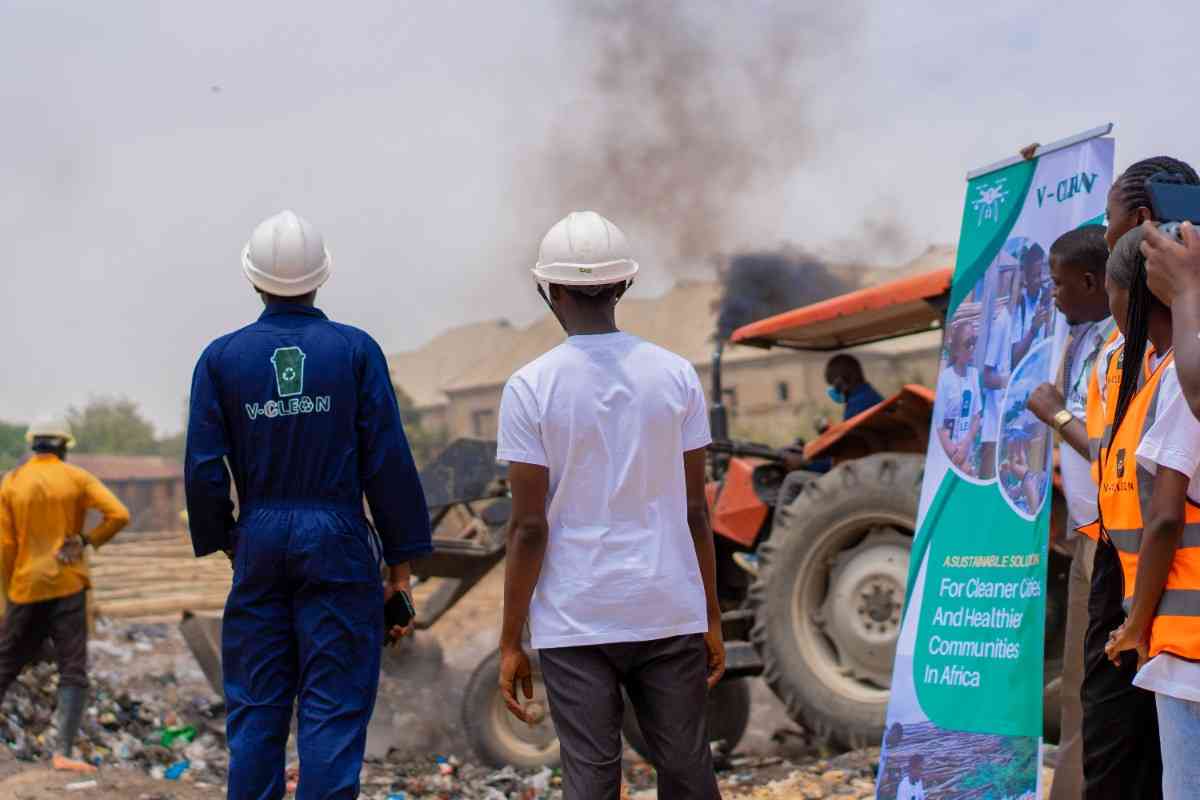
One of our proudest accomplishments is successfully deploying 10 IoT-enabled smart bins in urban communities in Plateau State, Nigeria. These bins are solar-powered and GSM-enabled, and they’ve been functioning effectively in areas with limited infrastructure. We’ve mapped over 50 waste hotspots using drones and GIS technology, providing local governments with actionable data to guide clean-up efforts. Our mobile app has received over 1,000 waste reports from citizens, proving that people are not only aware but actively involved in creating cleaner neighborhoods. We’ve trained more than 500 residents, including waste pickers and community leaders, to use the V-Clean system. This has helped build local ownership and inclusion in the waste management process. We’re also proud of our partnership with the Plateau State Environmental Protection and Sanitation Agency (PEPSA), and our collaboration with grassroots waste collector cooperatives and NGOs. We were selected for the IFRC Limitless program, where we supported city cleaning exercises in collaboration with the Nigerian Red Cross. This gave us valuable exposure and validation for our approach from a respected international humanitarian organization. Seeing cleaner streets, empowered communities, and a shift toward data-driven waste management is the real reward and a sign that V-Clean is making an impact.
What we learned
we discovered that African cities need resilient, offline-capable, and low-cost solutions. Internet access is inconsistent. Power supply is unstable. Budgets are tight. But the desire for cleaner communities and better living conditions is universal. We also learned the power of community engagement that citizens, waste pickers, and local governments must all be part of the solution.
What's next for V-clean
We’re focused on scaling V-Clean to more cities across Nigeria and West Africa. Our next step is to expand into Kaduna and Nasarawa states, where similar waste management challenges exist. We’re currently finalizing new partnerships and pilot agreements in those areas. We also plan to improve our technology. This includes upgrading our smart bins with more robust hardware for better durability, adding AI-powered route optimization for waste trucks, and refining our drone mapping algorithms for faster hotspot detection. We're also preparing to raise funding to support local hardware production and grow our team. Our goal is to deploy 1,000 smart bins and manage over 500,000 tons of waste making V-Clean a leading force in smart waste management across Africa.
Built With
- backend
- c/c++
- esp8266
- express.js
- flutter
- google-cloud
- google-maps
- gps
- gps/gis
- gsm
- javascript
- leaflet.js
- microcontrollers
- node.js
- python
- pythoon-image-recognition
- qgis

Log in or sign up for Devpost to join the conversation.