-
-
Unearth
-
Why Unearth?
-
What is Unearth?
-
Beyond a Game
-

Splash
-
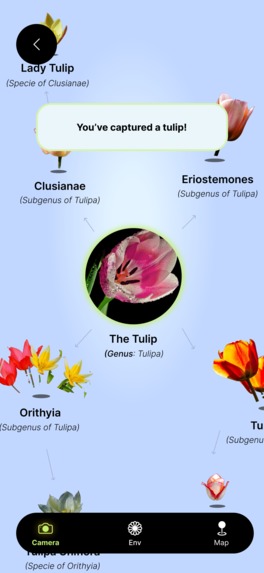
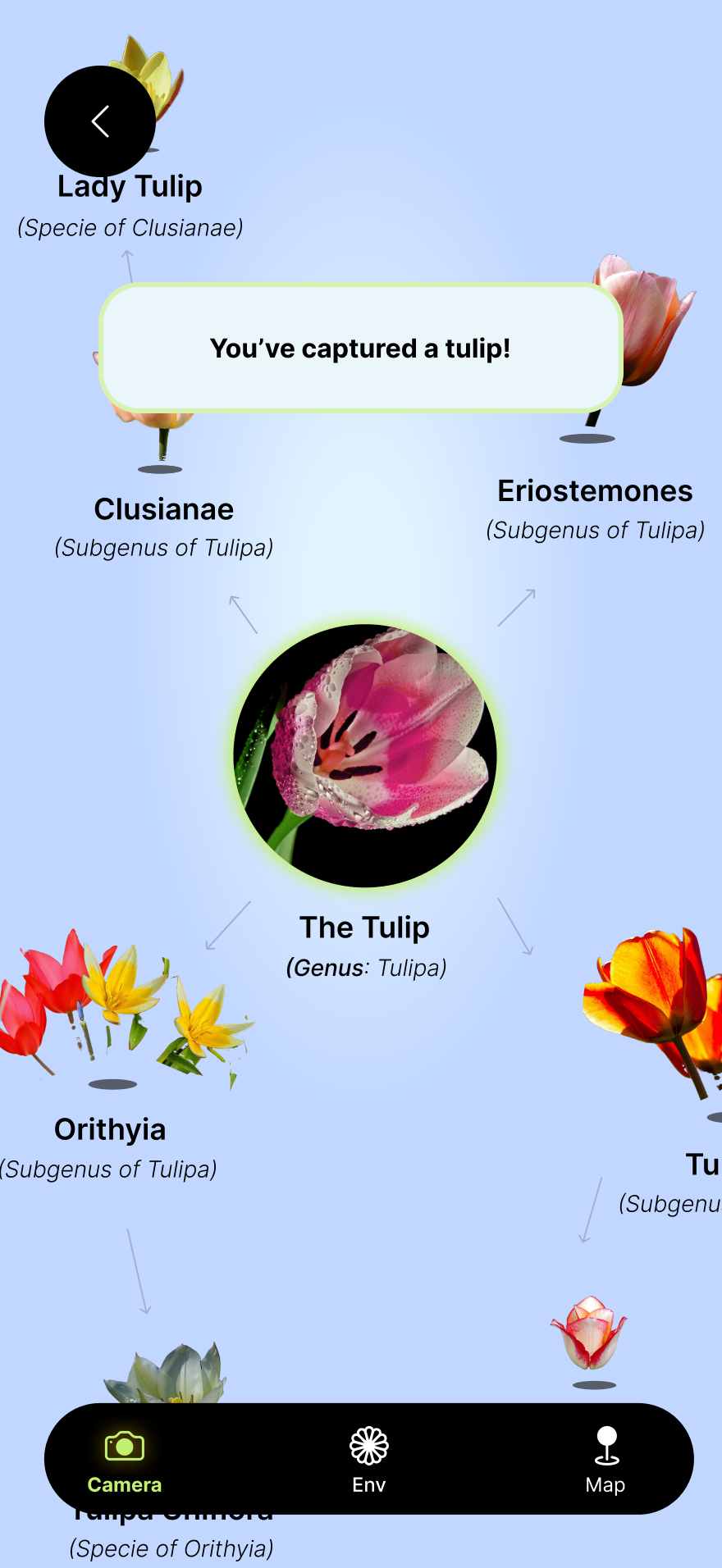
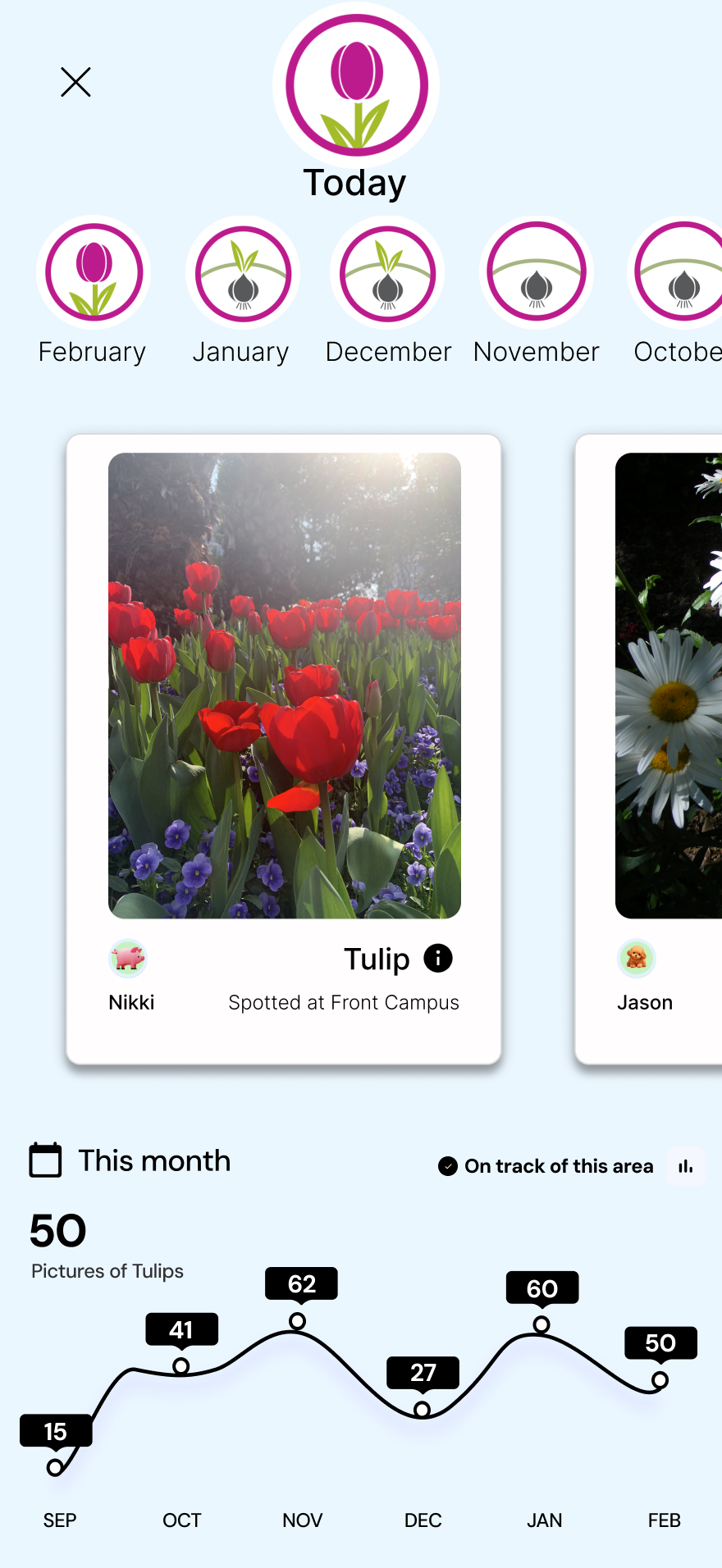
Taxonomy Page
-
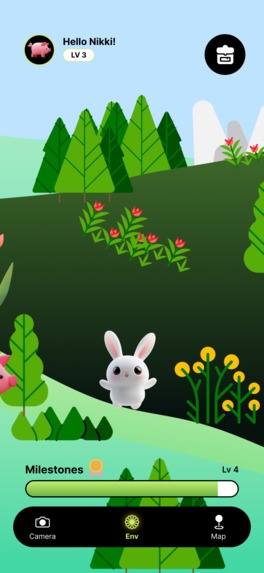
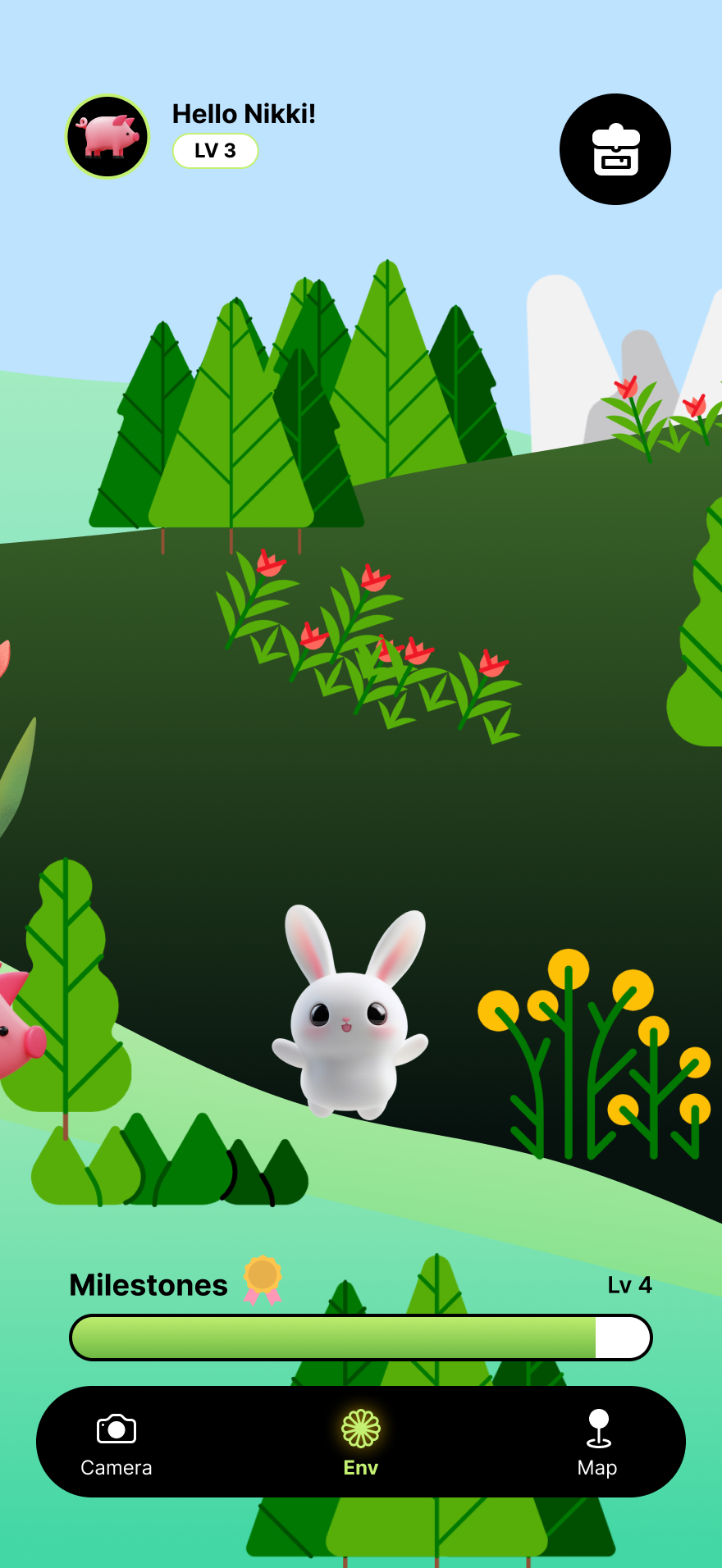
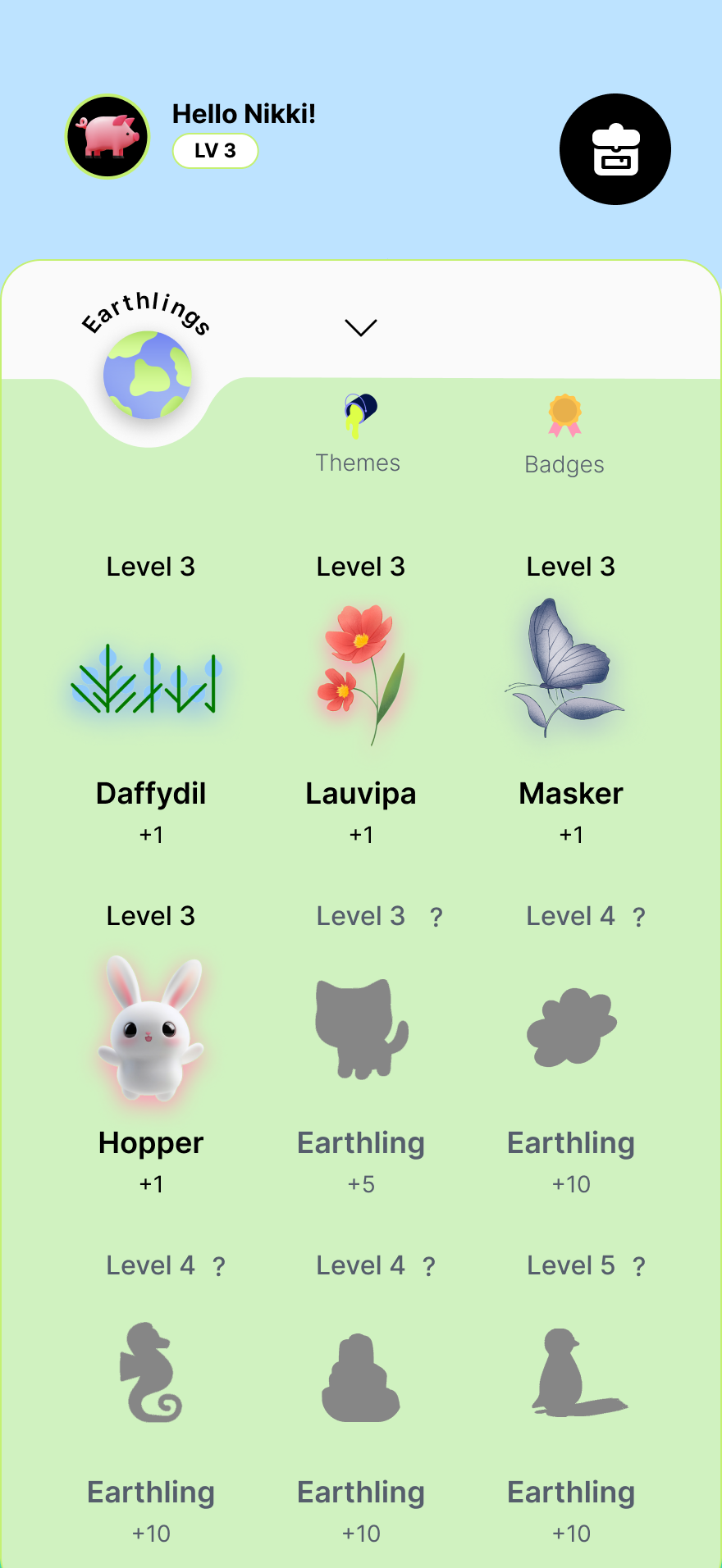
Home Garden
-
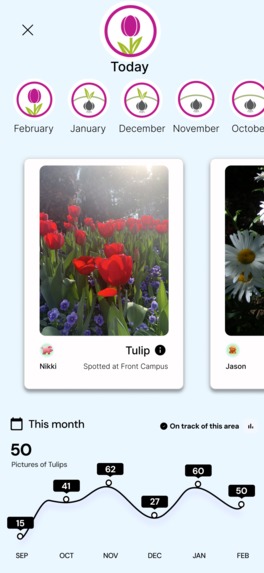
Photo Gallery
-
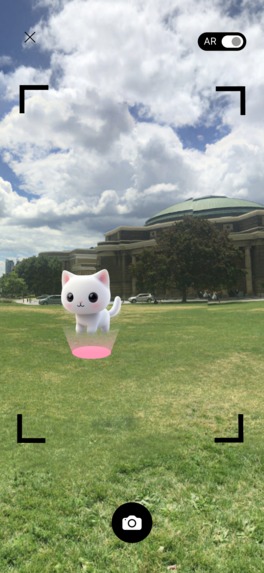
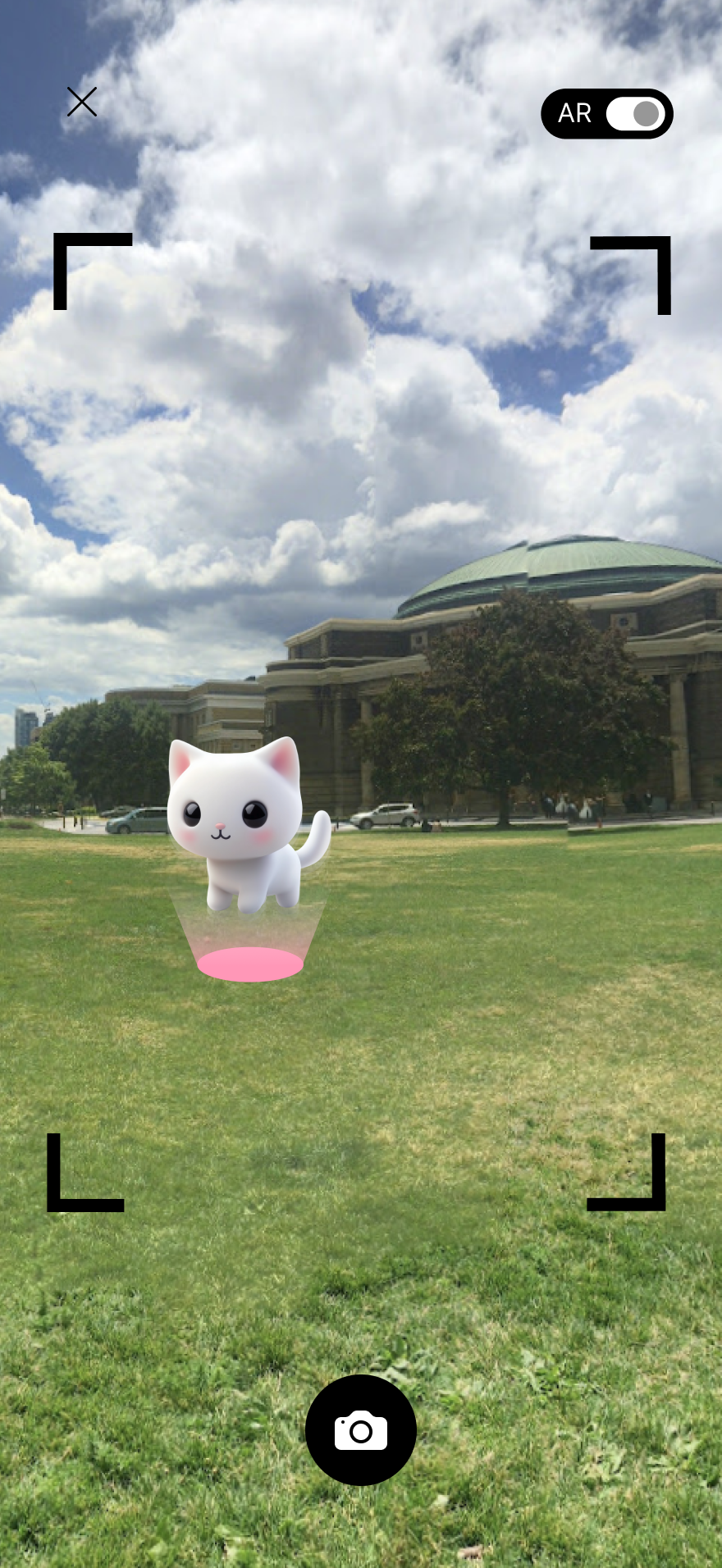
Earthling Found
-
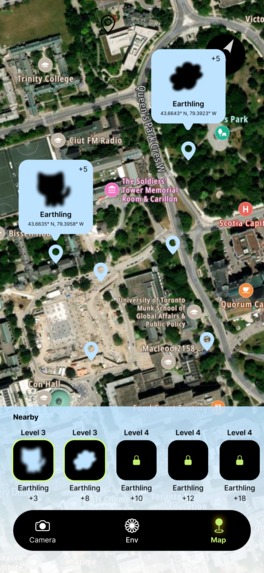
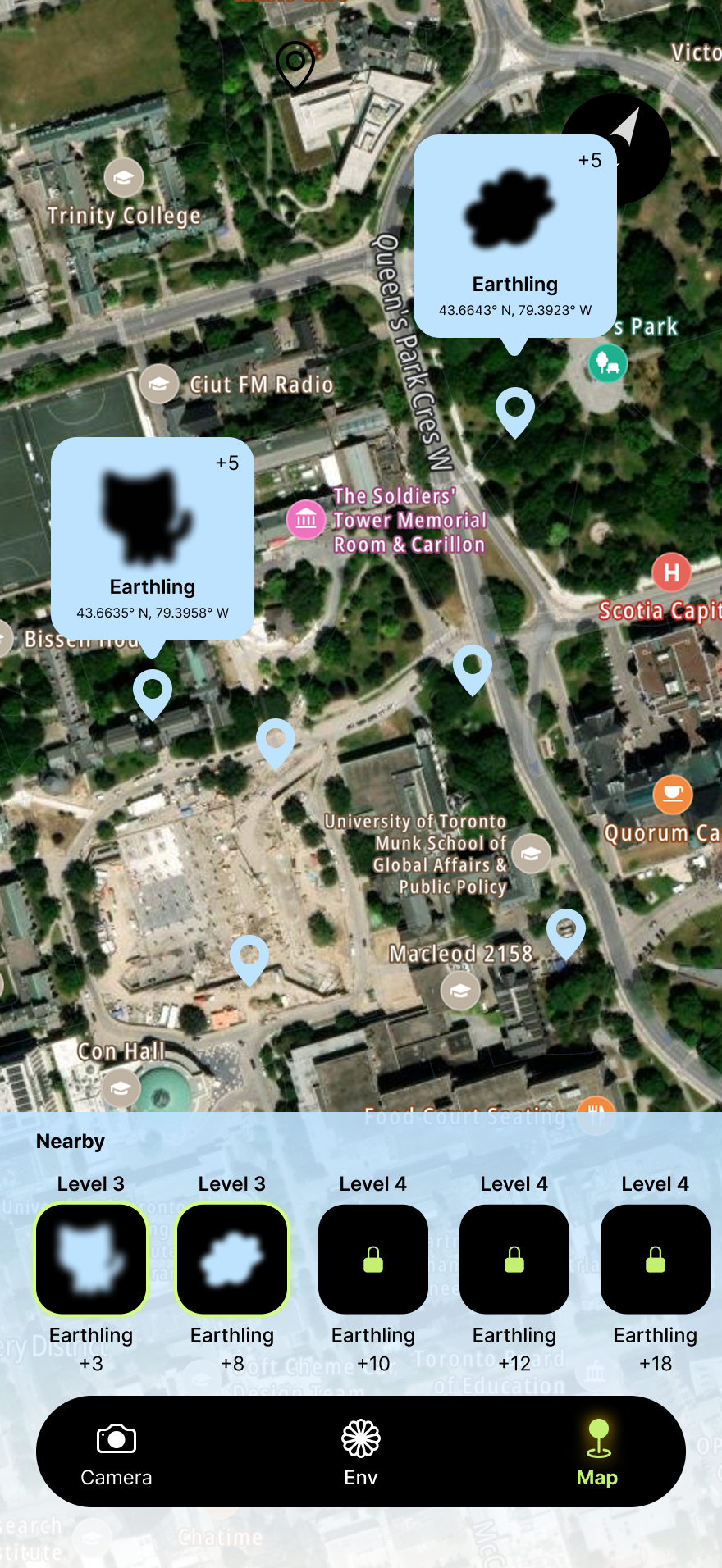
Points of Interest Map
-
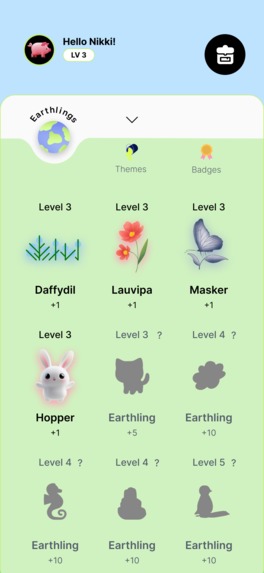
Collection of Earthlings

What is Unearth?
Unearth is an interactive game designed for students to explore biodiversity and the environment as they walk across campus. Instead of seeing nature as a passive backdrop, Unearth invites students to engage with it actively—discovering species, understanding ecosystems, and recognizing their role in environmental stewardship. In response to the four pillars of the challenge, our solution focuses on biodiversity and capacity, aiming to enhance young people’s perception and awareness of nature by seamlessly integrating interactive experiences into their daily routines.
Inspiration
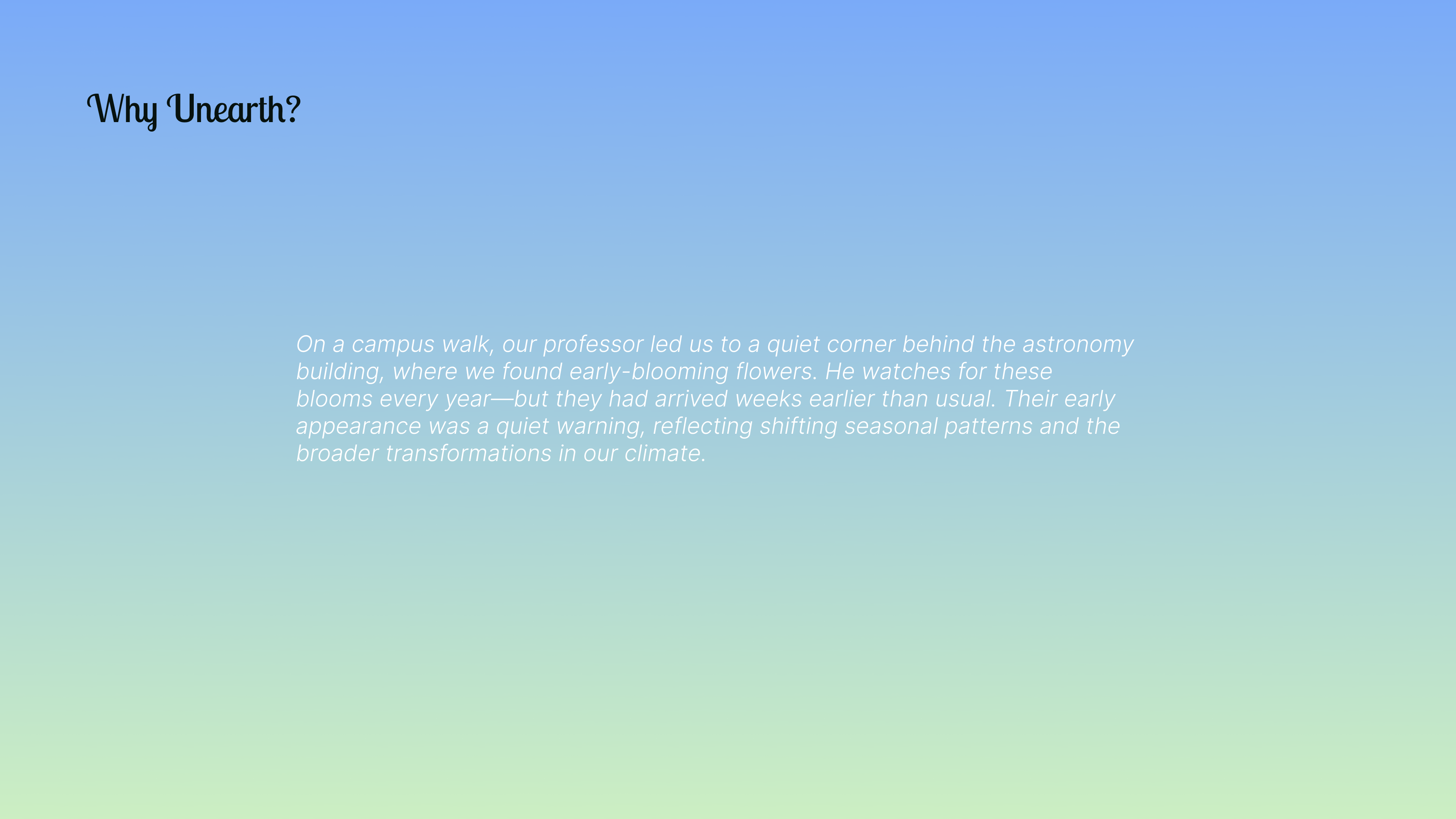
One afternoon, my architecture and landscape class set out on a routine campus walk. Our professor suddenly led us off the main path behind the astronomy department building to a quiet, hidden corner of campus. There, among the ivy, we found a small cluster of flowers pushing through the soil. He told us he watches for these blooms every year. But this time, they had arrived weeks earlier than usual. Their early appearance was a quiet sign of change—usually a marker of spring’s gentle arrival, they were now signaling a shift, an unsettling acceleration of seasonal change. Every year, they emerged earlier, speaking in their quiet way of the broader transformations unfolding in our climate. This experience highlighted the importance of noticing small, often overlooked signs in nature—and it’s this spirit of observation that inspired our project, Unearth.
How Does it Really Work?
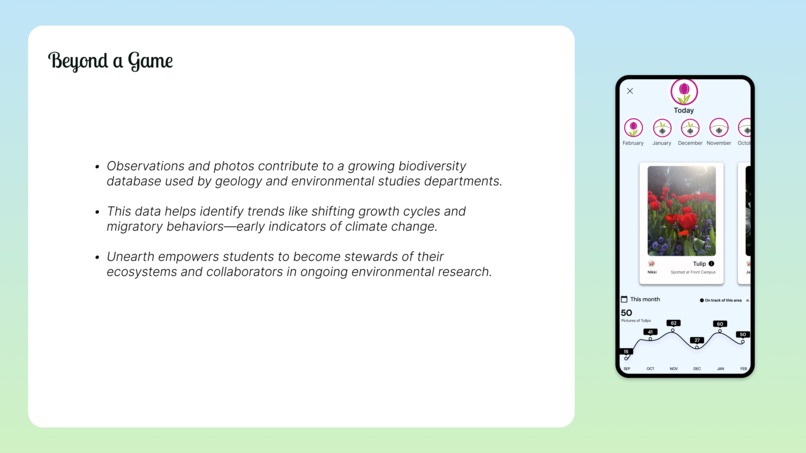
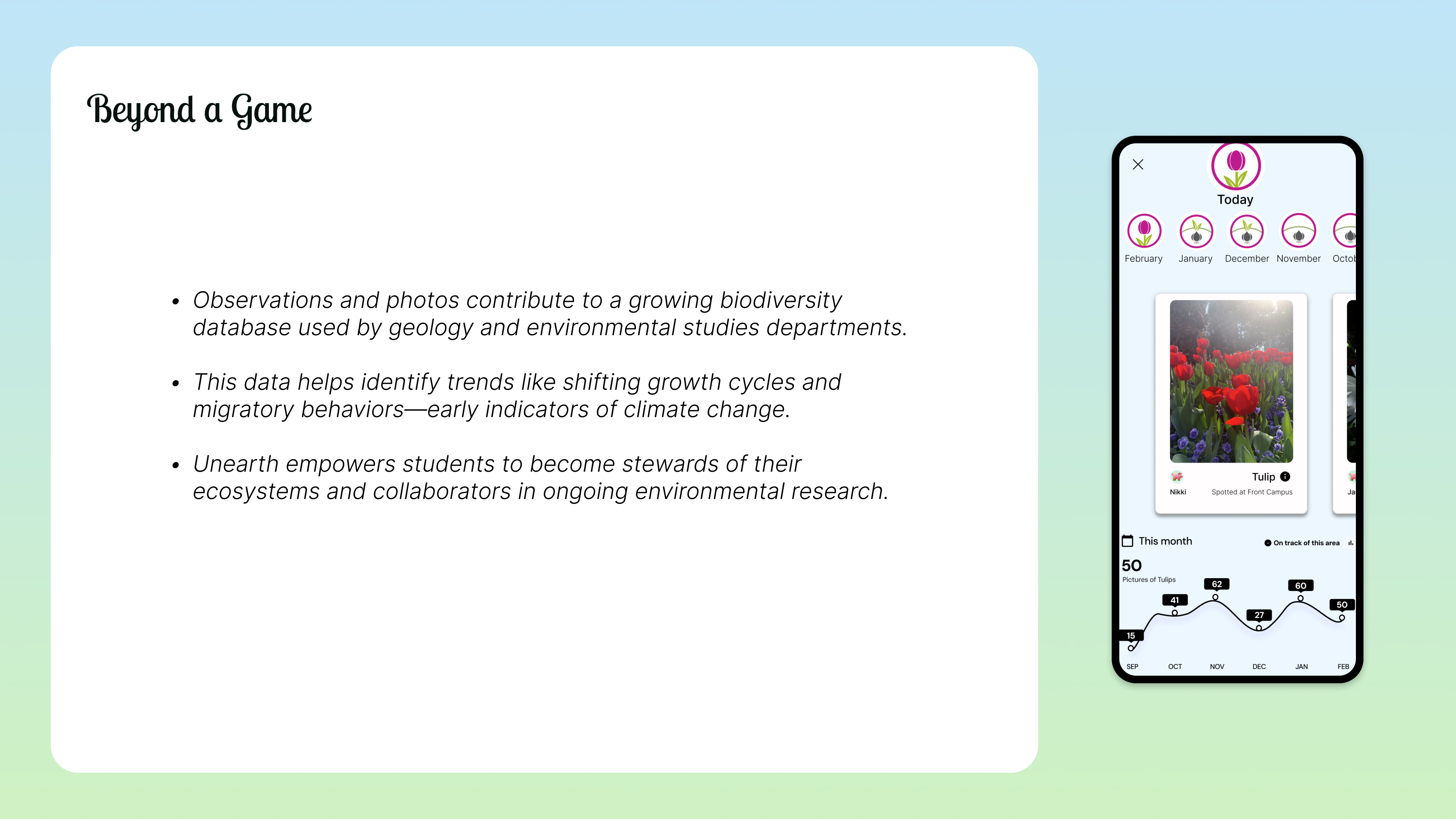
Through Unearth, students are encouraged to discover—or “unearth”—the diverse flora and fauna that coexist on campus, uncovering hidden life often overlooked. As they explore, they earn earthlings—unique collectible characters that populate their personal garden. These rewards not only spark curiosity but also deepen students’ understanding of biodiversity, ecosystems, and growth patterns, fostering a stronger connection to the environment. But Unearth goes beyond just a game. It’s also a powerful tool for scientific research and environmental awareness. With a robust database, the platform stores all photo observations captured by users, allowing them to revisit and track the growth patterns of life on campus over time. Additionally, users can explore observations from others in their areas of interest, gaining a deeper and more comprehensive understanding of biodiversity. The organisms that students observe and photograph are added to a growing database of biodiversity on campus, contributing valuable data studied and recorded by faculties like geology and environmental studies. These student contributions help identify patterns in the natural world—trends in migratory behaviors, changes in growth cycles, and the early signs of shifting climate conditions. Over time, this collective effort can reveal larger stories about our environment’s evolving health and rhythms.
By encouraging students to notice these natural rhythms, Unearth fosters a deeper connection to the environment. It invites students not just to observe but to participate—to become stewards of their local ecosystems and collaborators in ongoing research. Through exploration, discovery, and contribution, Unearth helps us all stay more attuned to the natural world and its changing patterns.
How We Built Unearth
Developing Unearth was a journey of design thinking, cycles of iteration, and collaboration. We focused our stakeholder demographic on university students on campus, as they represent a trackable, participatory group capable of providing consistent and high-quality data trends. We began by researching how digital tools could foster environmental awareness in a way that not only captures our demographic's interest but also encourages consistent engagement and integration into their daily lives. One key concern that emerged from our research was that university students often feel unmotivated to exercise due to their demanding workloads and busy schedules, making it even less likely for them to be acutely aware of the environment's changes and their intentional engagement with nature. As such, this insight compelled us to develop an interactive and gamified solution that seamlessly integrates movement and environmental awareness into students’ daily routines. By turning exploration into an engaging experience, we aimed to motivate student participation without adding extra burden to their schedules. Gamification allowed us to reframe physical activity and environmental monitoring as enjoyable challenges, rather than additional tasks—encouraging students to interact with their surroundings in a way that feels rewarding and effortless.
In this process, Figma became an essential tool for designing prototyping our vision, allowing us to maximize our creative capacities, rapidly test user flows, and interactions. We watched our ideas come to life even further by making graphics and perspective backgrounds using Rhino3D, and Adobe Illustrator + Photoshop. Try out our Figma prototype: link
Challenges & Next Steps
One of the biggest challenges was striking a balance between digital technology and our mission to bring environmental perception and awareness into the foreground—ensuring the game encouraged the exploration of nature without distraction. Through multiple iterations, we refined Unearth to be intuitive, visually compelling, and consistent with our intention to engage users' perception and engagement in the environment.
This project reinforced the power of interactive design in shaping behavior and perception. By merging digital and physical realms, Unearth transforms everyday walks into moments of curiosity and discovery, inspiring students to see biodiversity and environmental changes not just as a passive concept, but as a living, breathing part of their everyday life.
Next, we plan to conduct further user research and more user testing, as this sprint limited our ability to explore a wider range of diverse opinions from our demographic.
What We Are Proud Of
As a team of new hackers—including two first-time participants—we’re incredibly proud of how we combined our diverse backgrounds to bring Unearth to life. As UX rookies transitioning from diverse roots in architecture/landscape, design, and the humanities, we approached digital product development through the lens of spatial awareness, environmental storytelling, and thoughtful interaction design.
Our biggest achievement was turning our shared passion for observation and environmental engagement into a playful yet meaningful digital experience. We created an interactive platform that transforms casual campus walks into moments of curiosity and discovery, encouraging users to notice nature’s often-overlooked rhythms. We’re especially proud of building a working prototype in such a short time while maintaining a strong vision and attention to detail.
Built With
- adobe-illustrator
- figma
- photoshop
- rhino3d


Log in or sign up for Devpost to join the conversation.