🚀 Inspiration
The inspiration behind Tiofy came from the idea of combining multiple everyday services into a single, unified platform. We wanted to create something that made users’ lives easier by providing access to food delivery, ride-sharing, and accommodations all in one app, without the need to switch between multiple apps. The real motivation was to solve everyday problems more efficiently while focusing on giving opportunities to local businesses and gig workers. 🌍
💡 What it does
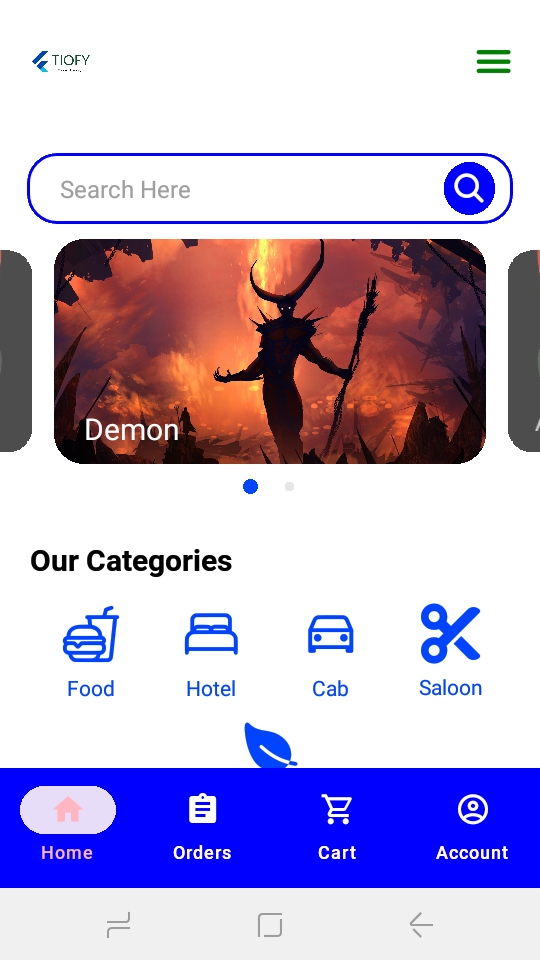
Tiofy is a multi-feature platform where users can:
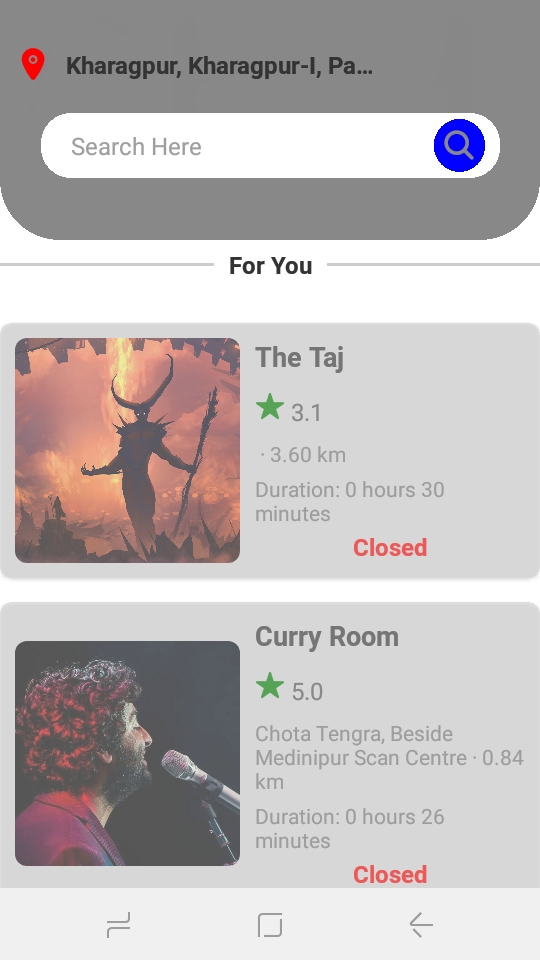
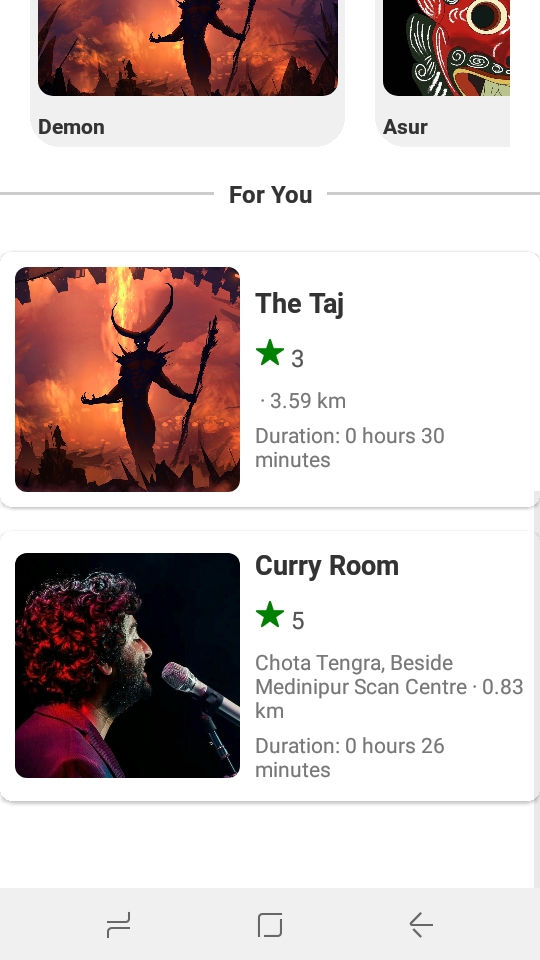
- Order food from local restaurants.
- Book rides with a distance-based earning model for drivers.
- Book accommodations for short or long stays.
The platform serves three different users:
- End-users: To place food orders, book rides, and manage accommodations.
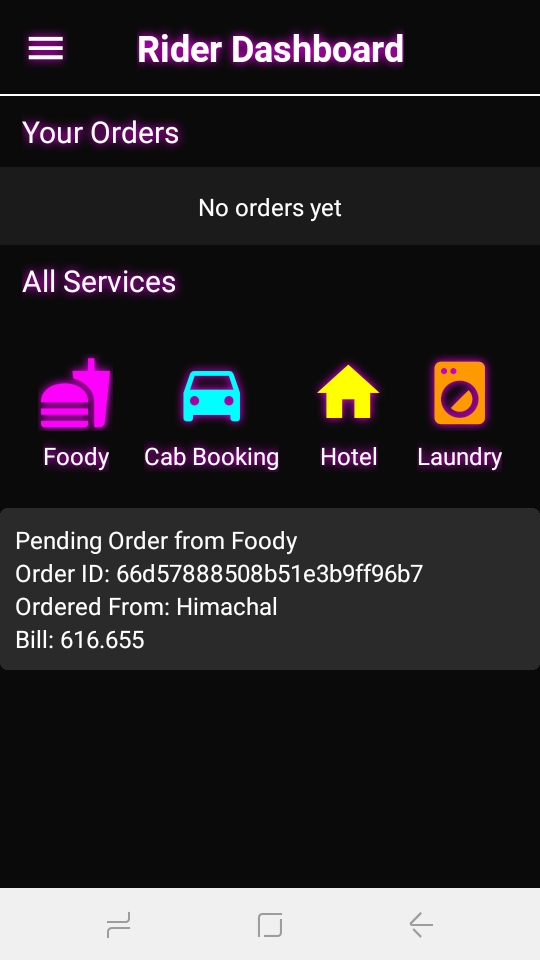
- Riders: Who earn money based on the distance they travel to deliver food or transport users.
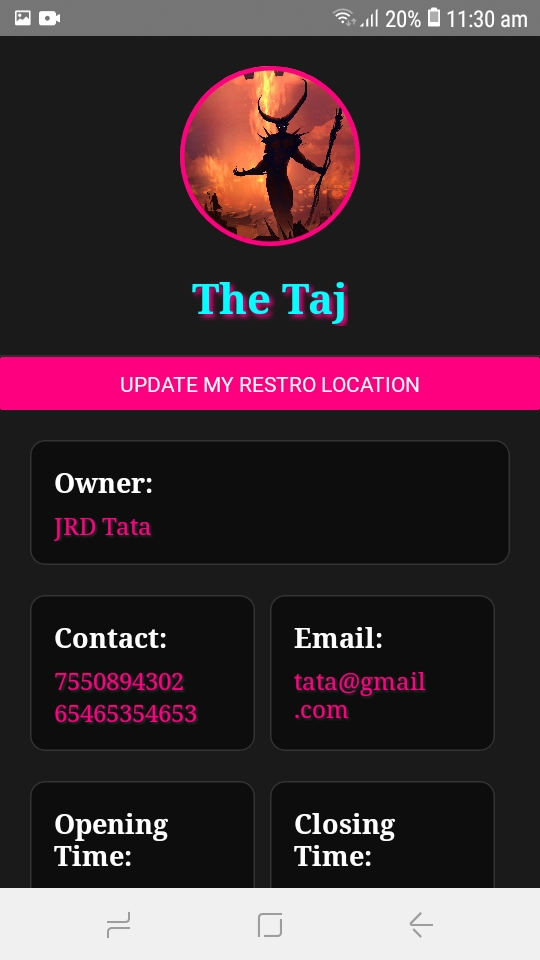
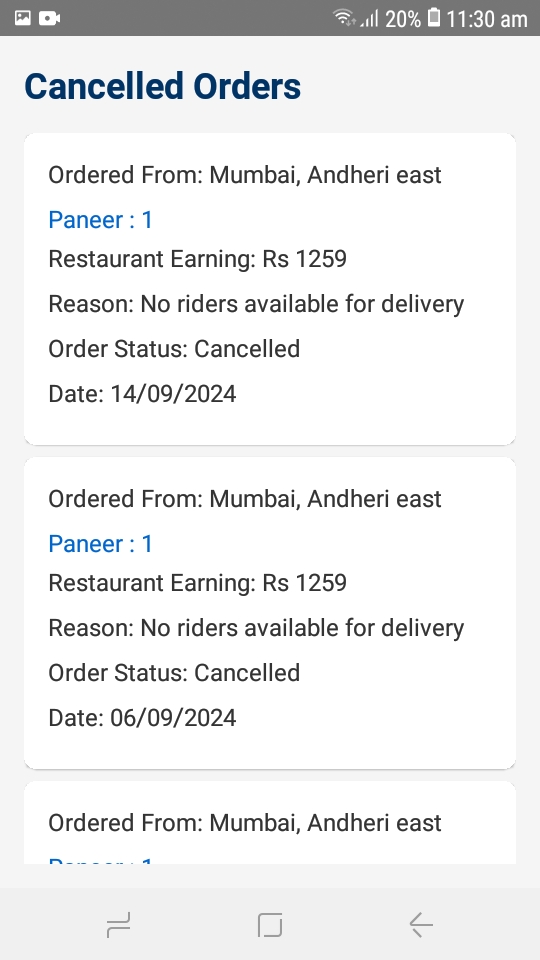
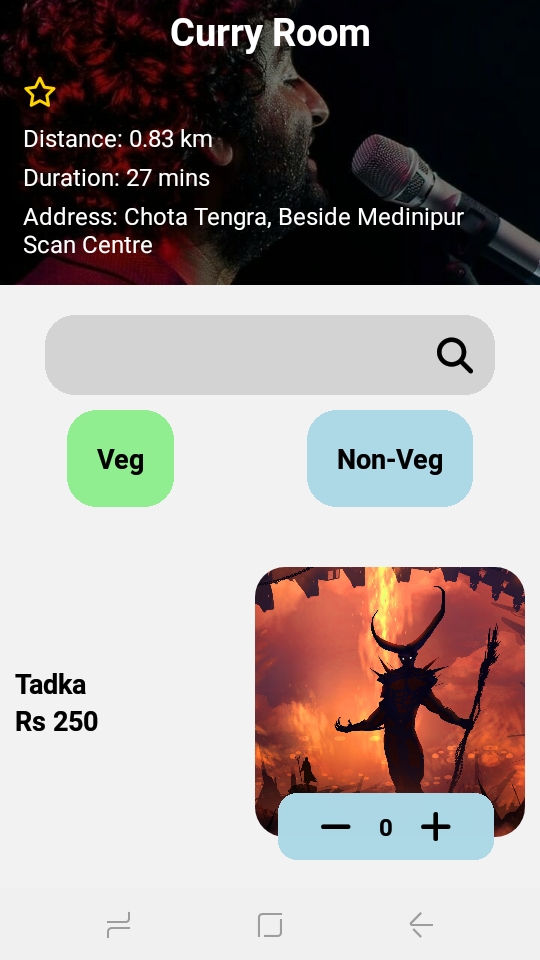
- Restaurants: Which can manage their menu, pricing, and orders directly in the app.
🛠️ How we built it
We built Tiofy using a modular approach:
- Frontend: React Native for building a cross-platform app for both iOS and Android.
- Backend: Node.js, which powers the server-side logic, with MongoDB for storing all the data.
- Architecture: We focused on building the backend first, defining the models and key features. Once the backend was stable, we moved on to the frontend to create a smooth and intuitive user experience.
Key Features:
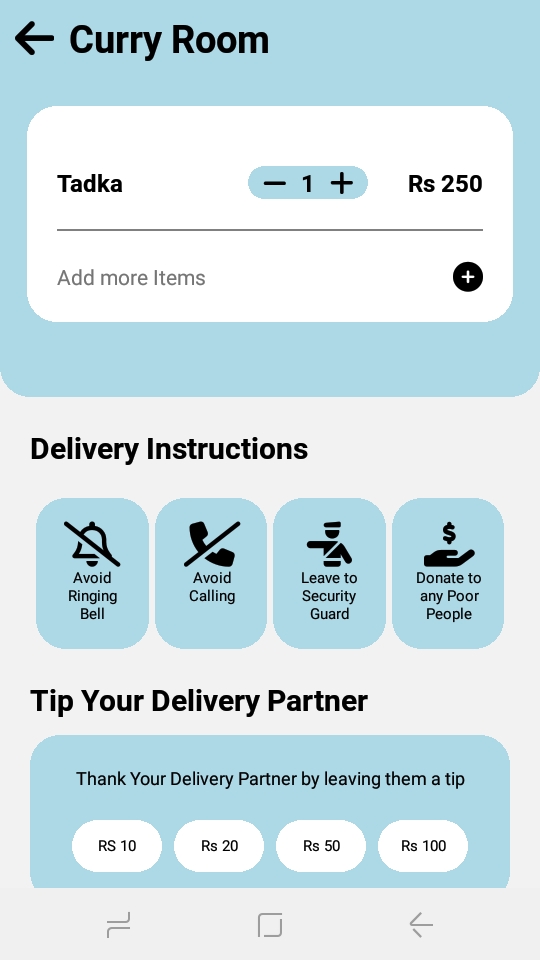
- Order placement and saving items in a cart.
- Ratings for restaurants and drivers.
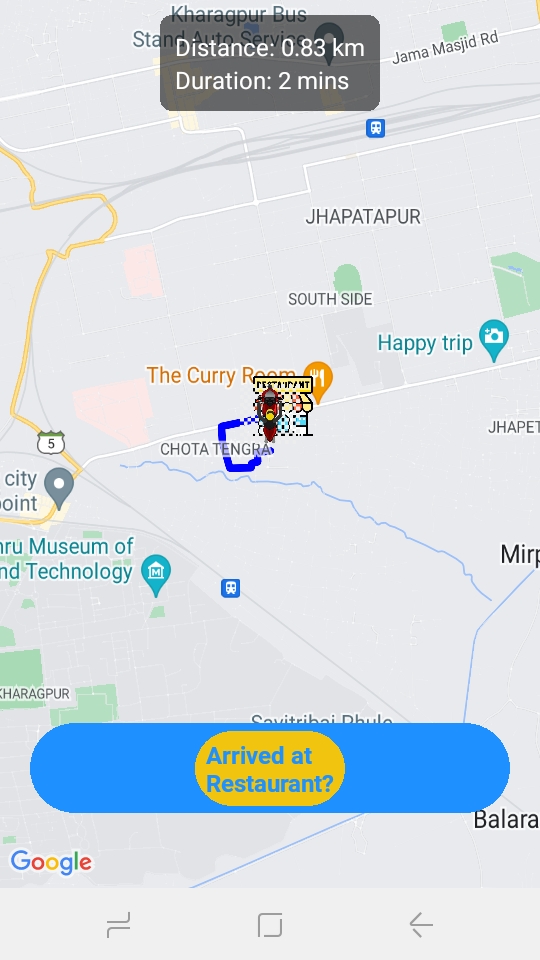
- Map routing for both users and drivers.
- Push notifications to keep users updated on their orders and bookings.
- Flexible pricing for restaurants, where they can adjust their menu prices on demand.
- Distance-based earning model for riders.
- Night pricing: During the night, rider delivery fees increase to 2x, and food prices increase by 1.5x.
- Automatic restaurant closure: Restaurants are automatically disabled and marked closed when their scheduled closing time, set during signup, is reached.
🚧 Challenges we ran into
Like any project, Tiofy wasn’t without its challenges:
- Mapping services: We initially struggled with integrating map routing as we didn’t have access to the Google Maps API (due to the lack of a credit card for billing). This led us to explore free mapping services, which posed some limitations but allowed us to move forward.
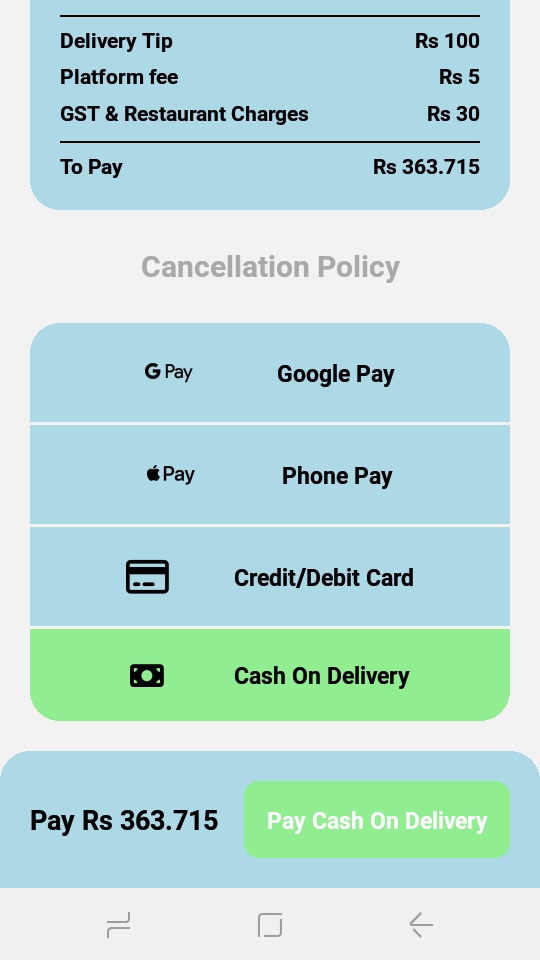
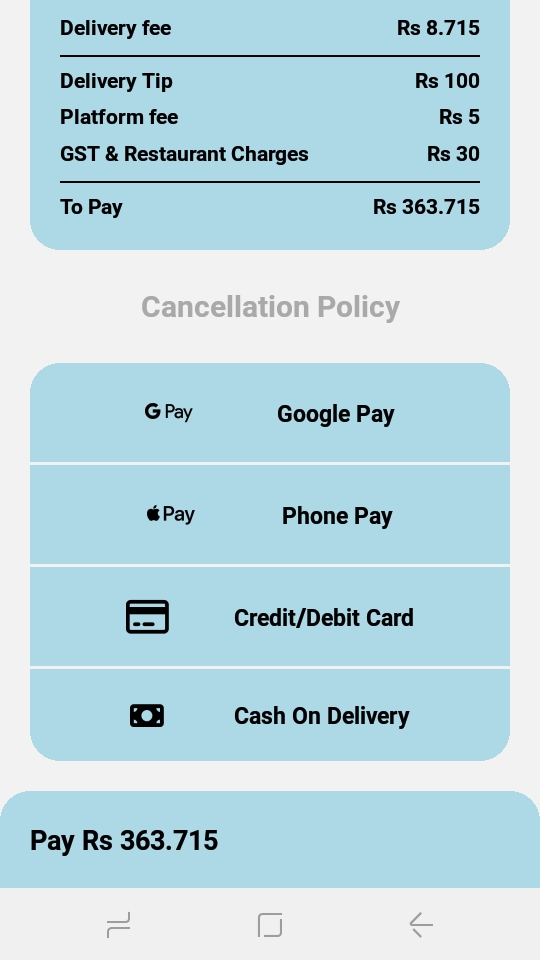
- Payment management: Figuring out how payments would be split between riders and restaurants, and ensuring that the earnings were transparent and fair for everyone, was a complex challenge.
- Dynamic pricing: Allowing restaurants to adjust their prices and manage their earnings required intricate backend handling, especially when syncing it with the frontend.
🎉 Accomplishments that we're proud of
- Successfully integrating all services into one app! 🏆
- Implementing a flexible pricing model for restaurants and a distance-based earning model for riders.
- Solving mapping issues by finding a free alternative, ensuring that users still have access to accurate routes and directions.
- Creating a robust backend that supports multiple services without compromising on performance.
📚 What we learned
Throughout the process, we learned the intricacies of building a business from the ground up. This includes understanding how:
- Orders are executed end-to-end.
- Communication between riders, restaurants, and users is managed in real time.
- Payments flow and how earnings are calculated, both for restaurants and riders.
We also gained valuable insights into backend development, API integrations, and real-world problem-solving.
🔮 What's next for Tiofy
Tiofy is only the beginning! Moving forward, we plan to:
- Expand features to include more services like grocery delivery and package transport.

Log in or sign up for Devpost to join the conversation.