-
-
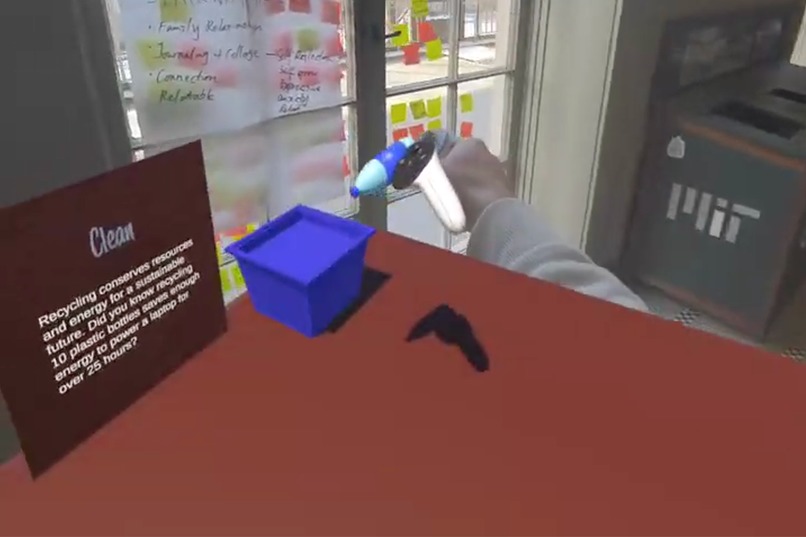
Cleaning stage of gameplay
-
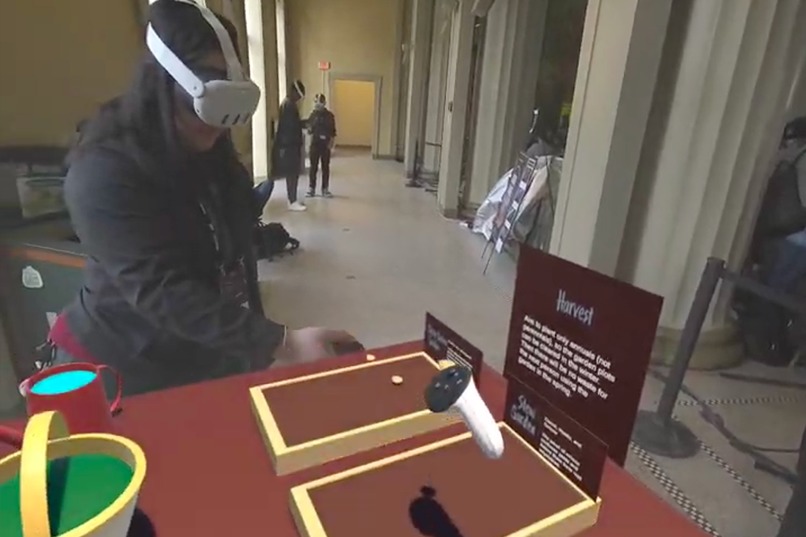
Planting stage
-
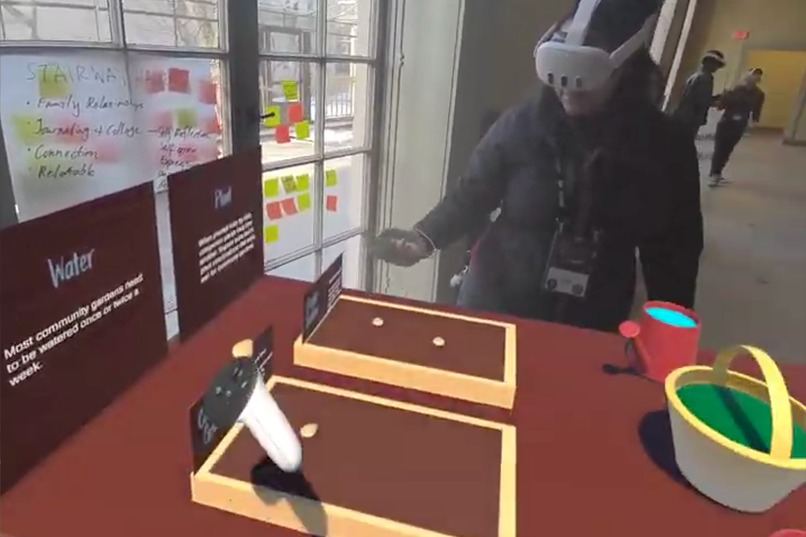
Planting stage
-
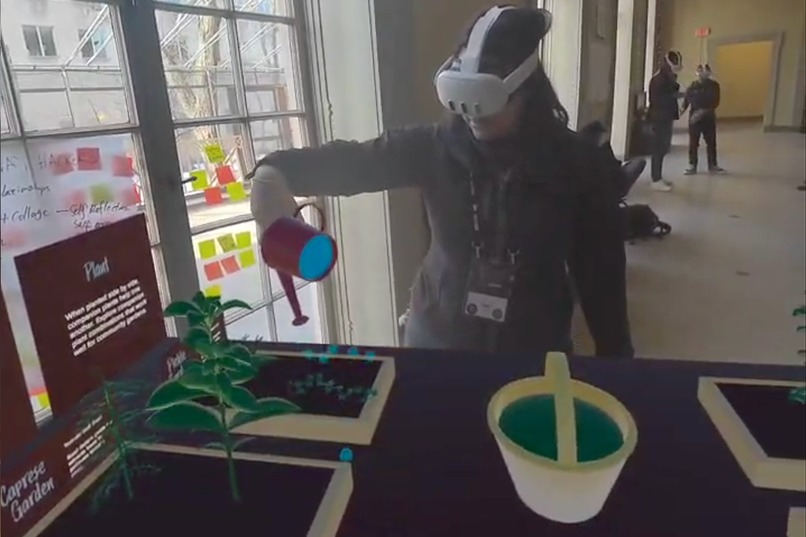
Watering stage
-
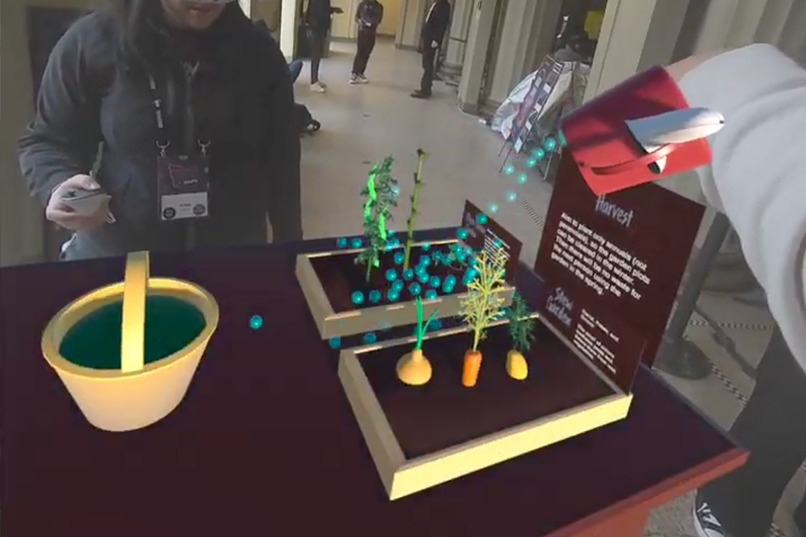
Watering stage
-
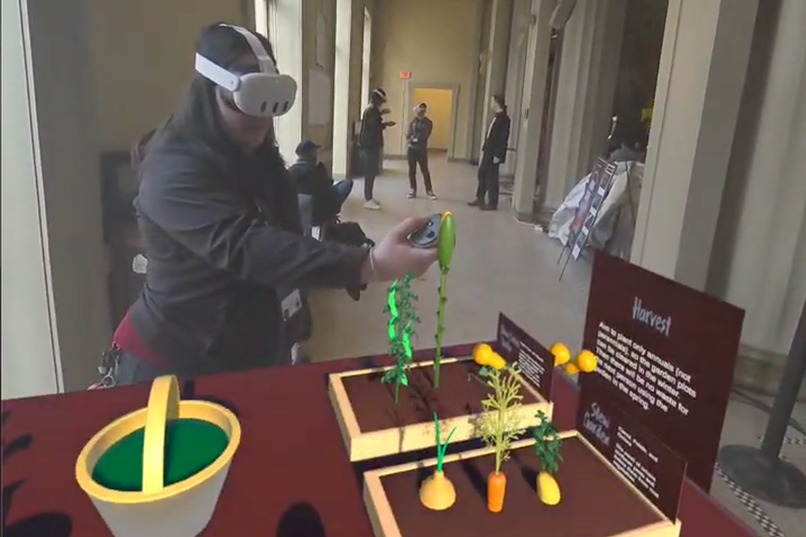
Harvesting stage
-
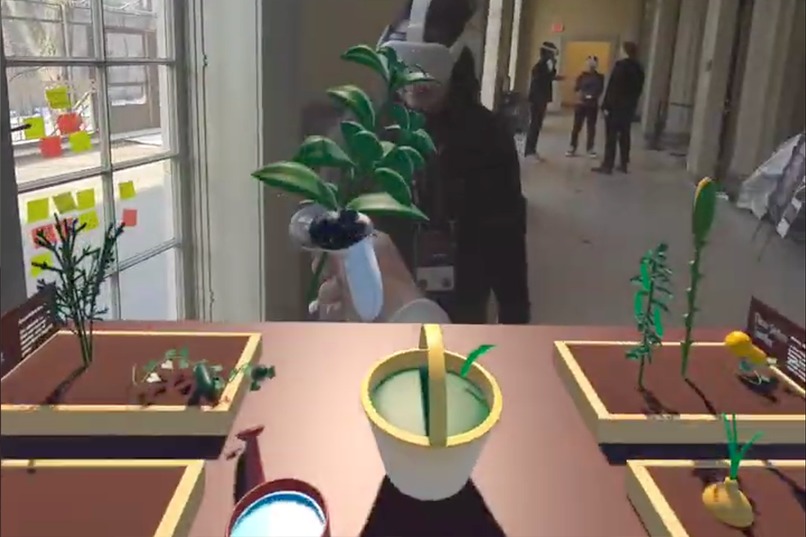
Harvesting stage
-
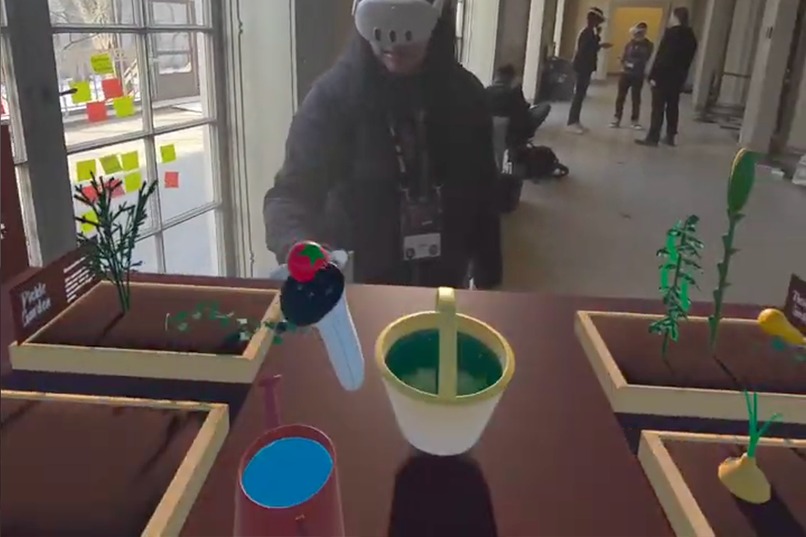
Harvesting stage
-
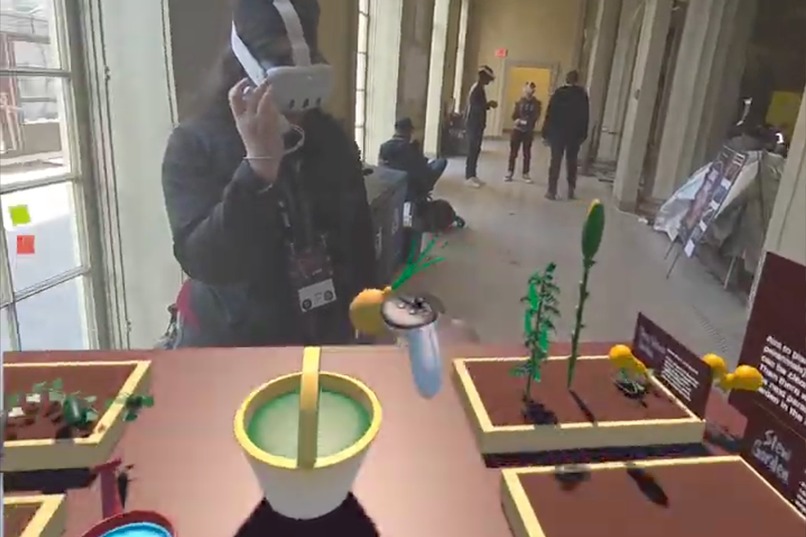
Harvesting stage
-
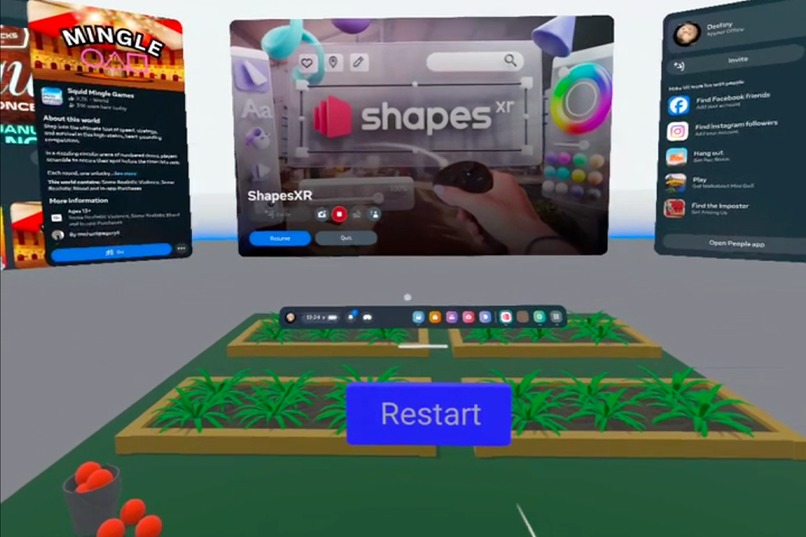
Shapes XR early prototyping
-
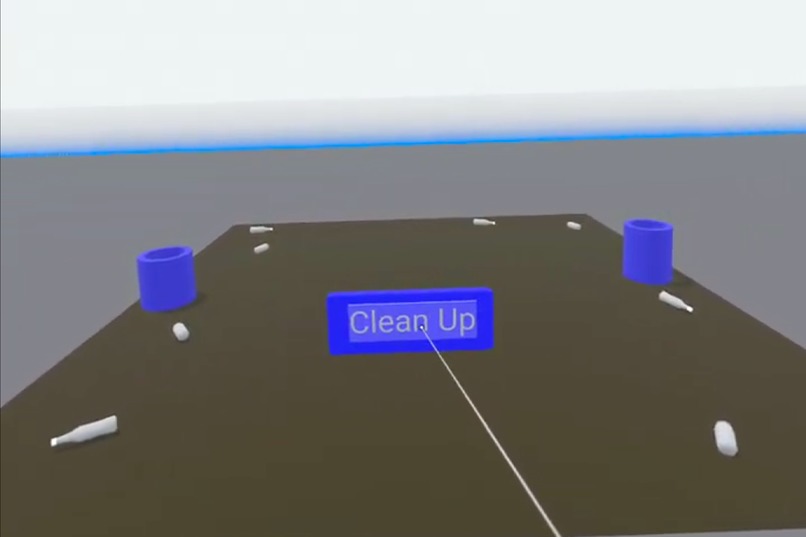
Shapes XR early prototyping cleaning stage
-
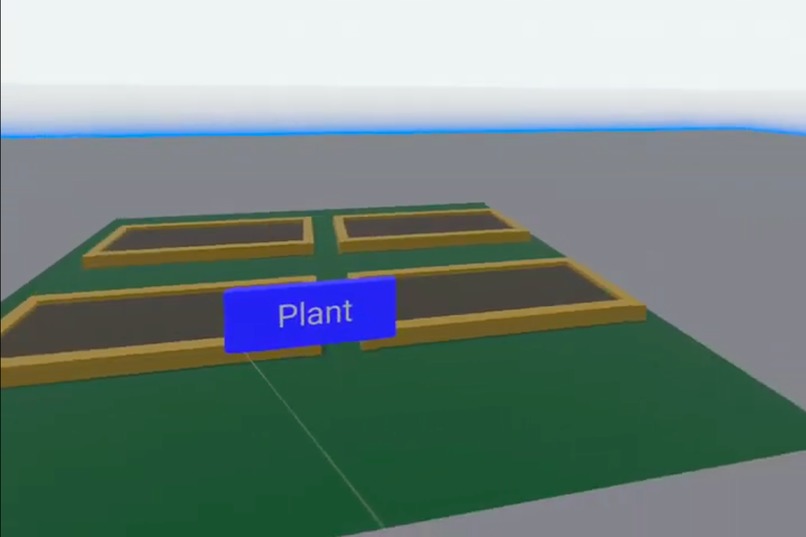
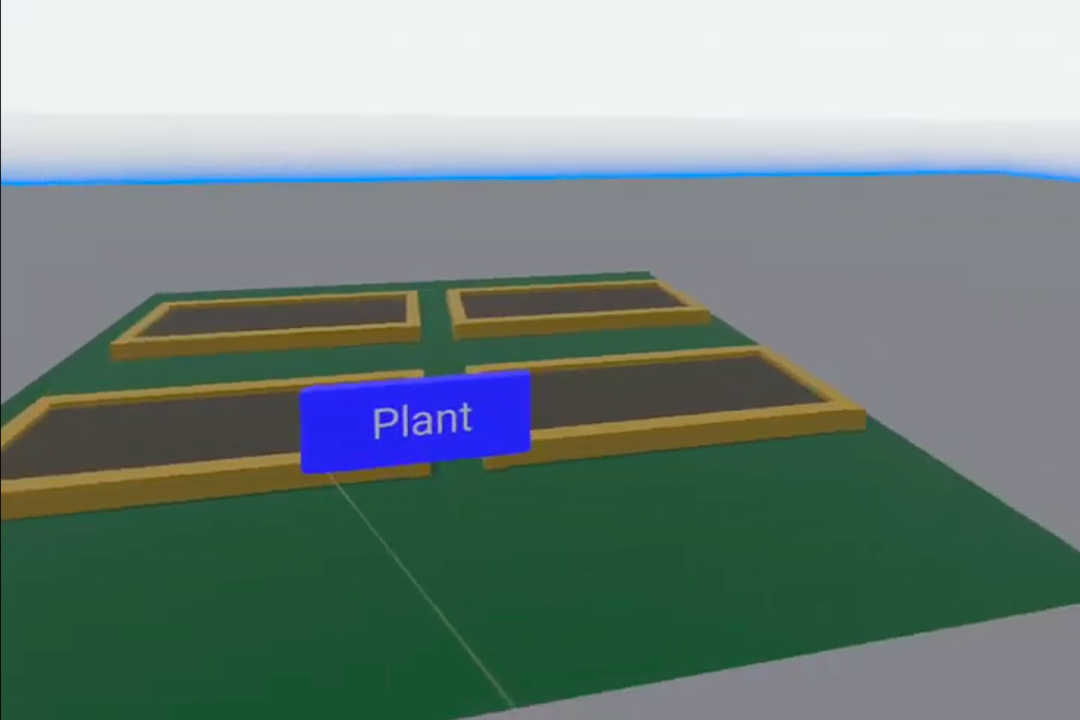
Shapes XR early prototyping planting stage
-
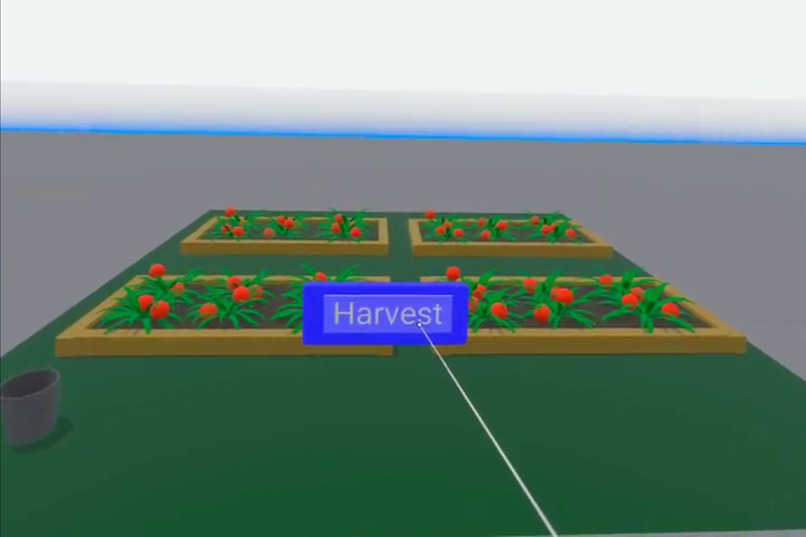
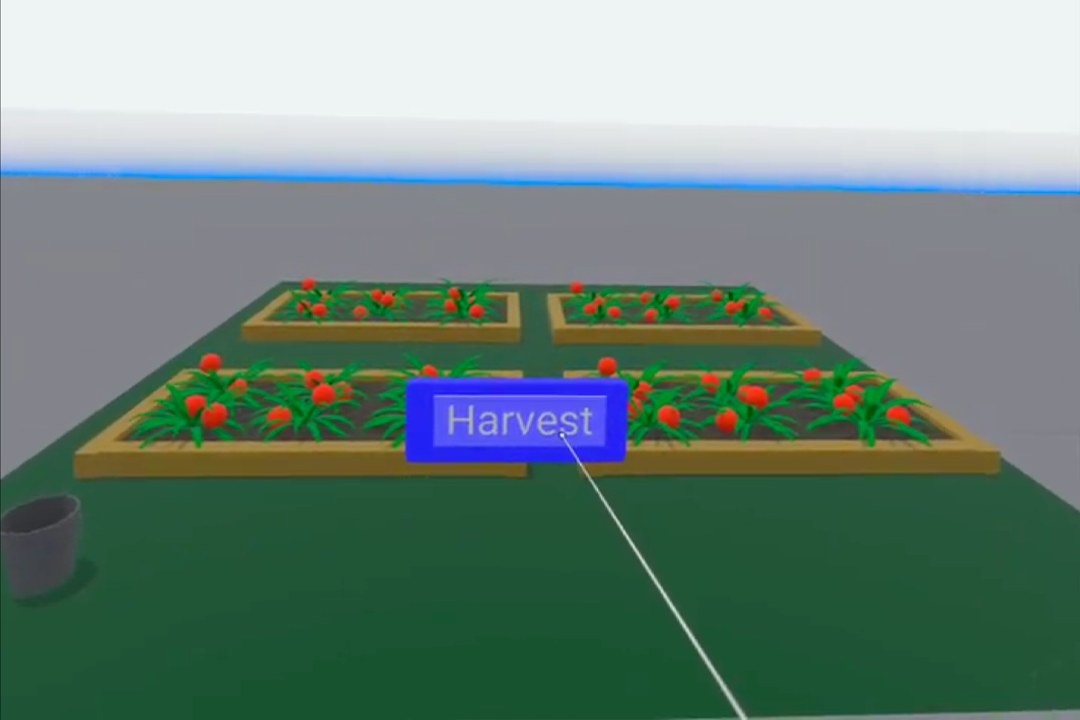
Shapes XR early prototyping harvesting stage
Inspiration
Millions of Americans every day face food insecurity, and with the rising cost of groceries the issue is only growing. In many urban communities and low-income communities they don’t have access to green spaces. Creating community gardens would provide solutions to both of these issues, but many don’t know about community gardens or feel ill-equipped to start one in their communities. Our multiplayer game spreads awareness, educates on how to create a garden, and highlights that creating sustainable change is a communal effort.
What it does
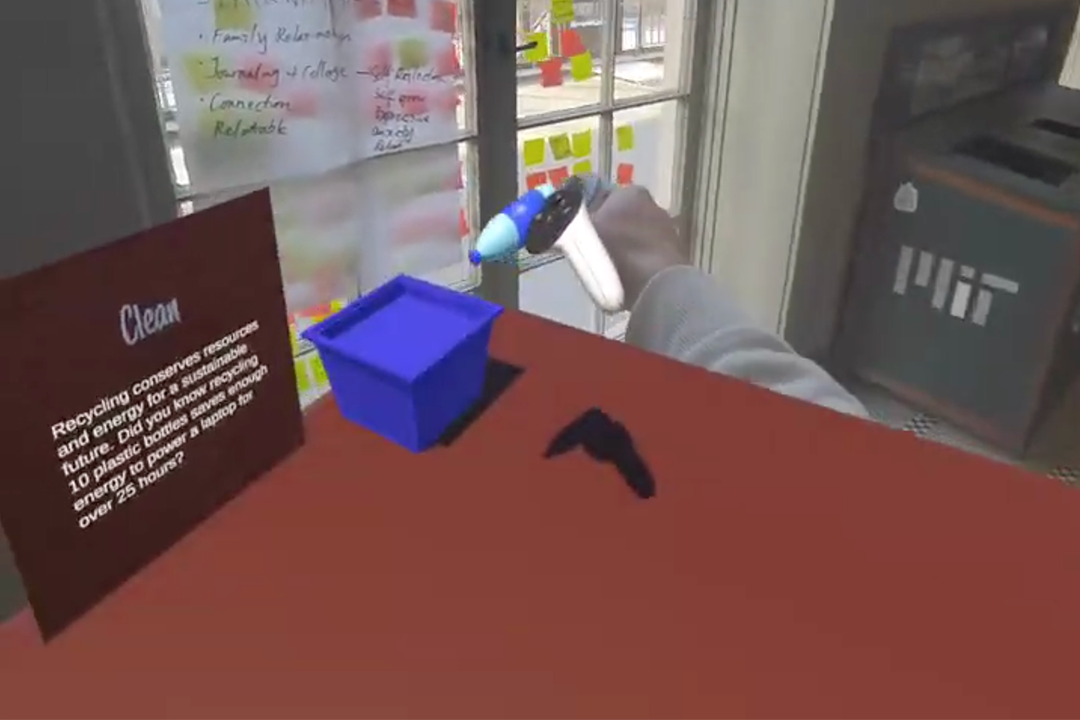
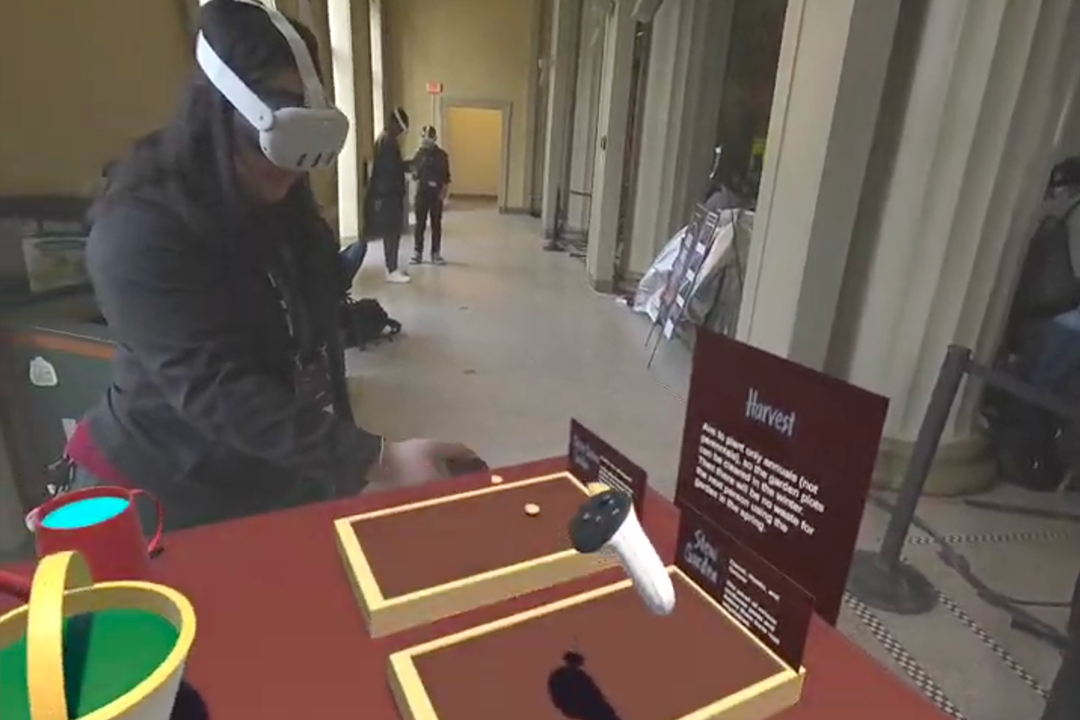
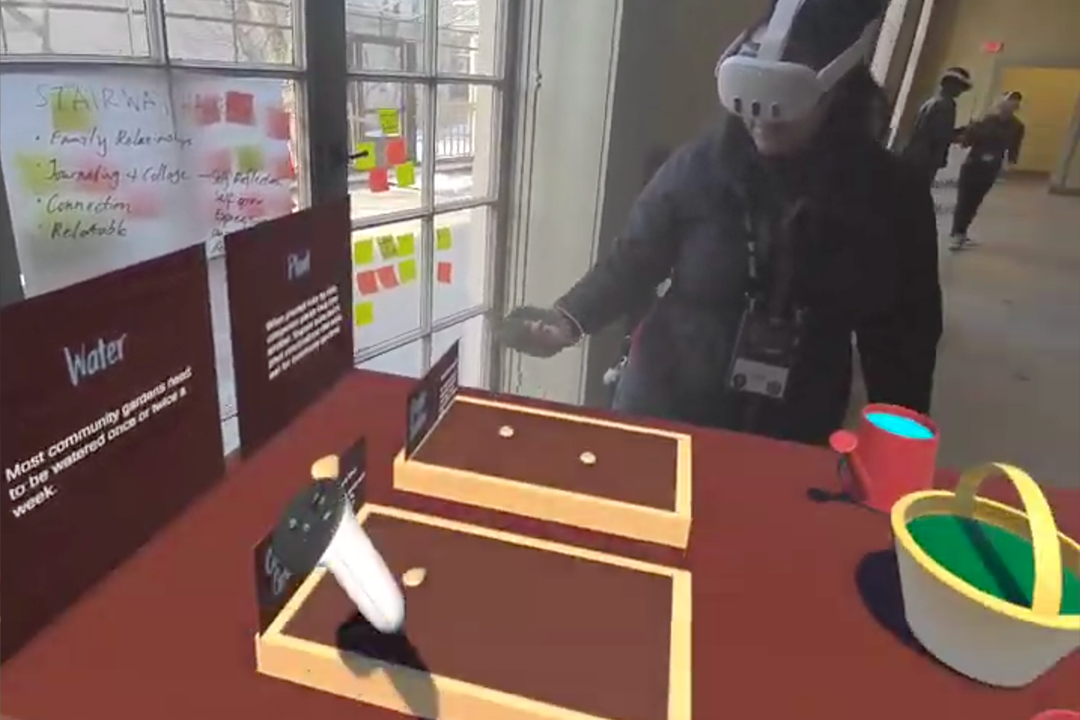
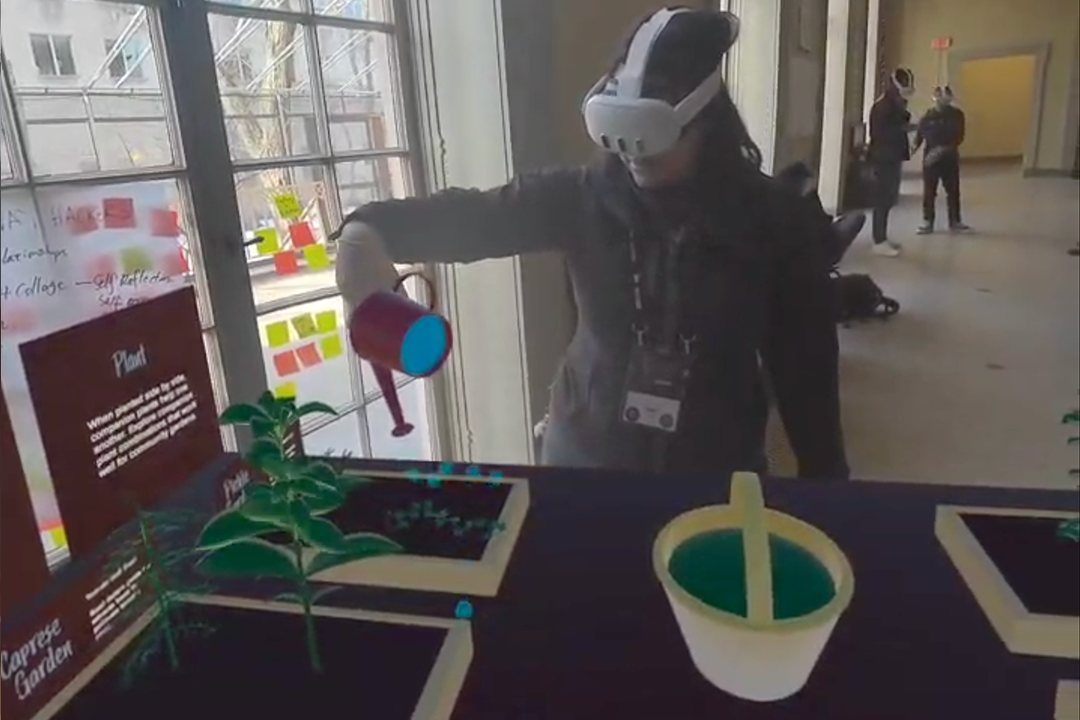
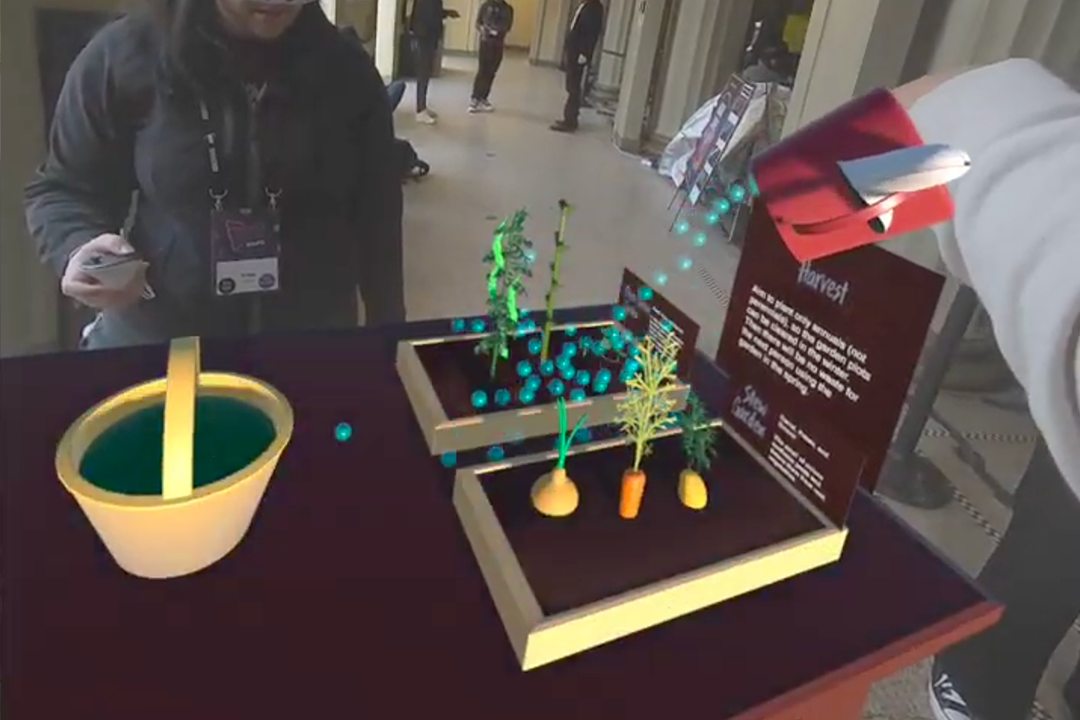
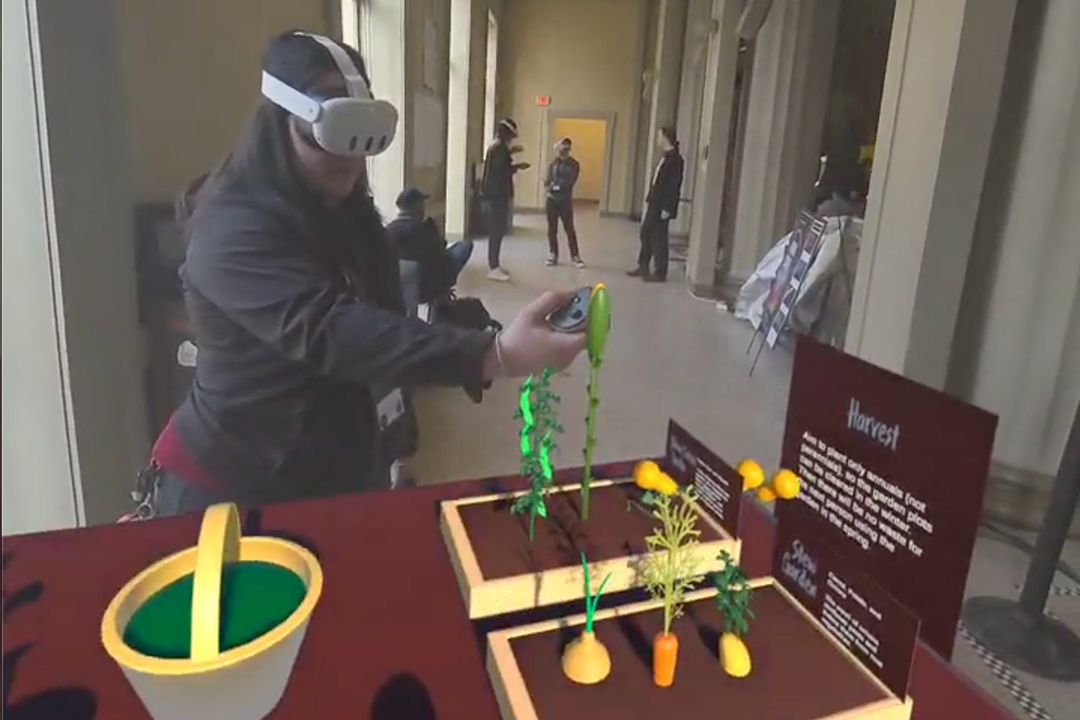
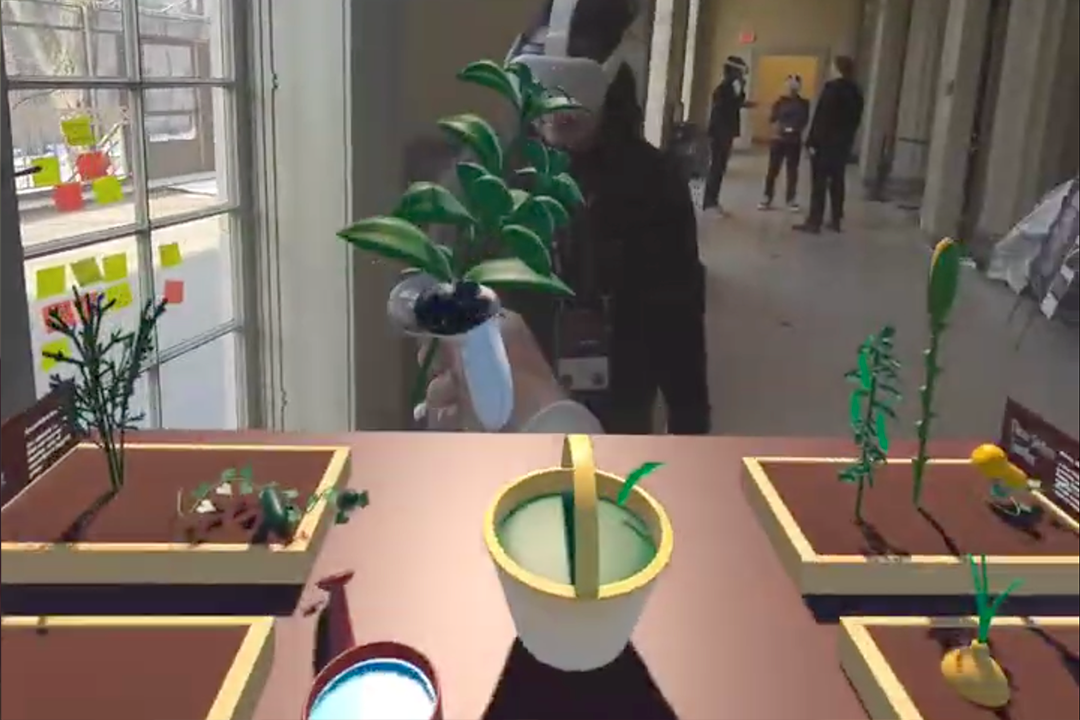
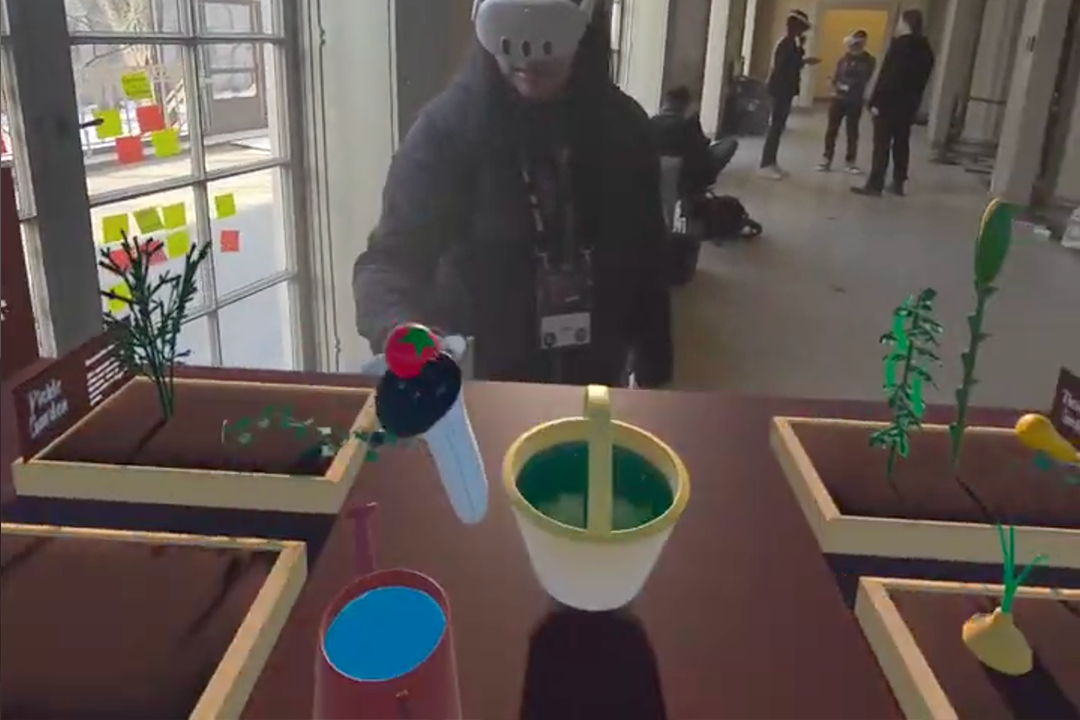
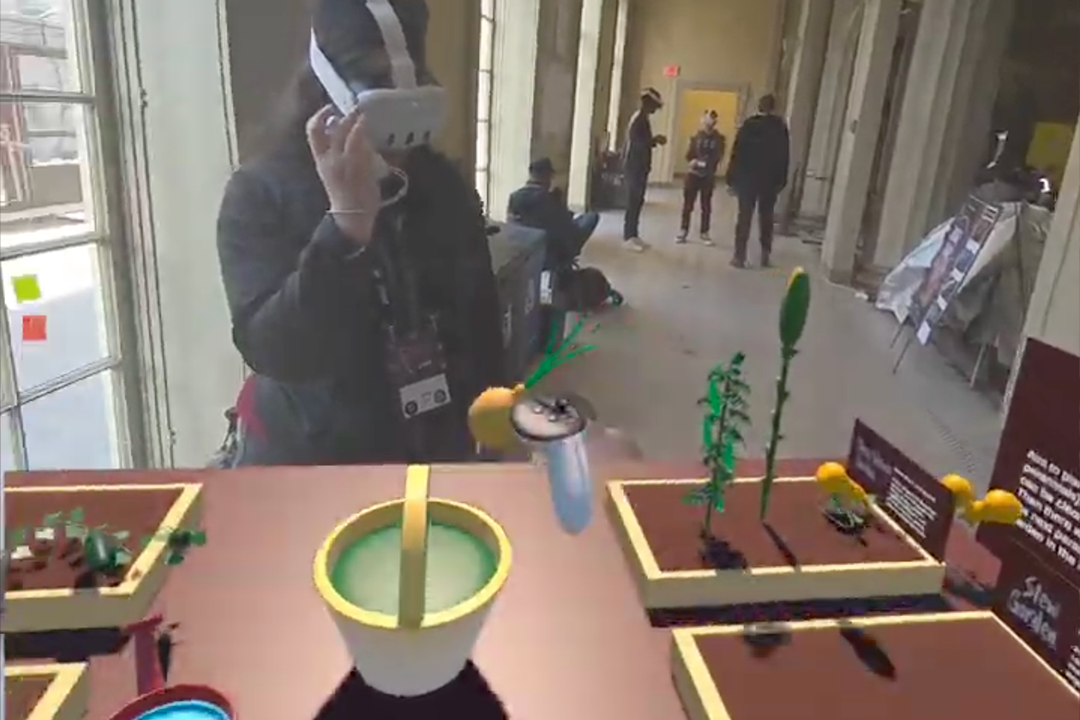
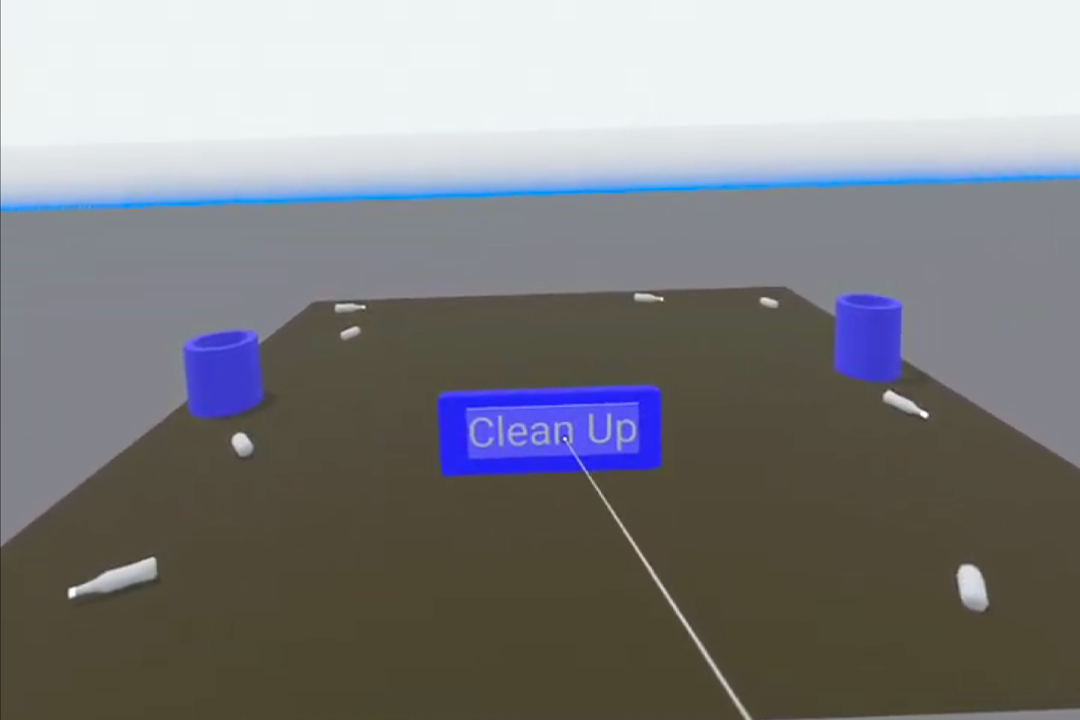
In the experience, players view a community garden on a tabletop in their mixed-reality environment. They experience the game together in the same space in real time. The players go through various stages to create and tend to their garden. First, they clean the area and recycle items found there. Then they plant seeds together in the garden beds. After planting, they will water plants and watch them grow from sprouts to fully-grown plants. Lastly, they will harvest the fruits they have grown together. At each stage, signs educate participants on sustainability and community garden best practices, empowering them to take their experience into the real world.
How we built it
The mixed-reality experience was built in Unity for the Meta Quest 3. We are using the multiplayer colocation feature for Meta Quest.
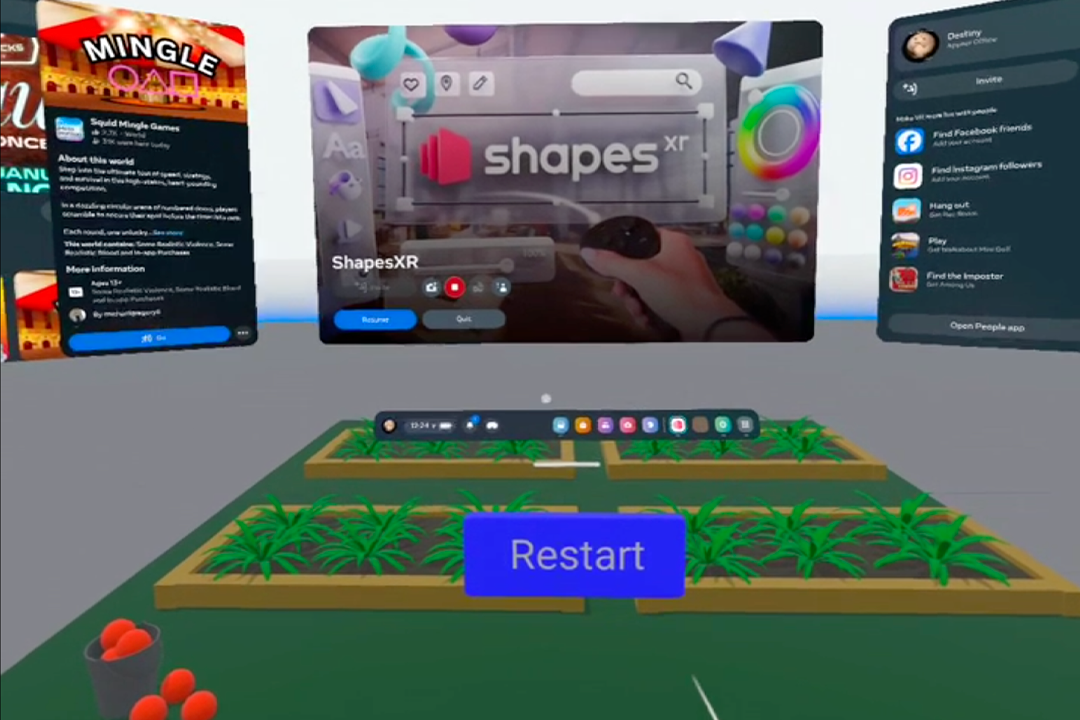
We used Shapes XR to create an early prototype of the experience that looked quite similar to our final product. This helped us visualize the in-game experience in XR before coding the full prototype.
Challenges we ran into
The main challenge we ran into was trying to get multiplayer and colocation to work. It was difficult to troubleshoot the spatial anchor for the project, and there were various stages along the way where we needed to troubleshoot that issue.
Accomplishments that we're proud of
Our garden includes 10 different types of plants, and we researched which companion plants to plant together in order to provide this information to participants. Our 3D artist created 24 fully original 3D models as assets for the experience and our developers set up each plant in Unity.
What we learned
We each learned technical skills for our particular fields of expertise. For example, our developers learned a lot about multiplayer networking and colocation. Our 3D artist learned about game implementation for 3d models, and our developers learned how to best implement those 3D models in the Unity project. Our designer learned how to troubleshoot UI text in Unity and how to package files for easy sharing.
We all learned how to effectively work together as a team, reaching consensus about the direction of our project, bouncing ideas off of one another, and sharing files and resources effectively.
What's next for The People's Garden
We envision this experience as a traveling educational initiative for schools, where students in classrooms could form small groups and gather around tables to learn about community gardening. We would have about 30 headsets to bring into the classroom. With enough support through grants and donations, we hope to have the capability to help fund and aid in the construction of these community gardens for schools that choose to participate in the future.
Built With
- adobe-after-effects
- adobe-creative-suite
- adobe-illustrator
- blender
- capcut
- colocation
- meta
- photon
- unity

Log in or sign up for Devpost to join the conversation.