-
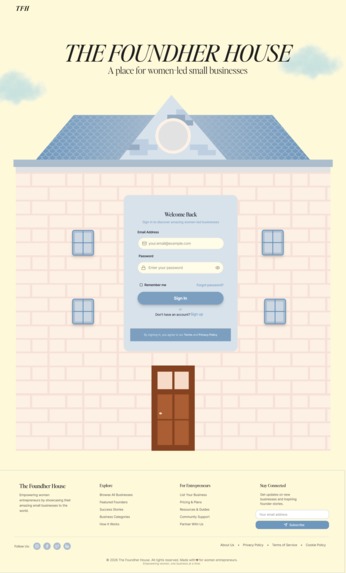
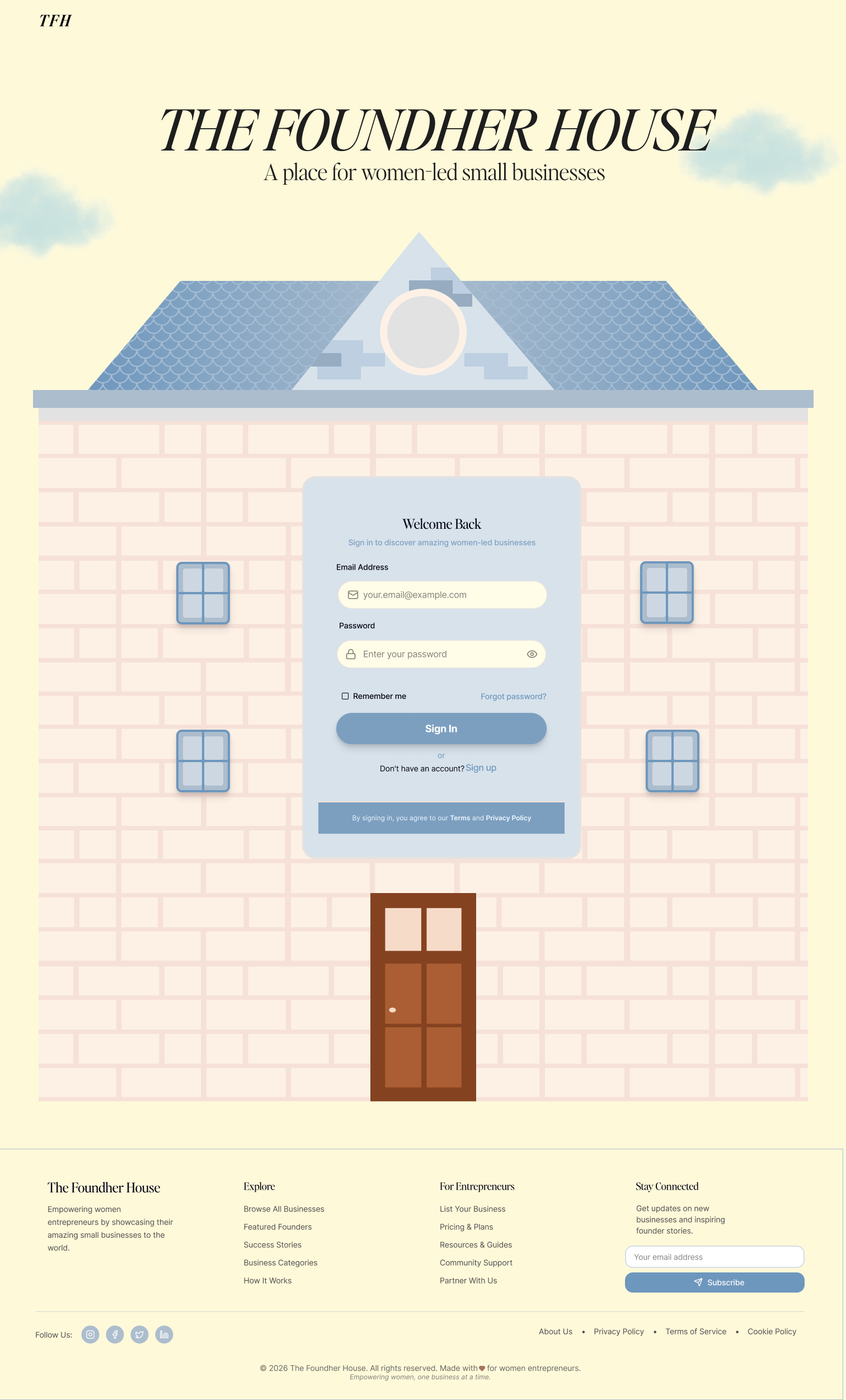
Log in Page
-
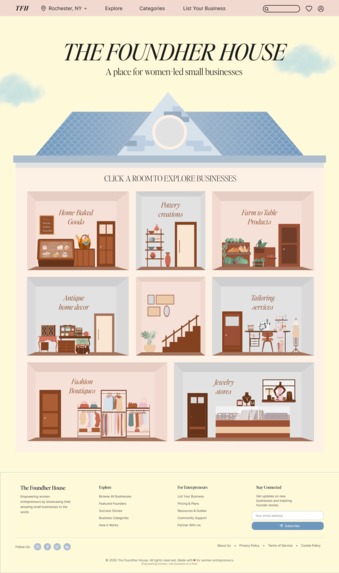
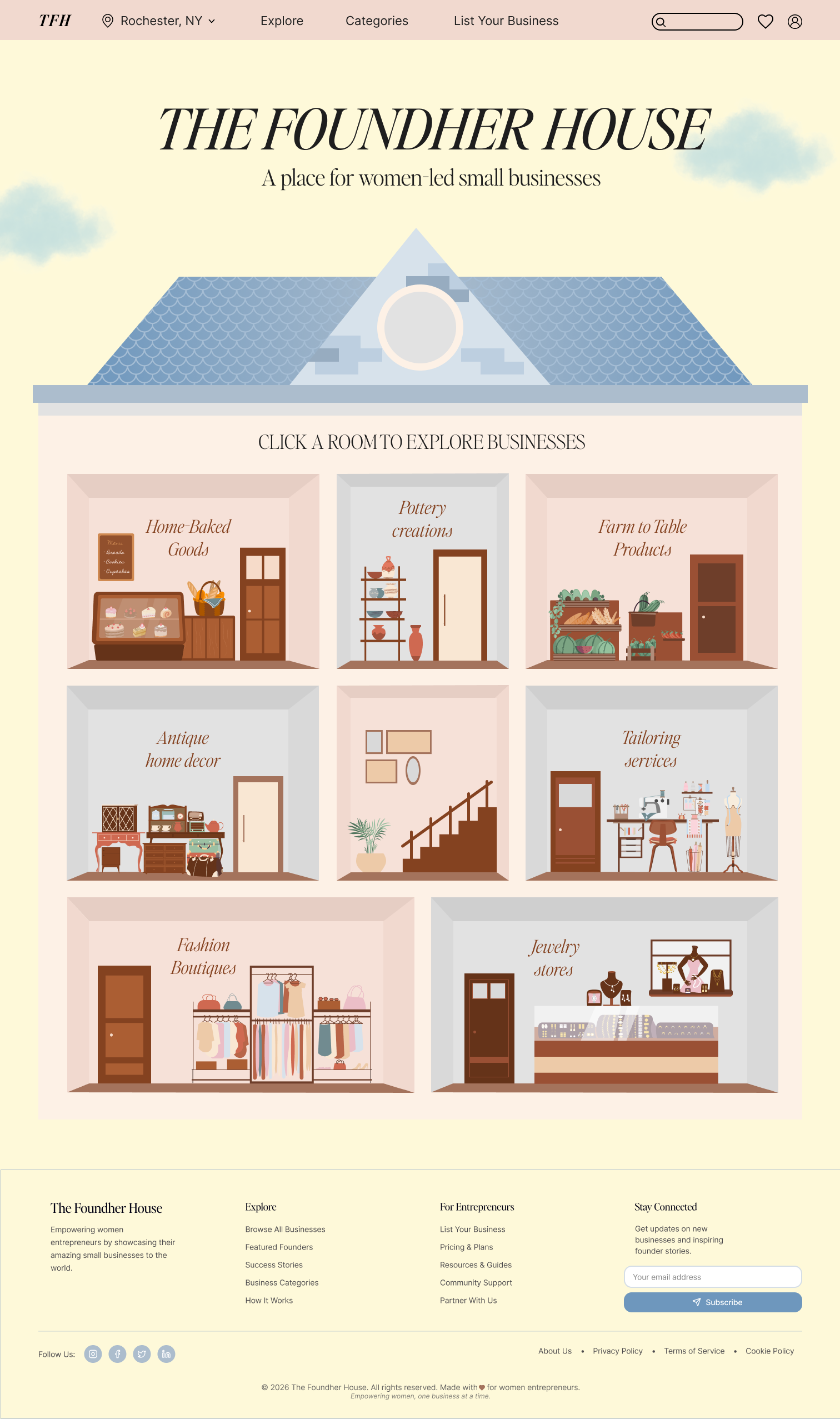
categories page
-
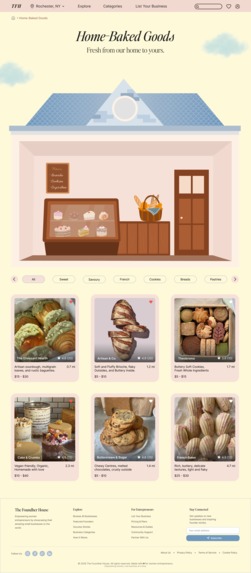
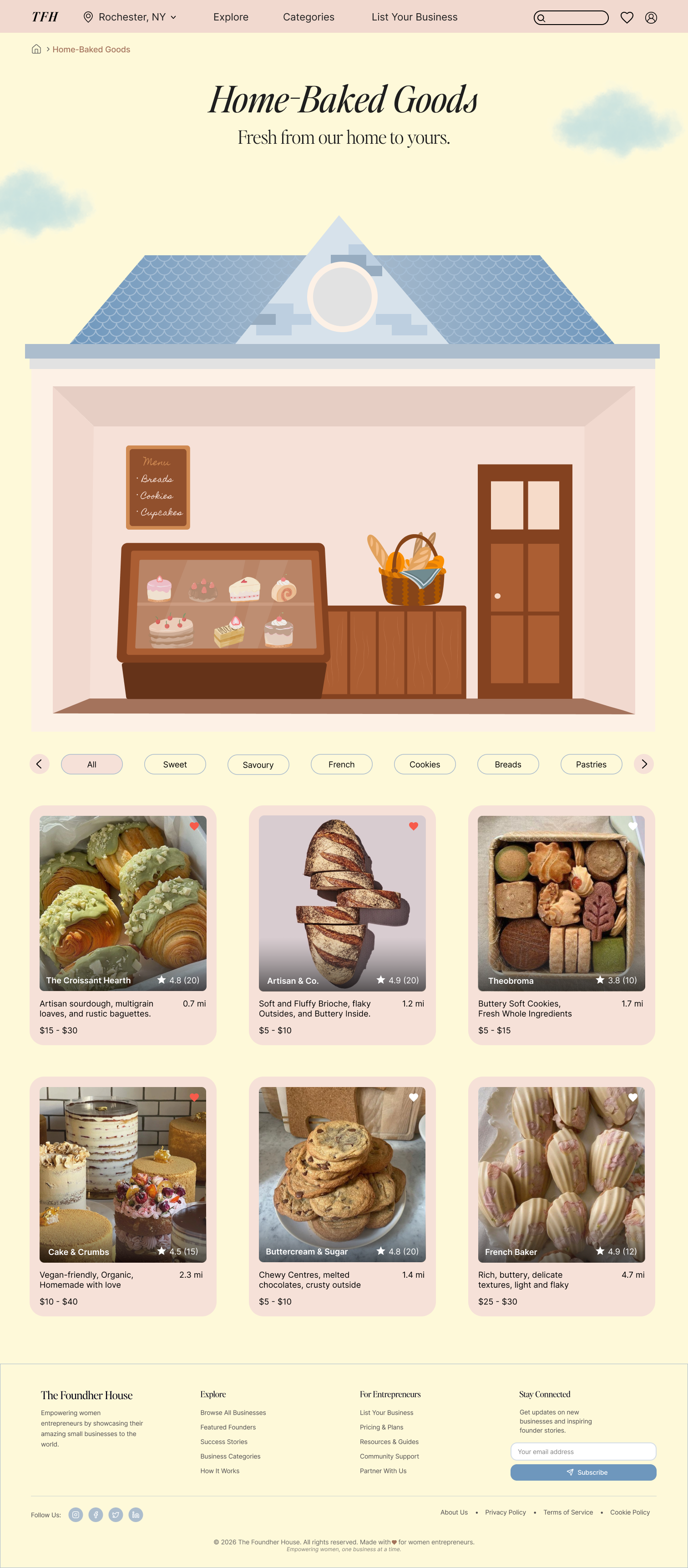
Businesses Page
-
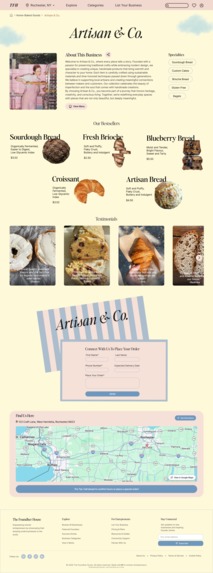
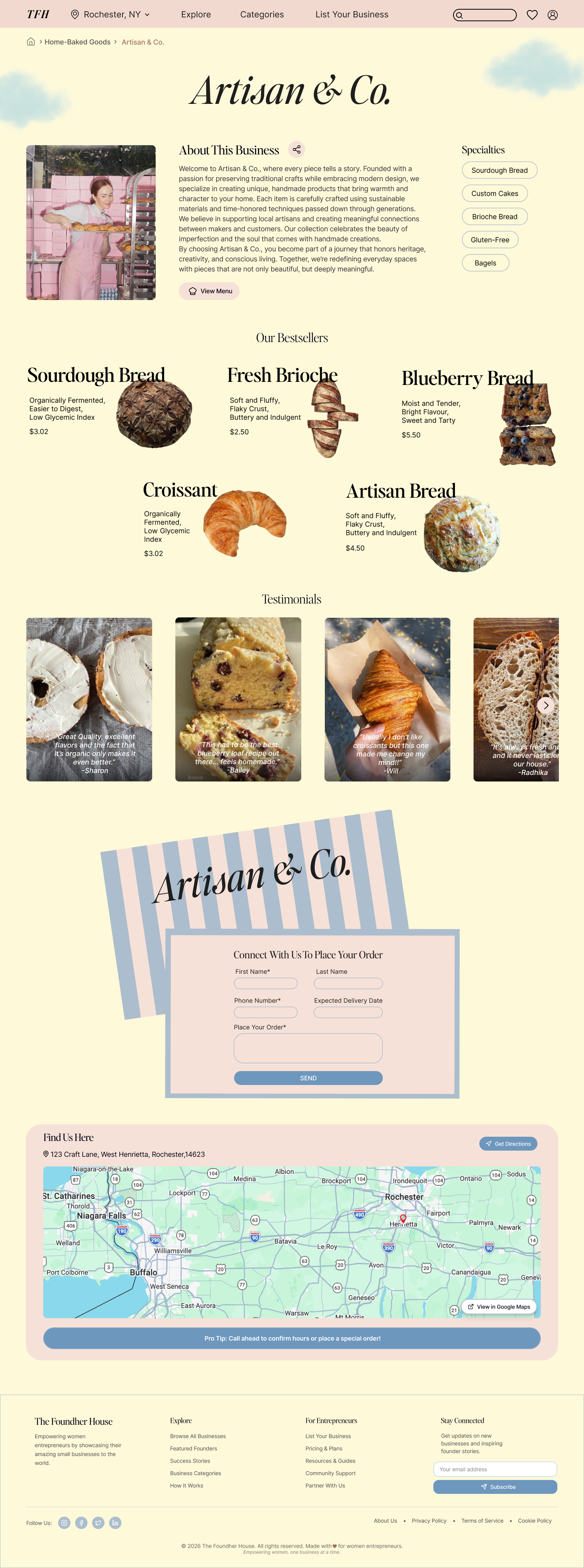
main business page
Inspiration
Today, we’re presenting a platform designed to support women who want to run small businesses from home. Many women have the skills, creativity, and motivation to start something of their own, but they often face barriers like limited access to resources, technology, marketing knowledge, or flexible work opportunities. Reports also note many women entrepreneurs use tools like WhatsApp and Facebook for business visibility and customer interaction, showing how digital platforms support reach and sales. While interest is strong, many women cite barriers like lack of funding, business ideas, or time as reasons they haven’t started a business yet indicating supportive tools can help convert interest into action. Research shows that many women start businesses for flexibility, autonomy, and control over their work schedules, factors especially relevant to home-based businesses. Interest in entrepreneurship among women is high, over half would consider starting a business soon but many face challenges launching and especially getting visibility with customers. Our platform helps meet this demand by offering a dedicated digital space where women can launch, showcase, and sell their work directly from home.”
What it does
Our interface uses a house with different rooms as business categories, visually emphasizing our mission to empower women running businesses from their homes.
Challenges we ran into
Since we’re designing for women-led home businesses, one challenge was making sure the design felt empowering and not limiting or stereotypical. For example, using a house as a UI metaphor had to feel symbolic of independence, not confinement.
How we built it
We started by identifying a real problem- many women want to run businesses from home but lack accessible digital tools and visibility. From there, we conducted background research on women entrepreneurship and home-based businesses to understand user needs. We then brainstormed features that would reduce barriers such as technical complexity and lack of reach. We sketched low-fidelity wireframes first, tested the clarity of the house-based layout, and iterated on the navigation to ensure it was intuitive. After refining the structure, we developed a high-fidelity UI prototype focused on simplicity, accessibility, and visual storytelling.
What's next for The FoundHer House
Our future recommendations include Beyond just selling, the platform also encourages community. Users can connect, share advice, and support one another, creating a network rather than just a marketplace.
Accomplishments that we're proud of
-Creating a unique house-inspired interface that clearly represents women-led, home-based businesses. -Designing a platform that feels simple and welcoming rather than overwhelming. -Keeping the focus on empowerment and economic independence instead of stereotypes. -Building a concept that combines marketplace functionality with community support.
What we learned
-Research strengthens design decisions, meaning the data gave our idea credibility. -Scope management is critical; not every feature needs to be built at once. We learned tis the hard way. -We also learned that impactful design is not just about aesthetics — it’s about solving real problems in meaningful ways.
Built With
- adobe-illustrator
- canva
- claude
- figma


Log in or sign up for Devpost to join the conversation.