Inspiration
Inspired by a digital nomad circumnavigating the globe in a Tesla, who ingeniously integrated digital assets with physical transportation, I was ignited with a desire for transformation. This inspiration led me to venture into the fields of green energy and payments, contributing to environmental causes.
The rise of electric vehicles (EVs) has brought about a revolution in transportation and environmental sustainability. However, payment methods face challenges with the emergence of web3 technology. To address this challenge, we have introduced an innovative dApp that not only disrupts traditional payment methods but also creates new opportunities for environmental and digital payments.
Our application innovates in the web3 space, providing a new experience for payments in the EV charging domain. It is not just a payment tool but a challenge to traditional payment methods, paving the way for environmental sustainability and digitized payments.
What it does
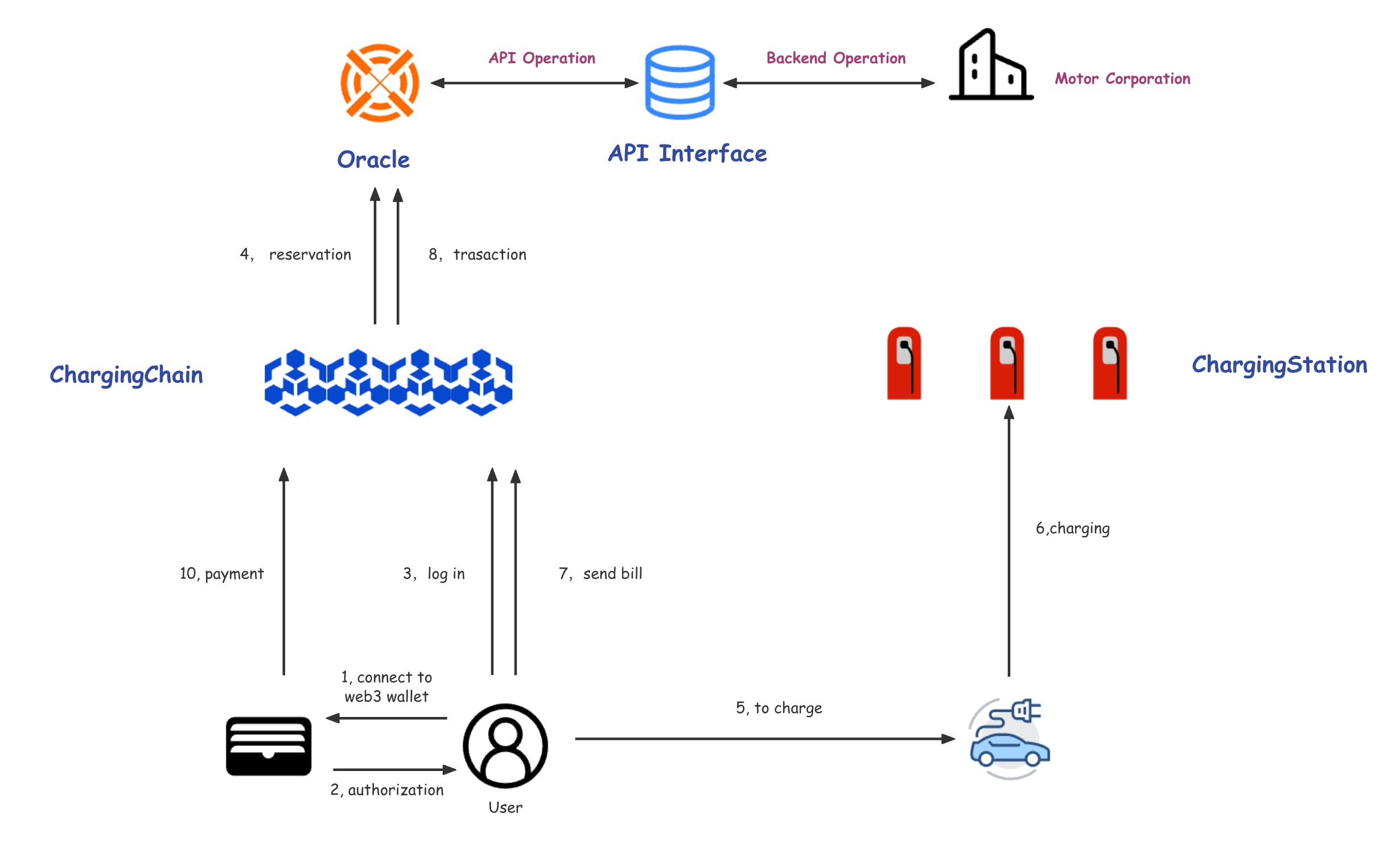
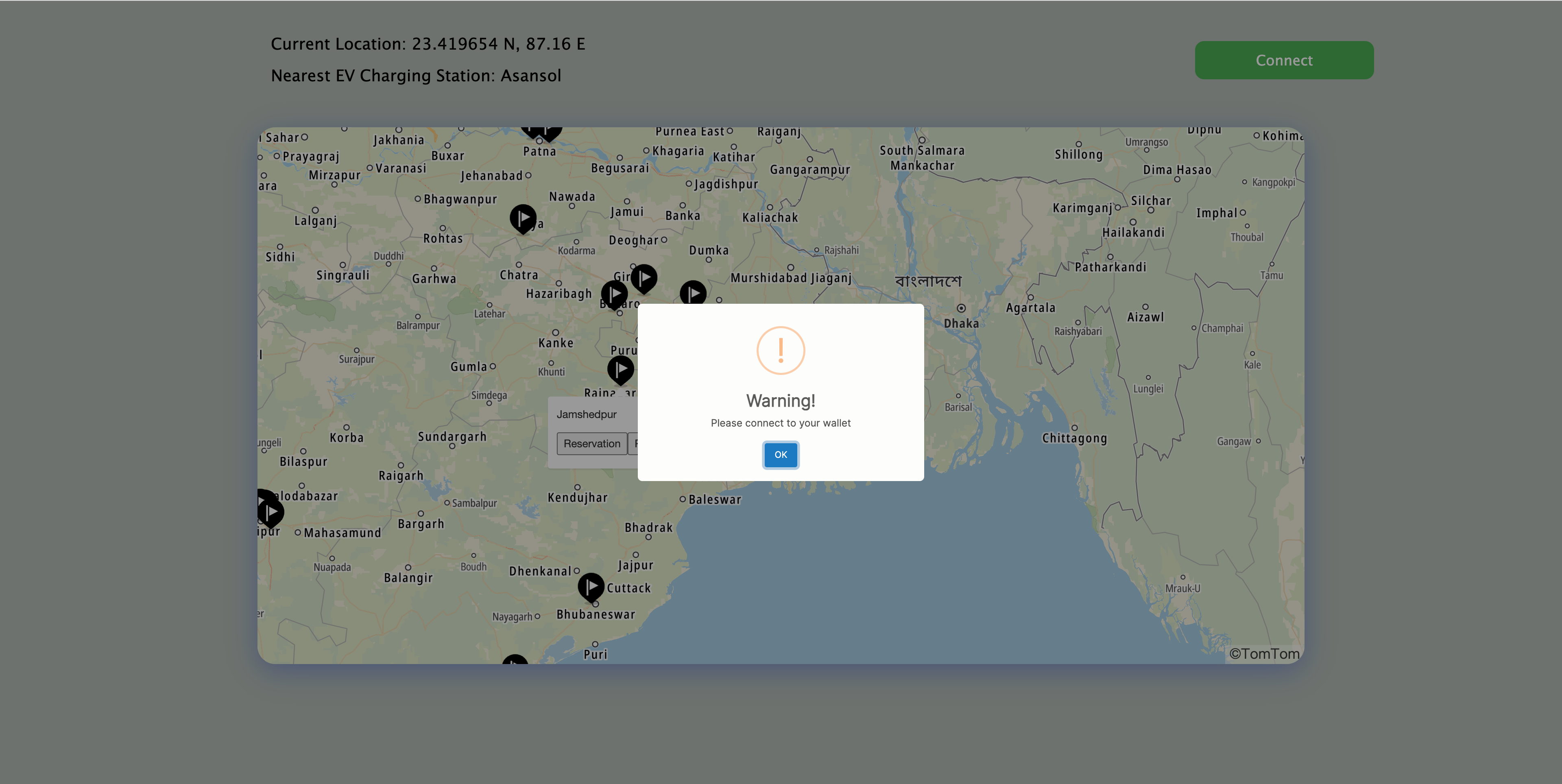
When users interact with the platform, they first log in and complete identity authorization through a Web3 wallet to ensure that only authorized users can access and use the features, ensuring identity security. Through Web3 technology, identity verification is more secure and reliable, and decentralized identity management reduces dependence on centralized verification authorities.
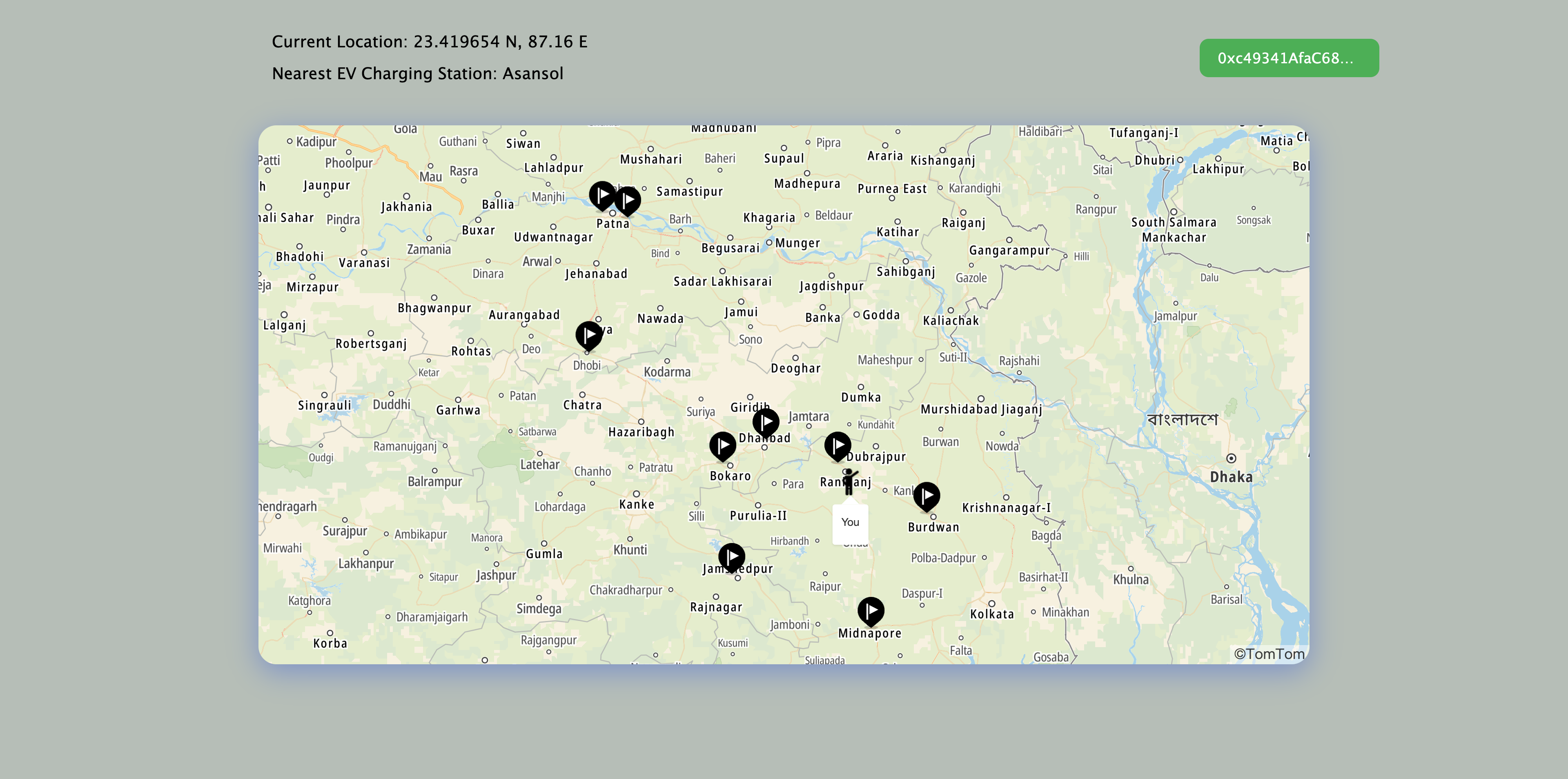
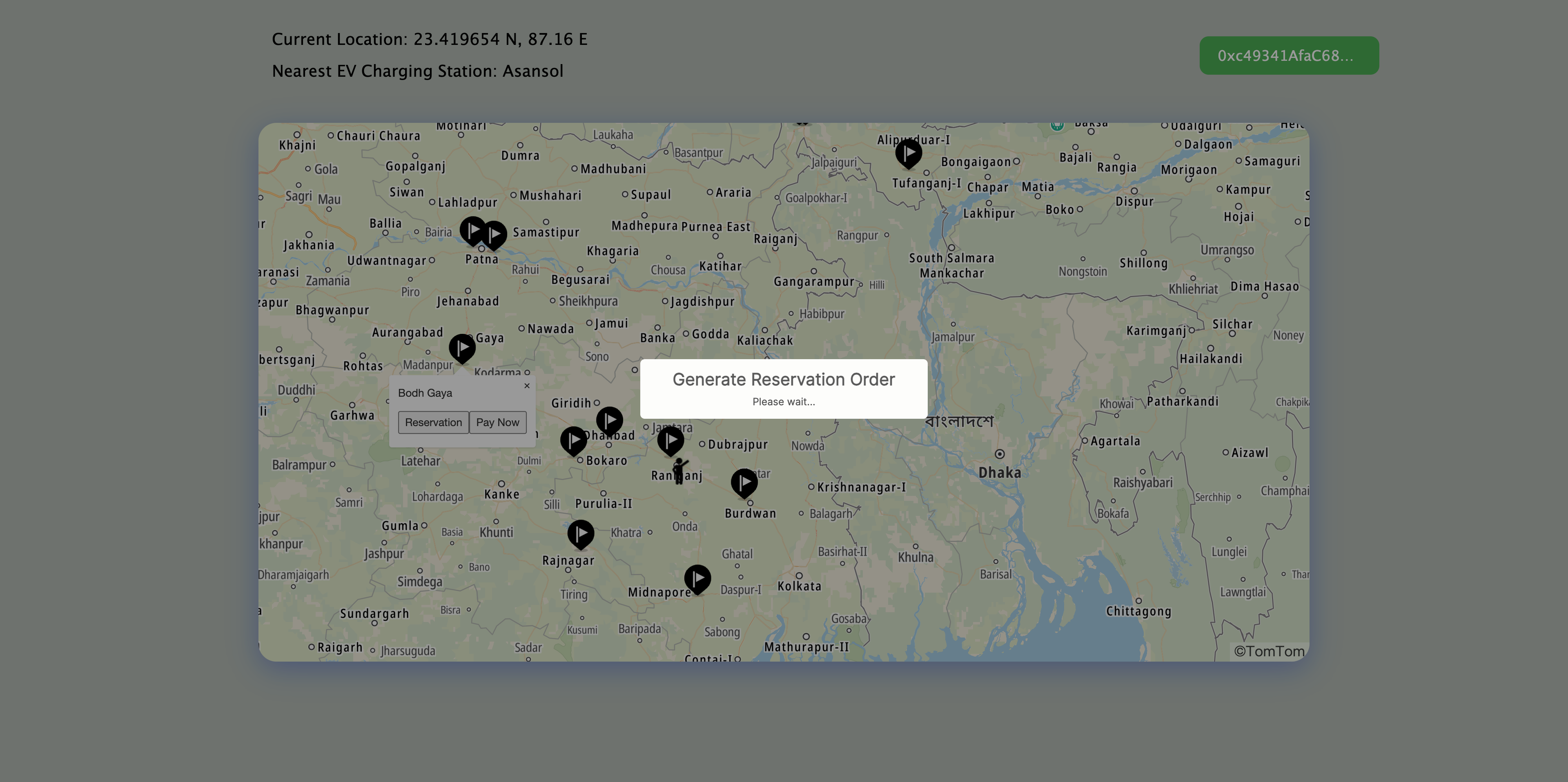
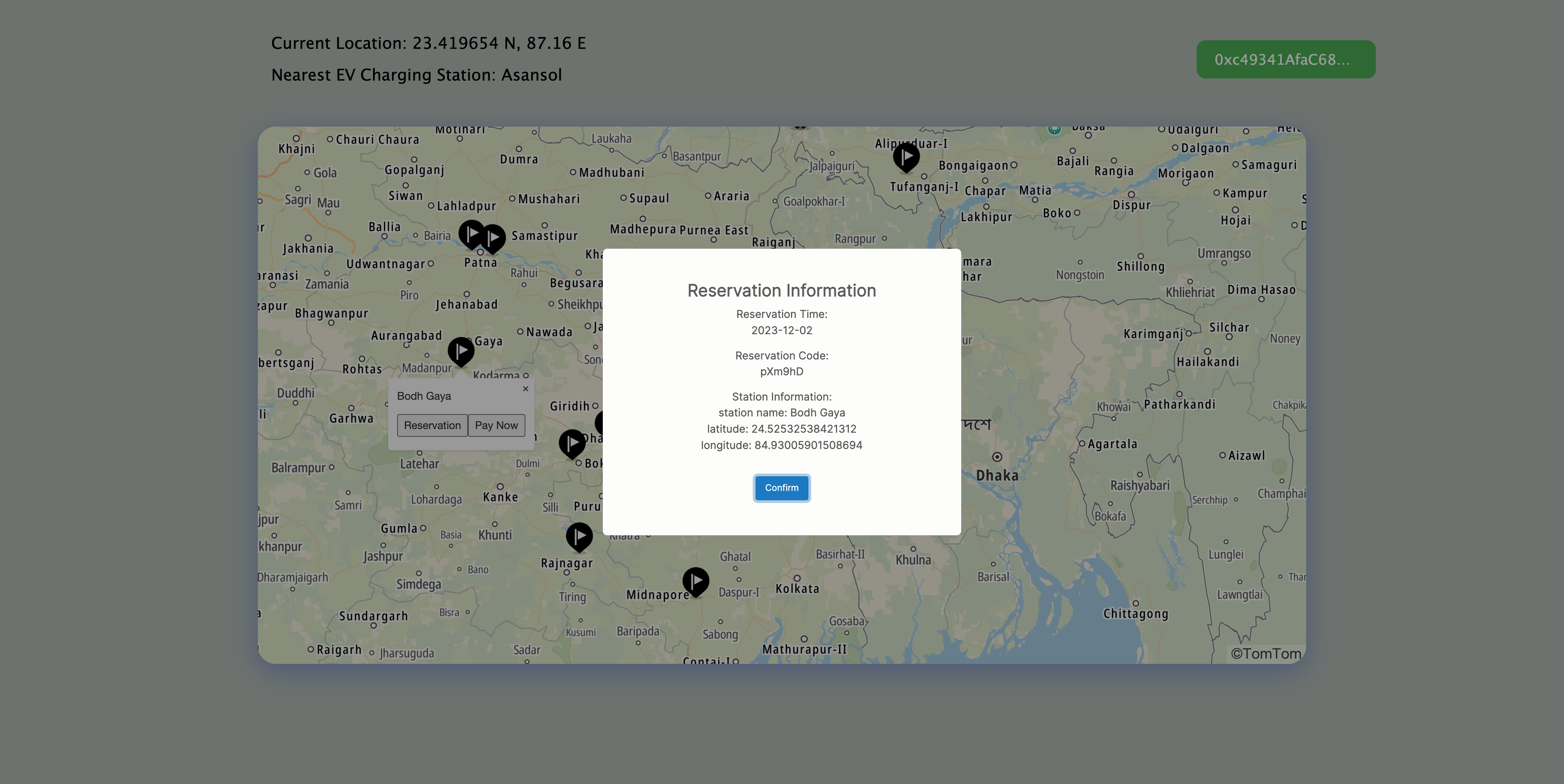
After successful login, users can easily view information about nearby charging stations, enhancing the experience with intelligence and efficiency through Web3 integration. Users can reserve a suitable charging station, and they don't need to be online all the time, making the experience more convenient and flexible.
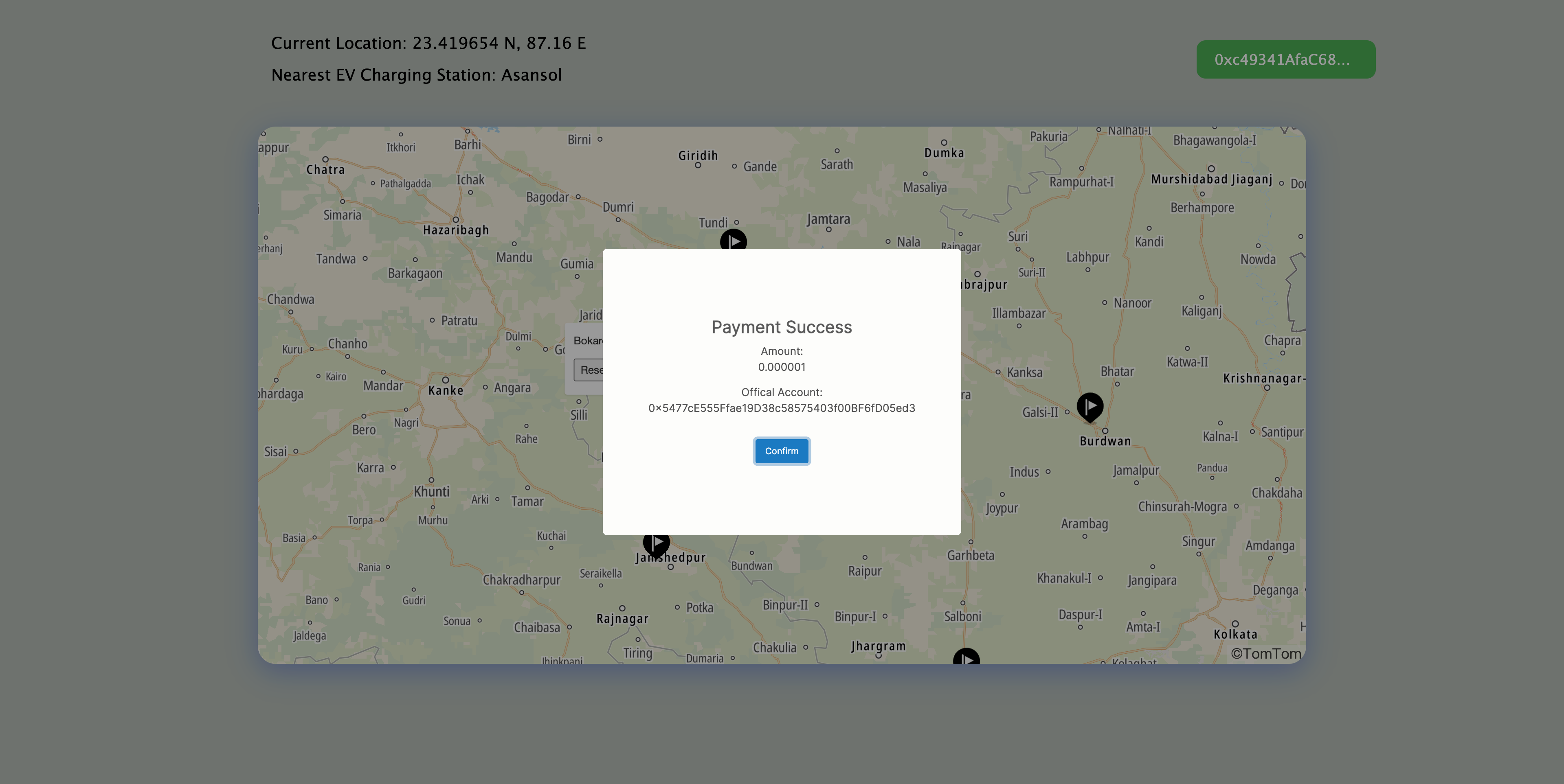
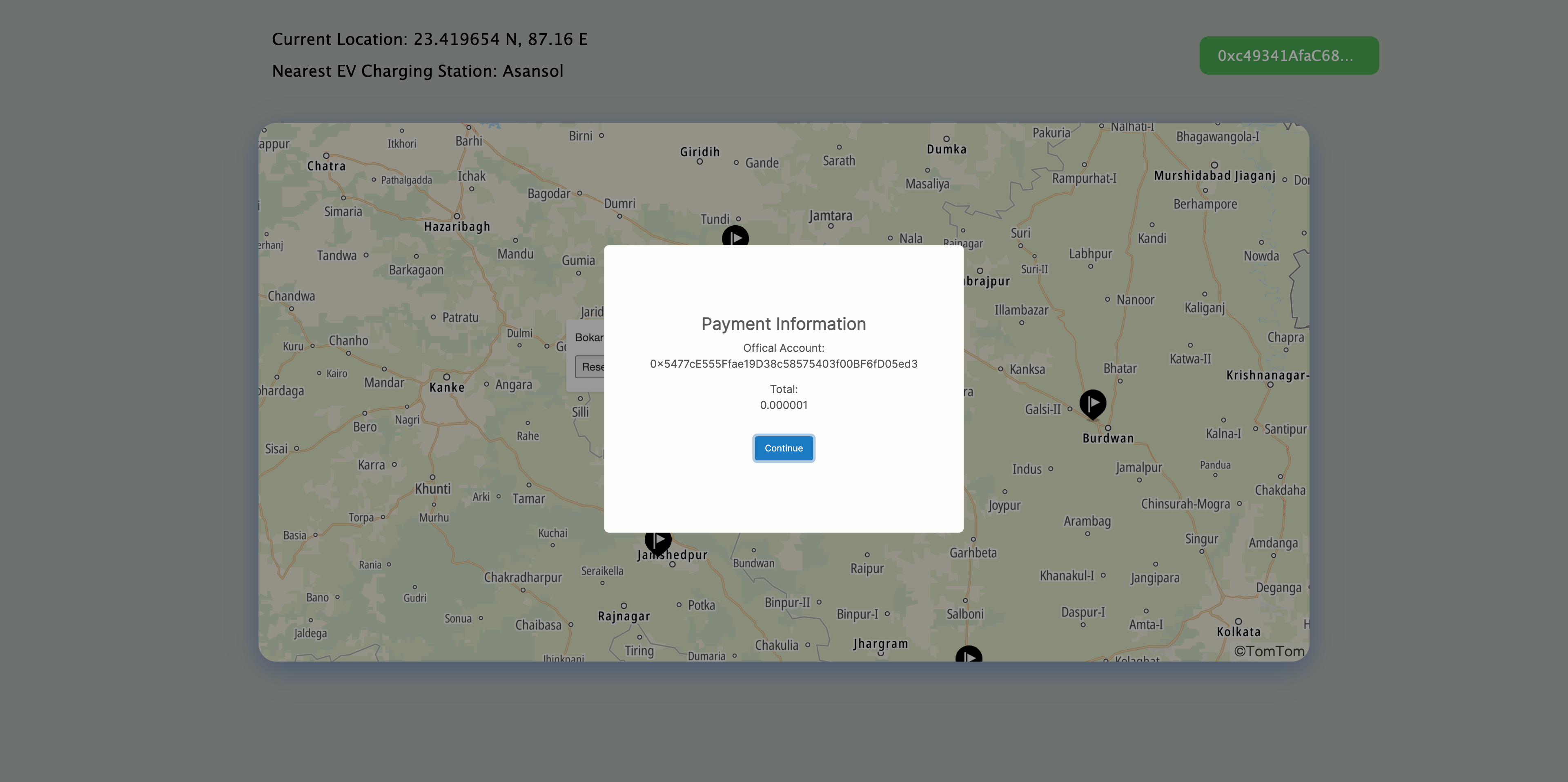
After charging is complete, users can immediately make payments with cryptocurrency without waiting for a bill, improving the convenience of the payment process. The entire process demonstrates the role of Web3 technology in the field of EV charging, providing users with a secure, efficient, convenient, and intelligent service experience.
How we built it
We are developing the project on the Sepolia testnet. The front end uses the TomTom SDK to achieve precise map positioning and interacts efficiently with smart contracts through the web3.js library, providing users with a smooth experience. The backend is developed using Hardhat, combined with Chainlink's Functions service to call off-chain data, comprehensively improving the overall efficiency of the project. This comprehensive development architecture not only makes the map display more accurate but also ensures smooth communication with smart contracts, laying a solid foundation for our project.
Challenges we ran into
During the development of the project, we faced some challenges, including issues such as failure to detect contract events due to different protocols and versions, problems building transaction objects when calling smart contract methods, and strange logs caused by the continuous opening of the RPC channel. Through the team's unremitting efforts, we have successfully overcome these challenges. Through in-depth research and systematic adjustments, we have ensured the smooth progress of the project. Overcoming these challenges further strengthened our confidence in the success of the project. We also faced another challenge, obtaining API return data using the Chainlink service. For different data structures, the implementation details of sending requests and callback functions vary, and we are carefully handling this challenge to ensure the smooth progress of the project.
Accomplishments that we're proud of
After successfully deploying the project to the testnet, we faced the challenge of obtaining the Link tokens required by the Chainlink oracle contract, and we successfully overcame this issue. At the same time, we successfully implemented the transfer of callback data from the Functions service to the front end. Although there may be some troubles in compatibility between different providers and web3 versions, we successfully overcame these challenges, ensuring that the data responds smoothly to the front end. What we are most proud of is that we successfully marked on the map, added reservation and payment functions, and achieved smooth interaction with the blockchain.
What we learned
In the project, I practiced the development process of dApps, mastered the skills of using the TomTom SDK for front-end map positioning, and interacted smoothly with smart contracts through web3.js. At the same time, I successfully used the Chainlink service, especially the Functions service, to call off-chain data, providing the project with richer and more practical information. In this process, I cleverly combined Web2 and Web3 data to create a more intelligent and convenient application experience for users.
What's next for EVChargingDapp
We plan to optimize the SDK for the map to ensure a quick response. In terms of charging payments, we are considering providing users with points or increasing their carbon accounts to increase people's willingness to take environmentally friendly trips. At the same time, we will further cooperate with Tesla to provide real-time data support for charging stations. Ultimately, our goal is to create a comprehensive environmental protection chain, not only including new energy charging but also covering more environmentally friendly actions to increase people's awareness of environmental protection.
Built With
- chainlink
- hardhat
- node.js
- solidity
- tomtom-map-toolkit
- web3.js


Log in or sign up for Devpost to join the conversation.