-
-
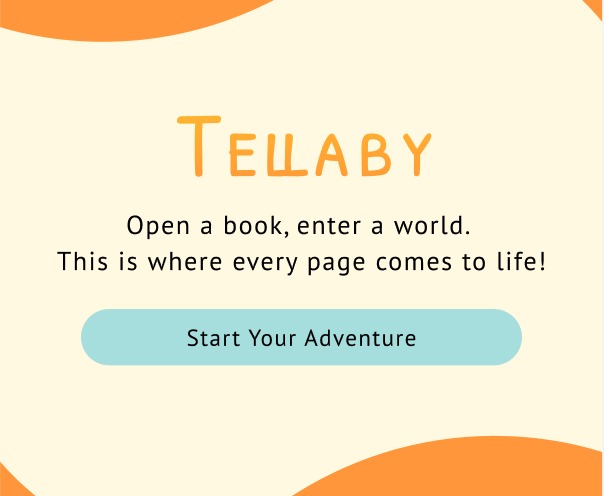
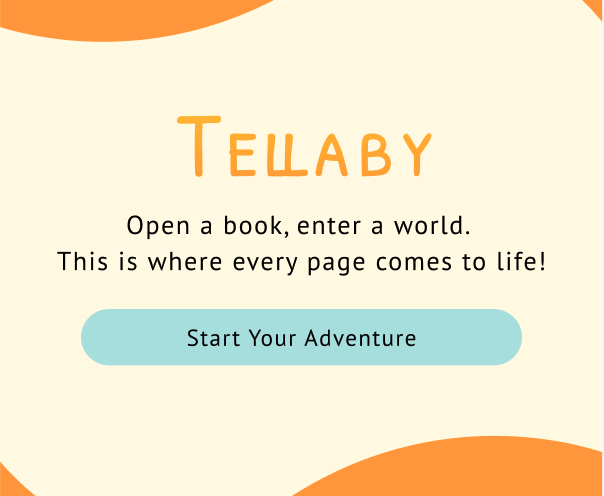
landing page
-
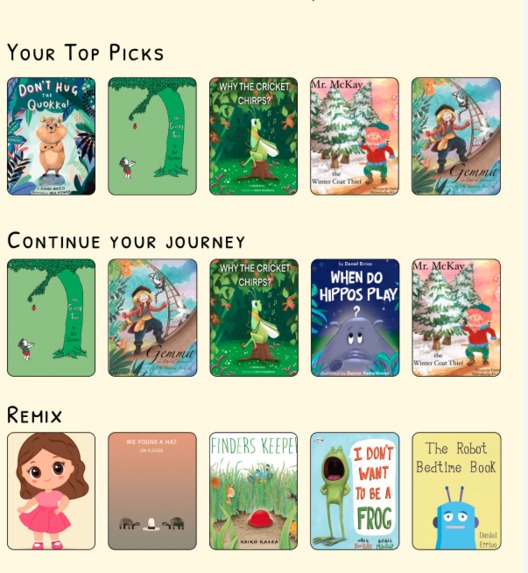
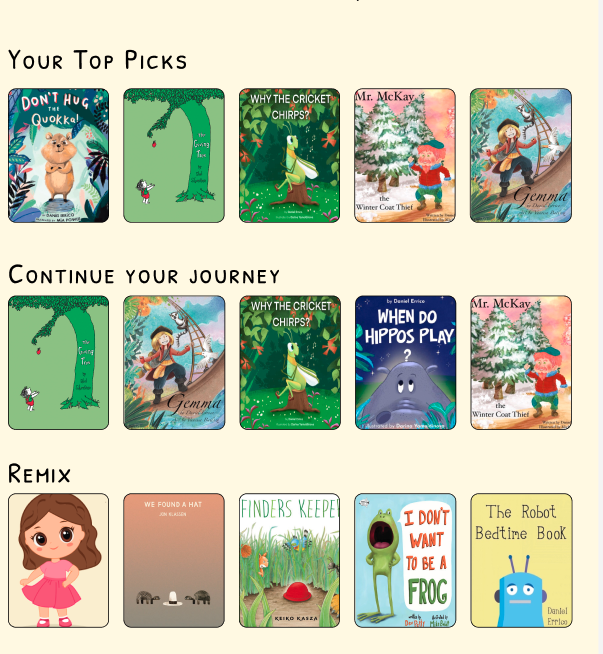
library
-
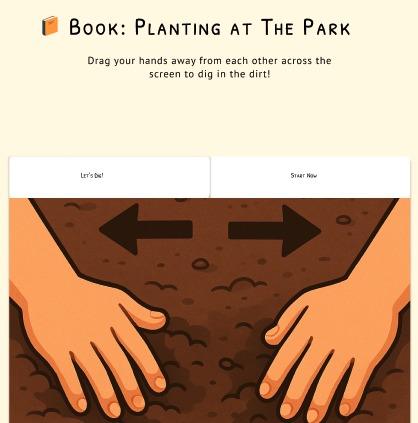
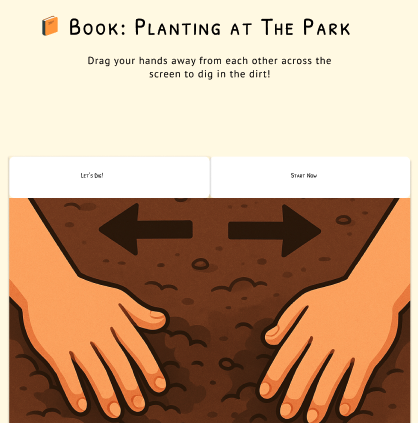
book page 1
-
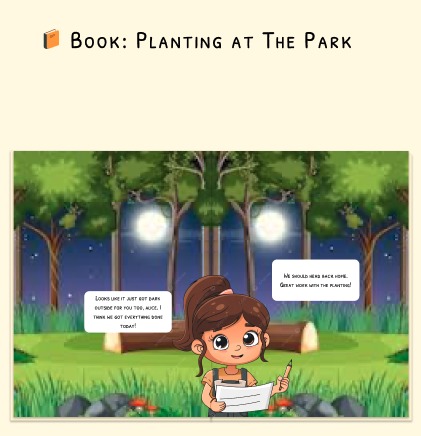
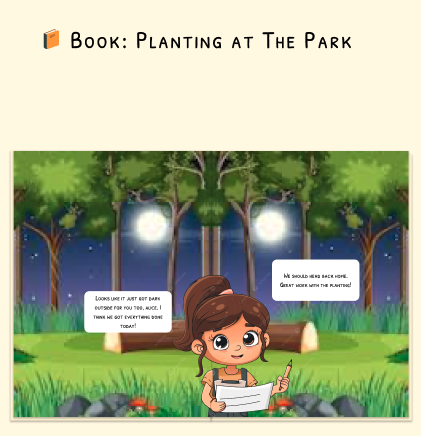
book page 2
Inspiration
Tellaby was designed to reimagine how children experience storytelling in the digital age—bringing back the tactile, emotional, and imaginative elements of reading through a sensory-rich, interactive app. Grounded in early childhood development principles, our goal was to create a product that feels as enjoyable and meaningful as a well-loved storybook while delivering the engagement of modern digital interaction.
Why we built it
As children spend increasing amounts of time on screens, they’re often exposed to fast-paced, passive content that offers little enrichment. This has led to declining vocabulary development, weakened reading comprehension, and shorter attention spans. Traditional books, creative play, and hands-on learning have been left behind.
We saw an opportunity to design a solution that solves these problems—combining the benefits of reading with the sensory stimulation and interactivity of touch-based digital platforms.
What it does
We built a prototype of Tellaby, a storytelling app for children aged 3–8 that transforms familiar, tactile experiences—like pop-up books, coloring pages, peekaboo, and puppet shows—into delightful, meaningful digital interactions.
Core features include:
- Touch-driven storytelling: Kids swipe, rub, tap, and shake to progress stories, reveal surprises, or interact with characters
- Blow-to-play mechanics: Stories respond to breath (via microphone) to move clouds, blow kisses, or trigger magical effects
- Color-to-unlock paths: Children color in scenes, influencing outcomes based on their creative choices
- Emotion-based interaction: Kids drag emotion “blobs” onto characters to shift their behavior and the narrative’s tone
- Dual Play Mode: Two users must collaborate—tapping, shaking, or interacting simultaneously—to progress through key story moments
- Sensory feedback: Gentle vibrations for rain, pulsing lights for tension, responsive audio for actions and environments
How we built it
We approached our design process through a child-centered, play-driven UX lens. Our steps included Research + User Personas: We researched the benefits of interactive storytelling and children’s problems and pain points in reading. Creating user personas helped us better understand our target audience of children and parents who want to improve reading skills with digital interactivity.
- Prototyping + iteration: We prototyped core interactions in Figma and ensured that each mechanic contributed to both fun and learning.
- Designing for emotional resonance: We prioritized soft, calming visuals and story pacing to foster focus and reduce overstimulation—creating a space that feels safe, human, and emotionally expressive
Challenges we ran into
- Flow of animations in Figma prototype, many stacked layers
- Limiting scope
Accomplishments that we're proud of
- Ideated and designed a UI mockup for MVP
- Detailed core functionality and UX
What we learned
- Chi - Gained insight into early childhood literacy, learned to benchmark UI with moodboards, and recognized the importance of prioritizing core features in short-term projects.
- Salia - Explored how to design engaging experiences for young users and learned to translate research insights into practical UI decisions.
- Leila - Learned how to design an engaging interface for children and think outside the box of turning tangible experiences into new, digital ones.
- Subha - Learned sensory story telling process; demonstrated that meaningful interaction can be possible with basic tools; learned to combine multiple interactions into one single frame
What the results are
Tellaby is not just an app—it’s a sensory playground where storytelling becomes something children feel, shape, and share. It encourages children to slow down, focus, imagine, and engage in early reading in a way that’s immersive, joyful, and emotionally meaningful.
By digitizing the most cherished elements of childhood play and storytime, Tellaby reflects the challenge theme of "Digitizing Tangible Experiences" while redefining what meaningful interaction can look like for the next generation.
What's next for Tellaby
- Refine UI mockups with more detailed, accessible design elements
- Build a functional MVP prototype for user testing
- Add advanced features such as: ambient feeling and mood setup, personalized story customization tools, reading level adjustments, emotional reflection journals, and haptic feedback for sensory engagement
Built With
- adobe-illustrator
- figma

Log in or sign up for Devpost to join the conversation.