-
-
VR Mode
-
VR Mode
-
VR Mode
-
VR Mode
-
AR Mode
-
AR Mode
-
AR Mode
INSPIRATION
Tarot was inspired by this year’s hackathon theme, “dreams.” While the theme focused on human dreams in relation to AI and emerging tools, we took the concept one step further and explored dreams of the future.
Fortune telling, an age-old practice centred around interpreting possibilities and unseen paths, became the perfect starting point. Naturally, the tarot card became the solution: symbolic, visual, and deeply connected to the idea of predicting what lies ahead.
WHAT IT DOES
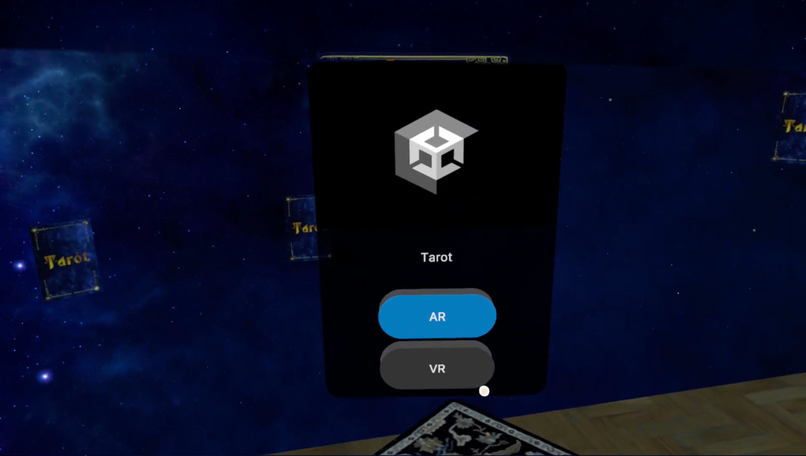
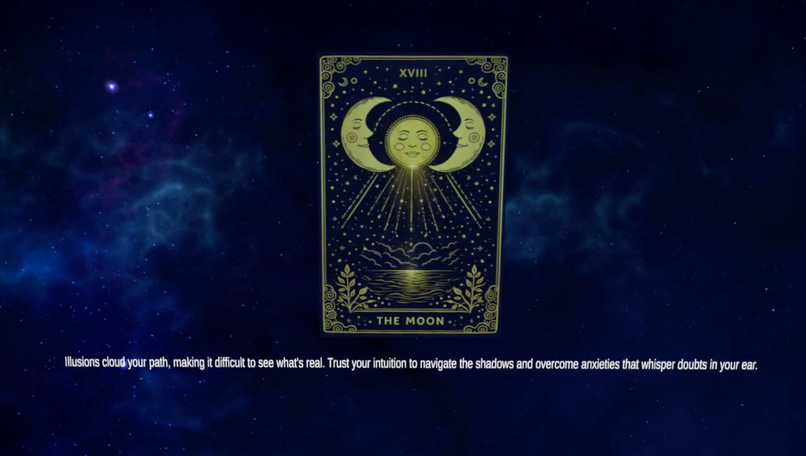
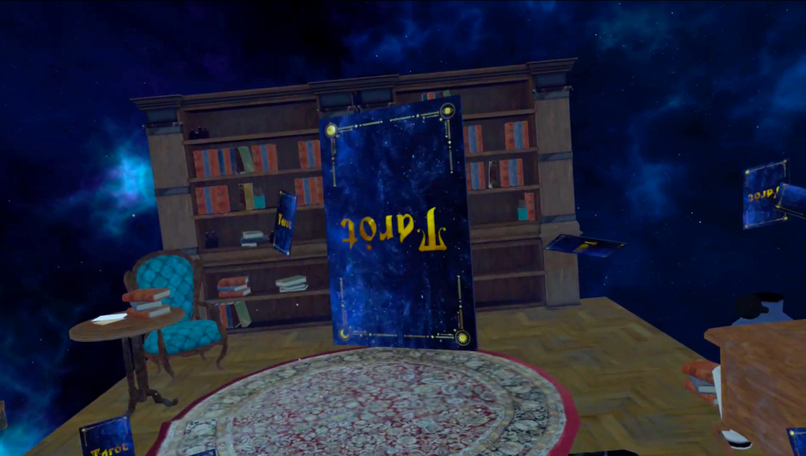
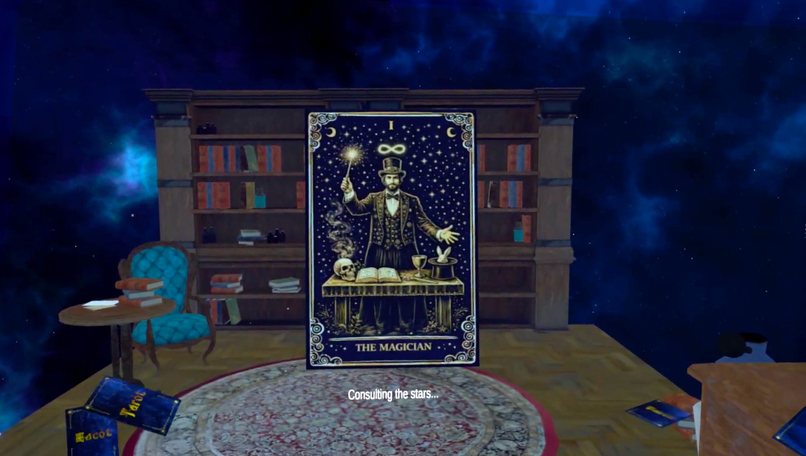
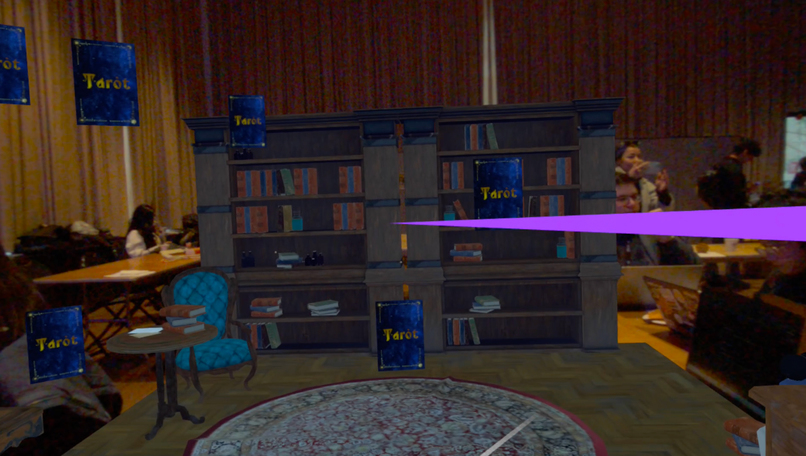
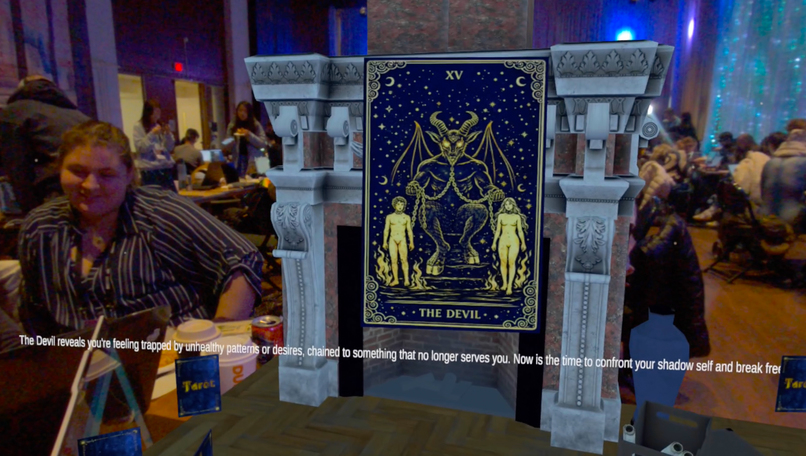
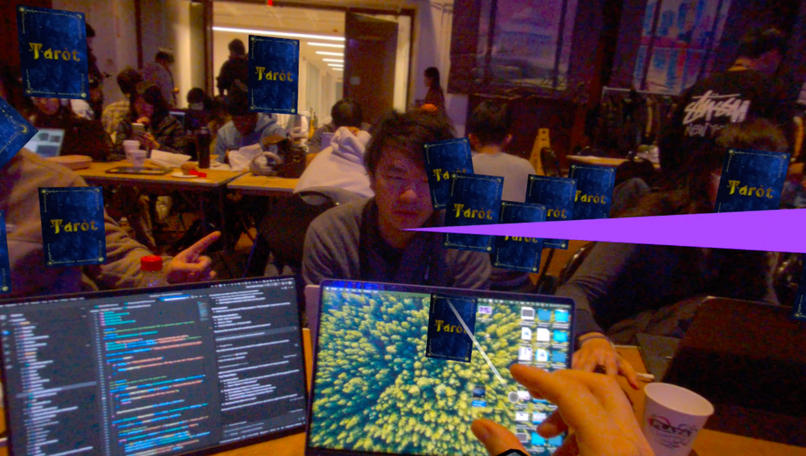
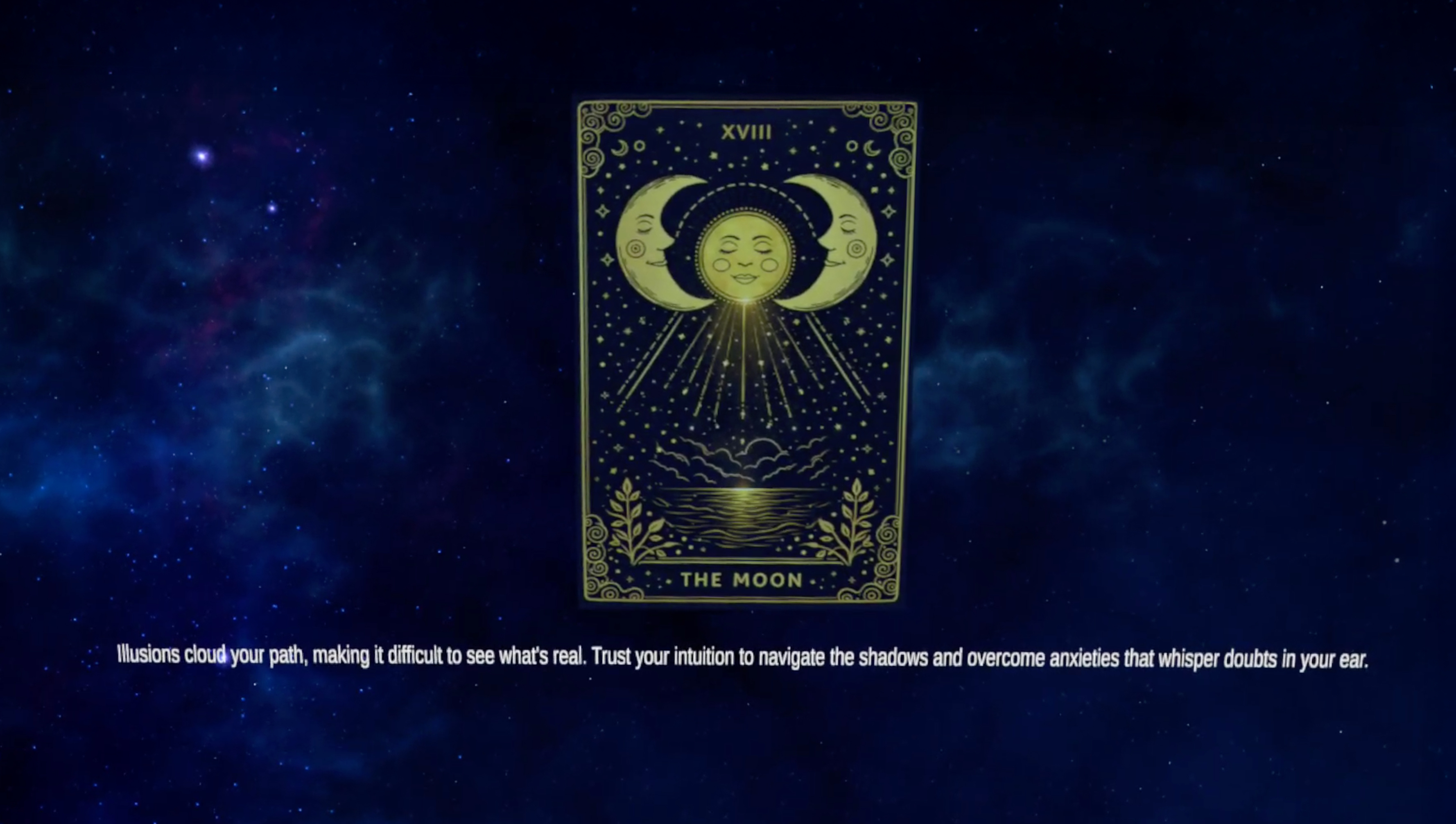
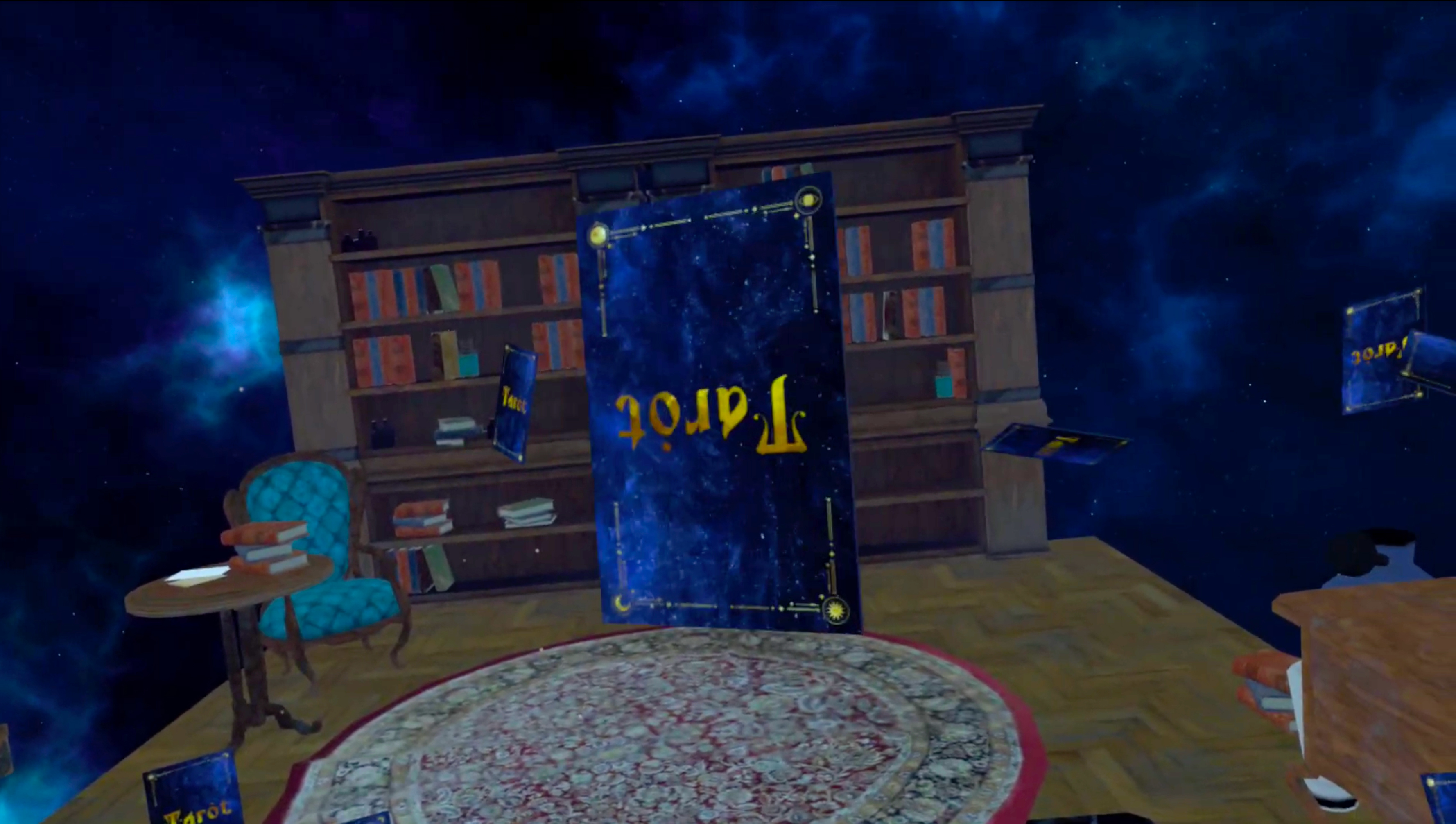
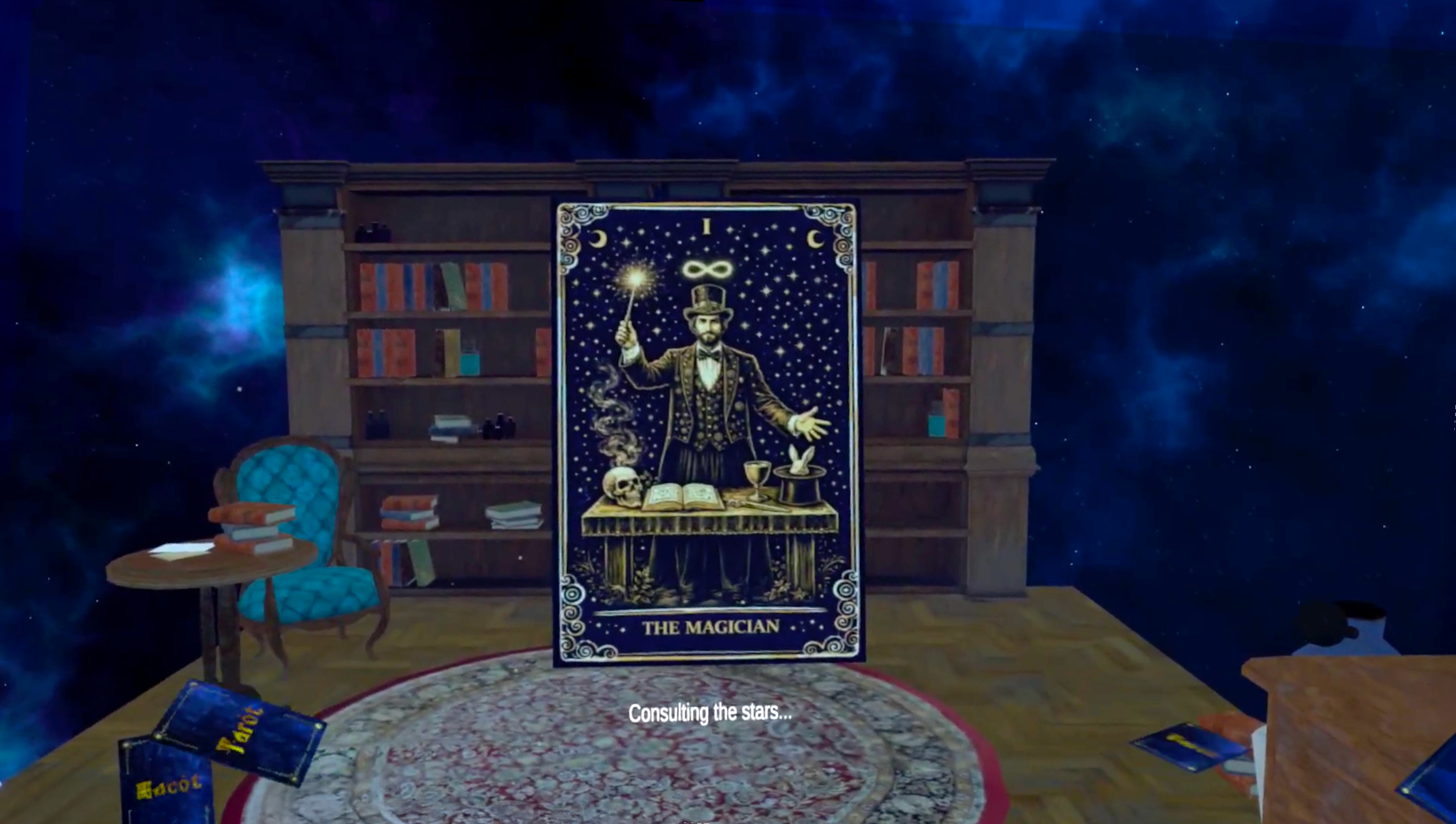
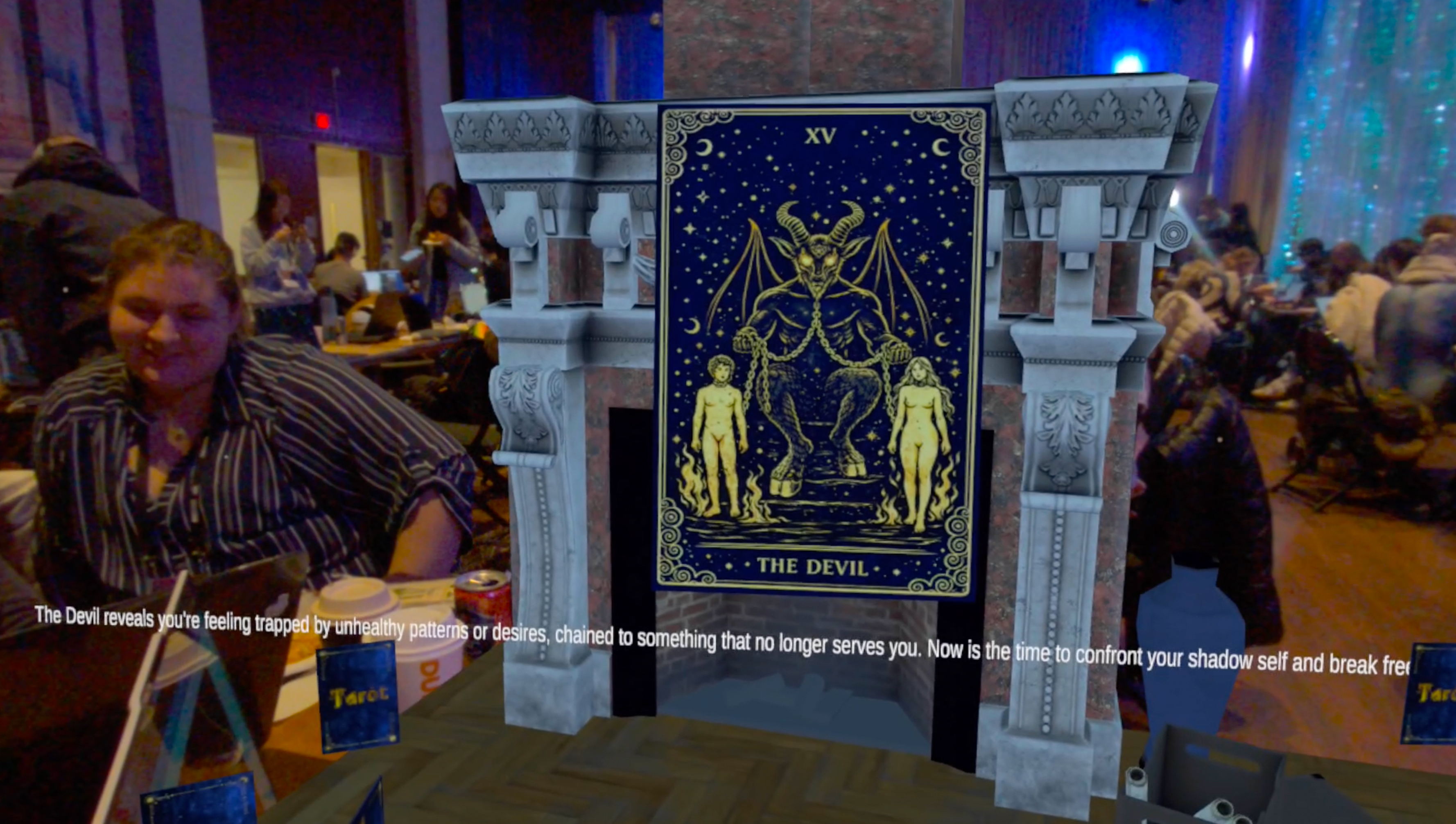
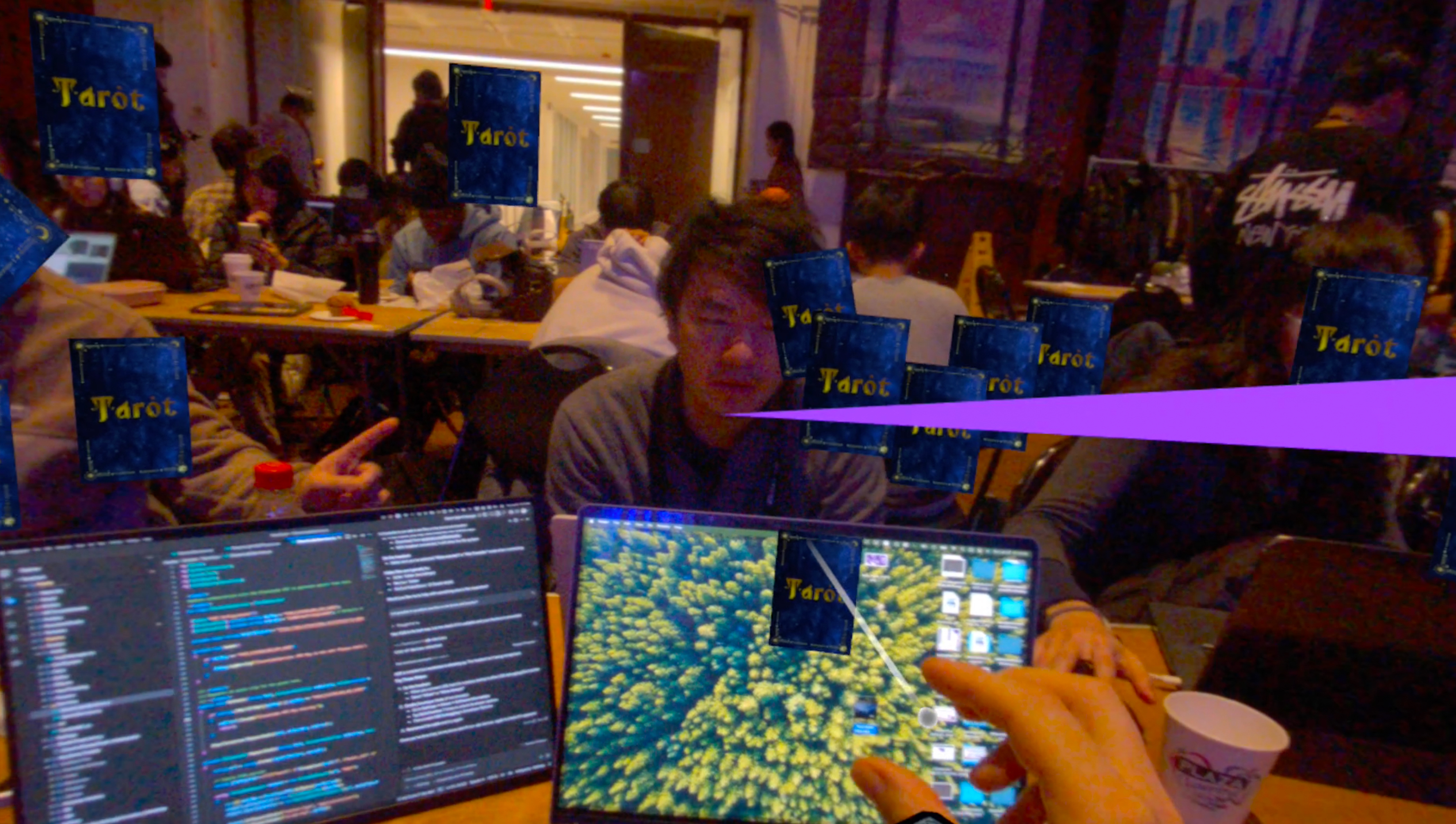
Tarot is an immersive XR fortune-telling experience that allows users to select a tarot card and receive a spoken fortune generated by AI. Once inside the experience, the user gazes at a card, which reveals and announces the fortune associated with that card, creating a mystical and interactive moment.
HOW WE BUILT IT
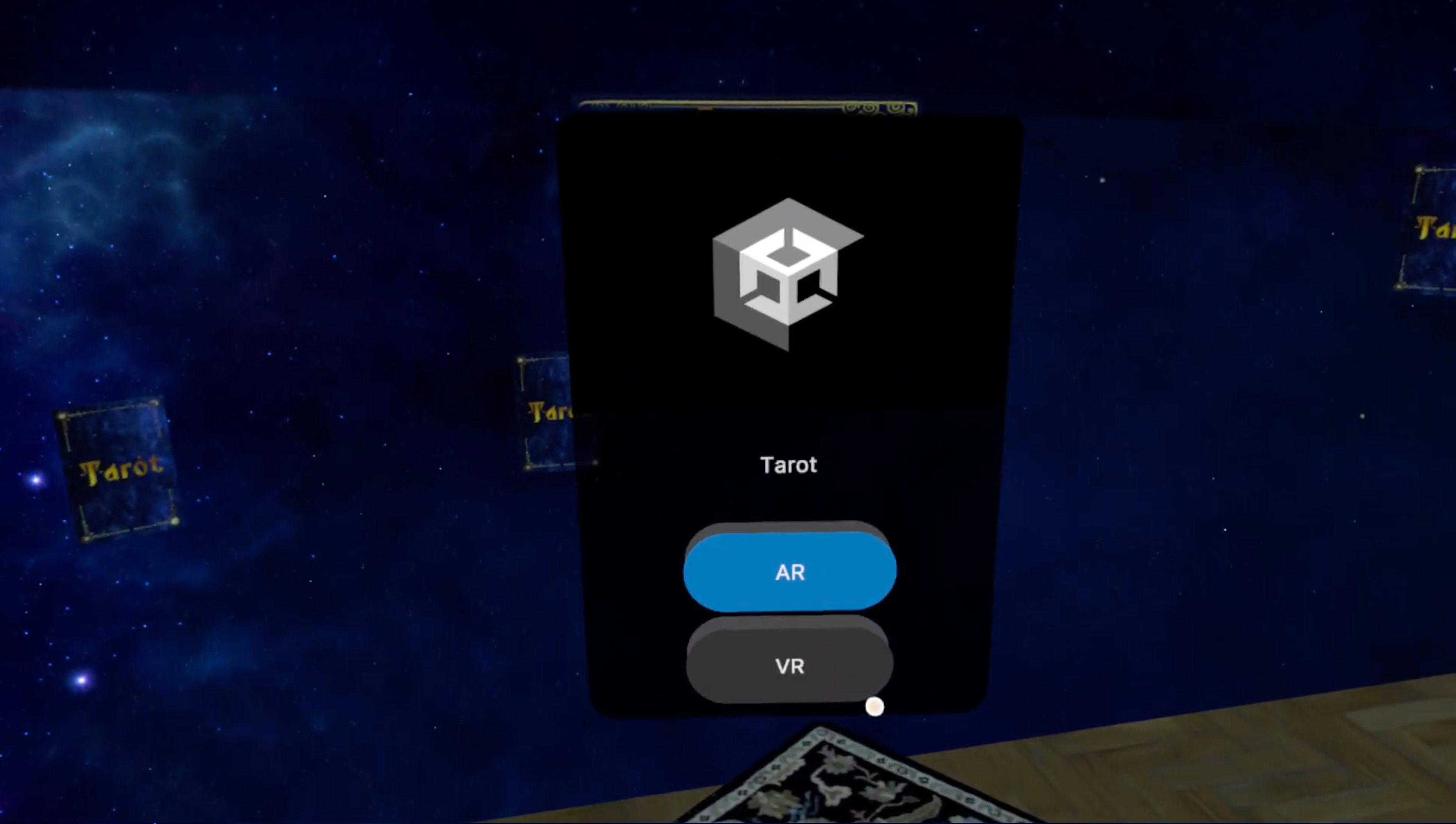
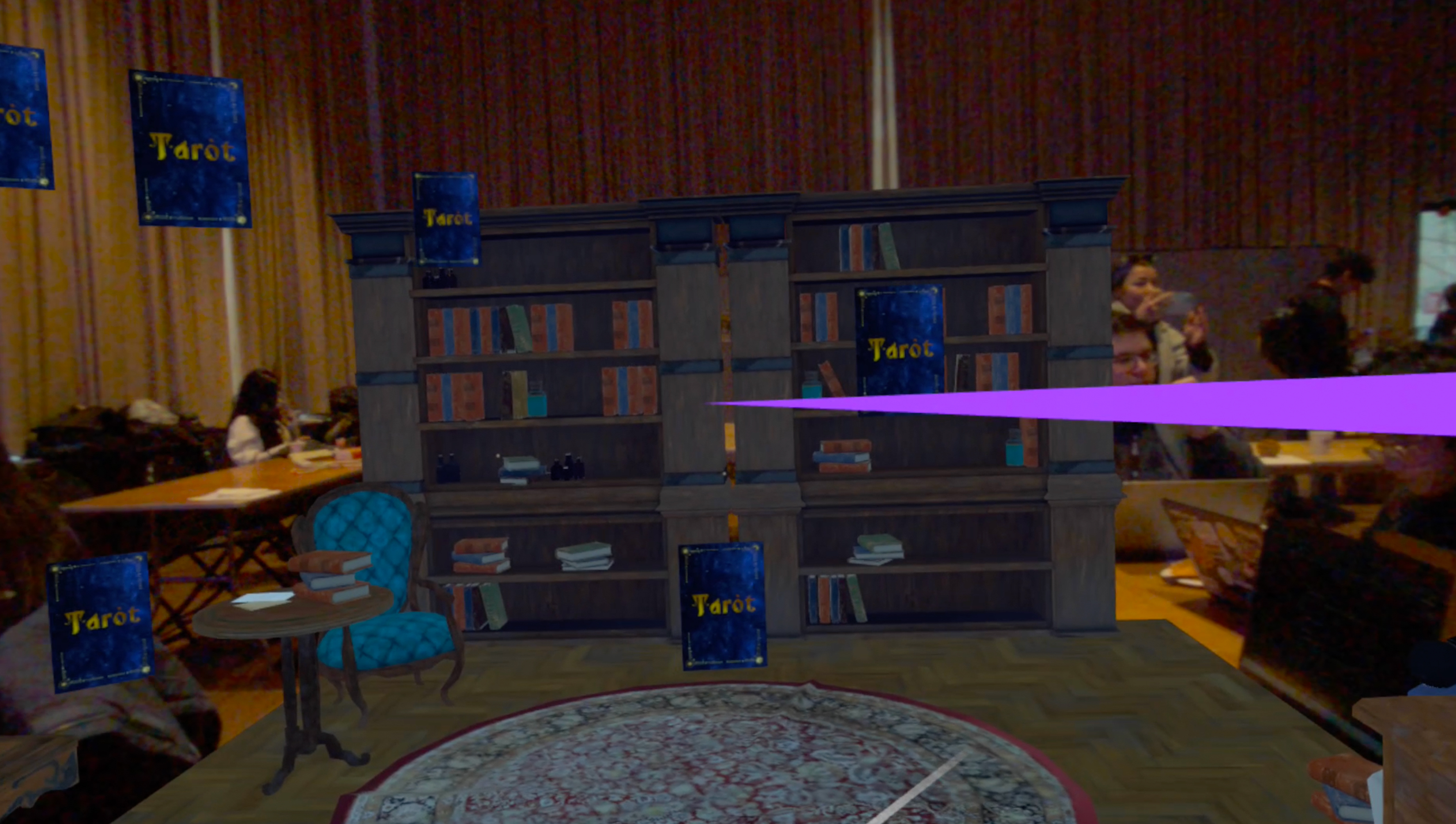
We began by splitting the team into two groups. One-half focused on designing the tarot card deck, ensuring each card had a distinct visual identity and meaning. The other half worked on setting up the Unity project and building the XR experience. Using Unity, we implemented gaze-based interactions that allow users to select cards naturally. We also integrated AI-driven voice output so each card’s fortune could be spoken aloud, enhancing immersion. The project was developed and tested using both the Samsung XR headset and the Meta Quest headset.
CHALLENGES WE RAN INTO
One of our biggest challenges was working with Unity, as certain features were not fully functional, and multiple scripts began overlapping and interfering with one another. Debugging these issues within the time constraints of a hackathon was difficult. Additionally, this was our first time working with the Samsung headset, so learning how to properly interface with the hardware while developing the experience added another layer of complexity.
ACCOMPLISHMENTS THAT WE'RE PROUD OF
We’re proud that we successfully created a working XR prototype that blends XR and AI into a cohesive experience. Implementing gaze-based interaction and AI-generated voice output within such a short timeframe was a major achievement. We’re also proud of how well our team collaborated by splitting responsibilities and bringing together design, development, and hardware integration.
WHAT WE LEARNED
Through this project, we learned how to develop XR experiences in Unity, work with new hardware, and troubleshoot complex scripting issues under pressure. Using the Samsung headset gave us hands-on experience with XR hardware, and integrating AI voice output helped us better understand how AI can enhance immersive storytelling.
WHAT'S NEXT FOR TAROT
This project is only a prototype. In the future, we plan to expand Tarot into a comprehensive fortune-telling platform by incorporating additional methodologies, such as palm reading and multiple tarot reading styles. We also want to refine the XR experience, improve stability in Unity, and deepen the immersion with richer environments, more interaction, and expanded AI-driven narratives.
P.S. Given that we are using the Gemini AI API and ElevenLabs API, we had to use a private GitHub repo. We are not able to provide a try out link. However, all the videos that we presented are live recordings.


Log in or sign up for Devpost to join the conversation.