

Inspiration
Nearly half the world’s population lacks a title or any other way to prove where they live. This simple fact has immense repercussions. In Puerto Rico, 60% of FEMA housing assistance claims were rejected after Hurricane Maria, primarily because applicants couldn't provide home titles. In Colombia, millions cannot return to homes taken by the FARC, because they cannot prove they had once occupied those homes. And in India, land disputes clog 25% of all court cases because neither party has the documents to prove their residency.
And yet, as our social and economic lives exist online, we generate a wealth of data that reveals important things about us. When we use services like Google Maps, Facebook, MPesa and Lyft, we generate a rich tapestry of evidence about where we go, what we purchase, whom we interact with.
A critical question emerges:
Can citizens be empowered to harness their own trove of digital evidence to prove where they live, and access the services they have been locked out of?
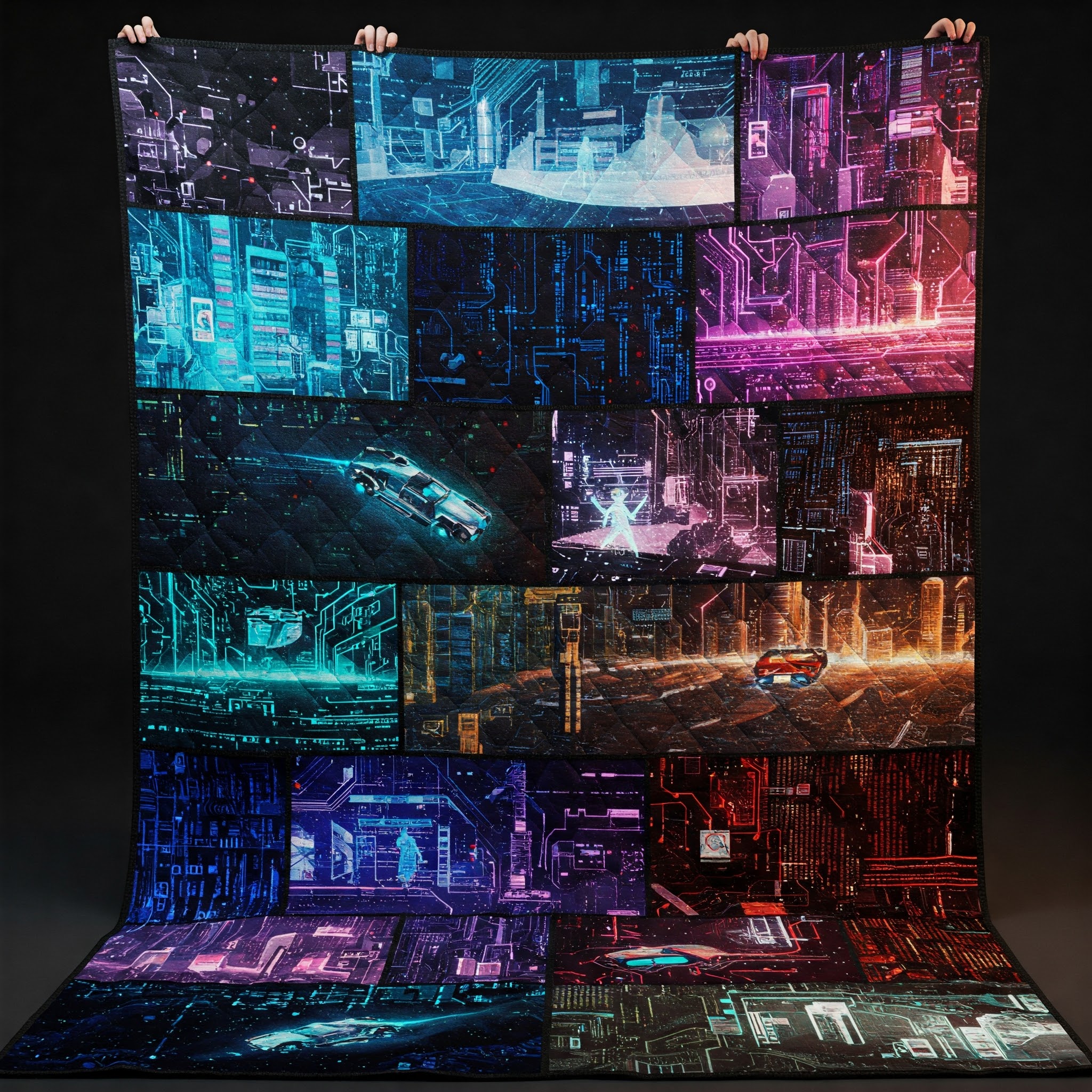
Strategically chosen data sources are woven together to create aTapestry Credential a potentially novel and promising form of Proof of Occupancy
This project examines the role that digital credentials and data trails can play in helping populations who lack formal property documents prove where they live and access benefits tied to home ownership and occupancy. It introduces the concept of a tapestry credential, examines the technical and legal challenges in using digital credentials (using both traditional, new, and emerging methods) in such disputes, and concludes with proposed next steps and recommendations.
What it does
During or after a disaster, a relief victim can access the tapestry credential agent.
The agent will walk them through a process of identifying lost personal information and reconstructing their life. Asking them about where they have lived, who they’ve lived with, what services they have used, what accounts they still have access to, and what they no longer have access.
The agent then uses this data source list to collect forensic data sources on behalf of the user. As the data is collected, it is crypto, graphically, signed, and securely stored so that it can be certified later in court. The key to this process is collecting the data in an automated and scalable way from public and private data sources.
Once the tapestry credentials for proof of occupancy, citizenship, and ownership have been created. The agent can then suggest places to use this recorded information to get relief from aid and insurance.
All of this collected information for the credential is easily viewable in a file system, as a list, as a map, and with a easy to understand one page summary and certification to be used in court.
How we built it
Made with synthetic data creation prompts for our "John Smith" test character who lost his home in the Palisades fire. https://github.com/mrhegemon/scale-2025-hack
Challenges we ran into
Couldn't get the lifescope etl system collecting data in time so had to mock the dataset using gen AI test data creation tools. https://github.com/LifeScopeLabs/lifescope-etl/tree/master/fixtures/providers https://github.com/mrhegemon/scale-2025-hack
Accomplishments that we're proud of
The agent is totally self hosted at someone's home not relying on a cloud at all for a web hosted AI agent. Similar to how it could be used on edge in the field. Even hosted from a laptop.
We were able to make great forensic test data for our "John Smith" test user and were able to get a basic map search tool working.
What we learned
The data collection and signing the data is key, still needed to be done with Verifiable Credentials (VCs) or Digital Identifiers (DIDs)
What's next for Tapestry Credentials
Coalition Building Forming alliances with academic institutions, NGOs and humanitarian relief programs, lawmakers and legal scholars, courts and police departments Seeking partners for case studies and pilot programs
Case Studies and Mock Trials Publicize the results with critical stakeholders Find an MVP Need/use case
Software Prototypes and Pilot Programs Digitization tools, On the ground Photos/Videos -> Storage Secure/Private/Safe
Easy sources for Empowerment: Portal? DigitalTrails.org? LifeScope style indexes “Digital Trail LegalZoom” style foundation for “Identity, Property, program qualification”
Built With
- companionintelligence
- debian
- deno
- gcp
- lifescope-etl
- llama
- llm
- ollama
- openstreetmap
- python
- react
- tailwind

Log in or sign up for Devpost to join the conversation.