-
-
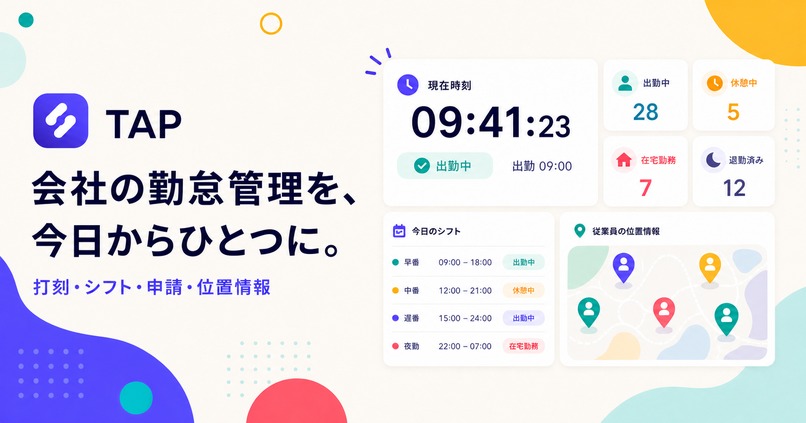
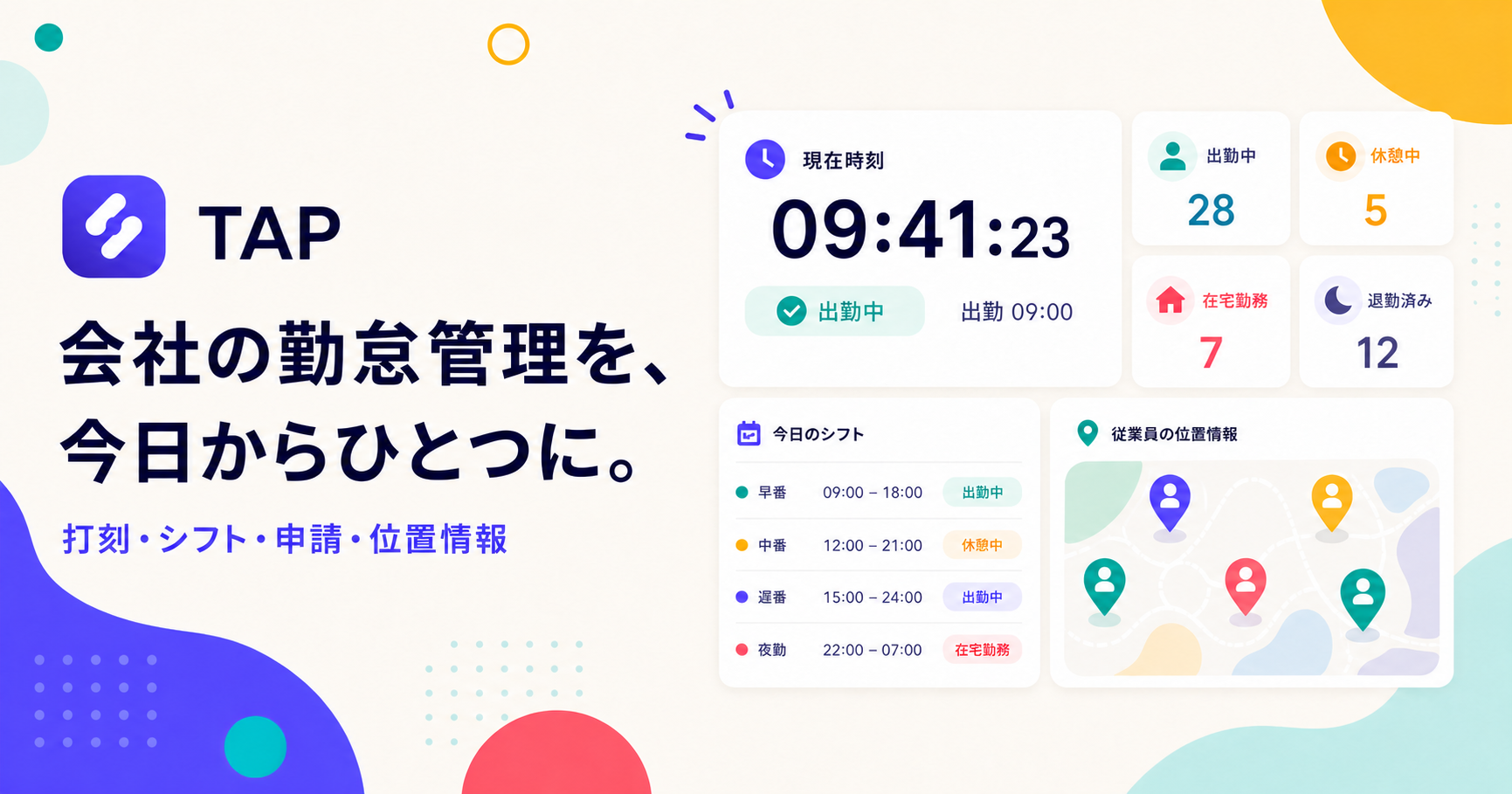
TAP — a field-ready construction workforce operating system built with Codex.
Inspiration
What it does
How we built it
Challenges we ran into
Accomplishments that we're proud of
What we learned
What's next for TAP — Construction Workforce OS
Inspiration
Japan's construction industry is at a turning point. The workforce is aging rapidly, fewer young people are entering the skilled trades, and many companies are already struggling with labor shortages. Yet veteran craftspeople—with decades of judgment, technique, and safety knowledge—are still active today.
That creates a narrow, precious window: we must bring in the next generation and transfer that knowledge while the masters are still beside us.
I am a construction worker, and I founded a construction company because I want to build a sustainable future for my future children, my employees, and their families. Every day I see talented people lose time to paperwork, fragmented tools, manual corrections, and administrative work that does not improve the jobsite. TAP began with a simple conviction: digital transformation should give craftspeople more time for their craft, make small construction companies stronger, and make this industry worth choosing for the next generation.
What TAP does
TAP is a construction workforce operating system built around the reality of field work. It brings the daily, monthly, compliance, and management workflows that are usually scattered across paper, spreadsheets, messaging apps, and separate services into one coherent product.
TAP includes:
- Mobile clock-in, clock-out, and break recording
- Shift planning, leave requests, corrections, shift swaps, and multi-step approvals
- GPS evidence at each punch and at five-minute intervals during work, with an offline queue, administrator maps, and evidence CSV export
- Standard, flex, and one-month variable working-hour systems
- Monthly close, confirmation, locking, controlled reopening, and audit snapshots
- Payroll estimates and configurable export formats
- Overtime, paid-leave, labor-agreement, and operational risk alerts
- Statutory ledgers, audit logs, and submission-ready compliance packs
- Role-separated company and employee data management
- Field-level AES-GCM encryption, HMAC tamper detection, CSRF protection, secure cookies, administrator re-authentication, and WebAuthn passkeys
Location data is treated as evidence—not as a shortcut for judging people. TAP records acquisition time, server receipt time, accuracy, and source, while clearly requiring managers to review the employee's explanation and work records together. That balance between operational visibility and human dignity is essential for adoption in the field.
How I built it with Codex
I am a domain expert from construction, not a traditional software engineer. I used OpenAI Codex as an engineering partner to turn real jobsite workflows into a working product.
My loop was practical and iterative:
- Describe a real problem from the field, including the exceptions that usually break simple software.
- Use Codex to map the states, permissions, data flows, edge cases, and security risks.
- Implement the workflow and test it with realistic employee, manager, payroll, GPS, and approval scenarios.
- Inspect the result, identify where it would fail in actual operations, and refine it again.
Codex helped me move from field knowledge to product architecture, implementation, debugging, security review, and UX improvement. I also translated a benchmark of six major Japanese attendance products and public labor-operation requirements into an implementation checklist. The current TAP demo covers all eight major benchmark themes, from mobile/GPS and multi-step approvals to payroll exports, compliance alerts, and secure organization management.
Challenges
Unreliable connectivity
Construction work does not happen in a perfect office network. TAP therefore keeps an offline queue, stores objective timestamps, and separates device acquisition from server receipt so evidence remains understandable after connectivity returns.
Privacy and trust
GPS and employee records are sensitive. I designed TAP to minimize careless access, separate roles, encrypt personal fields, detect audit-log tampering, and require stronger authentication for high-risk actions. Just as importantly, the product explains how managers should interpret location evidence responsibly.
Japanese labor rules are operational, not theoretical
A useful system must handle actual closing, approvals, corrections, overtime, paid leave, variable schedules, ledgers, and audit history—not merely display a dashboard. Building these workflows into one consistent experience was one of the hardest and most important parts of TAP.
Building a complete product as a non-technical founder
The challenge was not producing a single demo screen. It was connecting employee and administrator journeys into something coherent, secure, responsive, and usable. Codex made it possible for domain expertise to become a functioning product rather than remain an idea.
What I am proud of
TAP is already a working, responsive product with real employee and administrator flows. It can record attendance, manage schedules and requests, detect exceptions, visualize GPS evidence, prepare payroll and compliance outputs, protect sensitive data, and show managers what needs attention now.
Most importantly, TAP is not based on a hypothetical user. I am the user. The product comes directly from the daily problems, responsibilities, and hopes of a construction company founder.
What I learned
Digital transformation in construction does not begin with replacing craftspeople. It begins by respecting their time and making their knowledge easier to carry forward.
I also learned that Codex can do more than accelerate coding. It can give a domain expert a new form of agency: the ability to express a problem precisely, test a solution, and keep improving until the software reflects the real work.
What's next
The next major step is the mission that inspired TAP: skills transfer. I want veteran craftspeople to capture work procedures, safety judgment, and practical know-how in small, structured lessons tied to real jobs. Younger workers should receive clear onboarding, checklists, mentoring, and a visible path of growth—without reducing craftsmanship to a score.
I will also pilot TAP with real crews, refine it from field feedback, expand payroll and accounting integrations, and continue strengthening privacy, security, and compliance.
Why this matters now
The veteran generation is still working beside us today. That opportunity will not remain open forever.
TAP is my effort to use this moment wisely: to reduce administrative burden, help construction companies welcome young people, preserve hard-earned skill, and build a stronger future for our workers, their families, and our children.
Built With
- codex
- css3
- html5
- javascript
- maplibre
- openstreetmap
- pwa
- webauthn

Log in or sign up for Devpost to join the conversation.