-
-
SYNC
-
SYNC app icon.
-
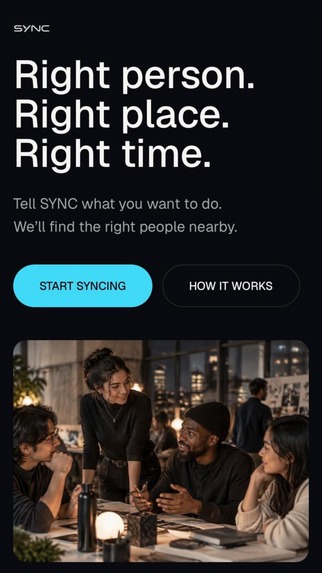
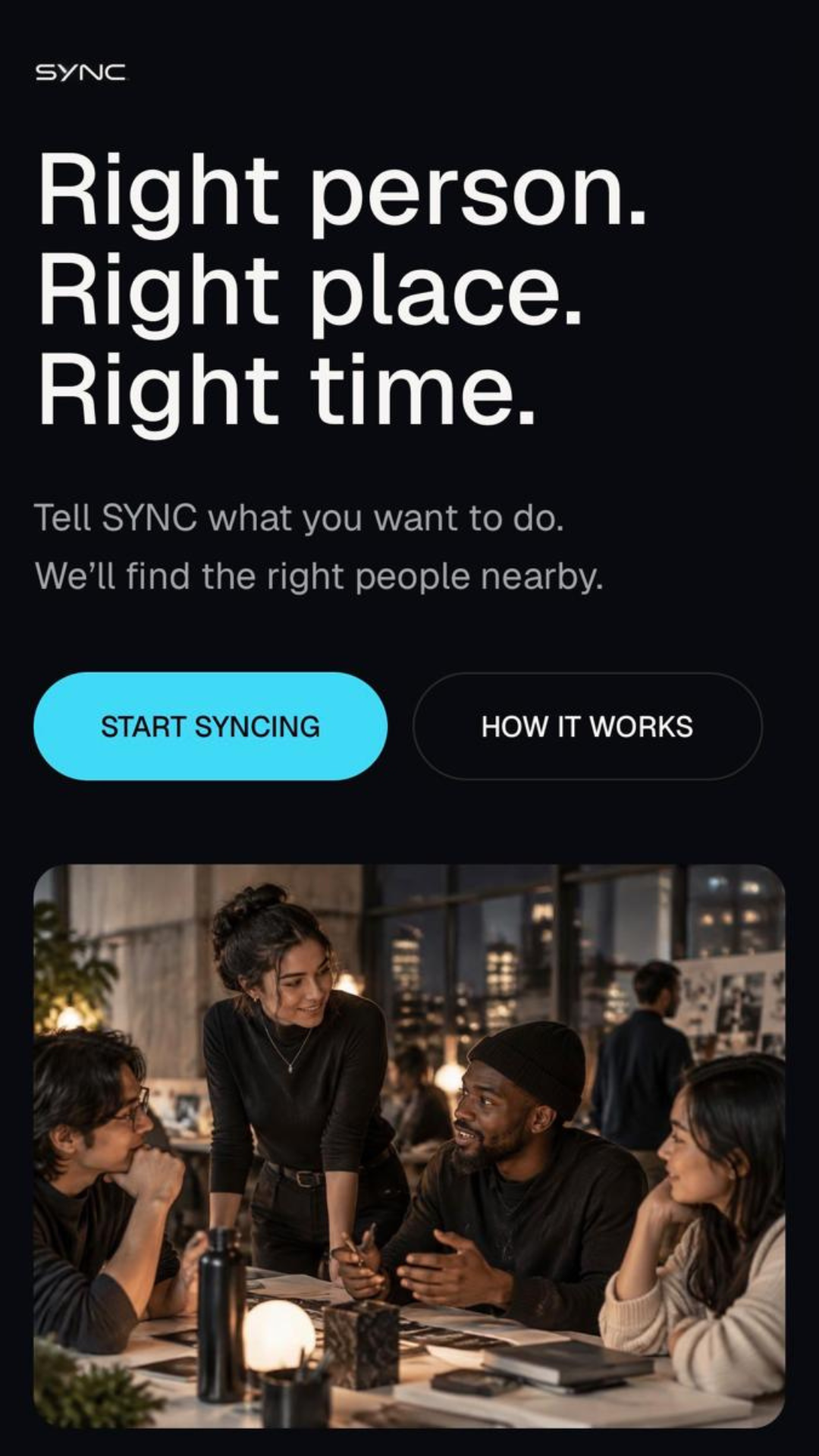
SYNC home page.
-
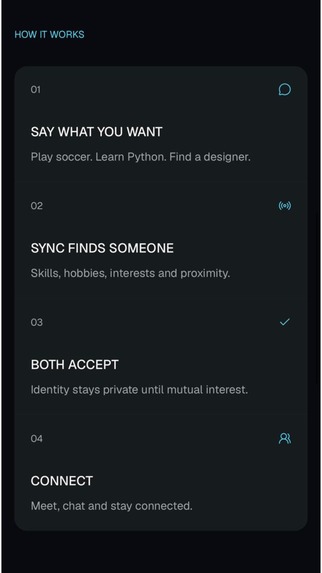
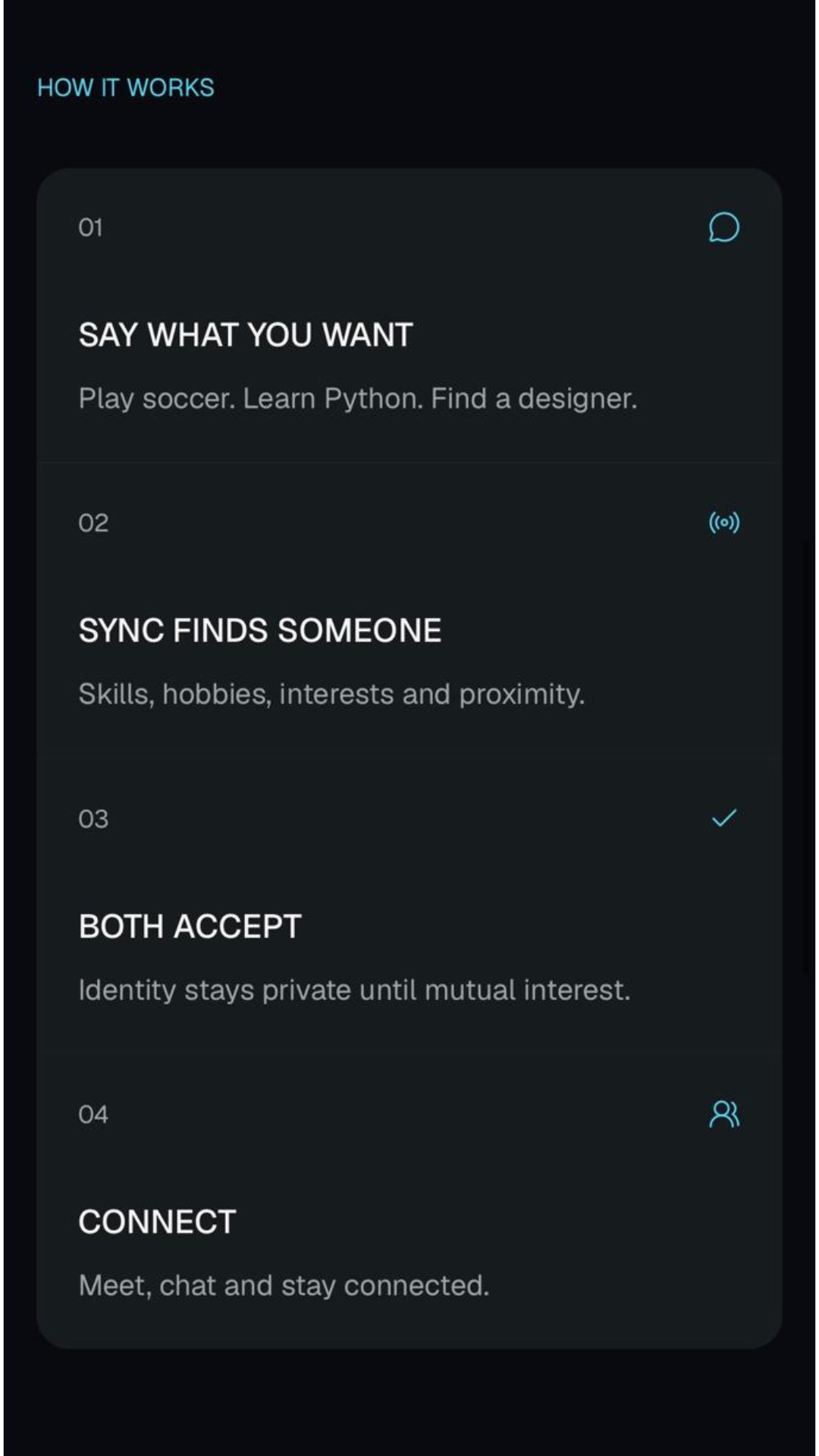
How SYNC works.
-
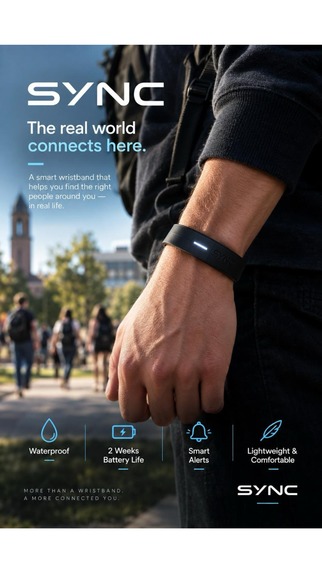
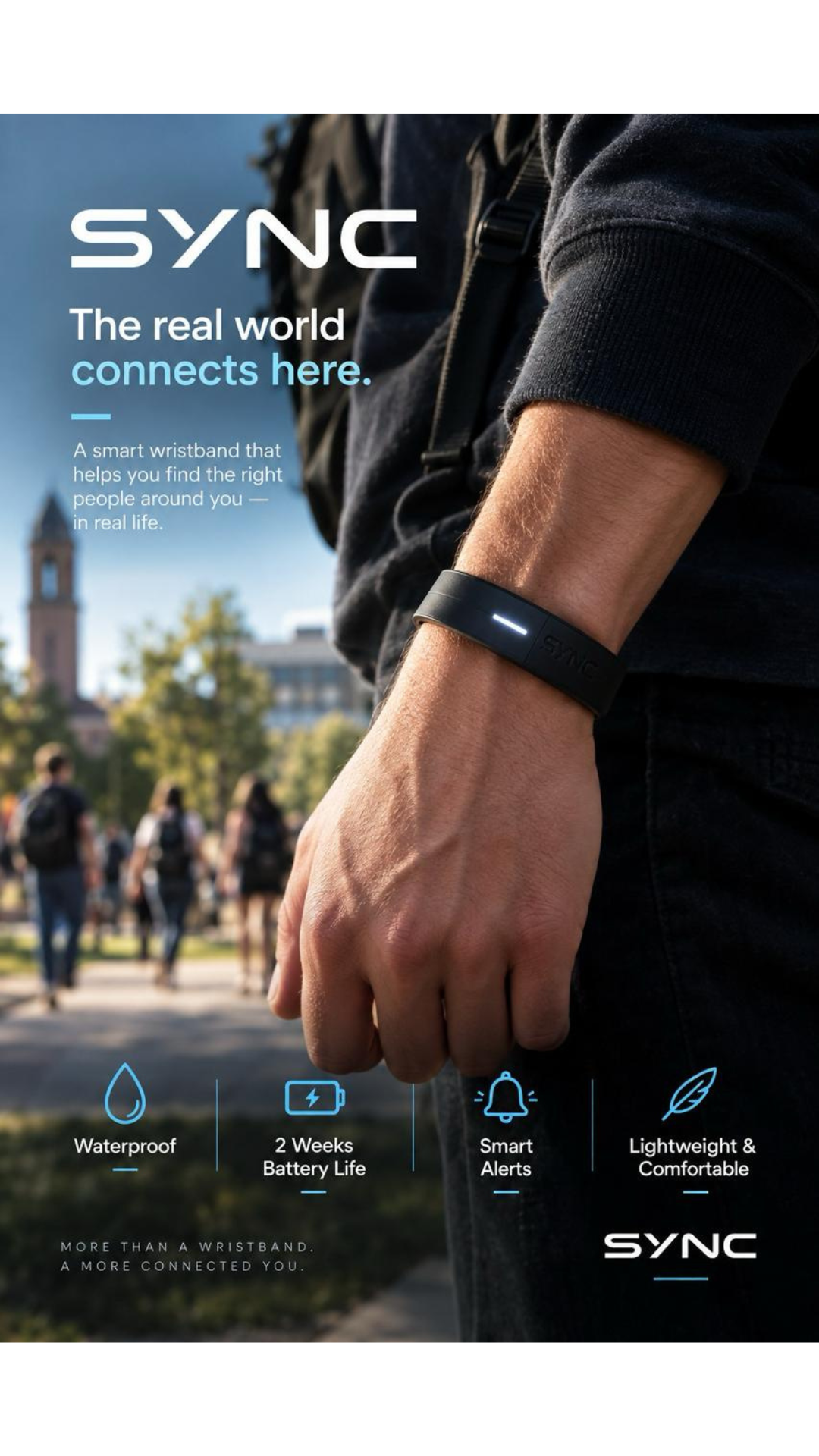
SYNC Band — bringing real-world connections beyond the screen.
-
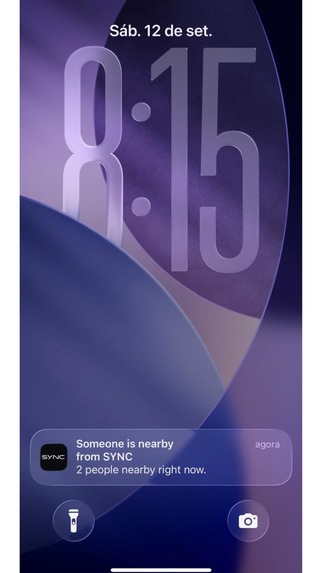
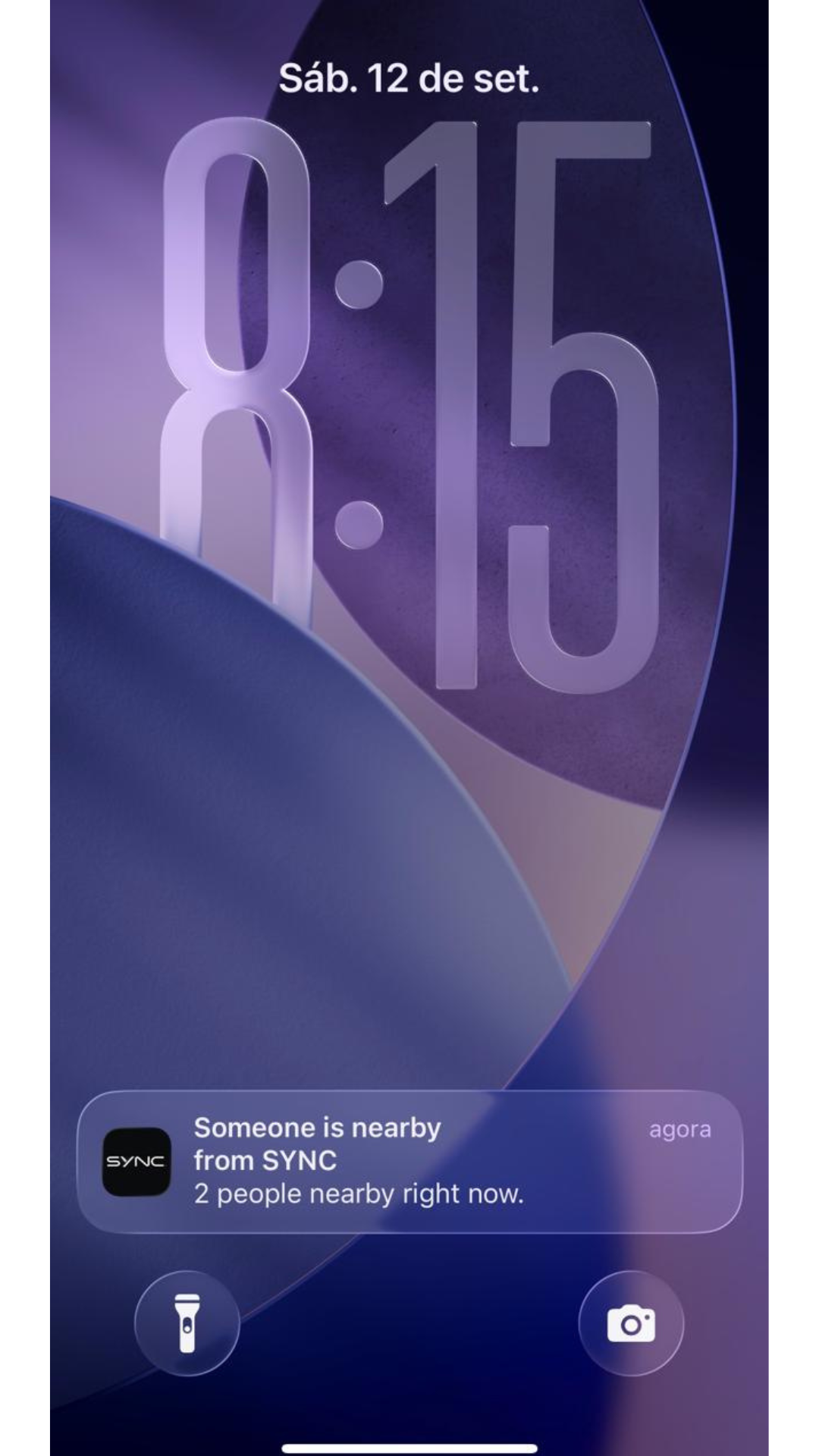
Real-time notifications let you know when someone nearby wants to SYNC.
-
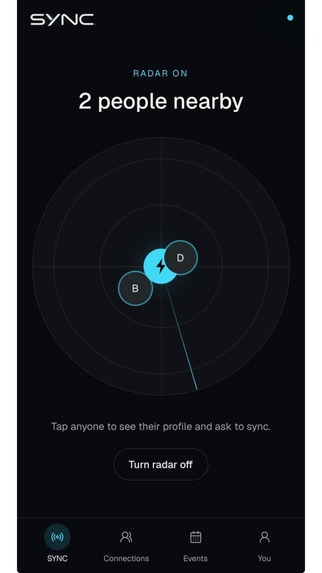
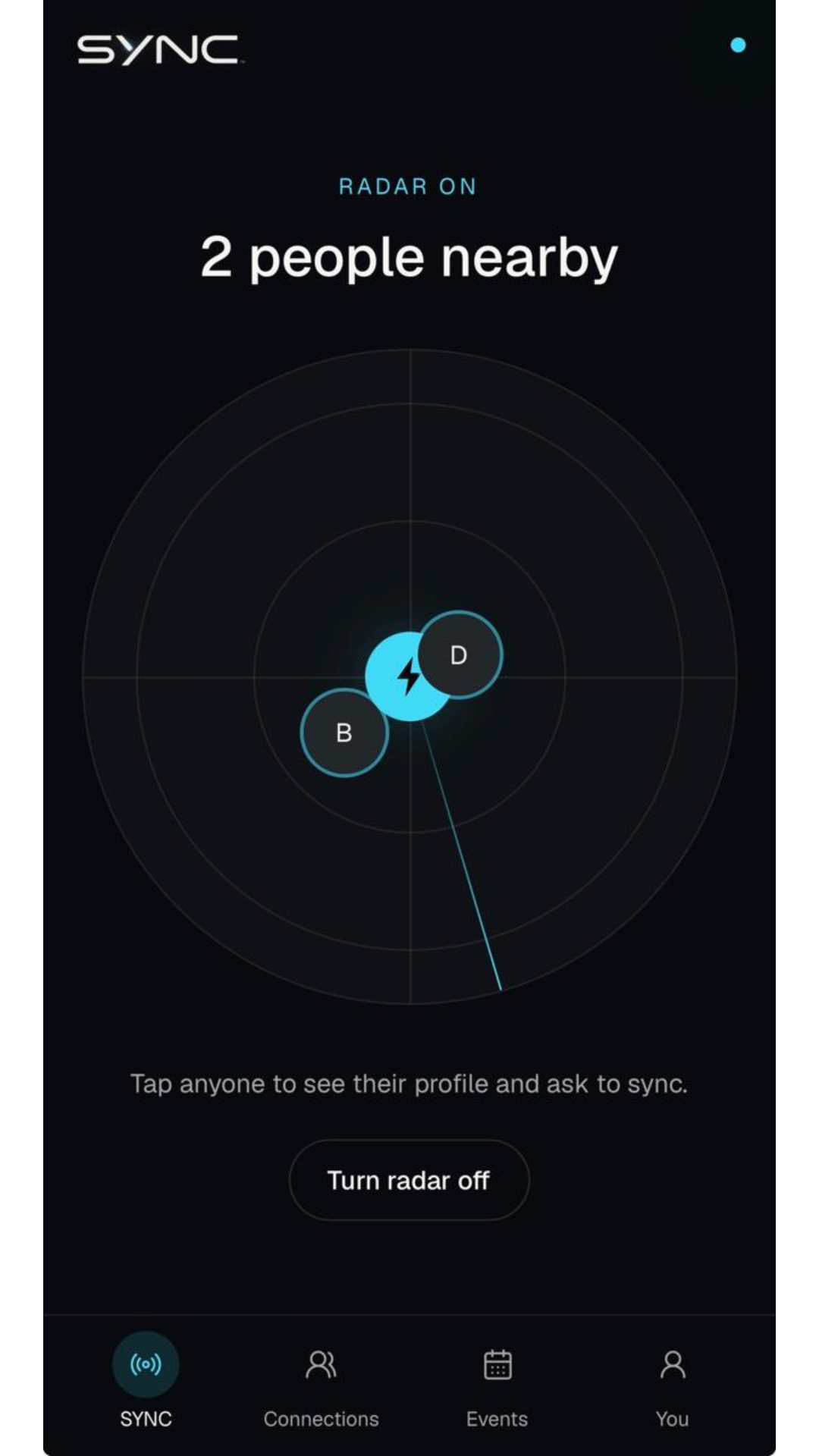
SYNC Radar — discover people around you in real time.
-
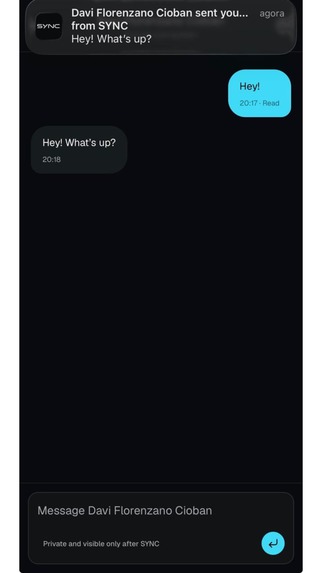
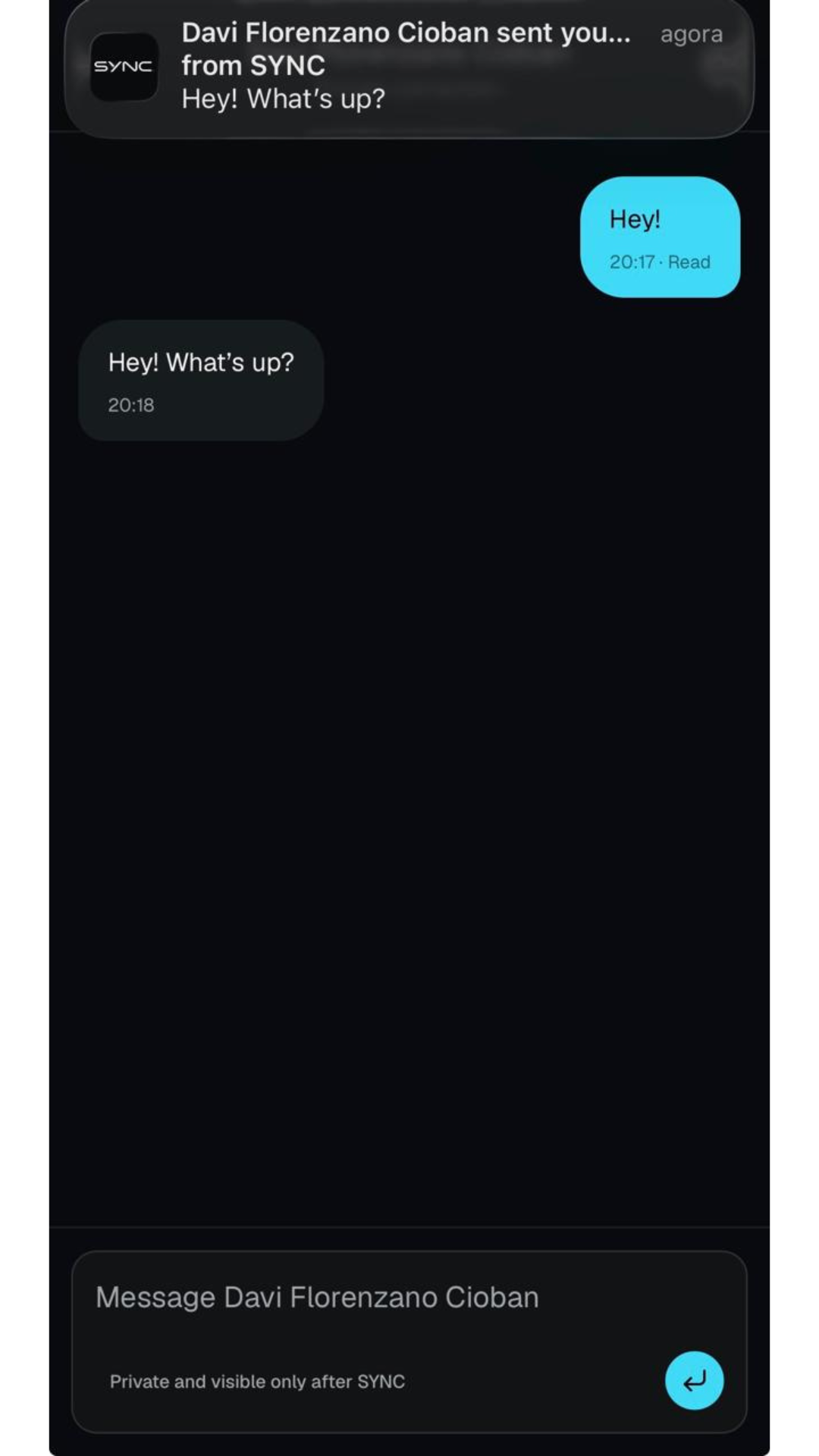
SYNC Chat — start a conversation after making a connection.
-
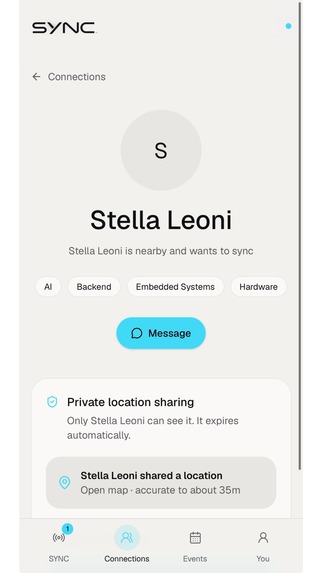
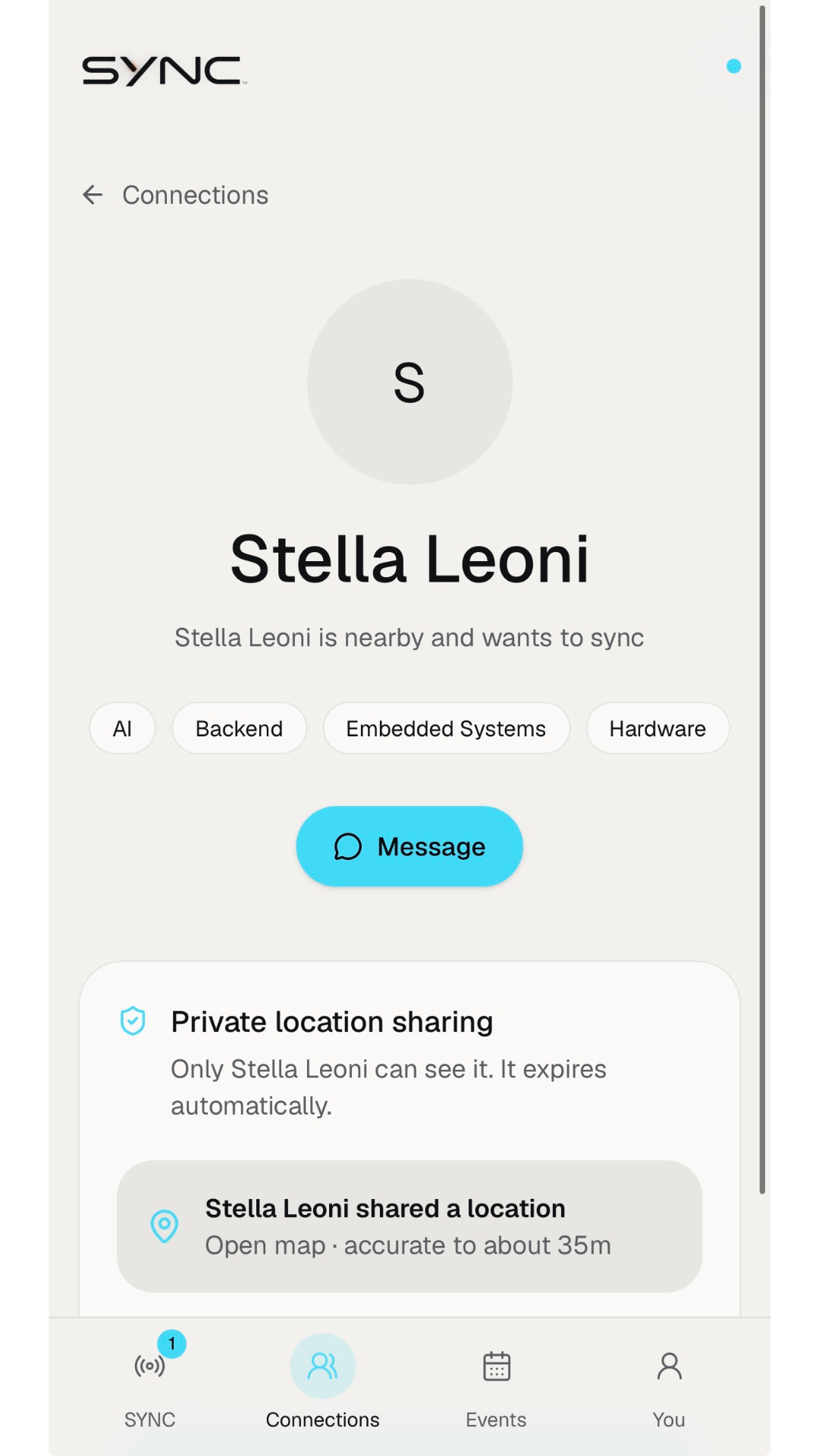
SYNC Profile
-
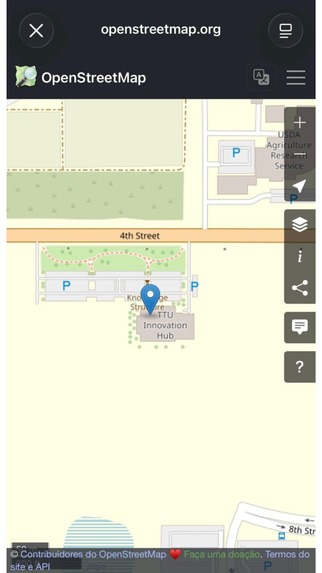
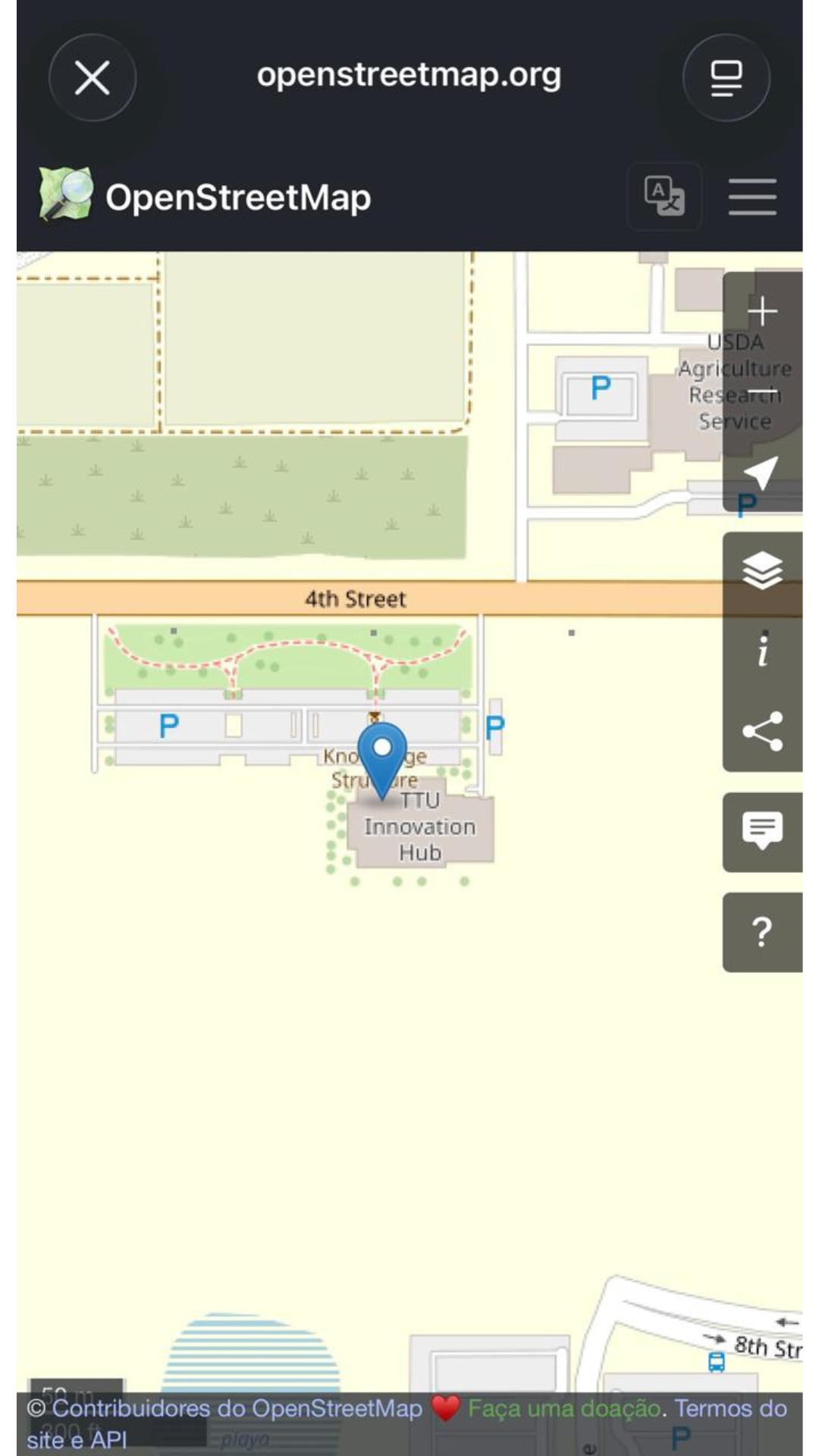
Location Map.
Inspiration
We are more connected than ever, yet meeting the right people in real life still feels surprisingly difficult.
At hackathons, universities, conferences, and everyday spaces, we constantly walk past people who could become our next teammate, mentor, collaborator, co-founder, or friend — without ever knowing what we have in common.
Meanwhile, traditional social platforms keep us scrolling through endless feeds and connecting with people who may be thousands of miles away, while someone worth meeting could be standing just a few feet from us.
We wanted to rethink what a social platform could be.
Instead of asking:
“What content should we show you next?”
SYNC asks:
“Who around you should you meet?”
That idea became SYNC — a proximity-based platform designed to turn digital discovery into real-world human connection.
What it does
SYNC helps users discover and connect with relevant people nearby based on location, skills, interests, and goals.
Users create a profile where they share what they know, what they want to learn, their interests, and the connections they are looking for.
Instead of scrolling through a feed, users open the SYNC Radar, where nearby SYNC users appear around them. They can select someone, explore their profile, discover what they have in common, and send a Sync Request.
When the other person accepts, they become a Sync.
From there, they can access each other's profiles, chat directly, and use location-based features to turn a digital introduction into a real-world interaction.
SYNC also includes real-time notifications, events, guest access, customizable profiles, and proximity-based discovery.
We also designed the SYNC Band, a wearable concept that extends SYNC beyond the phone. Our vision is for the band to provide subtle physical feedback when meaningful connection opportunities are nearby.
The idea is simple:
Turn proximity into opportunity.
How we built it
We built SYNC as a responsive web application designed to work across desktop and mobile devices.
We developed a radar-inspired discovery experience and connected it with user profiles, authentication, location, Sync Requests, notifications, chat, and events.
Our goal throughout development was to keep the experience simple. SYNC should help technology start an interaction — and then get out of the way so the real connection can happen.
We also created a demo video to show how SYNC could work in a real-world scenario, using AI-generated voiceover to tell the story of the product.
Challenges we ran into
One of our biggest challenges was making proximity-based networking feel both useful and intuitive.
Finding people nearby is easy conceptually. The harder question was: How do we help someone immediately understand why another person nearby might be worth meeting?
The SYNC Radar went through several iterations as we worked to make discovering people feel natural rather than overwhelming.
Another challenge was bringing multiple systems — location, profiles, authentication, Sync Requests, notifications, chat, and events — together into one consistent experience within the limited time of a hackathon.
We also had to find the right balance between technology and human interaction. SYNC should facilitate the introduction, not replace the conversation.
What we learned
Building SYNC taught us that creating a social platform is not only a technical challenge — it is an experience-design challenge.
We learned how important it is to reduce friction between discovering someone and actually talking to them.
We also gained experience working with real-time data, geolocation, authentication, responsive interfaces, notifications, and rapid prototyping.
Most importantly, we realized that rethinking social media doesn't necessarily mean building a better feed.
Sometimes it means removing the feed entirely.
Our long-term vision is simple:
Technology shouldn't pull us away from the people around us. It should help us find them.
Stop scrolling. Start syncing.
Built With
- api
- authentication
- browser
- css3
- database
- elevenlabs
- git
- github
- gps
- html5
- lovable
- mobile
- postgresql
- react
- real-time
- supabase
- tailwind
- typescript
- web


Log in or sign up for Devpost to join the conversation.