-
-
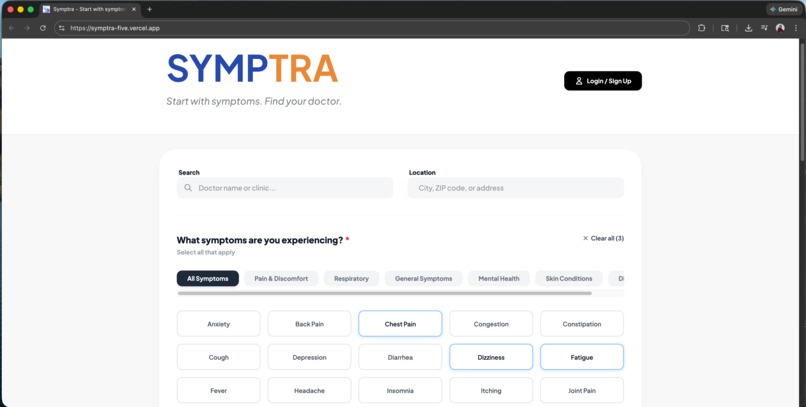
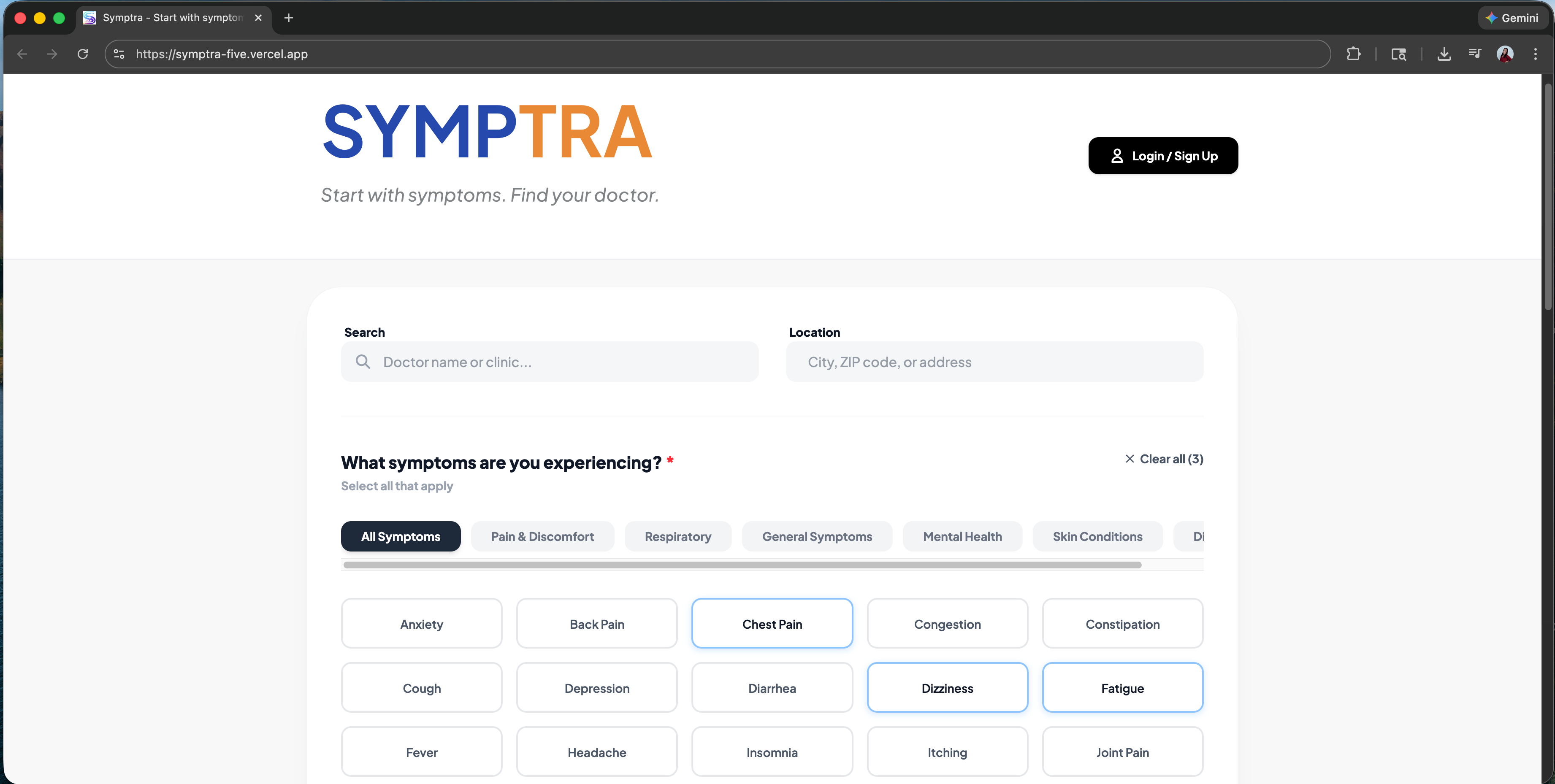
Users tap their symptoms
-
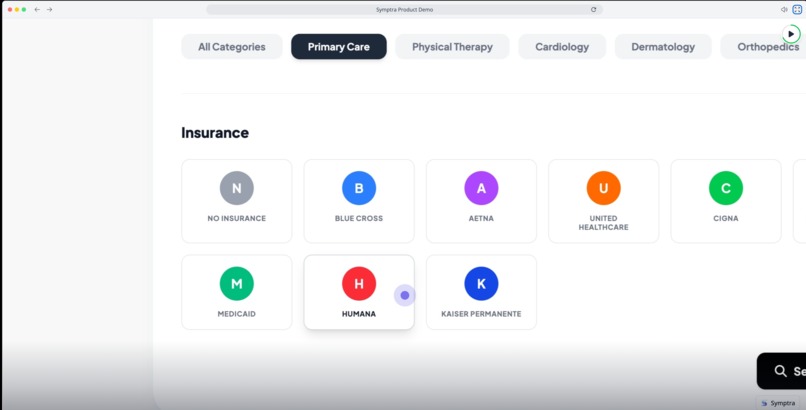
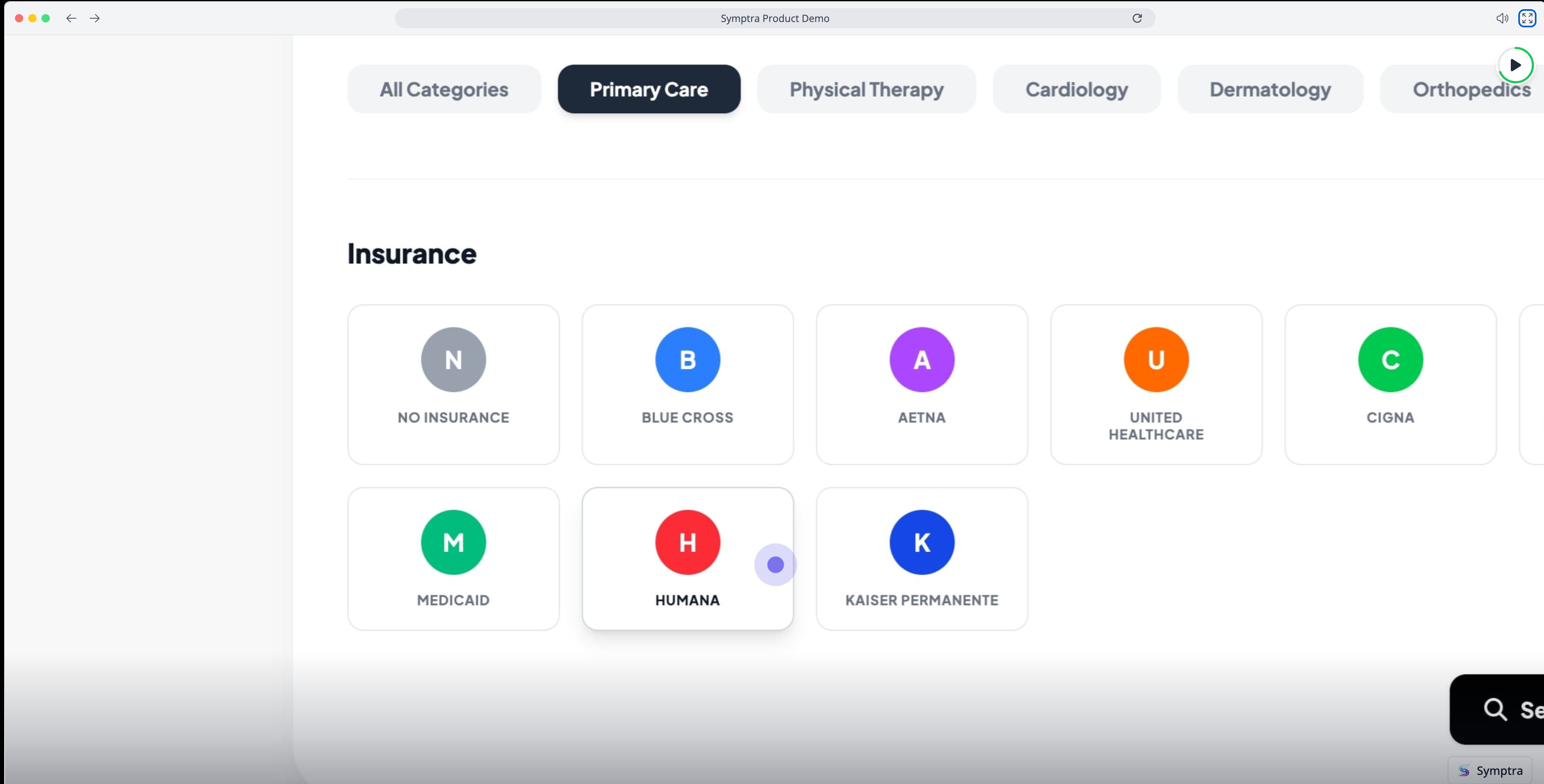
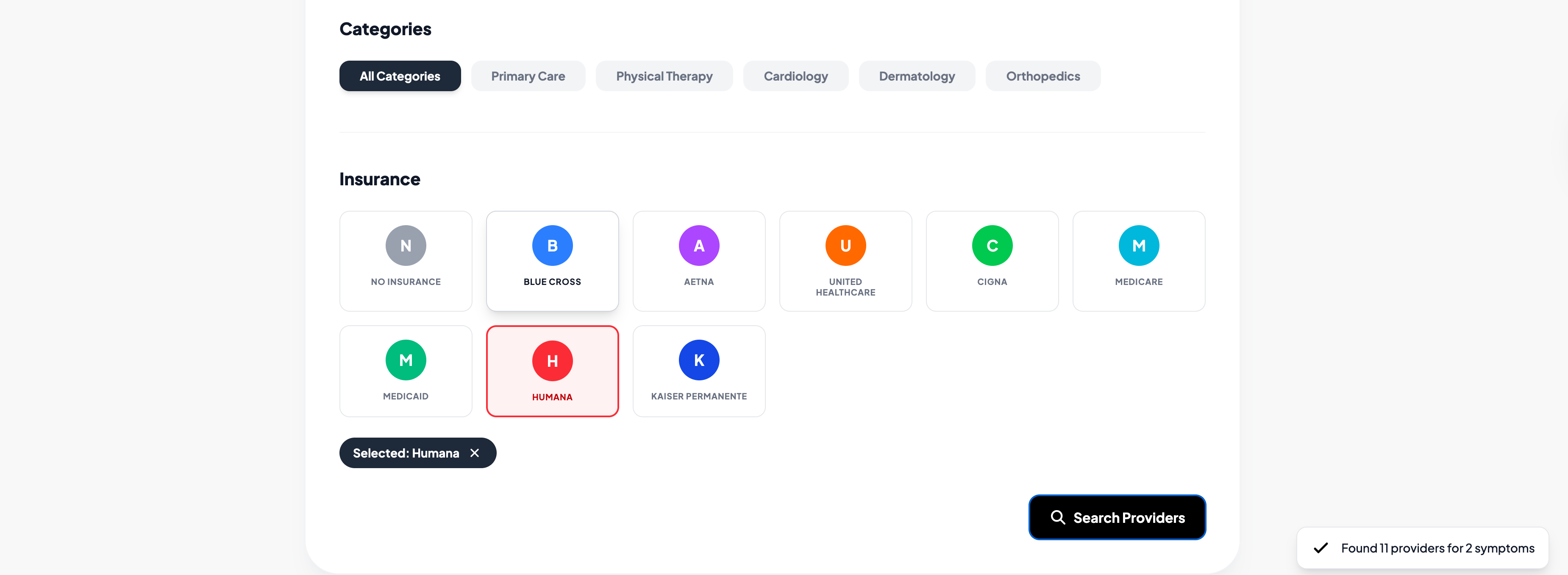
Optionally add your Insurance or Category
-
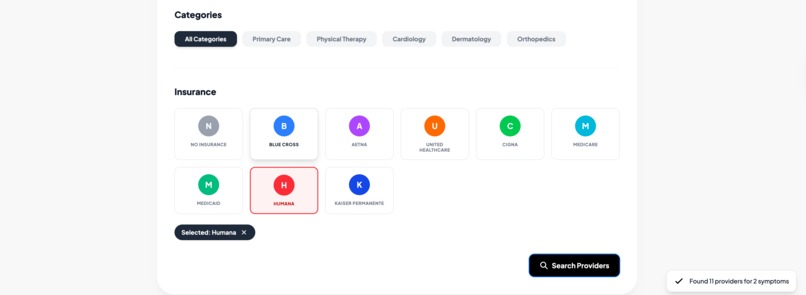
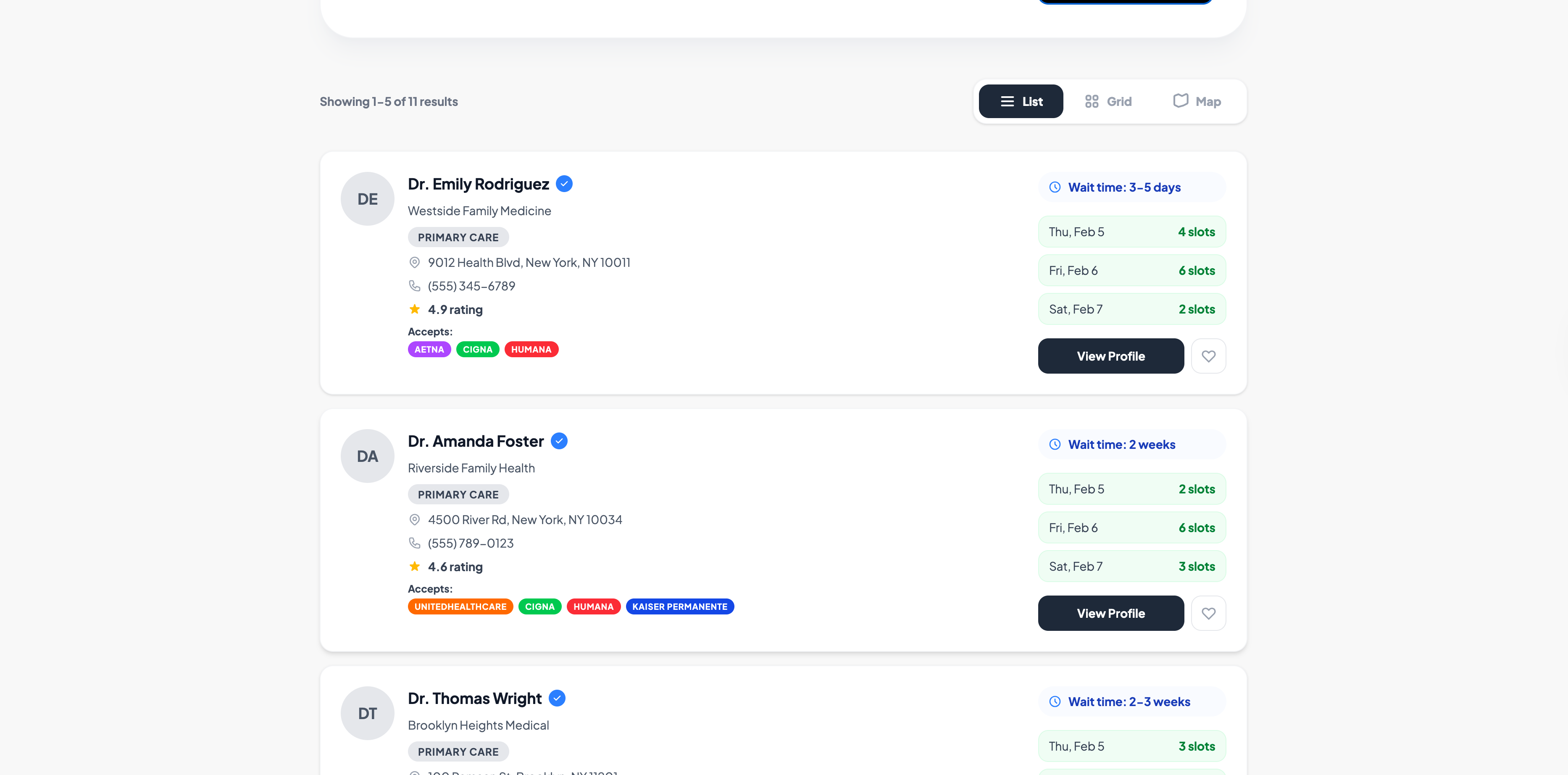
After analyzing symptoms
-
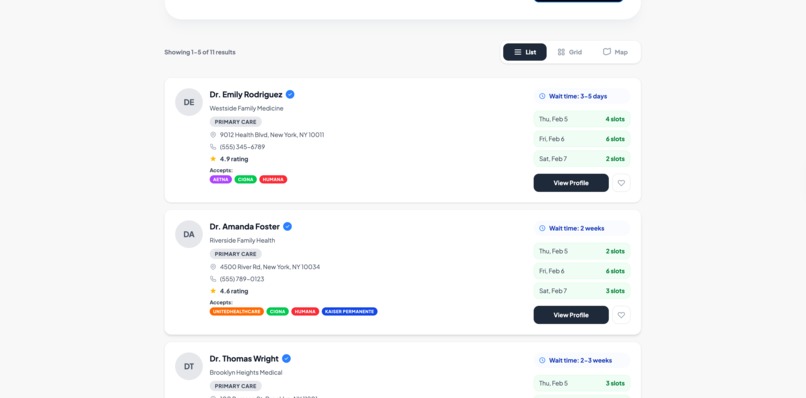
Guidance, not diagnosis
-
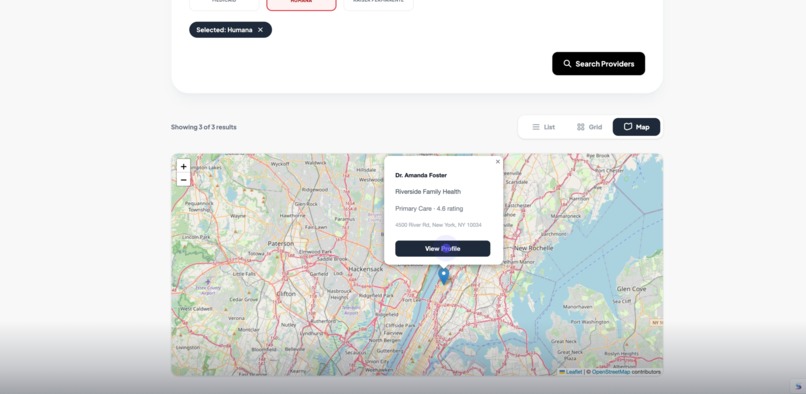
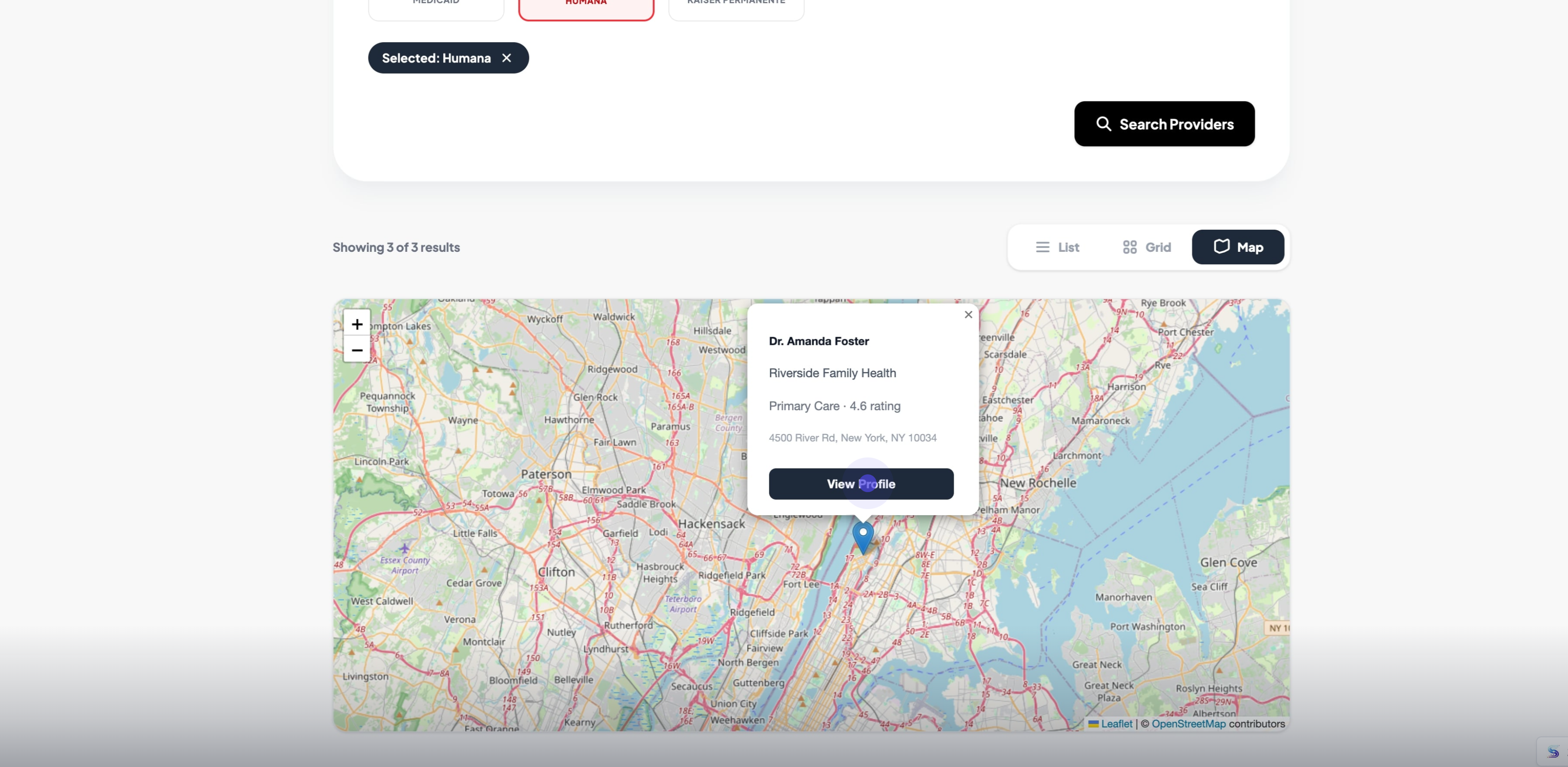
Integrated with Google Maps
-
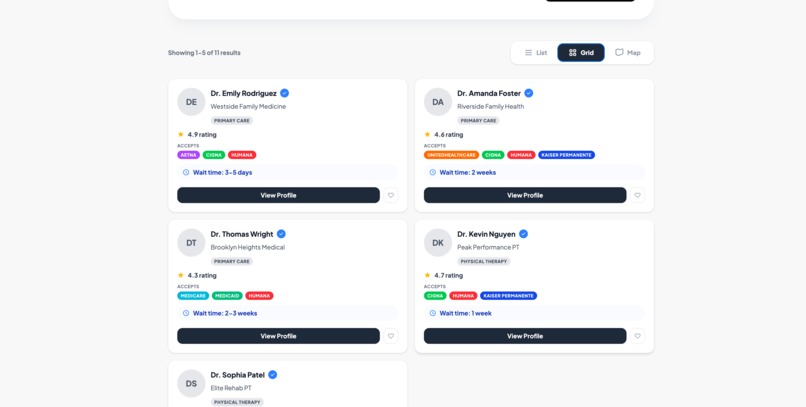
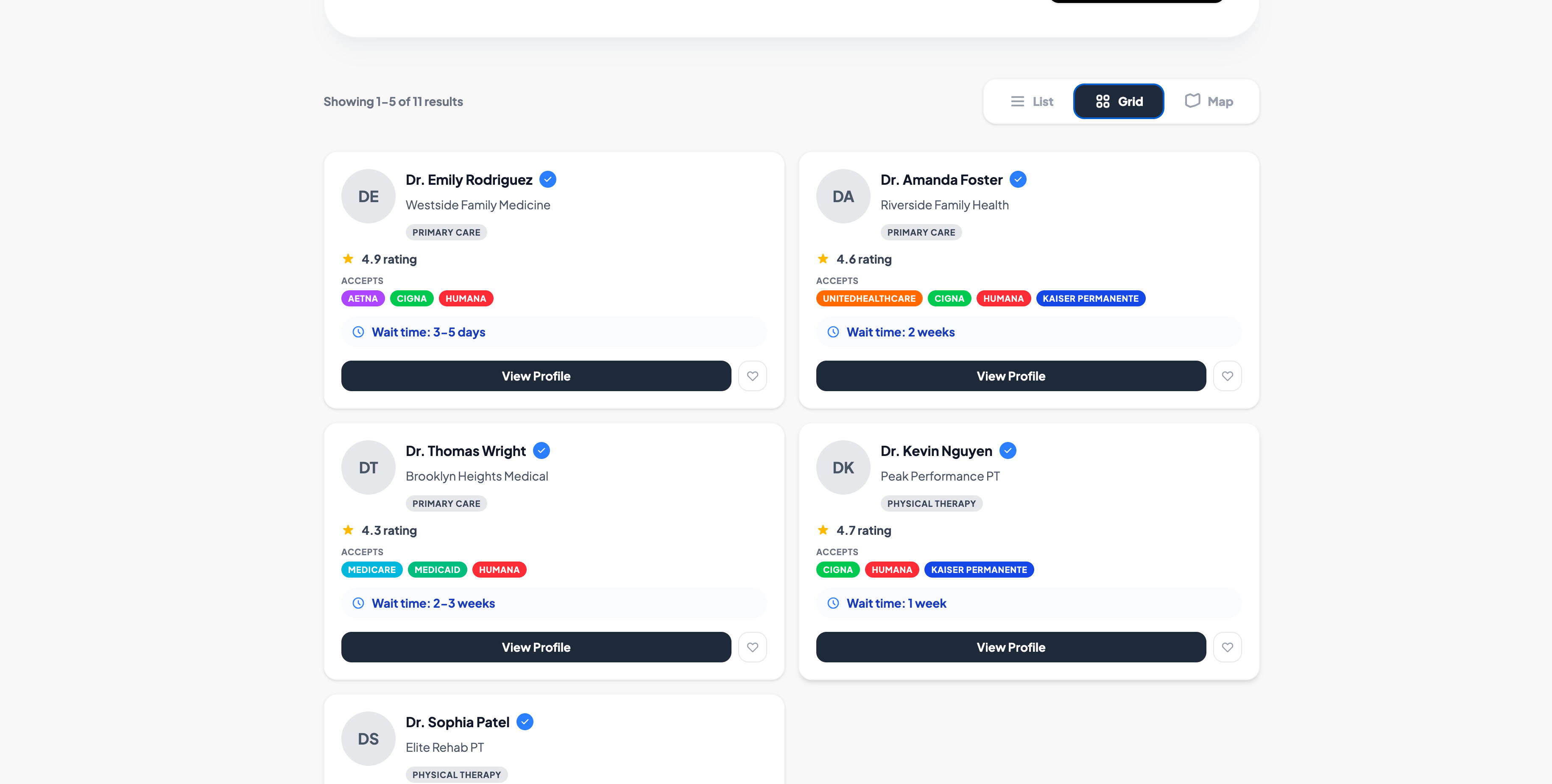
Grid view for easy comparison
How Symptra Uses Gemini
Symptra leverages Gemini to responsibly guide users from symptoms to appropriate care pathways. At its core, the platform uses multi-step reasoning workflows and decision logic to analyze combinations of user-selected symptoms and map them to relevant specialist categories—without attempting diagnosis.
Technical Implementation
Gemini is integrated via the Gemini API, prototyped and refined using Google AI Studio, and orchestrated through tool calling to connect AI outputs with external services such as Google Maps.
To ensure safety and reliability, Symptra employs:
- Constrained prompts
- Schema-validated structured outputs
- Hallucination mitigation strategies
These approaches produce deterministic, safe, and explainable results suitable for early healthcare navigation.
Gemini’s Role in UX Design
From a product design perspective, Gemini directly informed iterative UX decisions. Early testing revealed that free-text symptom entry increased cognitive load, so the experience evolved toward guided, step-by-step workflows using tap-based symptom cards.
Gemini supports:
- Knowledge summarization
- Risk prioritization
- Progressive disclosure of information
These design iterations reduce friction, improve accessibility, and help users act without feeling overwhelmed.
Outcome
Overall, Gemini enables Symptra to combine robust backend reasoning with an empathetic, low-friction user experience turning ambiguity into actionable next steps while maintaining safety, clarity, and trust.


Log in or sign up for Devpost to join the conversation.