-
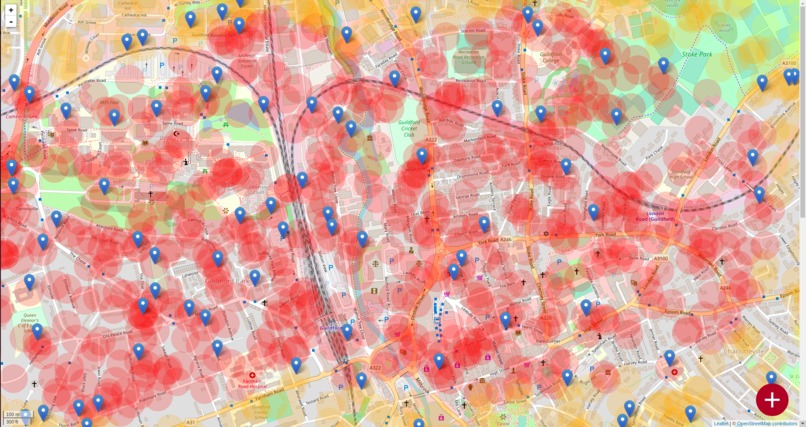
The general information analytics available from the web application.
Inspiration
In today's world of global news it is often easy for the smaller issues to fall through the cracks literally. Infrastructure is an integral part of our daily lives and often ignored. We felt this application could help bring the public maintenance industry into the modern era of compute.
What it does
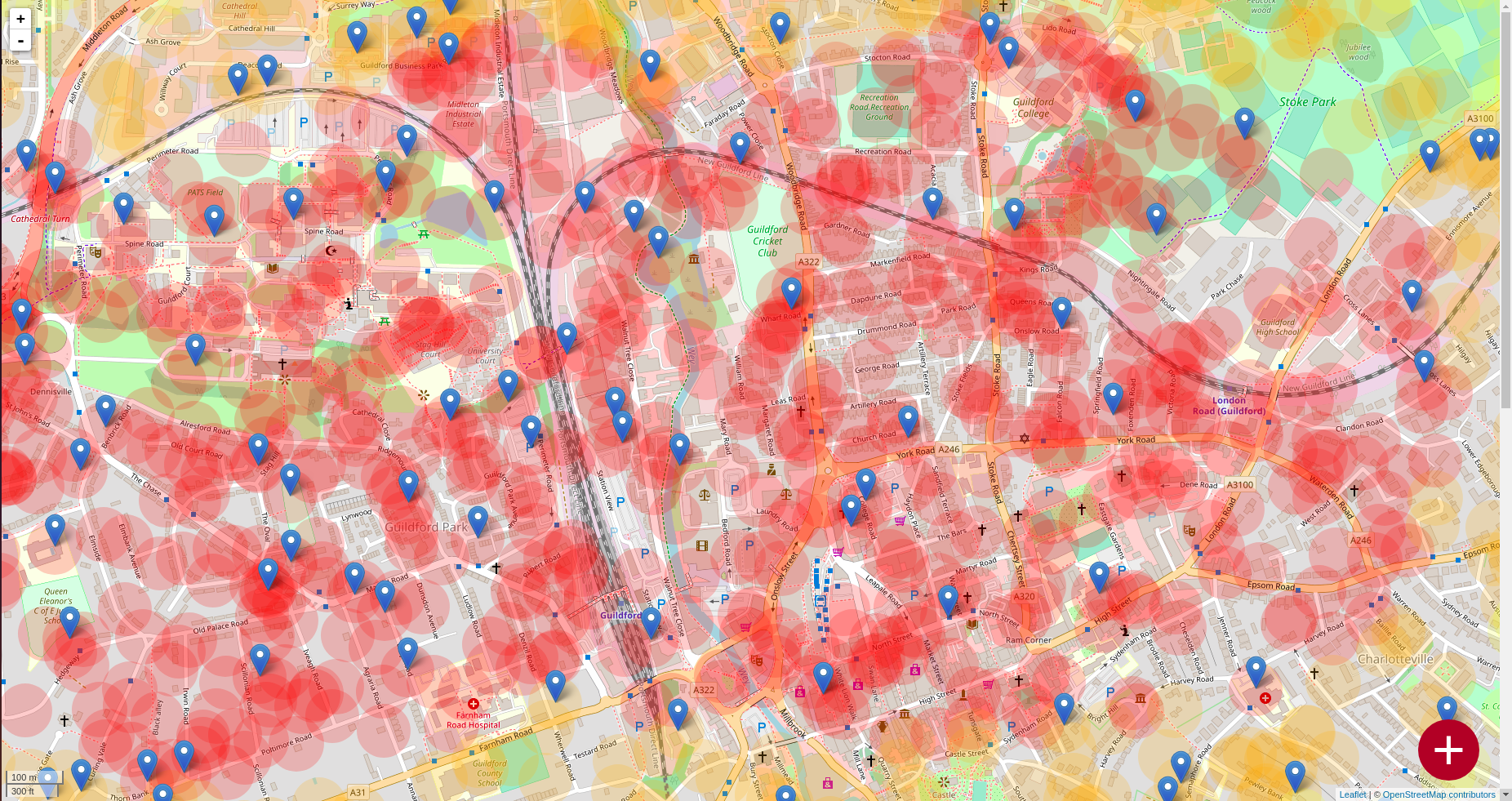
It helps provide a platform in which anybody can increase public awareness about any form of failing infrastructure at no personal cost. They needn't even log in to the application to engage with the paradigm. The data is also made available to everyone who needs it via an API we had designed. Along with a web application and an flutter application capable of running on both iOS and android that can be used to interface with the data. The information can also be readily added to helping it become a large repository of information that government agency can then use to make more granular decisions regarding infrastructure.
How I built it
We hosted the entire web application on a Heroku server using the GitHub educational pack. It was a Node.js server running express and was used to respond to our requests for data in the form of a JSON query via the api. The website was deigned in mind of viewing potential infrastructure weak points. The information is layed out in a clear and colourful manner making it easy to comprehend. However seeing how most users would prefer to report an issue on the spot the mobile application perfectly complements the web application by enable people to easily and quickly report a potential issue.
Challenges I ran into
Constraints of the heroku server made it ever more difficult for the HTTP request to meet our requirements. One such requirement was that of geo-location to help initialise the user in the region of the map to which they belong to. However due to constraints of heroku which only allow for http request under the current free student agreement. We attempted to work around this unfortunately fell short due to the time limit.
Accomplishments that I'm proud of
First time i deployed my very own api and it was an immense learning opportunity for myself. It was also the first time i had to learn how to use Node.js and develop on the fly especially regarding the server side compute necessary for the map rendering.
What I learned
Time management is key and more often than once the quick and dirty route can turn out to be much longer and harder. This turned out be a painful lesson for us causing us to ditch a few key features in exchange for the general performance of the web application and mobile application.
What's next for Super Roads
The web application is far from perfect and we would love to implement an updates css design along with adding a time sensitive component of each issue report. In the long term we would like to make the api substantial enough to provide ample information regarding housing prices and government infrastructure projects.

Log in or sign up for Devpost to join the conversation.