-
-
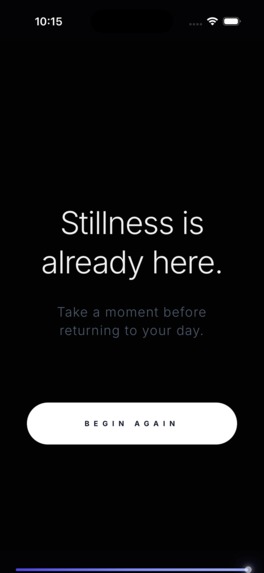
Carry something forward
-
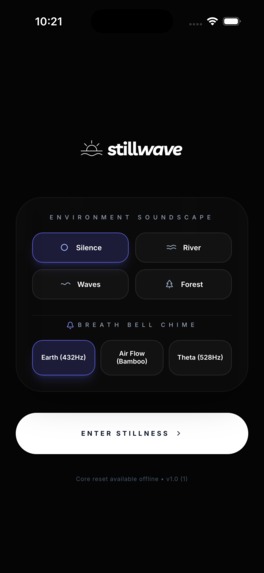
Technology can help us reclaim our attention
-
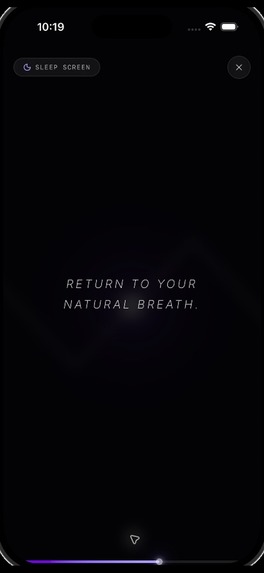
Be here
-
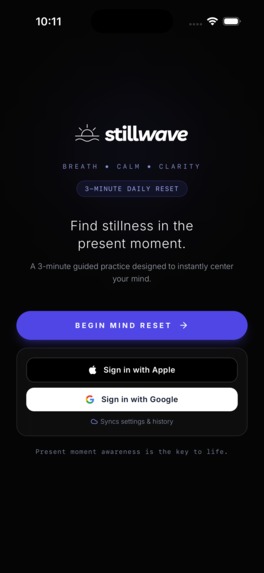
Stillwave: Your personalized 3-minute reset
-
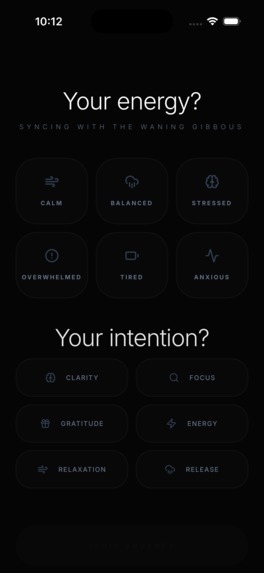
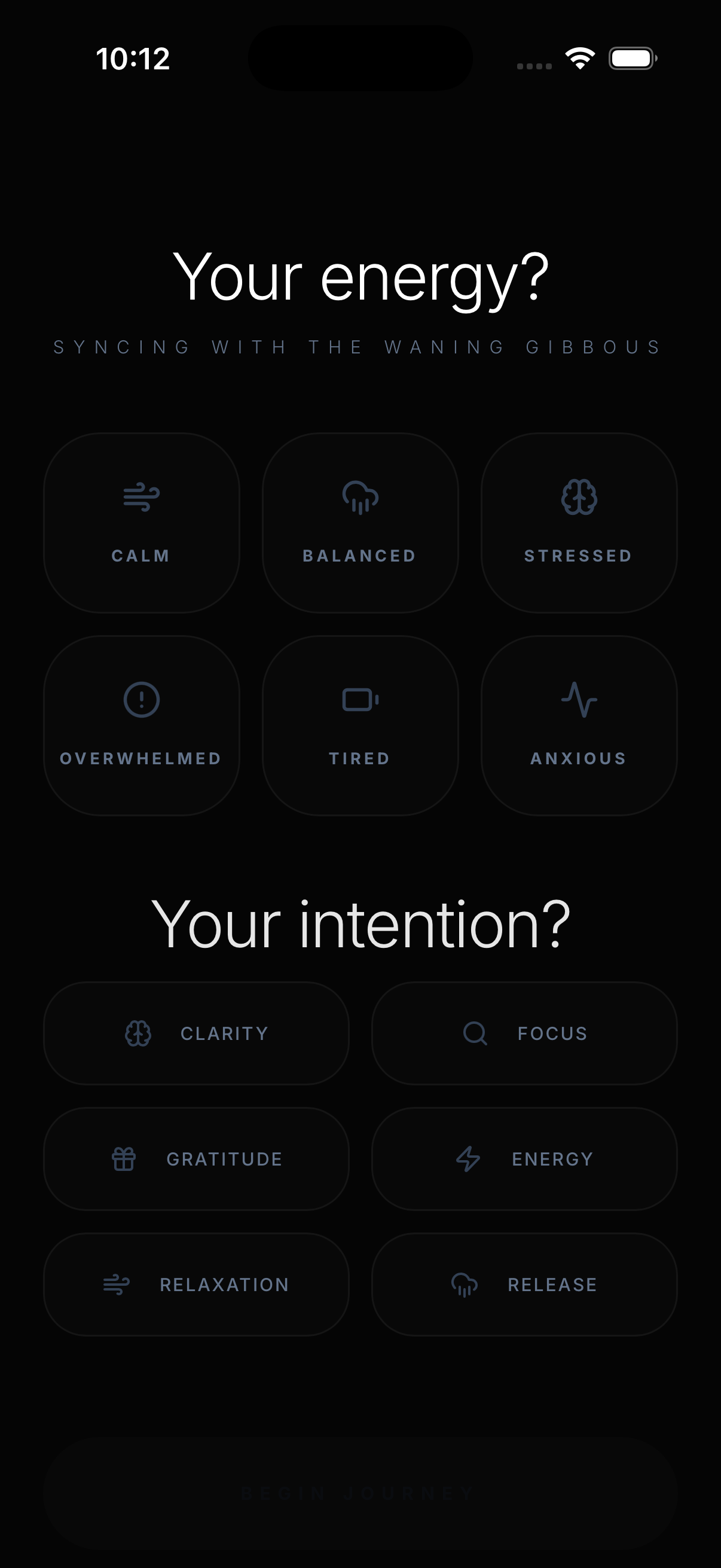
Start with how you feel
-
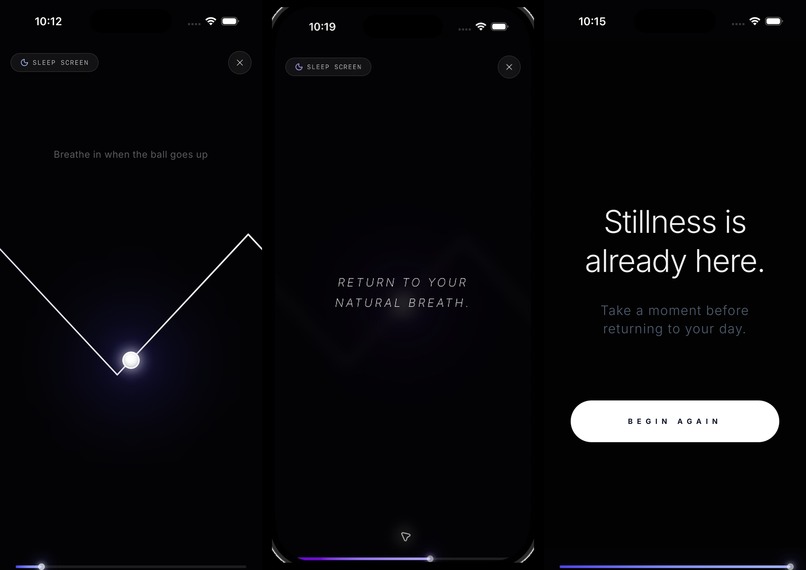
Breathe → Meditate → Affirm
-
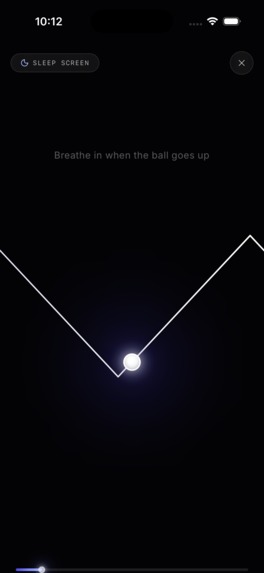
Breathe
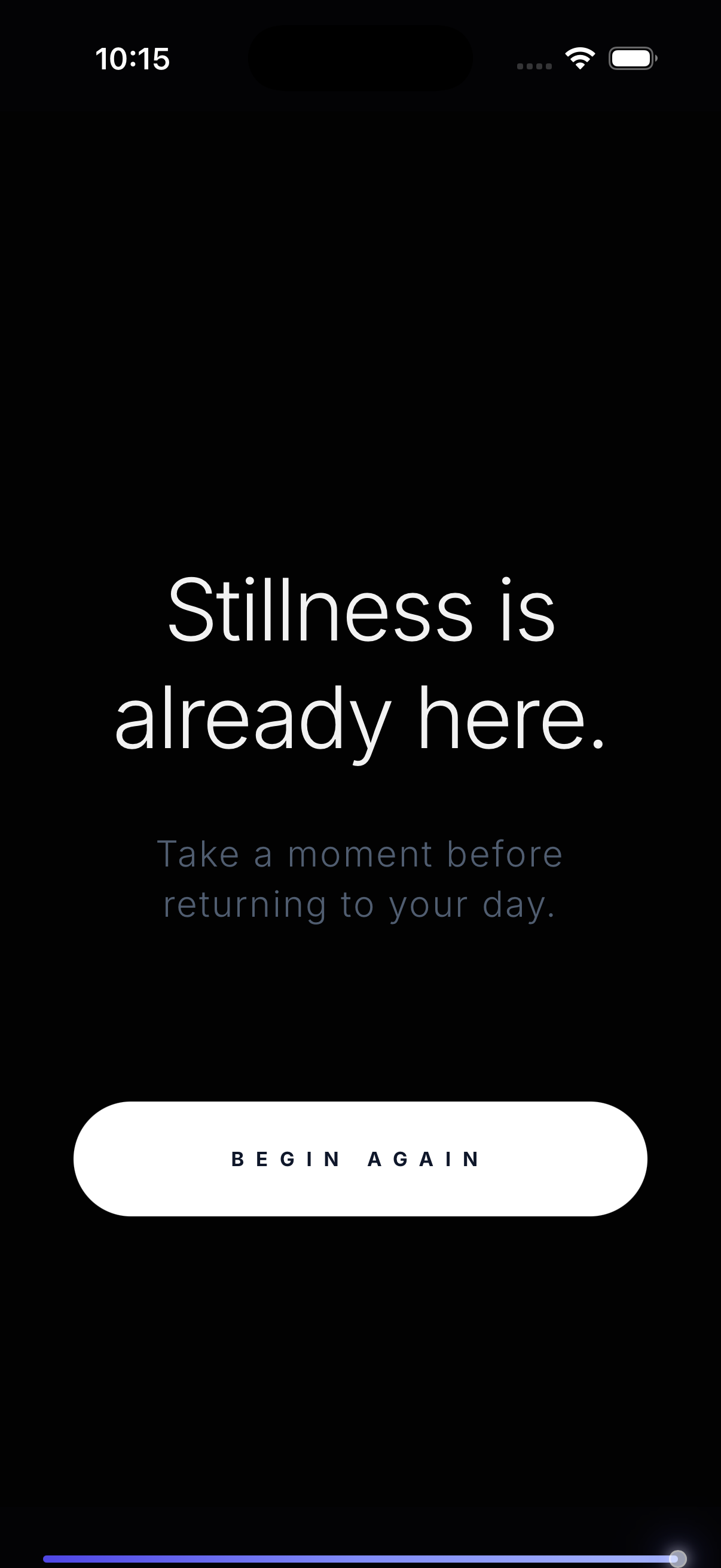
Inspiration
Stillwave started from a simple idea: feeling better should not require opening an app and choosing between hundreds of meditations.
When someone is stressed, overwhelmed, anxious, or simply needs a moment to reset, even deciding what to listen to can become another task.
I wanted to create something much simpler.
Stillwave is designed to help people move from how they feel right now to a calmer, more grounded state in just a few minutes.
Instead of an endless content library, Stillwave creates a short personalized reset combining guided breathwork, meditation, and affirmations based on the user's current mood and intention.
The goal is simple: less searching, more presence.
What it does
Stillwave guides users through a personalized three-part reset:
Breathwork to help slow down and regulate the nervous system. Meditation personalized around the user's mood and intention. Affirmations to leave the session with a simple thought to carry forward.
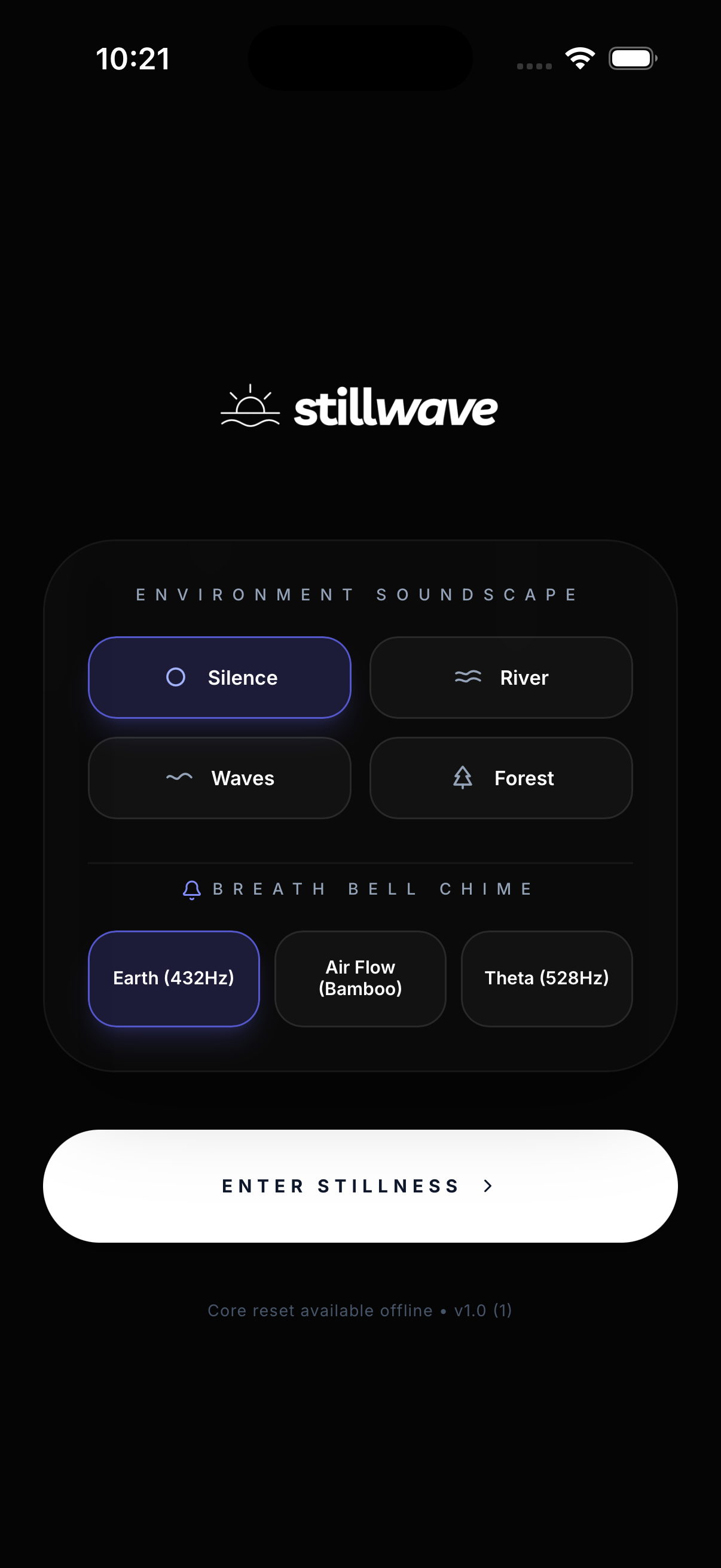
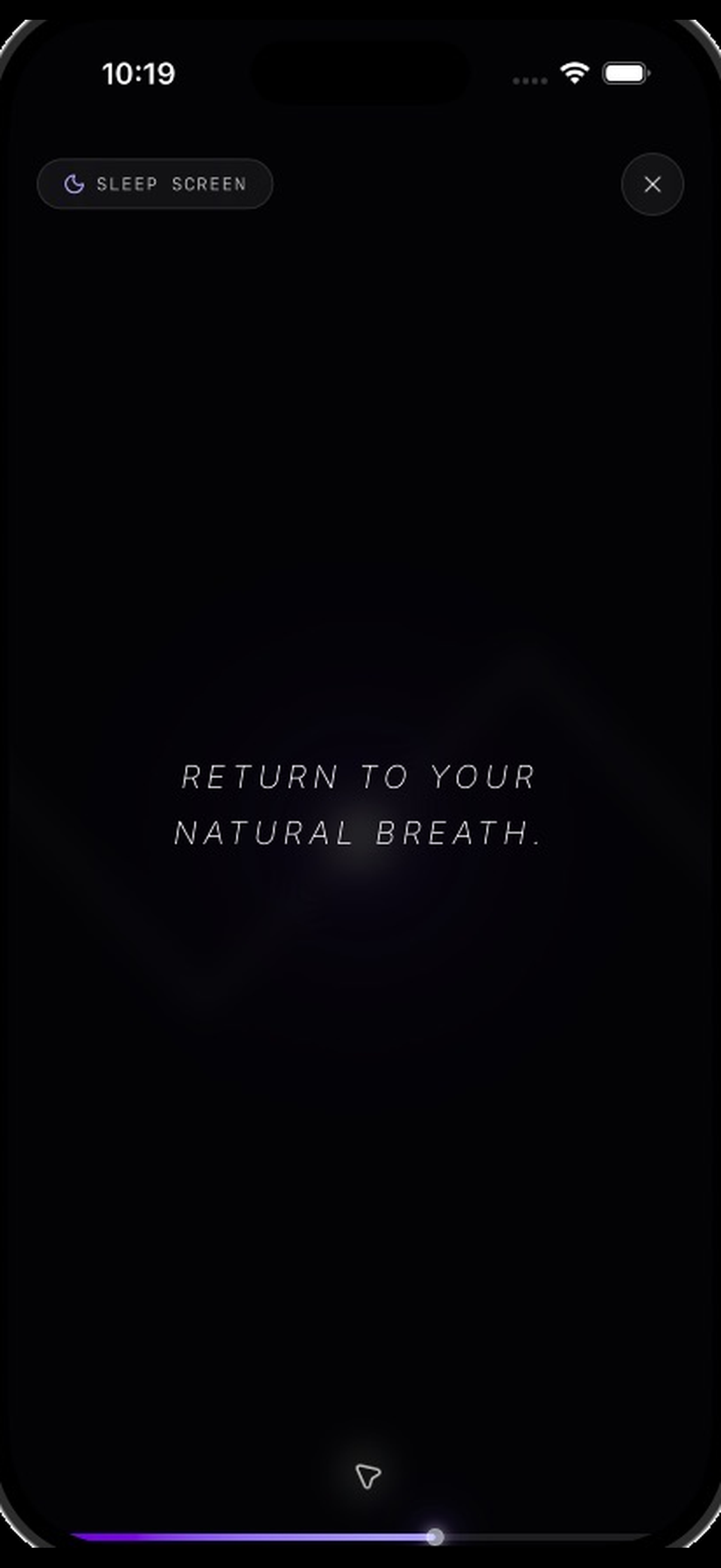
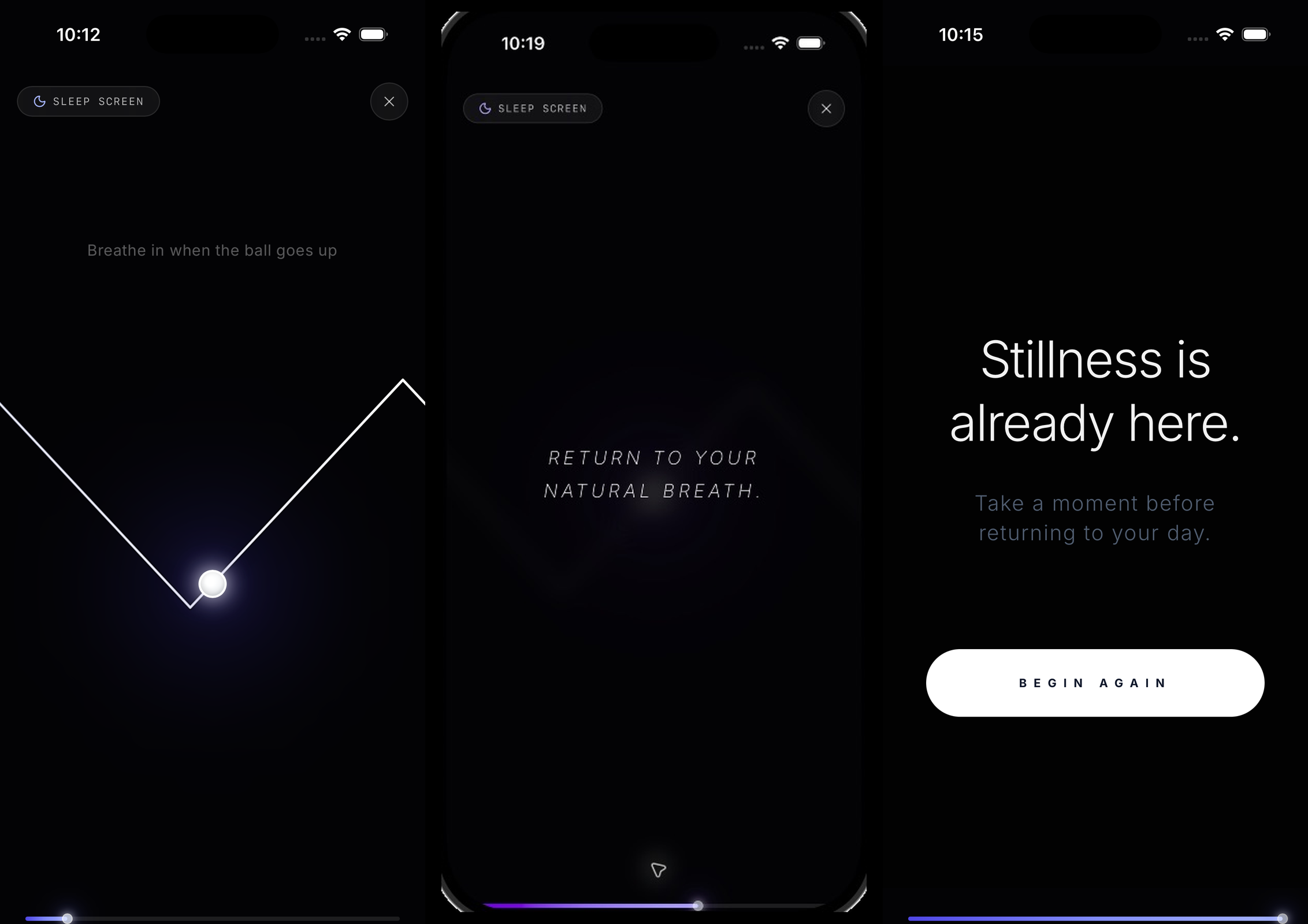
The experience is intentionally minimal, with calming visuals, audio, and simple interactions that remove as much friction as possible between opening the app and actually taking a moment for yourself.
Rather than trying to keep users on their screens longer, Stillwave is designed to help them feel better and return to their day.
How we built it
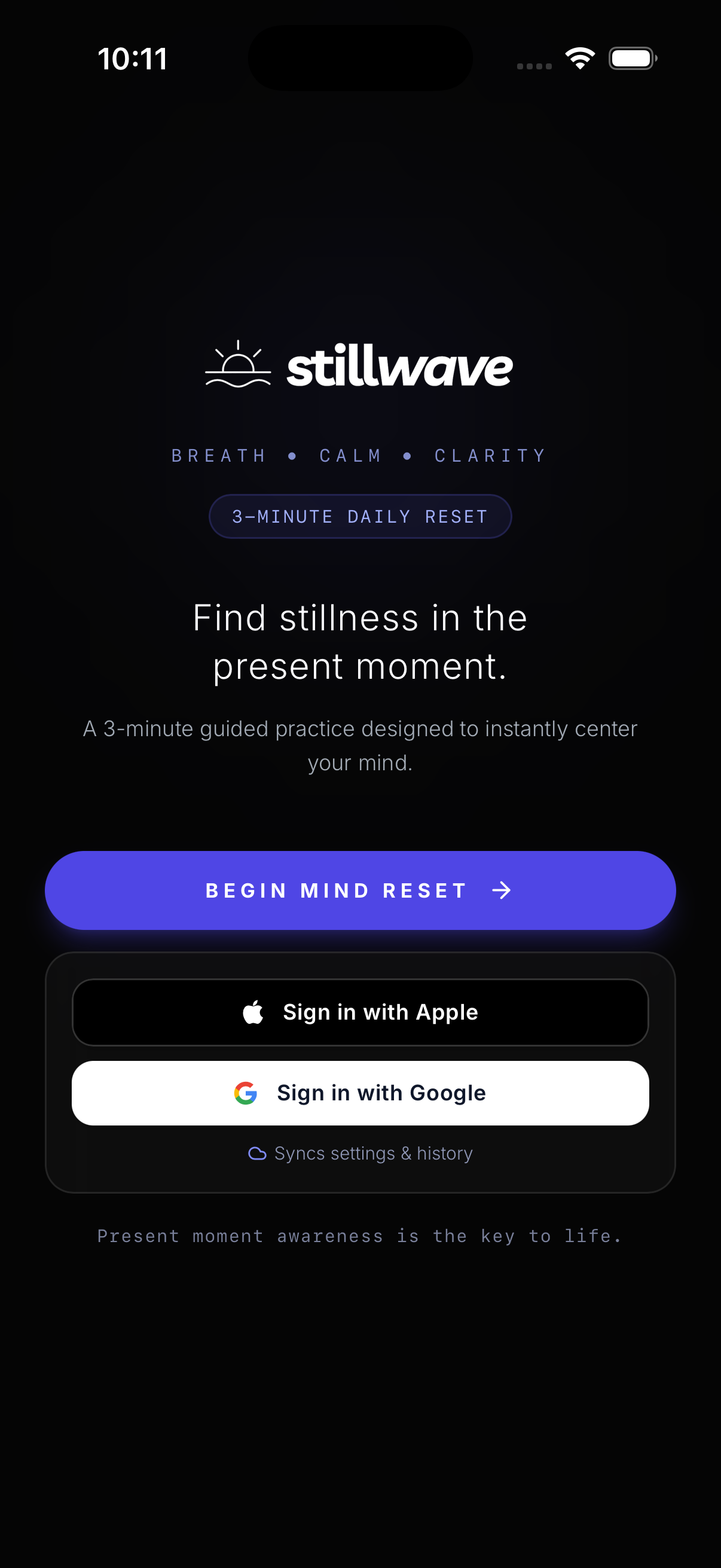
Stillwave began as a web application built with React and Vite, with Firebase supporting authentication and application data.
From there, I expanded it into a native mobile experience using Capacitor, allowing the same core product to run across iOS and Android while supporting mobile-specific functionality.
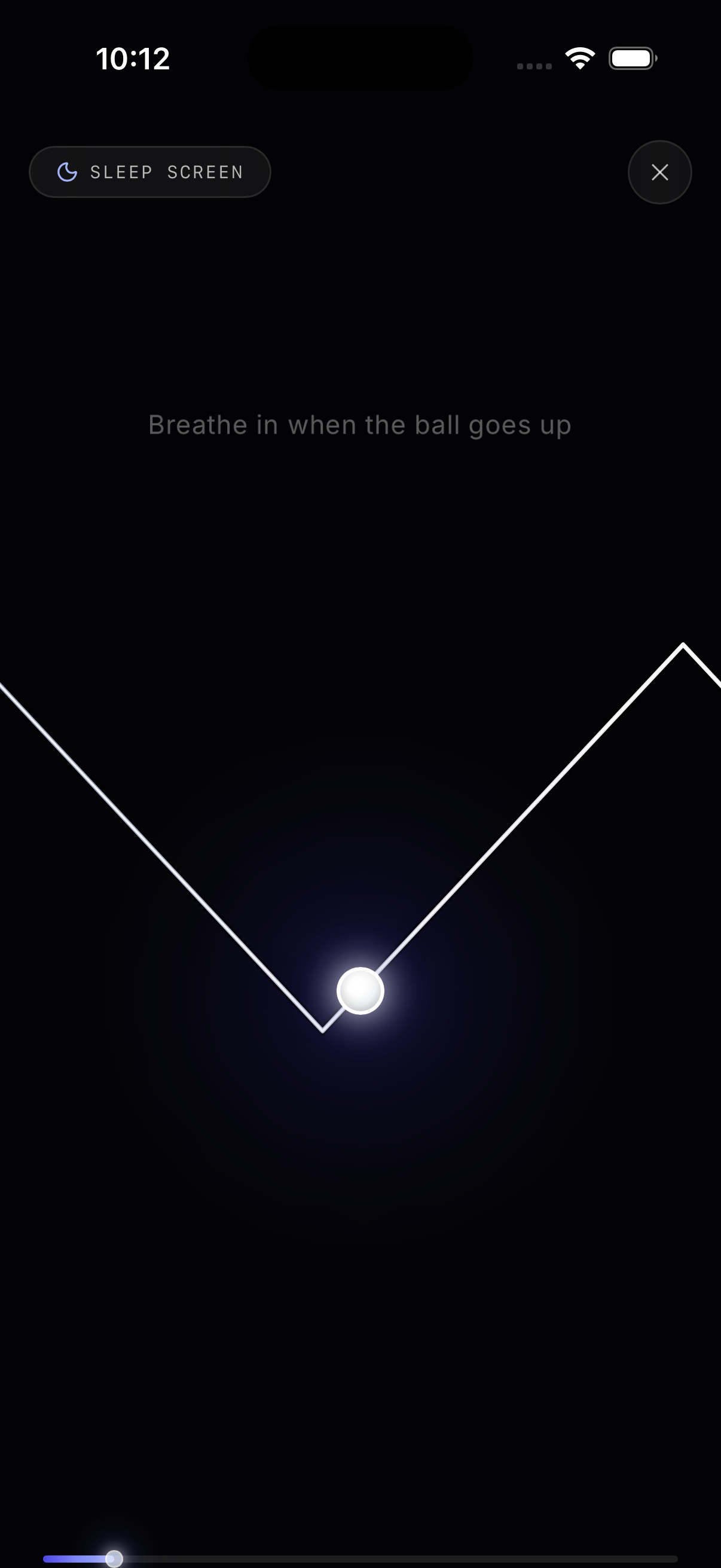
The breathwork experience uses timed visual guidance synchronized with different breathing patterns, followed by personalized meditation and affirmation content.
For subscriptions and premium access, I integrated RevenueCat so Stillwave can manage entitlements and subscriptions across mobile platforms while keeping the payment experience simple.
A major focus throughout development has been making the experience feel fast, calm, and distraction-free.
Challenges we ran into
One of the biggest challenges was resisting the temptation to add more.
Wellness apps can quickly become complicated with large content libraries, dashboards, streaks, social features, recommendations, and dozens of settings.
Stillwave intentionally moves in the opposite direction.
Every feature has to answer one question:
Does this make it easier for someone to become present?
Building one experience that works naturally across the web, iOS, and Android also created technical challenges around audio behavior, native authentication, subscriptions, and differences between devices.
Another challenge has been balancing personalization with simplicity. The experience needs to feel personal without making users complete a long onboarding flow before they can actually use it.
Accomplishments that we're proud of
I'm especially proud that Stillwave has stayed true to its original idea while growing from a simple web concept into a cross-platform product.
The core experience can take someone from selecting how they feel to completing a personalized breathwork, meditation, and affirmation session in only a few minutes.
I'm also proud of the level of simplicity we've been able to preserve. Stillwave does not depend on endless browsing or complicated navigation. The product has a very clear purpose, and almost every interaction supports that purpose.
Integrating RevenueCat was another important milestone because it helped turn Stillwave from an experiment into something that can become a sustainable product while keeping the experience accessible.
Most of all, I'm proud that the technology is being used to encourage people to spend less time distracted by technology and more time connected to the present moment.
What we learned
Building Stillwave taught me that simplicity is often harder than complexity.
A short experience can require an enormous number of decisions around timing, wording, interaction design, audio, accessibility, personalization, and visual feedback.
I also learned how valuable personalization can be when it is subtle. People do not necessarily need thousands of pieces of content. Sometimes they simply need the right experience at the right moment.
The project also reinforced an idea that has become central to Stillwave:
Technology does not always need to compete for our attention. It can also help us reclaim it.
What's next for Stillwave
The next step is continuing to develop Stillwave into an accessible daily tool for stress, sleep, focus, and emotional wellbeing while protecting the simplicity at the heart of the product.
Planned improvements include deeper personalization, additional breathing techniques, more meditation experiences, improved native functionality, and smarter recommendations based on what helps each person most.
I also want to continue refining the subscription model so Stillwave can remain affordable while supporting continued development.
As the product grows, the mission will stay the same:
Help people slow down, reconnect with the present moment, and find a little more peace in their day.
Built With
- ai
- android
- antigravity
- api
- apple
- avfoundation
- capacitor
- codex
- firebase
- generative
- github
- ios
- javascript
- react
- revenuecat
- text-to-speech
- vercel
- vite
- web
- xcode

Log in or sign up for Devpost to join the conversation.