-
-
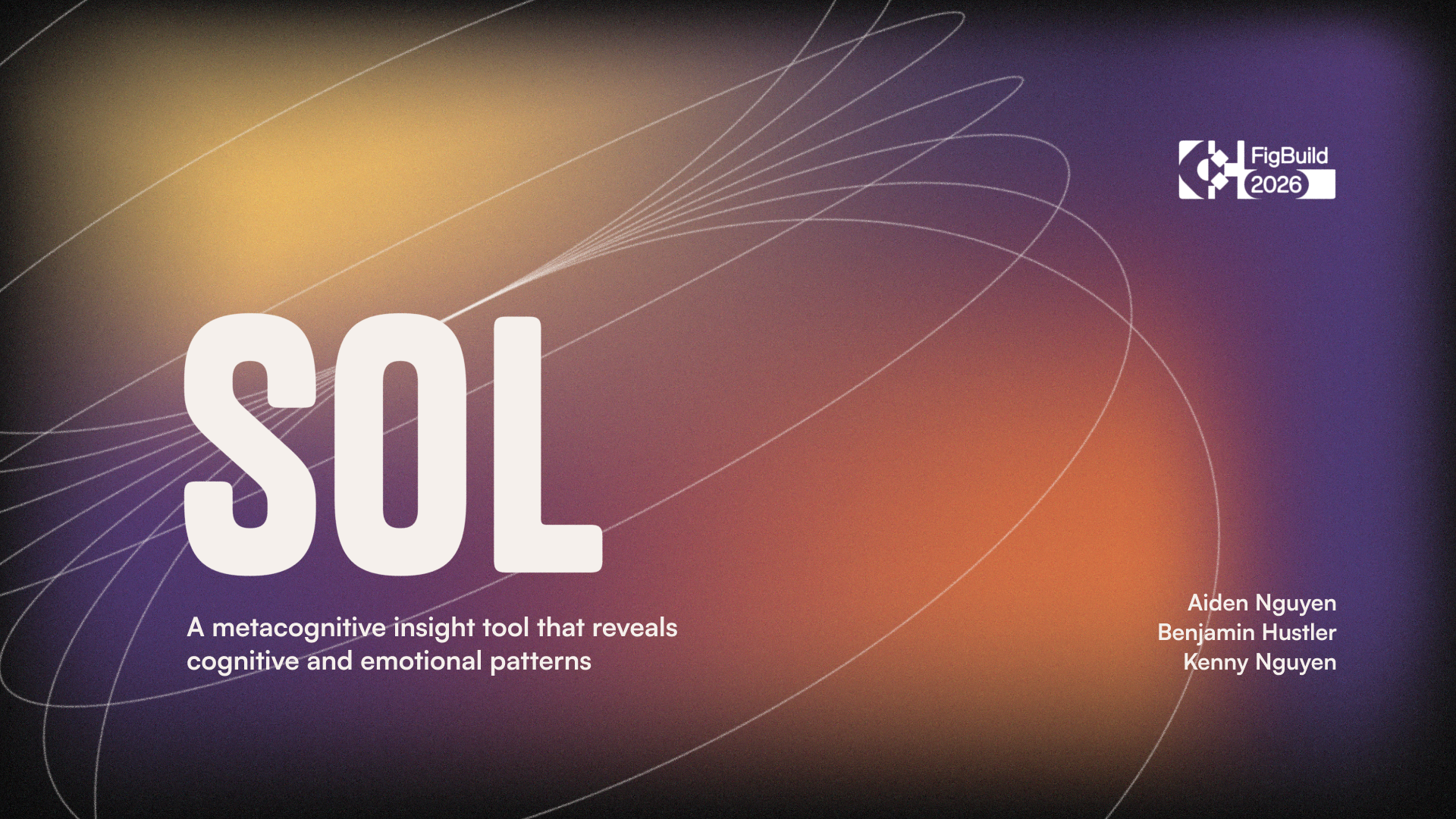
Intro page
-

-
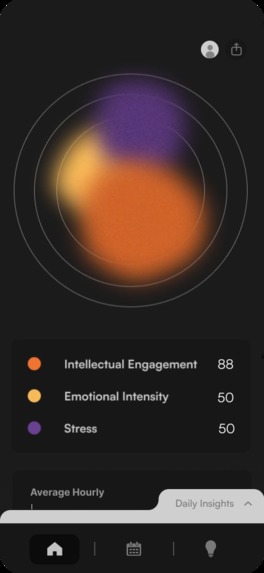
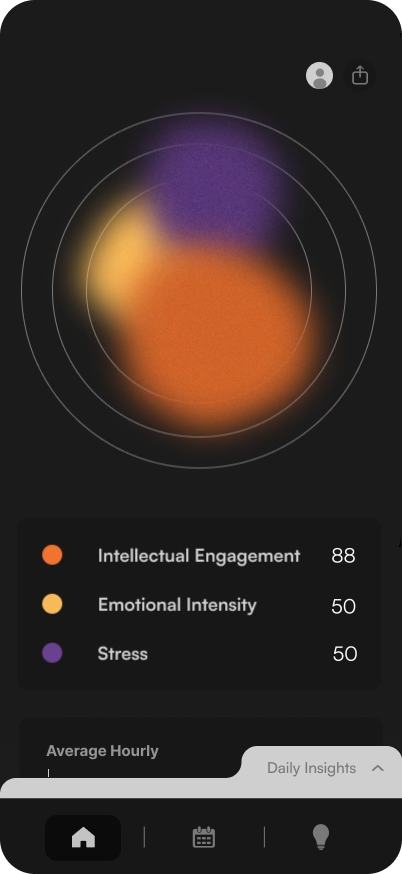
Home page
-
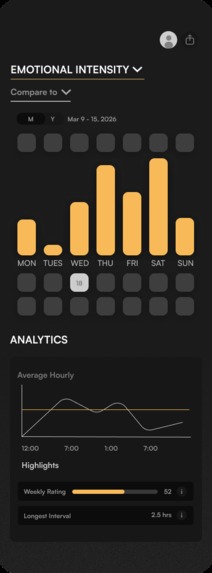
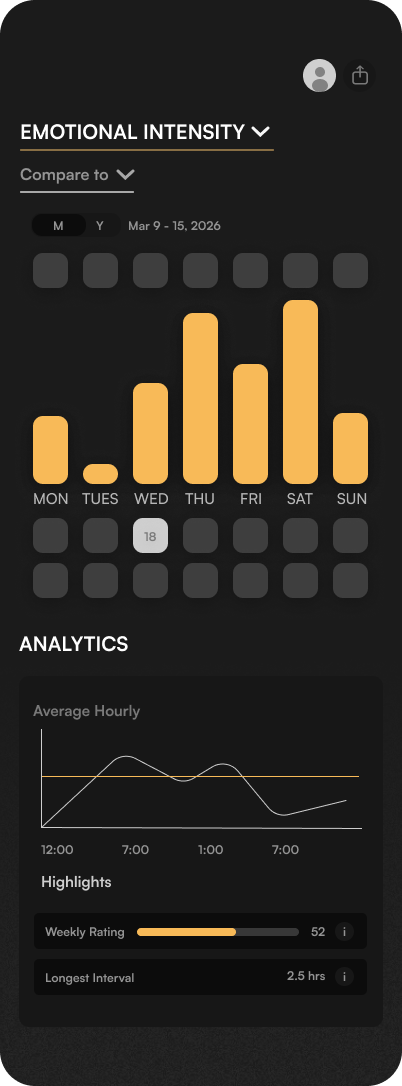
Data visualization
-
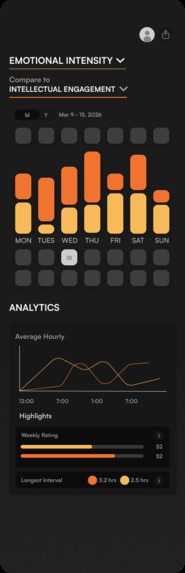
Comparisons
-
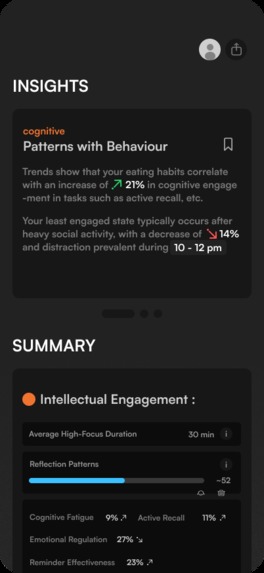
Insights

Inspiration
** INSPIRATION **
Our team was inspired by a growing question surrounding the rapid rise of artificial intelligence: what happens to human thinking when machines begin doing more of the mental work for us? While AI tools have dramatically increased efficiency and access to information, research suggests that heavy reliance on these systems can lead to cognitive offloading—a process where people delegate memory, reasoning, and problem-solving to technology instead of engaging their own mental effort. Studies have found that increased AI tool usage can correlate with lower critical thinking and reduced cognitive engagement over time.
At the same time, technological shifts throughout history have shown that when automation replaces a type of labor, people often need new ways to intentionally train and maintain those skills. Just as the Industrial Revolution reduced physical labor and eventually led to the rise of fitness culture and health tracking, the AI revolution may reduce the amount of mental labor we naturally perform in daily life. This raises an important opportunity: what if we could track, understand, and intentionally develop our cognitive engagement the same way we track our physical health?
This idea led us to explore research on engagement detection systems that analyze both cognitive effort and emotional response to understand how deeply someone is engaged in a task. Inspired by this research, our team wanted to design a tool that doesn’t replace thinking, but instead helps people measure, reflect on, and strengthen their own cognitive engagement in an AI-driven world.
Check out some sources we consulted for the ideation of our design idea:
Harvard study on passive and active brain
Awareness as a sensory experience
What it does
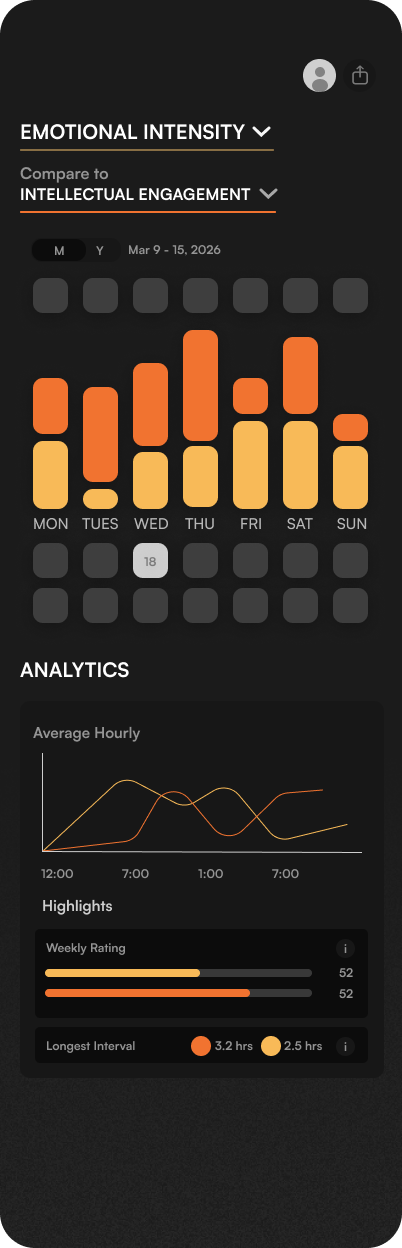
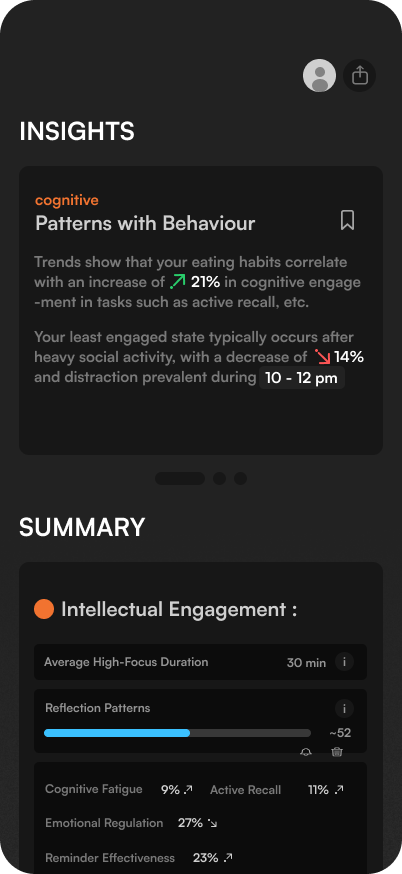
Our solution tackles the sensory experience that deals with the emotional awareness of oneself, and the ability to accurately quantify changes in their emotional state and what uses they can do with that information. The sensory experience being addressed is the metacognitive awareness of internal cognitive states, more specifically the perception of cognitive states, changes in attention levels, mental effort through response to stimuli. This app aims to minimize and condition the self by emotional tracking and regulating one’s emotional state and syncing it with cognitive functions and enabling users to consciously improve their emotional and cognitive efficiency and awareness with pinpoint accuracy.
How we built it
We wanted to get some background research as to how to explore the world of extra sensory perception by consulting research from many different academic sources.
As a result of the research, we found out that users are less interested in raw cognitive data and are more motivated by insights that help them understand patterns in their behaviour and improve their focus or productivity. So, we resorted to features on 'clear data visualization' and 'actionable insights' as our core principles to the app.
Tech stack: Figma, Figma Make, Adobe Illustrator, Adobe After Effects, Blender
Our ideation and design process was constructed in figma design, with our final high fidelity frames were then implemented into figma make to create a working, interact-able prototype. Adobe Creative Suite and Blender were used to produce complementary visuals and effects that results in a strong visual representation of our product.
Challenges we ran into
It was our FIRST designation for all of us so there was a learning curve to a lot of stuff especially since we were building an entire app out of experimental tools and technology that does not yet exist. We originally wanted to implement some of our features listed in our nexts tips such as a notification system, but getting the aura to change shape and colour around the mood of the user proved to be a huge pain using figma make and with the time constraints. One of our biggest challenges was designing for speculative/emerging technologies that requires extensive research and leaving things up for interpretation of existing scientific work. Instead of focusing on function and detection, we focused on cognitive and emotional engagement after many hours of research so that we could create something meaningful for users.
Accomplishments that we're proud of
Learning prototyping and wireframes with figma make was a big accomplishment since none of us had previous experience on the interface, it took lots of versions and communication! Designing a cognitive app that SUPPORTS thinking, not replacing it. In a world increasingly assisted by AI, tools like Sol should encourage intentional cognitive engagement and self awareness, rather than offloading their work to AI. Getting our deliverables done a little earlier (we were on a time crunch) Getting additional visual assets from other platforms to elevate our branding! (yay)
What's next for Sol
There are a lot of improvements and implementations that could be made for Sol before it can be deployed as a fully running app.
Modifiers and/or next steps: Think of a way Resources could be provided to users about things that they might not know about their own intellectual behaviour Gives them “actionable” recommendations and courses into ways that they can improve their day (far fetched but could also refer them to supplemental support through external means, like ask a professional) *Notification system: *
- Warning of impeding issues with health
- Example case with ADHD: Instead of relying on medication alone, people could learn to recognize and regulate their focus patterns. Adjusting tasks dynamically:
- Pacing learning when attention decreases
- Breaking tasks automatically into manageable segments
- Adjusting difficulty levels in real time
- Maintain optimal cognitive engagement
Built With
- adobe-aftereffects
- adobe-illustrator
- blender
- css
- figma
- tailwind


Log in or sign up for Devpost to join the conversation.