
Inspiration
The idea for Skydive Sim began after I injured my ankle on my 50th real-world skydive and couldn’t jump for six weeks. To rebuild confidence, I looked for a VR skydiving trainer, but nothing felt realistic or immersive enough. So I built the tool I needed. What started as a personal project has now grown into a full simulator used by skydivers, new jumpers, arcades, and museums.
What it does
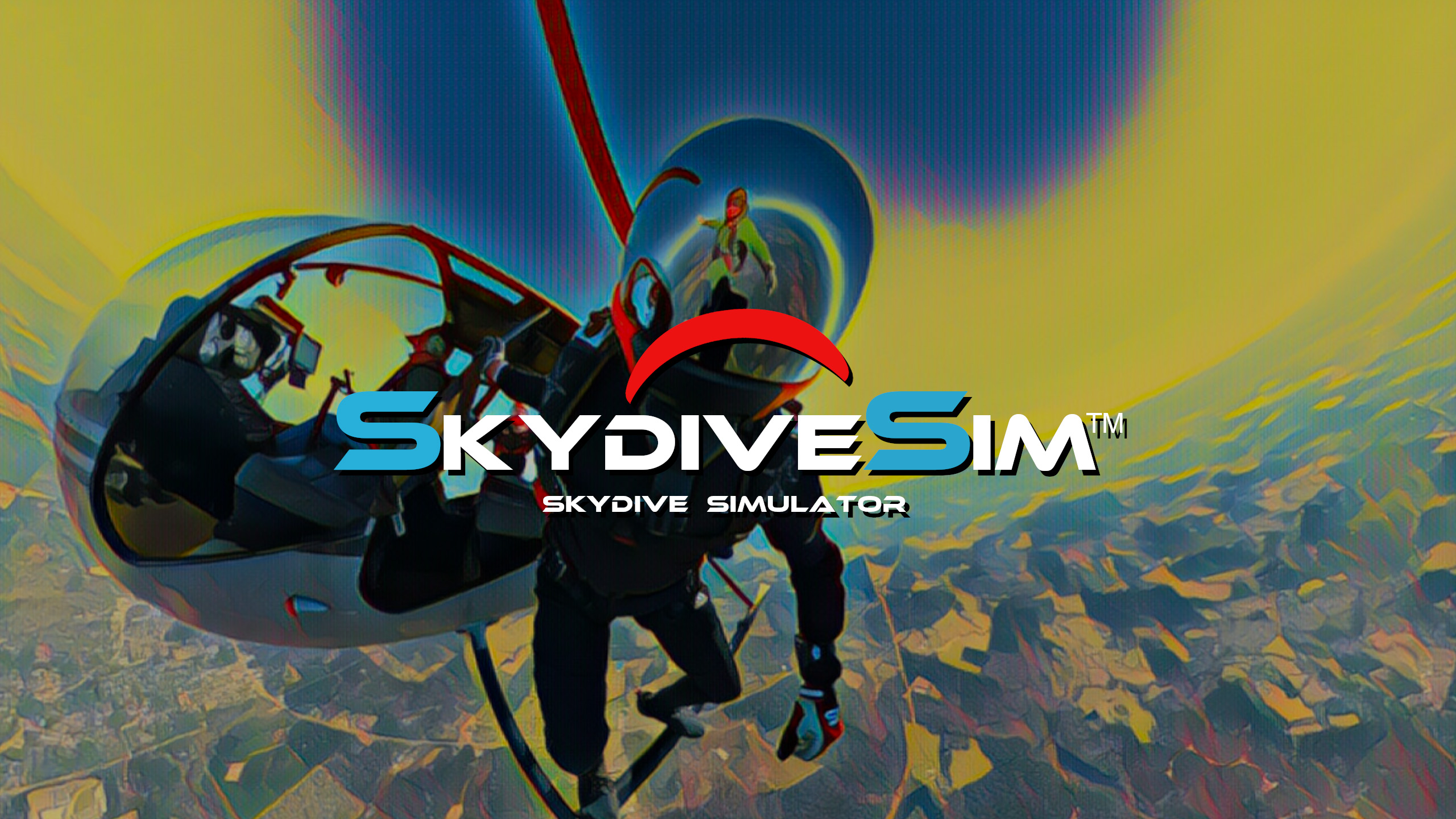
Skydive Sim recreates the entire skydiving experience: exiting the aircraft, flying in freefall, deploying your canopy, navigating flight patterns, swooping, and landing.
For the Meta competition, we focused on a major new upgrade: full gesture-based hand tracking. Players can now walk, freefall, backfly, sitfly, perform barrel rolls, control toggles and front risers under canopy, and even fly a superhero-style jetpack using only hand gestures. The whole experience becomes controller-free and incredibly immersive.
How we built it
Skydive Sim is built with Unity and integrates: Ready Player Me for avatar creation Cesium / Google Earth for real-world geography LIV Creator Kit for mixed reality A custom gesture engine built on OpenXR Hand Tracking Arcade hardware support, including an optional harness system
To add hand tracking, we designed a gesture layer that makes actions intentional and intuitive. Because players start on a platform before the jump, we had to avoid unwanted movement. We iterated through many concepts until gestures became readable but never accidental.
Freefall gestures include: Right-hand thumbs-up → belly ↔ sitfly Back-fly gesture → smooth backflying Barrel-roll gesture → controlled rolling
Under canopy, we detect whether the user is “grabbing” toggles or front risers—each producing different aerodynamic behavior.
The jetpack system uses simple, powerful gestures: Open hands → more thrust Closed fists → less thrust Neutral hands → hover
Challenges we ran into
Preventing accidental walking or movement on the starting platform Distinguishing complex gestures reliably across lighting conditions Managing the transition between controllers and hand tracking Making advanced skydiving mechanics intuitive for first-time users
Accomplishments that we're proud of
Achieving stable gesture-based walking, freefall, canopy flight, and jetpack flight Creating a jetpack mode that genuinely makes players feel like superheroes Building a gesture system precise enough for all the different player states Integrating gesture controls without sacrificing performance
What we learned
We learned how sensitive hand tracking can be and how careful gesture design must be to avoid accidental triggers. We also learned how much immersion increases when interactions feel natural and controller-free. Small refinements to gestures drastically improved user comfort.
What's next for Skydive Sim
We plan to expand gesture-based actions (freefall movements, advanced canopy maneuvers), refine multiplayer gesture syncing, continue improving superhero-style jetpack controls, and add more real-world drop zones and training modes.


Log in or sign up for Devpost to join the conversation.