-
-
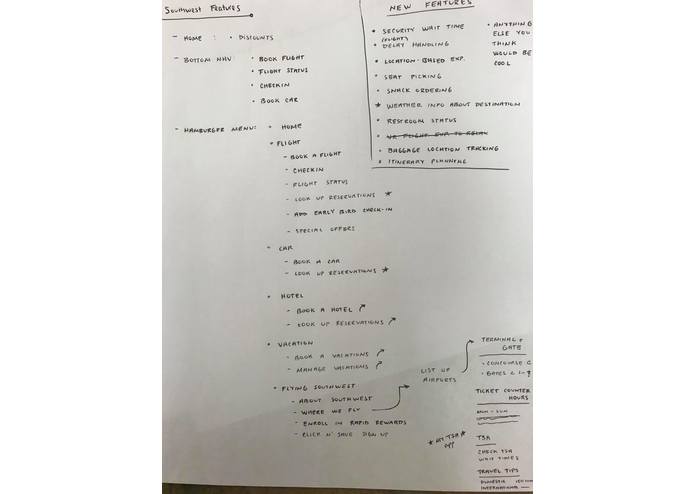
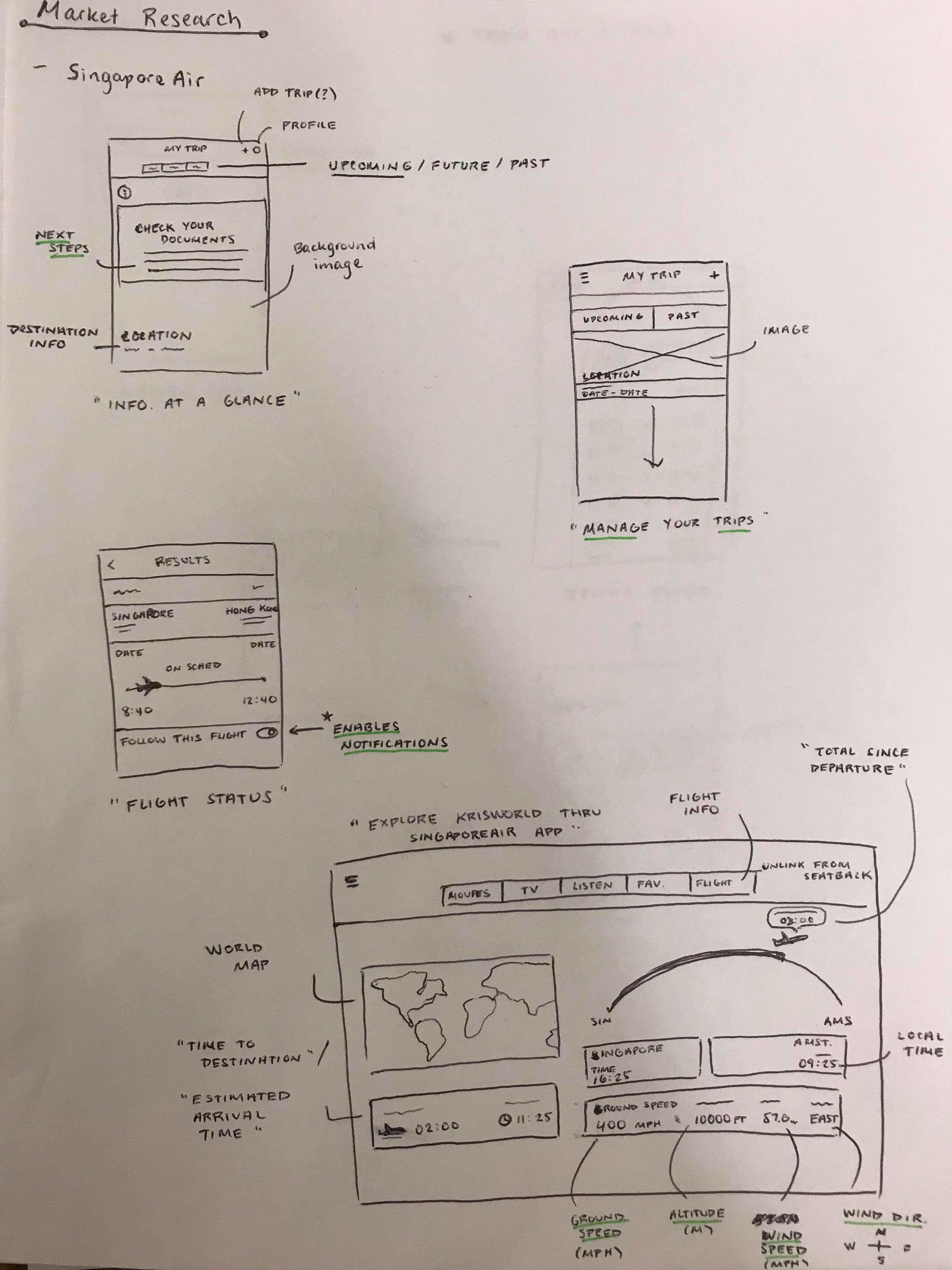
Southwest market research
-
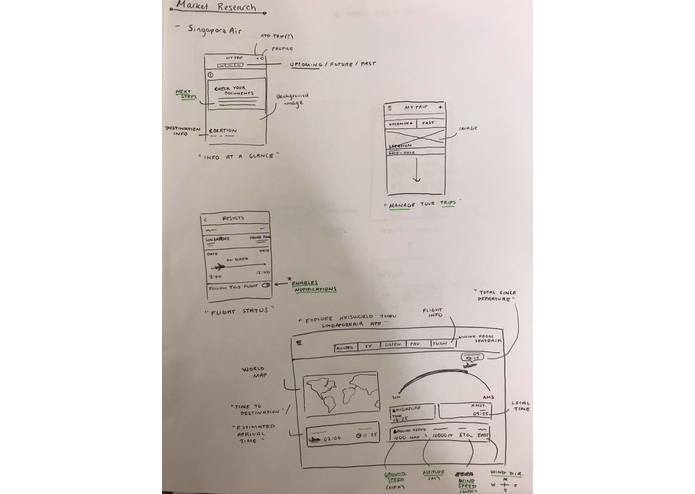
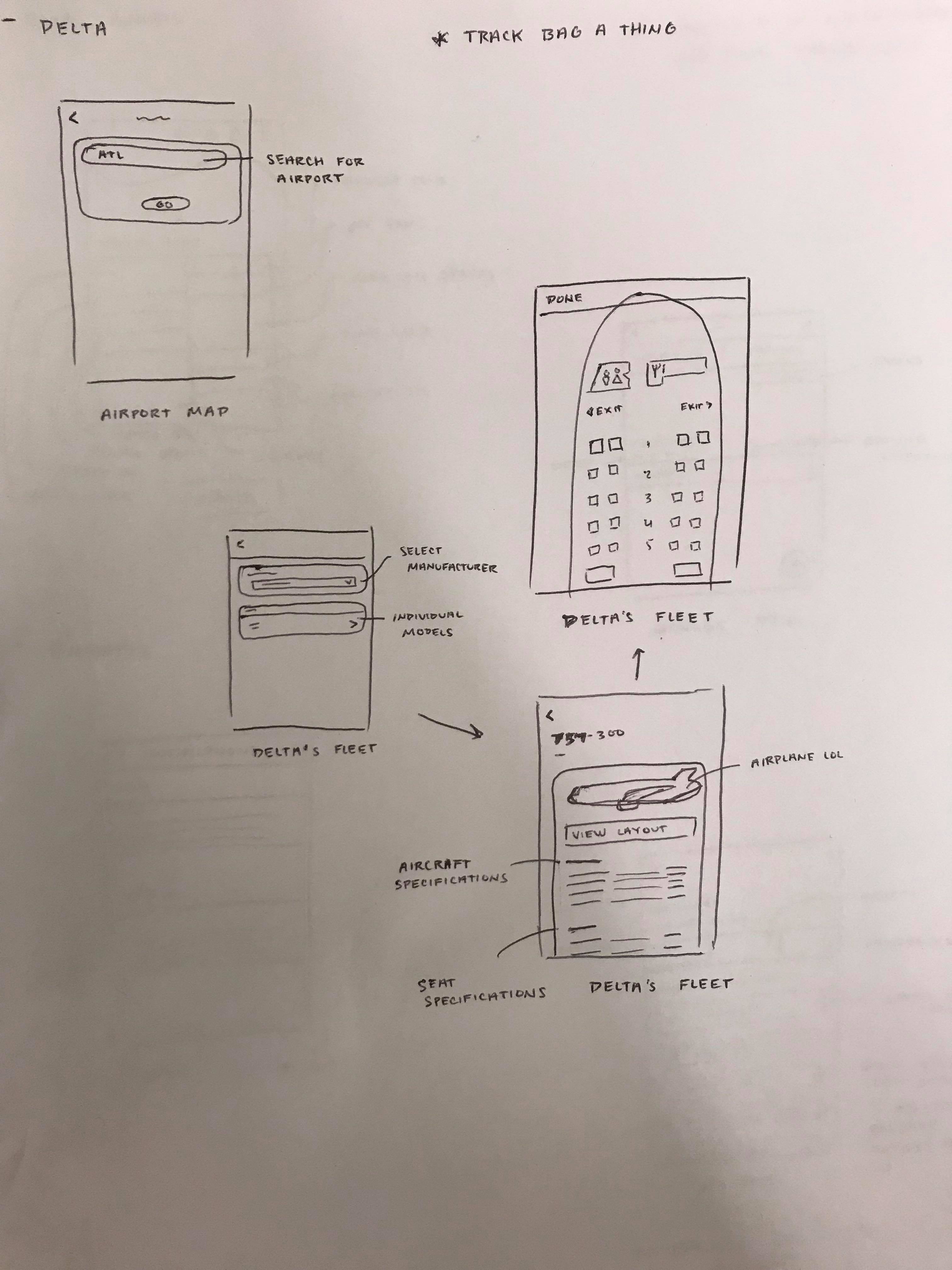
Market research
-
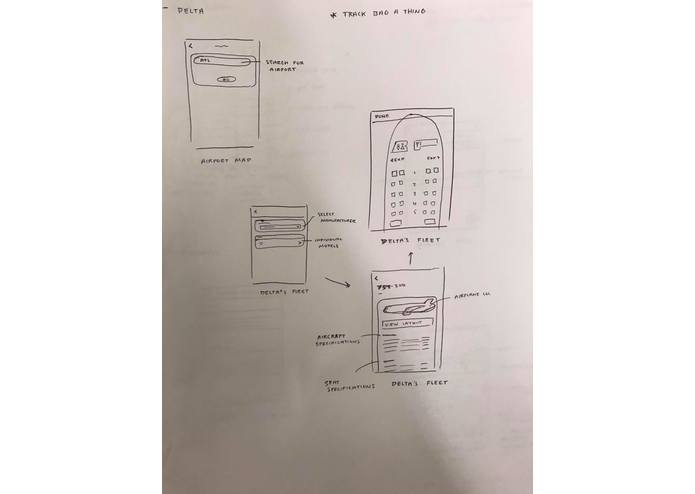
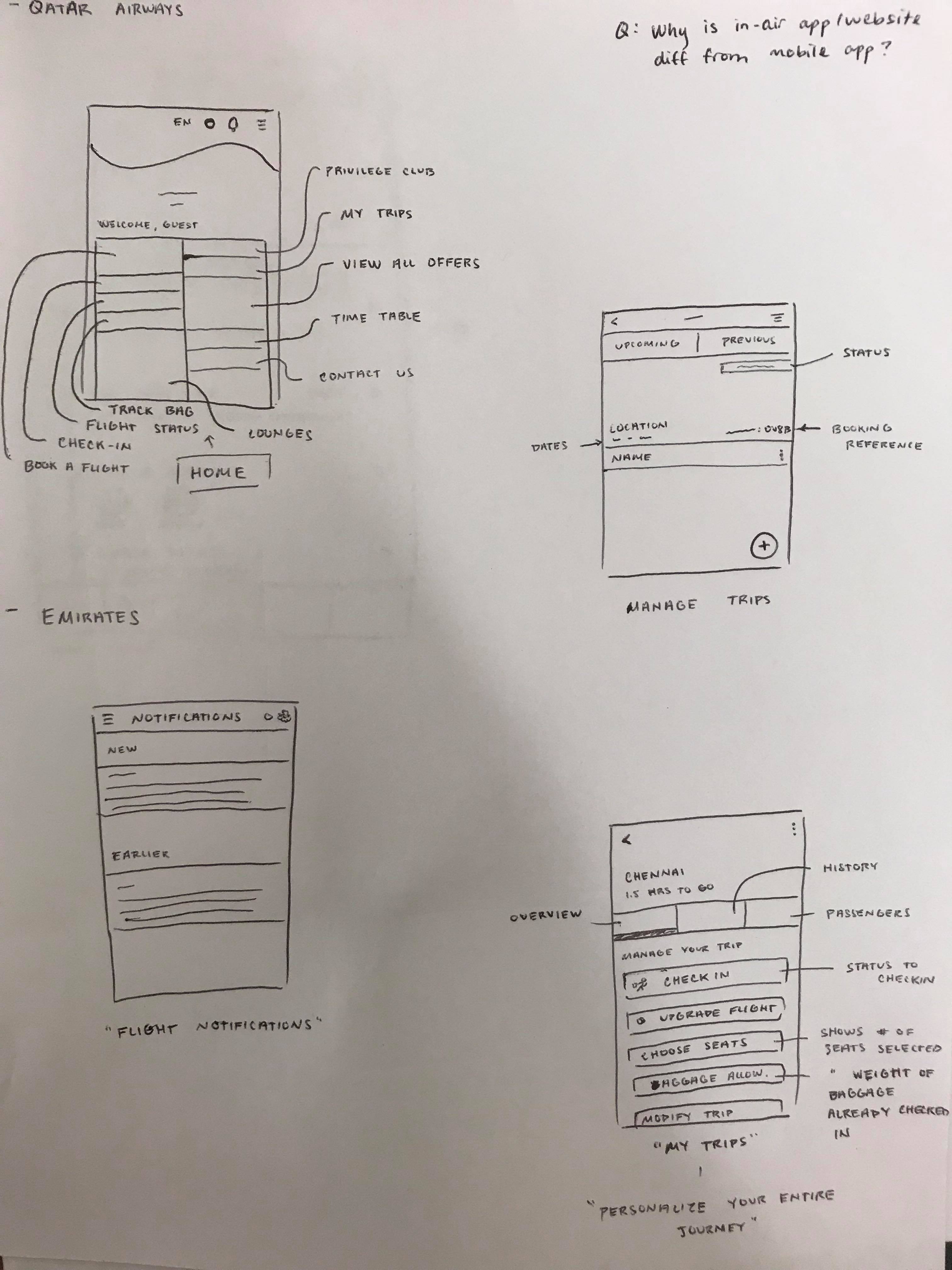
Market research
-
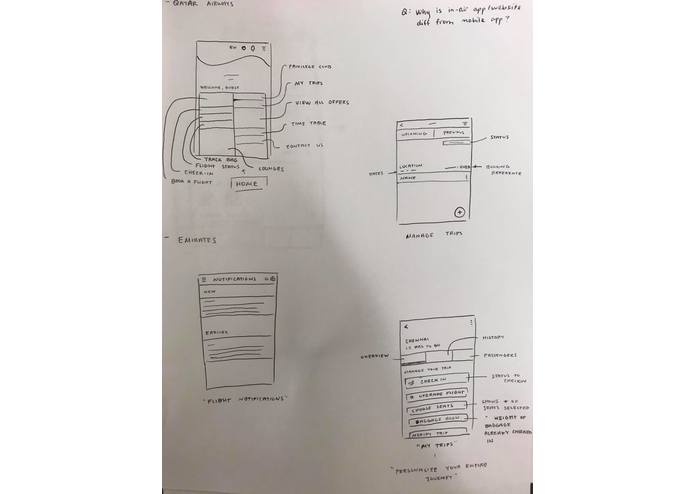
Market research
-
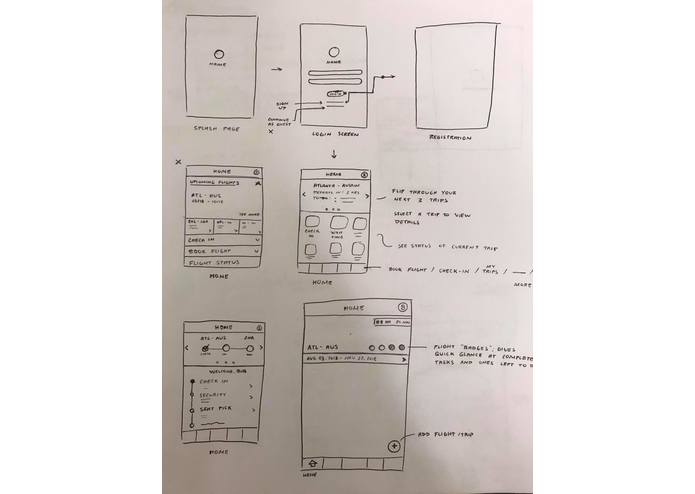
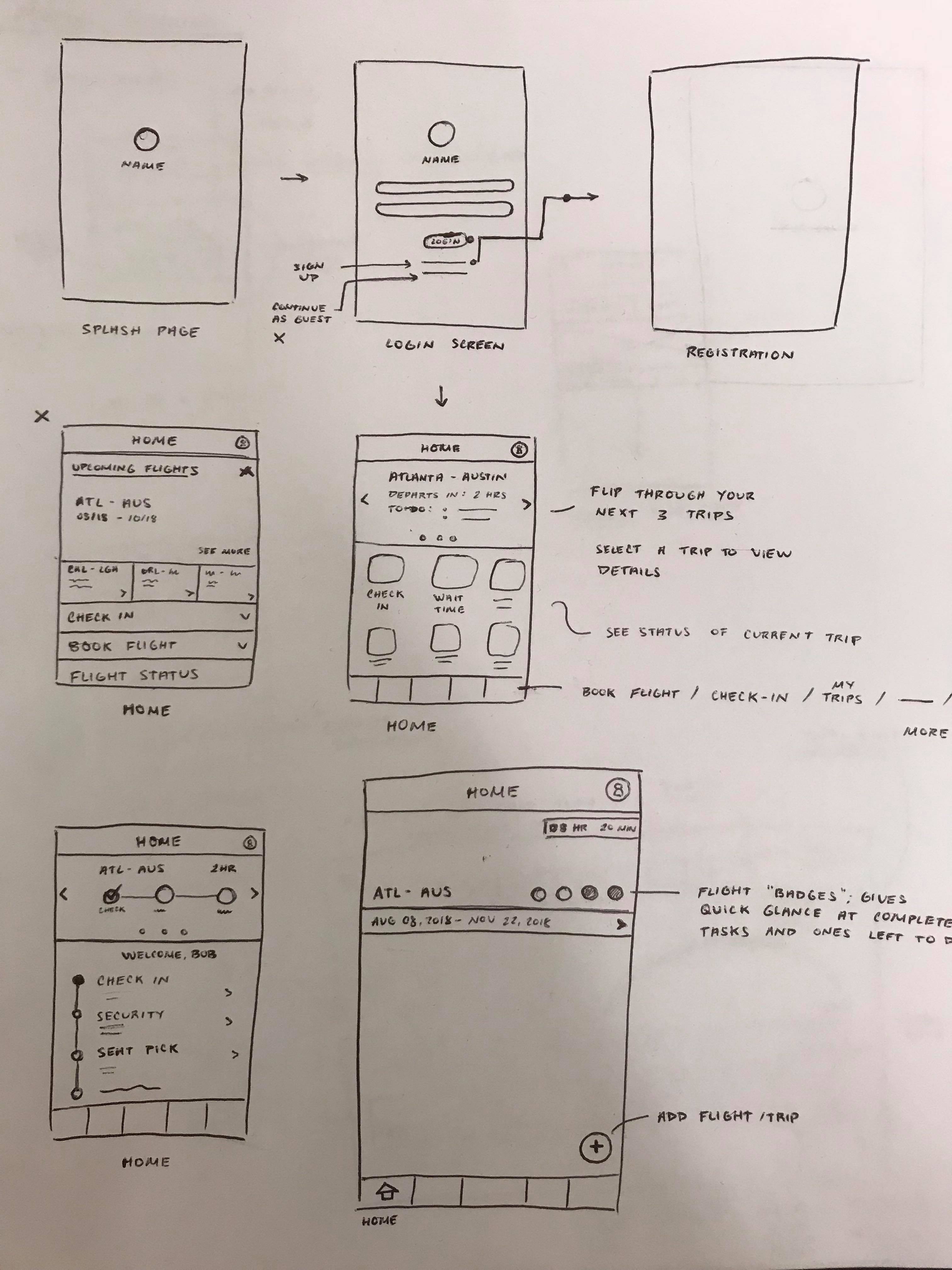
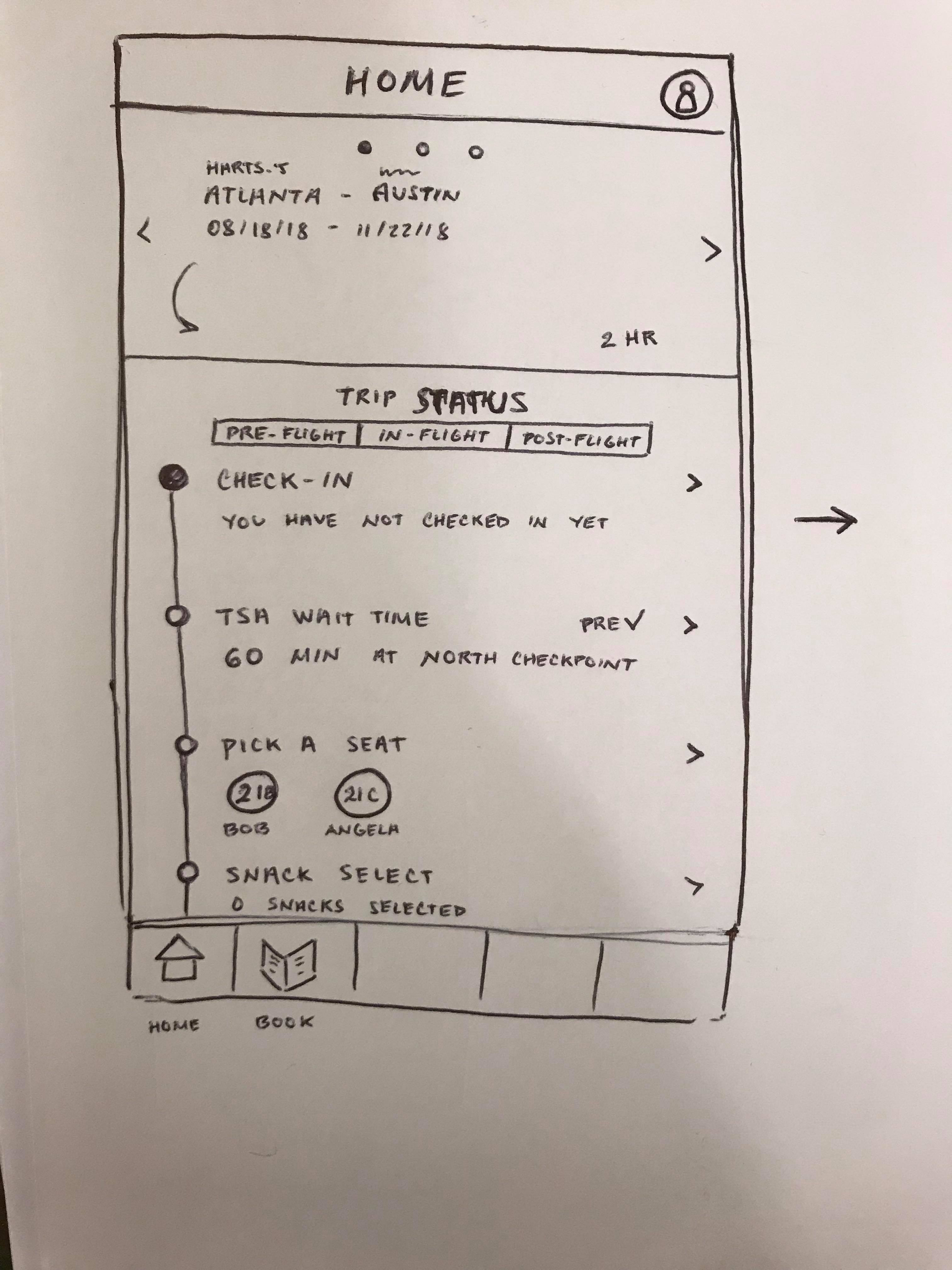
Low-fi wireframes
-
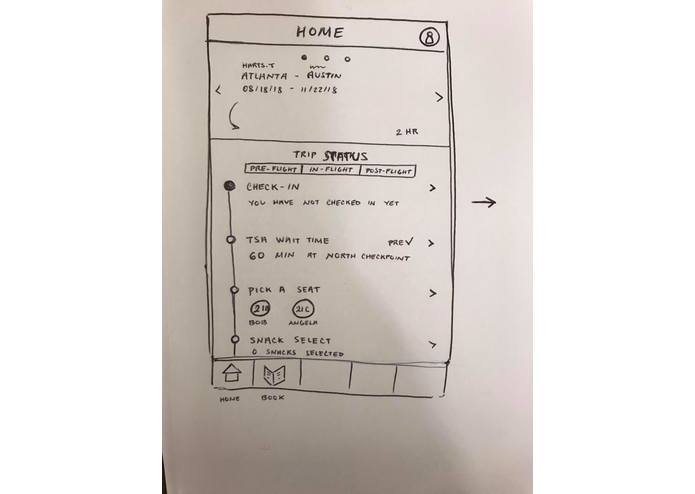
Low-fi wireframes
-
Login
-
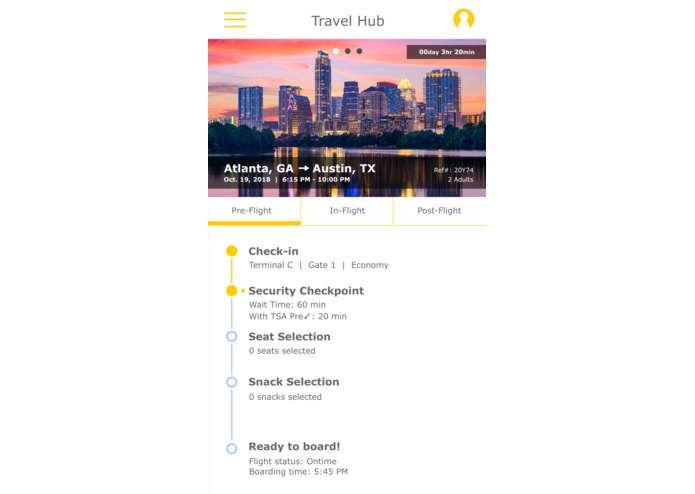
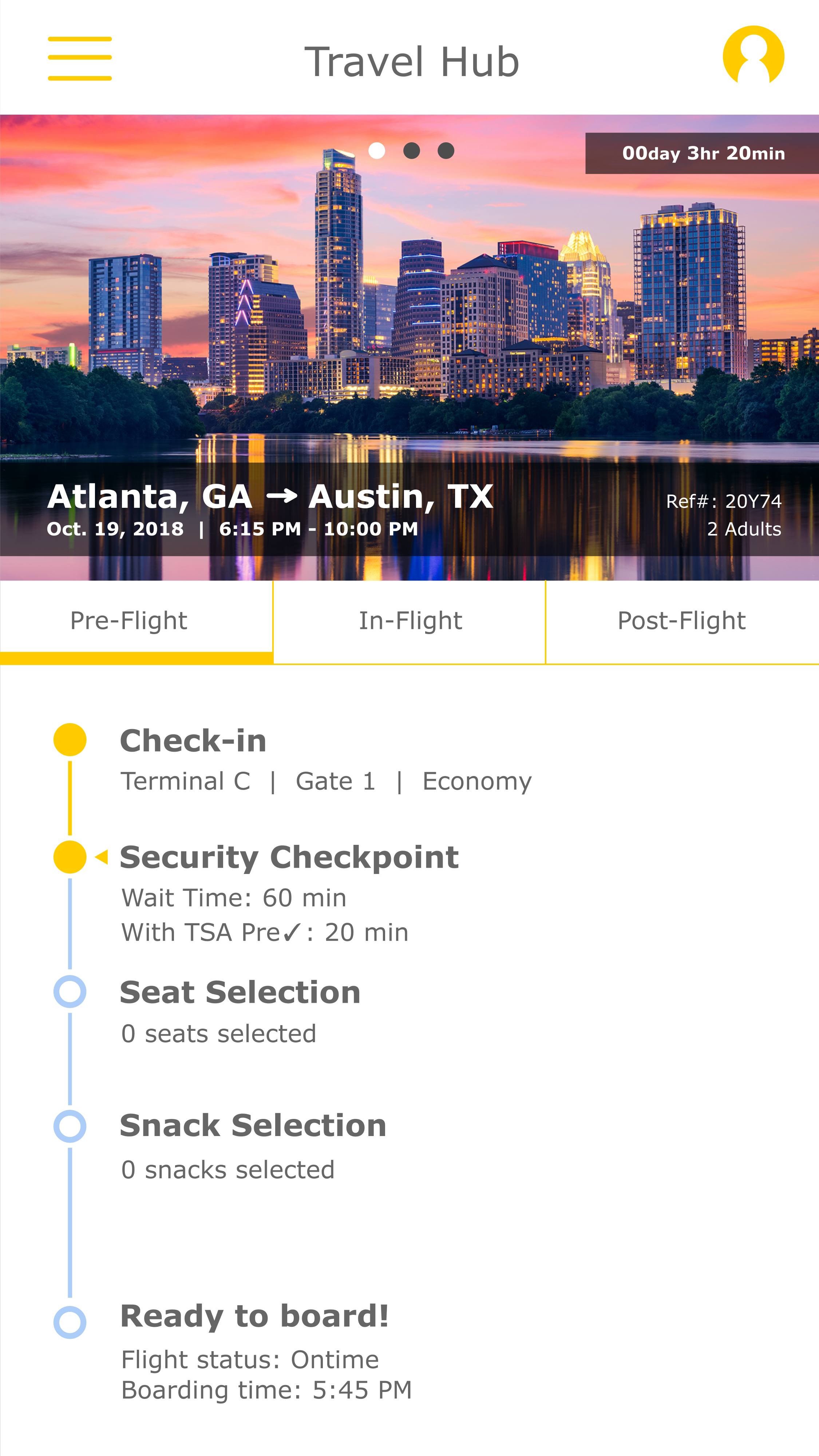
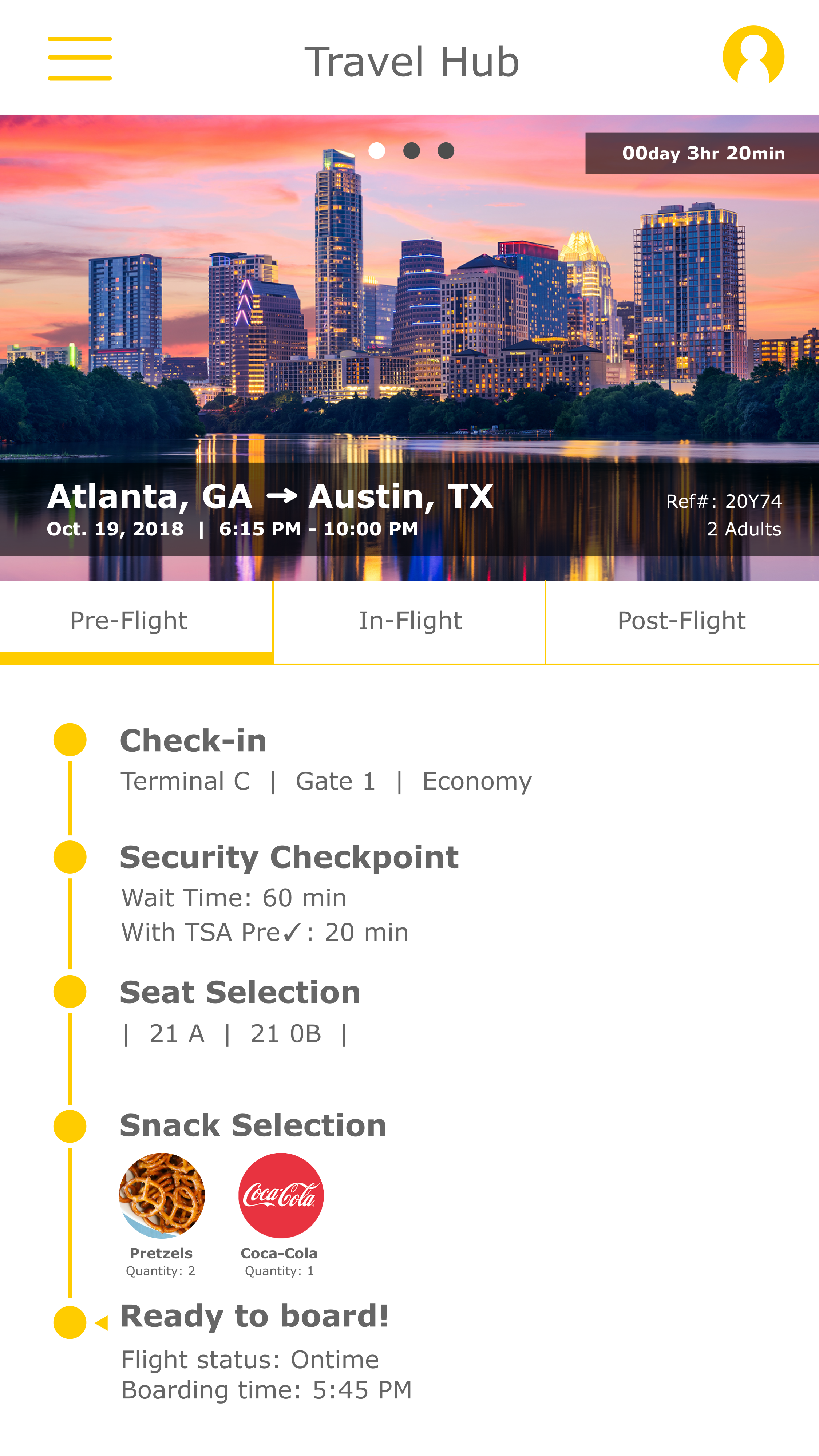
Pre-Flight screen before finishing tasks
-
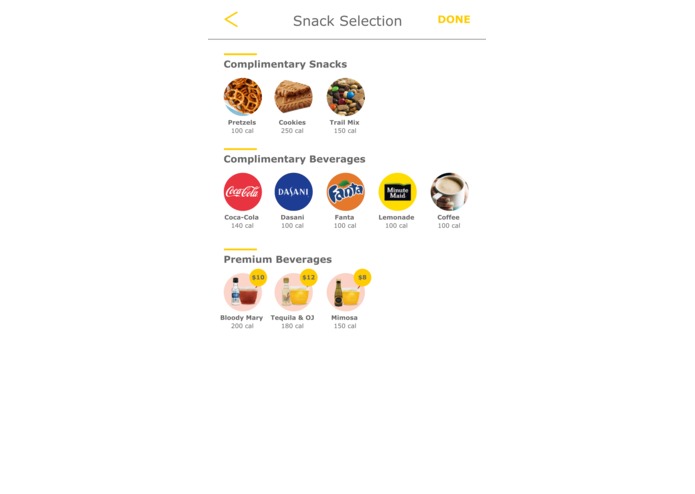
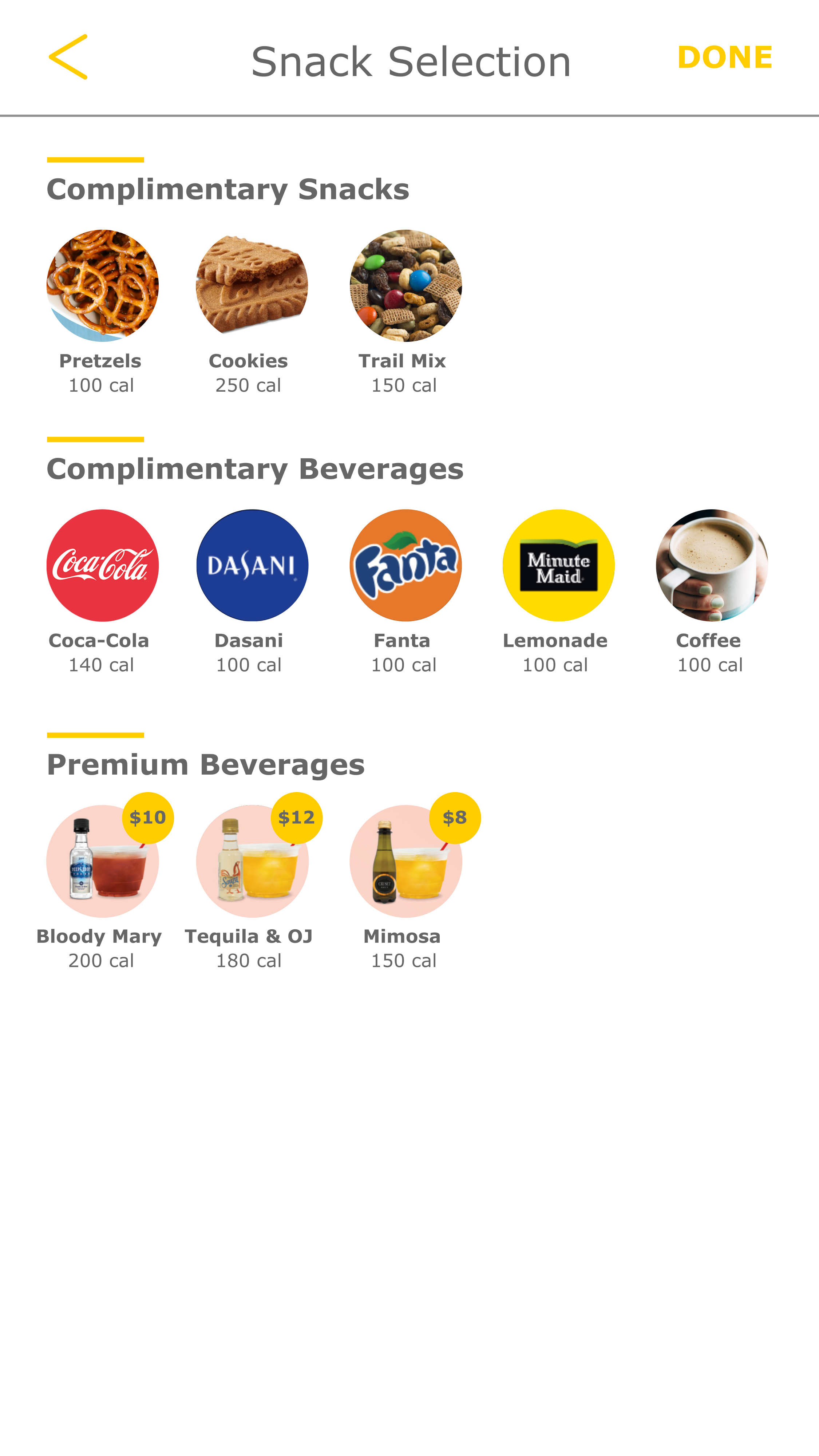
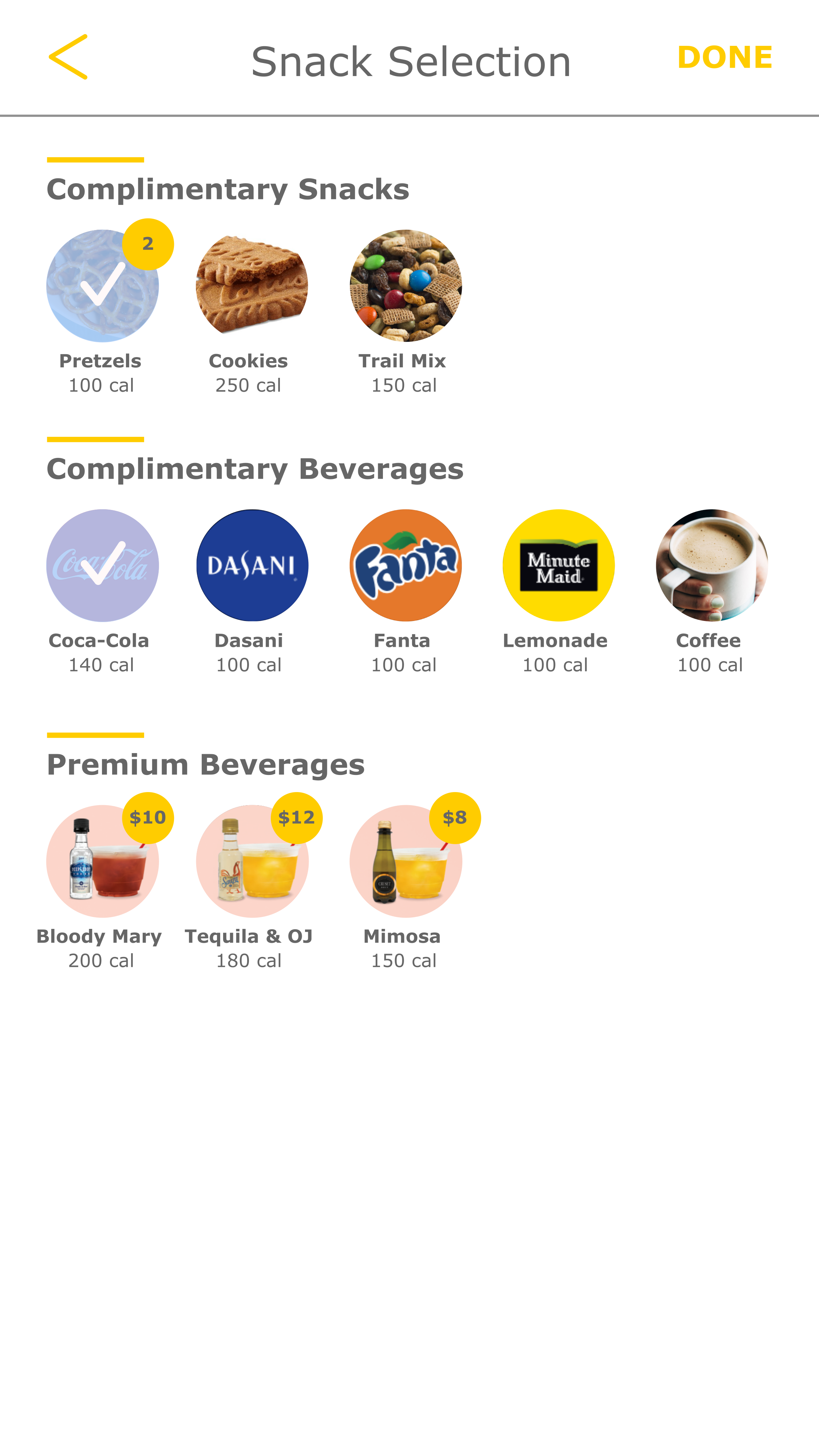
Snack selection screen before selecting items
-
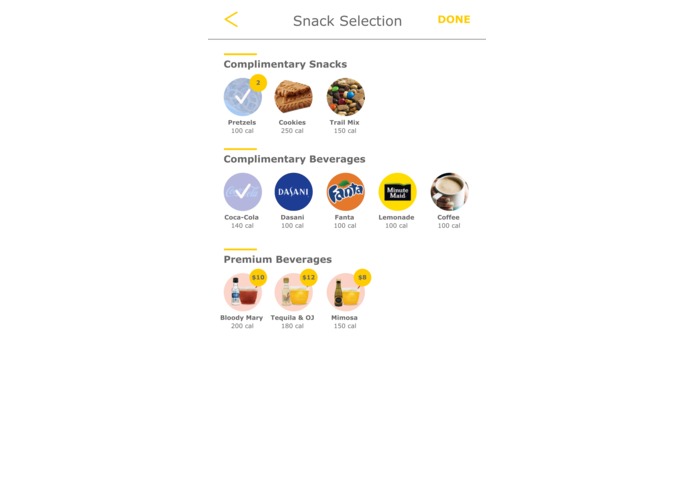
Snack selection screen after selecting items
-
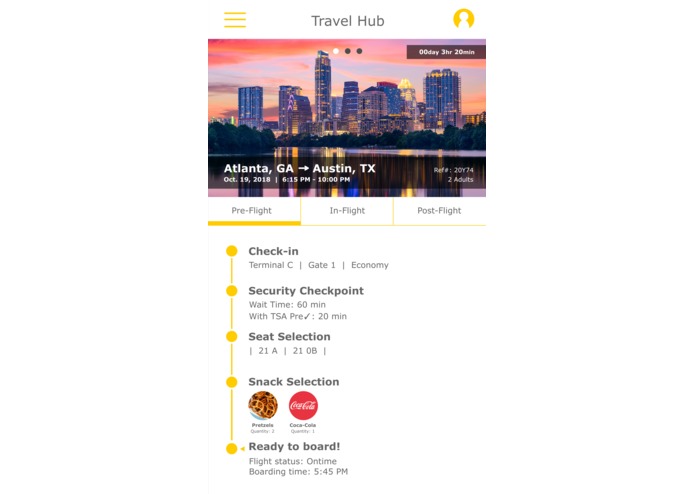
Pre-flight screen after completing all tasks
-
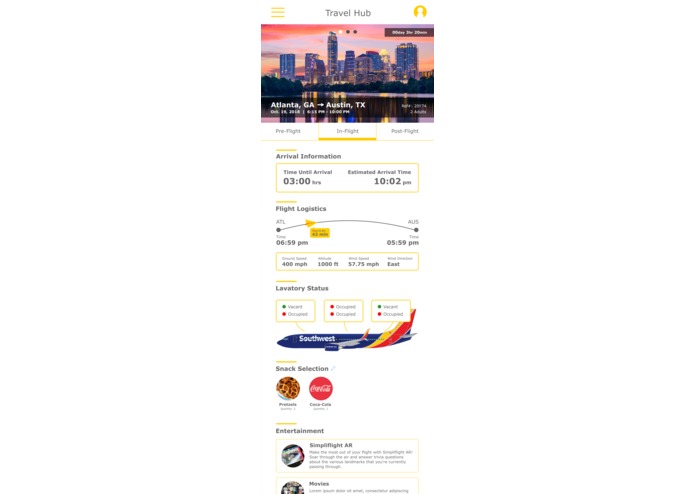
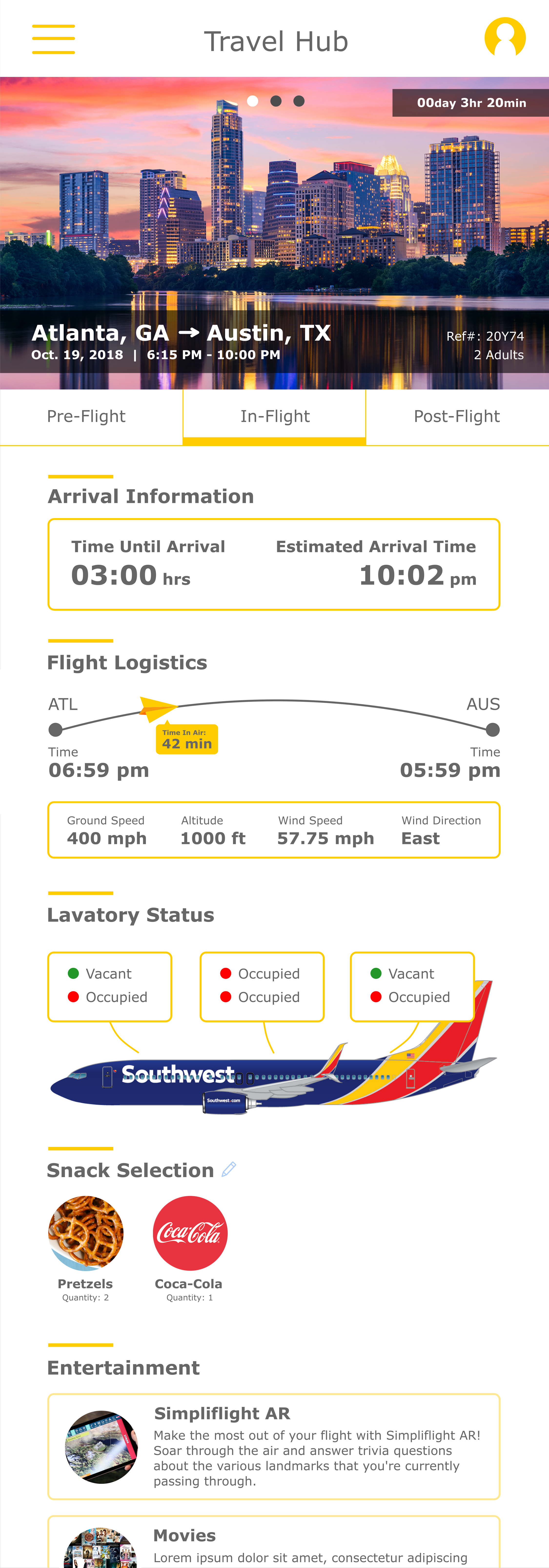
In-flight screen
-
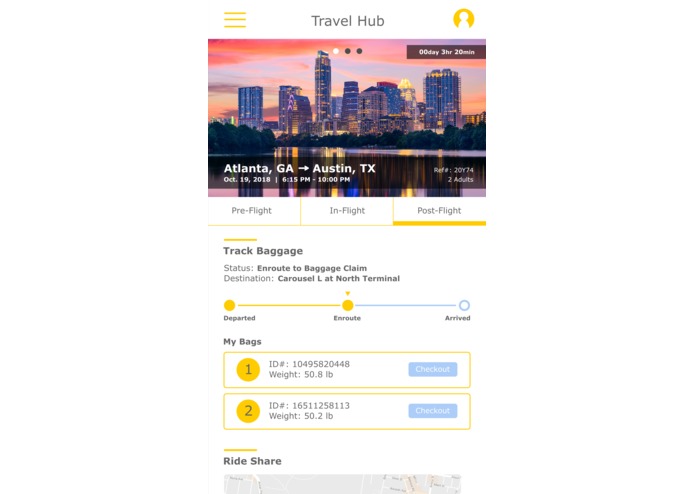
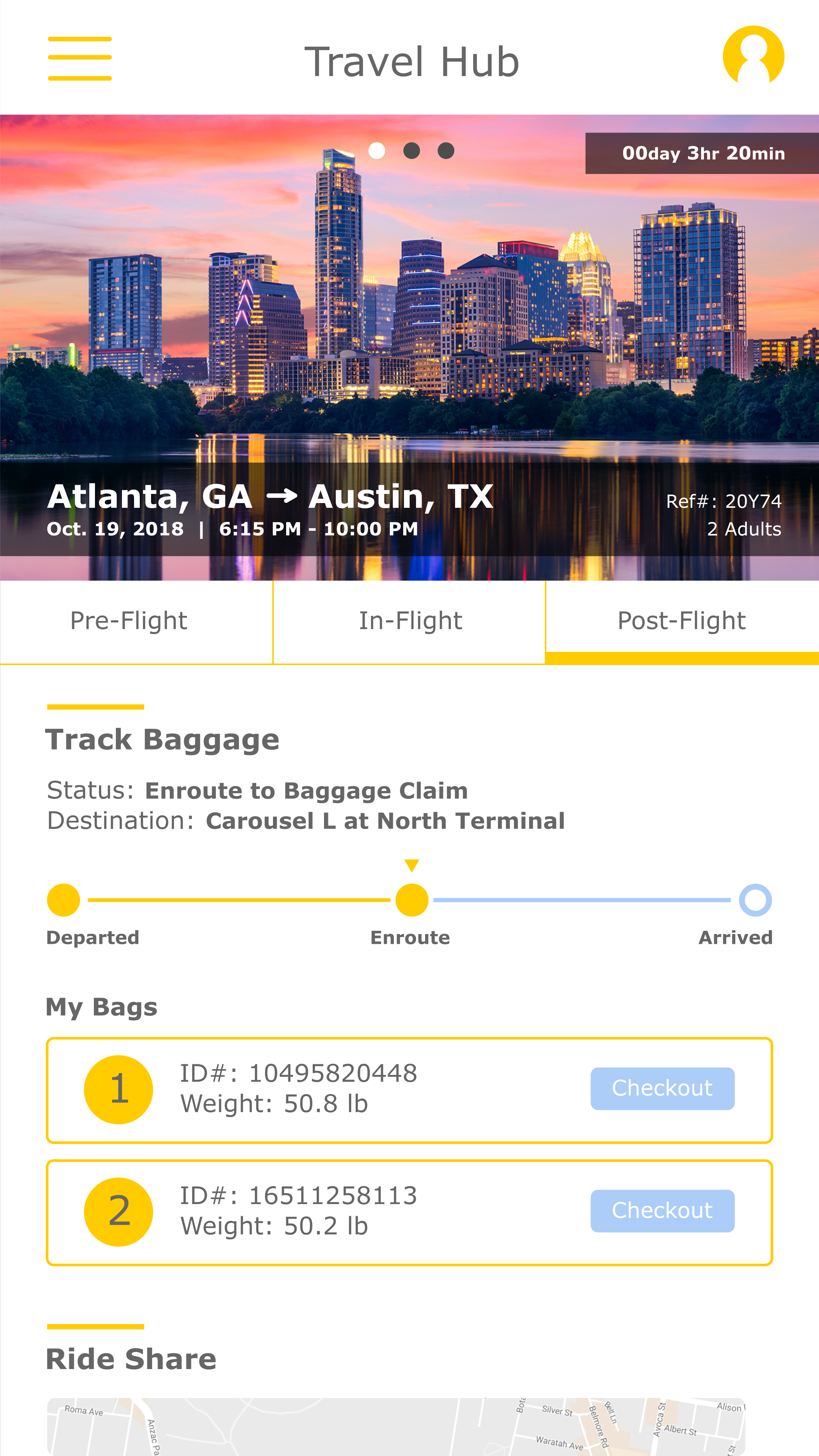
Post-flight screen
Inspiration
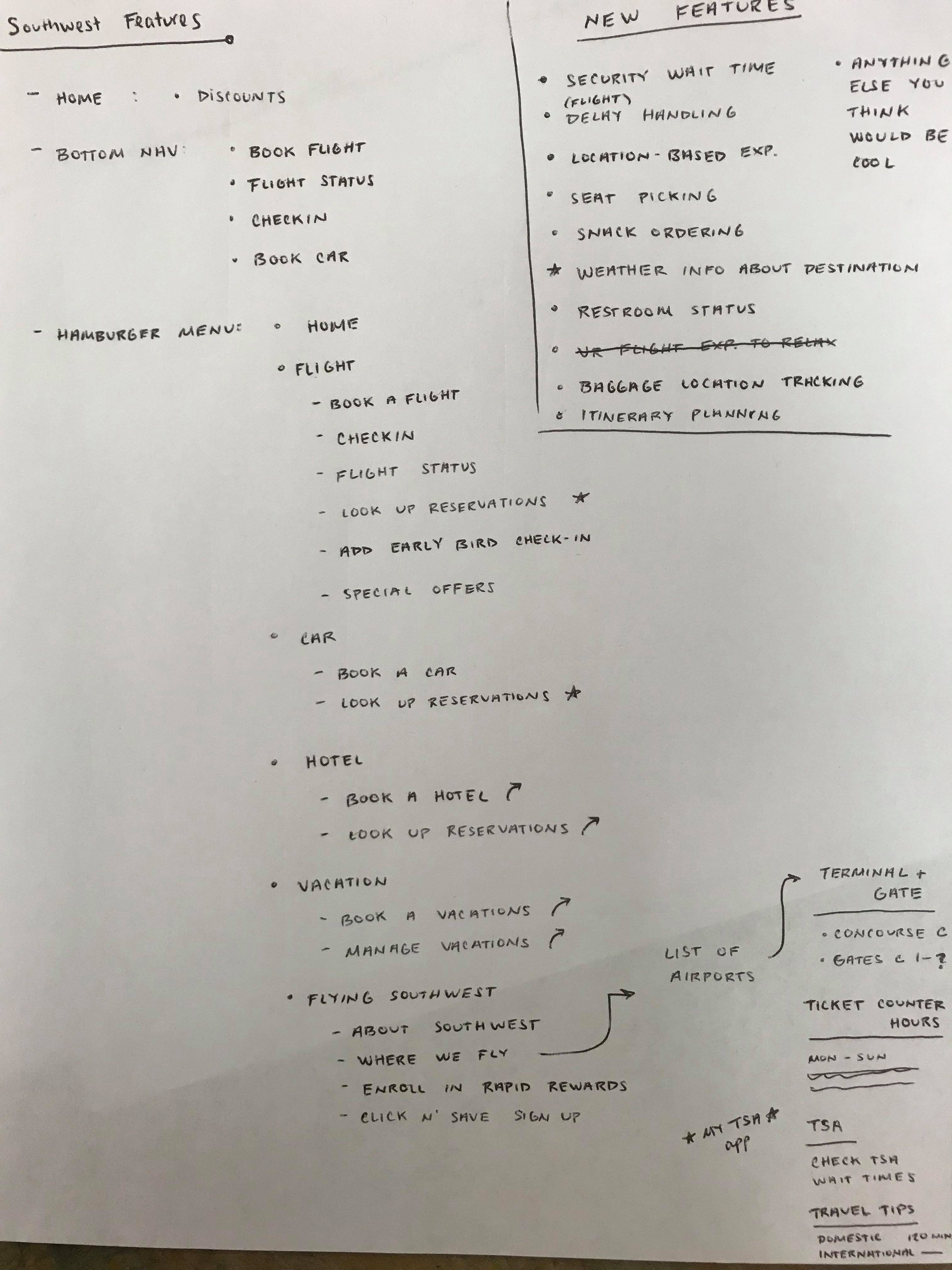
Simpliflight began out of interest for the Southwest design prompt: to foster airline hospitality. The prompt created a solid foundation from which we would use to brainstorm different ideas, anywhere from AR quizzes based on geolocation to simply being able to pre-order your snacks on a flight. Once we came up with a set of possible improvements to the airline industry, the rest was history.
What it does
Simpliflight is a mobile application that streamlines the flying process and increases airline hospitality. The application guides the user across their traveling journey starting from the moment they arrive at the airport until the moment they leave. We divided the main interface into three main phases of traveling: the pre-flight, in-flight and post-flight. In each section of the app, the user has access to all the information they'll need to have a smooth and pleasurable experience.
Starting with the pre-flight stage, the user can check-in with the airport (industry standard), view TSA security wait times (with both normal and TSA Pre), select their seat (industry standard), pre-order their in-flight snacks (Hate it when the hostess catches you off guard with your snack choices or when you finish a snack and feel awkward about asking for another? Fear not, for Simpliflight is here!), and view incoming flight information (including potential delays).
Once the user boards their aircraft, they can view some fairly standard information about flight arrival and flight logistics. One additional features we've built into Simpliflight is the ability to see which lavatories in which sections of the aircraft are occupied. Ever been in a situation where you have to awkwardly shimmy past a seat-mate only to find out that all the lavatories are occupied? Now you'll have ease of mind knowing that your shimmying will not be in vain. The second feature that Simpliflight offers is the ability to use AR to escape the aircraft and see the world below. In addition to the lovely sights, the user can also answer trivia questions about various landmarks and destinations that they're flying past.
Lastly, once the user lands from their adventurous plane-ride, they'll be able to check Simpliflight and see exactly where their baggage is. One large complaint from the traveling community as well as from our own group's experience is that your baggage usually gets lost in Narnia for a while before coming to the baggage claim area, and even then you don't know exactly which carousel it will end up at. With Simpliflight, knowing the whereabouts of your baggage is simple and easy. When the baggage has been claimed, the user can also checkout their baggage and skip the process of getting a security guard to do so for them.
How we built it
Simpliflight is mainly a concept, so a majority of it was built in Adobe Illustrator in the form of high-fidelity wireframes. We created the clickable prototype with Invision. Due to time constraints, we weren't able to finish the coded version, but we did start at the following Github links: - Simpliflight Main Application: https://github.com/eahn2016/hackGT2018 - Simpliflight AR: https://github.com/vnguyen70/HackGT-Southwest/tree/Alexander
We built the main application with React at first, and switched over to plain JS and HTML/CSS towards the end. Simpliflight AR was also built with JS in addition to the ESRI API.
Challenges we ran into
We ran into major difficulties with taking on too many new technologies and lacking the time to properly learn and implement them. We also did not come into HackGT with a pre-formulated project since we assumed we could base a project off of the sponsor prompts. This proved fatal as we spent the first night brainstorming ideas and solidifying the concept instead of actually coding.
Accomplishments that we're proud of
All of our members are proud to say that we tackled technologies that we were unfamiliar with this weekend and learned lots along the way. From React and frontend development to the ESRI API, we were able to get our feet wet with these up and coming technologies. Even though we didn't produce as much working code as we thought we would, we still feel accomplished that we went out of our comfort zone to try and learn. At the end of the day, we produced a solid concept and a visual artifact that conveyed our ideas.
What we learned
We learned the importance of pre-planning and time management. We also learned that even though Hackathons are a time to learn new technologies, going into a piece of tech blind with no one on the team experienced enough to help can prove fatal. Next time we attend a hackathon, we will probably come in with battle plan -- or at least a list of technologies we know we can use.
What's next for Simpliflight
Next steps for Simpliflight will be to code it out. We did research on existing airline/security APIs and we believe that our ideas are feasible given the current implementations made by professionals in the airline industry.
Log in or sign up for Devpost to join the conversation.