-
-
Welcome To Beacon Sar™ - Where Innovation Takes Flight
-
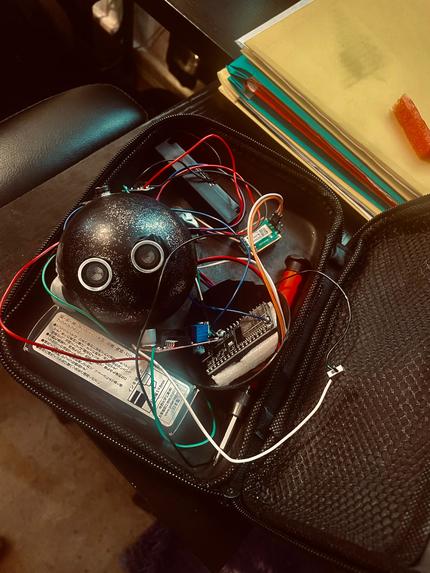
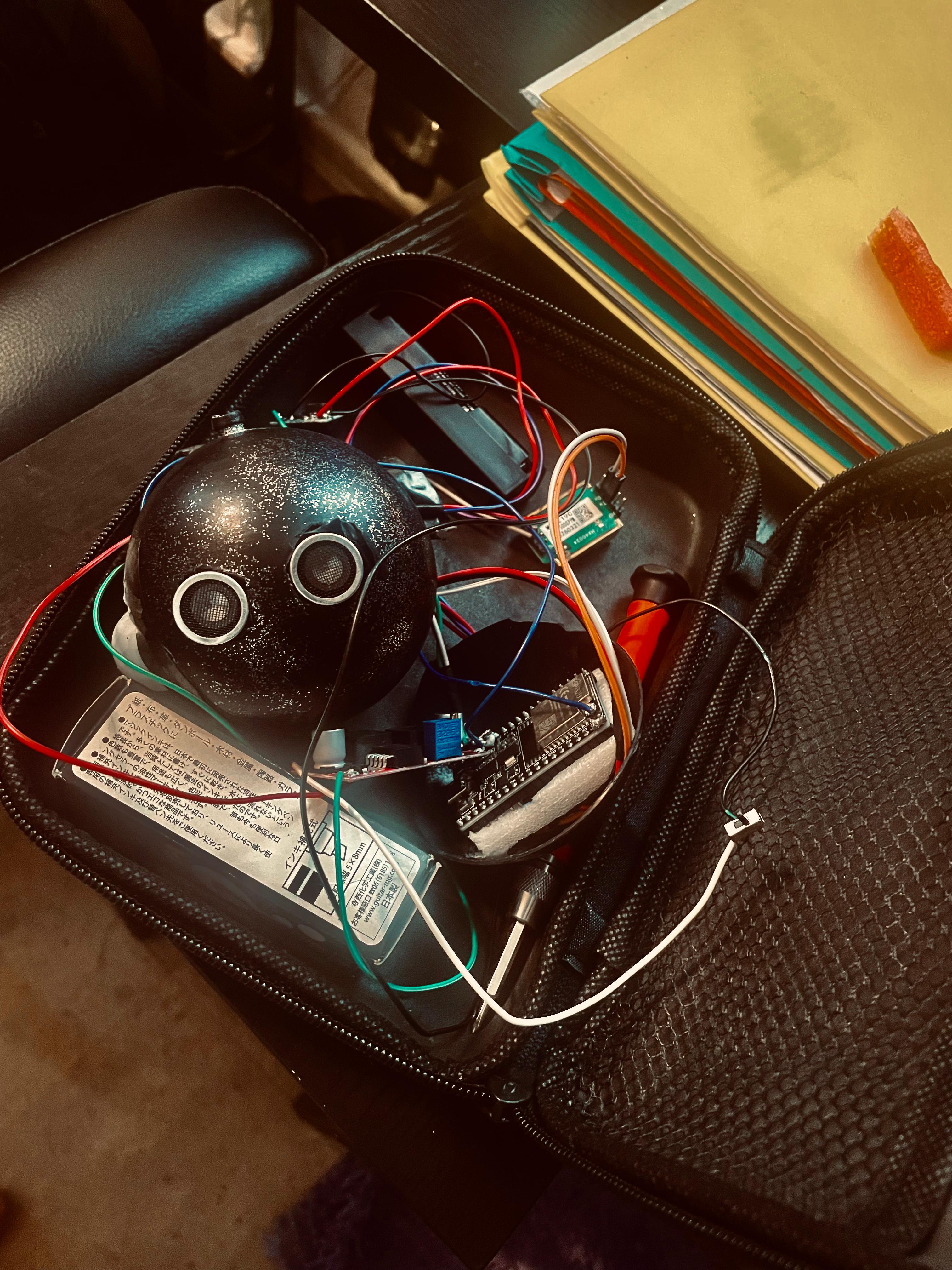
Billy™ - Our Beacon In Its Developing Stages
-
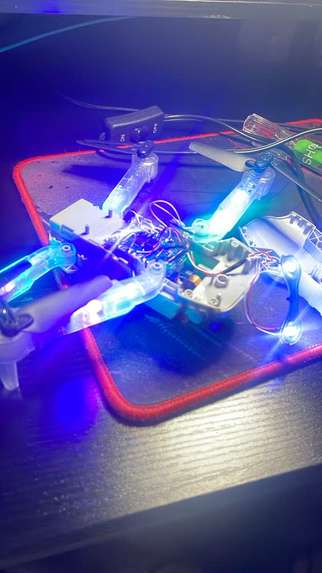
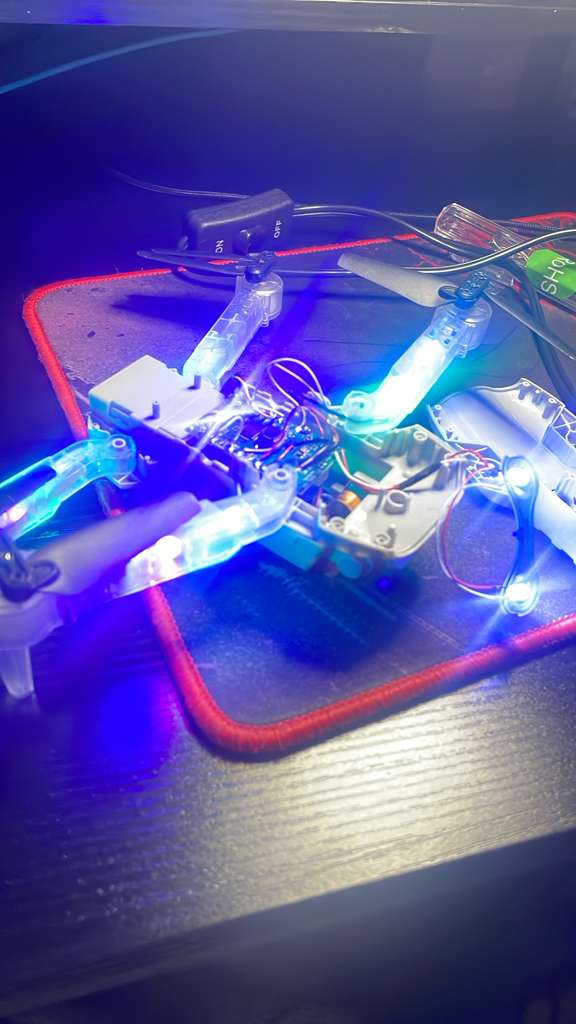
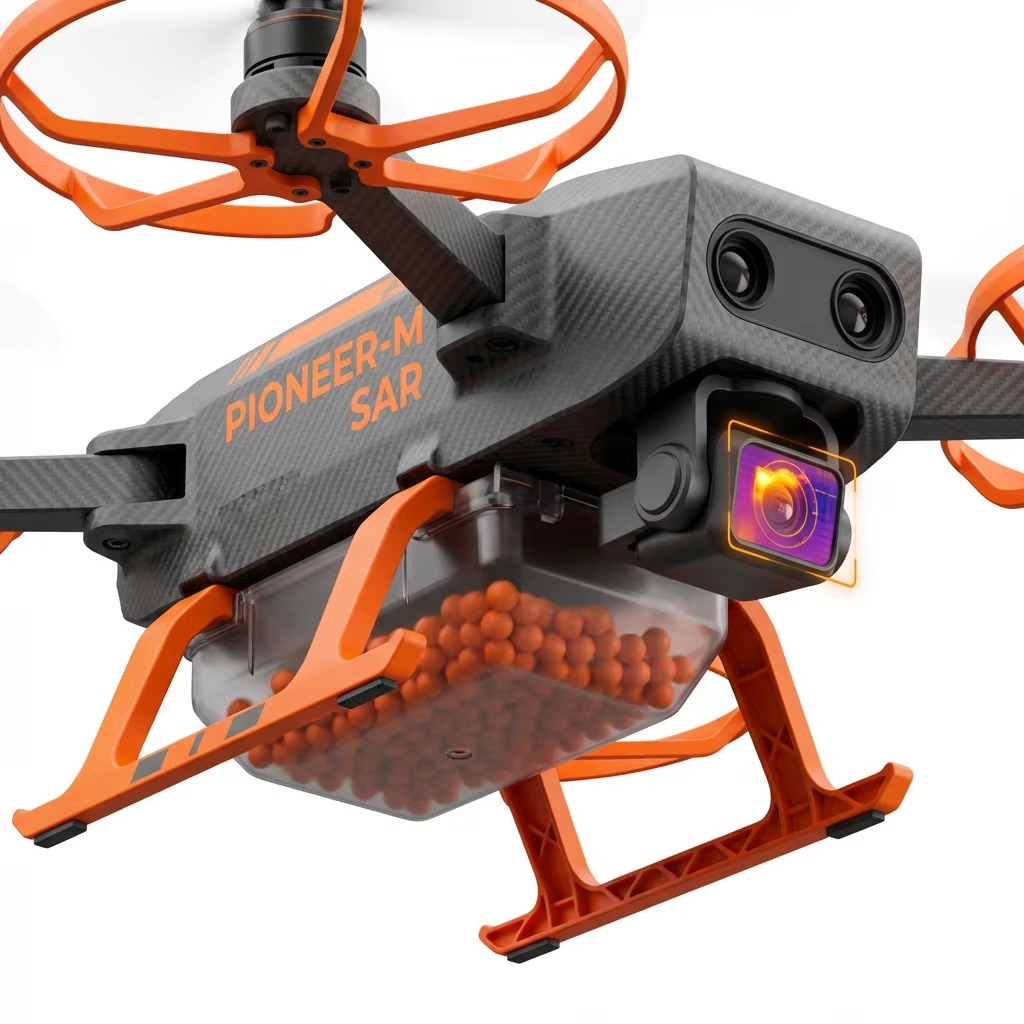
SarDrones™ - Our Drone In Its Developing Stages
-
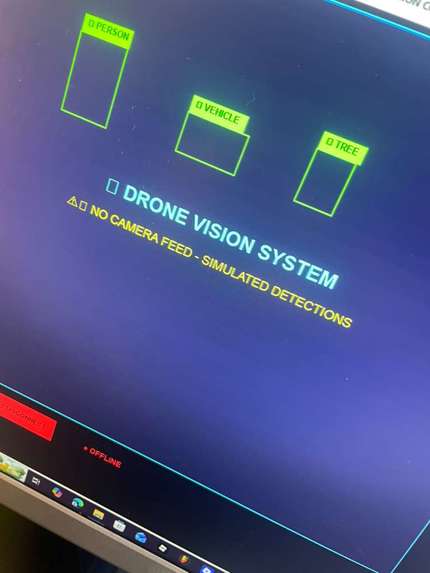
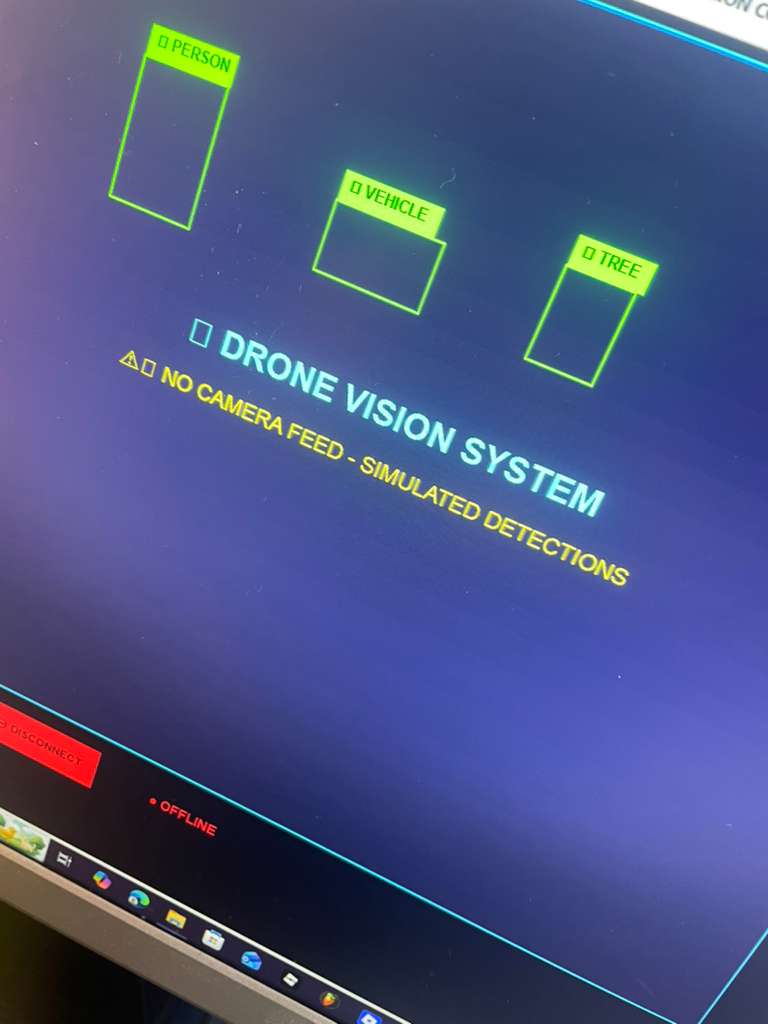
Drone Vison AI™ App In Its Developing Stages
-
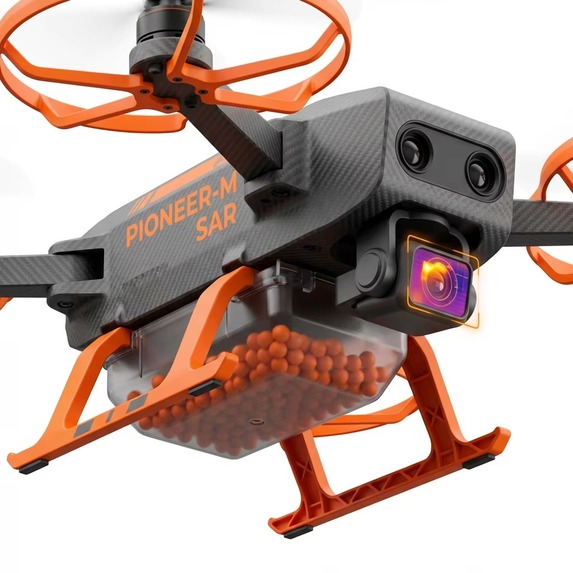
Our Initial Model
Inspiration
During a disaster, the difference between life and death can come down to how quickly information is available. Search and rescue teams often enter dangerous environments with limited visibility, unpredictable conditions, and incomplete information. Whether it is a collapsed structure, wildfire, flood, or environmental emergency, responders need technology that can help them understand what is happening in real time.
BEACON SAR was inspired by the idea that technology should not only react after disasters happen, but also help detect risks before they become larger problems.
Our goal was to create an intelligent system that combines artificial intelligence, drones, and smart sensor networks to support emergency response teams. We wanted to design a solution that could locate people faster, identify hazards, and provide valuable environmental data from areas that may be too dangerous or difficult for humans to access.
The project started as a search and rescue concept, focused on using drones and AI to locate survivors. However, as we continued researching, we realized that the same technology could have a much larger impact. The ability to collect data, detect changes, and analyze environments could also help with wildfire prevention, pollution monitoring, climate research, and disaster preparation.
BEACON SAR became more than a rescue system. It became a platform designed to protect both people and the environment.
What it does
BEACON SAR is an AI-powered drone and smart beacon network designed for emergency response and environmental intelligence.
The system uses drones equipped with cameras, thermal detection, and sensors to scan areas and collect real-time information. The AI analyzes this data to detect important patterns, including possible survivors, hazards, and environmental changes.
The smart beacons act as additional monitoring points placed throughout an area. They collect information from the ground and communicate with the larger system, allowing responders to receive more complete information from multiple locations.
The system can adapt depending on the situation:
Search & Rescue Mode: The drone uses AI-powered vision and thermal detection to help identify people in difficult environments. This can support rescue teams by reducing search time and providing information about possible survivor locations.
Wildfire Detection & Prevention Mode: BEACON SAR can monitor forests and high-risk areas by identifying unusual heat patterns and environmental changes. Early detection can help emergency teams respond before fires spread.
Pollution Detection Mode: The system can monitor environmental conditions and identify unusual changes in air quality, gases, or surrounding conditions. This can help locate areas affected by pollution.
Climate and Environmental Monitoring Mode: The drones and beacons can collect long-term environmental data to help researchers study ecosystem changes, extreme weather impacts, and environmental risks.
Instead of creating separate systems for each problem, BEACON SAR uses one connected platform with multiple applications.
How we built it
Building BEACON SAR required combining multiple areas of engineering, including artificial intelligence, robotics, electronics, programming, and environmental technology.
The drone acts as the main aerial intelligence platform. It scans environments and collects data that is processed by the AI system. The AI model analyzes information and determines whether the system detects a person, hazard, or environmental change.
The beacon system was designed as a ground-based extension of the drone. While the drone provides a large aerial view, the beacons provide localized information from specific areas. Together, they create a stronger understanding of the environment.
The AI system was developed using thousands of simulated examples, including thermal images, human silhouette variations, and hazard detection scenarios. These datasets helped improve the model’s ability to recognize important patterns even in challenging conditions.
The software side of BEACON SAR connects the drone, AI system, and sensor network into one platform. The application provides a way to visualize information and help users understand what the system detects.
Challenges we ran into
One of the biggest challenges we faced was designing a system that could operate in unpredictable real-world situations.
Disaster environments are constantly changing. Lighting conditions, weather, terrain, and visibility can affect how well technology performs. Because of this, we needed to make sure our system could process different types of information instead of depending on only one source.
Another challenge was making sure the hardware and software worked together. The drone, sensors, AI model, and application all needed to communicate effectively as one system.
Developing the AI model was also challenging because detection systems need large amounts of data to become reliable. We focused on improving the AI through simulated examples and testing different scenarios.
A major design challenge was keeping the system practical. Instead of creating expensive specialized equipment for every situation, we focused on building a flexible platform that could be adapted for different missions.
Accomplishments that we're proud of
We are proud that we created a complete concept combining drones, artificial intelligence, and smart sensor technology into one connected system.
We developed an AI-driven approach that can analyze thermal and visual information to assist with search and rescue operations. We also expanded BEACON SAR into a multi-purpose platform capable of supporting environmental monitoring and disaster prevention.
We created a system architecture where the same core technology can be used in different environments without requiring a completely new setup.
We are also proud of the progress our team has made, including developing the drone system, designing the beacon concept, building the application, creating the AI foundation, and preparing the project for real-world applications.
Our project has also received support and endorsements from people and organizations who believe in the potential impact of BEACON SAR.
What we learned
Throughout this project, we learned that solving real-world problems requires more than just one area of knowledge.
BEACON SAR taught us how artificial intelligence, robotics, electronics, and software development can work together to create meaningful solutions.
We learned about the challenges of designing technology for real environments, where conditions are unpredictable and reliability is important.
Most importantly, we learned that engineering is not only about building something advanced. It is about creating technology that can improve safety, support communities, and solve problems that affect people around the world.
What's next for BEACON SAR: AI Rescue & Environmental System
Our next steps are focused on improving BEACON SAR and moving it closer to real-world deployment.
We plan to continue improving the AI detection system, expanding testing, improving communication between drones and beacons, and refining the application.
In the future, we want BEACON SAR to become a scalable platform that can support emergency responders, environmental researchers, and communities.
Our vision is a future where technology can identify threats earlier, provide critical information faster, and help protect both human lives and the environment.


Log in or sign up for Devpost to join the conversation.