-
-
-
Das
-
-
-
-
-
Inspiration
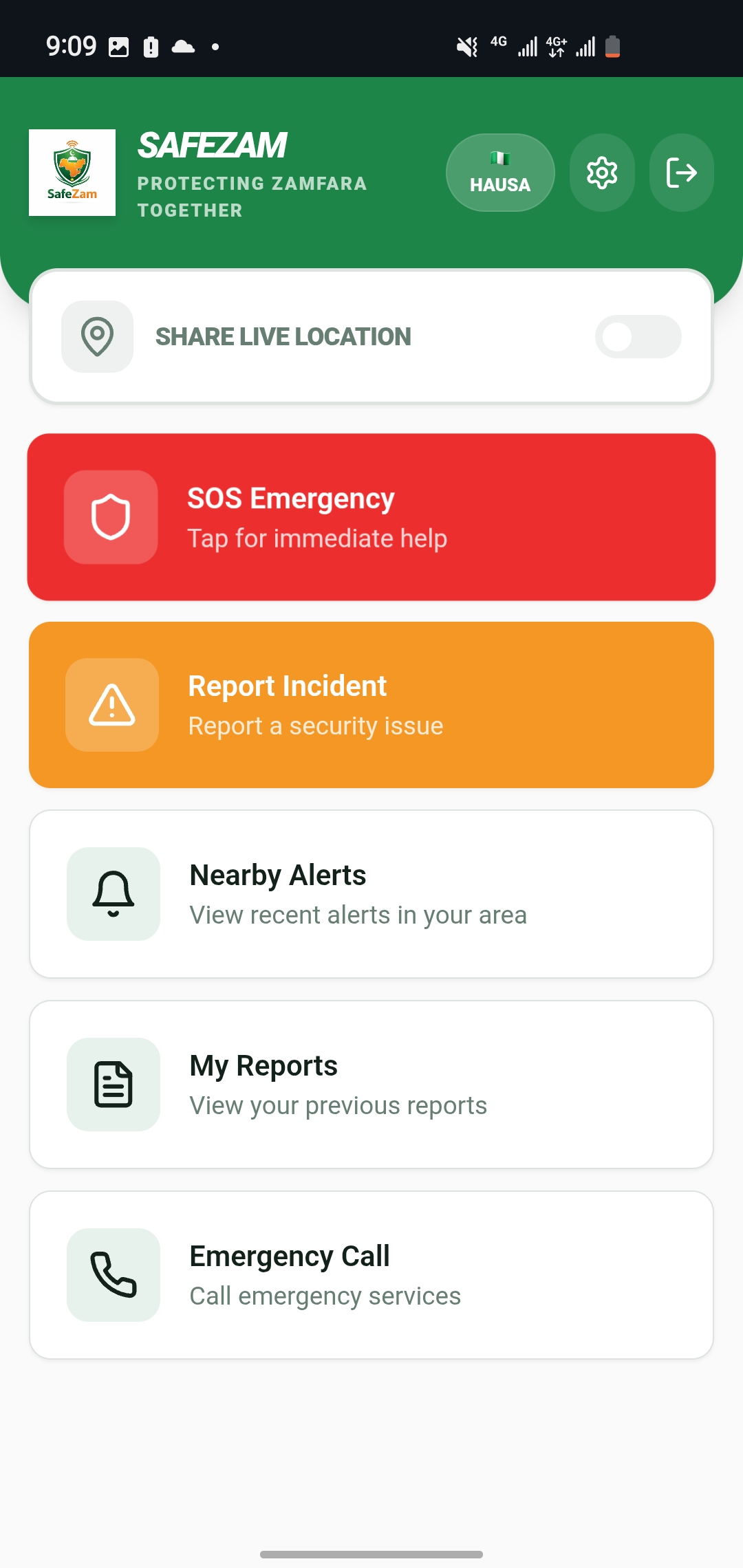
SafeZam was inspired by the growing security and emergency response challenges in Zamfara State, Nigeria. Many communities affected by bandit attacks, kidnappings, fires, medical emergencies, and road blockages struggle to quickly contact the right authorities, especially in rural areas with poor internet access. I wanted to build a platform where any citizen — even someone with only a basic mobile phone — could report an emergency and instantly trigger a coordinated response. The vision behind SafeZam is to make security reporting simple, accessible, localized, and intelligent through SMS, voice calls, and web technology. The project was driven by one belief: Technology should reduce the distance between a cry for help and the help itself.
What it does
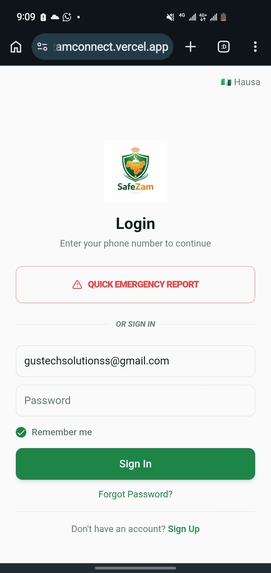
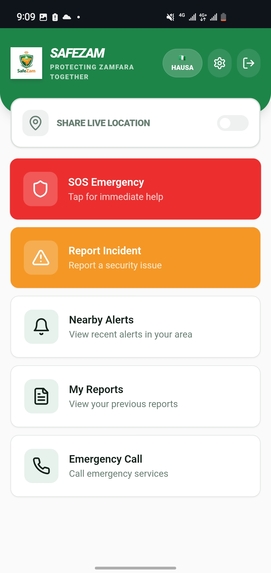
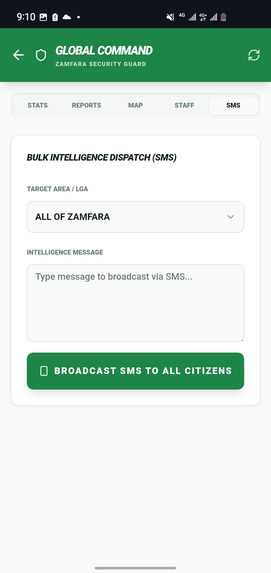
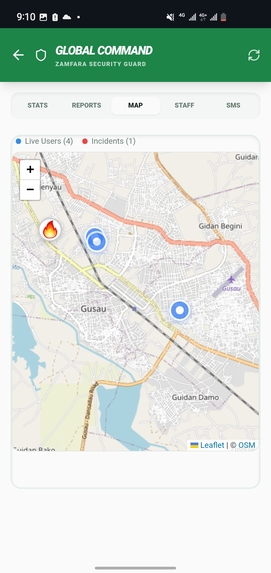
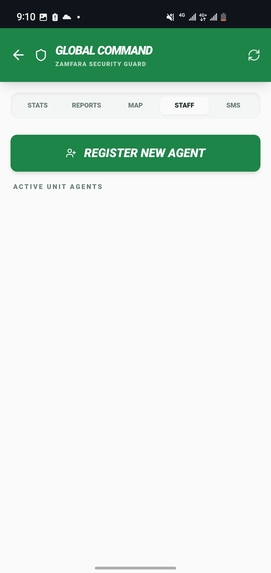
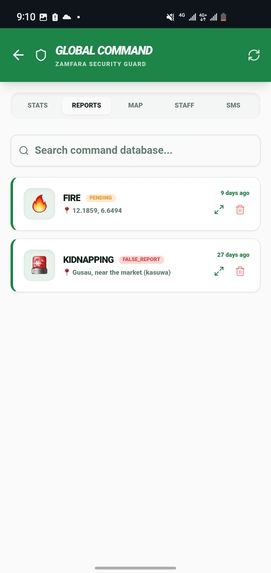
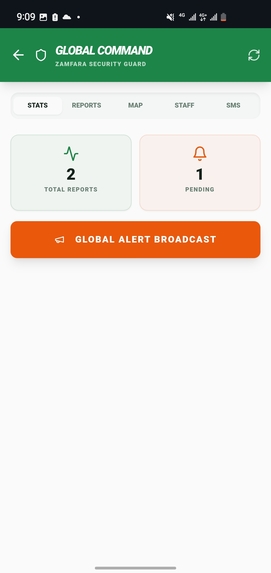
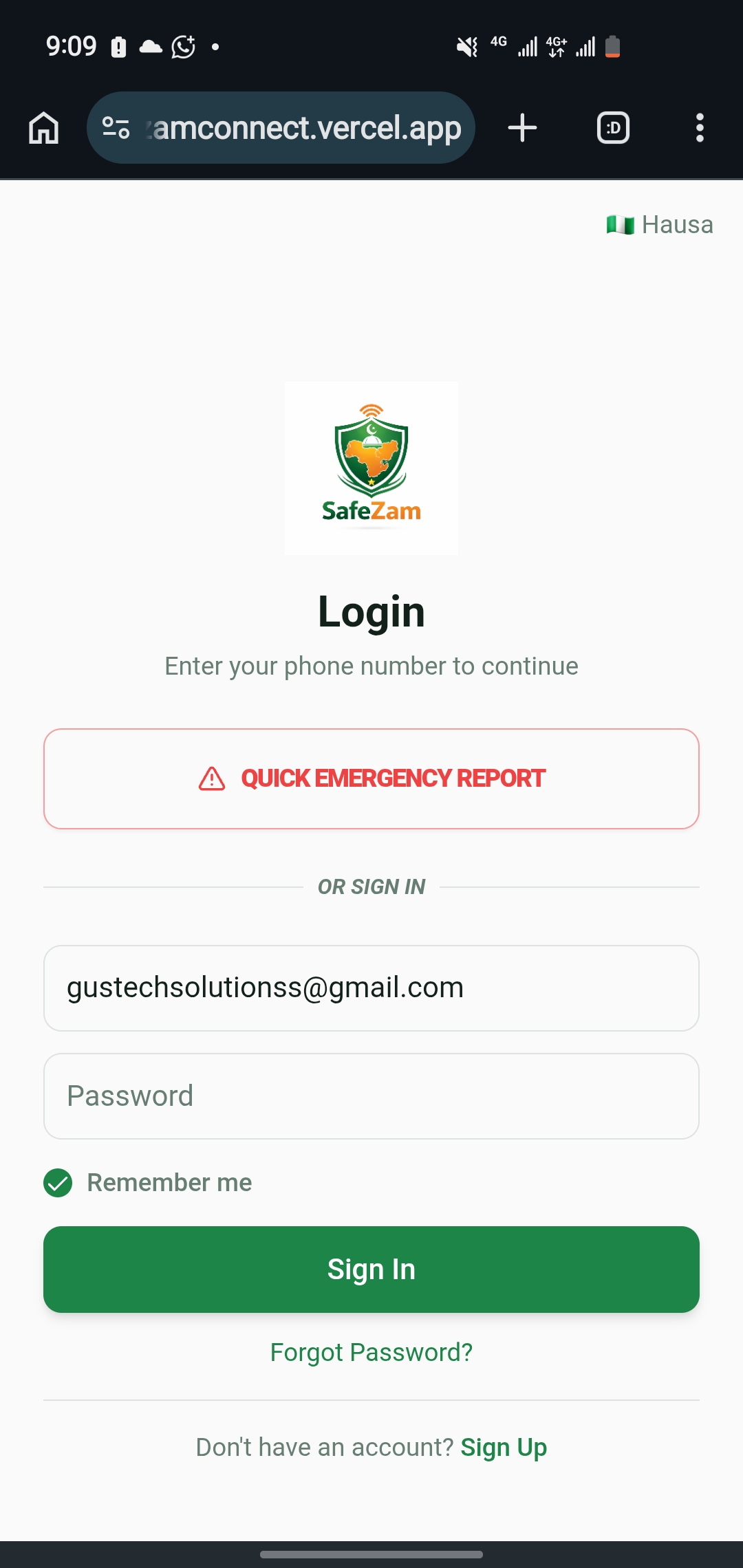
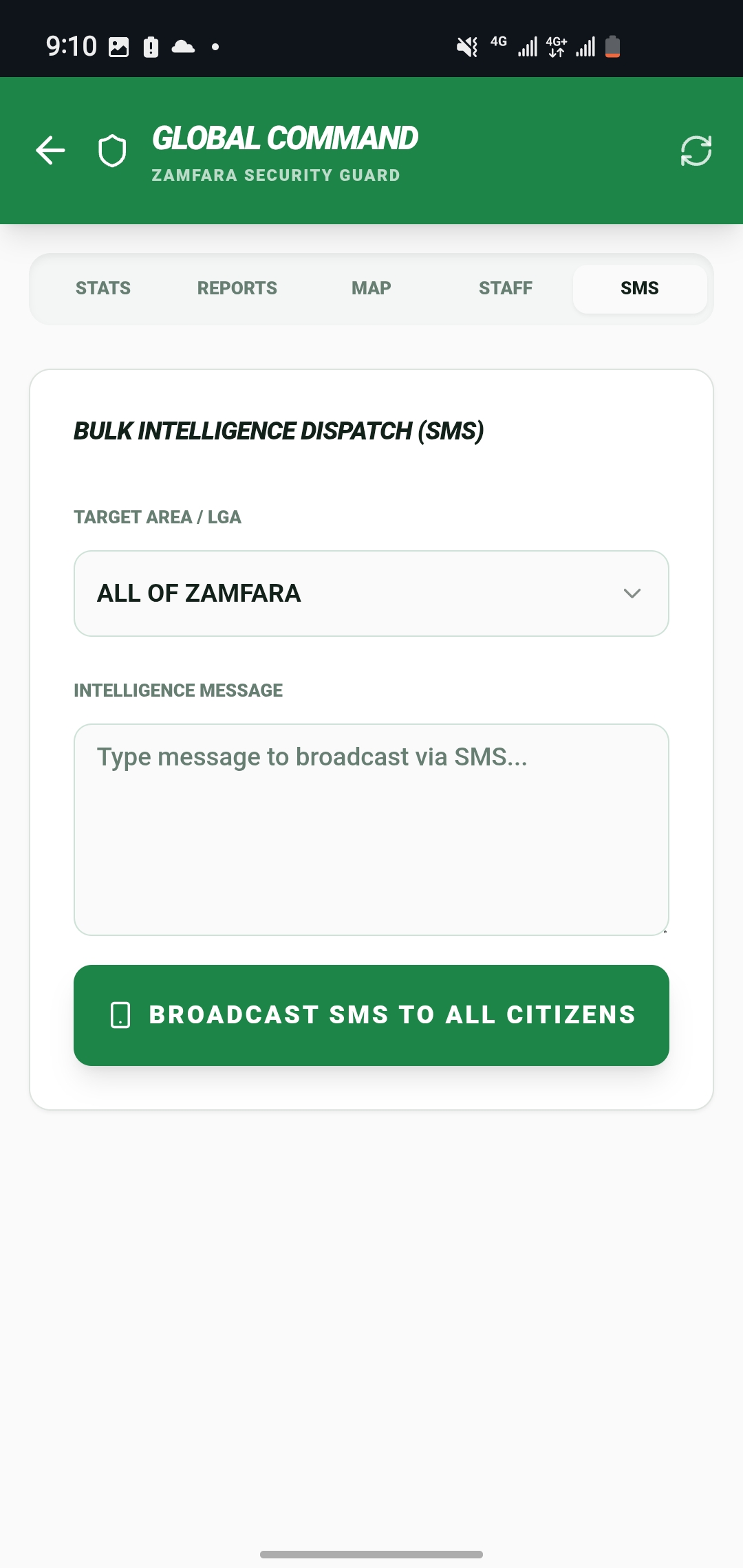
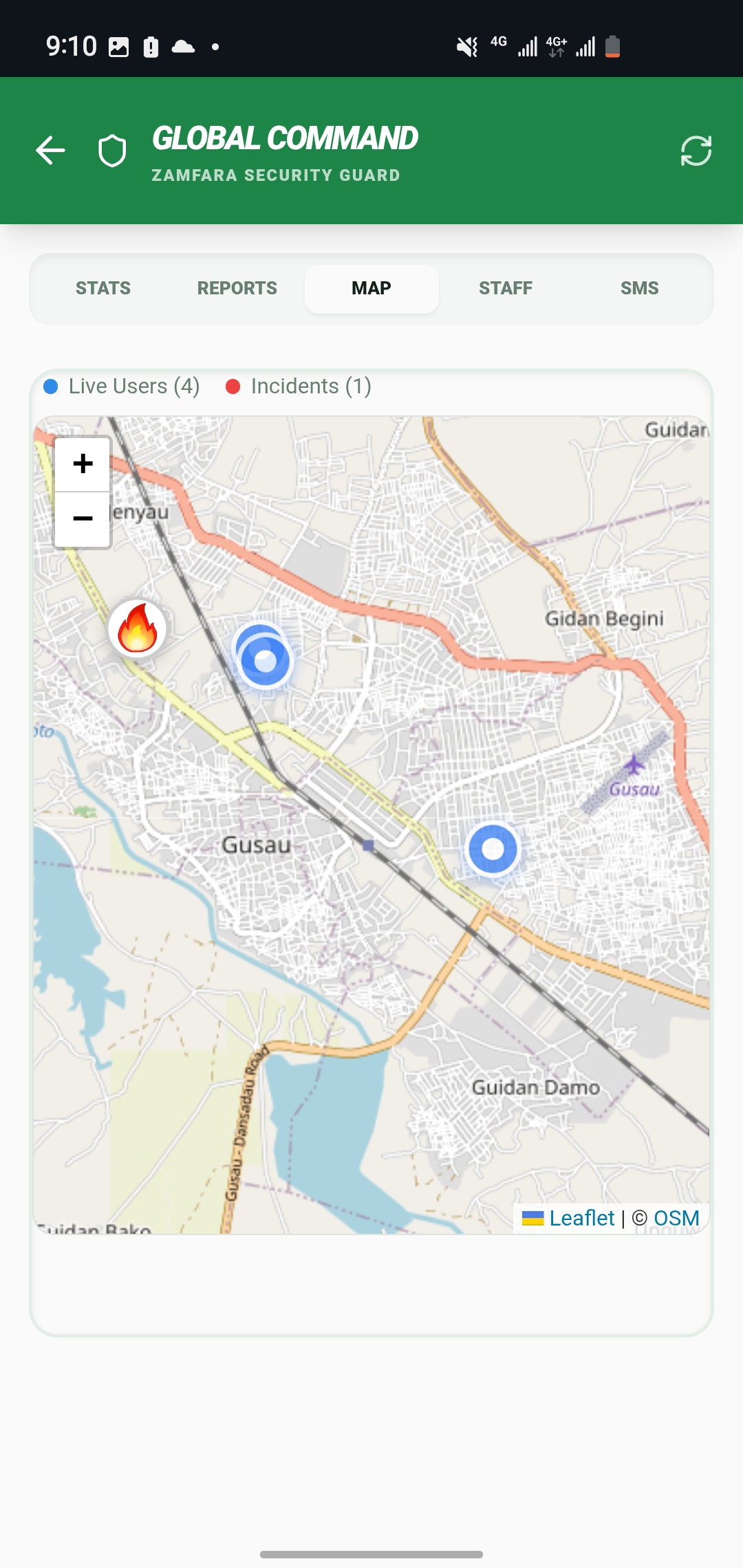
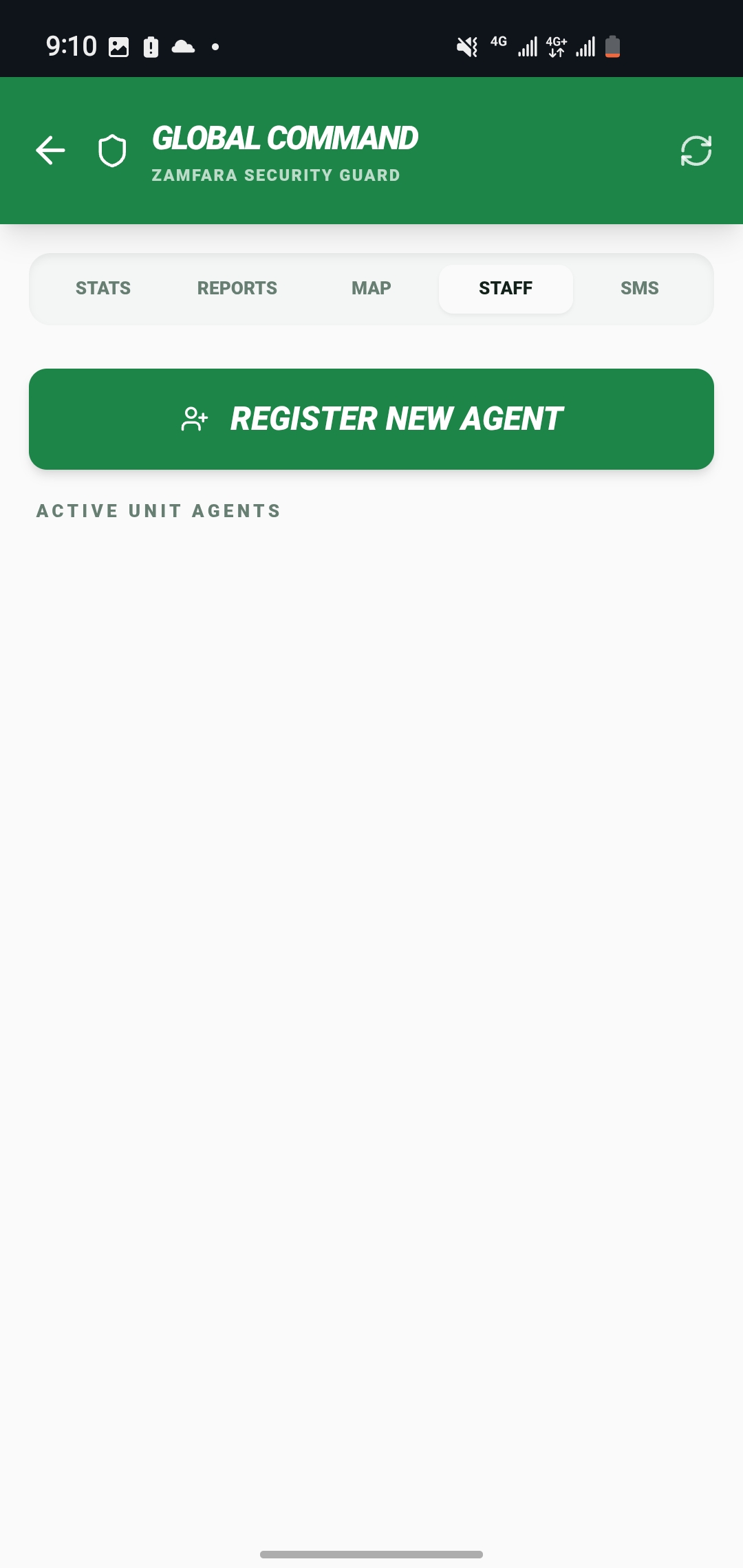
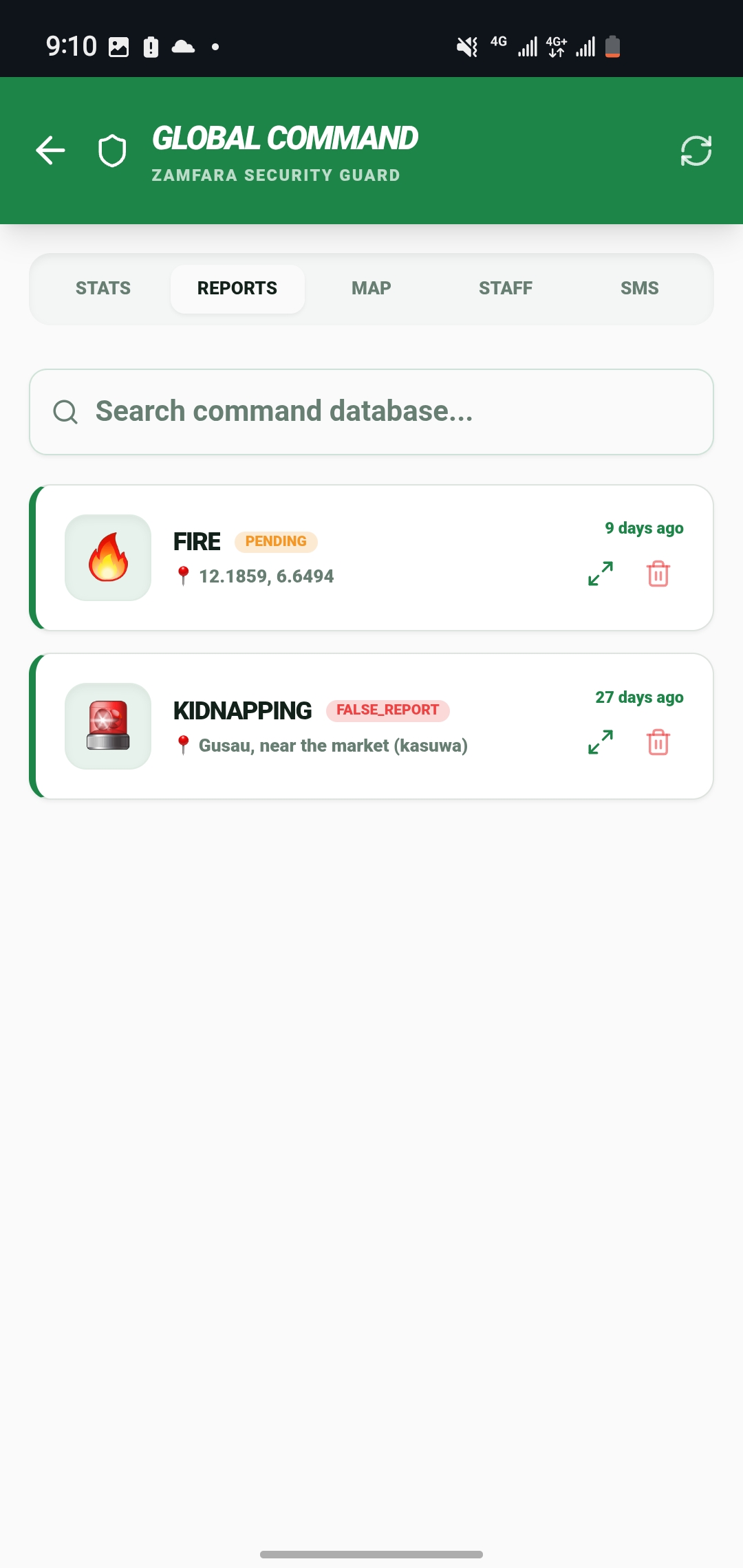
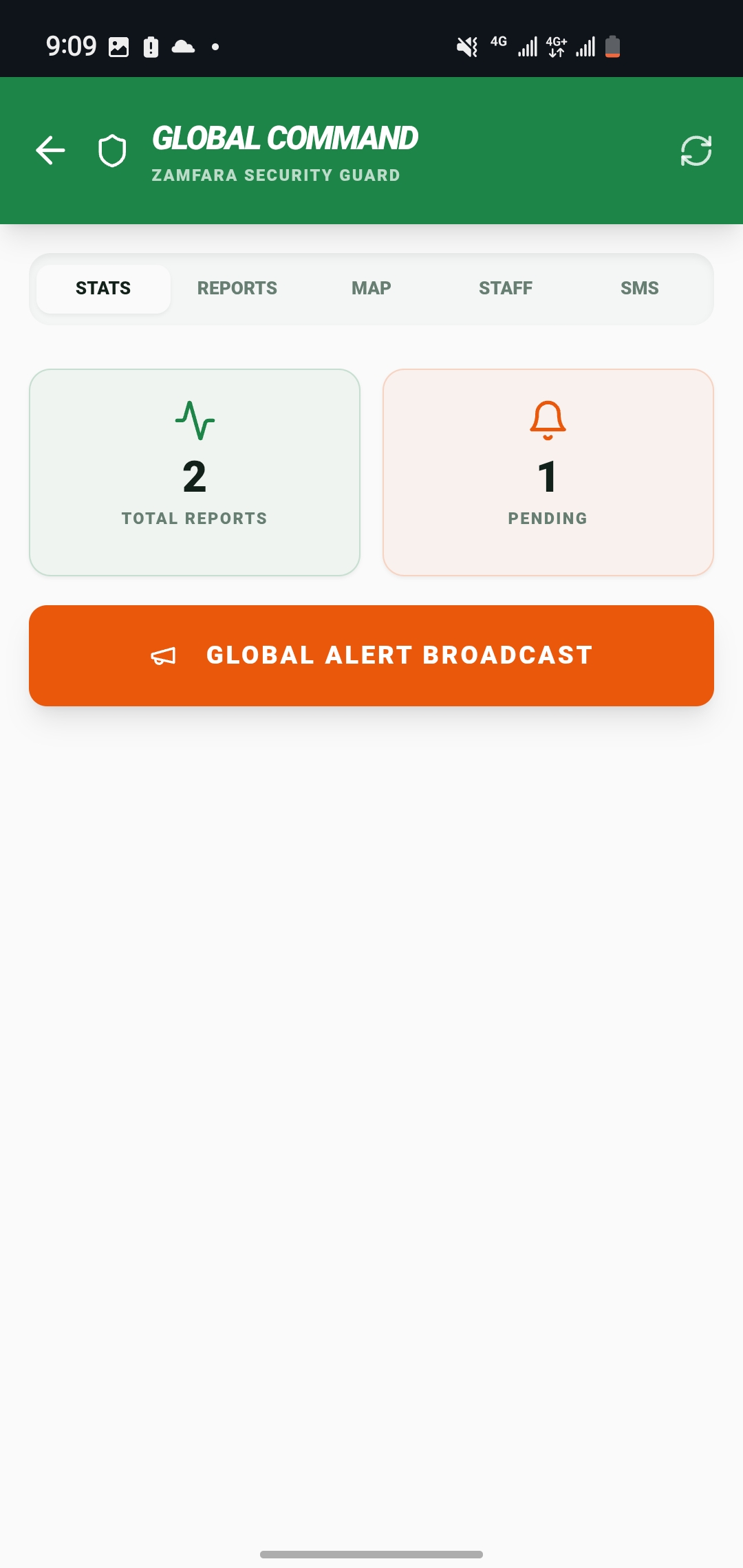
SafeZam is an AI-powered emergency reporting and response coordination platform designed specifically for Zamfara State. The platform allows citizens to report: Bandit attacks Kidnappings Fires Medical emergencies Suspicious movements Road blockages Other security incidents Reports can be submitted through: SMS Voice IVR calls Web application Once a report is received, AI processes the message, extracts important details such as incident type, severity, and location, then routes the report to the appropriate response unit based on: Incident category Assigned Local Government Area (LGA) The platform also includes: Admin dashboard Staff dashboard for responders Real-time incident tracking Public safety alerts Offline support English and Hausa language support Travel safety verification system
How I built it
SafeZam was built as a full-stack TypeScript application using modern web technologies and telecom infrastructure. Frontend I used: React 18 TypeScript Vite Tailwind CSS shadcn/ui The frontend provides: Public reporting forms Interactive dashboards Real-time updates Incident visualization maps Bilingual user interface Backend The backend was powered by Supabase, which provided: PostgreSQL database Authentication Edge Functions Realtime subscriptions Row-Level Security (RLS) AI Processing I integrated OpenAI and Google Gemini models to process unstructured SMS reports written in English, Hausa, and Nigerian informal expressions. The AI extracts: Incident type Severity level LGA Location details Telecom Integrations I used: Twilio for SMS and Voice IVR Termii for OTP verification and SMS authentication Mobile & Offline Support Using Capacitor, I wrapped the application into an Android-ready app with offline-first synchronization support using IndexedDB.
Challenges I ran into
Parsing Unstructured Reports Citizens often send reports using slang, mixed languages, typos, or incomplete locations. Designing AI prompts that consistently returned structured and accurate outputs was one of the biggest technical challenges. Role-Based Routing Ensuring incidents reached only the correct response teams within their assigned LGAs required complex Row-Level Security policies and database constraints. Hausa IVR Experience Building bilingual voice menus for Hausa-speaking users involved handling speech timing, DTMF input behavior, and culturally familiar interaction patterns. Offline Synchronization Internet connectivity is unreliable in many rural areas. Building a reliable offline queue and synchronization mechanism without duplicate reports required careful local storage design. Real-Time Coordination Maintaining live updates between admins, staff dashboards, and incoming incidents while preserving application performance required advanced realtime subscription handling. Accomplishments that I'm proud of Successfully built a multi-channel emergency reporting platform supporting SMS, voice calls, and web reporting. Implemented AI-powered incident triage for Nigerian English and Hausa-based reports. Designed a secure role-based routing system using Supabase Row-Level Security. Built bilingual support for both English and Hausa users. Added offline-first functionality for low-connectivity communities. Developed a real-time response tracking system from dispatch to resolution. Created a scalable architecture capable of expanding beyond Zamfara State. Most importantly, I built a solution focused on improving emergency response accessibility for underserved communities.
What I learned
Building SafeZam taught me that: Accessibility is more important than advanced features in crisis environments. AI should assist decision-making but must always be validated in safety-critical systems. Offline-first design is essential for rural technology solutions. Localization and language support significantly improve trust and adoption. Real-time systems require strong backend architecture and careful state management. Human-centered technology can play a major role in strengthening community security and emergency response.
What's next for SafeZam Intelligence Platform
My next goals for SafeZam include: Expanding coverage beyond Zamfara State into other northern Nigerian states Integrating live geolocation and responder navigation Adding predictive incident analytics using AI Supporting WhatsApp and USSD reporting channels Building partnerships with emergency agencies and NGOs Adding multilingual support beyond Hausa and English Deploying community reporting kiosks in rural areas Introducing public incident heatmaps and risk forecasting Enhancing offline synchronization for extremely low-network environments My long-term vision is to build a citizen-powered emergency response ecosystem that improves safety, coordination, and trust between communities and responders across Africa.
Built With
- ai/nlp-processing
- capacitor
- deno
- google-gemini-api
- gps
- indexeddb
- lovable-cloud
- maplibre
- openai-api
- postgresql
- progressive-web-app-(pwa)
- react-18
- react-context-api
- react-leaflet
- realtime-subscriptions
- rest-apis
- row-level-security-(rls)
- shadcn/ui
- sms-gateway-integration
- supabase
- supabase-edge-functions
- tailwind-css
- termii-api
- twilio
- typescript
- vite
- voice-ivr-system
- zustand


Log in or sign up for Devpost to join the conversation.