Inspiration
A pothole that feels like a small bump in a car can be a serious hazard for someone riding a bicycle or scooter. We wanted to address both sides of this problem: helping riders recognize hazards before reaching them and helping maintenance teams understand where repairs are needed. That idea became RoadSense—an integrated system designed to turn road vibrations into useful information. Our goal is simple: let one rider’s discovery help protect the next.
What it does
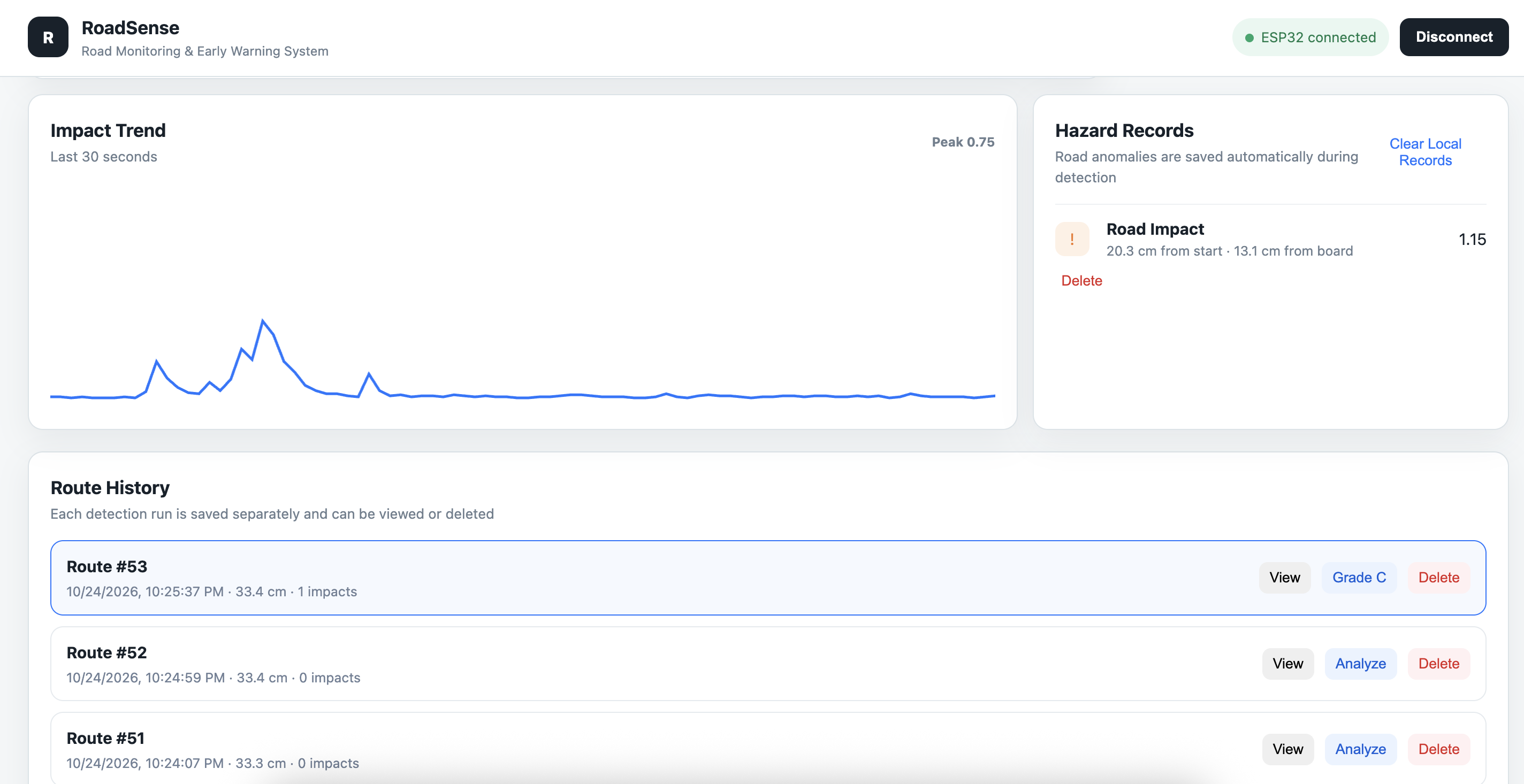
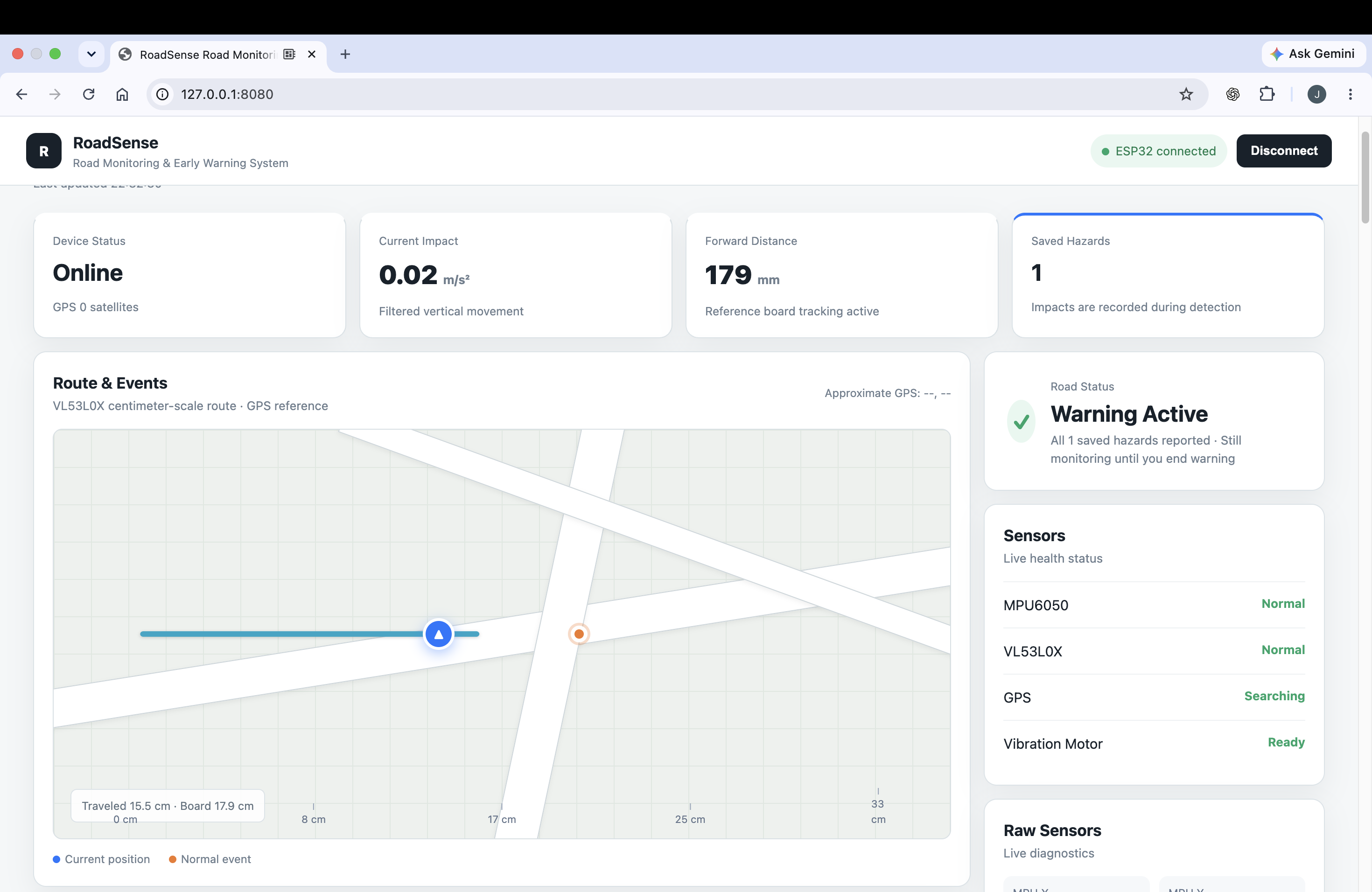
RoadSense combines road-hazard detection, proximity warnings, and an interactive dashboard. In detection mode, the system monitors changes in acceleration to identify unusual impacts that may indicate a pothole. It records suspected hazards along with available location information so they can be reviewed and mapped. In warning mode, it checks the vehicle’s proximity to previously recorded hazards and alerts the rider when one is nearby. A handlebar-mounted warning device is intended to make alerts noticeable without requiring the rider to watch a phone. The dashboard brings together sensor readings, hazard records, and route history. An AI-assisted analysis feature helps interpret recorded events and suggest which hazards may deserve closer inspection or higher repair priority.
How we built it
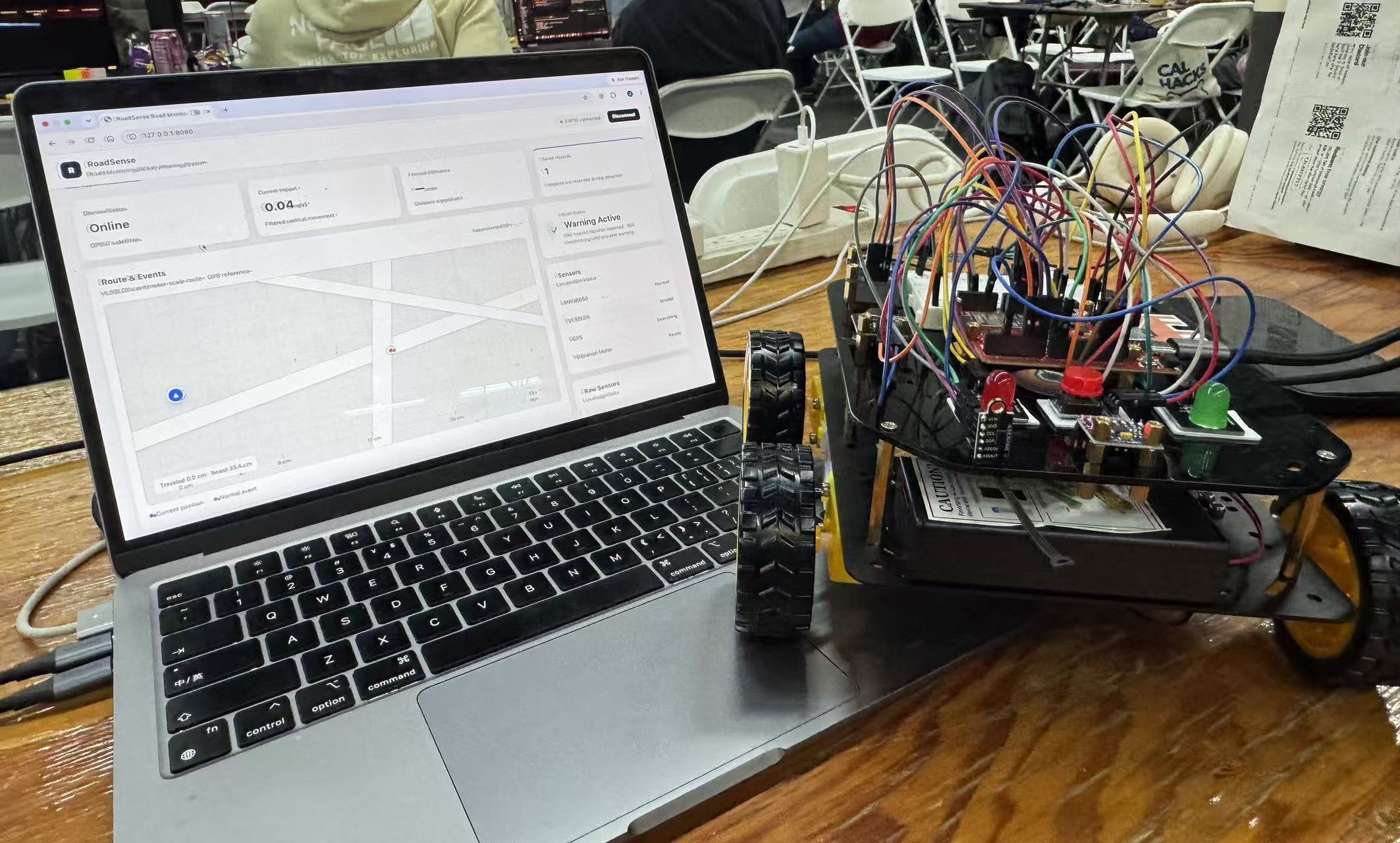
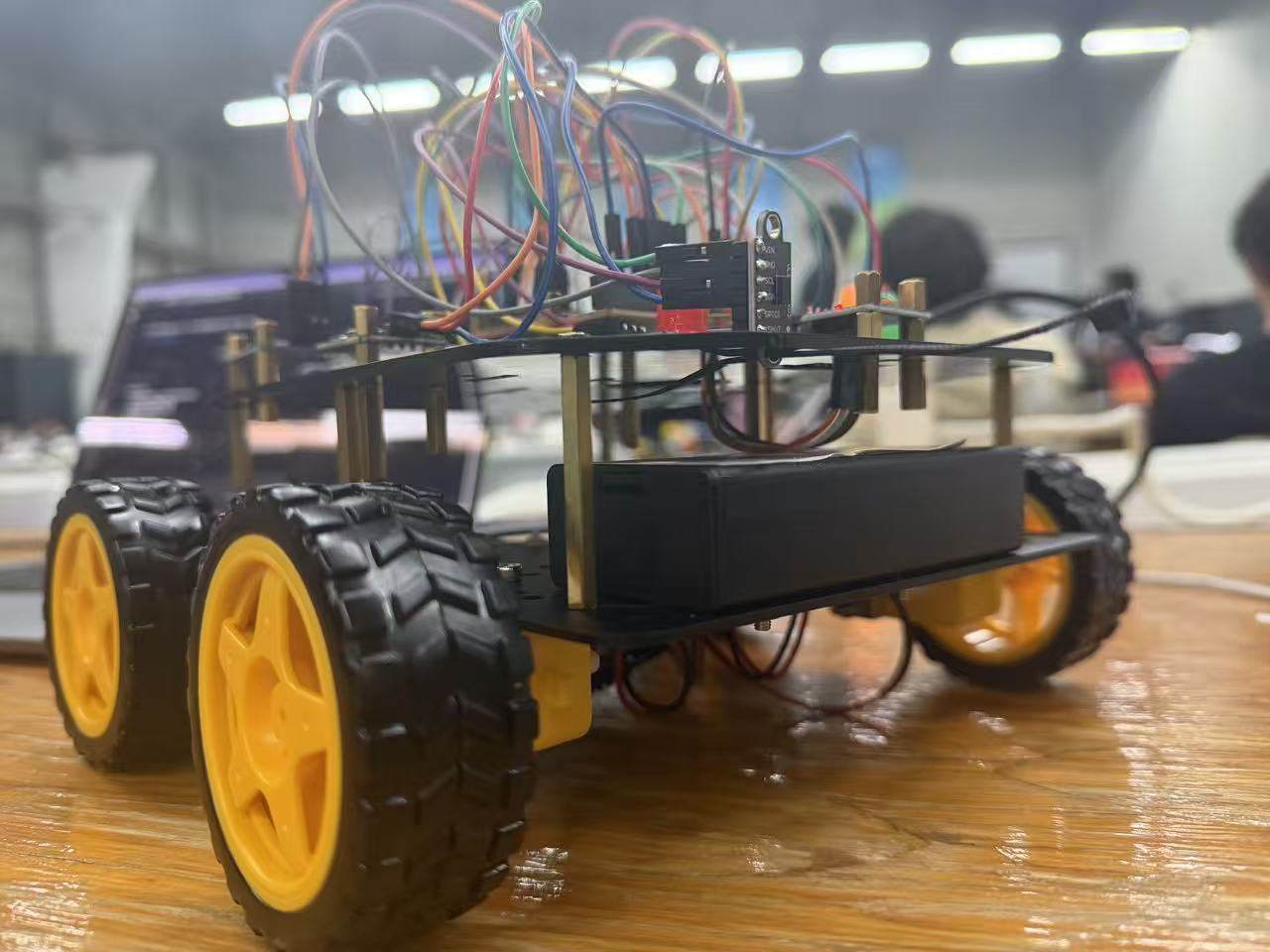
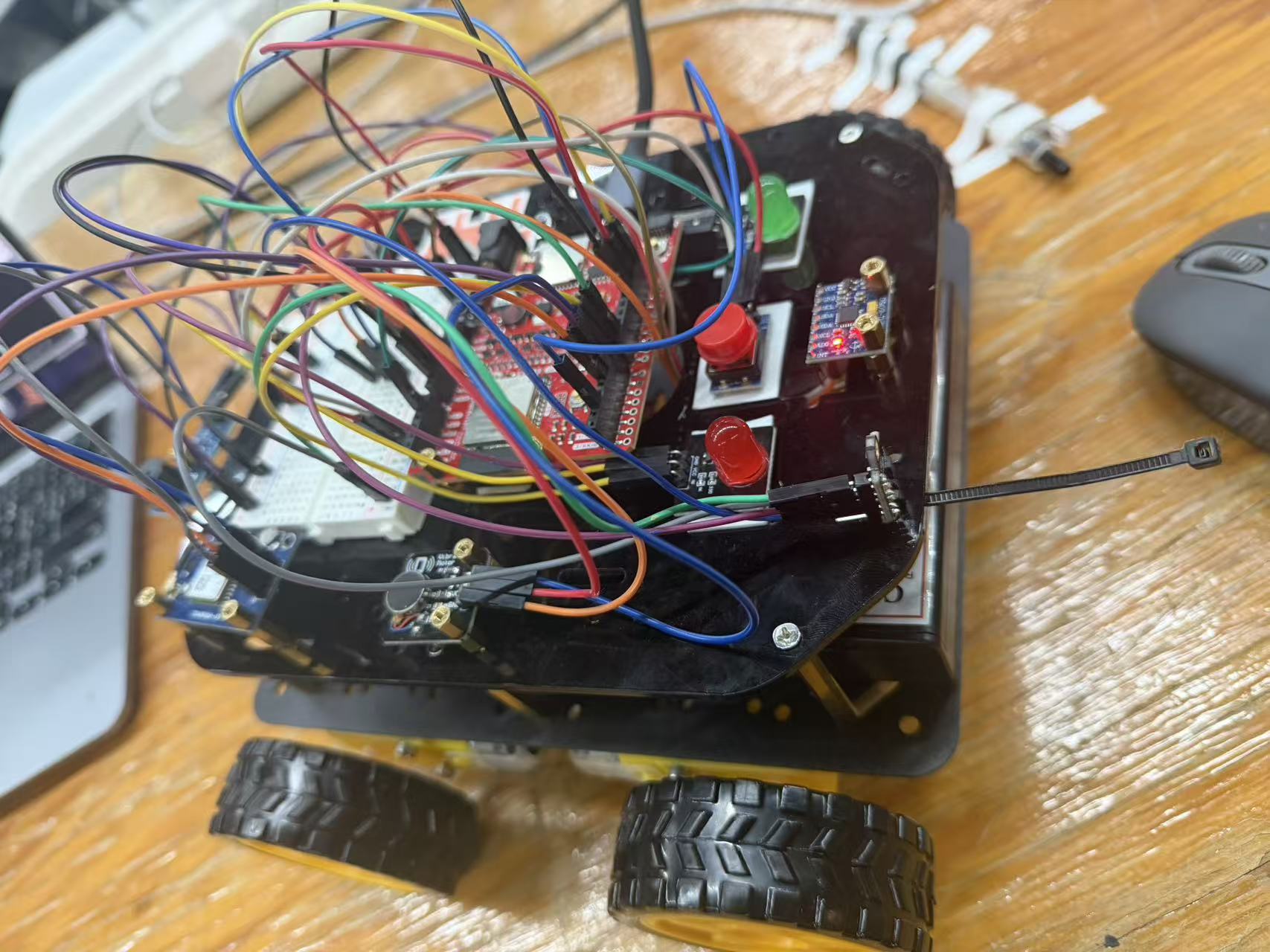
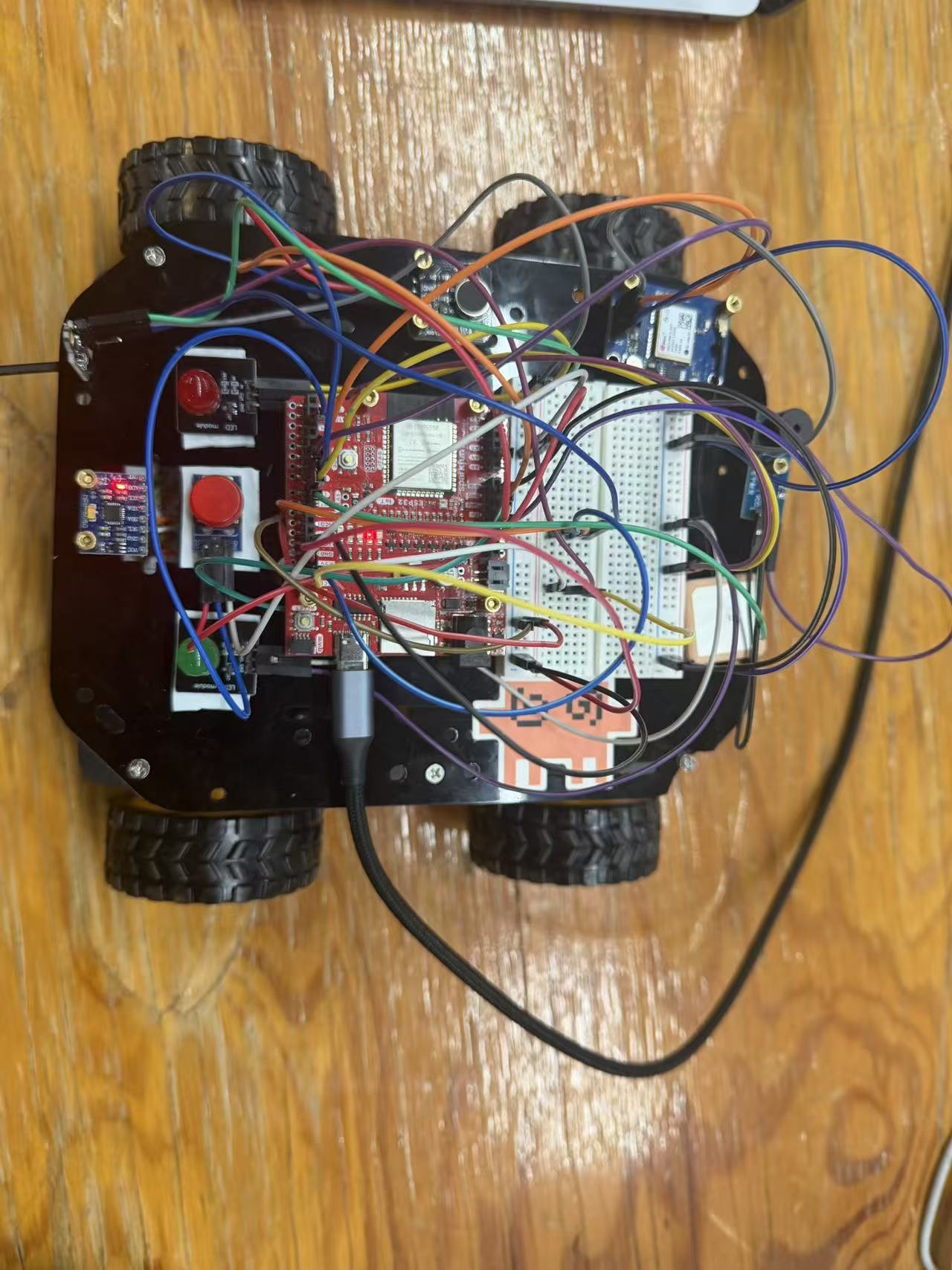
We built RoadSense around an ESP32 microcontroller and an MPU6050 sensor, which measures acceleration along the x, y, and z axes. The ESP32 processes these readings to identify unusual impacts and flag potential road hazards. For our prototype, we used a VL53L0X distance sensor to track short-range position changes, with GPS intended to provide geographic context for outdoor use. Recorded hazards support a second workflow: estimating proximity to a known hazard and triggering a warning through a vibration motor. Our interactive dashboard displays device status, sensor diagnostics, impact trends, and saved routes. SpacetimeDB supports the data-storage and synchronization workflow, while Claude supports AI-assisted interpretation of recorded events. Together, these pieces connect sensing, recording, analysis, and rider feedback in one system.
Challenges we ran into
Our biggest challenge was getting the hardware and software to work together. After assembling the system, we discovered that parts of the code did not match the actual connections between the ESP32 and its sensors. This made it difficult to tell whether a problem came from the wiring, communication setup, or software. We worked through these issues by checking connections, testing components individually, and comparing sensor outputs with what the code expected. AI-assisted debugging helped us narrow down possible causes, but verifying the physical setup remained essential. The experience taught us that successful integration requires more than individually working components: every part must agree on how information moves through the system.
Accomplishments that we're proud of
We’re proud of bringing detection, recording, warnings, and visualization together in a single prototype. Instead of stopping at a sensor that notices a bump, we built a workflow that turns an observation into a record—and that record into information another rider could use. We’re especially excited about the handlebar-mounted feedback approach. It offers a way to communicate hazards without making a screen the rider’s main source of information.
What we learned
We learned to debug systematically: isolate a component, check its assumptions, verify its output, and then reconnect it to the larger system. We also learned to think beyond individual features. The value of RoadSense comes from how its parts work together, not just from detecting acceleration or displaying points on a map. AI tools helped us explore implementations and troubleshoot faster, while leaving us responsible for testing and understanding the result.
What's next for RoadSense
Our next step is controlled testing on real bicycles and scooters. We need to collect acceleration data across different surfaces, speeds, and mounting positions to distinguish potential potholes from ordinary bumps, braking, and rider movement. We also want to improve outdoor positioning, tune warning distances, and evaluate how clearly riders notice the vibration alerts. Longer term, shared hazard reports could help riders anticipate rough roads and help maintenance teams identify locations worth inspecting. Beyond potholes, RoadSense demonstrates a reusable workflow: sense a physical event, record it, interpret it, and turn it into timely feedback.
Built With
- arduino
- c++
- claudeapi
- css3
- esp32
- github
- gps
- html5
- javascript
- mpu6050
- node.js
- platformio
- spacetimedb
- typescript
- vite
- vl53l0x
- webserialapi


Log in or sign up for Devpost to join the conversation.