-
-
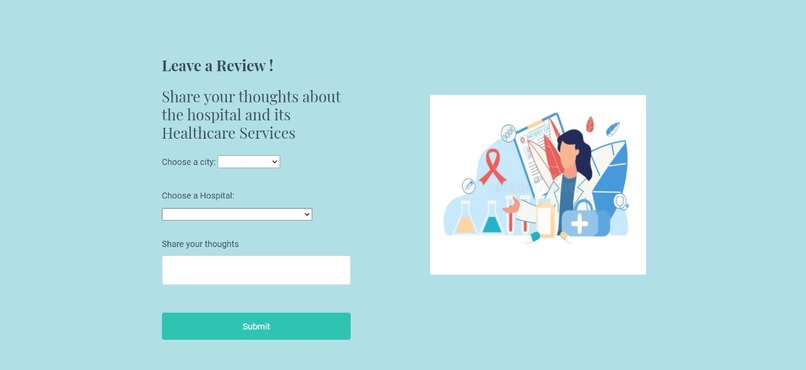
Filter for search
-
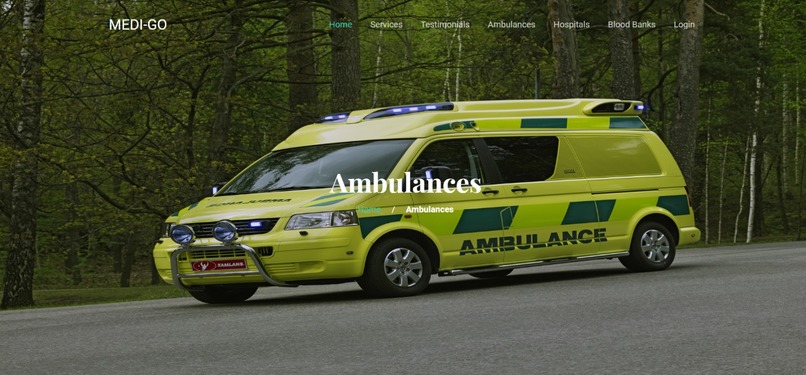
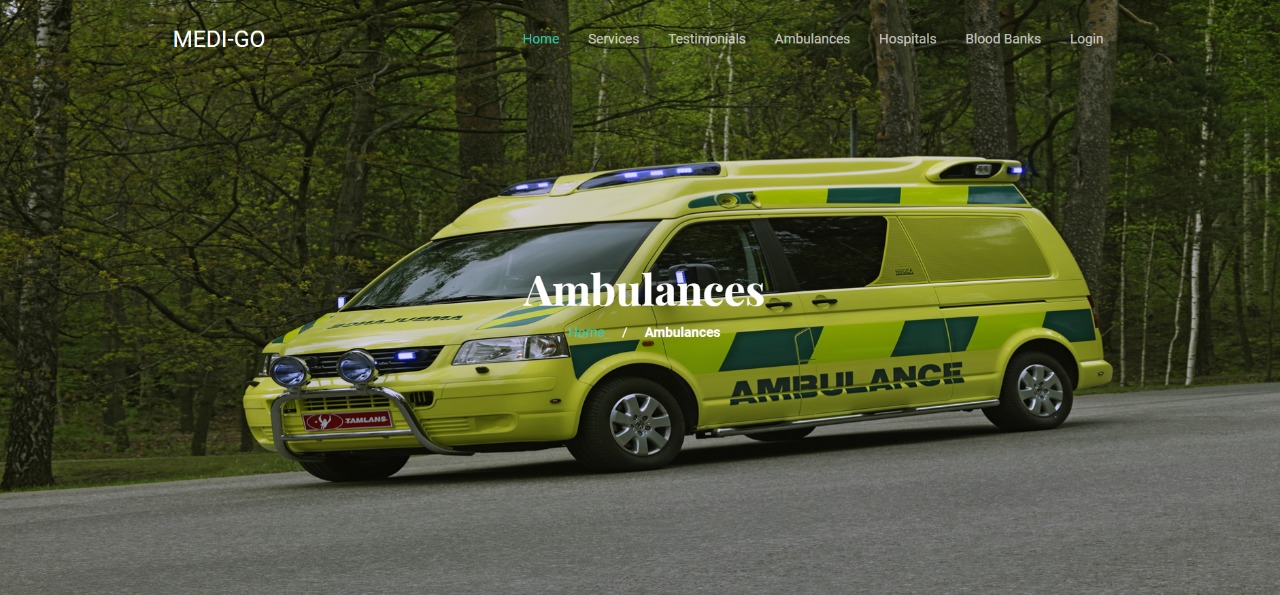
Ambulances page
-
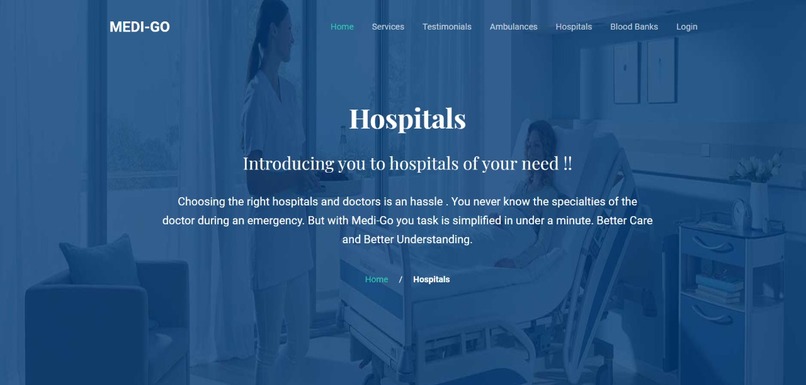
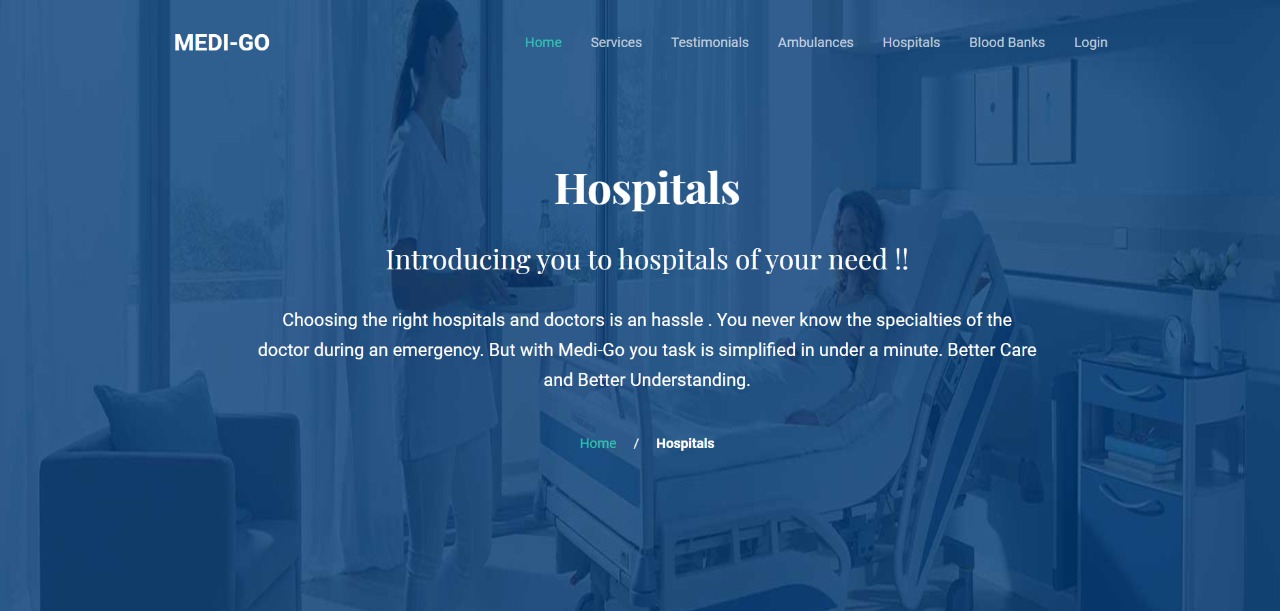
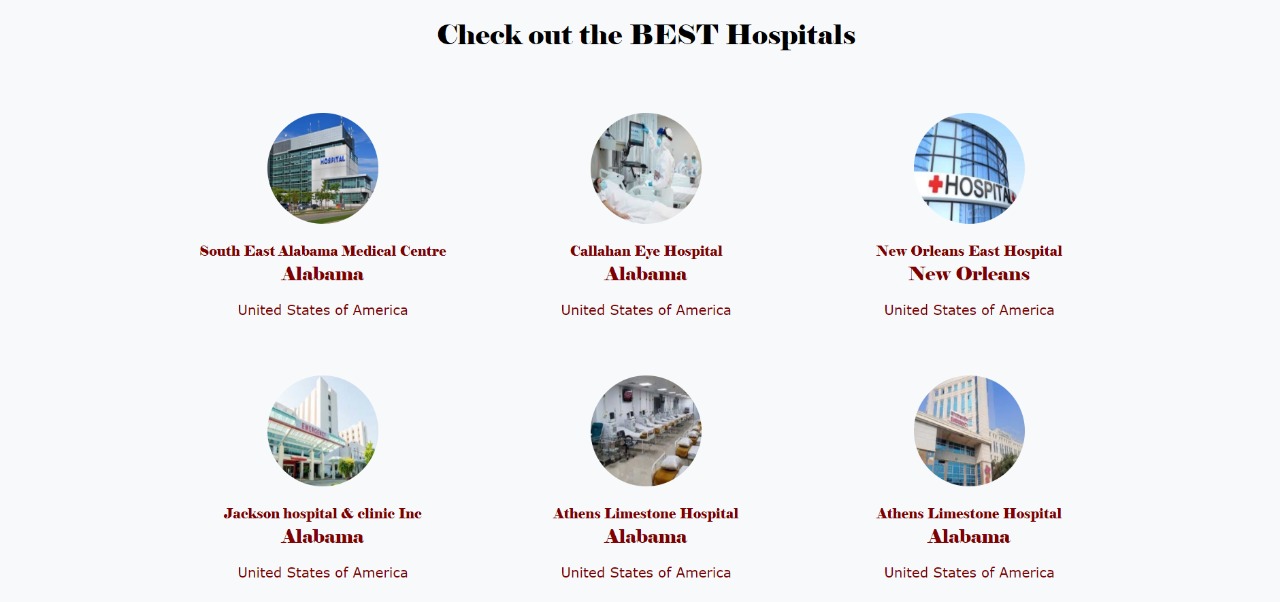
Hospitals page
-
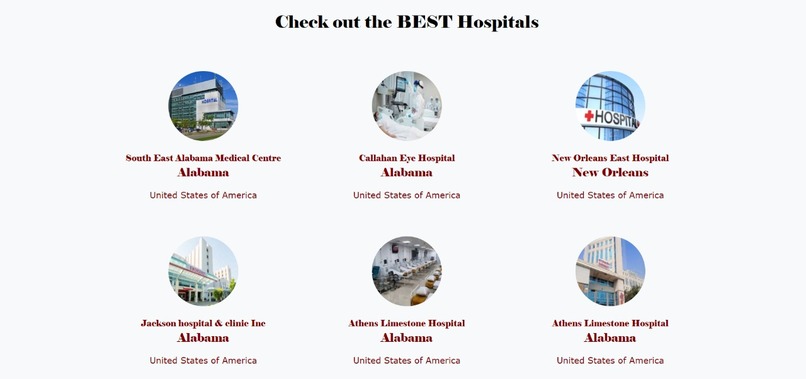
Filter results
-
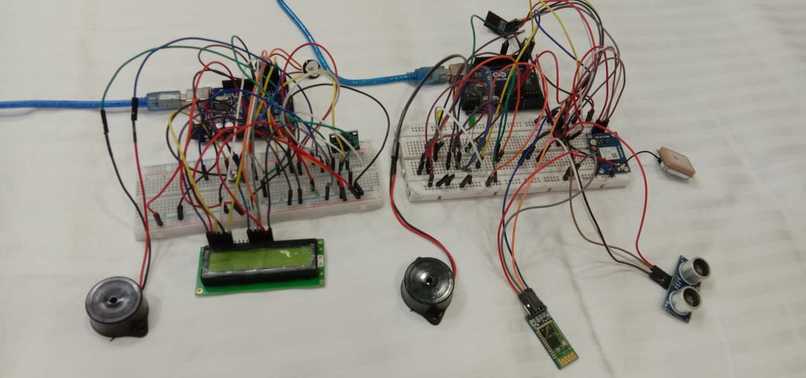
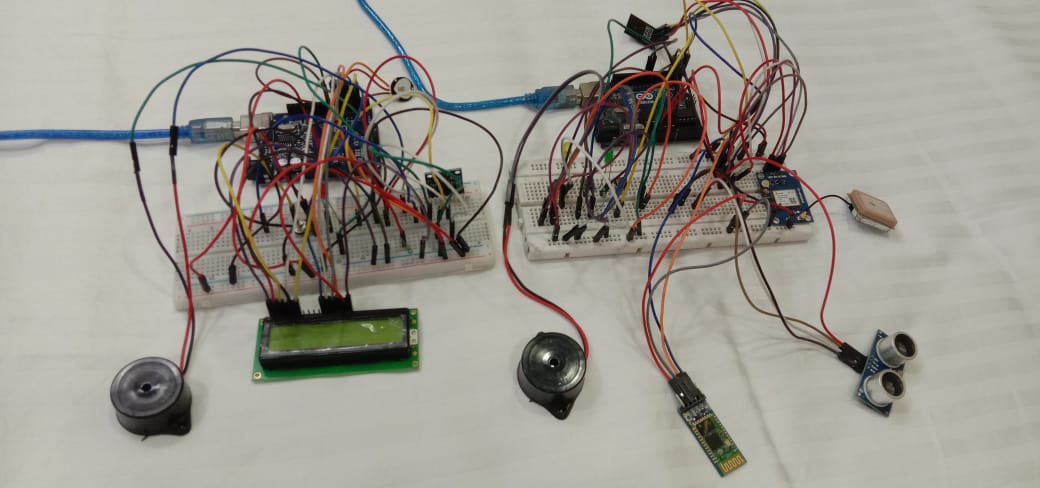
Res-q 2.0 Device
-
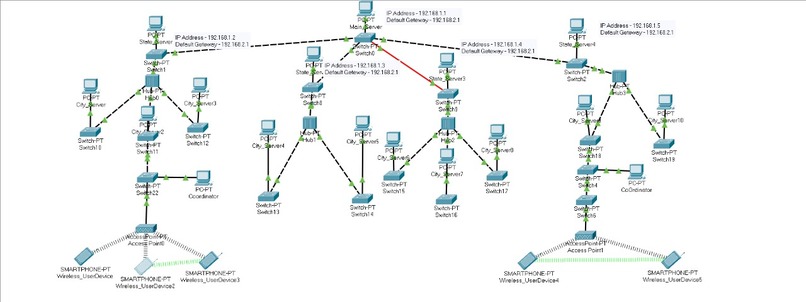
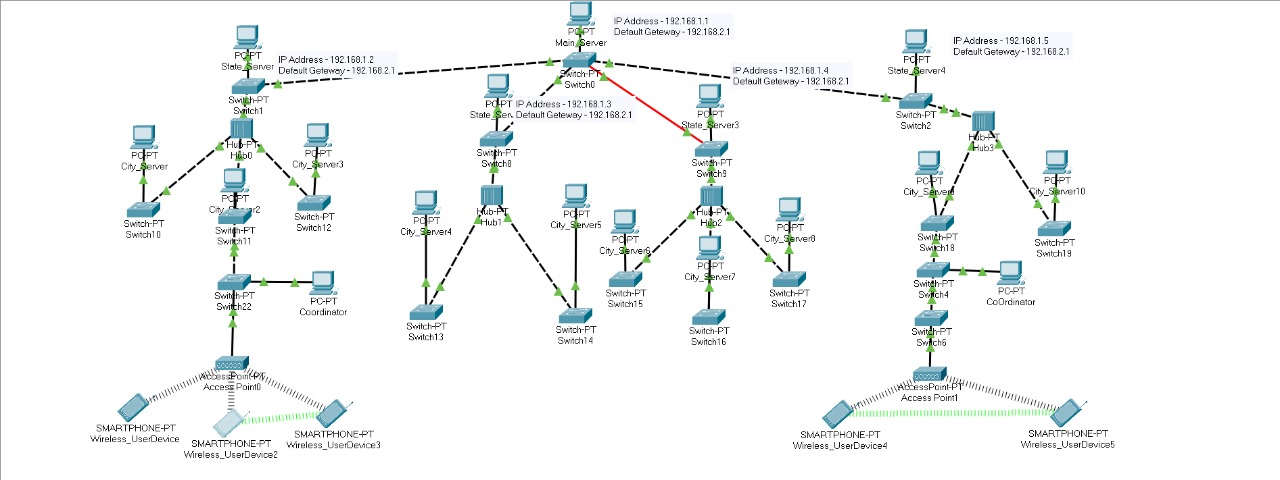
Networking Simulation
-
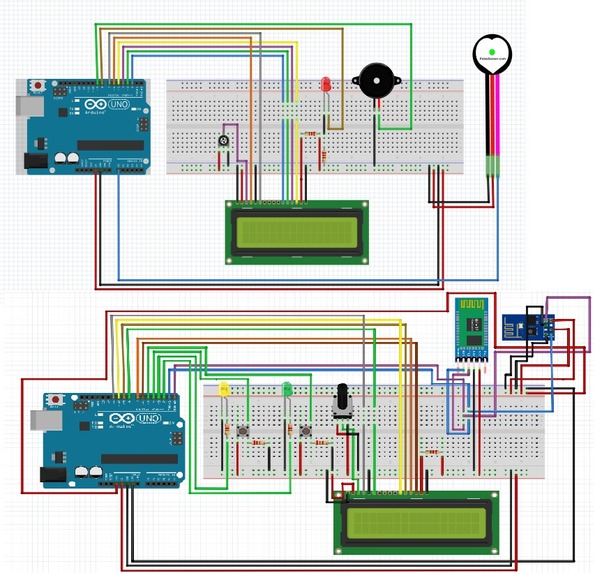
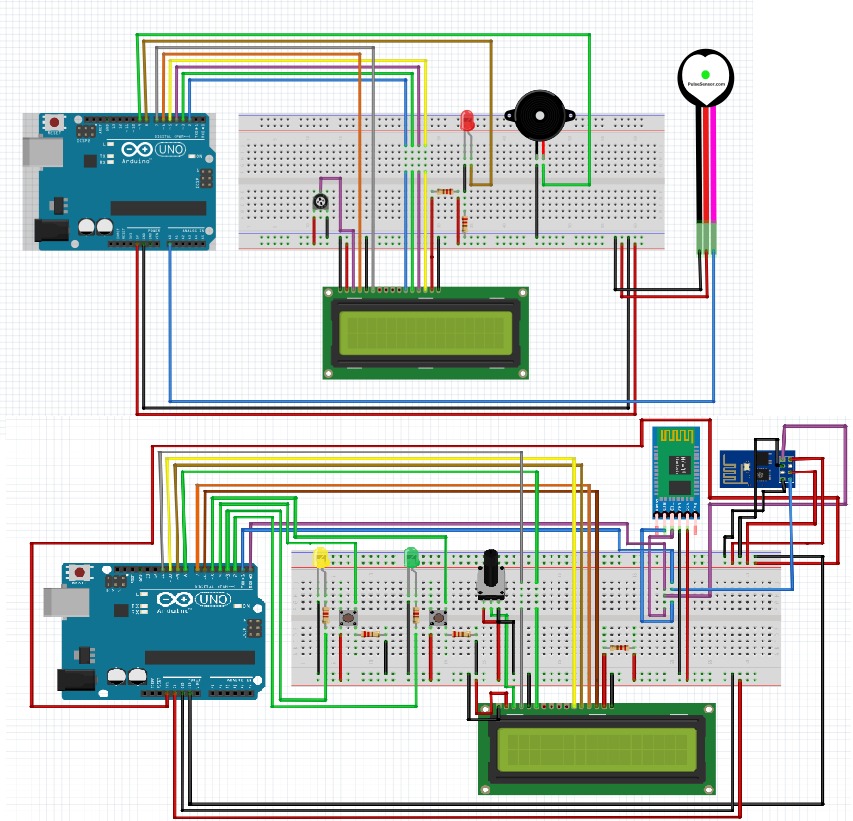
Circuit Design
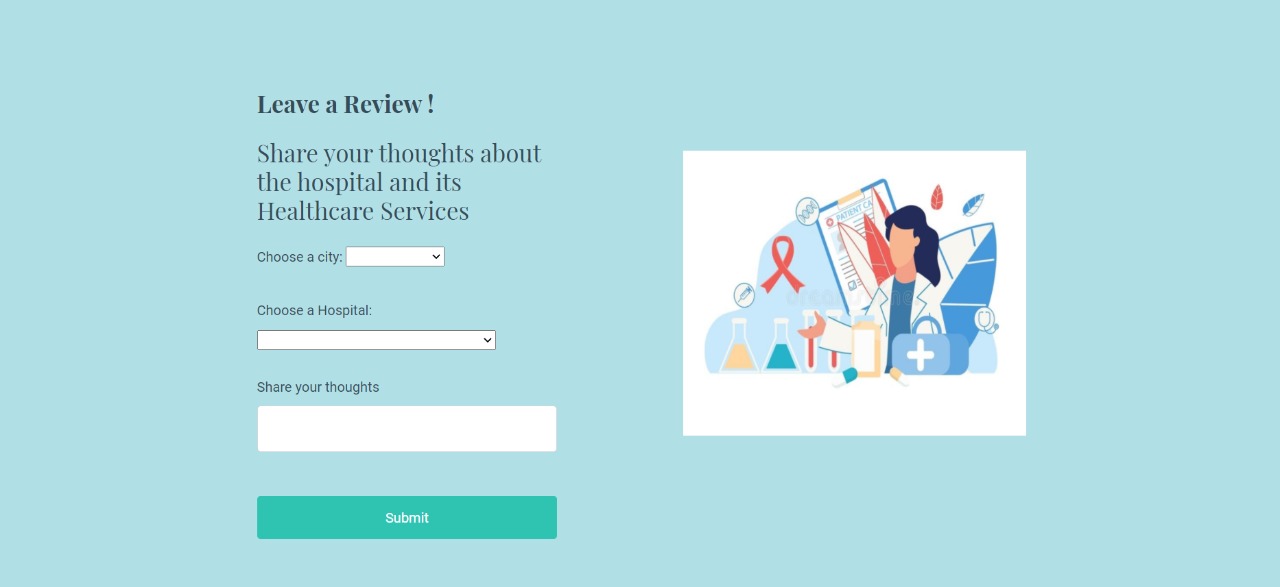
Inspiration
United Nations Office for Disaster Risk Reduction (UNDRR) says that the total number of people who died due to disasters between 2000 and 2019 is 79,732. Therefore, a device has to be developed to mitigate this issue. The basic working of the device goes like, Assume a Central Disaster Management System (Main Server) which will cover the disasters occurring in the entire country, and will be able to send signals/information to various other state substations (Clients of the main server/Server for the city substations), which in turn will be able to send data to the city substations (client for the state substation/server for the wearable device), which will be able to send data directly to the wearable devices.The idea implementation has to be efficiently carried out so that the overall product will mitigate the pre and the post disaster events. We also have to equip civilians during the time of need, and hence a website (MEDI-GO) is also developed.
What it does
RES-Q 2.0 will not only help to save lives , but also help is carrying out the rescue operation smoothly. It will measure the pulse rate, location, communication distance of the rescue team to ensure their safety. Also, the SOS alert will help to seek help from the nearest substation in case of emergencies. The Alert feature includes : RED, YELLOW, GREEN categories i.e., in DANGER, needs ASSISTANCE, and rescue operation SUCCESSFUL. Finally the collision avoidance system using the ultrasonic feature, lets the team carry on their work even if the environment is dark. MEDI-GO is a simple interfaced web app that contains emergency features like checking hospital beds availability 24x7, tracking the live location of the patient and giving suitable results, ambulance booking option, real-time checking of the list of doctors for a particular hospital, suggesting hospitals based on reviews and the availability of doctors and beds and displaying the availability of blood in blood banks and schedule donation.
How we built it
RES-Q 2.0
- The Meteorological Station (main server) will be connected to the state substations.
- The state substations will be connected to the city substations .
- The city substations will be connected to the several subsystems which will be operated by the coordinators of the various rescue team.
- The subsystems will be connected to the device on the rescue team member.
MEDI-GO
Medi-Go was developed using the following tools for web development
- JavaScript
- Node.js
- Socket.IO
- Postgresql
- Bootstrap
Challenges we ran into
- Difficulty in accumulating the hardware components within a short period of time.
- Doing a survey and coming up with an innovative idea was difficult within the stipulated time .
- Integrating multiple components and synchronising the final output was a tedious task
- Implementing bootstrap in the website was demanding.
Accomplishments that we're proud of
The accomplishments we're proud of are
- Being able to come up with a unique idea that is in demand
- Making the project in both hardware and software platform
- Developing a prototype that empowers the rescue team and general citizens
What we learned
- Arduino coding
- Cisco packet tracer
- Networking
- Interfacing
- Backend development
- Basic Query systems
What's next for RES-Q 2.0
Development of an Android app that not only helps firefighters track people but also helps to save lives at a faster rate. The app will be built using the SOS signal generator, and if there is a fire in the apartment/building and there is no way to escape, the signal generator will be released. Furthermore, the device can be miniaturised and combined into one single module. MEDI-GO will also be developed as an app which gives quicker access to the users

Log in or sign up for Devpost to join the conversation.