-
-
remote work tool
-
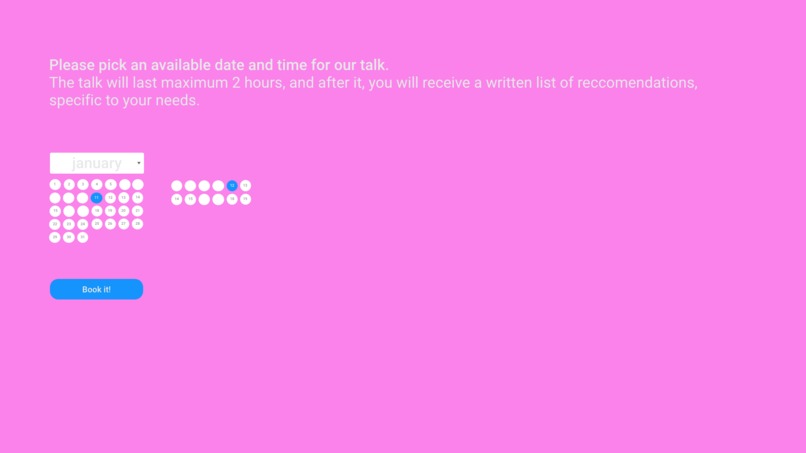
book a session!
-
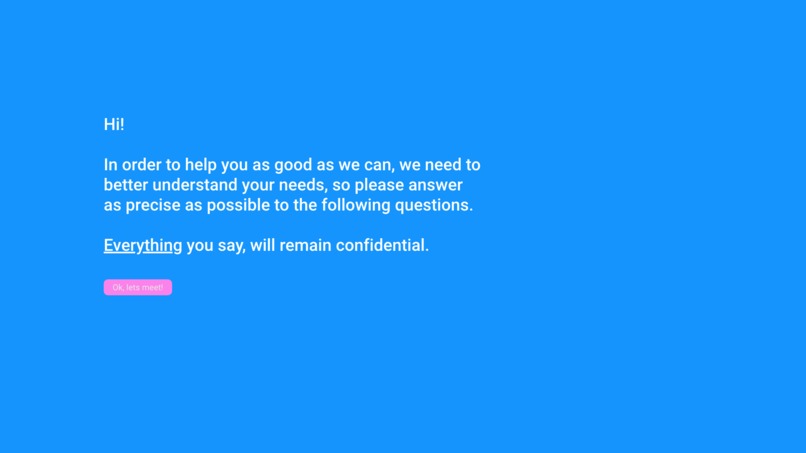
Hi!
-
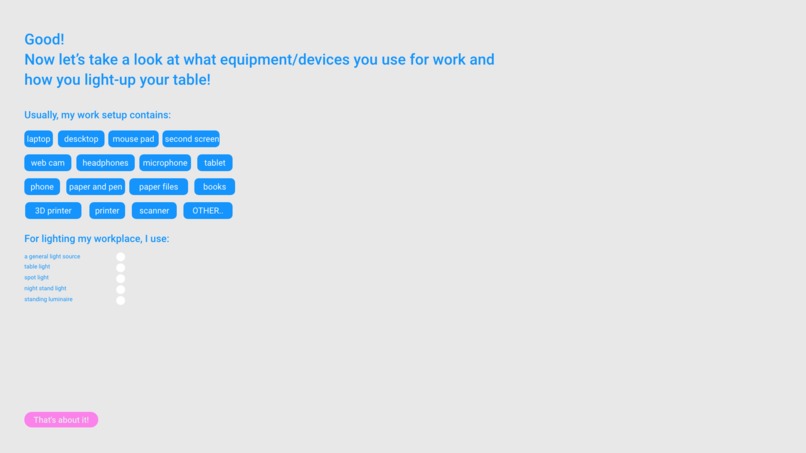
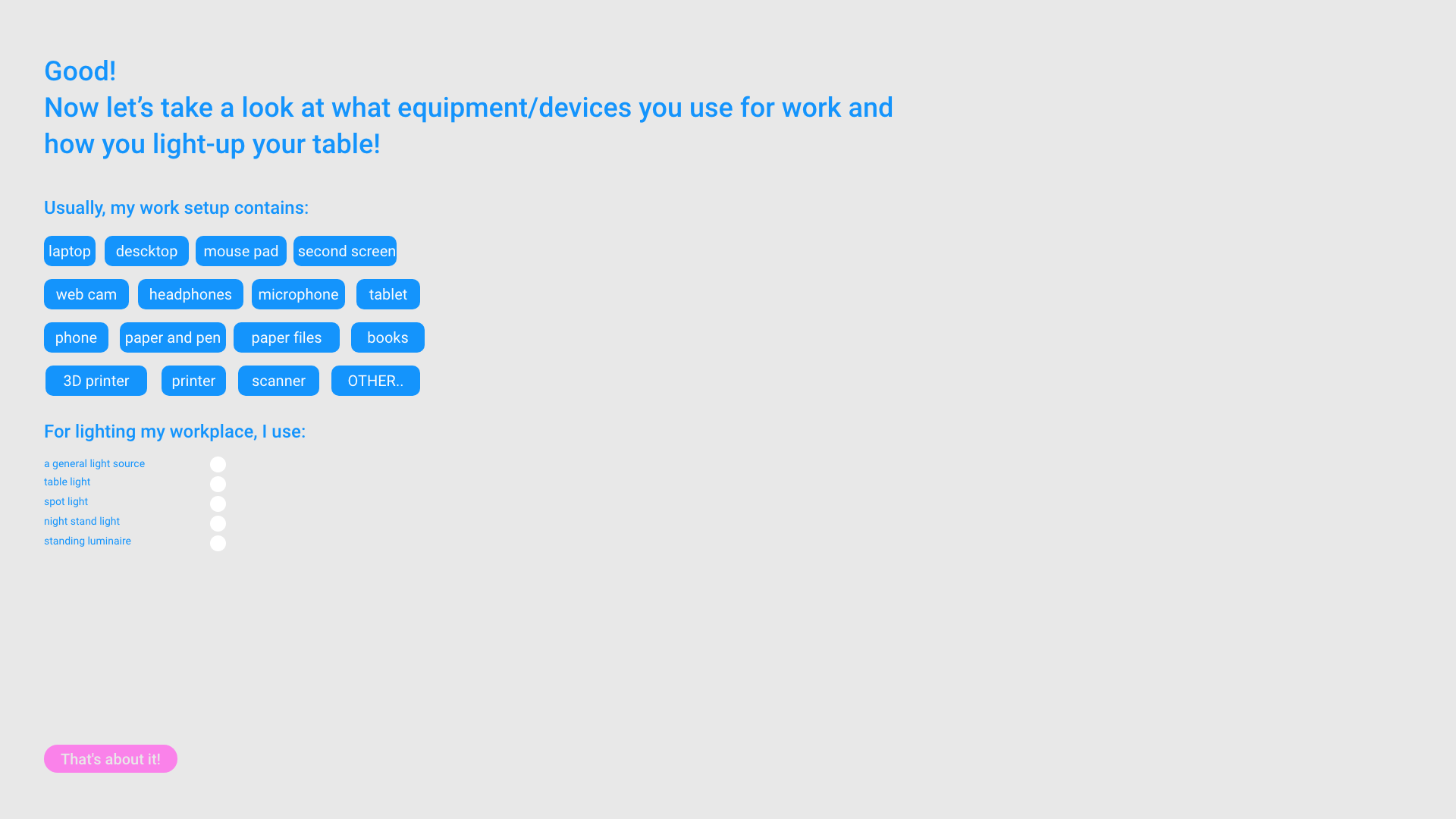
work setup
-
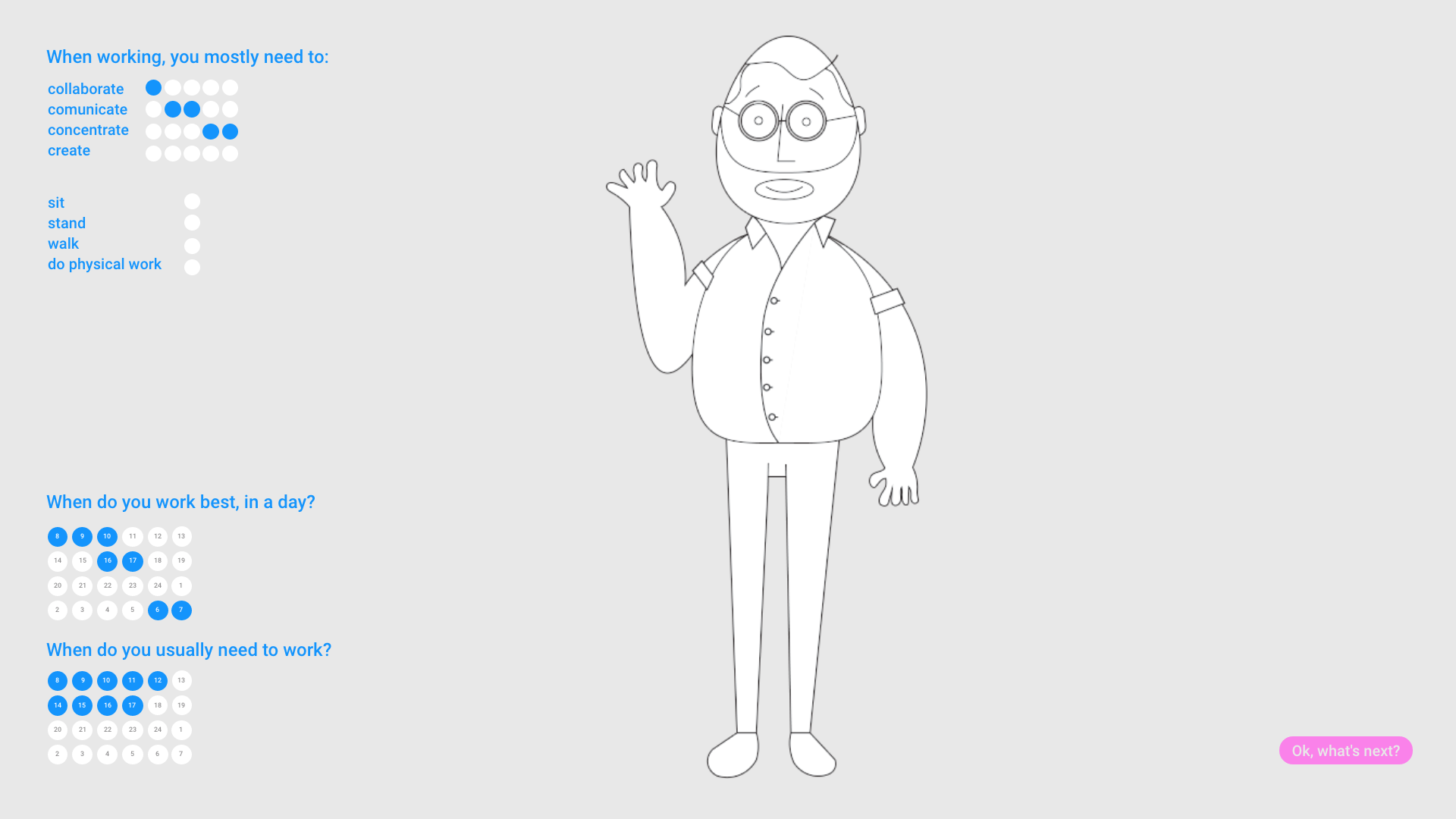
how you work
-
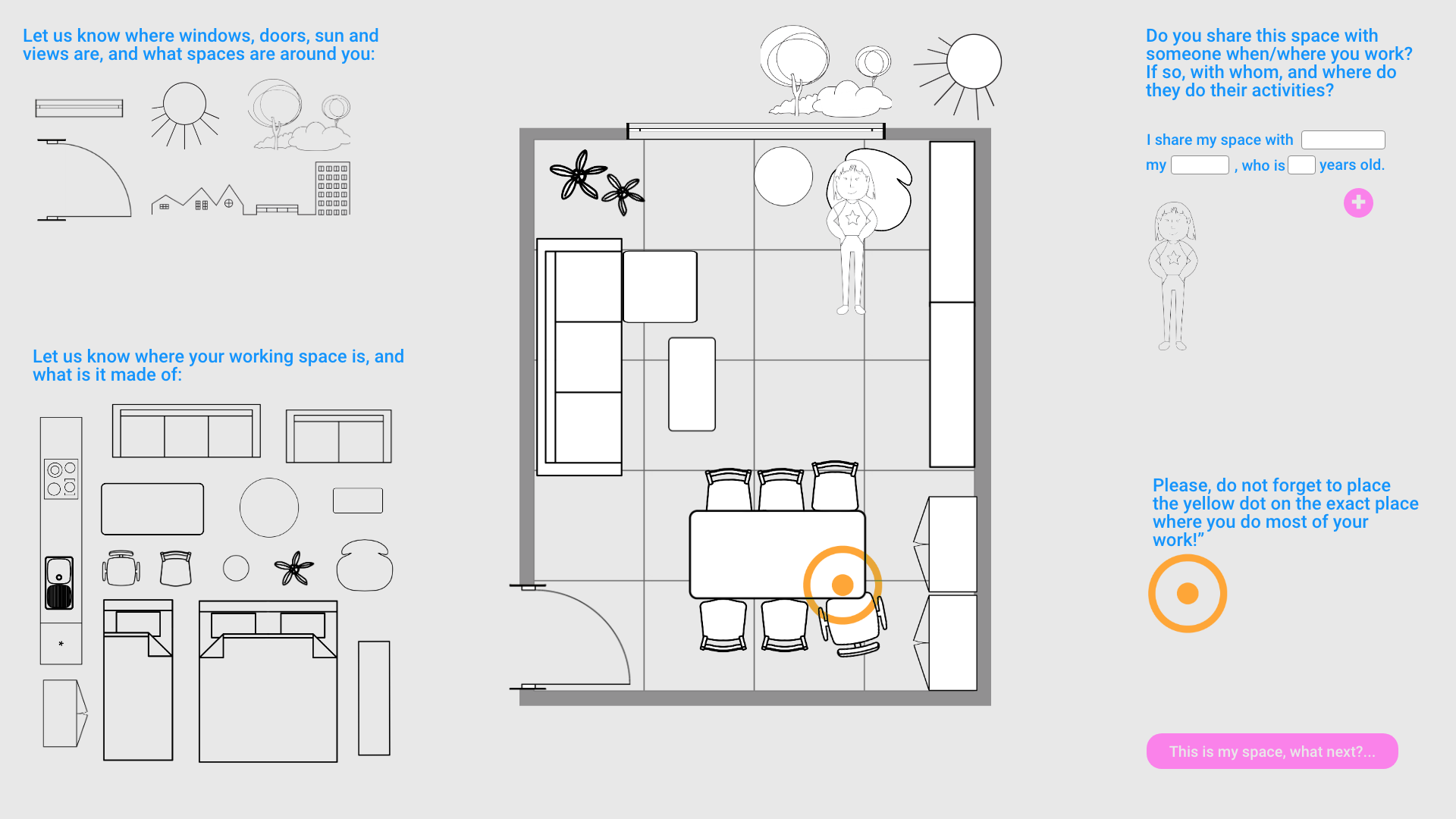
where your work
Inspiration
As architects, we're the people most likely to acknowledge how important the space we work in is for our productivity and most importantly for our well-being.
The COVID-19 crisis has brought into the spotlight how our homes act as shelters but also as mediums for activities which we previously practiced from somewhere else, i.e. "from work". This functional approach isolating work from the domestic part of our lives has proven to be out-of-touch with society at large. In a world where flexibility is the key for living an accomplished life, remote work increasingly becomes a must-have, not as a requirement, but as an option for all of us. This is why we think it's so important to be aware of how [any] work environment affects us and how we can change it for the better.
What it does
As many of us know or feel, the quality of the mind is very much influenced by the quality of its environment/medium. Since most of us had to abruptly change our work setting and habits, we are doing our job in improvised places, feeling distressed and being less productive.
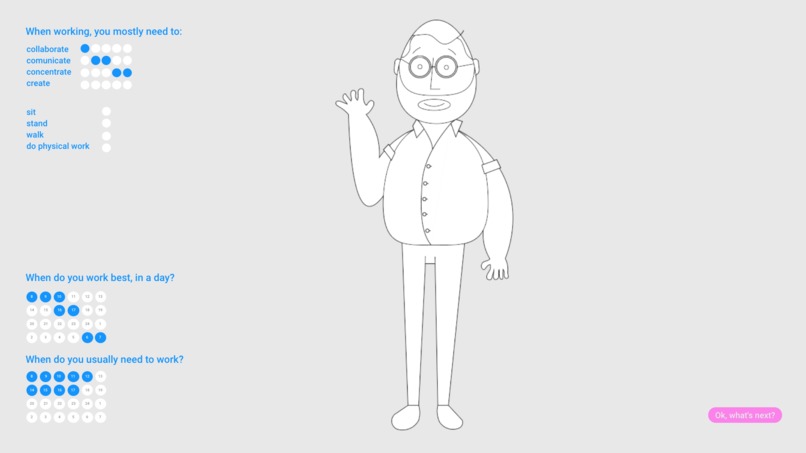
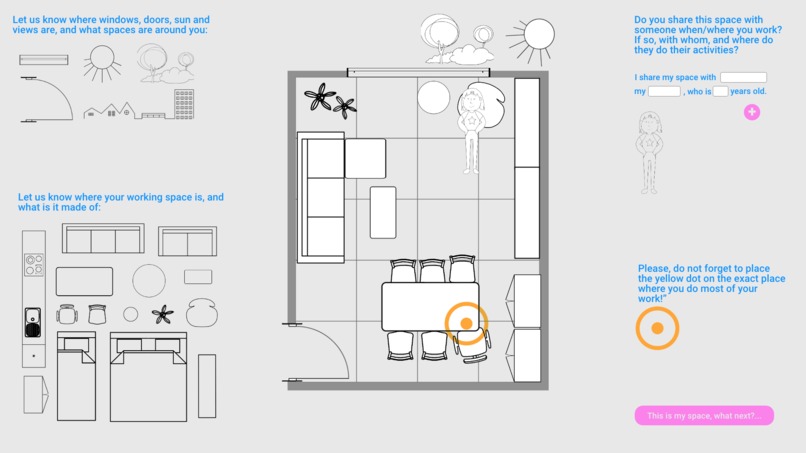
REMO is a tool that first helps the user asses his/her situation, and then, with the help of an interdisciplinary team, delivers personalized advice on how to improve his/her remote work environment.
Our process is made of three simple steps:
- Assessment - through the online platform
- Report - using the data input from the user, and our own algorithms, we grade a number of essential problems and give a primary feedback within the report. It can be immediately downloaded, after the assessment process, for free
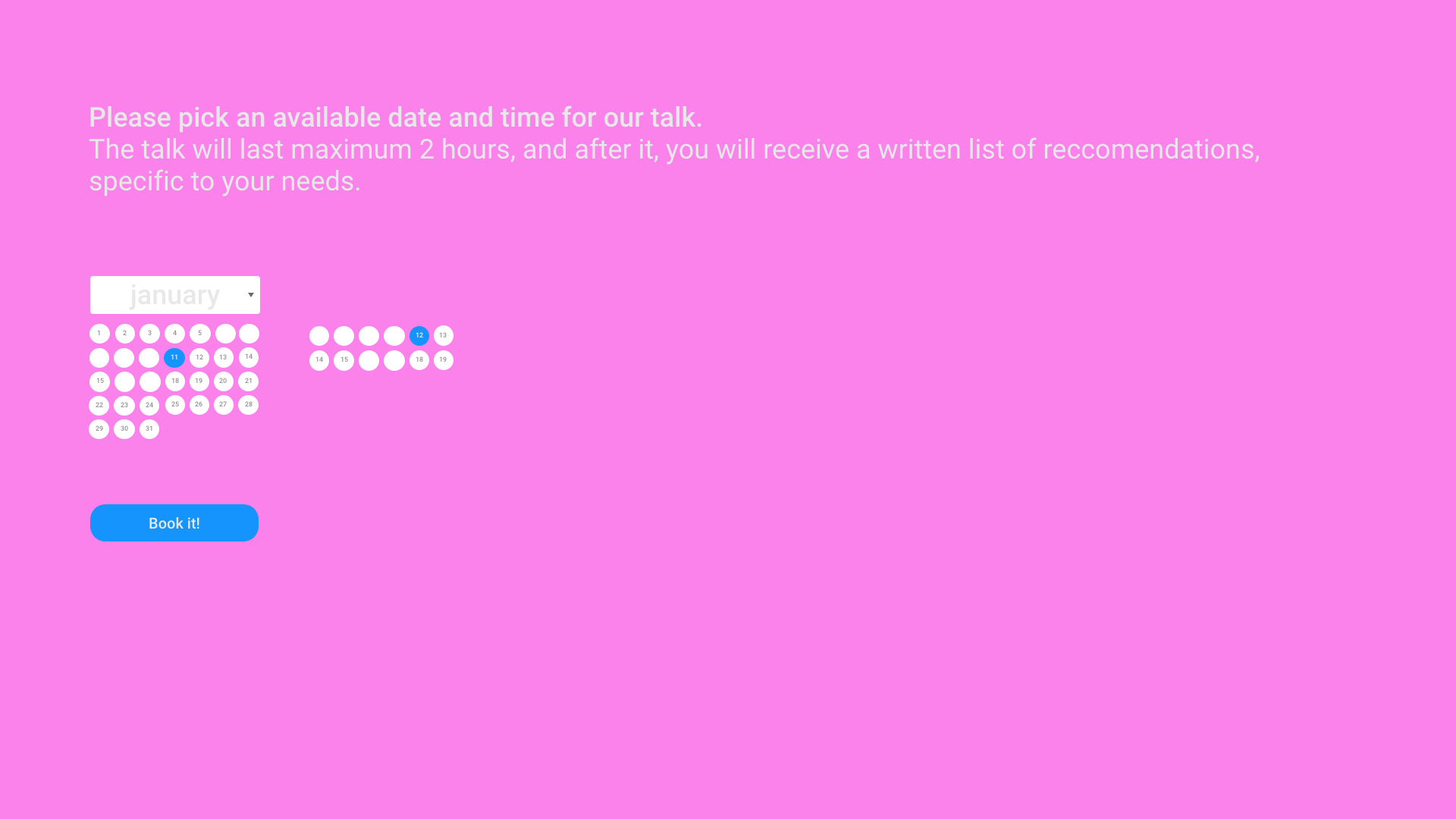
- Online consultancy - the platform offers the user the possibility to meet with a professional from our team, who can give personalized advice based on the issued assessment.
Although it is a tool that is based on one-to-one interaction, REMO also targets companies, which can use the platform in order to improve the overall happiness and productivity of their employees.
We may now be forced to work in our homes, but we are free to make all the changes we can to improve our working environment.
How we built it
Since our project is quite a complex development, we decided to build our prototype using UXpin, in order to best illustrate most of the flow and interaction process. The logo and drawings were made using Adobe Illustrator. We built our presentation using the Headliner video app.
Challenges we ran into
The first challenge was not having extra members in the team, besides our core group of 3 architects. In spite of this, with the help of our mentor and the community, we decided to get acquainted with UXPin and use it in order to build the project. UXPin turned out to be a wonderful tool, we loved working with it for our project.
Accomplishments that we're proud of
- Learning to work with new tools (UXPin, Clipchamp)
- Having a really smooth process in the team - everything flowed naturally, we divided the work very well among us, and built beautifully around the team’s ideas
- Succeeding to build a prototype so fast, on our own - this is probably the thing we are most proud of
From all the feedback we received, REMO seems to be useful for people, which is why we are extra happy to be able to put our knowledge to good use in these times
What we learned
- UXPin and Clipchamp
- How an online hackathon works
- Many miscellaneous things, from all the online webinars
What's next for REMO
We are very excited about the way the project turned out, and we are committed to implementing it. If any of you are interested in helping, further collaborating or just giving us feedback on its development, please write to us at [email protected].
On the medium/long term we want to develop REMO in these directions:
- Build the TIPS&TRICK section
- Build an index that can make the grading/assessment system increasingly precise and complex
- Build a guide for remote working
- Develop the team of consultants (if it proves necessary)


Log in or sign up for Devpost to join the conversation.