-
-
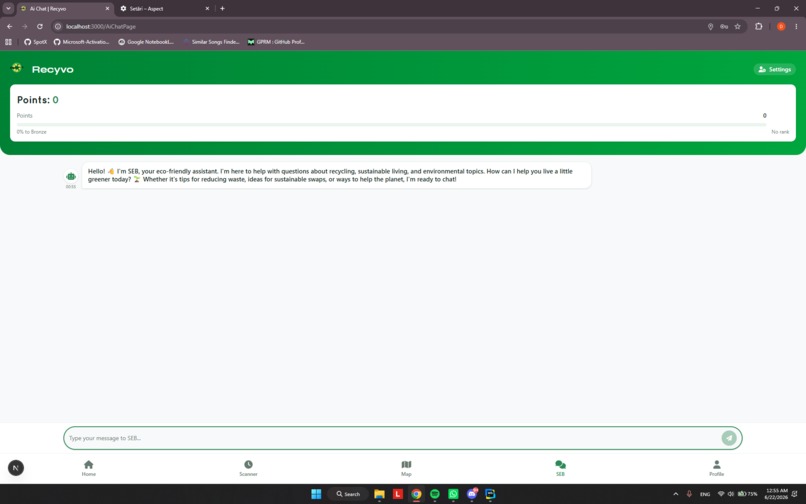
AiChatBot_LightMode
-
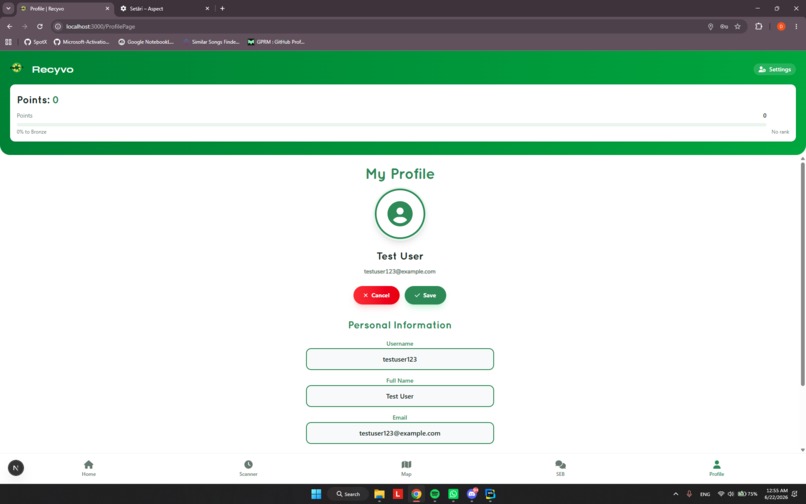
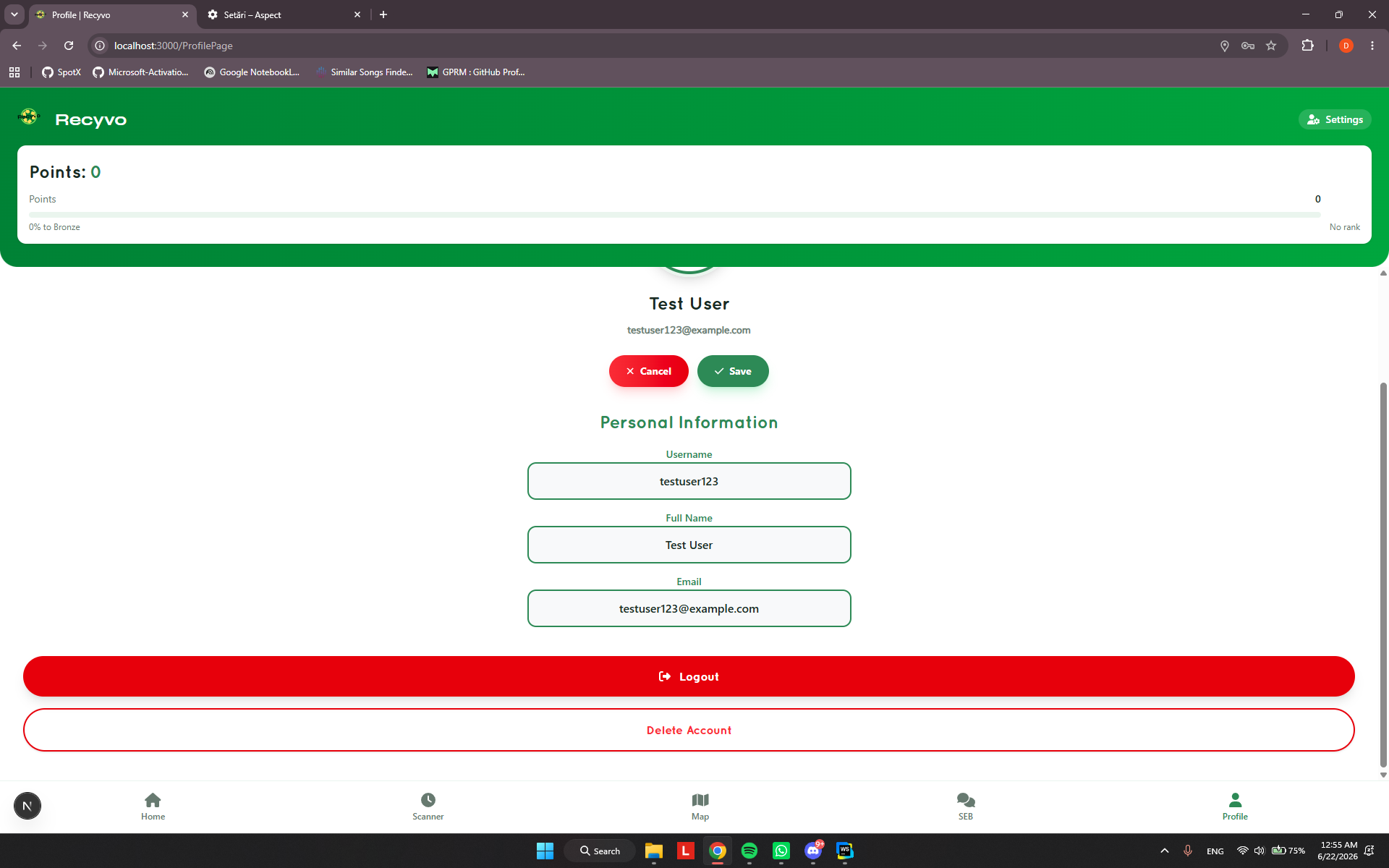
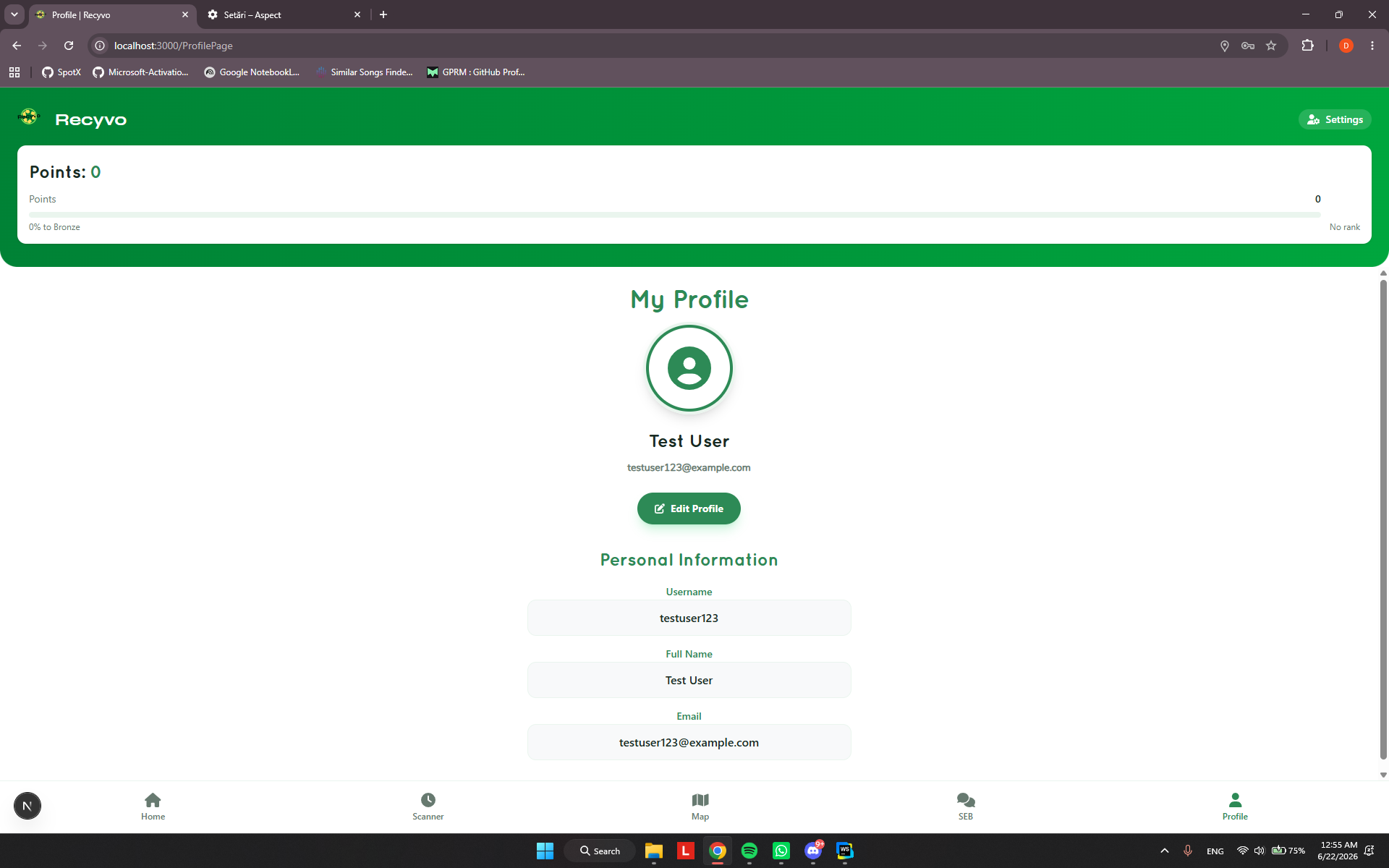
ProfilePage_LightMode
-
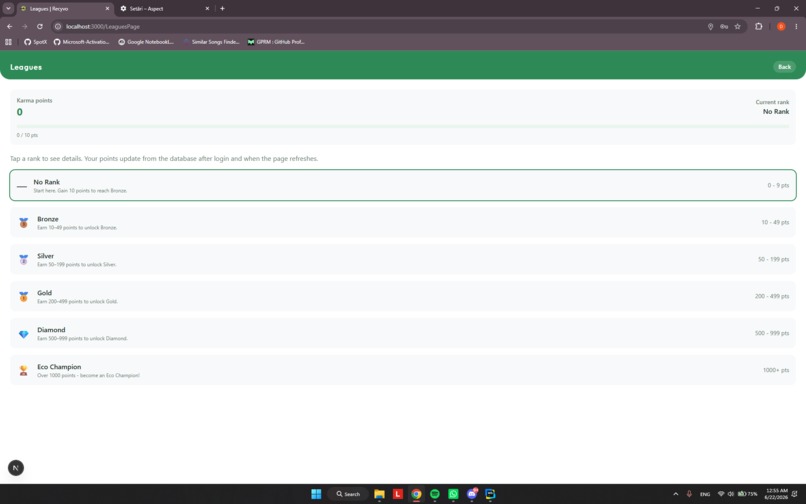
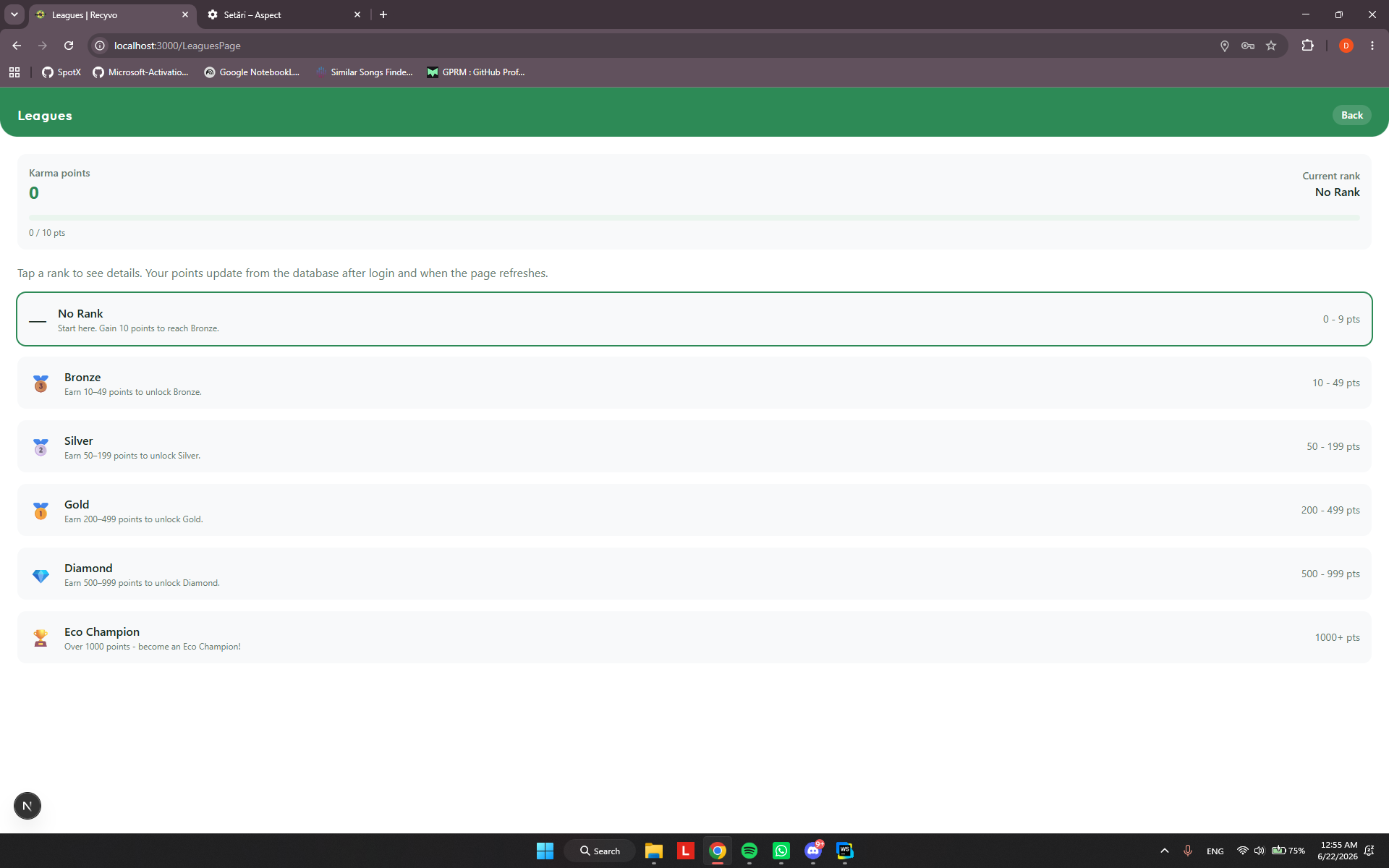
LeaguePage_LightMode
-
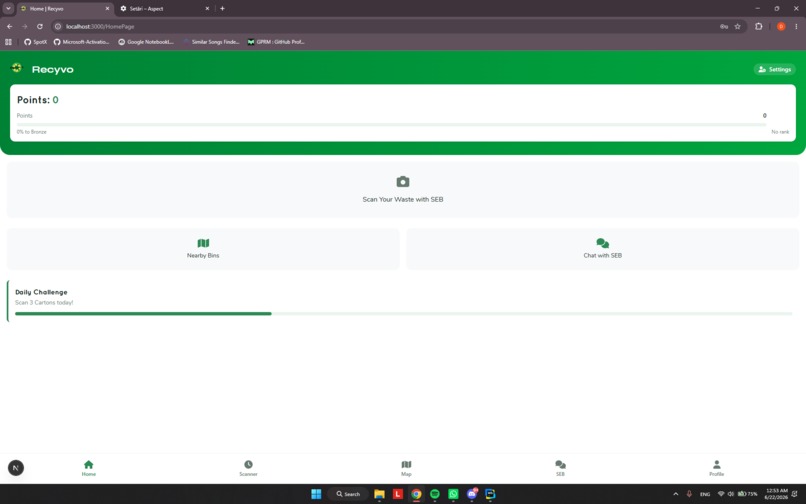
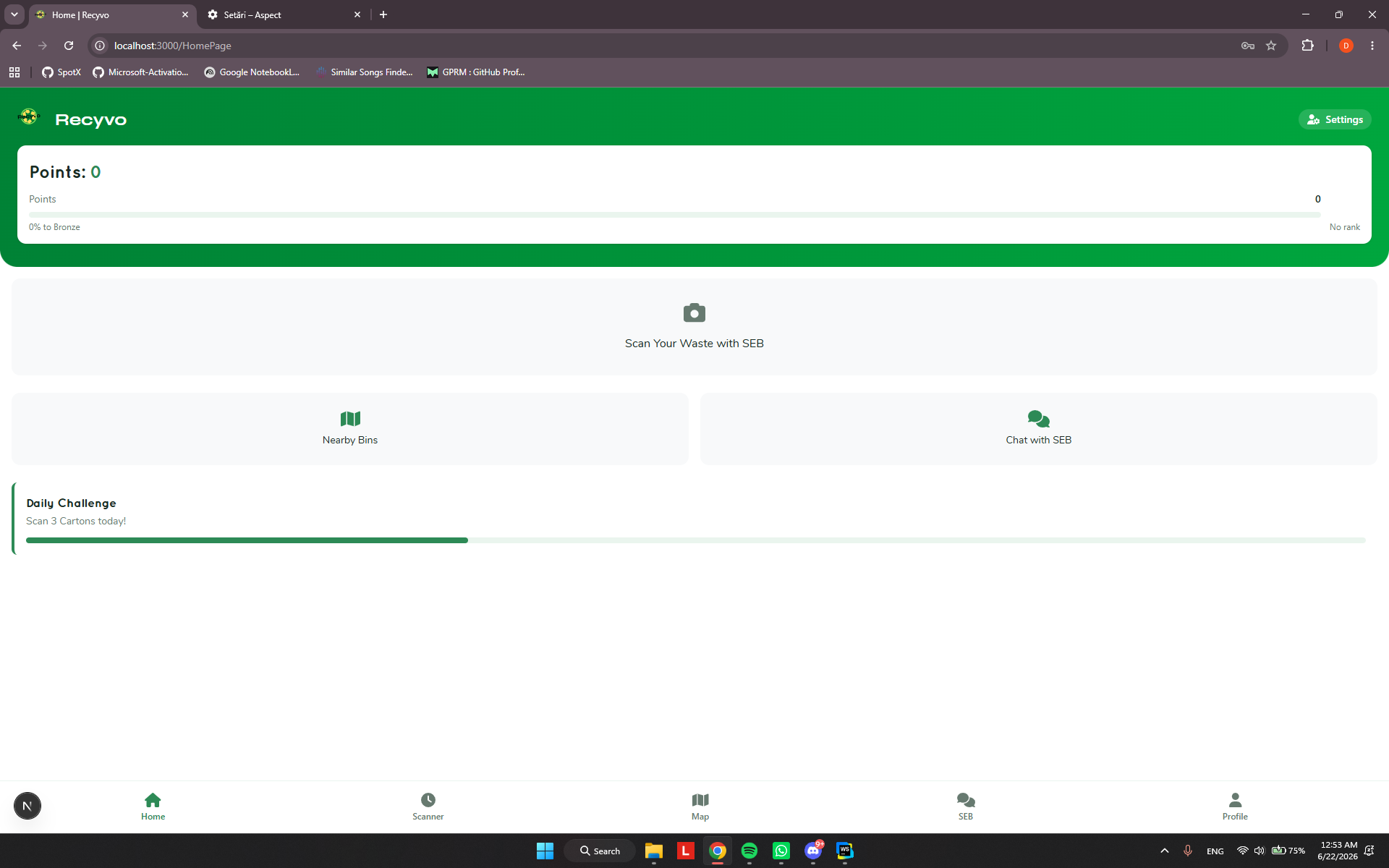
HomePage_LightMode
-
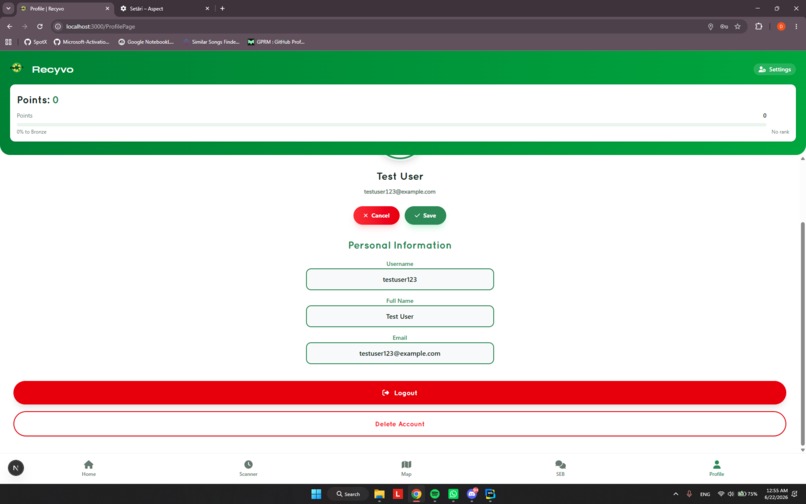
ProfilePage_LightMode
-
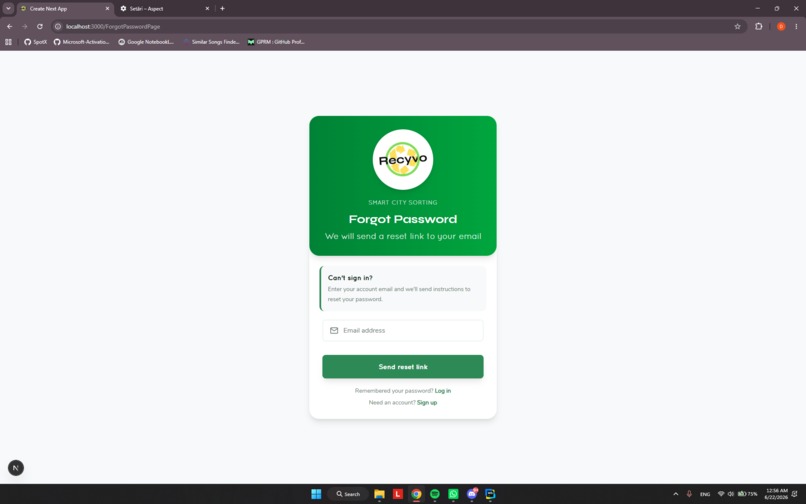
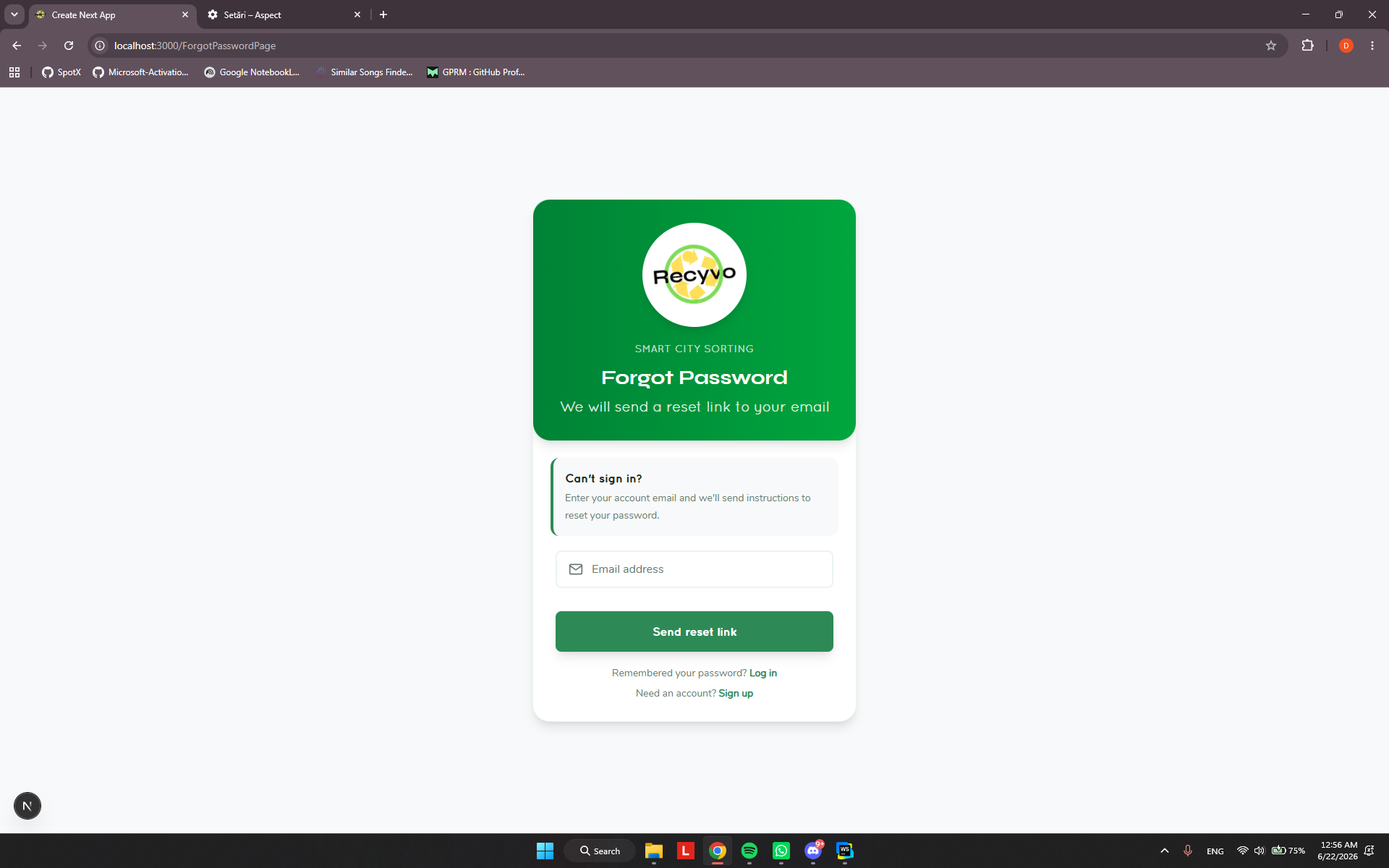
ForgotPasswordPage_LightMode
-
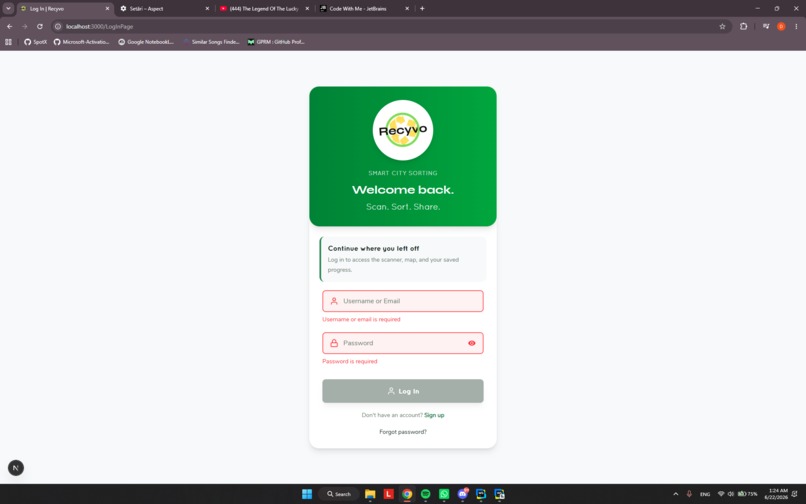
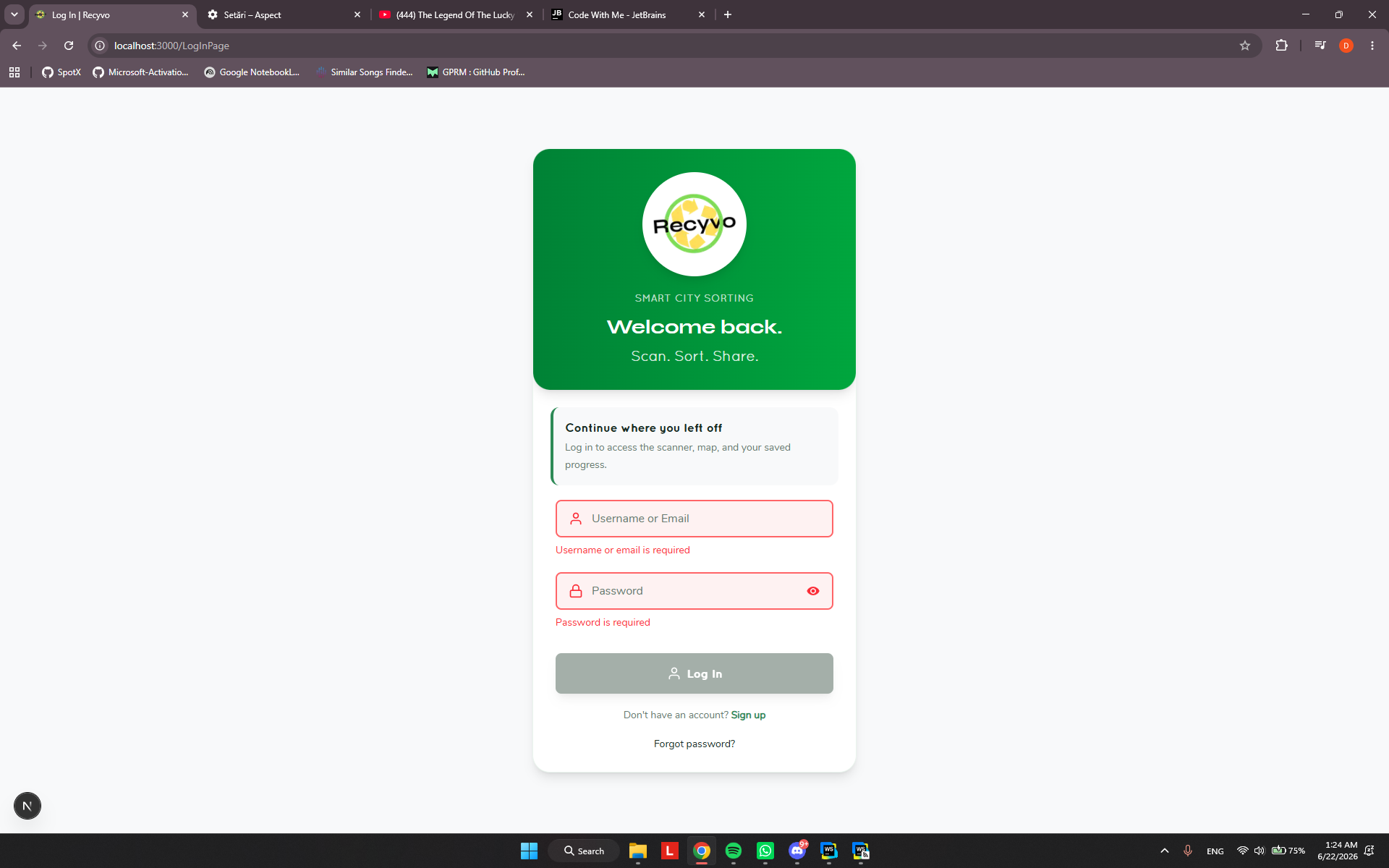
LoginPage_LightMode
-
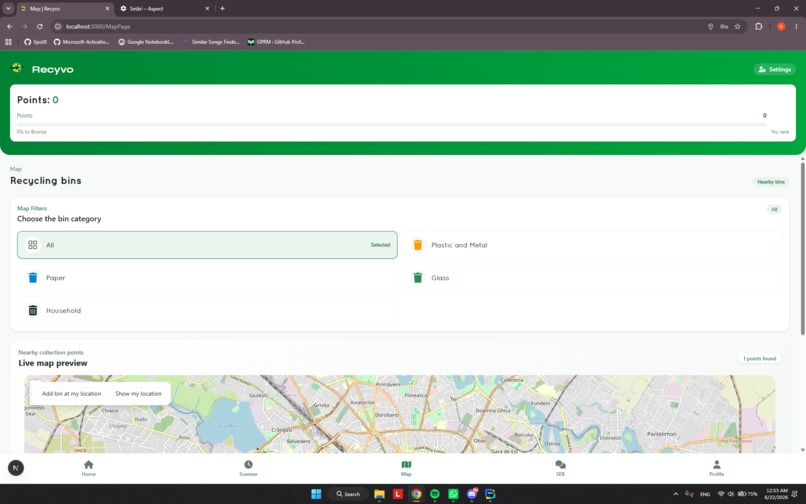
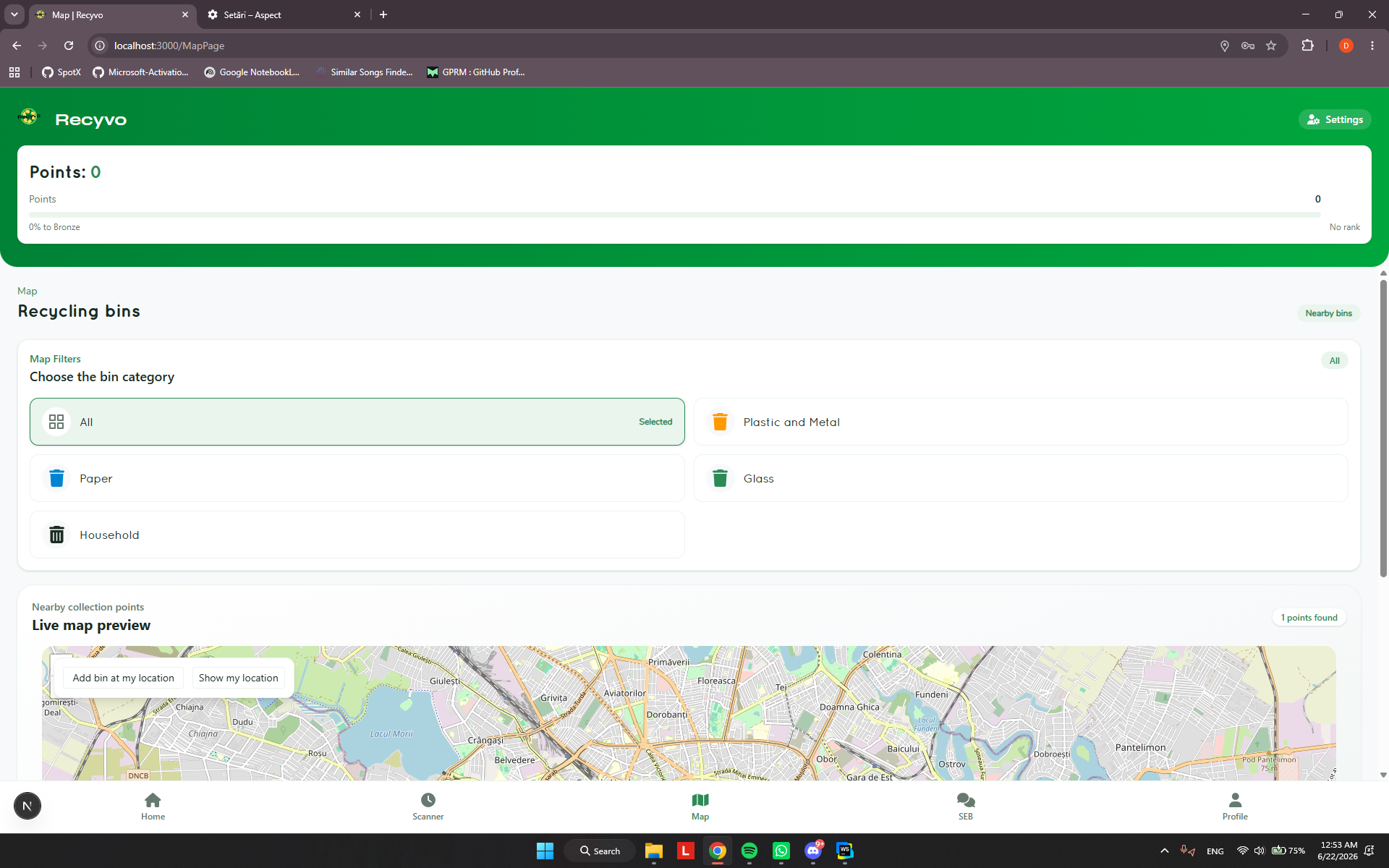
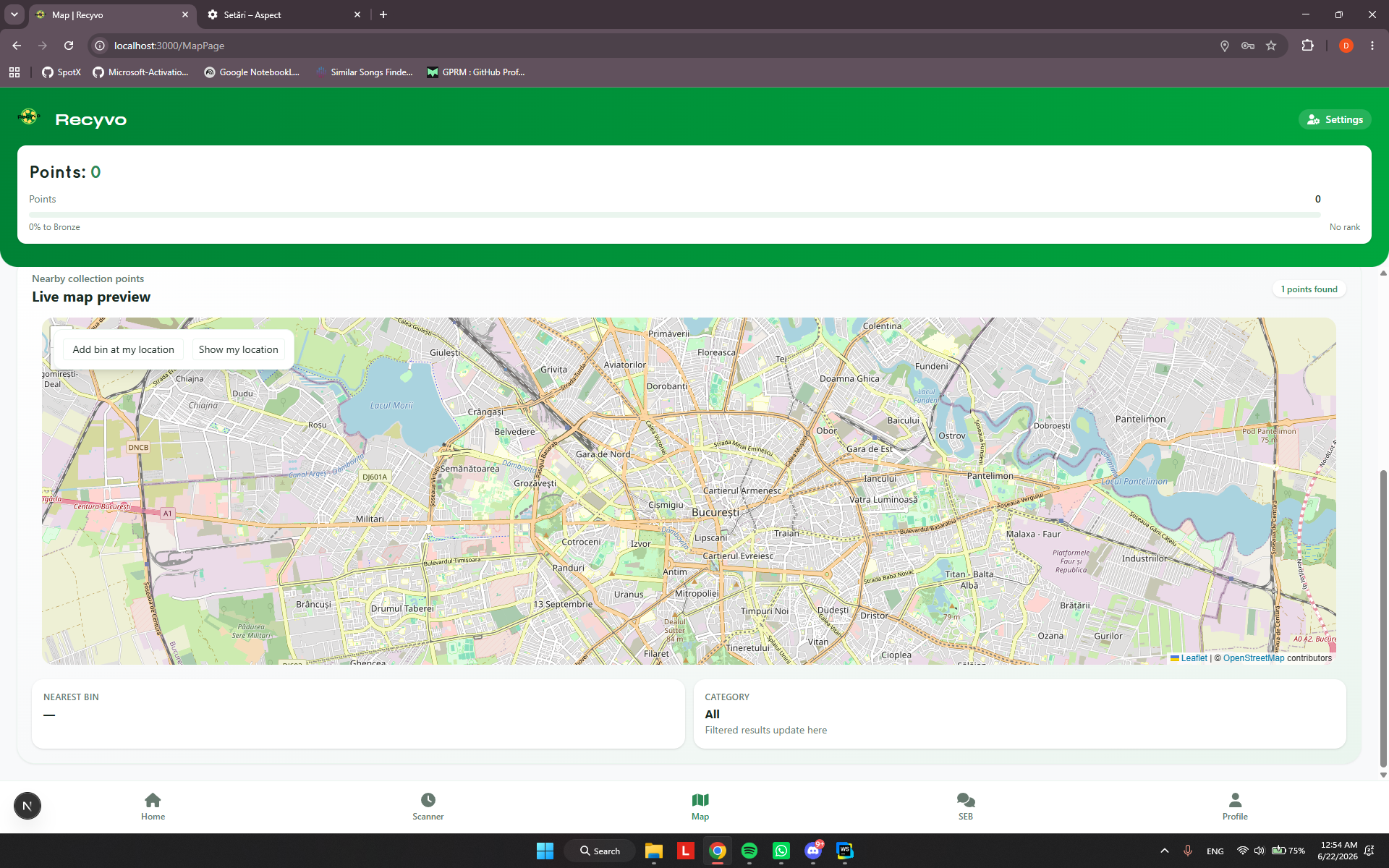
MapPage_LightMode
-
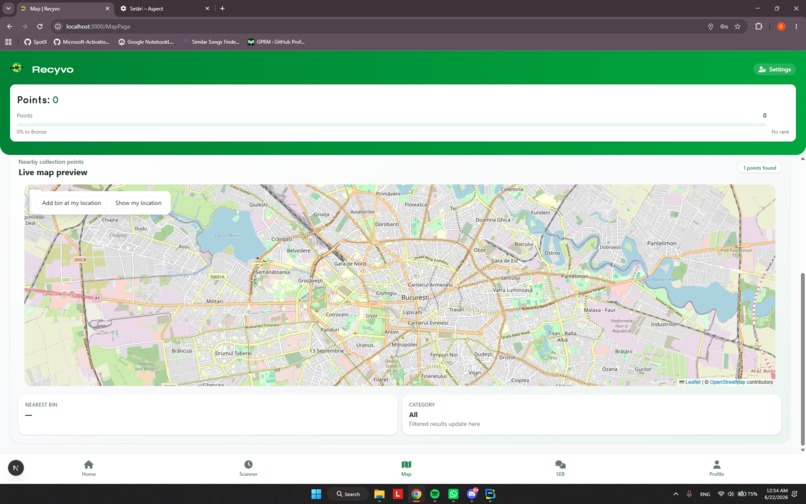
MapPage_LightMode
-
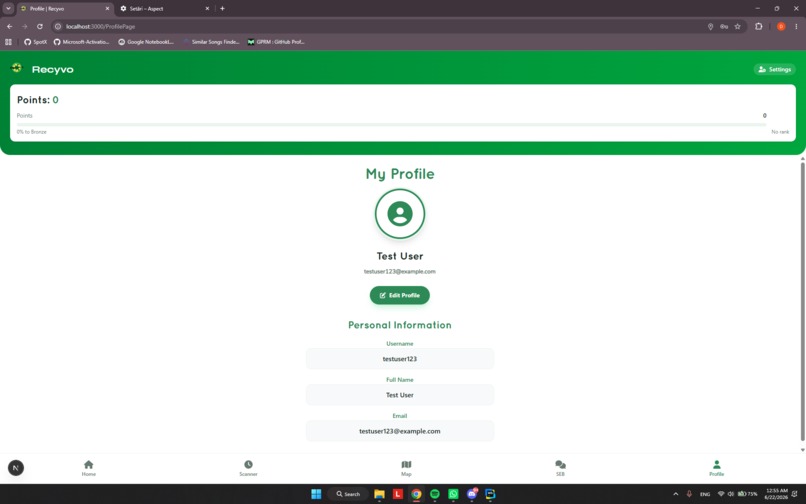
ProfilePage_LightMode
-
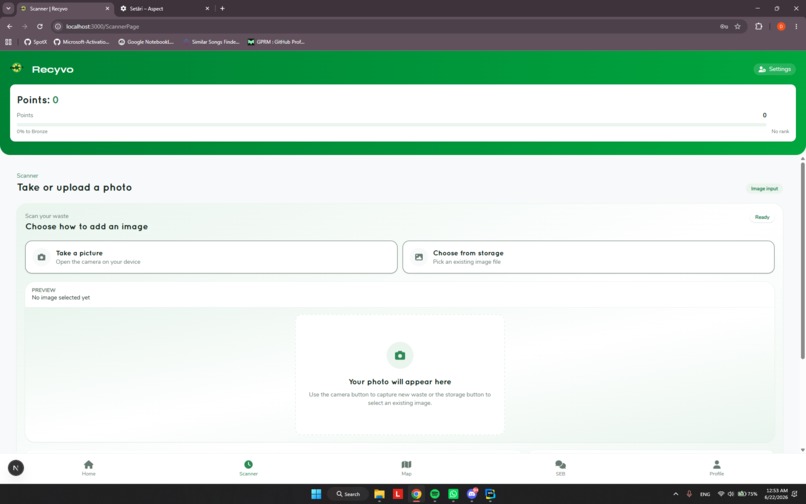
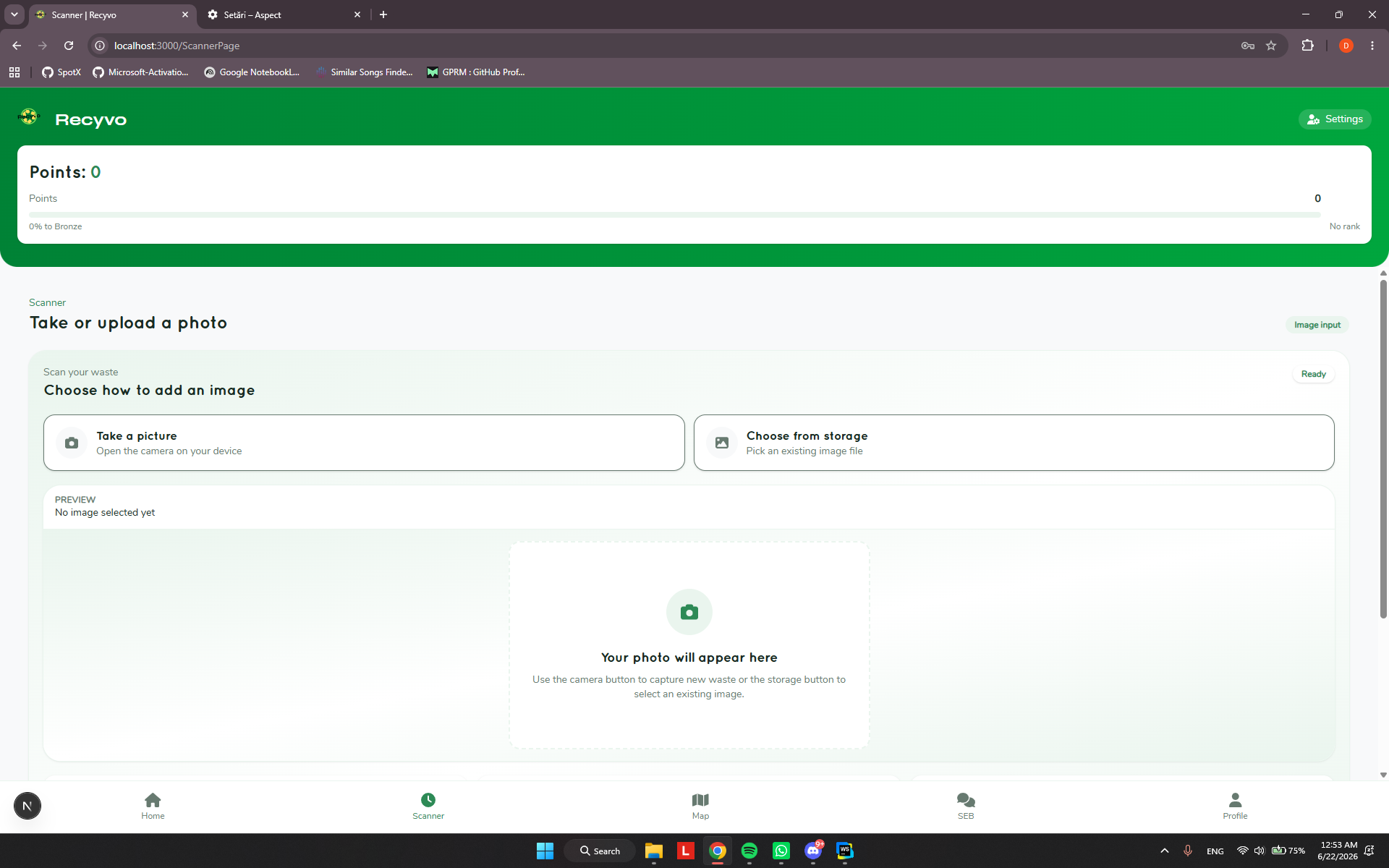
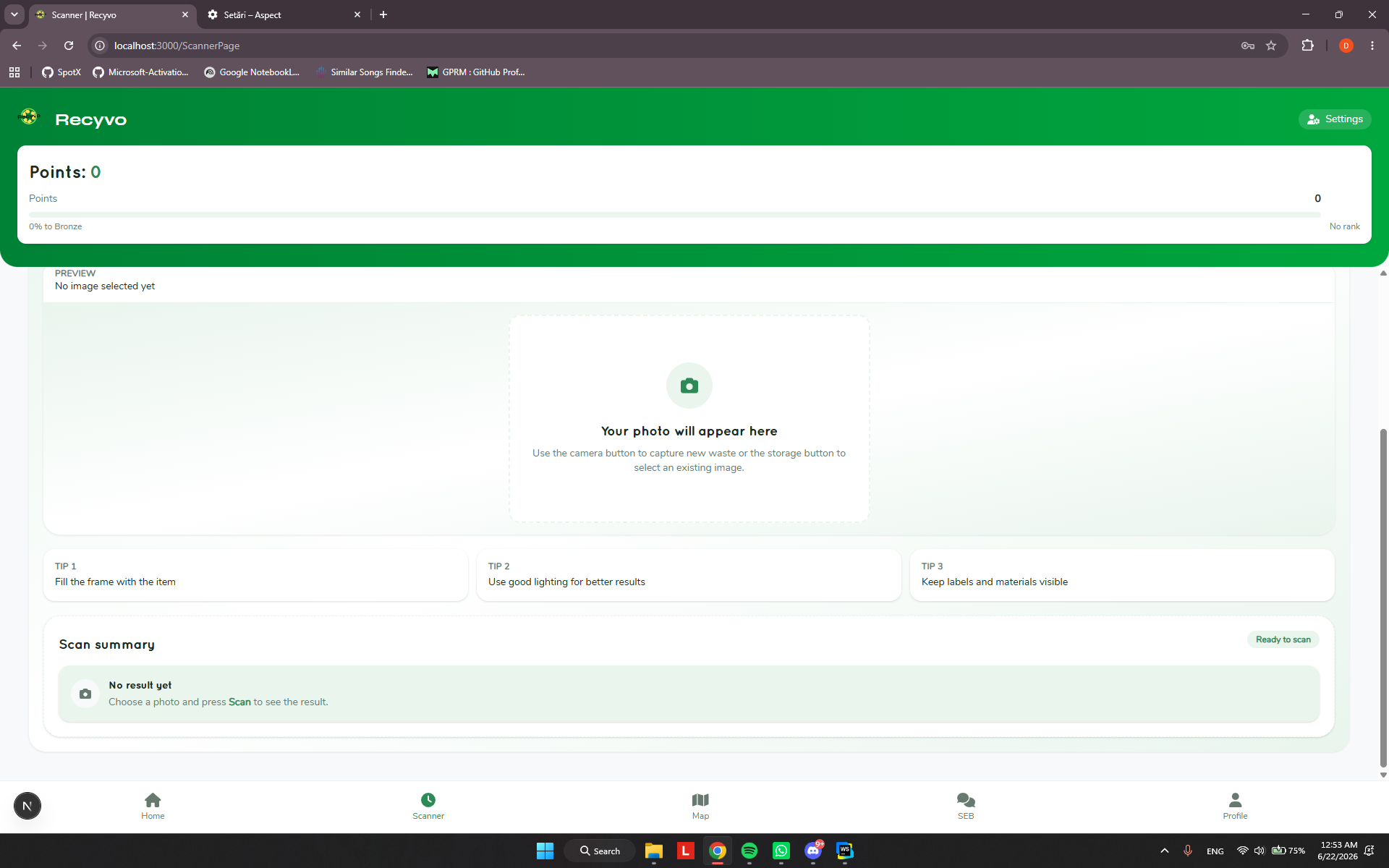
ScannerPage_LightMode
-
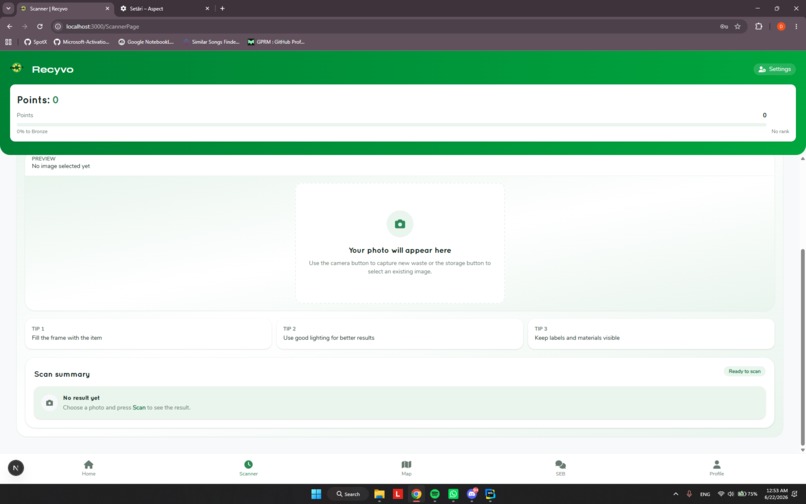
ScannerPage_LightMode
-
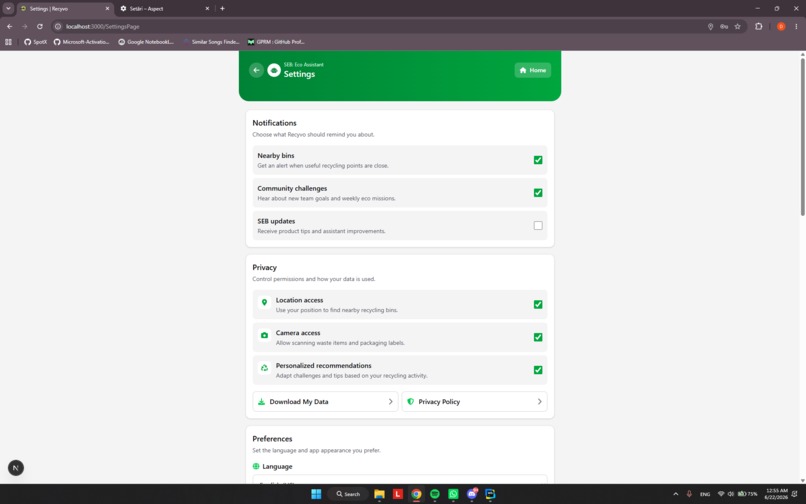
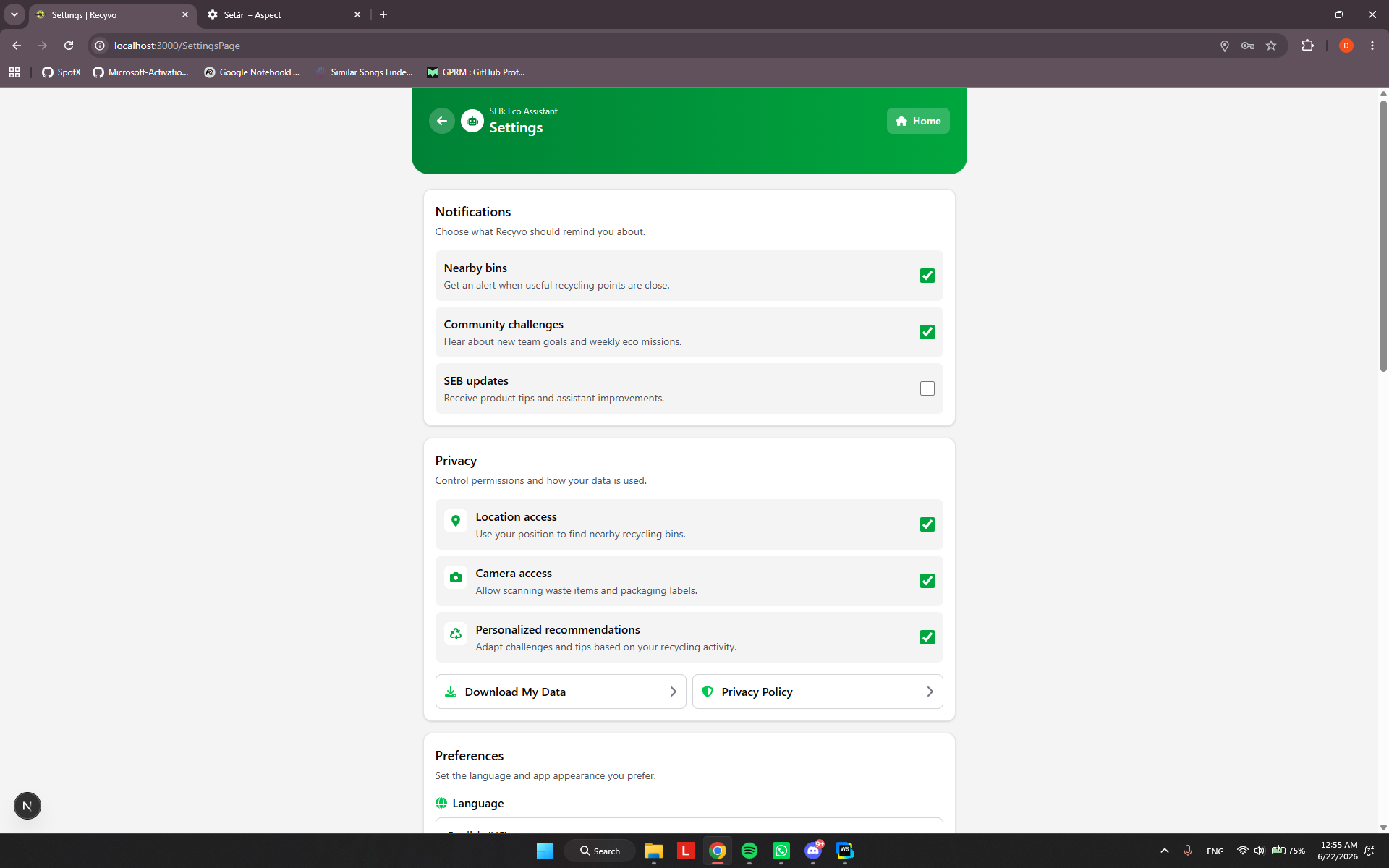
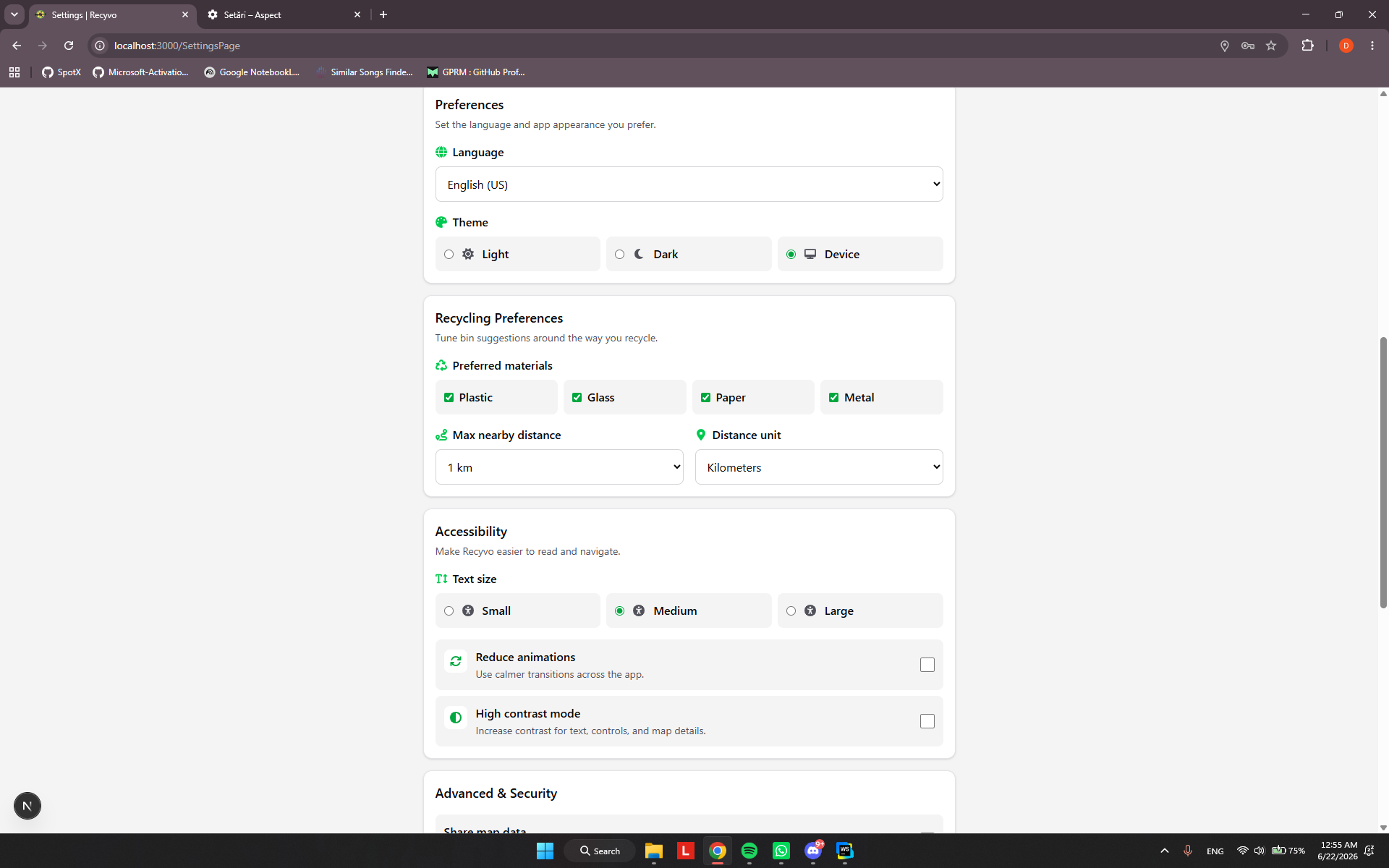
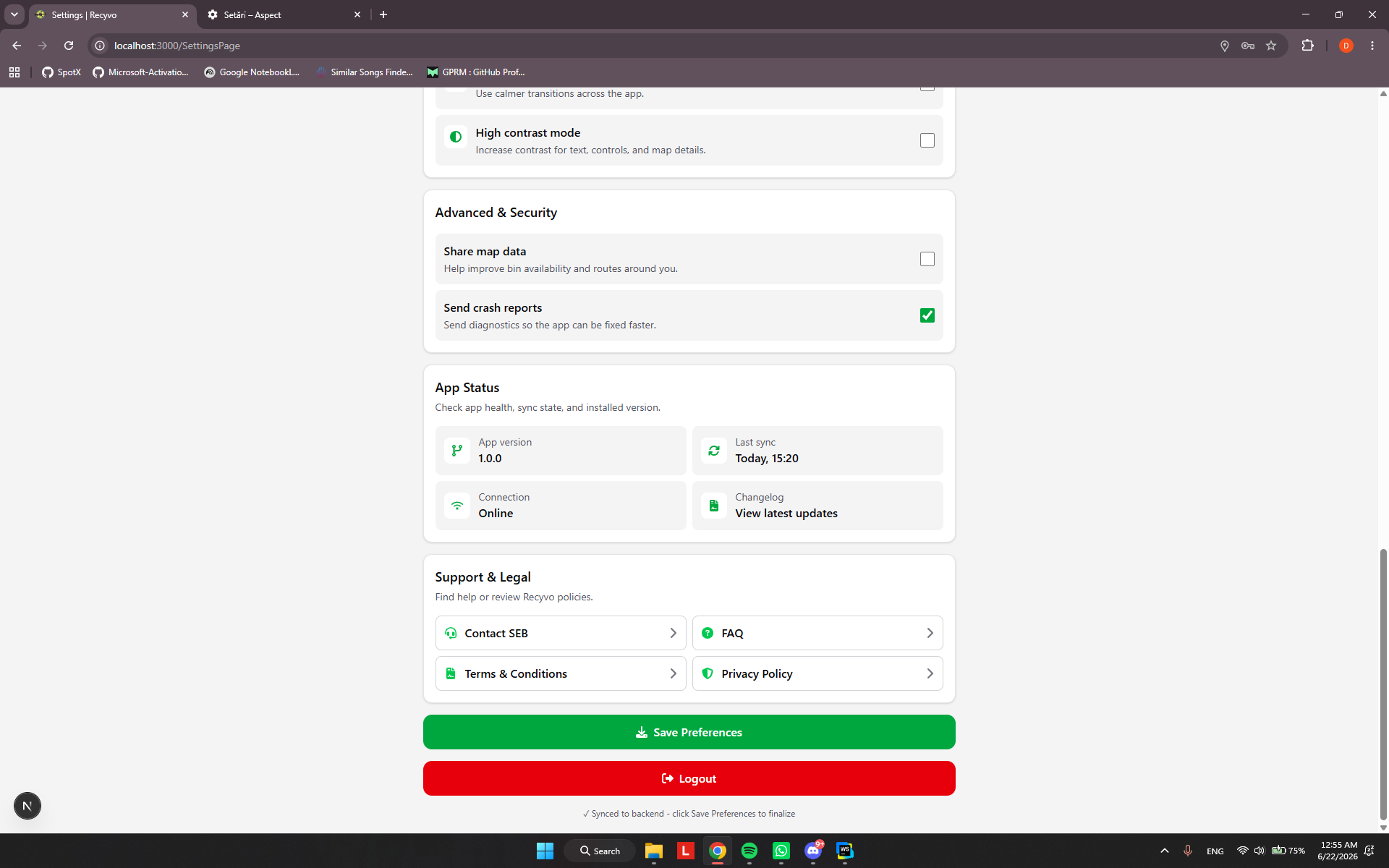
SettingsPage_LightMode
-
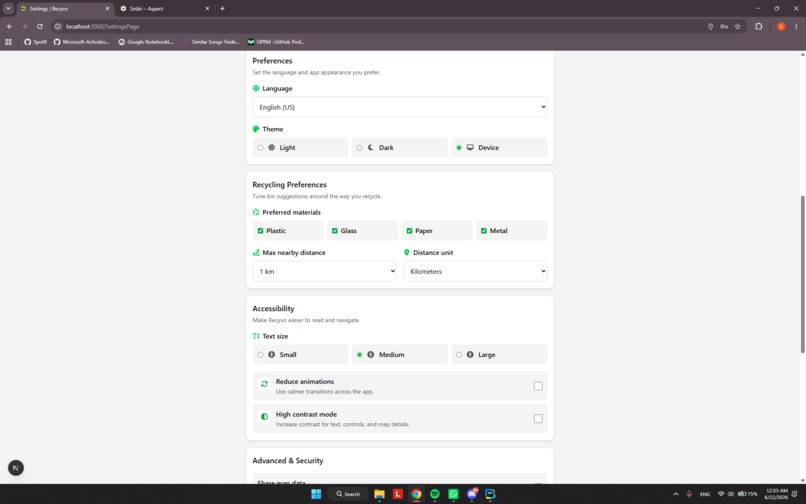
SettingsPage_LightMode
-
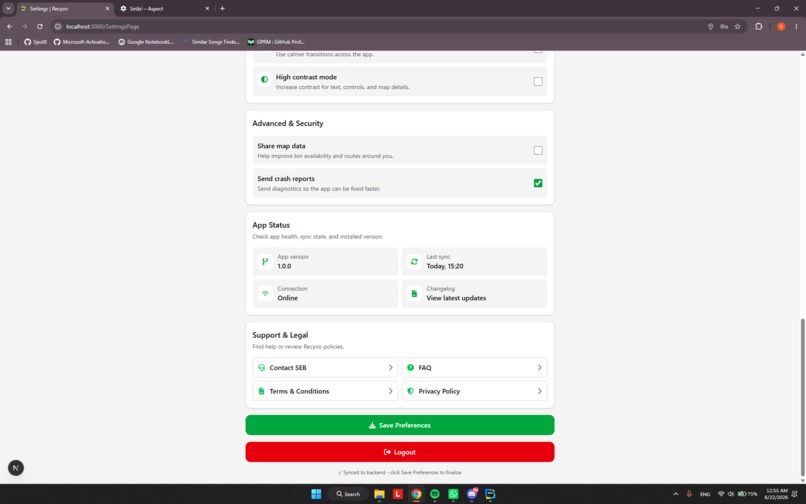
SettingsPage_LightMode
-

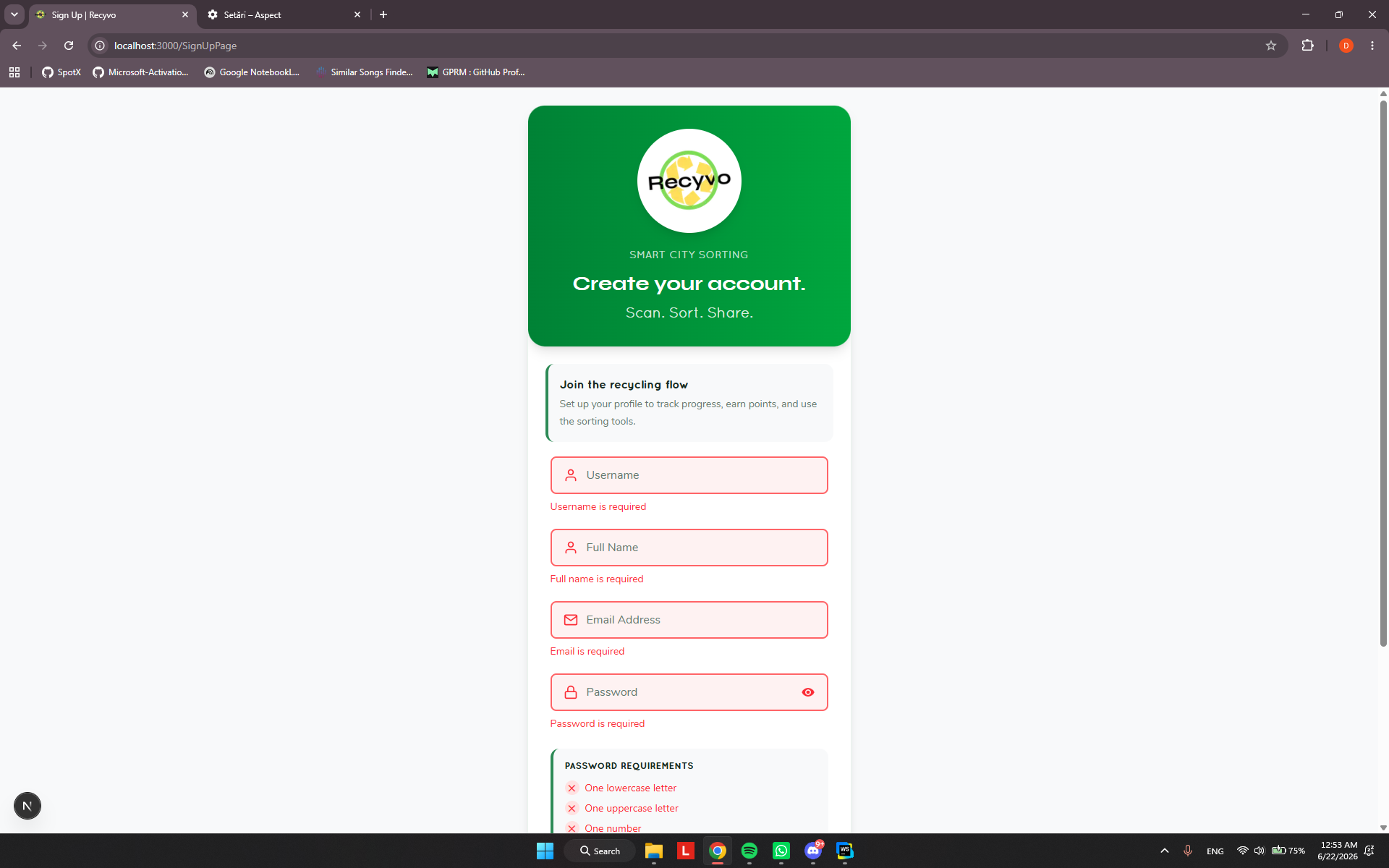
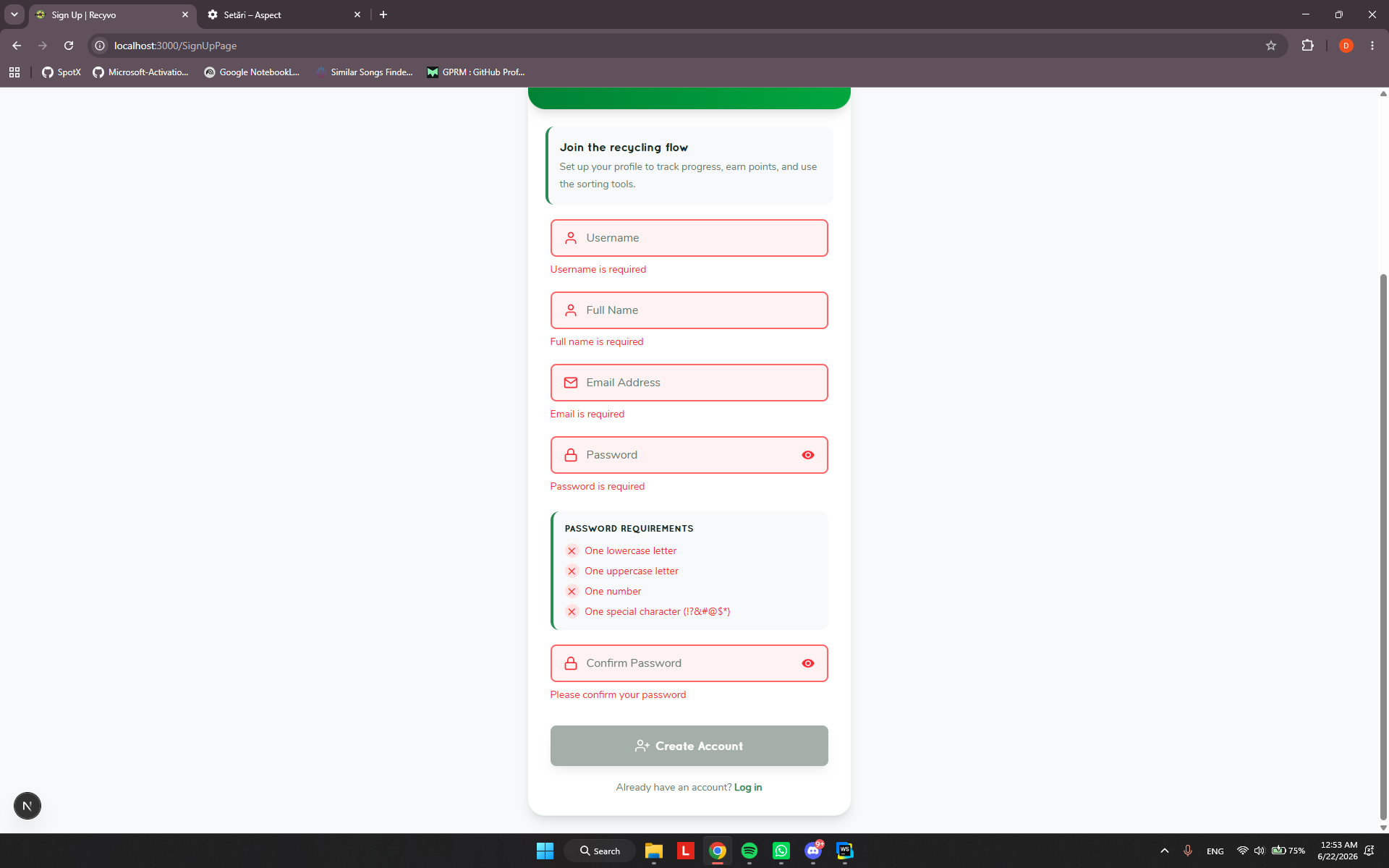
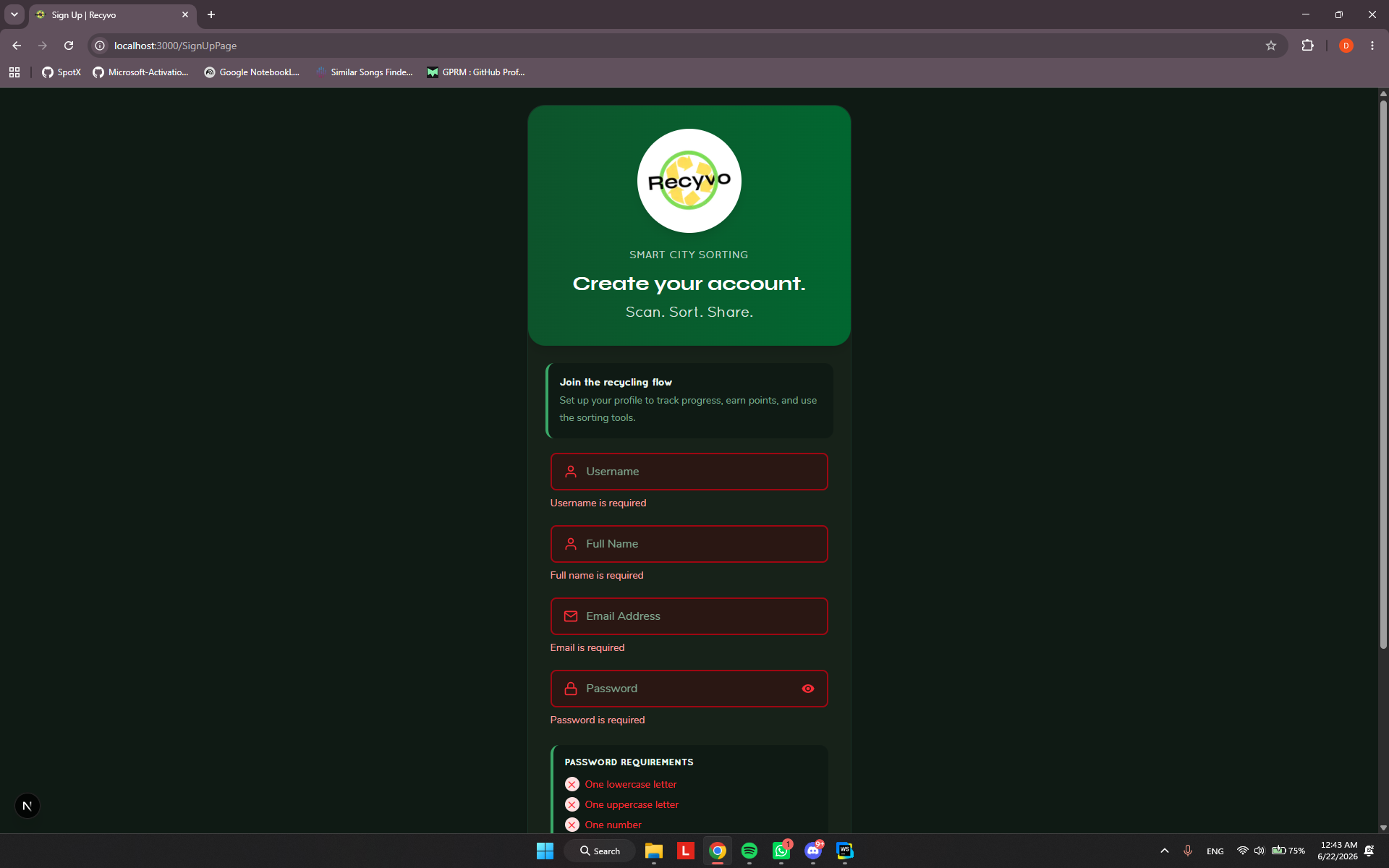
SignUpPage_LightMode
-
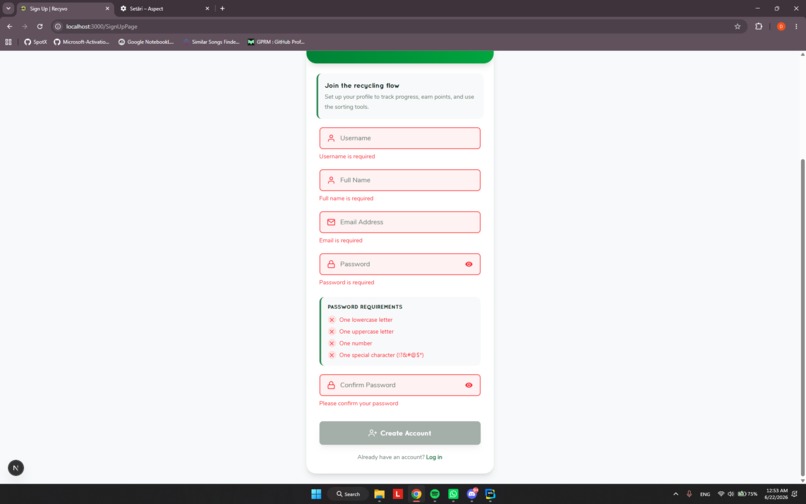
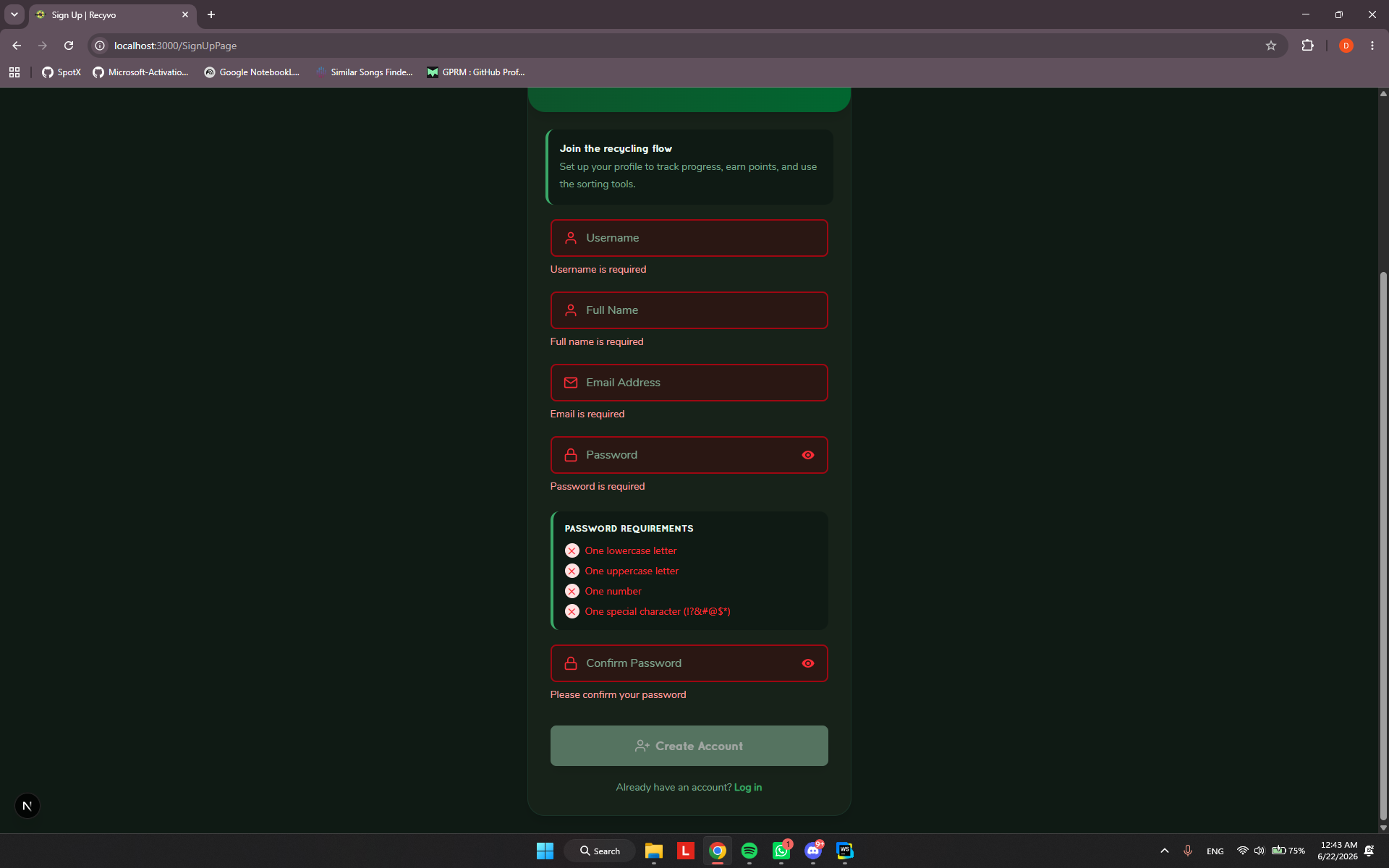
SignUpPage_LightMode
-
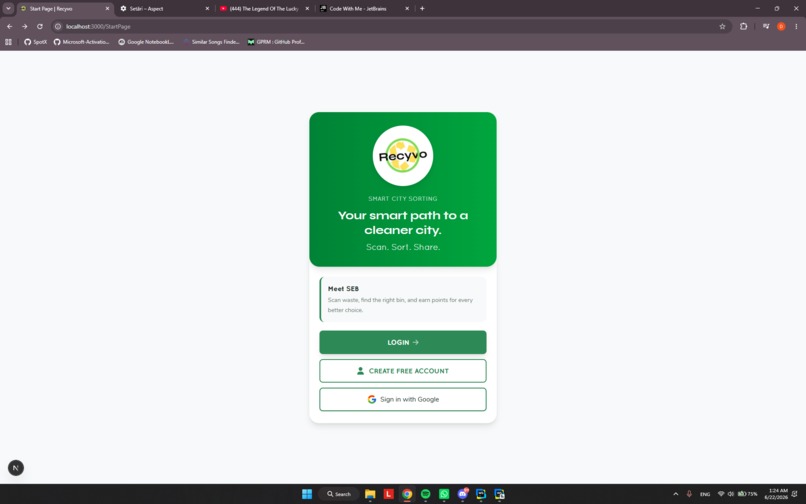
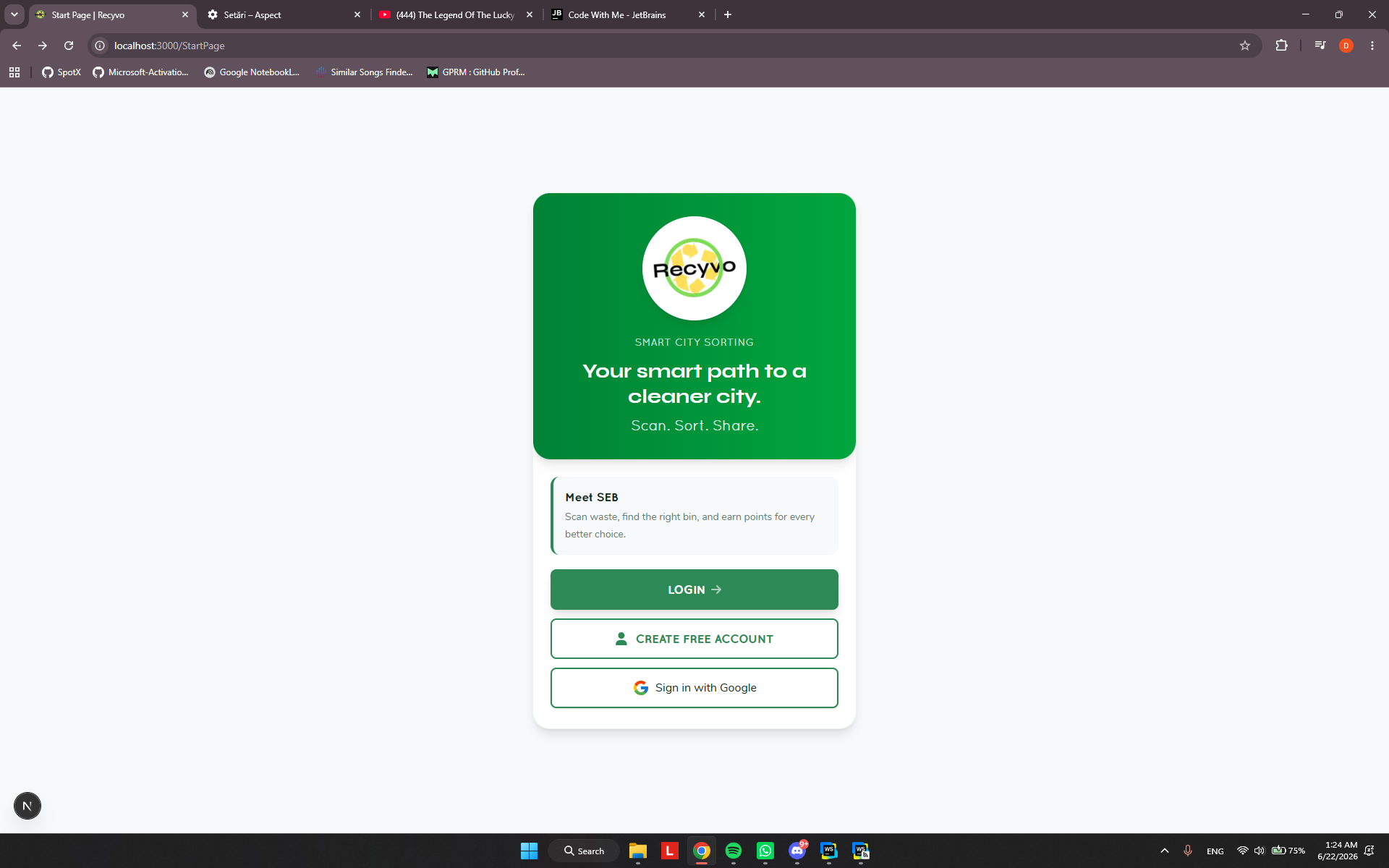
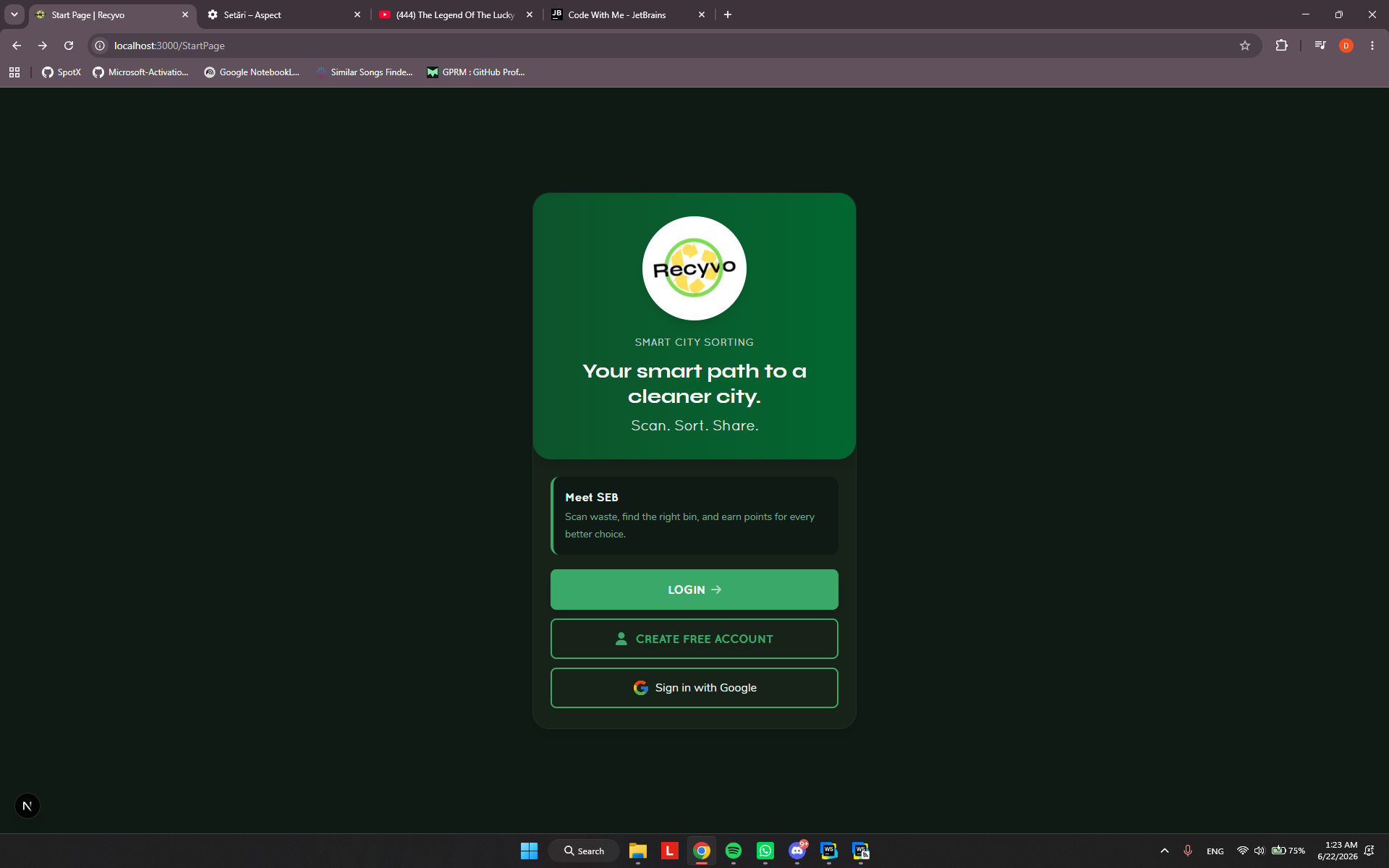
StartPage_LightMode
-
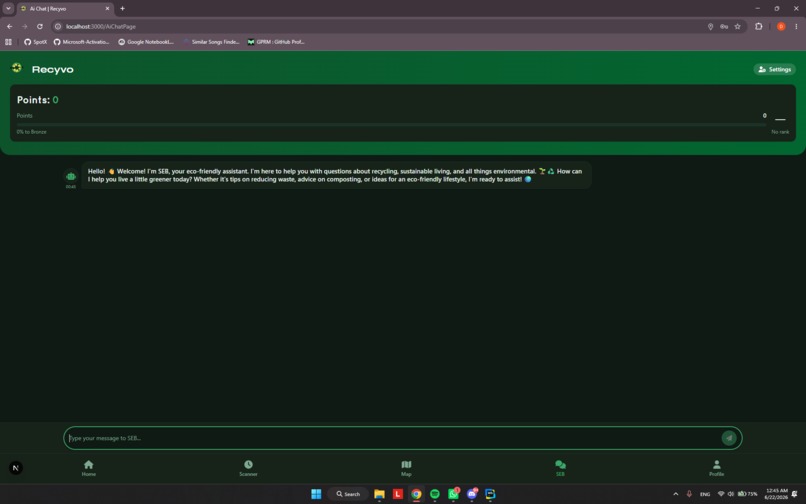
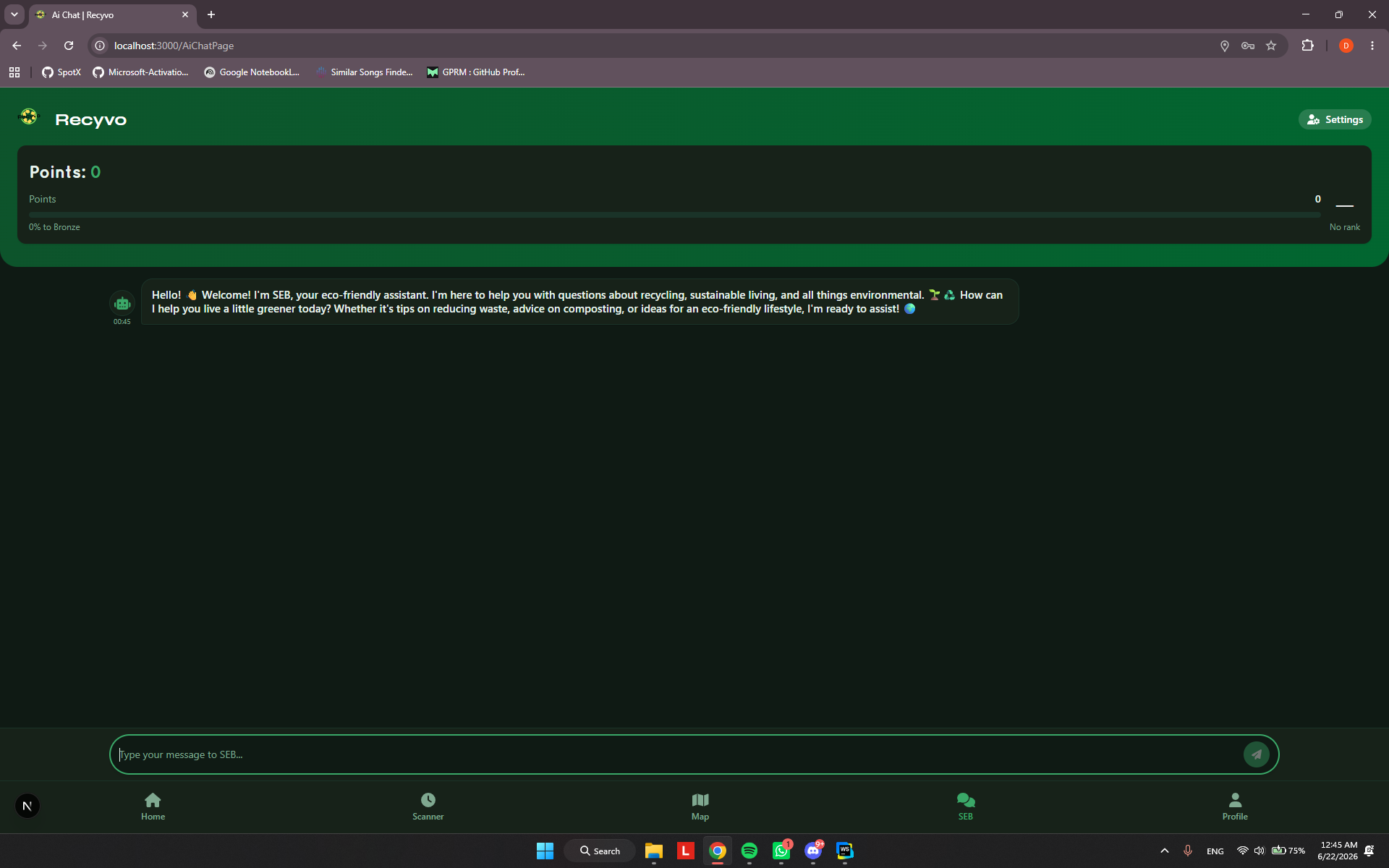
AiChatBot_DarkMode
-
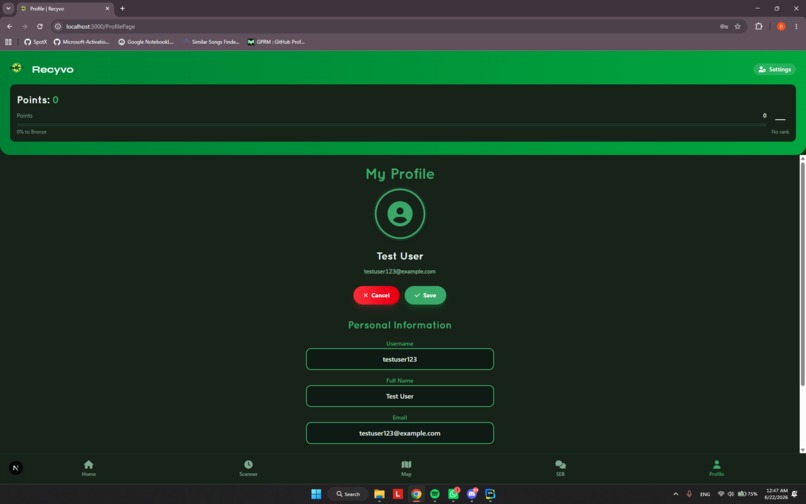
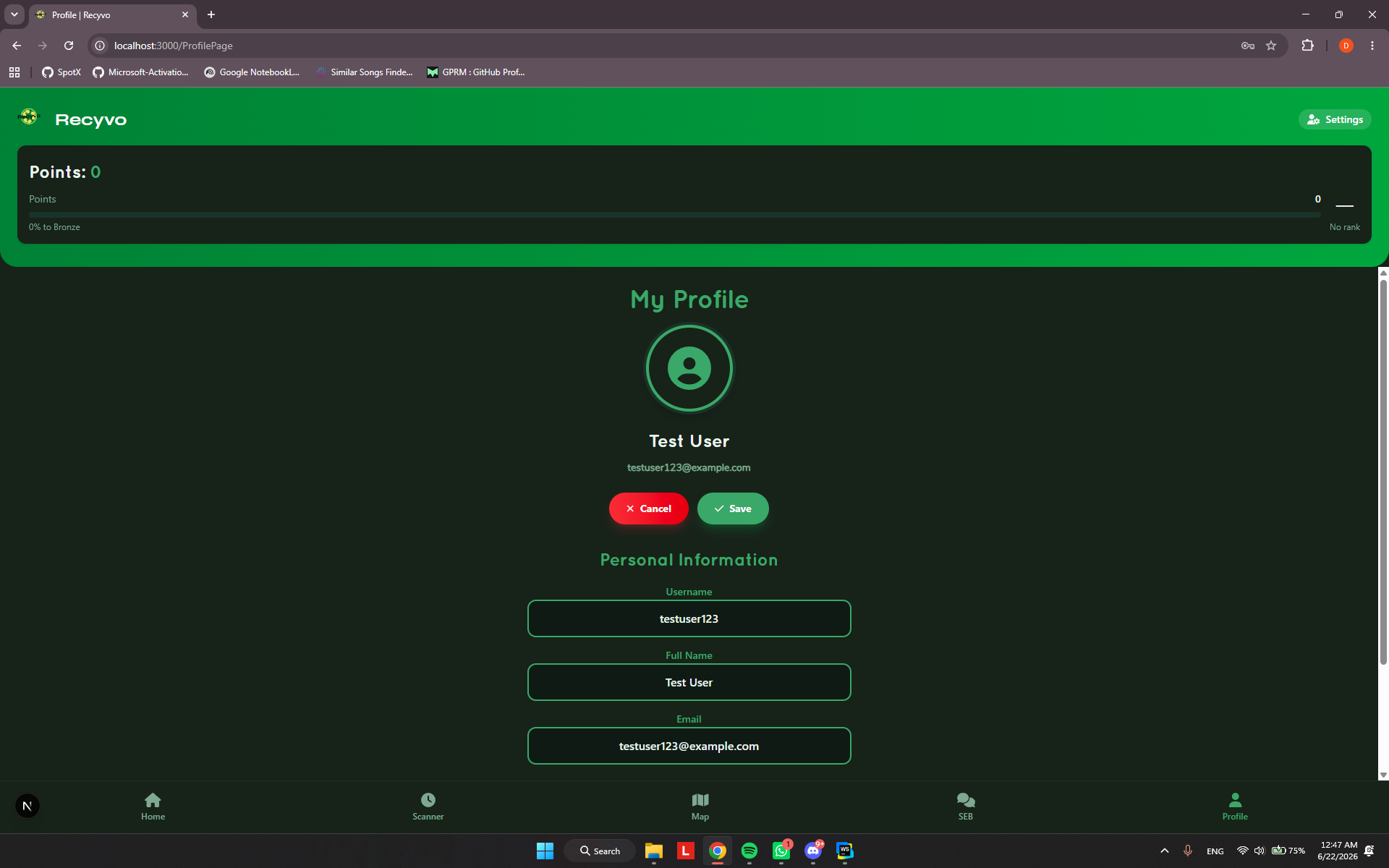
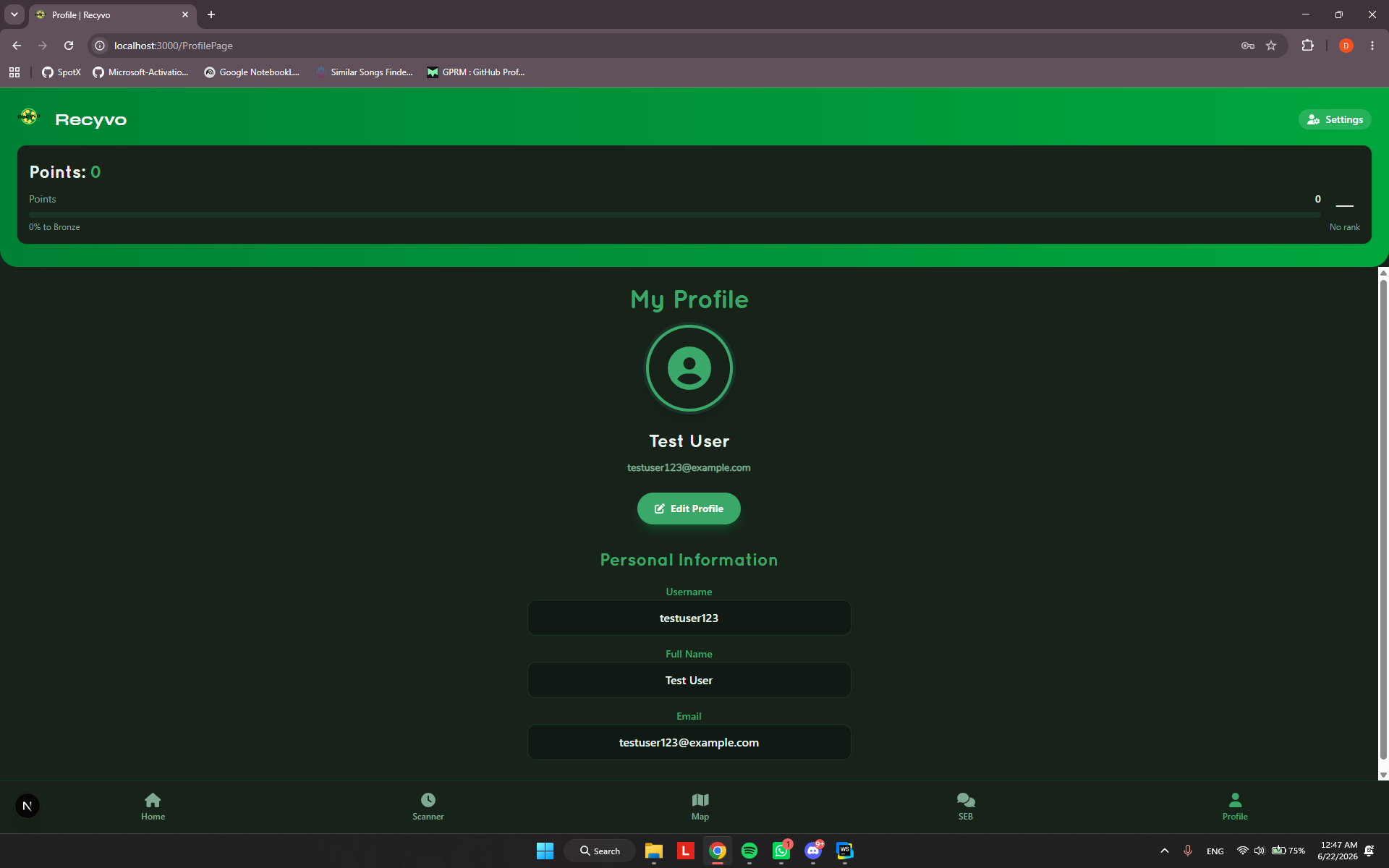
ProfilePage_DarkMode
-
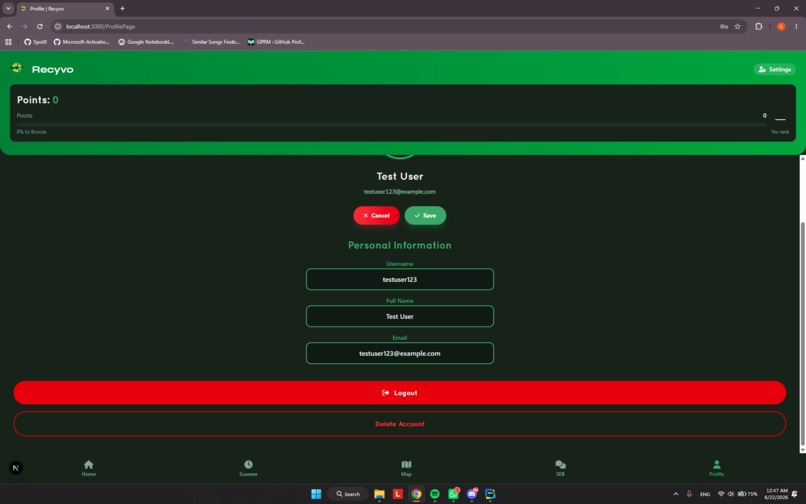
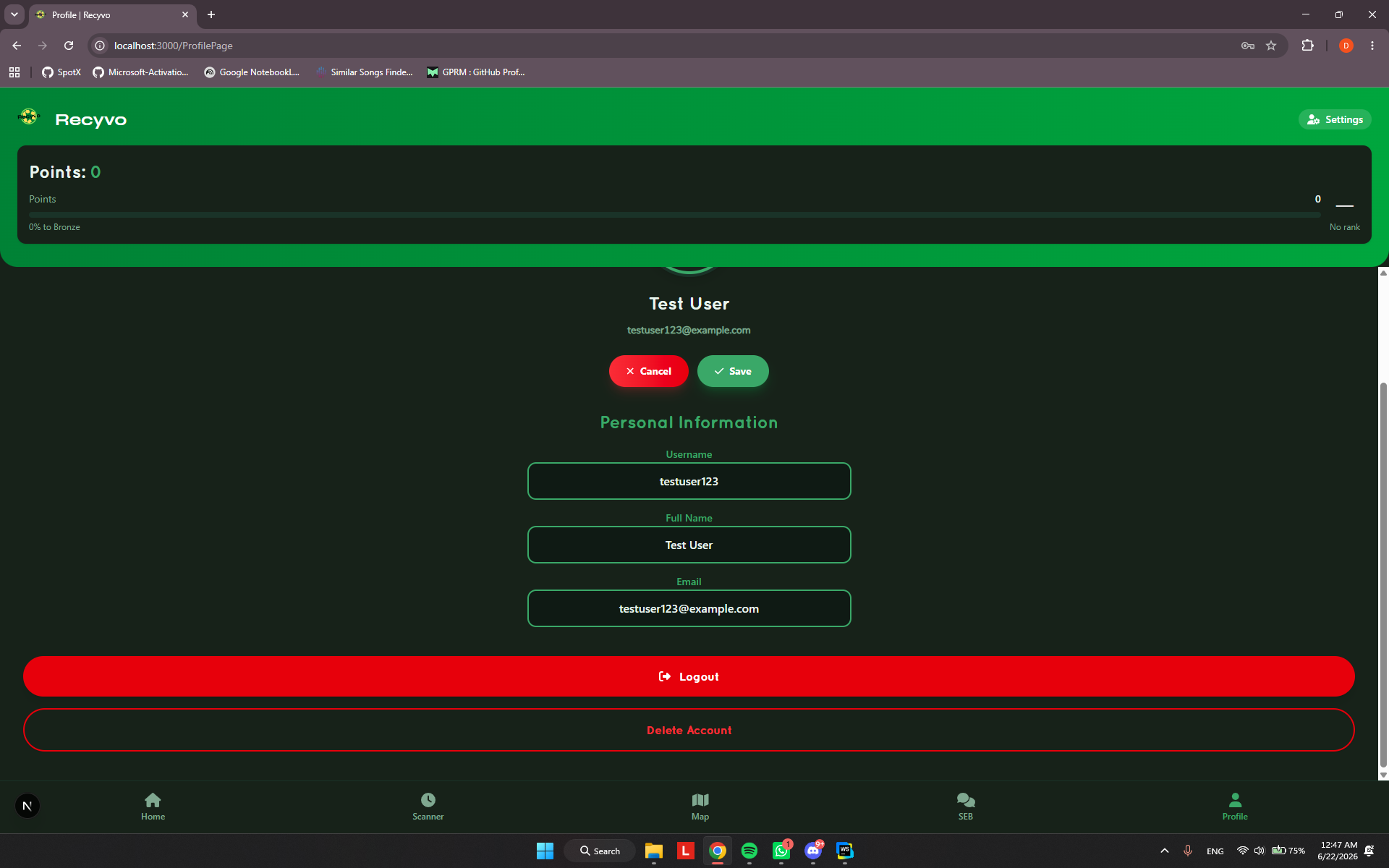
ProfilePage_DarkMode
-
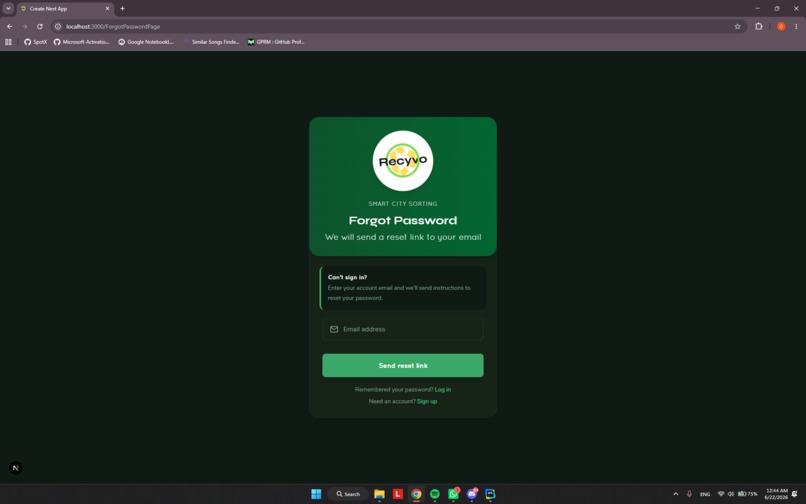
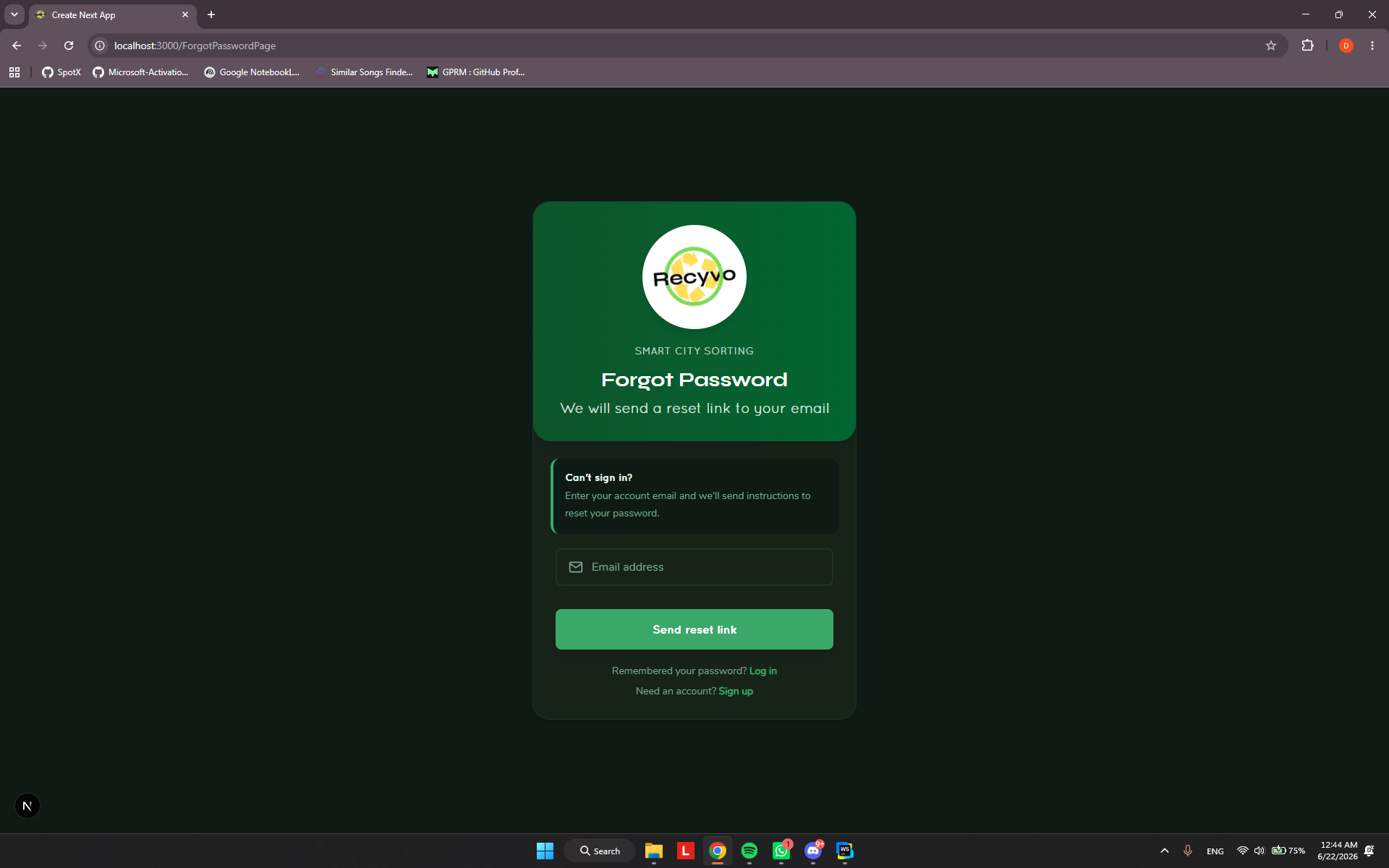
ForgotPasswordPage_DarkMode
-
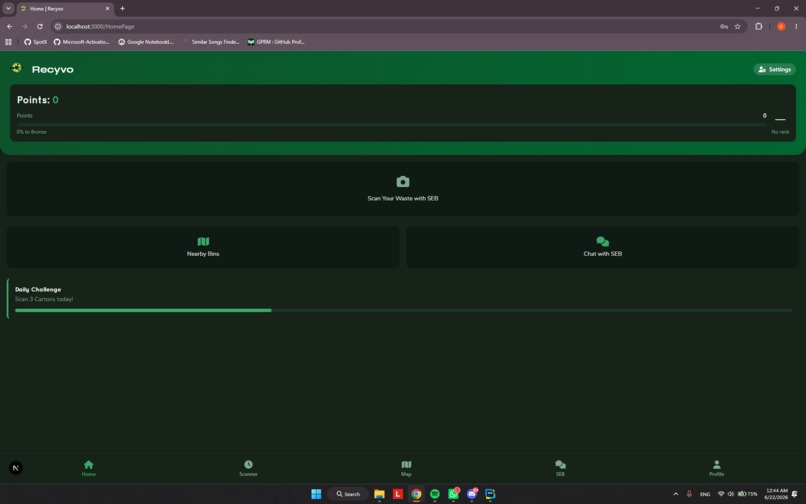
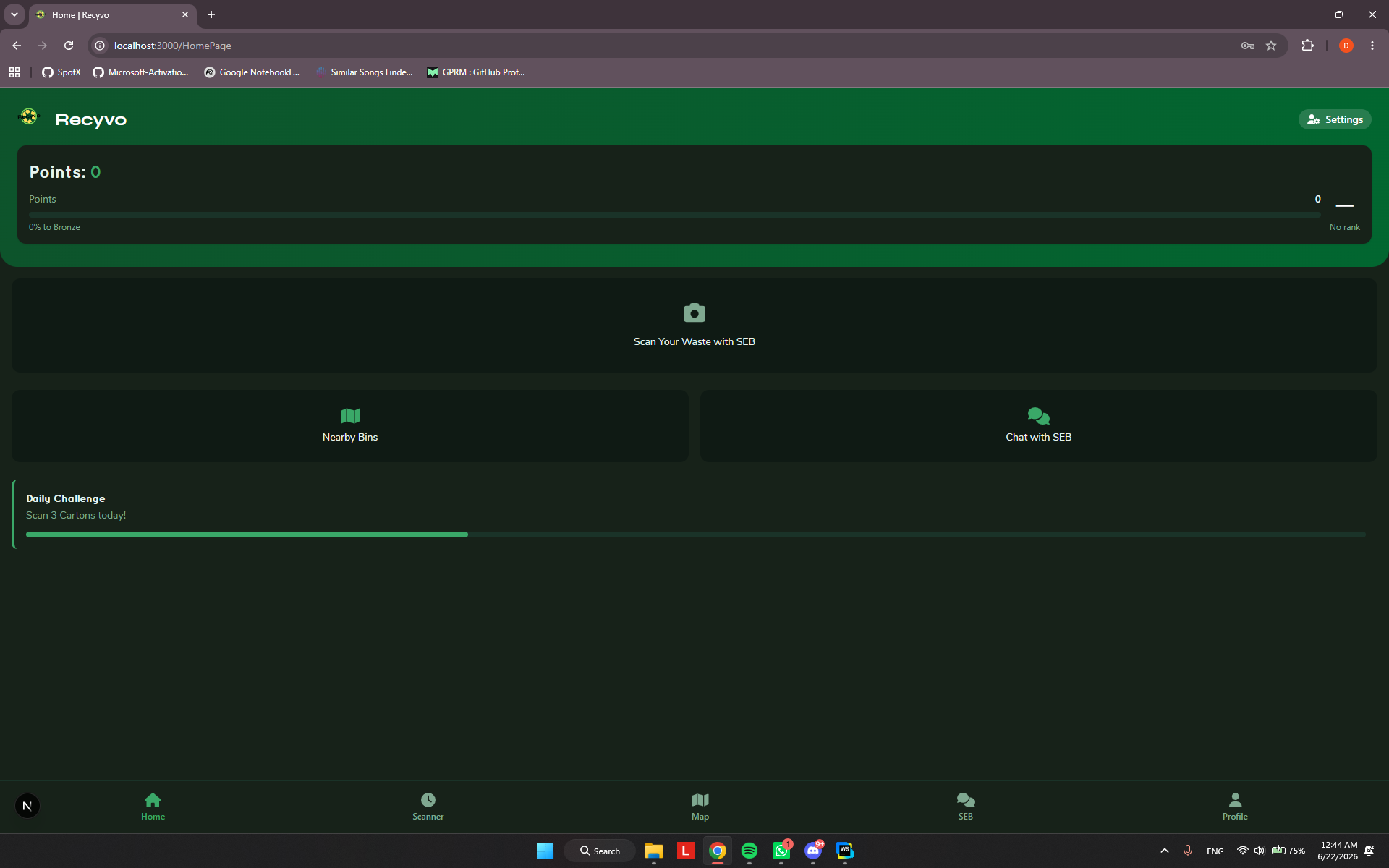
HomePage_DarkMode
-
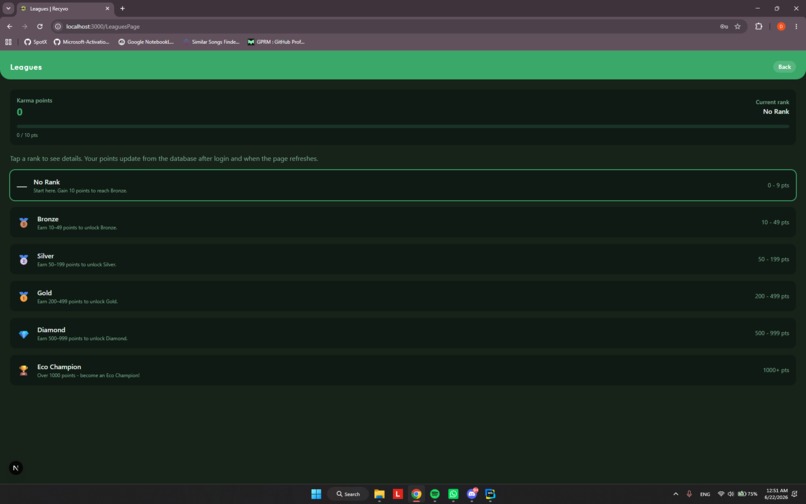
LeaguesPage_DarkMode
-
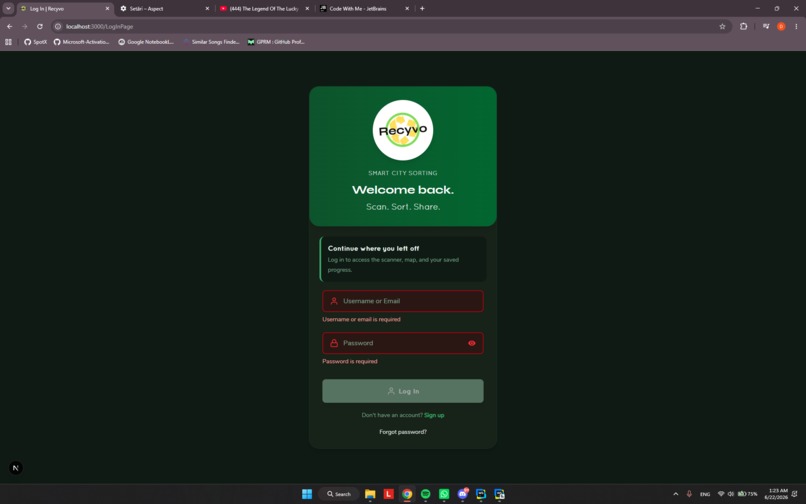
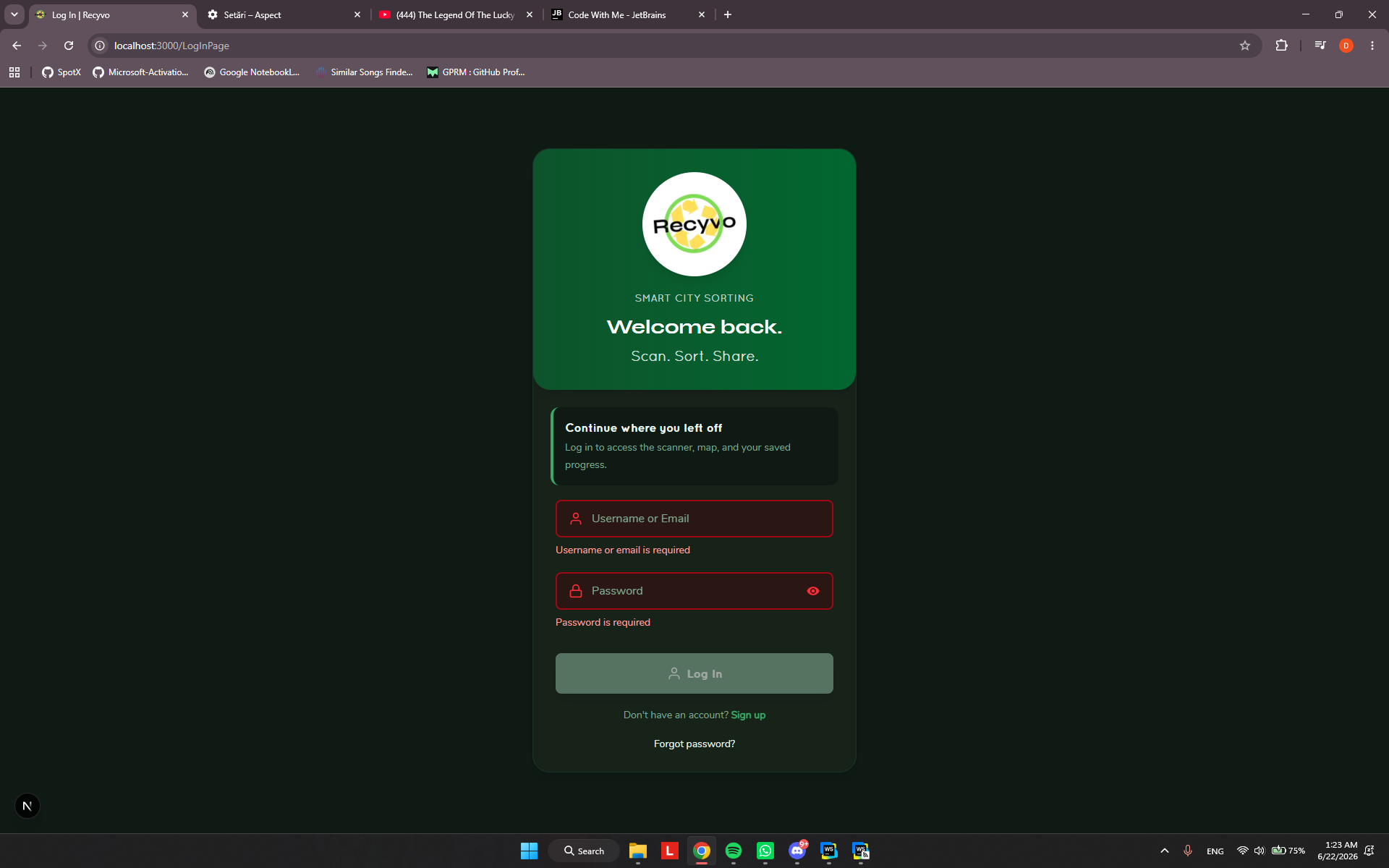
LoginPage_DarkMode
-
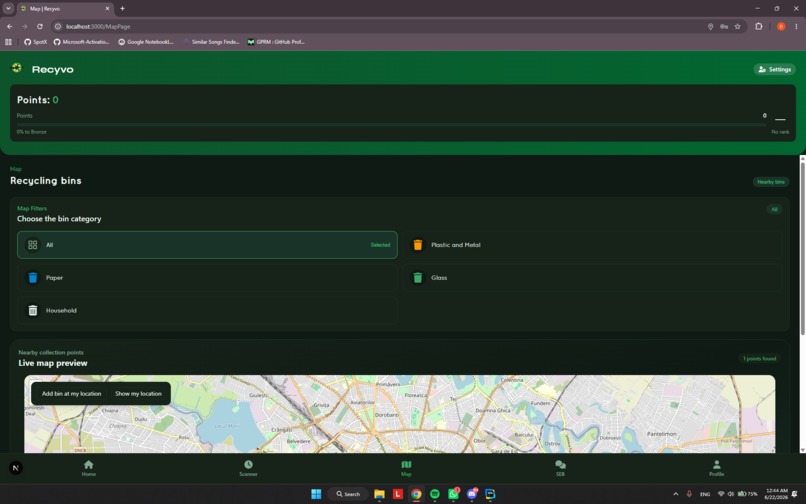
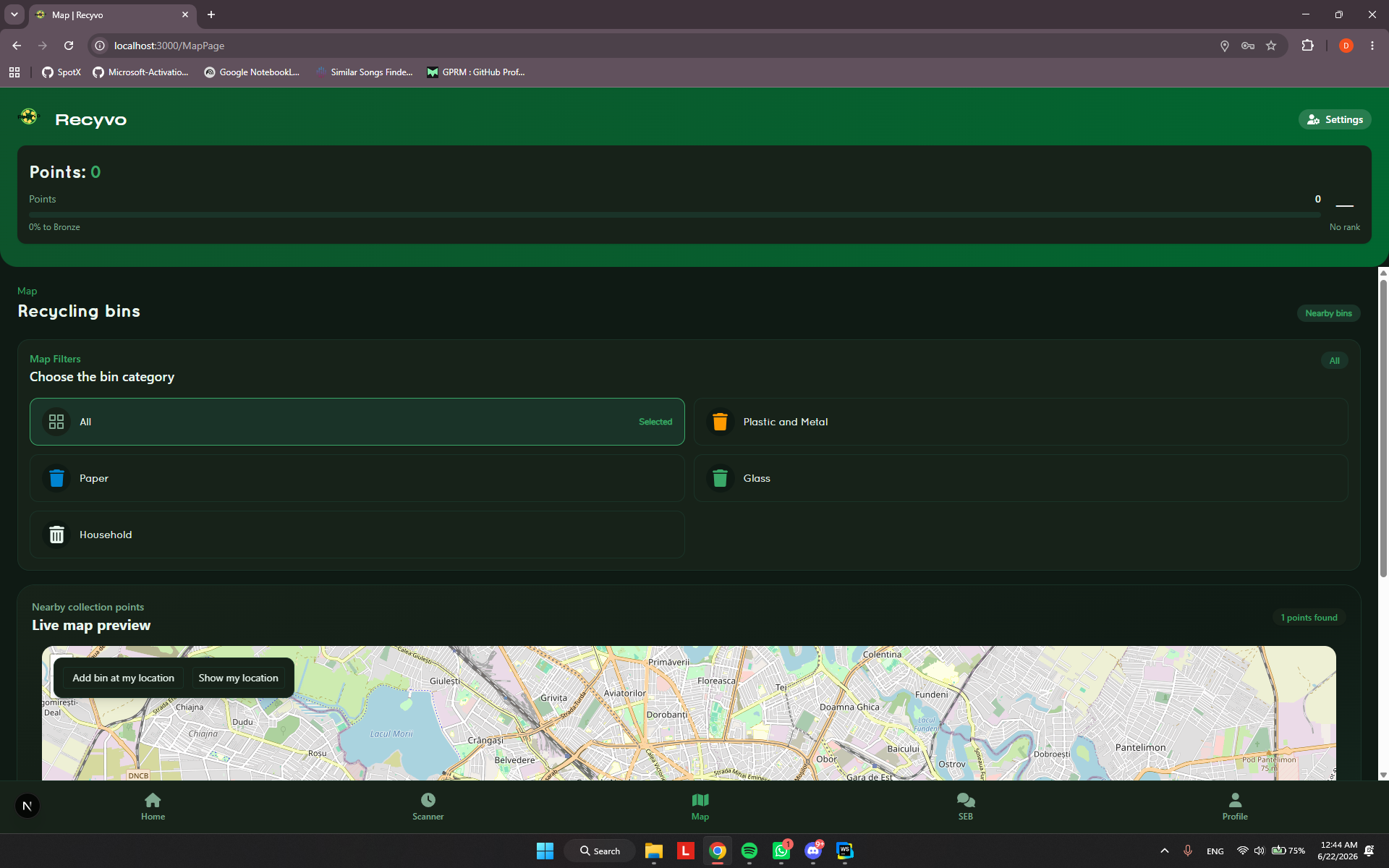
MapPage_DarkMode
-
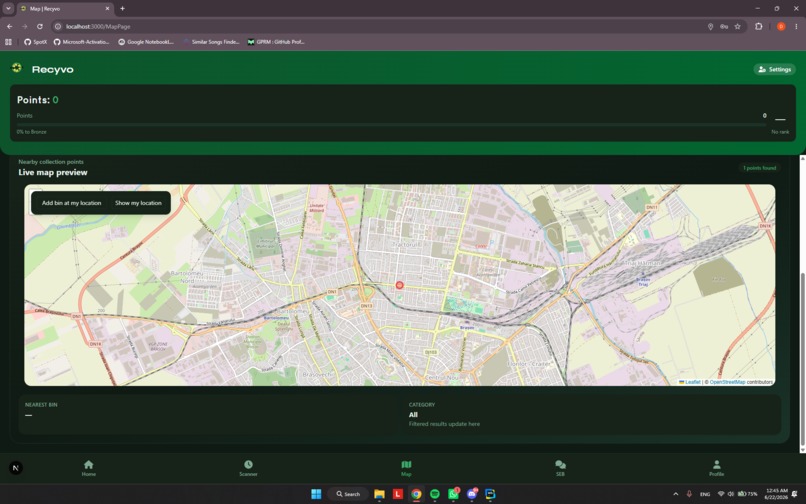
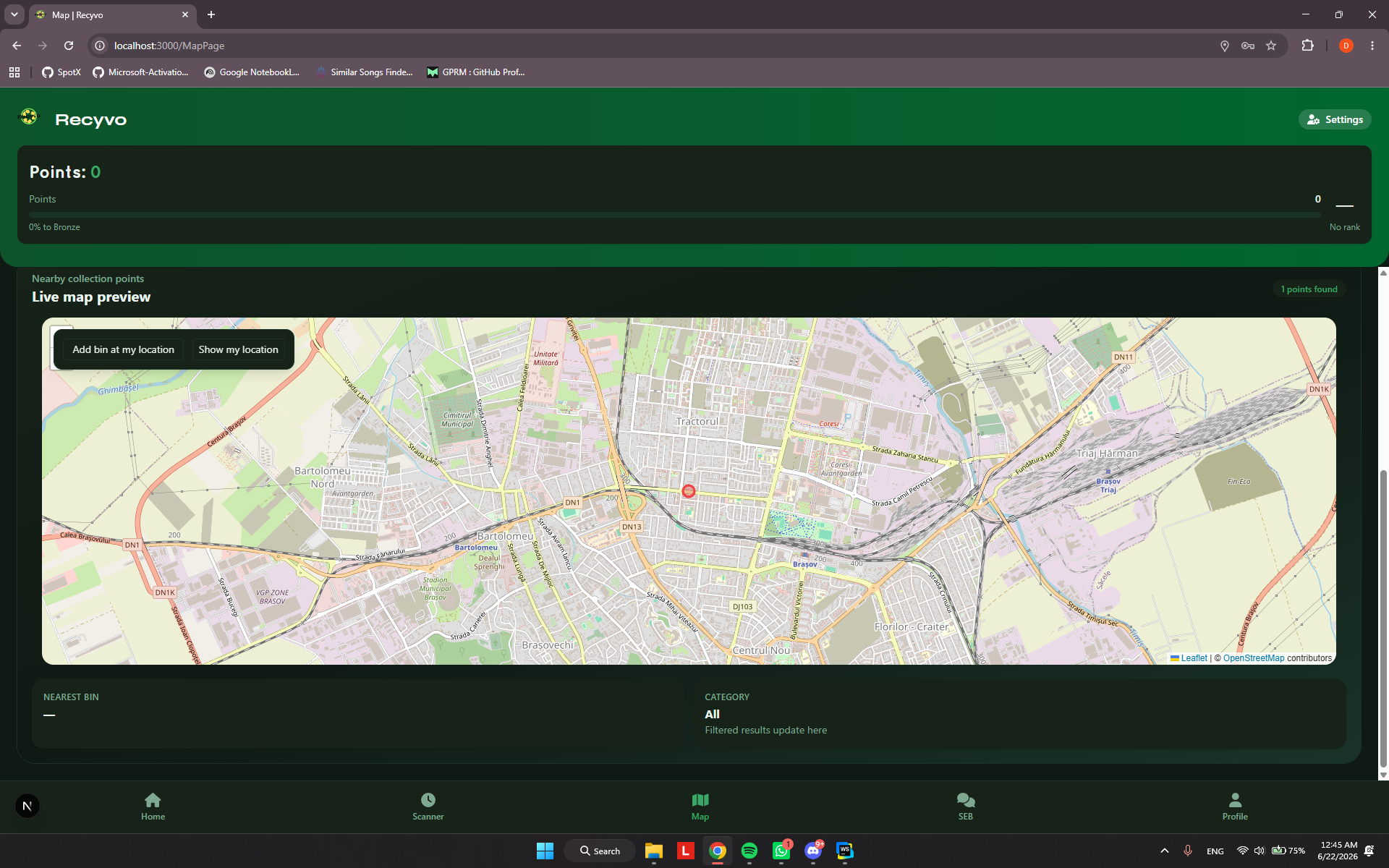
MapPage_DarkMode
-
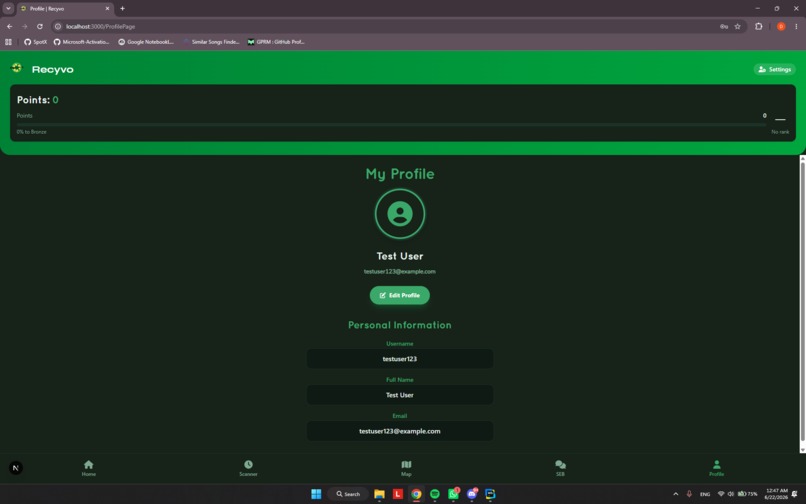
ProfilePage_DarkMode
-
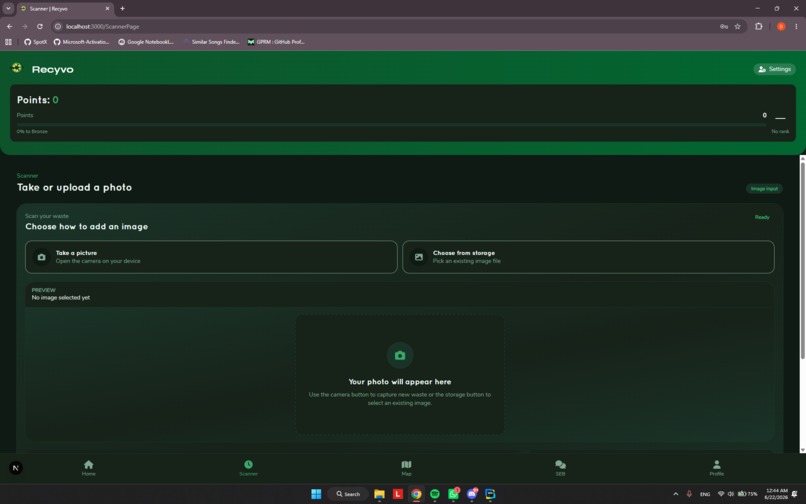
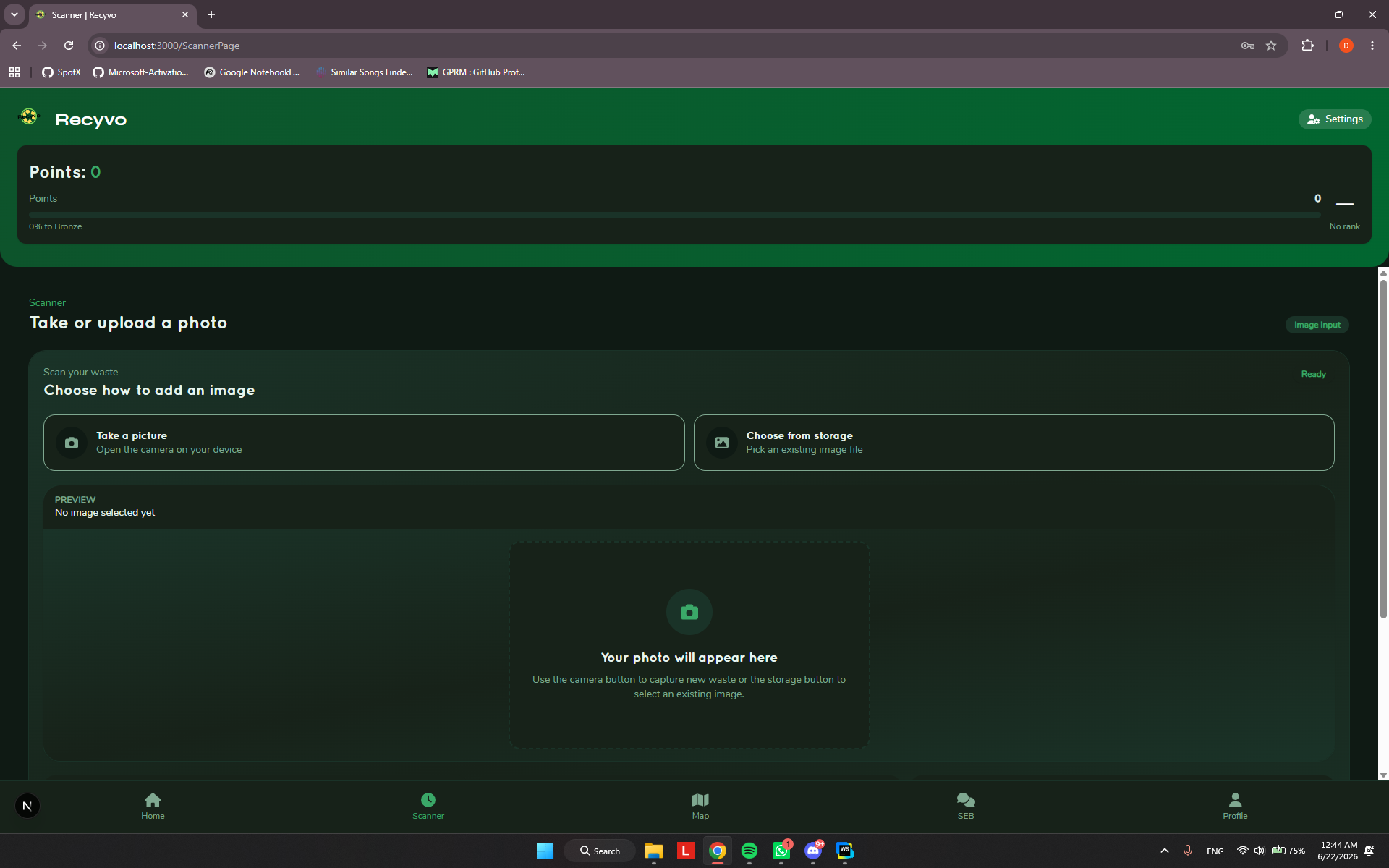
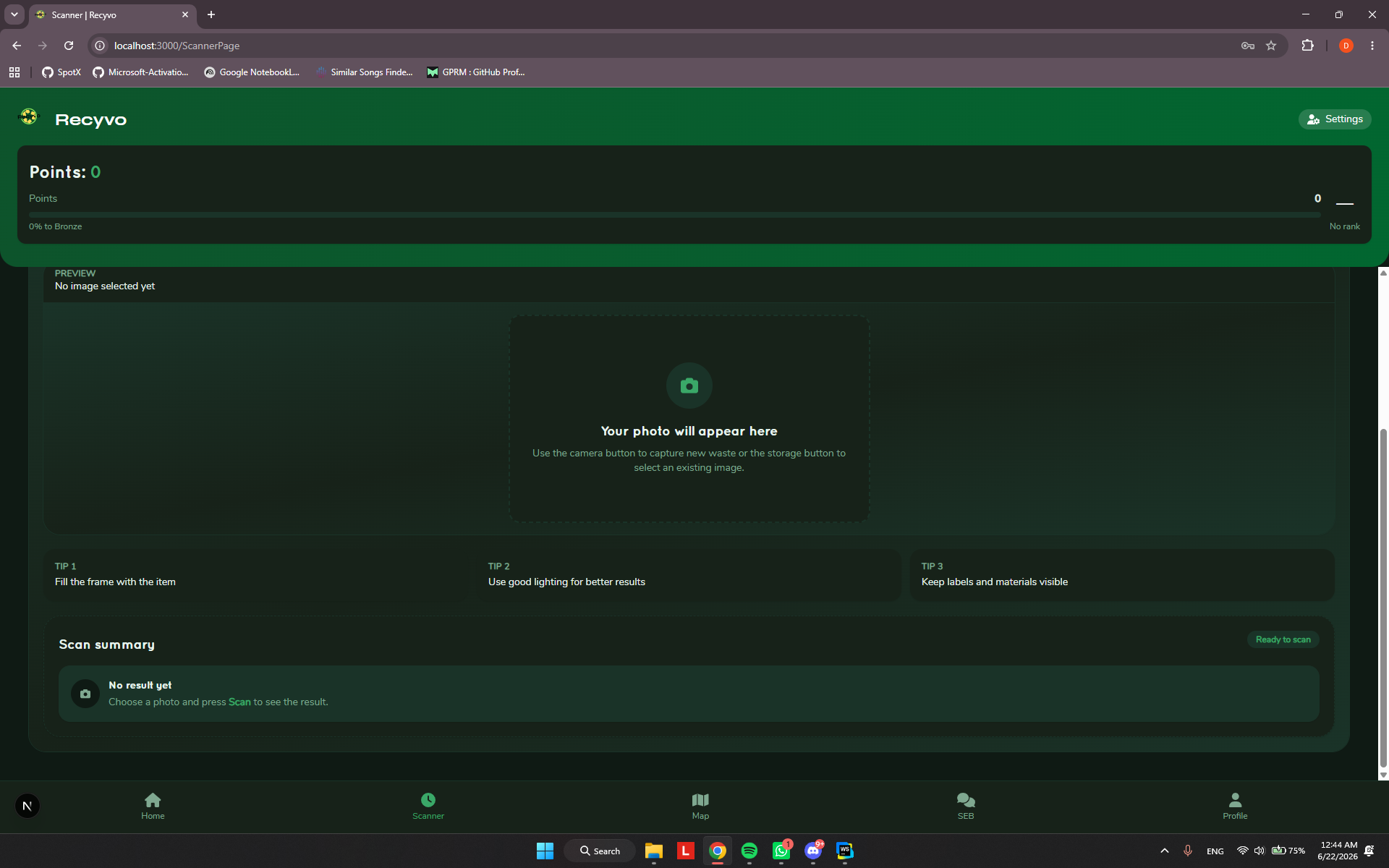
ScannerPage_DarkMode
-
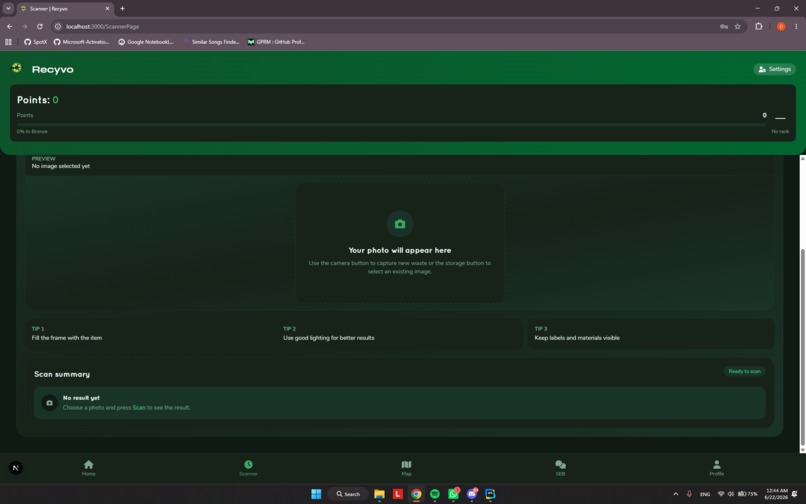
ScannerPage_DarkMode
-

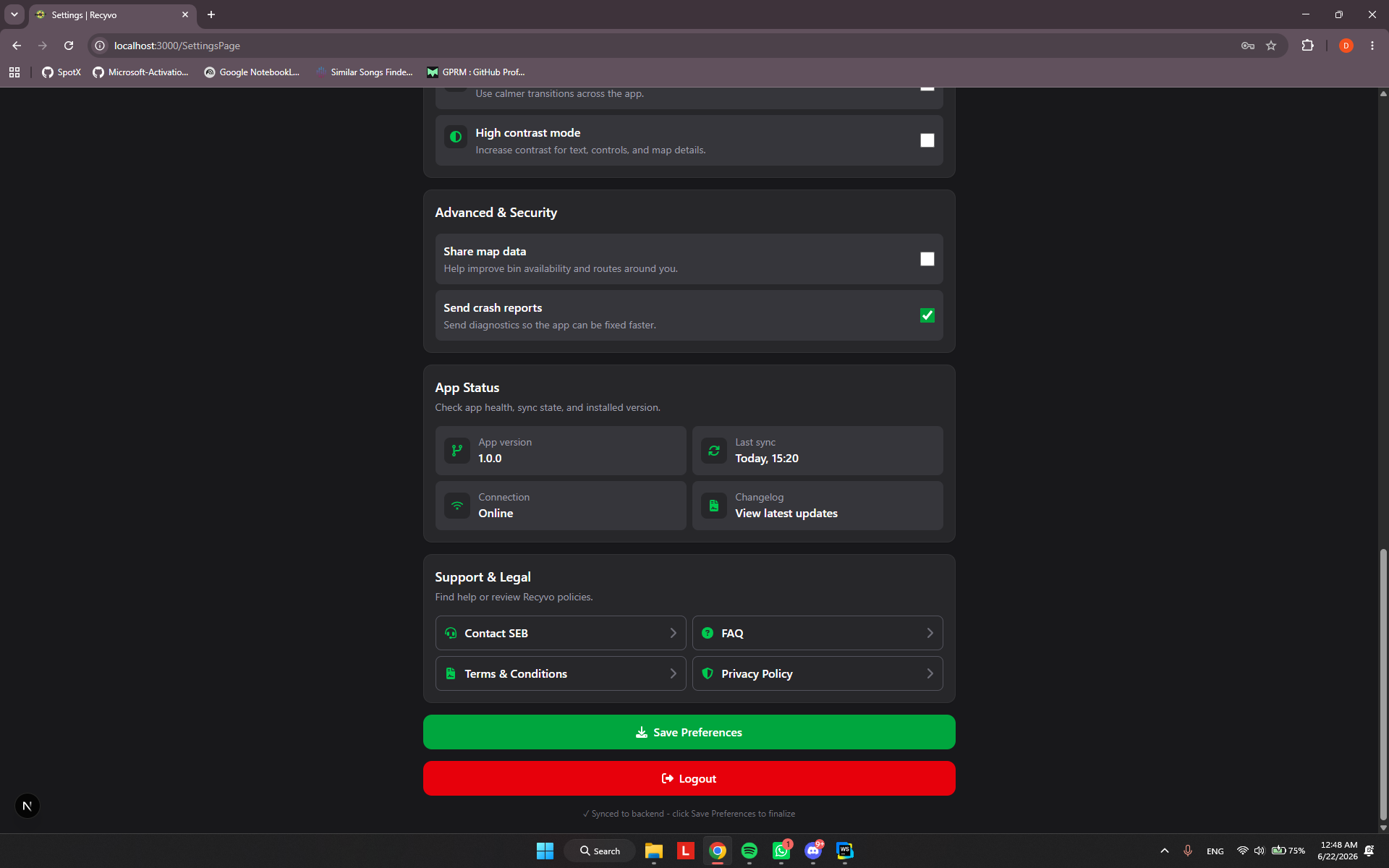
SettingsPage_DarkMode
-
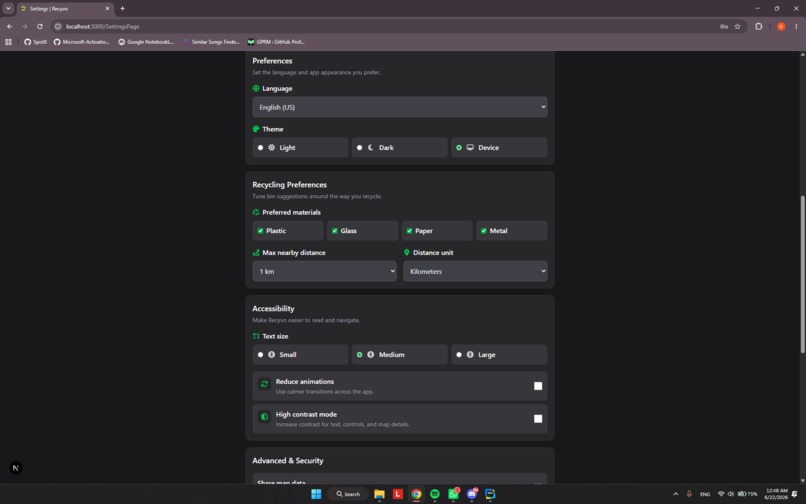
SettingsPage_DarkMode
-
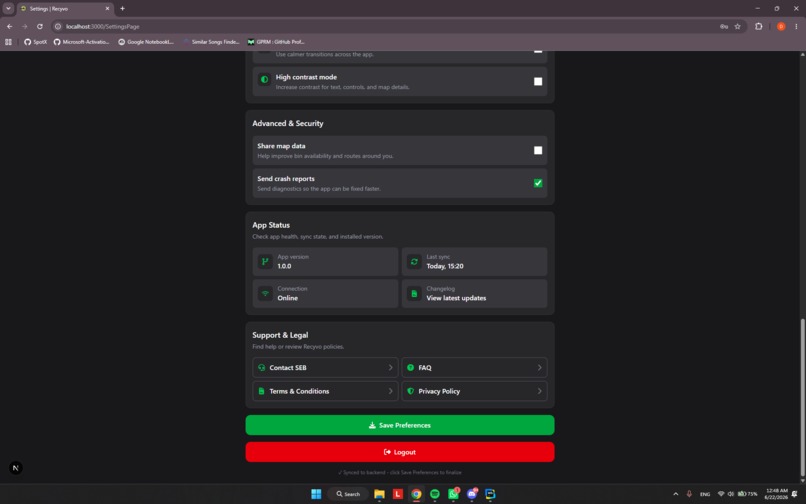
SettingsPage_DarkMode
-
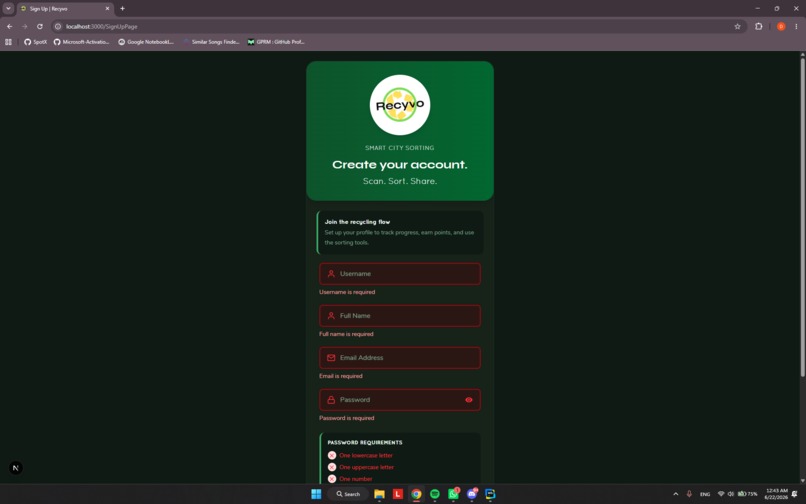
SignUpPage_DarkMode
-
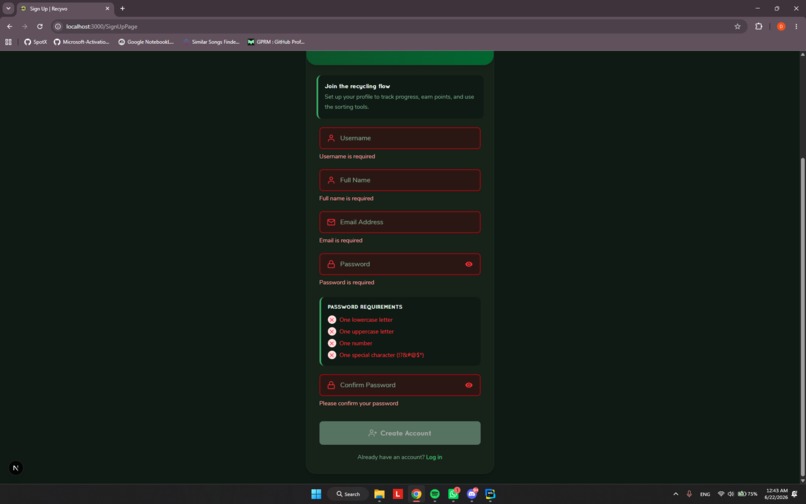
SignUpPage_DarkMode
-
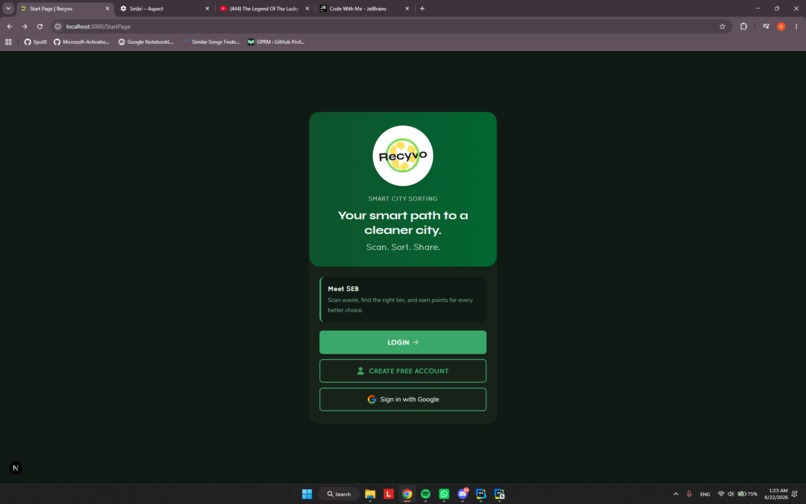
StartPage_DarkMode
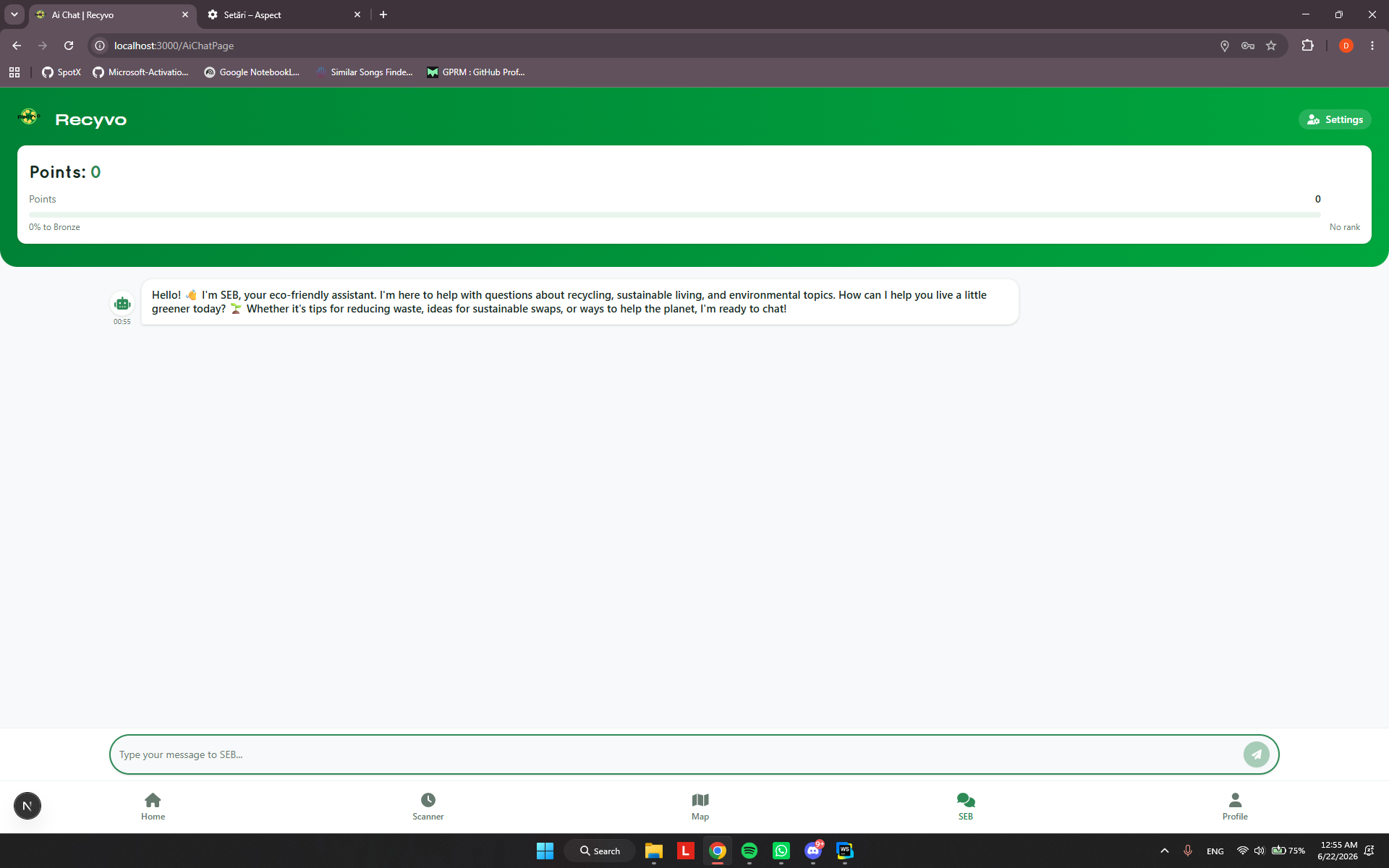
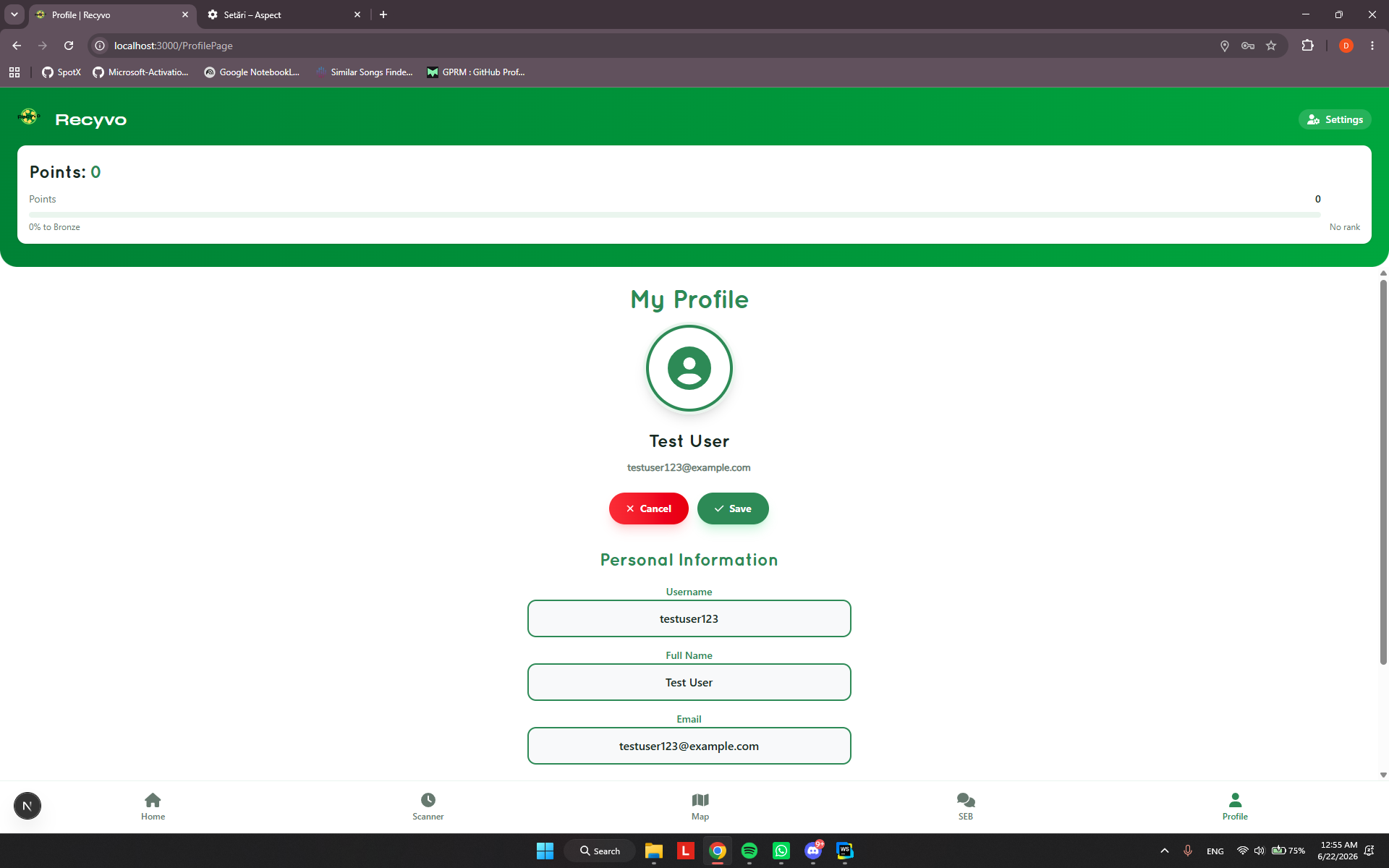



Inspiration
The core inspiration behind Recyvo came from a universal problem: global recycling rules are fragmented, confusing, and constantly changing. Even with the best intentions, citizens stand in front of public sorting bins completely paralyzed—unsure if a greasy pizza box goes to cardboard or trash, or where to dispose of complex objects like old lightbulbs or alkaline batteries.
Statistics show that over 60% of correctly intended waste ends up contaminating landfills simply due to sorting mistakes. We wanted to build a seamless, AI-driven infrastructure that removes this friction, making waste management accessible, geo-localized, and highly rewarding on a global scale.
How we built it
Recyvo is engineered using a robust, full-stack hybrid architecture optimized for both lightning-fast front-end delivery and intelligent backend orchestration: Frontend: Developed with React, TypeScript, and Next.js, packaged inside a highly scannable, mobile-responsive user interface using Tailwind CSS. Backend: Powered by Python, handling rapid internal API structures, routing logic, and state management. Database Management: Built upon an optimized SQLite database, managed and continually audited via DataGrip during development. Core AI Integration (Gemini API): When a user triggers the scanner, a base64 image data payload is passed through our Python backend directly to the Gemini API along with custom contextual prompt guidelines for immediate visual analysis and waste classification. Interactive Mapping: Built an active tracking module utilizing OpenStreetMap integration to render real-world coordinate layers for localized recycling bin deployment.
Challenges we faced
Handling AI Ambiguity: Computer vision models can naturally struggle with mixed-material items or low-lighting environments, creating a risk of faulty sorting advice. We had to implement a strict prompt-level confidence guardrail: if the model experiences structural uncertainty, it refuses to guess, safely fallback-prompting the user to retry or seek help. Database Orchestration: Merging asynchronous cloud AI callbacks with localized user progress databases while ensuring minimal response latencies required precise database normalization within DataGrip. Scalable Data Crowdsourcing: Setting up a reliable mapping ecosystem that accepts user-submitted locations without vulnerable spam or false reporting required building a pending-queue panel designated for manual human verification.
What we learned
Building Recyvo taught us how to effectively bridge high-level foundational Vision Models (Gemini API) with localized, user-centric web applications. We deeply explored dynamic state-handling in Next.js and data structuring within SQLite. Most importantly, we learned that technology alone doesn't solve environmental crises; rather, it is the deliberate pairing of intelligent AI automation with gamified behavioral hooks (like leagues and rankings) that converts temporary interest into long-term civic habits.
What's next for Recyvo
We plan to significantly expand our API pipeline to allow local commercial enterprises, municipal bodies, and eco-conscious brands to sponsor our competitive Leagues. This framework will allow users to directly trade their accumulated recycling points for real-world municipal transit discounts, utility micro-coupons, and retail vouchers, ultimately closing the loop of a truly circular global economy.
Built With
- api
- css
- datagrip
- gemini
- html5
- next.js
- openstreetmap
- python
- react
- sqlite
- tailwind
- typescript

Log in or sign up for Devpost to join the conversation.