Inspiration
We built PrivyLens after noticing how easy it is to expose personal information when sharing screenshots, documents, photos, or videos. Existing tools often require tedious manual editing or upload sensitive media to remote servers. We wanted privacy protection to be fast, practical, and local by default.
What it does
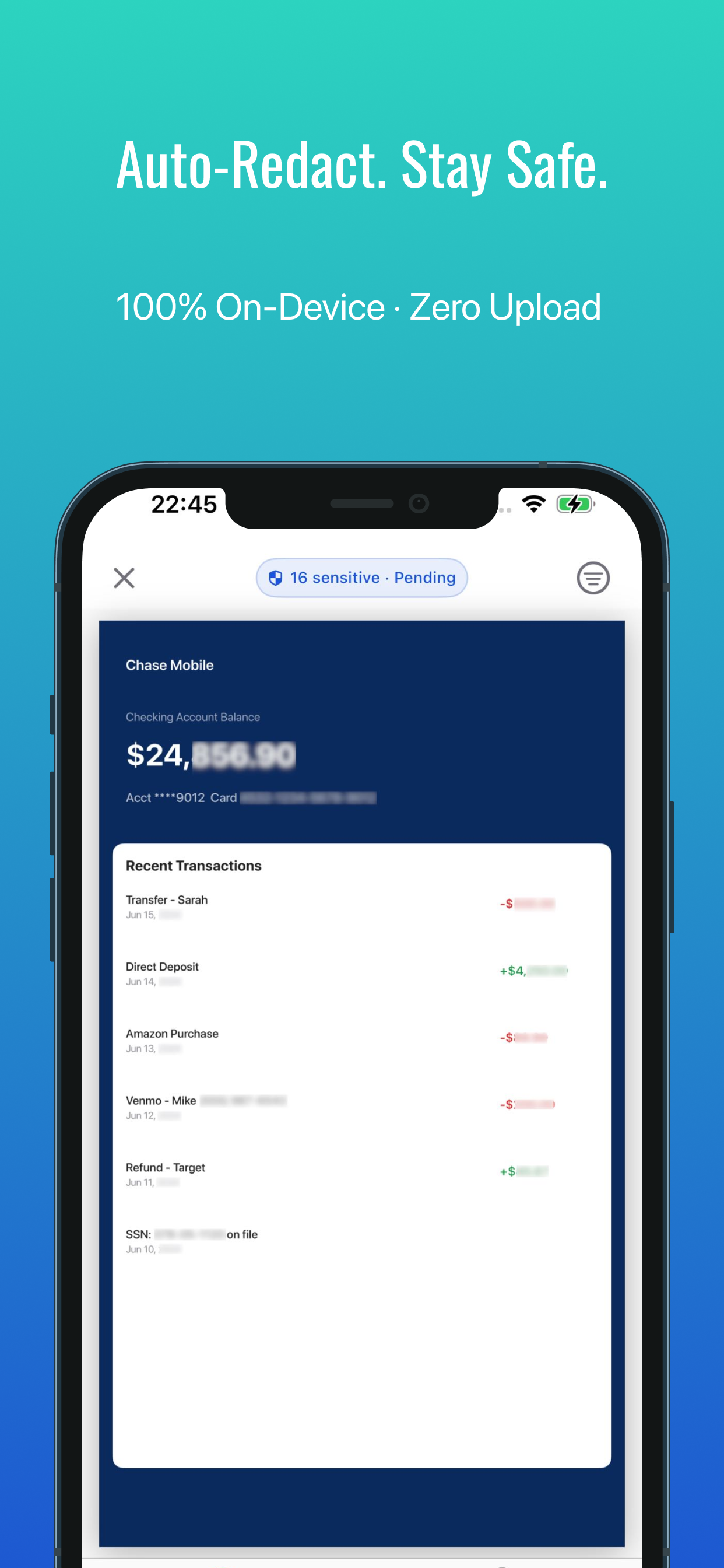
PrivyLens detects sensitive content and helps users redact it before sharing.
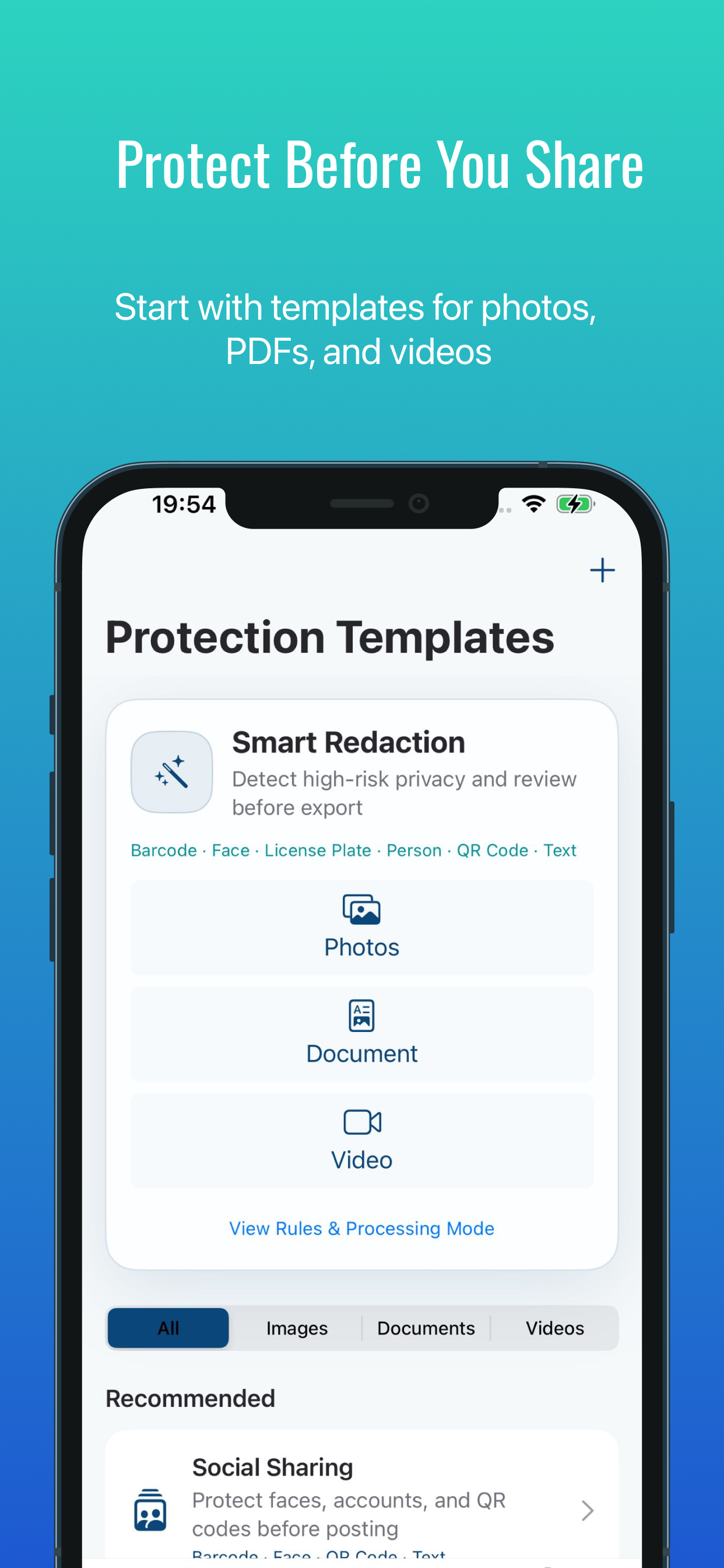
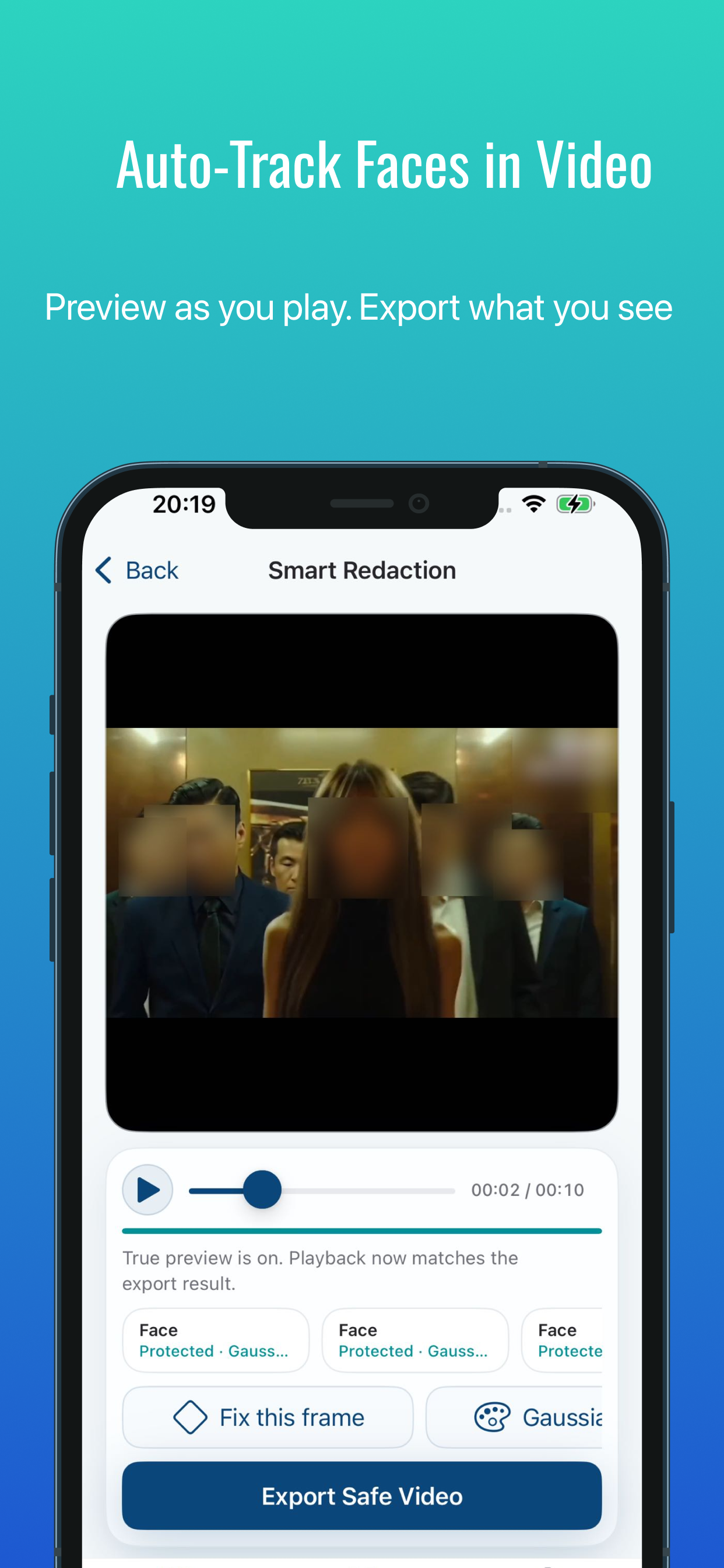
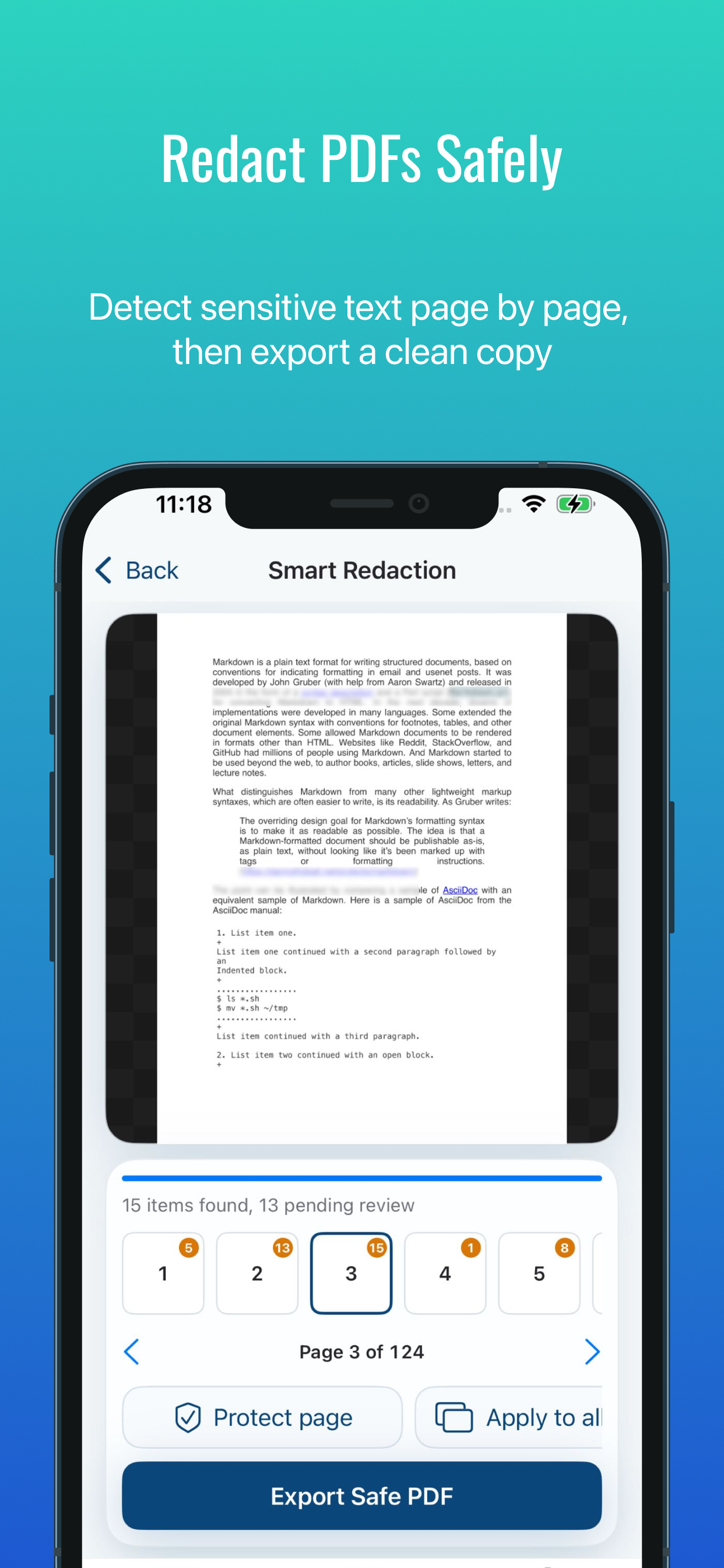
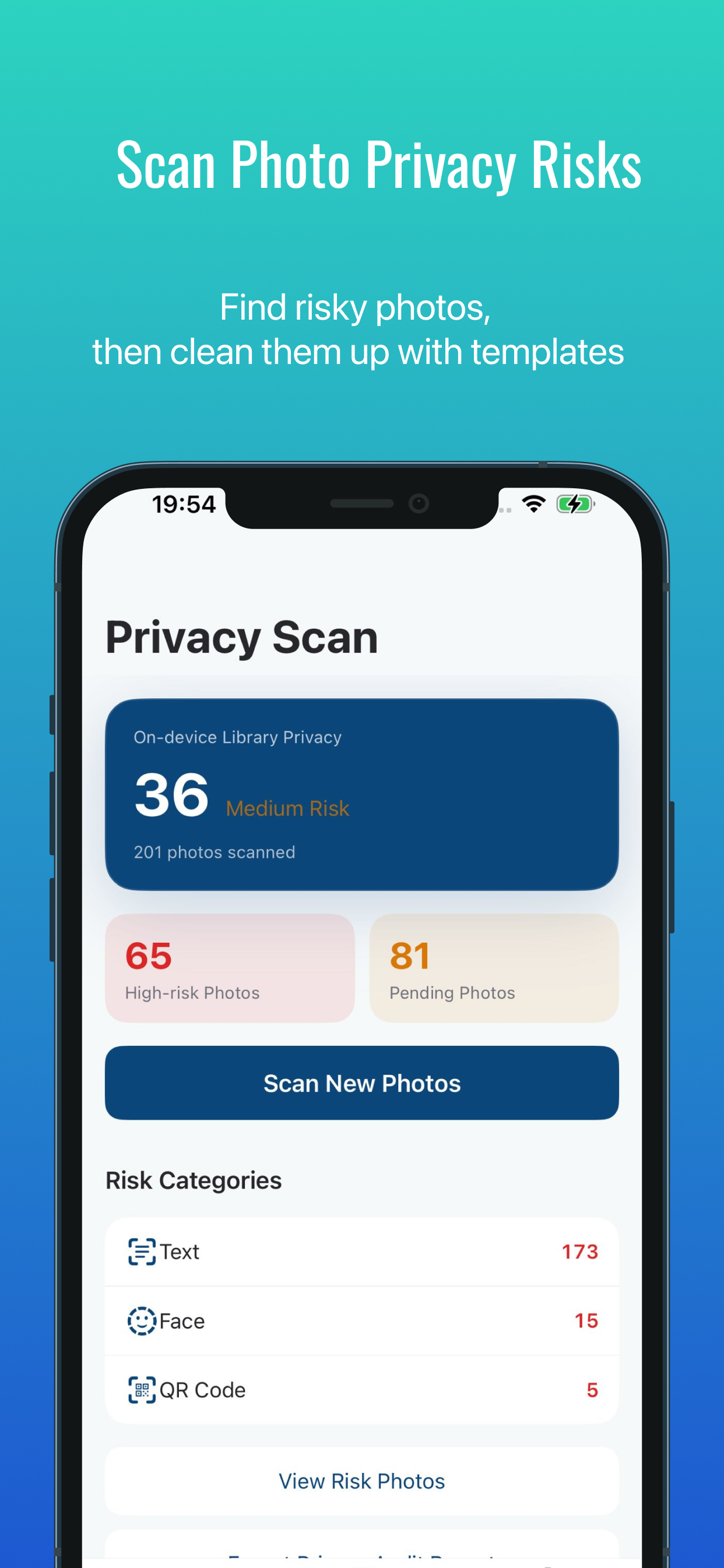
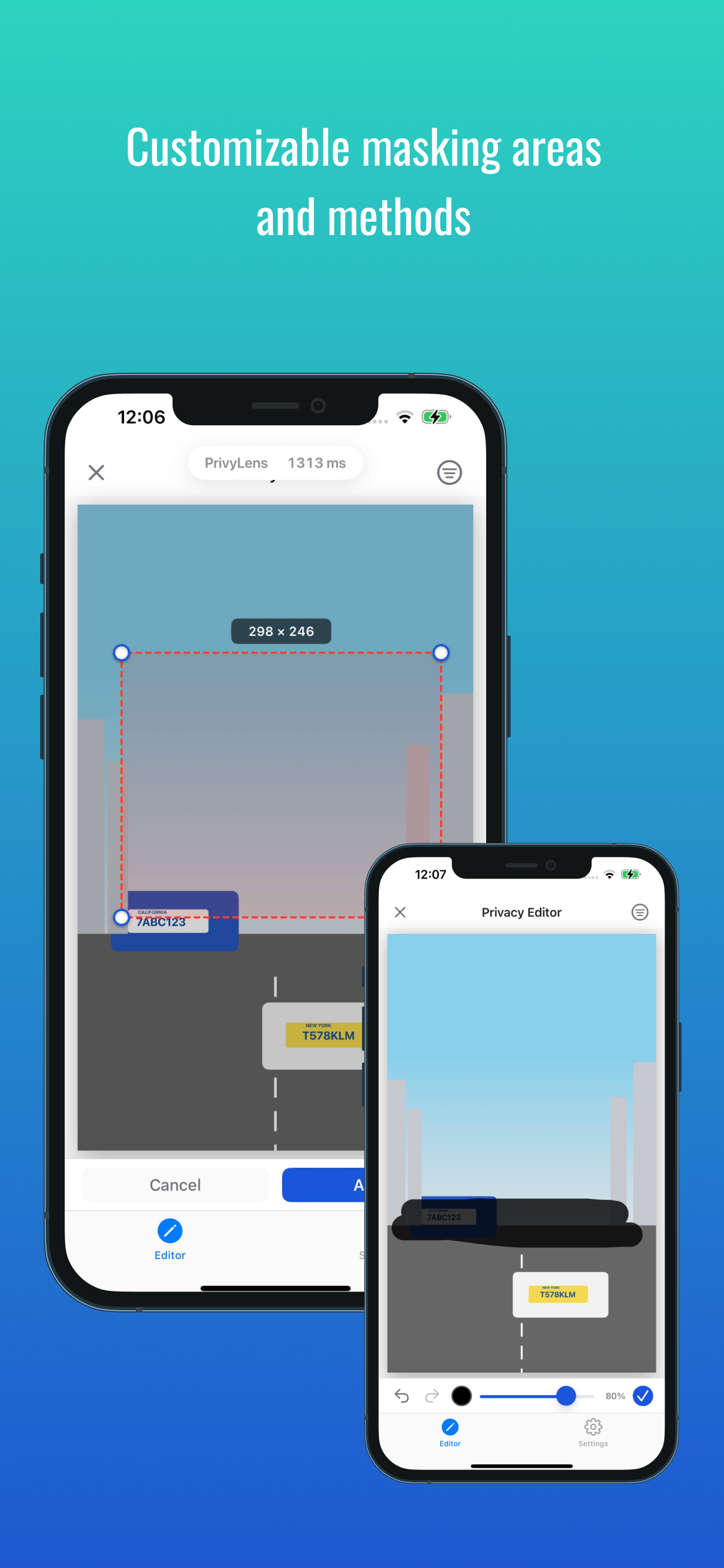
It supports: Faces and personal information detection Photos, screenshots, PDFs, and videos Blur, pixelation, solid covers, and content-aware removal Reusable redaction templates Batch processing Local photo-library privacy scans Automatic face tracking in videos Media processing happens directly on the device, so original files do not need to be uploaded for analysis.
How we built it
PrivyLens is a native iOS app built with Swift and UIKit.
We combined Apple’s Vision, Natural Language, and data-detection frameworks with custom regular expressions to identify sensitive information. Core ML powers content-aware removal, while AVFoundation, custom video composition, Core Image, and Metal handle video tracking and redaction.
A shared template and task system keeps redaction behavior consistent across photos, PDFs, and videos.
Challenges we ran into
Video redaction was the hardest part. Faces move quickly, disappear between frames, and sometimes reappear later. Low-frequency tracking caused masks to flicker, while the final video frames could remain exposed if a track ended too early.
We addressed this with per-frame tracking, periodic face-detection correction, short-term track recovery, segmented timelines, and explicit end-of-video handling.
We also had to balance detection accuracy with performance while keeping all processing on-device.
Accomplishments that we're proud of
We are especially proud that PrivyLens:
Processes sensitive media locally Provides one workflow for photos, PDFs, and videos Tracks multiple faces without decoding each frame repeatedly Supports reusable privacy templates Turns privacy protection into a quick step before sharing
What we learned
Privacy tools need to earn trust through architecture, not just messaging.
We also learned that reliable video masking requires more than object detection. Tracking stability, timing accuracy, recovery behavior, and export consistency matter just as much as recognizing the face itself.
Finally, automation works best when users can still review and adjust every result.
What's next for PrivyLens
Next, we plan to improve:
Detection for more regional document and identity formats Video tracking in fast-moving and crowded scenes Privacy scans and risk reports Custom redaction templates Batch-processing performance Localization for additional markets Our long-term goal is to make PrivyLens the privacy check people use before sharing anything.
Built With
- avfoundation
- core-ml
- imagevision-facedetection
- ios
- metal
- ocr
- on-device
- pdfkit
- privacy
- revenuecat
- swift
- vision


Log in or sign up for Devpost to join the conversation.