-
-
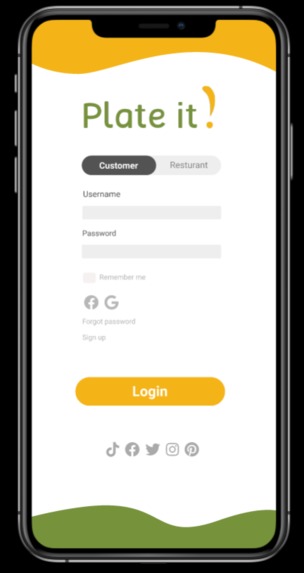
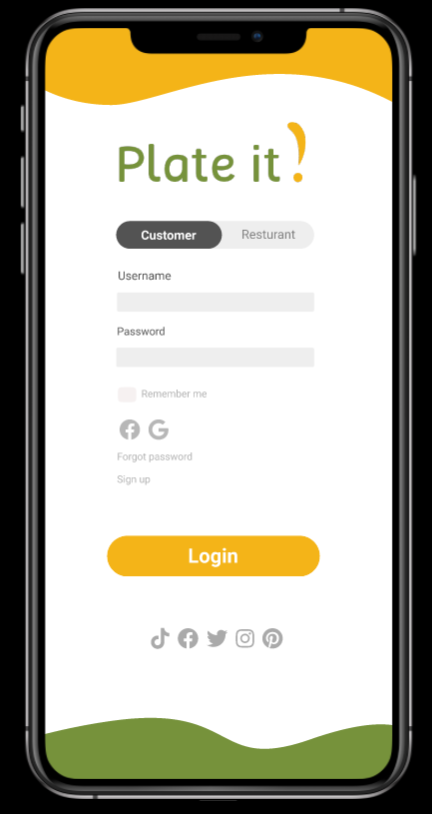
Login/Registration Page
-
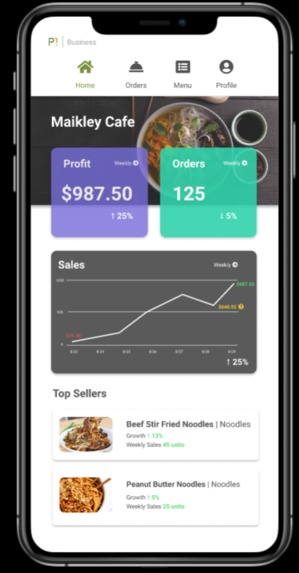
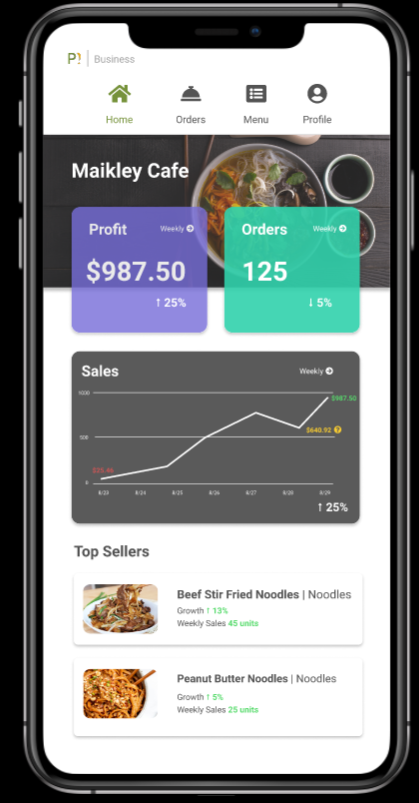
Restaurant Dashboard Page
-
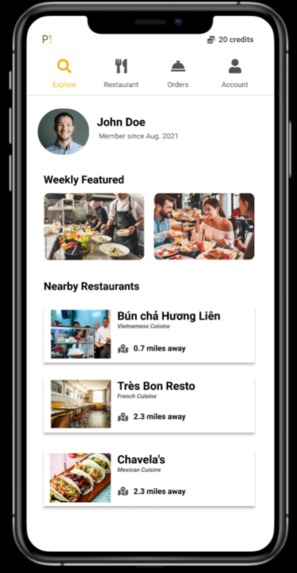
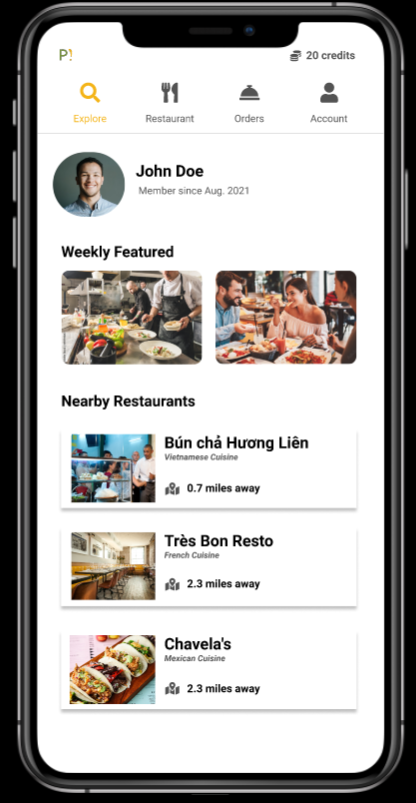
Customer Explore Page
-
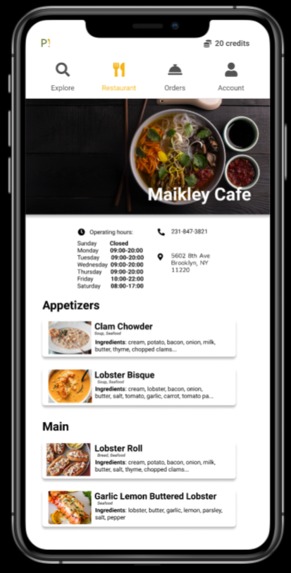
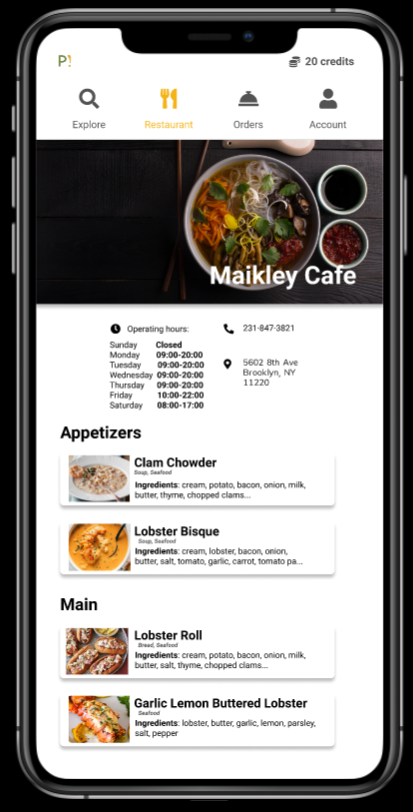
Restaurant Listing Page
-
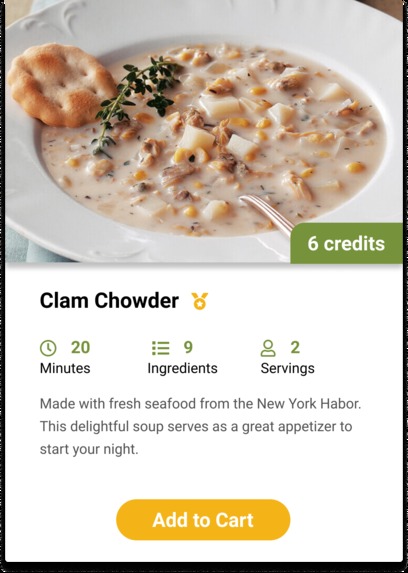
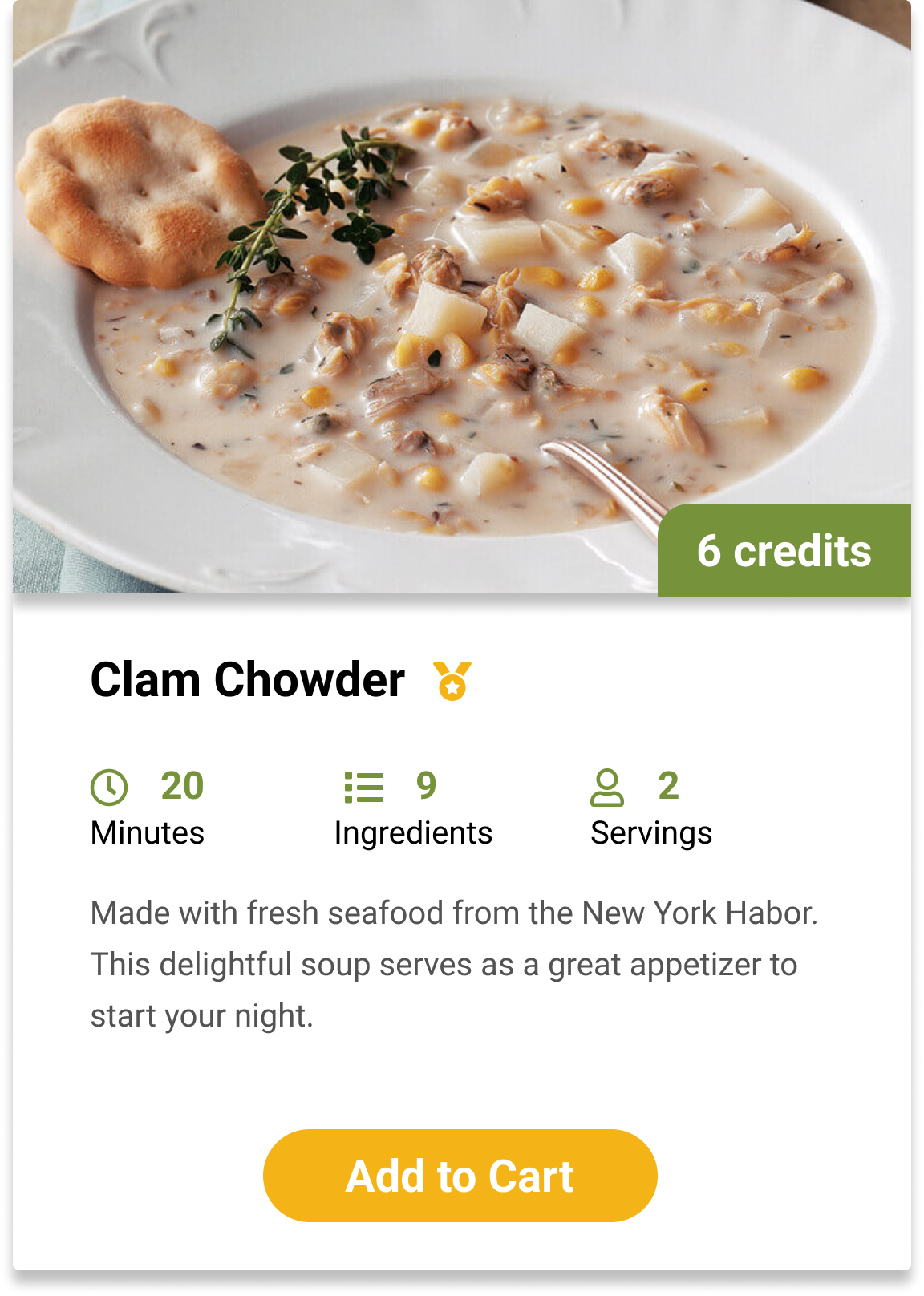
Menu Item Popup
-
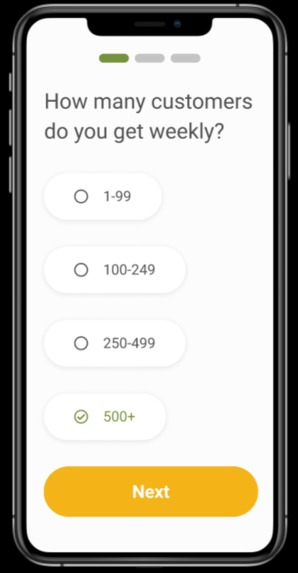
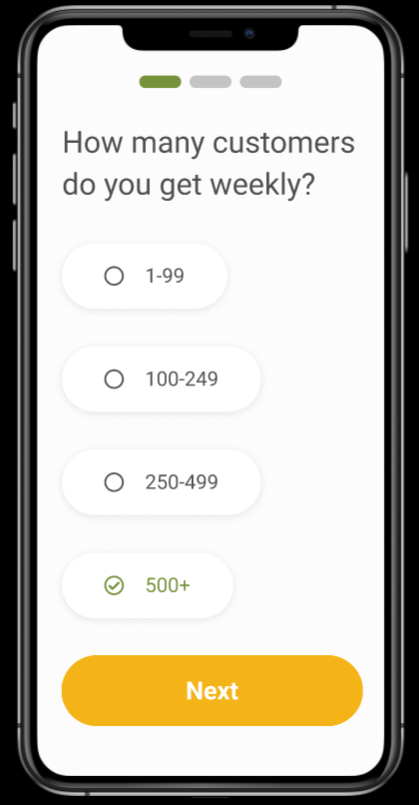
Restaurant Verification Form
-
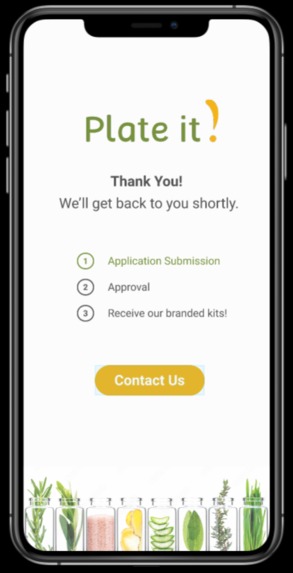
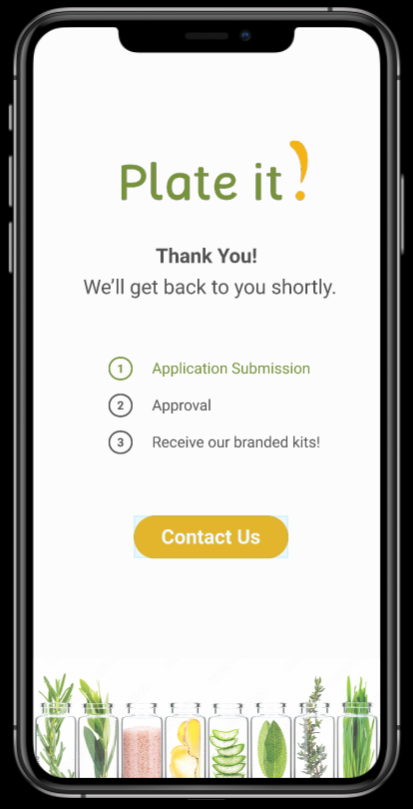
Verification Thank You Page
Inspiration
The pandemic caused local restaurants to suffer due to the lack of customers, revenue, and there wasn’t a sense of when "normal" would return. As a group of college students, we often ordered takeout and dine in due to time constraint and our lack of culinary skills. We tried various meal subscription services such as MealPal and HelloFresh, but couldn't find a good balance between affordability, variety, and freshness in our meals.
What it does
Plate it! is a subscription service where customers can order their favorite dishes from local restaurants in the form of pre-portioned meal kits.
After restaurants are signed up, we will ship our meal kit packaging to them. The restaurants will be able to package the ingredients and give it to their customers through delivery or pick-up. Customers don't have to worry about breaking the wallet or the hassle of buying excessive ingredients. Plus the average cook will finally be able to prepare restaurant quality dishes!
How we built it
We designed a prototype app using Figma and our Pitch Deck using Canva.
Challenges we ran into
We spent a lot of time gathering the lessons we’ve learned from the pandemic and thinking about how we can apply these lessons to help the community. There were many small businesses that needed our help. It was a tough decision but we made the decision to help small restaurant business owners.
Our team took on a storm to ideate how can restaurants owners and customers can use a platform without losing any profit and to gain more revenue.
Our platform benefits restaurant owners and customers because of our business model. We also spent a majority of the time designing on Figma, striving to make the user experience robust and easy to use.
Accomplishments that we're proud of
We're proud that we were able to prototype a sustainable platform that will benefit customers and small businesses while making our app profitable.
What we learned
It was our first time experimenting with 3D modeling to design the Plate it! packaging box. We also learned that scalability and data are important in figuring out a target and creating a purpose for the product.
What's next for Plate it
Our next step is to scale the Figma demo and design into a working prototype with the use of MongoDB as the backend and basic React for the front end. Thus we need to do more research about our target group. In the future, we hope to implement multilingual support as we know many small restaurant owners may not be proficient in English.
How impactful is this solution?
Plate it! is highly impactful, as it provides local restaurants with a new source of revenue using resources that would've otherwise been wasted. College students will also have an alternative to expensive takeouts and boring meal-preps. This solution addresses food waste, allows college students a cheaper, delicious option, and supports small businesses.
What is the potential for scalability? How costly would this solution be to bring to scale?
There is great potential to scale, as there are over 500,000 restaurants, and over 14 million college students in the US. It wouldn't be too costly, as we would only need initial investment in the app, delivery service and packaging needs that would eventually be covered by our commission fees. Our marketing strategy is low-cost and would be utilizing mostly organic content for starters. We will have a customer referral program where customers can refer businesses and other students to our product. Another idea is to have a pro- bono micro-influencer marketing program, where micro-influencers can sign up to create free content for restaurants to support the cause, and gain free content for themselves.
How original is this solution? Does it set itself apart from other solutions through innovative or non-traditional methods? Does it demonstrate outside-the-box thinking?
To our knowledge, we are the only business that delivers meal kits directly from local restaurants. Unlike Freshly or Hello Fresh, our selection comes from the availability of local restaurants and provides freshly portions and prepped ingredients rather than frozen ingredients and microwavable dishes. Once scaled, we will have the largest and most diverse meal kit menu on the market due to the partnership with restaurants. Competitors like Hello Fresh have low variety of dishes, and are not that customizable. We allow our consumers to choose among all our restaurant partners. It is also authentic, because the partners will come from various cultural backgrounds. The items on the menu are already known and loved by locals. The majority of the revenue will go to the local businesses. We also made it easy for the restaurant owners to sign up by making our platform multilingual and give incentives for customers to help sign restaurants up to our app.
Is this solution thoughtful and complete? Is the strategy appropriate?
The solution is thoughtful and complete. It prevents future disruptions from completely shutting down restaurants due to lack of demand in dining and takeout. Plate it! adapts to the trend of cooking at home and learning life skills, while still benefiting restaurants and consumers even after the pandemic. The strategy is appropriate to the issues relevant in our society today.
Built With
- adobe-dimension
- adobe-illustrator
- canva
- figma


Log in or sign up for Devpost to join the conversation.