Inspiration
Too many workforce systems begin with a vacancy instead of a human being.
A job description defines tasks, credentials, and experience, then asks whether a person fits. For students, apprentices, career changers, and other early-career workers, that approach can overlook potential that has not yet had an opportunity to become experience.
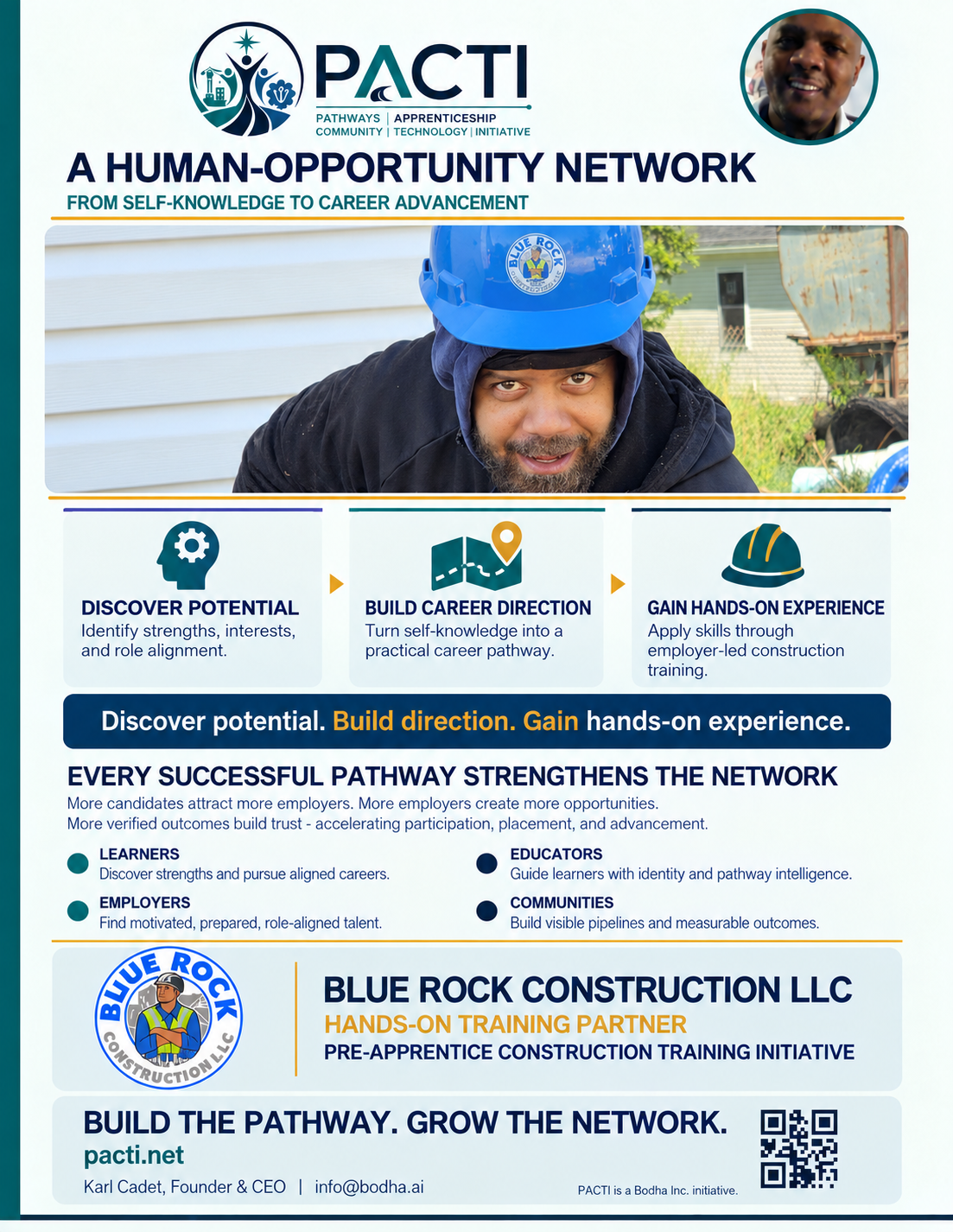
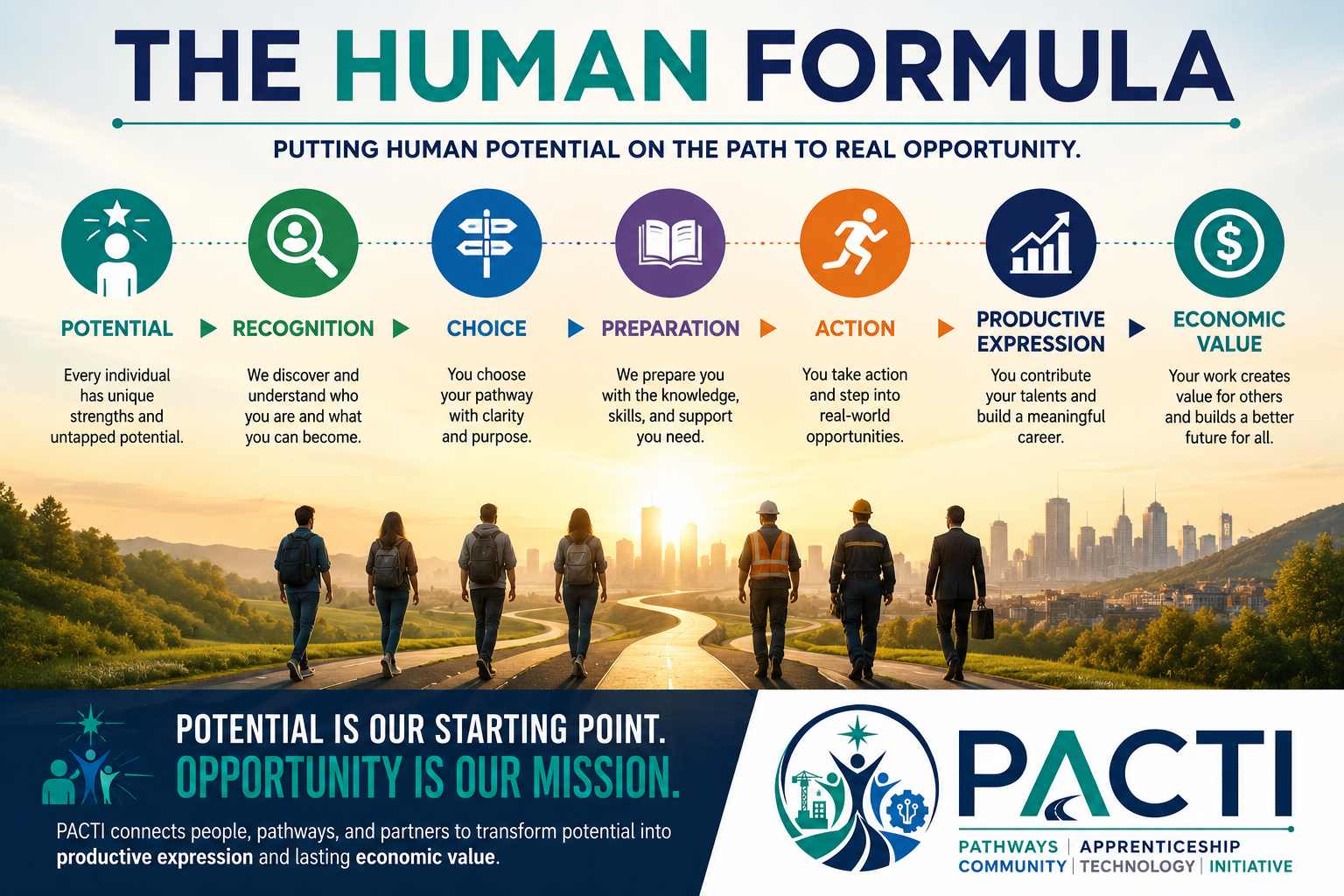
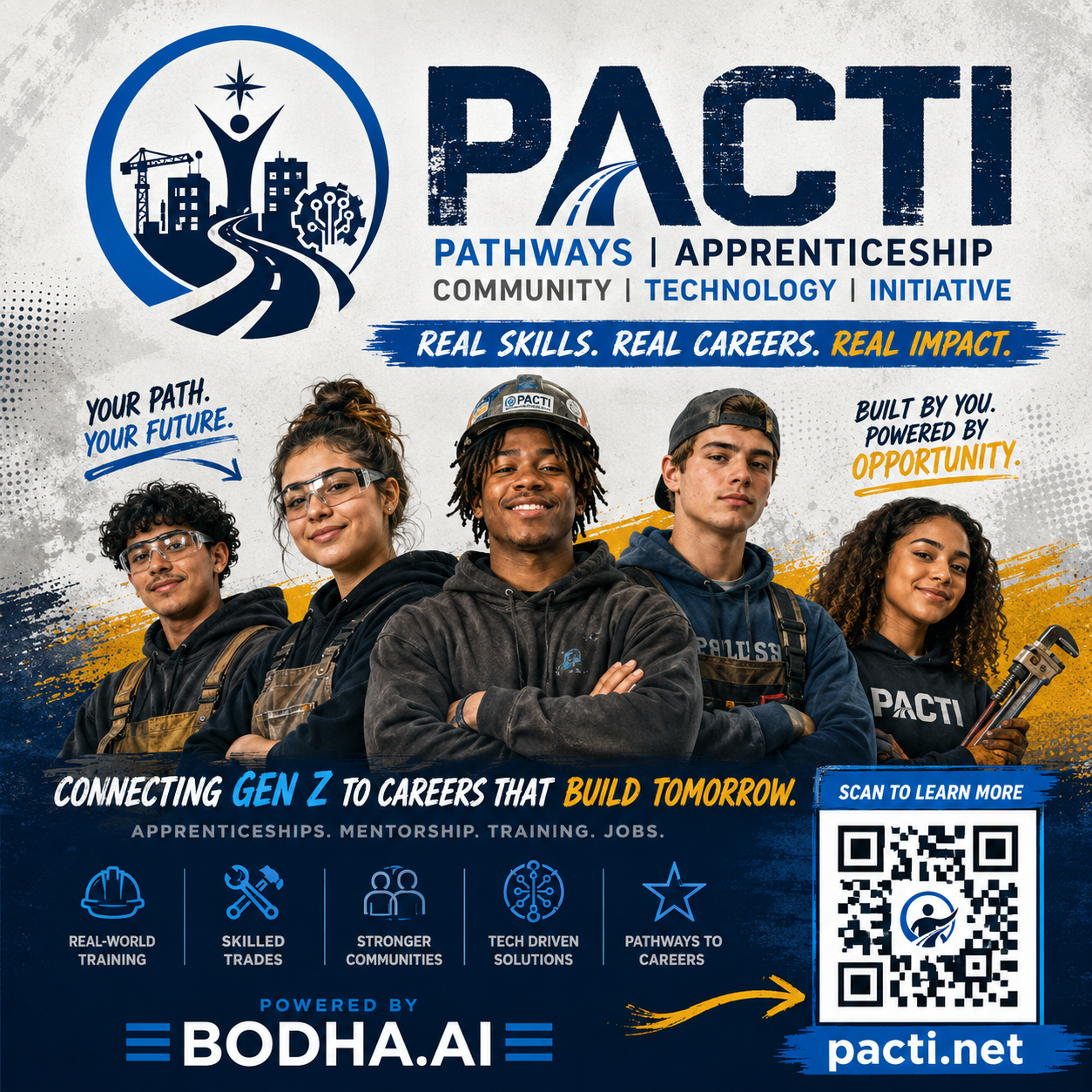
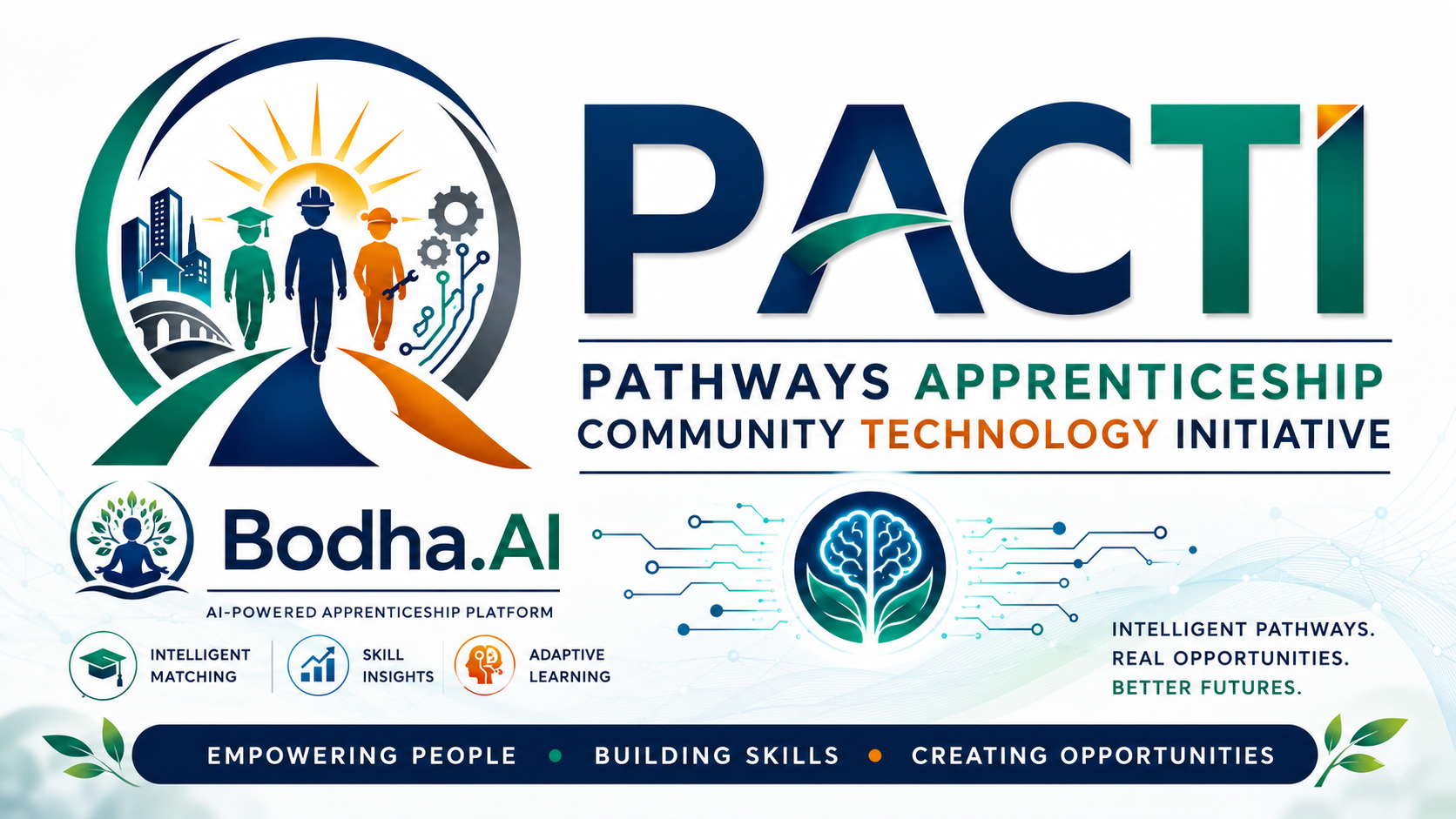
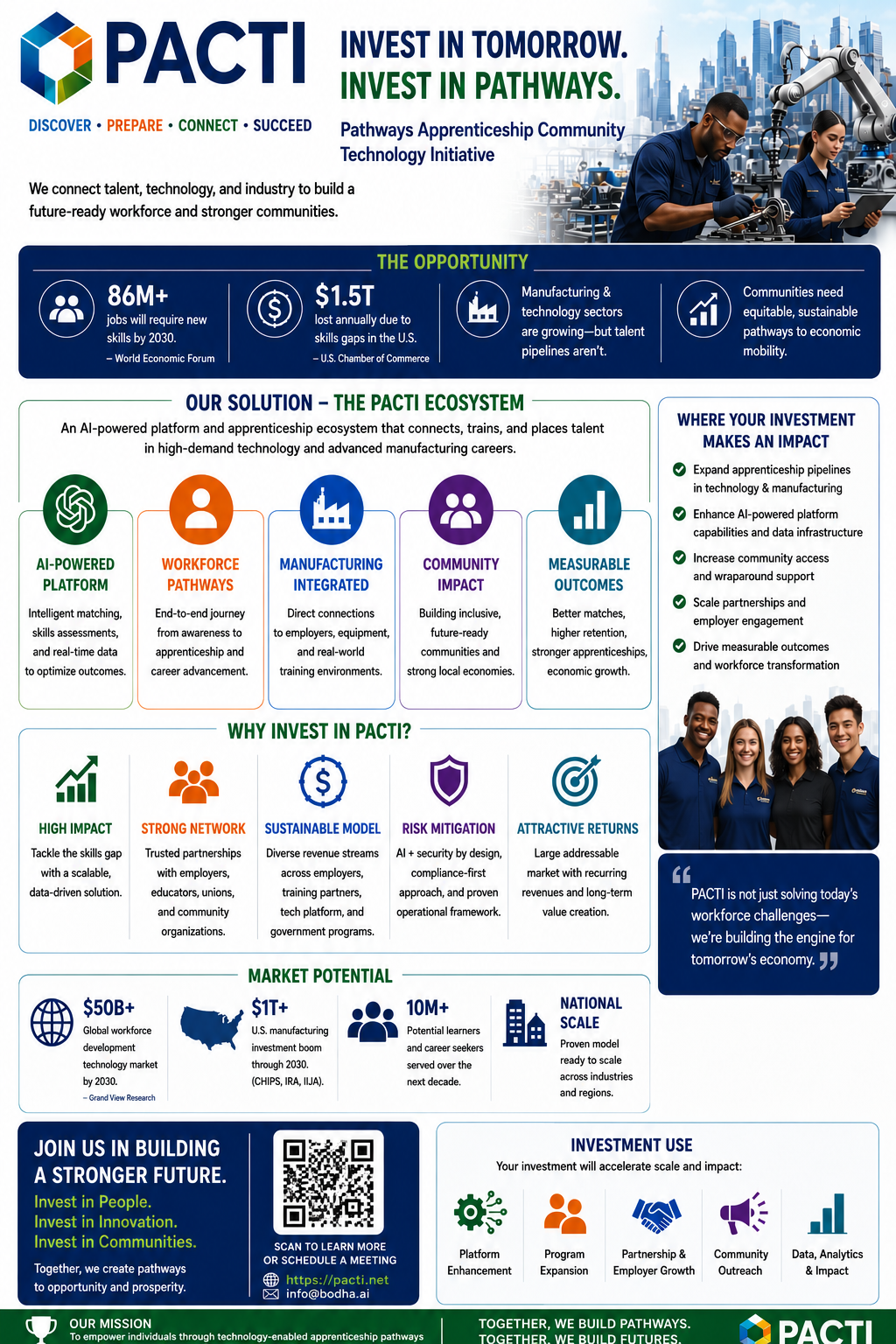
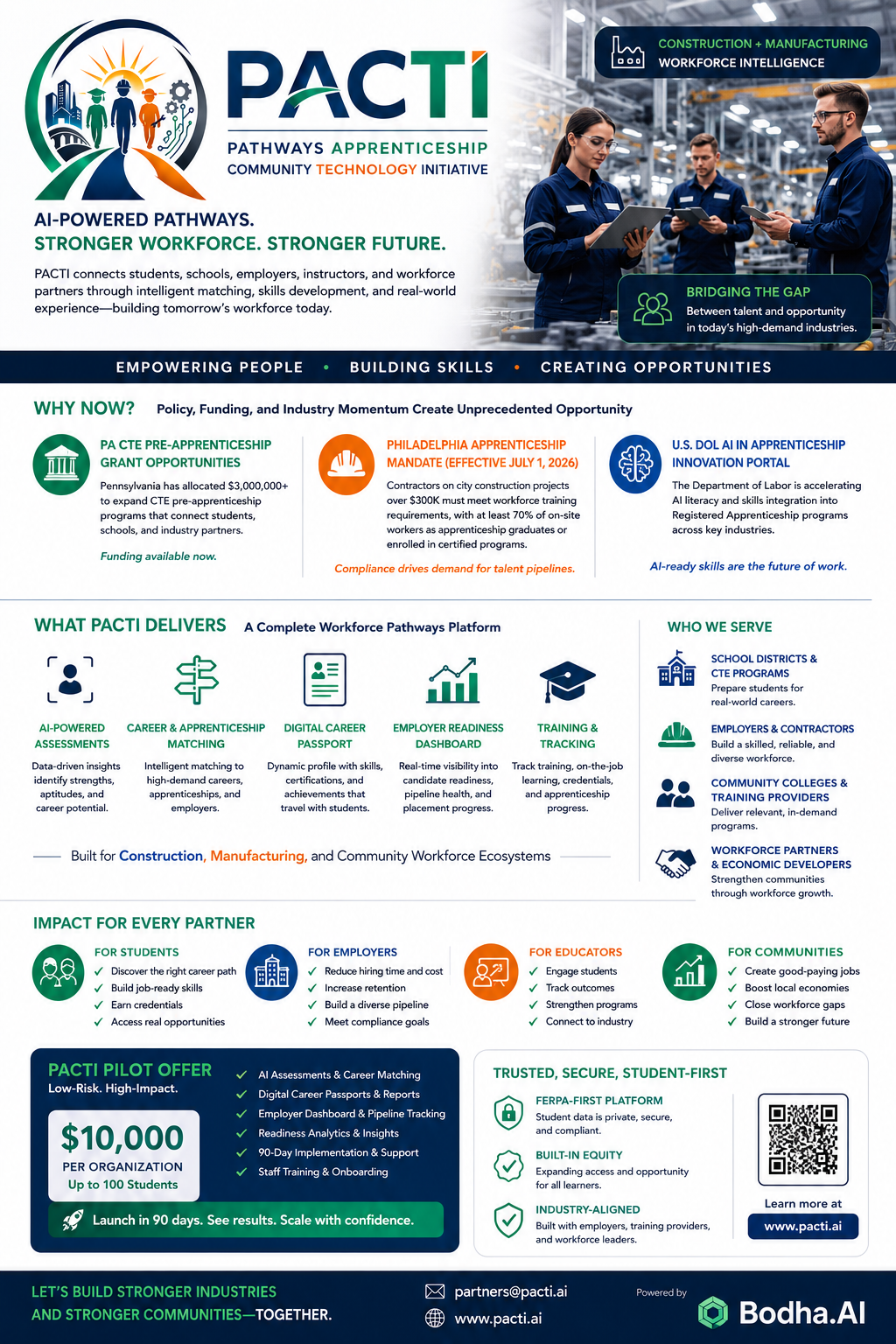
PACTI — Pathways Apprenticeship Community Technology Initiative — was created to approach the problem from the opposite direction: understand the individual first, then connect that person to viable education, training, apprenticeship, and employment pathways.
For the Nebius x NVIDIA Global AI Hackathon, we are extending that idea with the PACTI Pathway Agent.
What it does
PACTI Pathway Agent transforms human-potential and workforce information into an actionable pathway.
The agent can reason across a candidate's profile and relevant workforce information to:
- identify promising occupational pathways;
- explain why those pathways align with the individual;
- identify skills, credentials, or training gaps;
- discover relevant training and apprenticeship opportunities;
- incorporate labor-market information; and
- produce concrete next actions rather than simply returning a career recommendation.
The goal is not to let AI decide a person's future. It is to give people better information with which to make their own decisions.
How we are building it
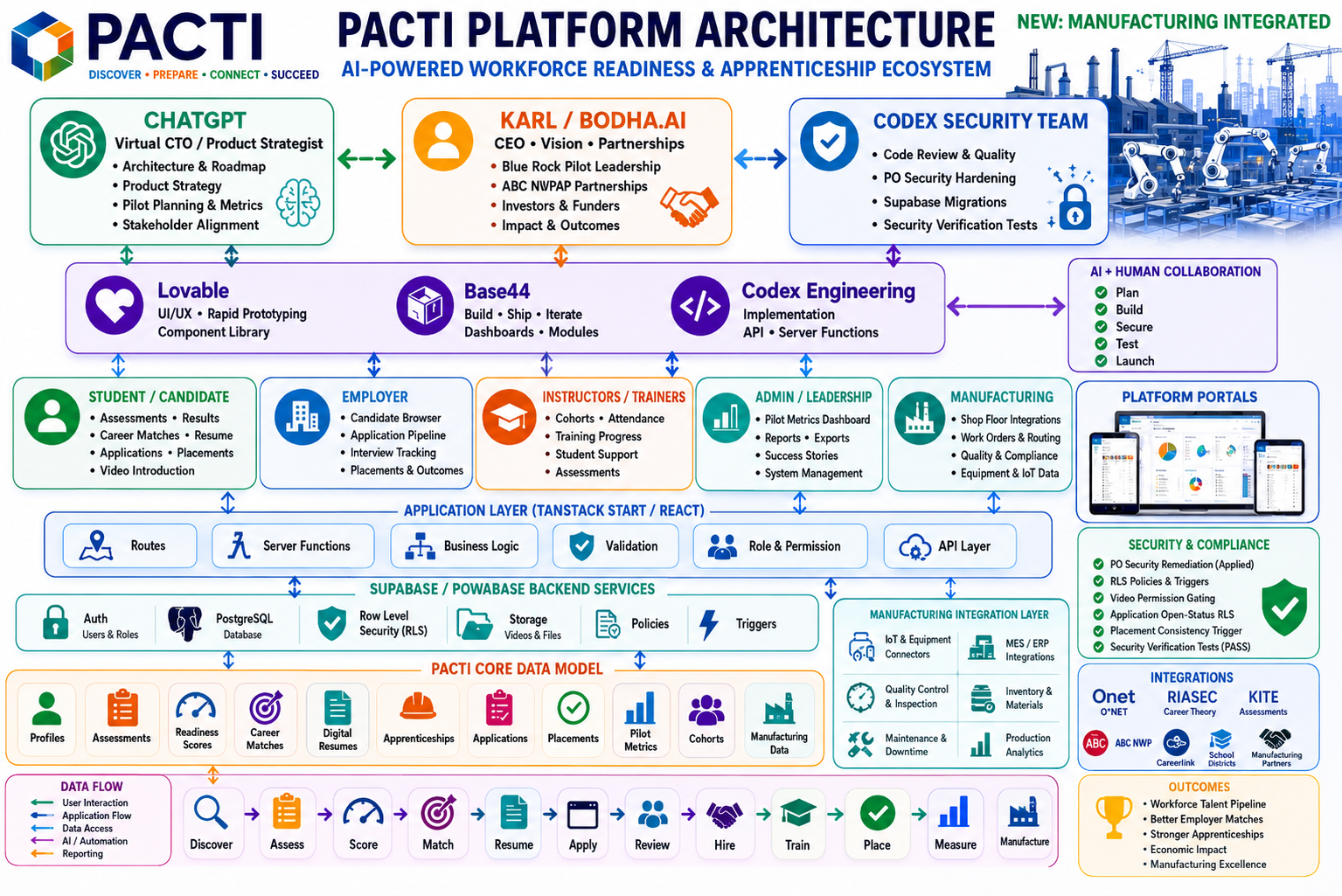
PACTI already provides the underlying human-development and workforce-pathway foundation.
For this hackathon, we are building a new agentic layer using NVIDIA open models through Nebius infrastructure. The Pathway Agent will orchestrate reasoning across candidate context and workforce-data services while preserving a clear distinction between AI-generated guidance and verified source data.
The architecture is designed around a multi-step workflow:
Human profile → Agent reasoning → Workforce intelligence → Pathway options → Gap analysis → Action plan
The hackathon implementation is intentionally separated from PACTI's proprietary assessment and matching intellectual property. This allows us to demonstrate the agent architecture and its impact while maintaining appropriate IP boundaries.
Challenges
The central challenge is not simply generating recommendations. It is producing guidance that is explainable, grounded, useful, and respectful of human agency.
Workforce information comes from different systems, changes over time, and can easily be reduced to simplistic rankings. We are therefore designing the agent to distinguish between evidence, inference, and recommendation while showing users why a pathway was surfaced.
Another challenge is orchestration: turning multiple sources of information and multiple reasoning steps into one coherent experience instead of another chatbot.
What we learned
Agentic AI becomes considerably more useful when it is connected to a real-world decision process.
For workforce development, the important question is not only "What career matches me?" It is:
"What can I realistically do next, why does it make sense for me, and how do I get there?"
That distinction shaped the PACTI Pathway Agent.
What's next
We intend to validate the Pathway Agent through controlled workforce and educational cohorts, measure progression from assessment to pathway action, and continue developing integrations with training providers, apprenticeship ecosystems, workforce organizations, and employers.
Our longer-term objective is straightforward:
Start with the human. Understand potential. Illuminate viable pathways. Connect potential to opportunity.
Built With
- agents
- ai
- apprentice.gov
- bls
- next.js
- pacti
- react
- typescript


Log in or sign up for Devpost to join the conversation.