-
-
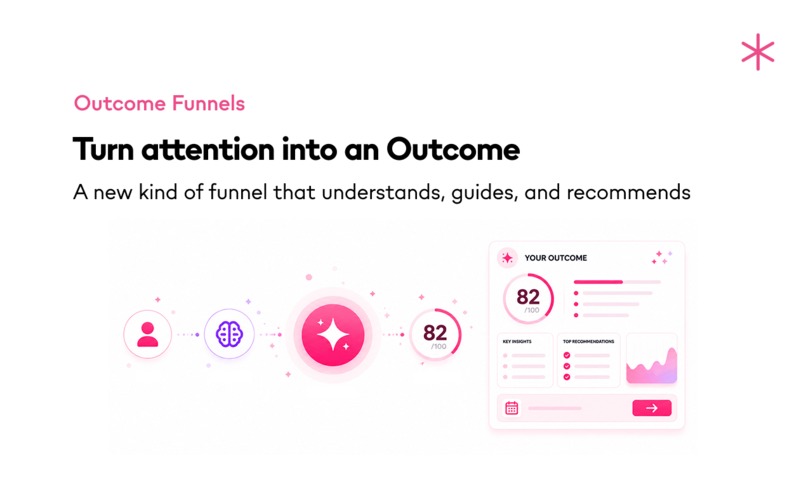
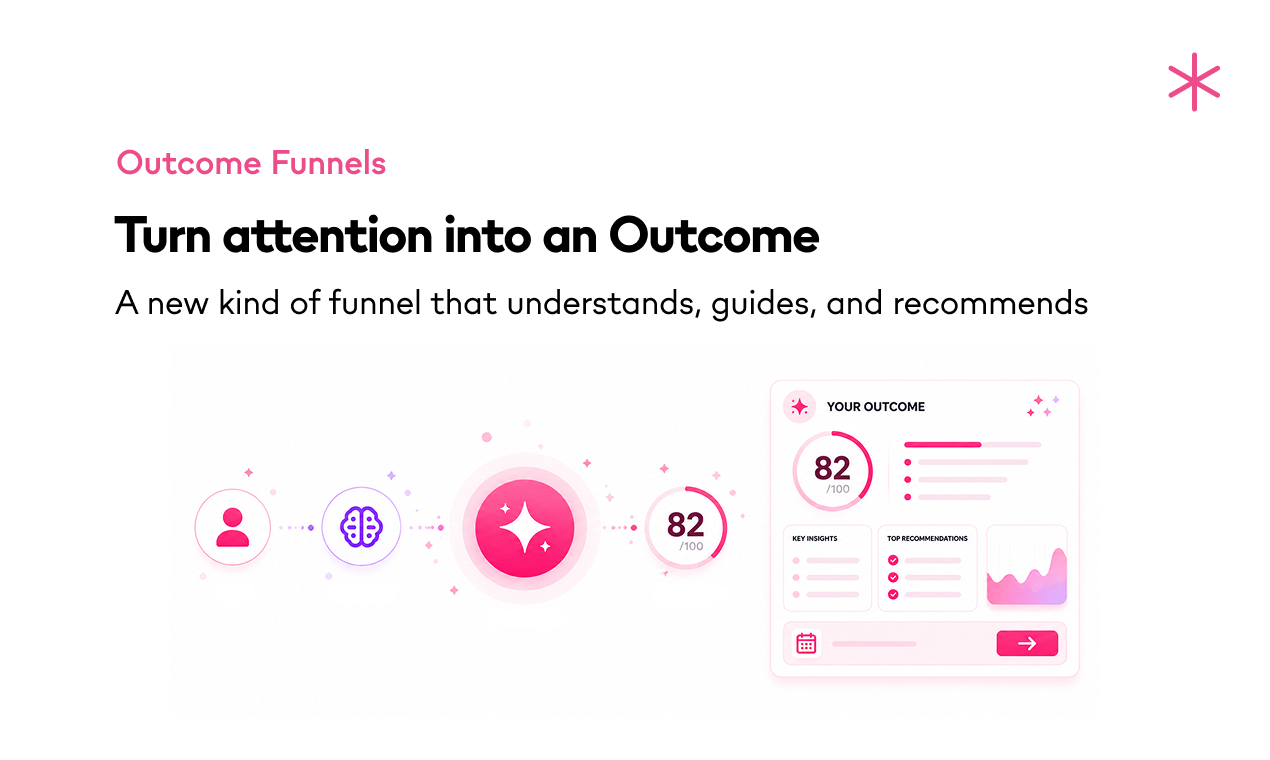
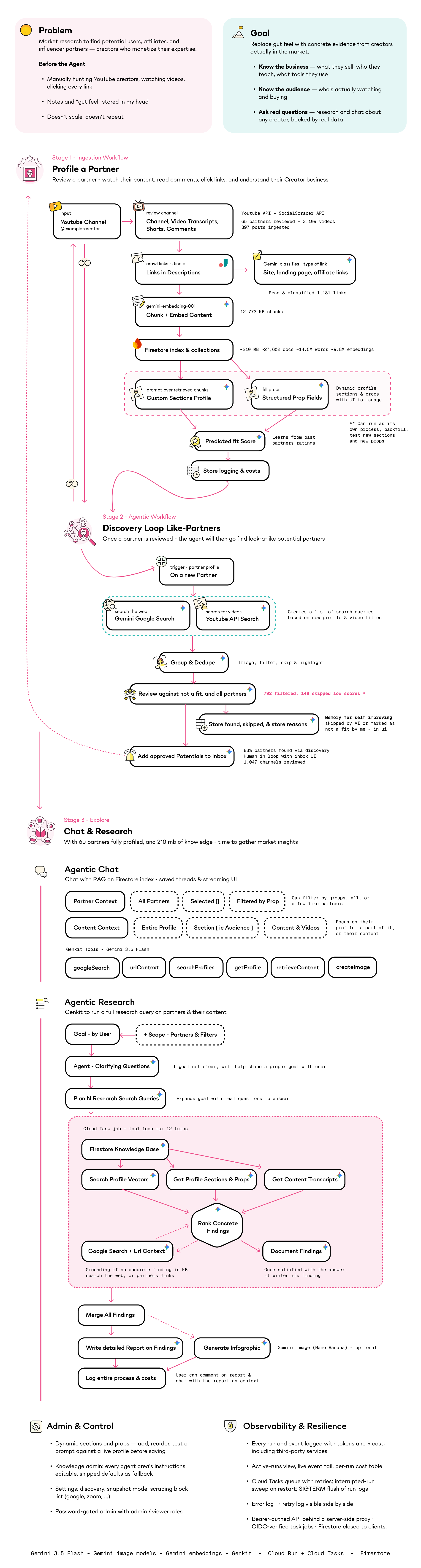
Outcome Funnel - A new kind of funnel that understands, guides, and recommends
-
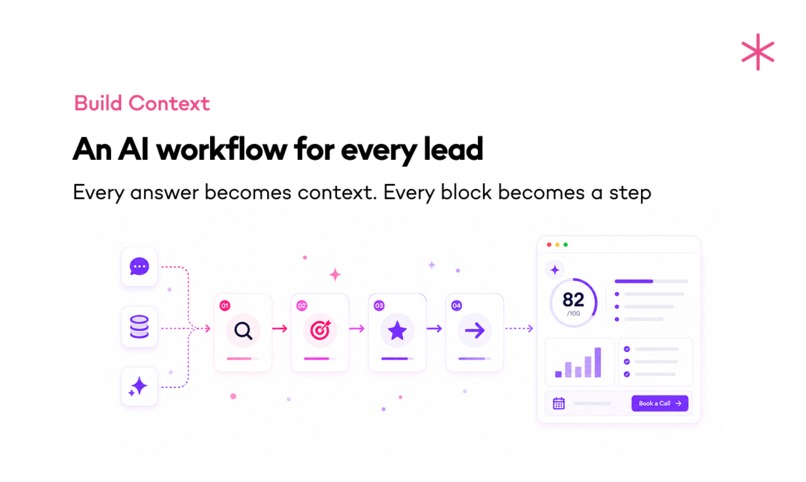
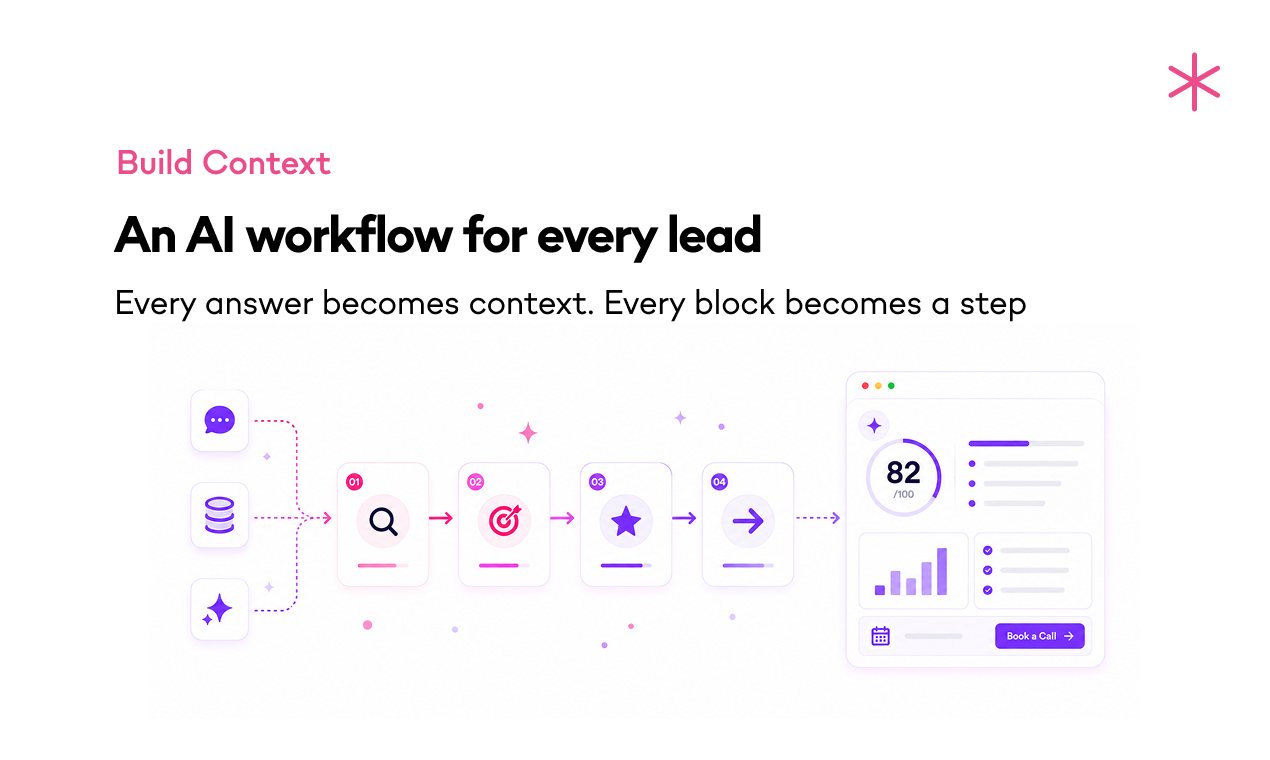
Build Context - An AI workflow for every lead
-
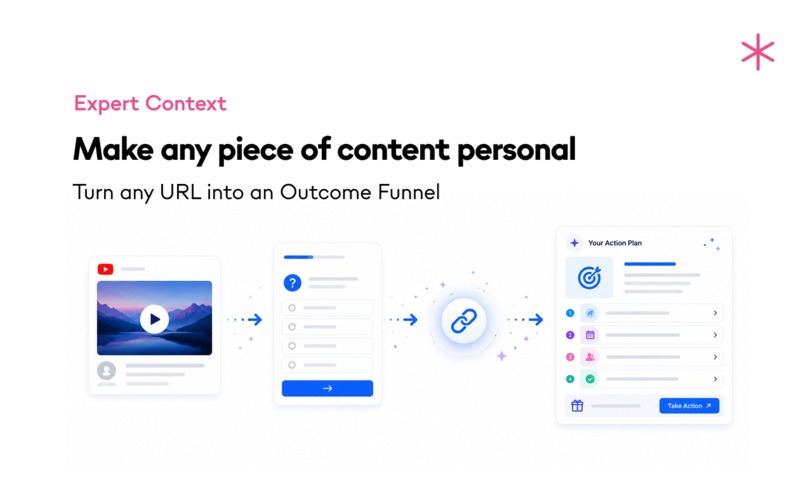
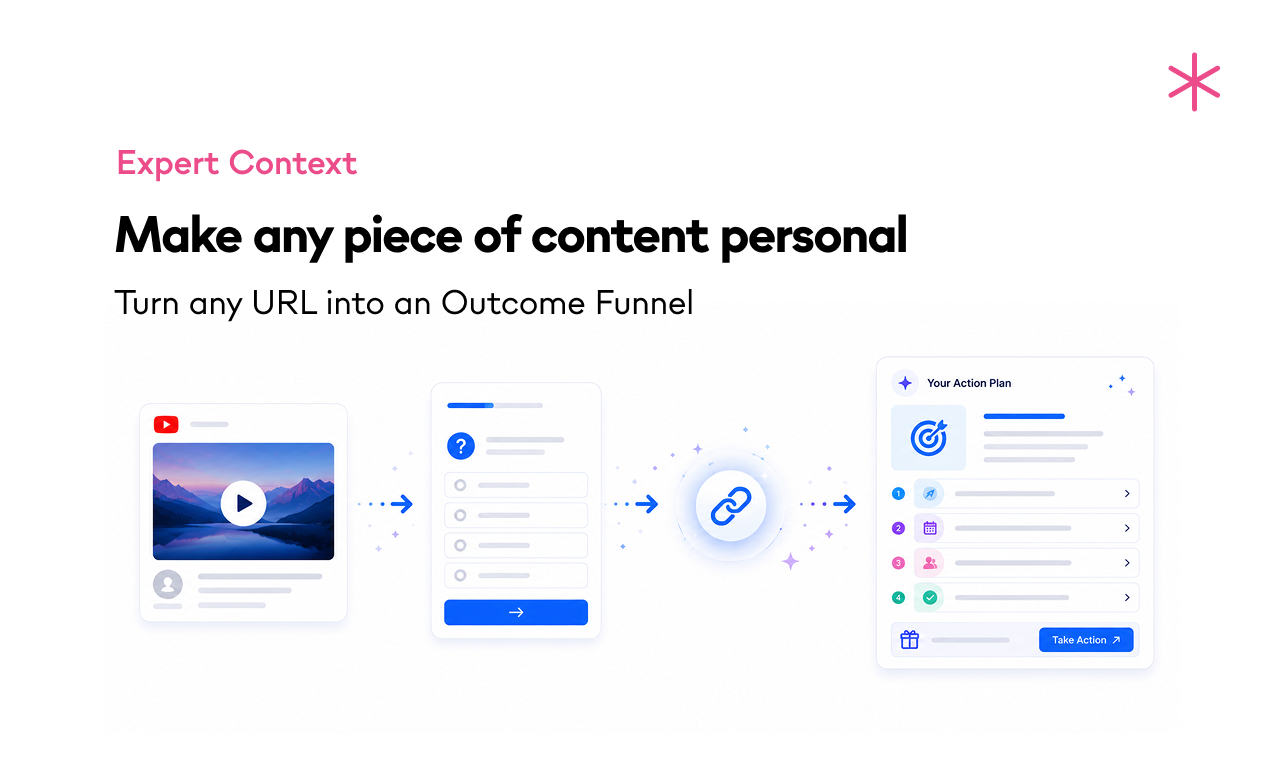
Expert Context - Make any piece of content personal
-
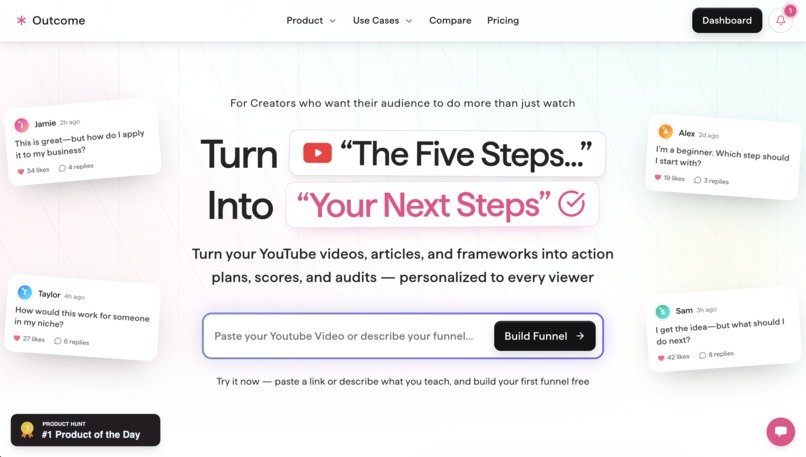
Youtube Video to full Outcome Funnel in under 30 seconds
-
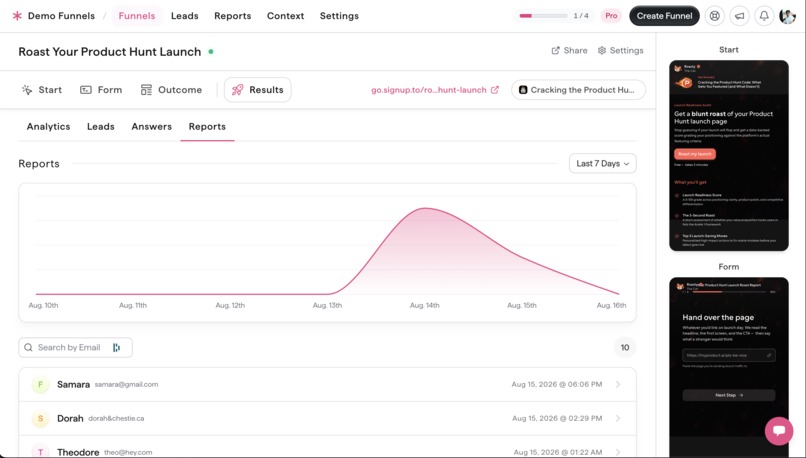
Launch a Funnel that listens
-
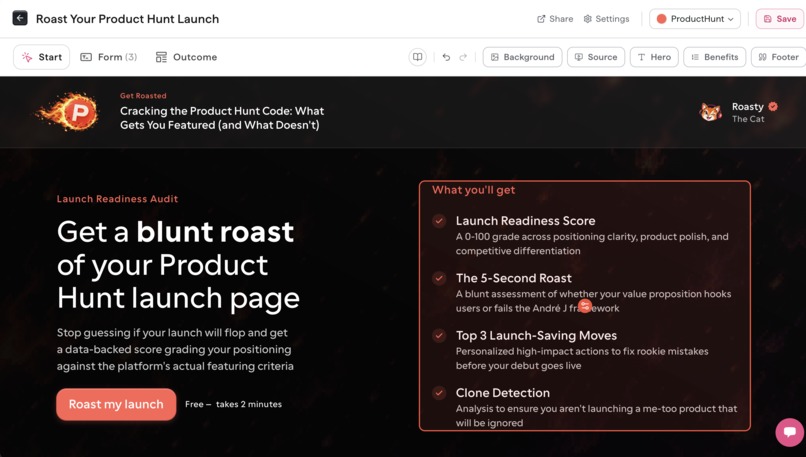
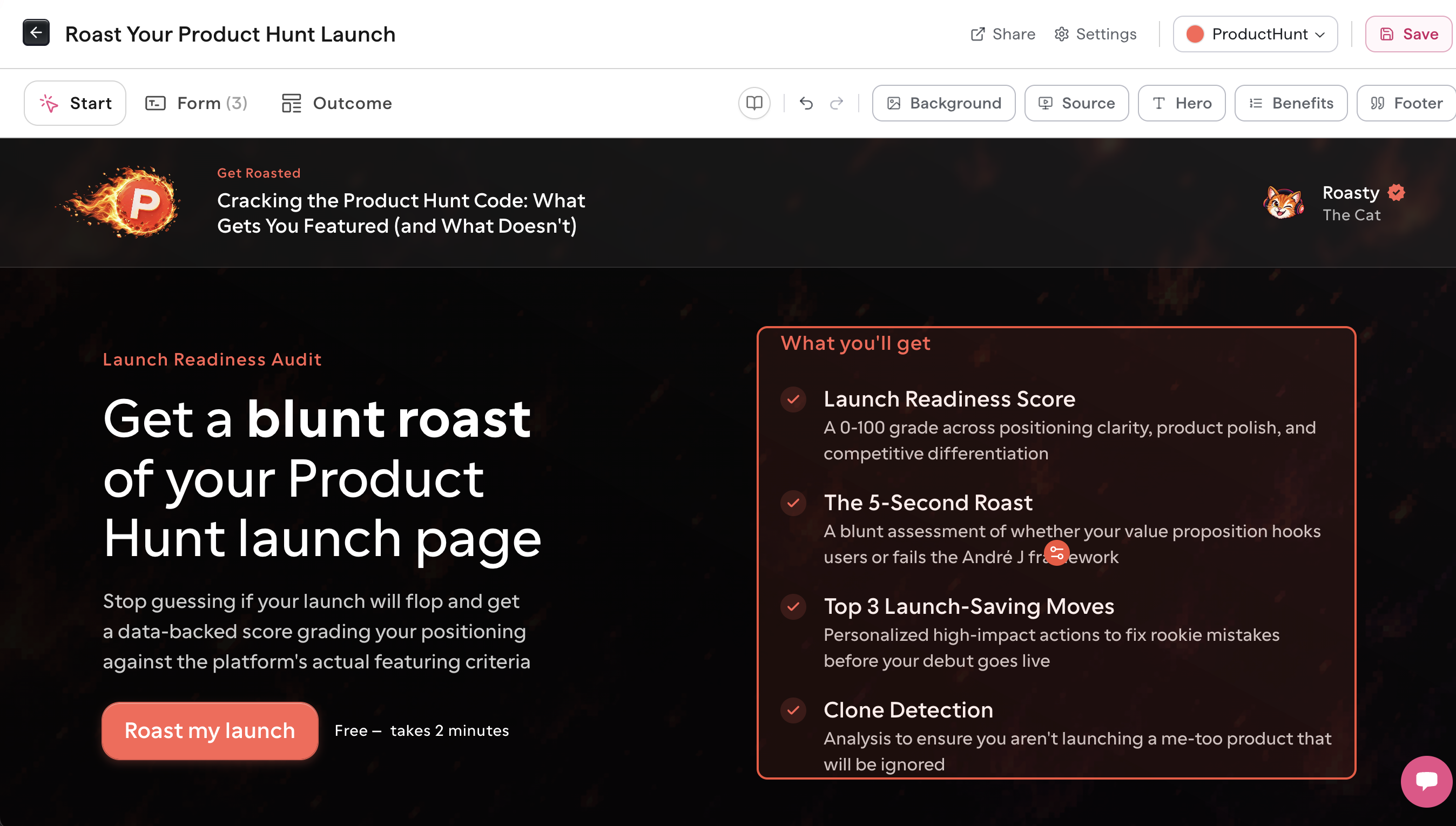
Hook with a clear promise & outcome
-
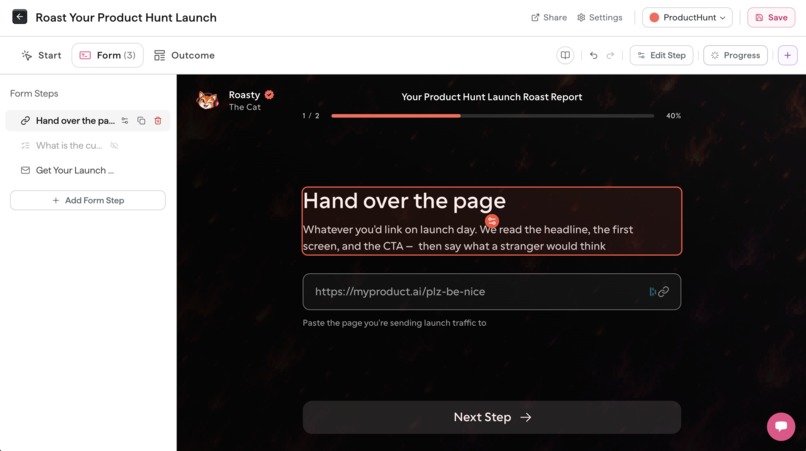
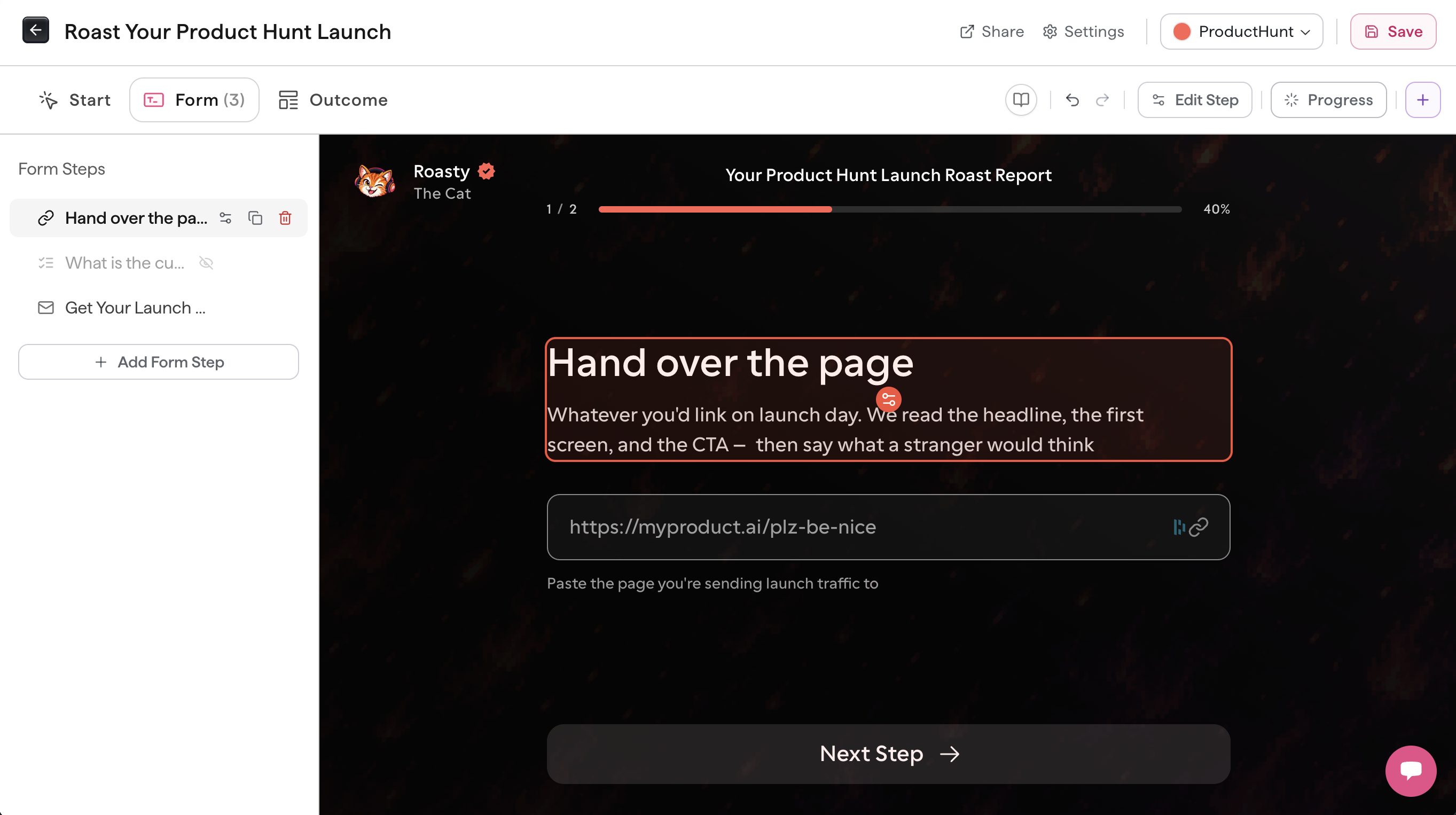
Build Context - Form that asks questions & learns
-
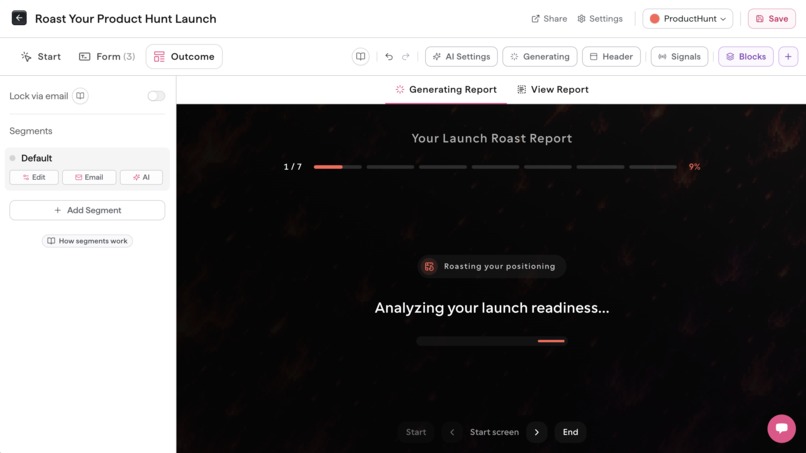
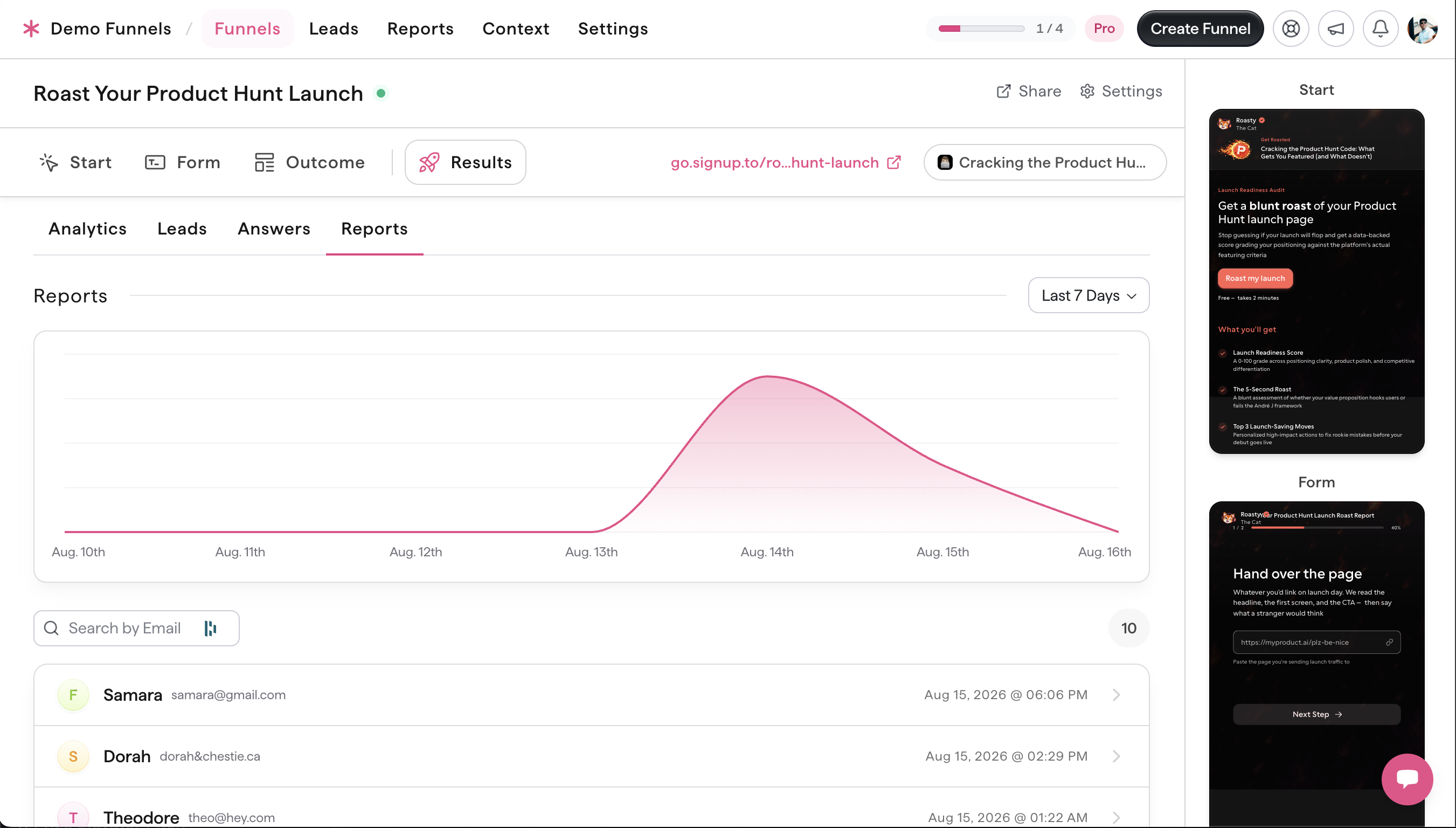
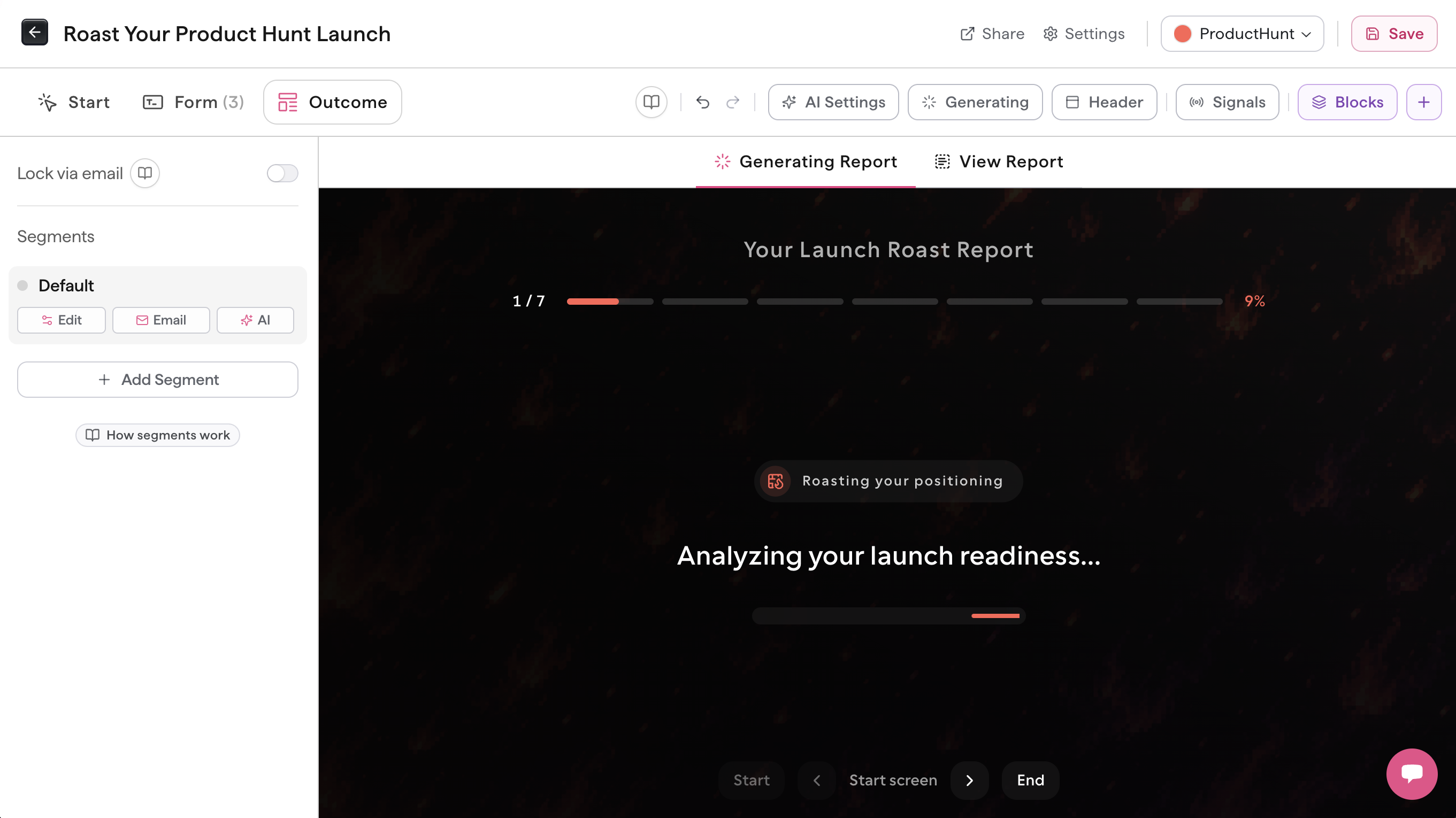
Outcome - AI Workflow run for every lead
About Outcome
I am obsessed with frameworks, mental models, and tools that help creators teach what they know and grow their businesses.
I saw the Gemini X Prize as a chance to explore one question:
How can creators use AI to help their audience actually apply what they teach?
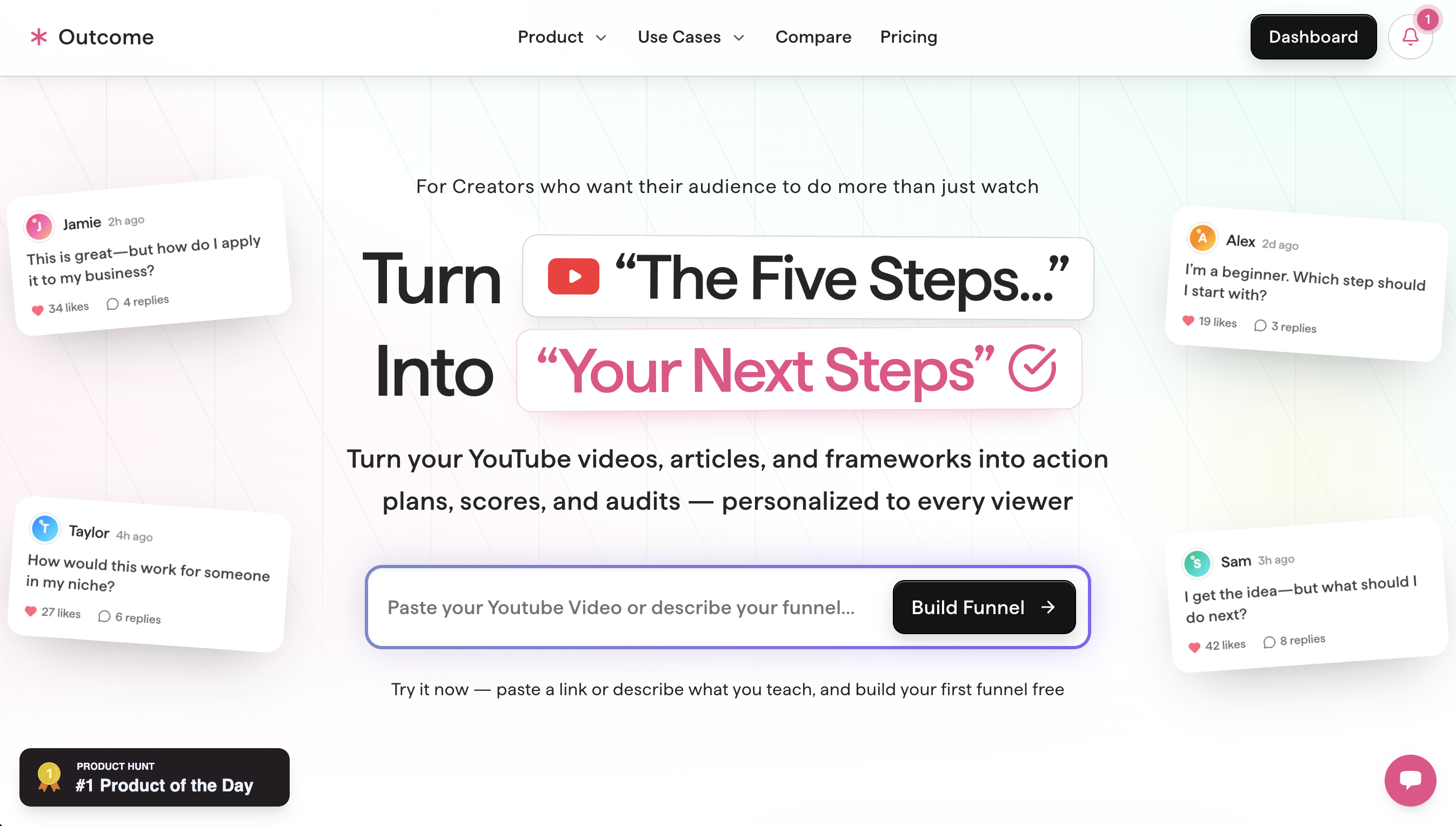
A creator might publish “The Five Steps to...” but every reader is still left asking: How does this apply to me?
That is the idea behind Outcome.
It asks questions, learns about the person, then uses Gemini to combine:
- Expert Context: the creator’s content, frameworks, and expertise.
- Personal Context: the lead’s goals, situation, and answers.
The result can be a personal action plan, audit, score, recommendation, or report.
It turns “The five steps” into “Your next steps.”
The goal is to let creators provide the kind of useful, contextual guidance they would normally give one-to-one, but at scale.
What I learned
The biggest challenge was, and still is scope creep.
AI gives you so many new superpowers that it becomes very easy to build every idea you have... and I have a lot of ideas!
I fully embraced agentic coding while building Outcome.
I am a self-taught designer and programmer, and I originally learned to code because I wanted my ideas to become real.
With Gemini, Antigravity, and coding agents, I can spend more time creating useful ideas and testing them with real people, and less time fighting with React.
That comes with a challenge: making sure I still understand how things work, not just that they work.
This changes the speed of impact. Ideas that once took days or weeks to create and test can now be tried in hours.
That gives me room to experiment more, follow my gut, and throw away what does not work without being tied to the time already spent building it. The result is more freedom to focus on what is actually useful and meaningful.
Accomplishments
I started the contest late and only got Outcome live about a week before the deadline.
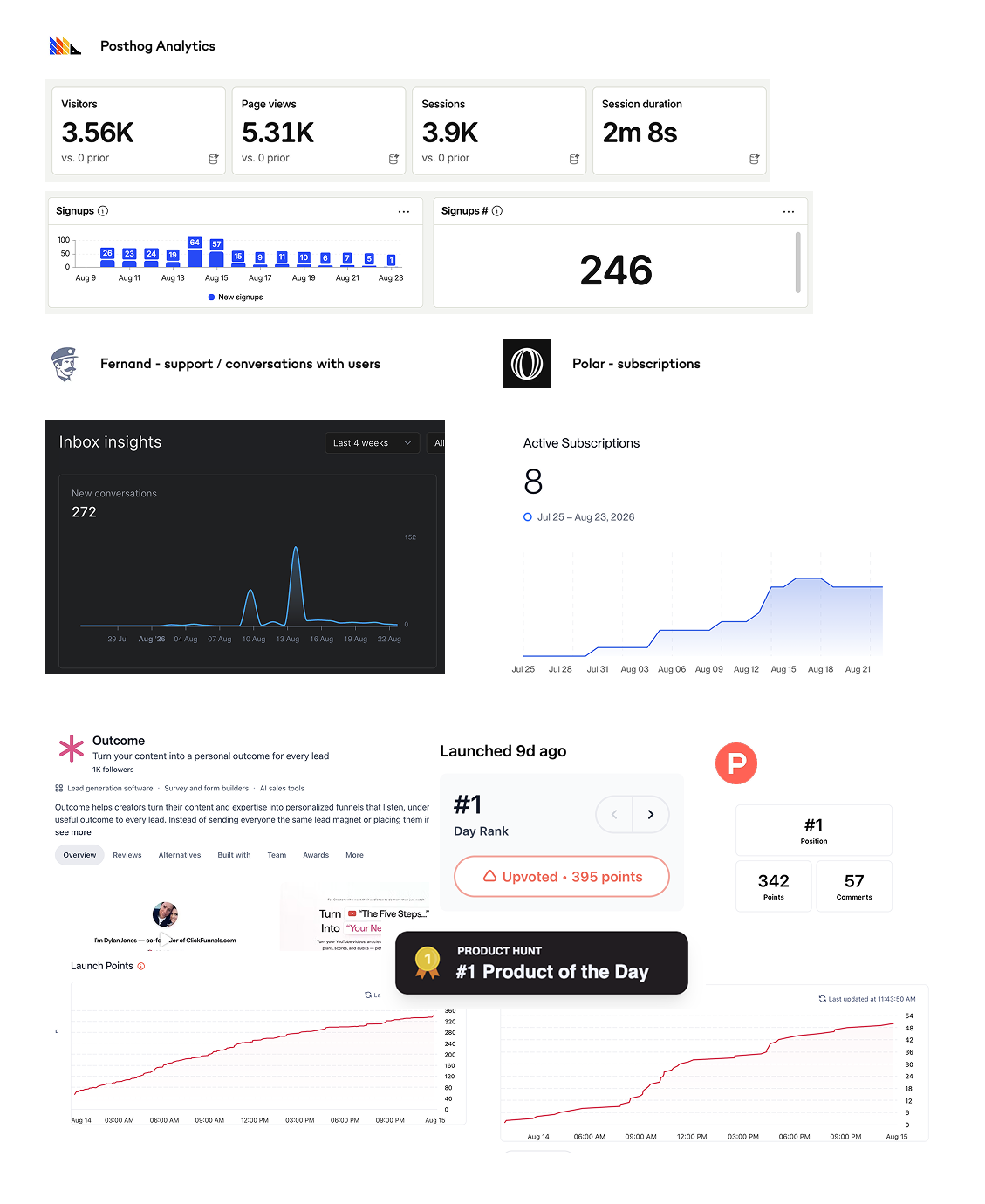
In that short time, a few hundred people signed up, Outcome was named Product of the Day on Product Hunt, and I had dozens of useful conversations with creators about how they could use it.
That feedback is already shaping the product, and early users are beginning to convert into paying customers.
What’s next
I am going to continue to work closely with users. I am creating more examples, templates, and AI tools that can do more of the work for the creator.
The larger goal is to keep expanding what creator content can do: not just inform an audience, but help each person take action and leave with a real outcome.
Built With
- gemini
- nextjs
- turso
- vercel


Log in or sign up for Devpost to join the conversation.