-
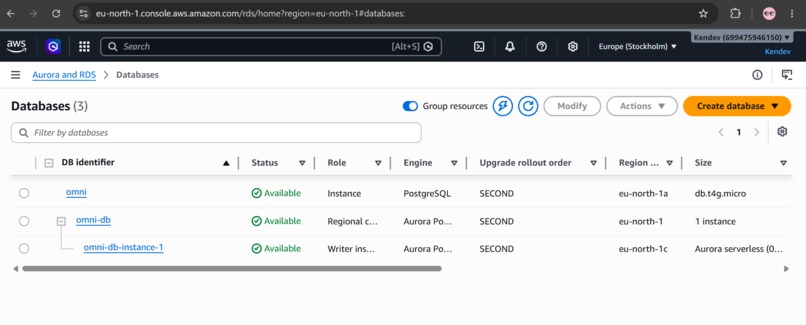
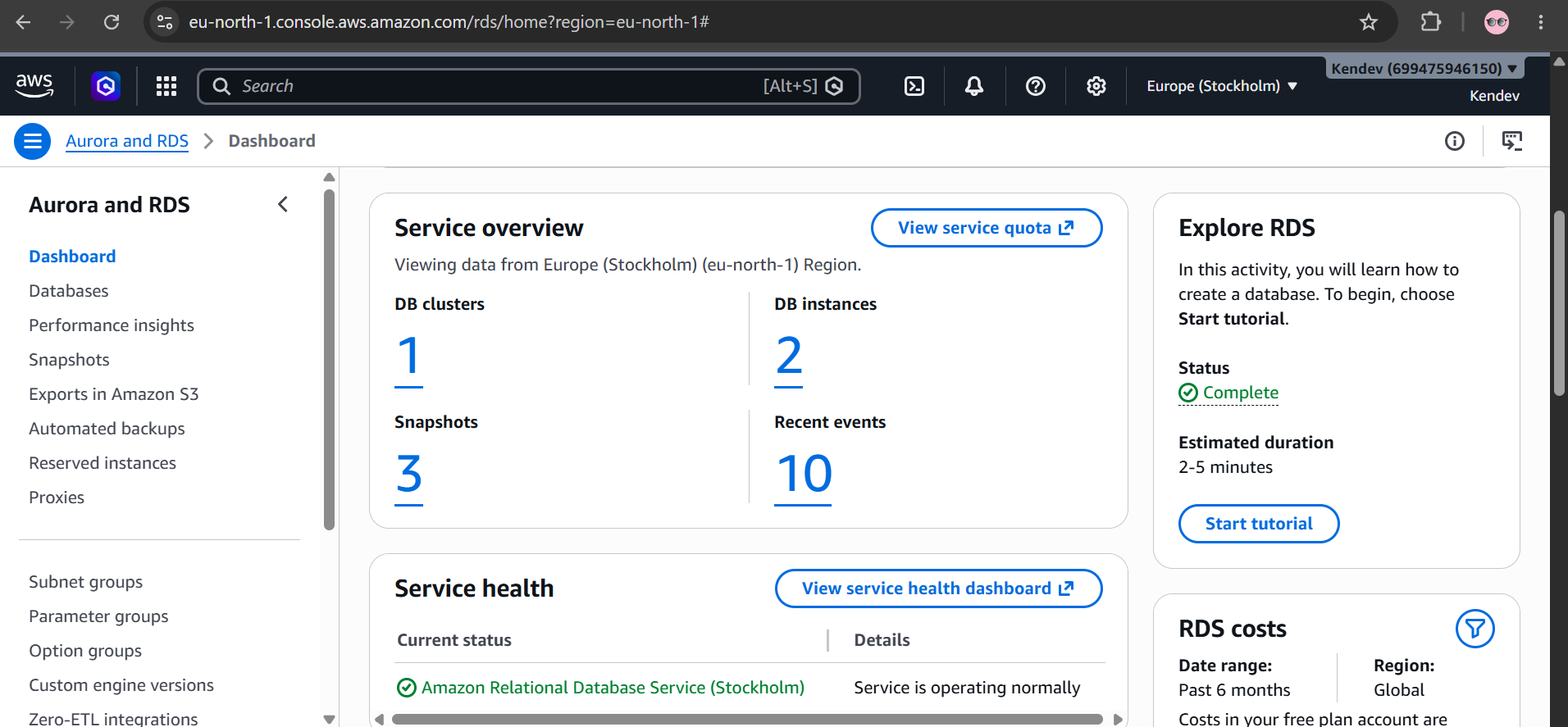
aws aurora db
-
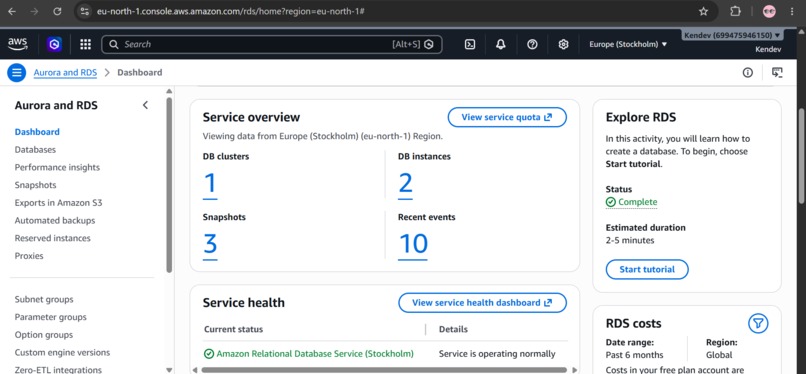
aws aurora db
-
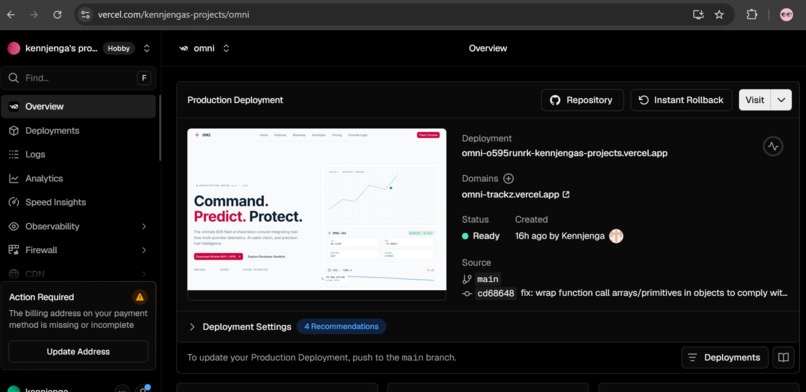
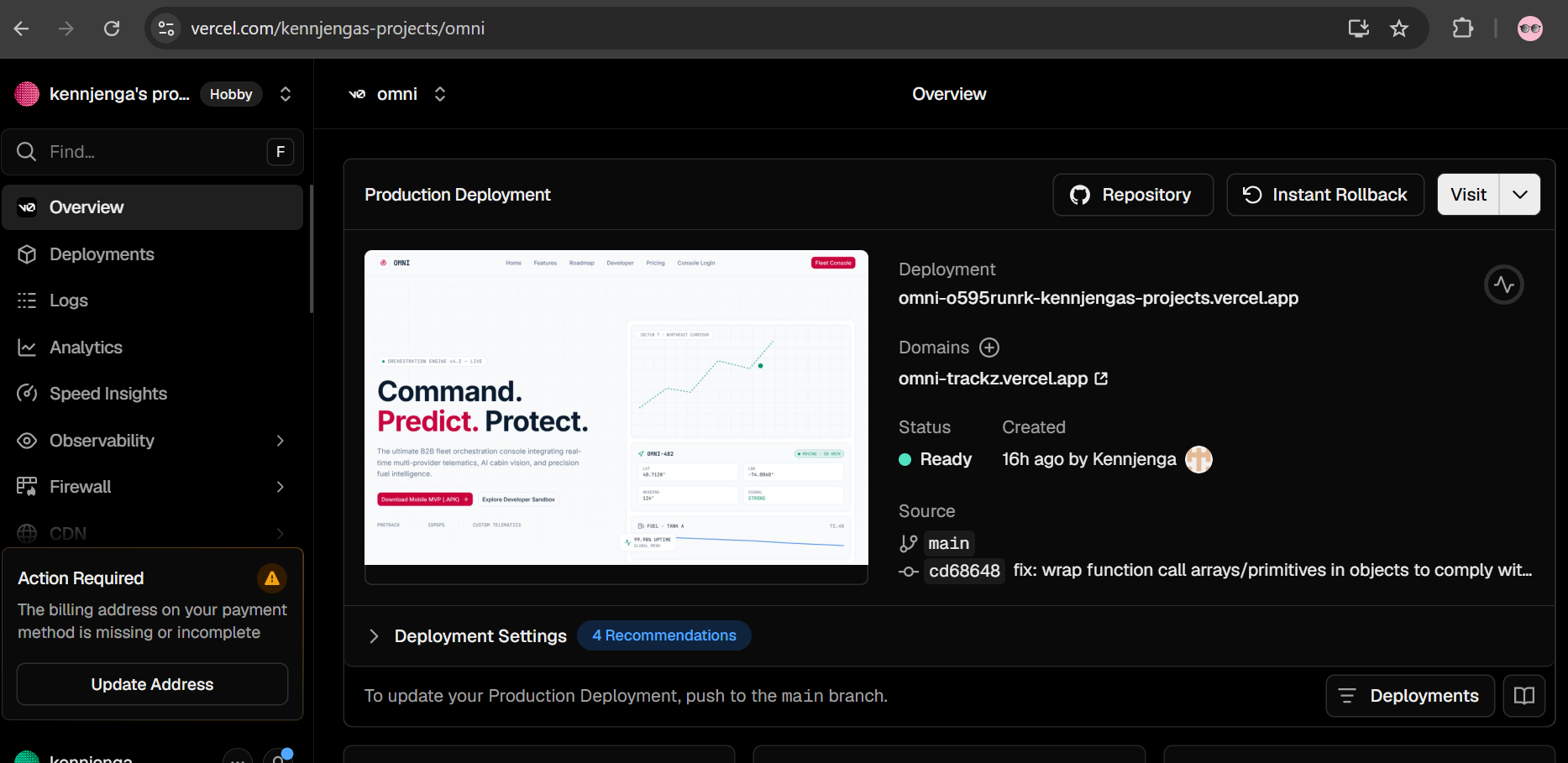
vercel project
Inspiration
In the modern logistics and transportation sectors, fleet visibility is paramount. However, fleet operators face three massive, disconnected challenges:
- Fragmented Telematics: Mixed fleets run on heterogeneous tracking hardware (e.g., Protrack, IOPGPS), forcing operators to manage multiple tracking portals, distinct credentials, and inconsistent API schemas.
- Disconnected Cabin Video Monitoring: Cabin dashcams and driver-safety monitoring cameras exist in isolated silos, preventing dispatchers from correlating critical driving telemetry (like geofence breaches or harsh braking) with visual evidence in real time.
- Lack of Fuel Visibility: Fuel represents the largest operational expense. Without real-time fuel telemetry, detecting fuel siphoning (theft) or optimizing refueling cycles is impossible.
Inspired by the H0: Hack the Zero Stack challenge, we realized we no longer had to choose between shipping a beautiful, interactive product quickly and utilizing data infrastructure designed for real-world production scale. By leveraging Vercel v0 to scaffold a premium Next.js dashboard and connecting it to Amazon Aurora PostgreSQL, we unified telematics normalization, live AI cabin video streaming, and precision fuel intelligence into one cohesive, production-ready B2B platform.
What it does
OMNI is a unified, real-time B2B fleet orchestration console that abstracts away hardware-specific constraints and consolidates operations into a single pane of glass:
- Unified Telematics Sync: Automatically polls and aggregates vehicle positions and device status from multiple telematics providers (Protrack and IOPGPS) every 5 seconds.
- Tactical Live Tracking Map: An interactive map showing vehicle paths, current speed, ignition states, and active provider filters.
- AI Cabin Vision: Routes live video feeds from driver-monitoring cameras, showing cabin status and generating event-based distraction alerts.
- Precision Fuel Visibility: Real-time fuel gauge tracking with integrated consumption calculations and automated fuel siphoning (theft) warnings.
- Safety-Locked Engine Cutoff: Allows dispatchers to remotely arm or disarm engine immobilizer relays, protected by a safety gateway that locks the cutoff command if the vehicle is in motion.
How I built it
The project leverages a modern, highly decoupled architecture built for rapid deployment and massive scale:
- Frontend Scaffolding with Vercel v0: We used Vercel's v0 to rapidly scaffold and design the Next.js (React 19) B2B console. This allowed us to build an aesthetic, premium dark/light mode tactical map interface, live camera players, and interactive fuel telemetry dashboards in record time.
- Django Ninja Backend API: The backend service runs on Python 3.11 with Django Ninja, providing type-safe schemas and high-speed JSON serialization.
- Flutter Mobile Client: A high-fidelity mobile app built for ground operators with real-time mapping, circular geofence configurations, and safety engine controls.
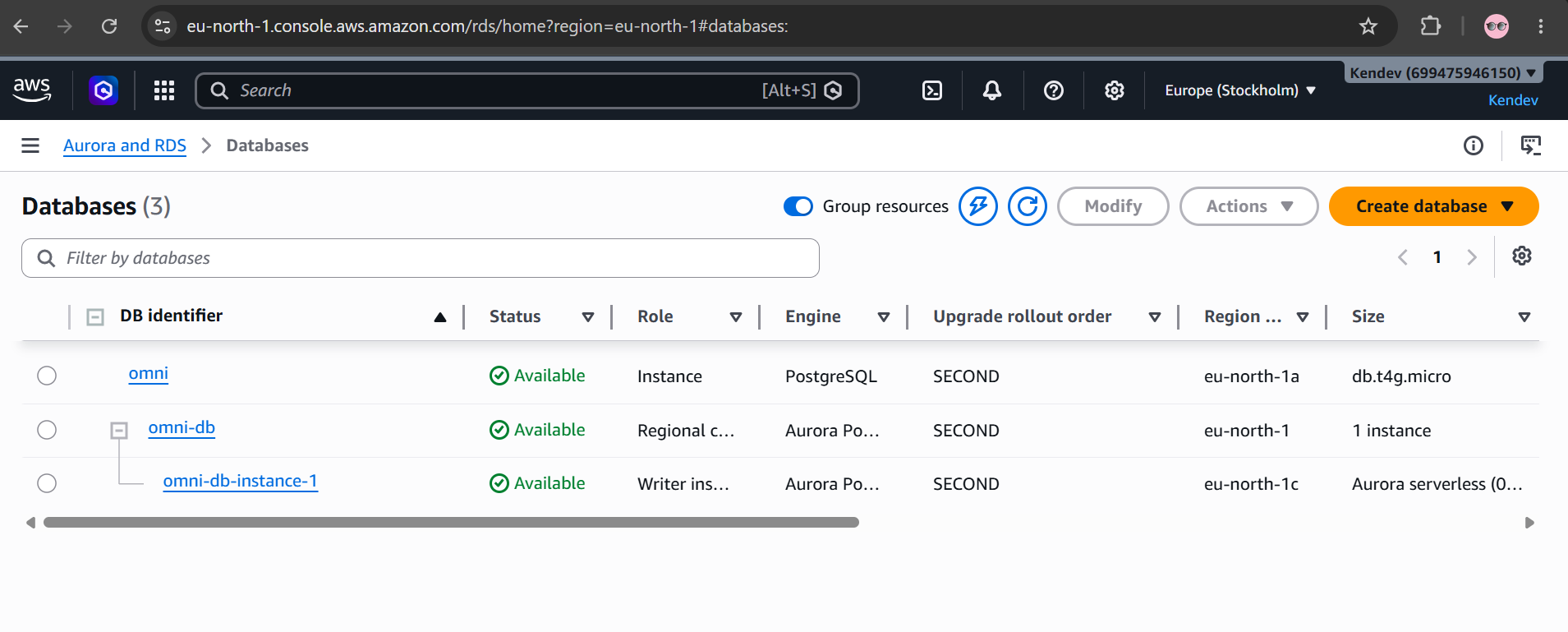
- Data Foundation - Amazon Aurora DB: For database scaling, we provisioned an Amazon Aurora PostgreSQL cluster (deployed in the
eu-north-1Stockholm region, configured with a primary writer and a reader instance for high availability). Aurora easily handles high-throughput writes from real-time GPS polling and continuous fuel sensor updates. - Real-time Video & Sensor Ingestion: Integrated WebRTC and HLS streaming protocols for low-latency cabin camera feeds, alongside normalized CAN-bus / capacitive sensor inputs for fuel reporting.
Challenges I ran into
- Normalizing Inconsistent API Handshakes: Telematics providers implement unique authentication and timestamping mechanisms. We had to build a custom
TelematicsProviderClientinterface to handle different signature hashes, such as: $$\text{Signature}_{\text{Protrack}} = \text{MD5}(\text{MD5}(\text{password}) + \text{timestamp})$$ - Live Video Bandwidth Constraints: Streaming live video from cabin monitoring cameras over cellular networks in remote areas is highly bandwidth-constrained. We implemented dynamic resolution scaling and event-based recording thresholds, triggering HD uploads only when the AI camera's local distraction detection confidence exceeds the safety threshold: $$\text{Confidence}{\text{event}} \ge \theta{\text{threshold}}$$
- Safety Lock Engineering: Allowing remote engine immobilization is critical, but executing it on a moving vehicle could cause accidents. We built a speed-locked Safety Gateway to evaluate the velocity constraint before dispatching a cutoff instruction: $$v_{\text{current}} < v_{\text{threshold}} \quad (v_{\text{threshold}} = 5\text{ km/h})$$
Accomplishments that I'm proud of
- The Safety Gateway Speed Lock: Creating a reliable, hardware-integrated safety override that prevents dangerous engine shutoffs when a vehicle is moving $\ge 5\text{ km/h}$.
- Zero-Lag Telemetry Normalization: Normalizing heterogeneous streams from multiple third-party systems and storing them instantly without database write lock bottlenecks.
- Premium UX/UI Integration: Designing a gorgeous, responsive dark/light mode interface using Vercel v0 that looks and feels like a modern military tactical terminal.
- Resilient Offline Failover: Building a high-fidelity offline simulation system into both the mobile app and backend mock telemetry generators to ensure absolute testability even when external provider APIs are down.
What I learned
- The Zero Stack Velocity: Vercel v0 proved that beautiful, highly functional frontends can be scaffolded in minutes, allowing developers to focus their efforts on data design and backend integration.
- Serverless Database Power: Deploying Amazon Aurora in a multi-AZ cluster configuration showed us how easily Postgres handles high-throughput write streams from heterogeneous tracking hardware.
- Decoupling Data Layer: Decoupling the telematics APIs from our core application logic via a normalized abstraction layer is key to managing highly fragmented IoT environments.
What's next for omni
- Universal Telematics Adapter: Adding native integration for other major telematics hardware protocols (Concox, Coban, Teltonika) to make OMNI the ultimate universal fleet gateway.
- Predictive Fuel Analytics: Integrating machine learning algorithms (via Amazon SageMaker) to predict fuel theft patterns and optimize refueling stops based on historical route telemetry.
- Automated Emergency Dispatch: Configuring automated dispatcher alerts and incident logging triggered directly by AI camera safety events (e.g. driver drowsiness detection or severe collision events).
Built With
- amazon-web-services
- dart
- django
- django-ninja
- docker
- firebase-app-distribution
- flutter
- github-actions
- leaflet.js
- next.js
- openstreetmap
- postgresql
- python
- react
- redis
- render
- tailwind-css
- typescript
- upstash
- vercel
