-

-
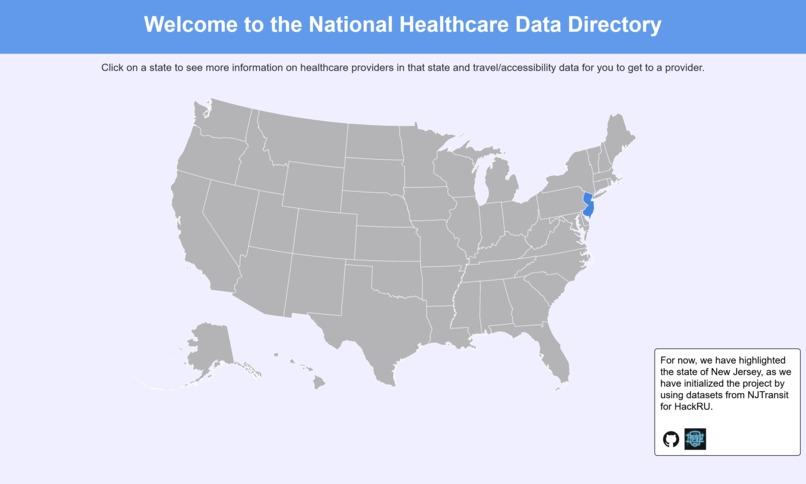
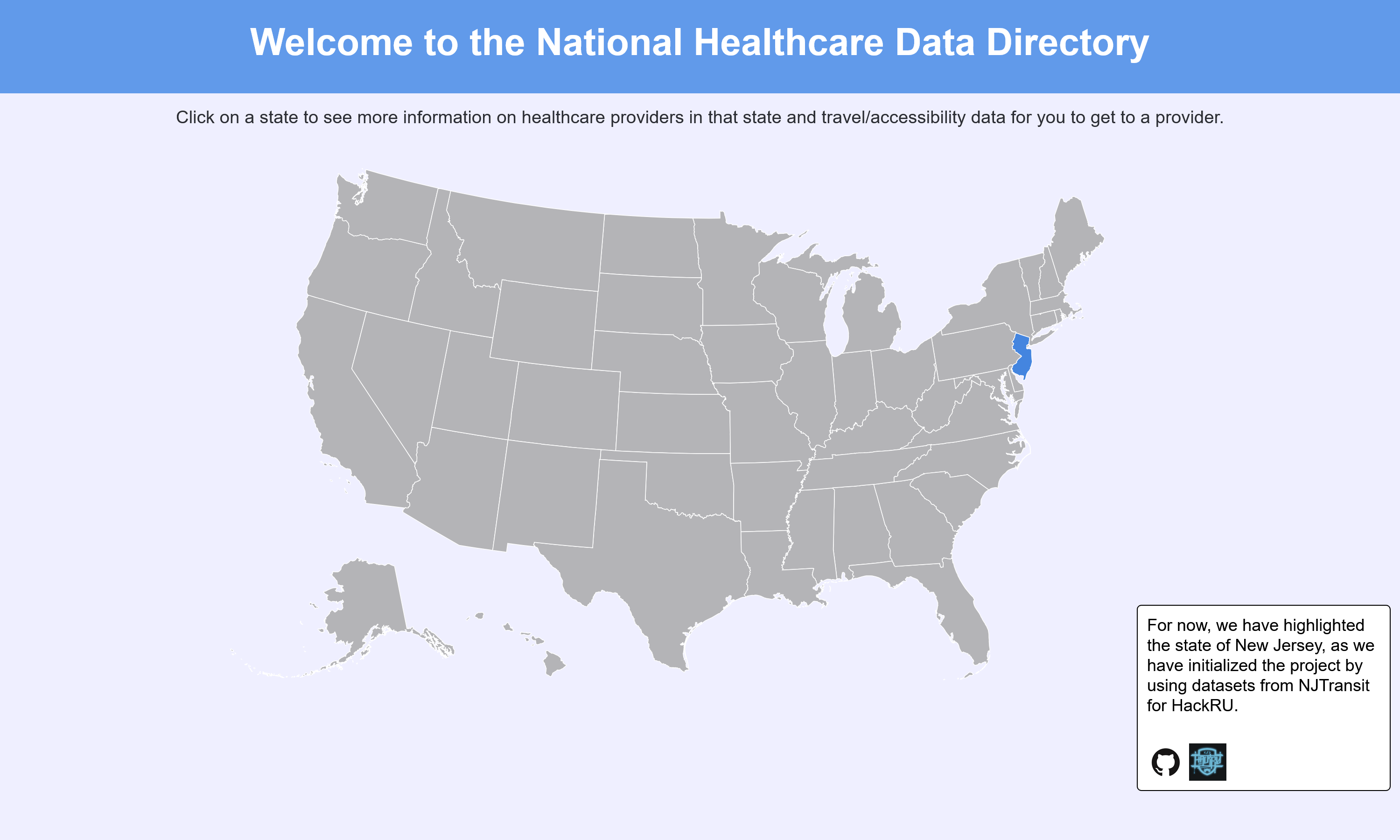
This is the home page, where you can select a state.
-
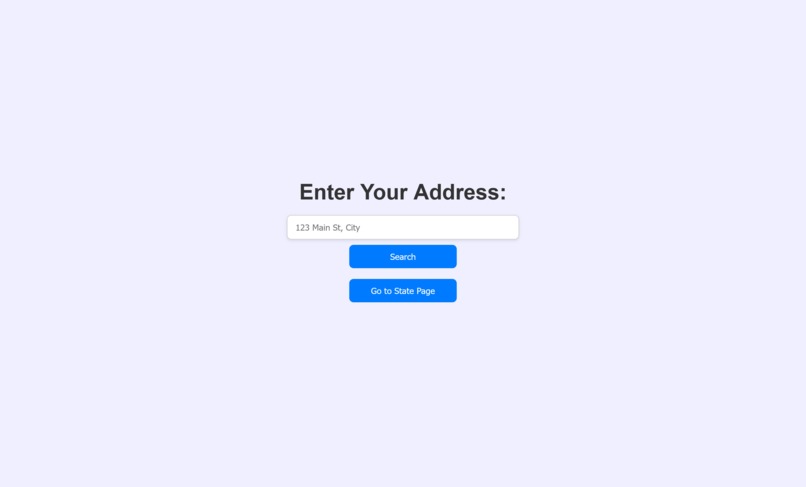
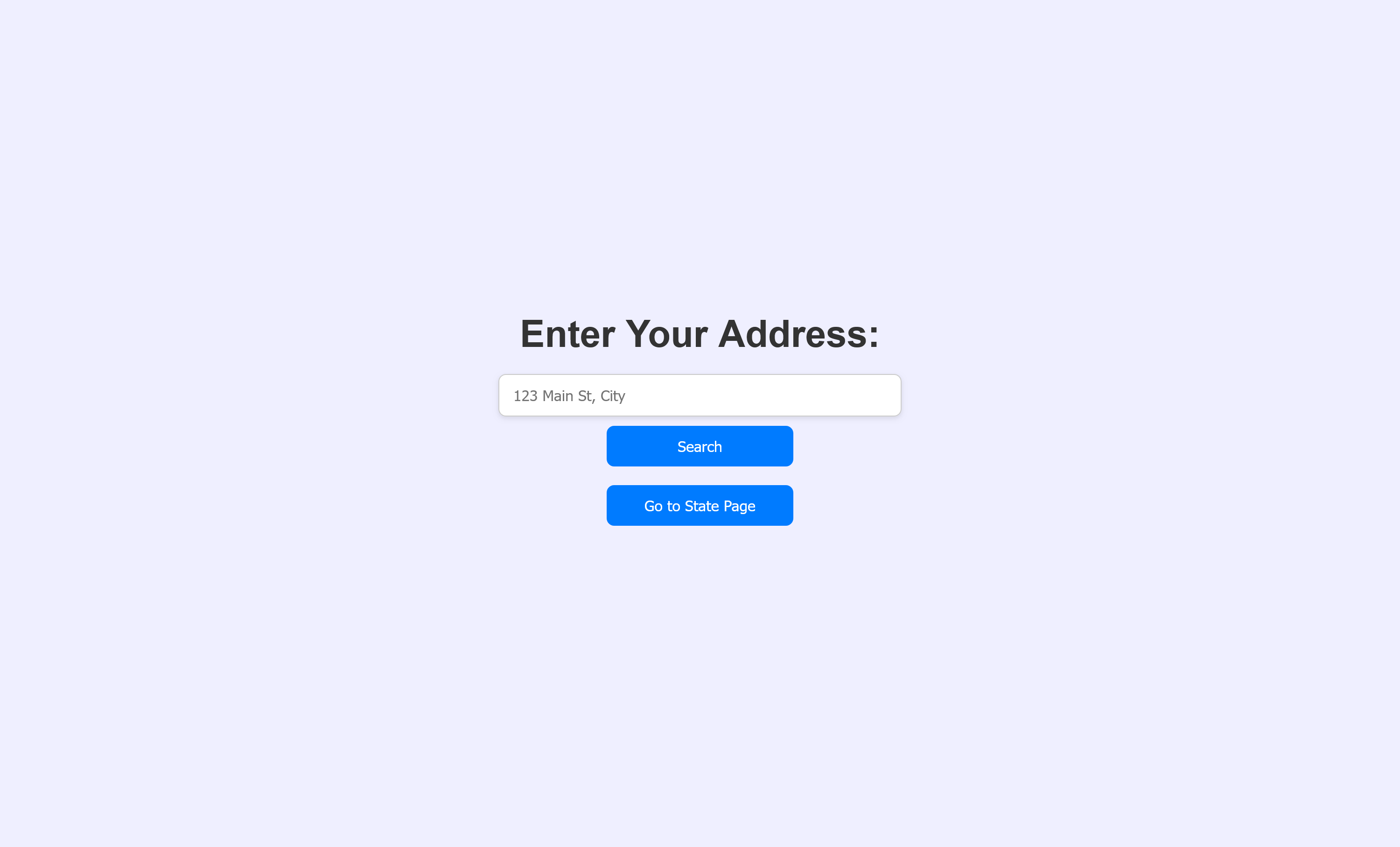
After selecting a state, you are directed to this address page where you can enter your current location and find providers near by.
-
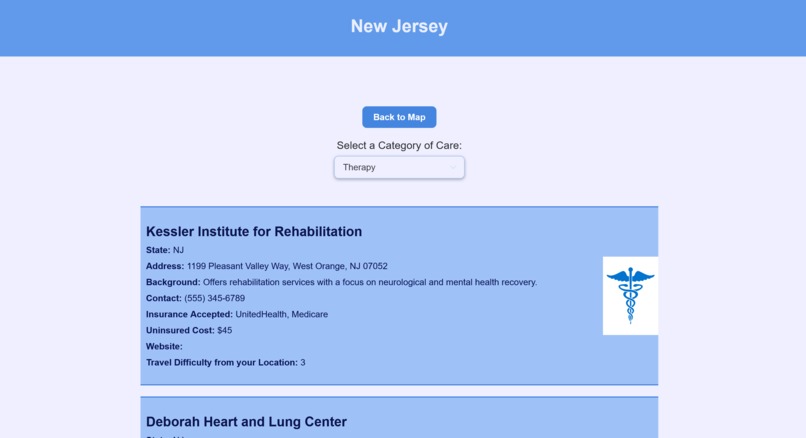
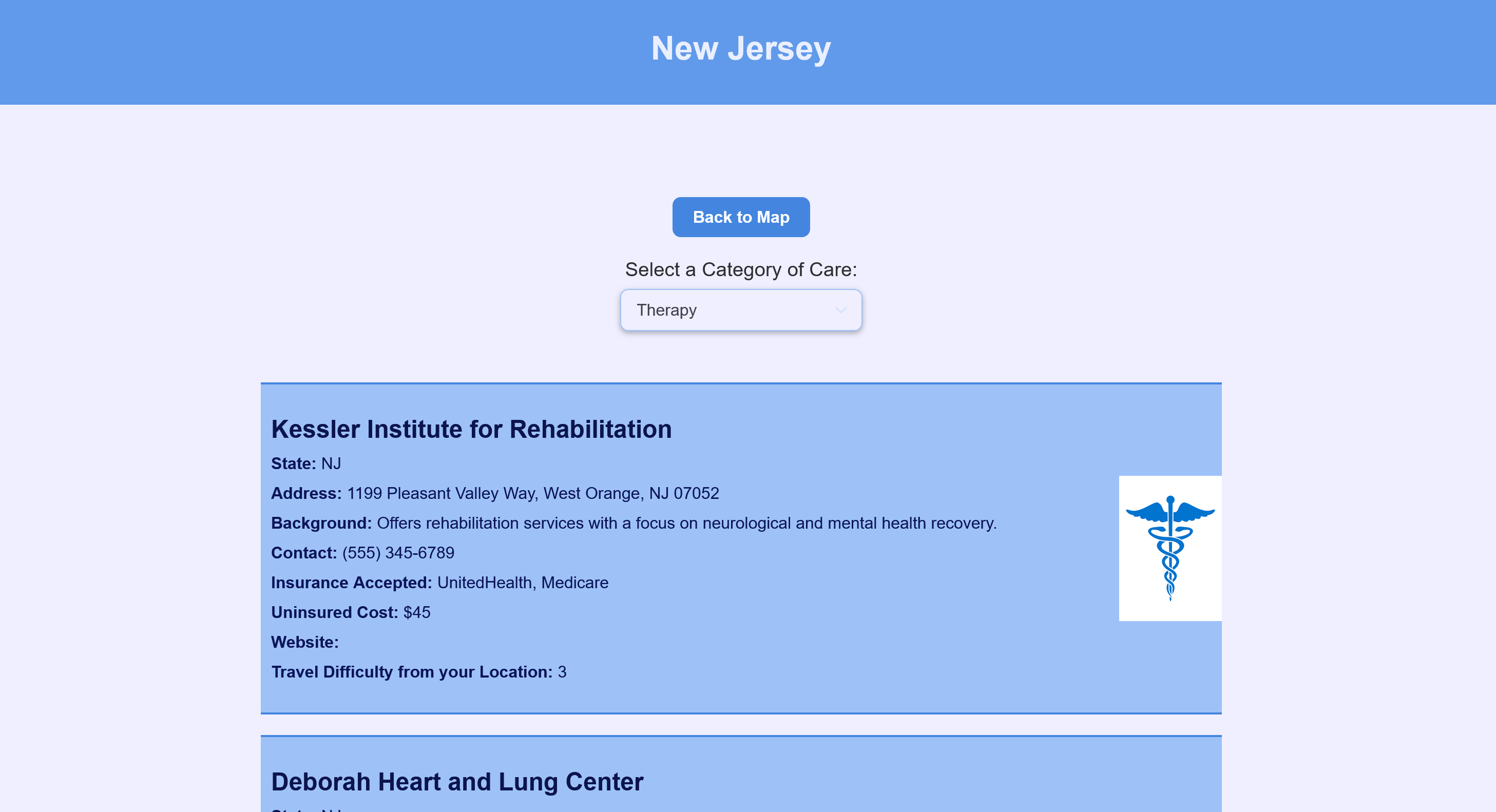
This page will show the providers from one of the categories in the dropdown and ranks how difficult the travel to that location will be.

Inspiration
Our team was inspired to find an intersection between NJ transit data and NJ provider healthcare data so patients can get into contact and visit providers in an easier way.
What it does
Our application takes a user address as a query, and returns JSON data with relevant provider information and transit stops nearby, and distance to both, along with a difficulty index on how difficult it is for the patient to get to the closest provider from their location.
How we built it
We built this application using AWS lambda as a live event handler, React-Native locally hosted as the front-end UI, MongoDB for provider and transit data storage and reading, and OpenStreetMap API for dynamic user address coordinate selection and for hard coding provider and transit stops as coordinates for comparison.
Challenges we ran into
Some challenges we ran into included not being able to fix some calculations in time due time constraints and developing a relevant difficulty formula for the user that accurately portrays how difficult it is to get to said provider.
Accomplishments that we're proud of
We were able to create a Minimum Viable Product of an application that can pass information to the user related what they queried. They receive back information related to their address, and there is dummy data that displays this accurately in React.
What we learned
We learned transit data is quite large, and better data handling libraries and methods could be used for larger data sets of providers and transit.
What's next for NJ Healthcare Transit Directory
Our next step is to clean up these calculations so the user gets the body of relevant information and not a "no providers nearby" message, and connect our react front-end to back-end Lambda using amplify is to hopefully garner support for this idea and expand it to the rest of New Jersey with more relevant information, and even nationally. Introducing scalability by coverage of the U.S is a lofty, yet important goal to set.

Log in or sign up for Devpost to join the conversation.