-
-
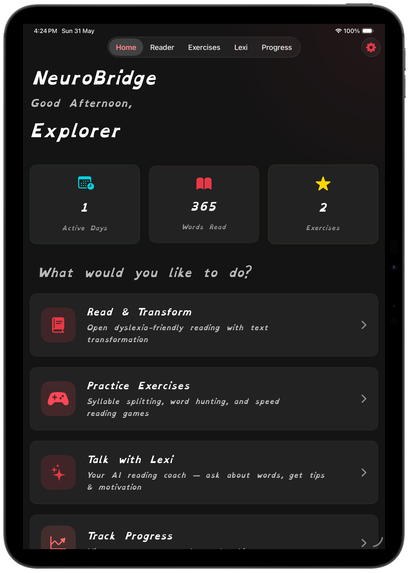
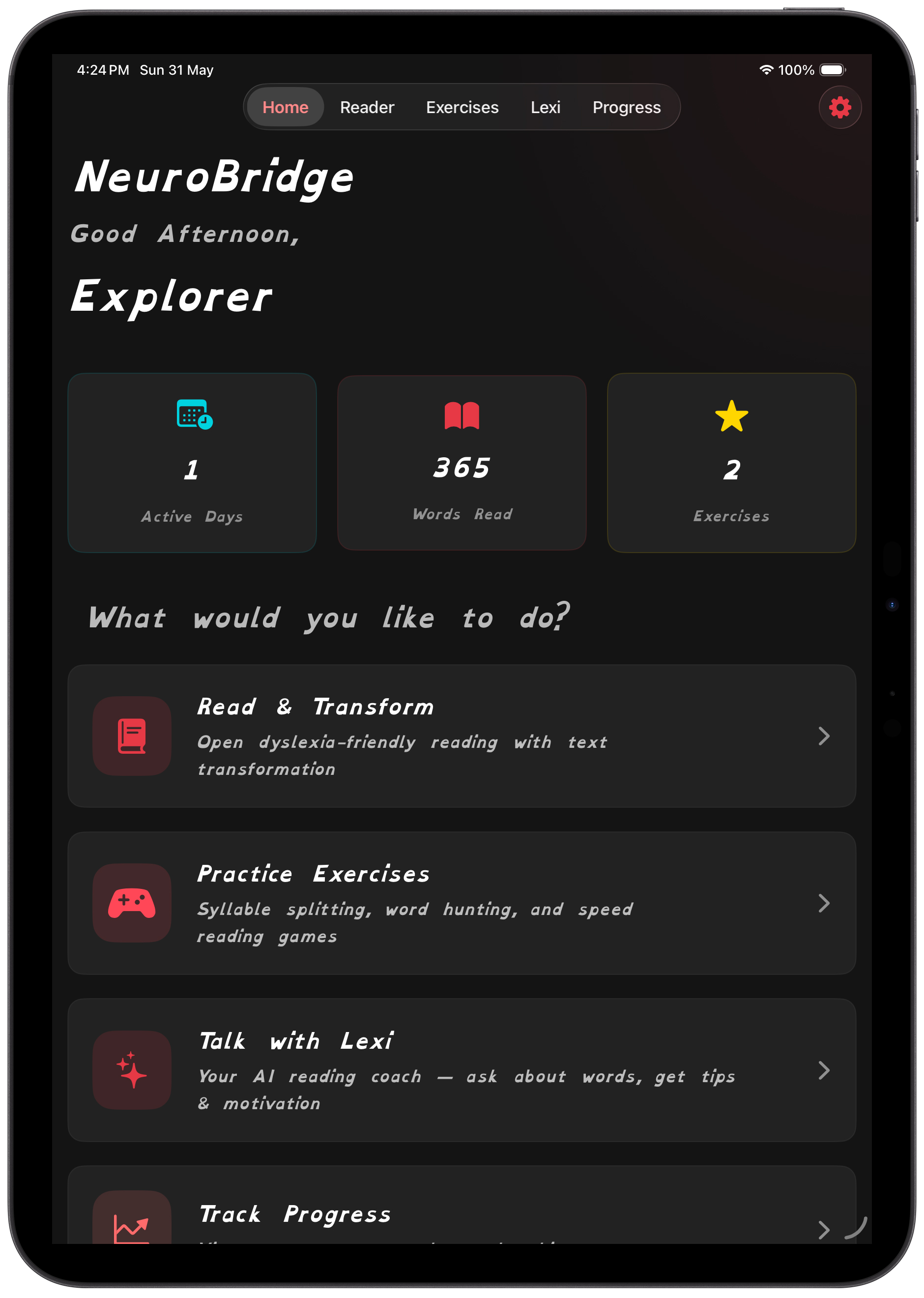
home tab view of app. navigate to different sections sections of app.
-
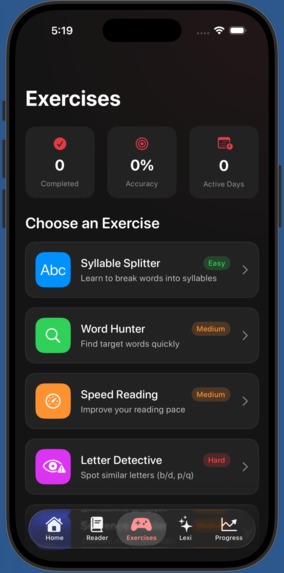
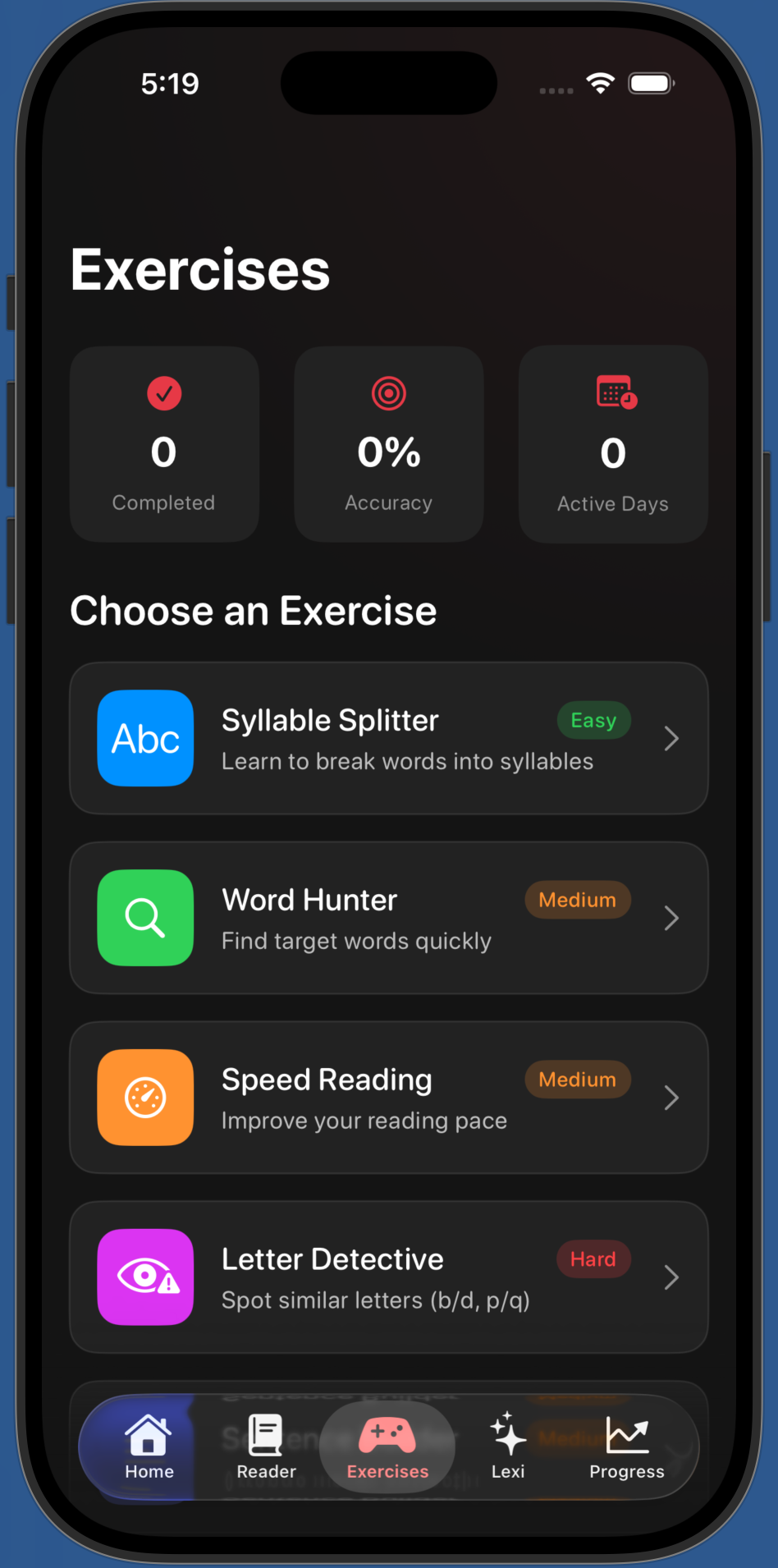
exercise tab view to play different exercises to improve reading & vision related problem
-
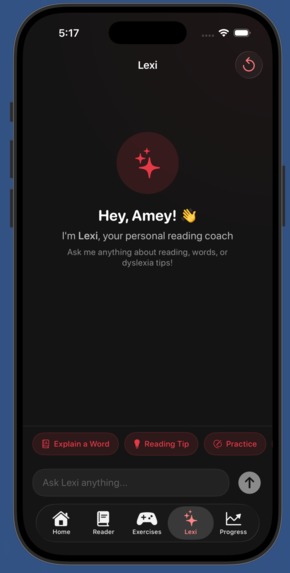
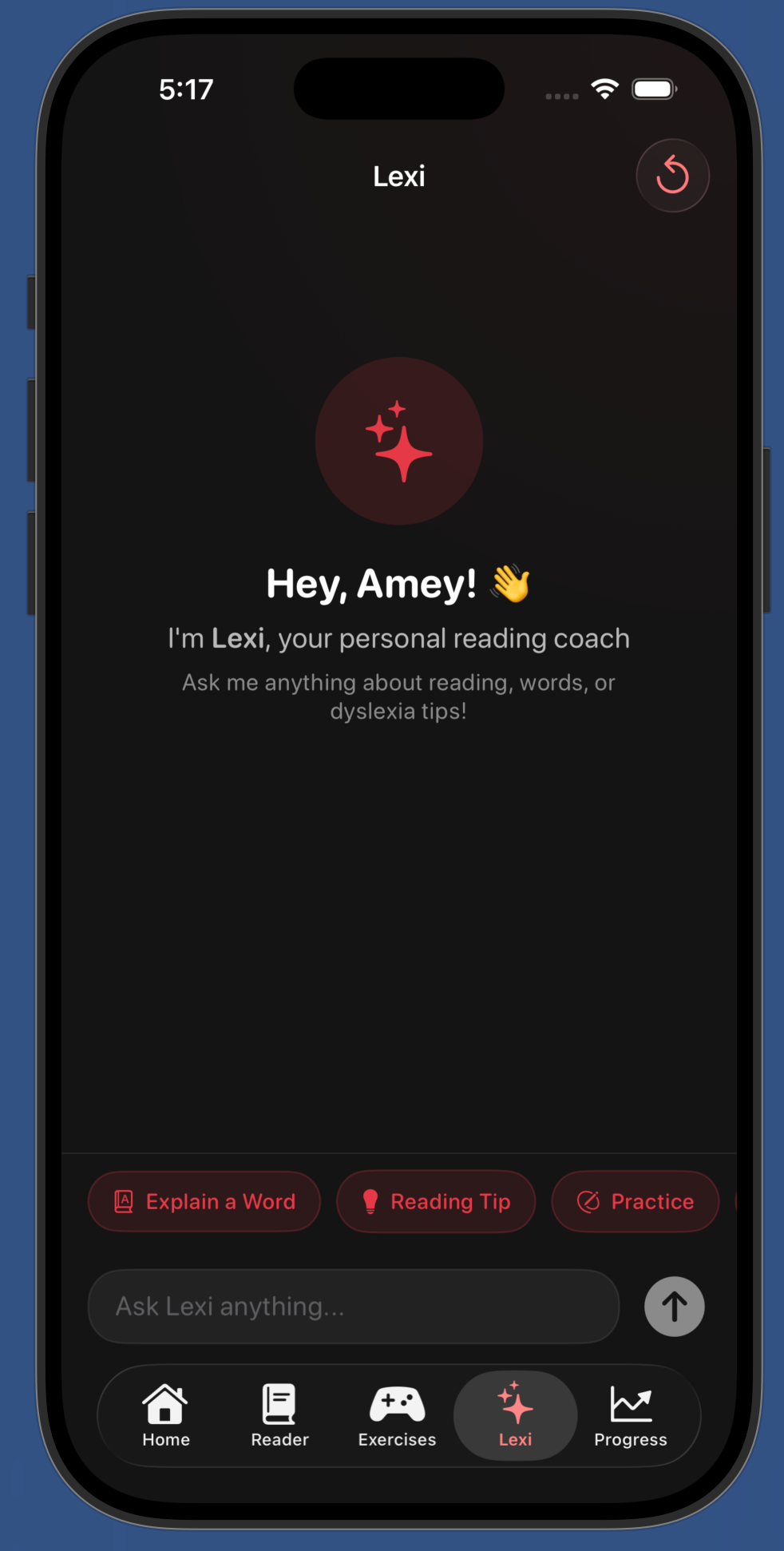
Lexi AI assistant. completely on device AI to answer all sorts of questions completely offline, no network dependencies, private on device
-
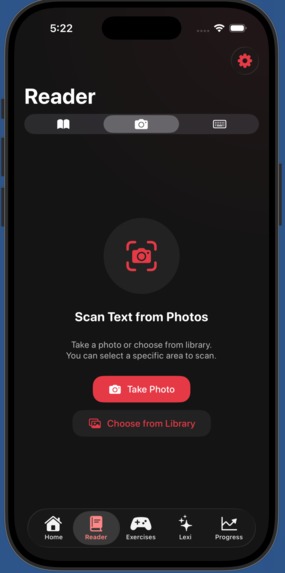
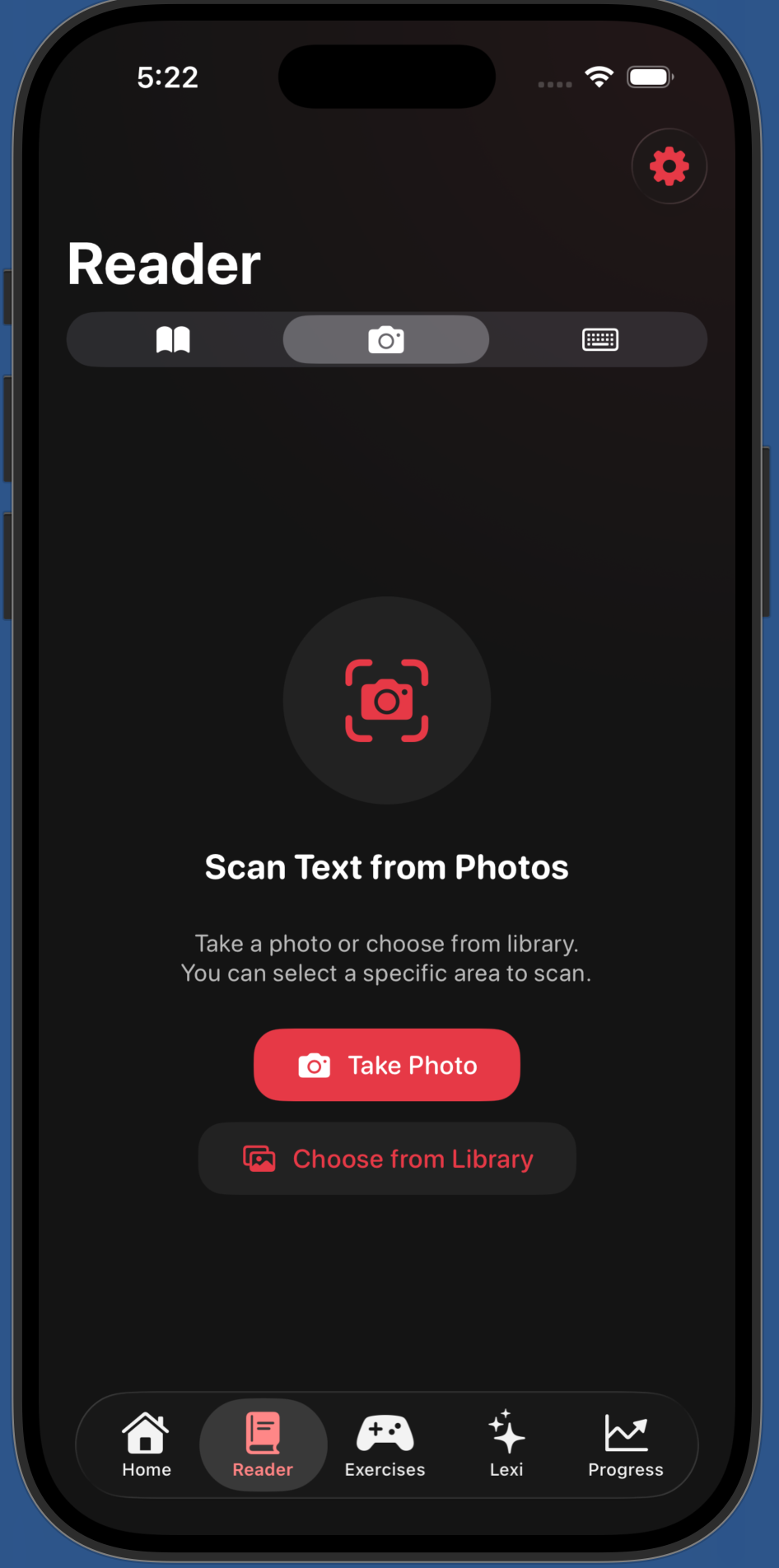
camera view to capture or upload photos & do real time text transformation to dyslexia friendly fonts
-
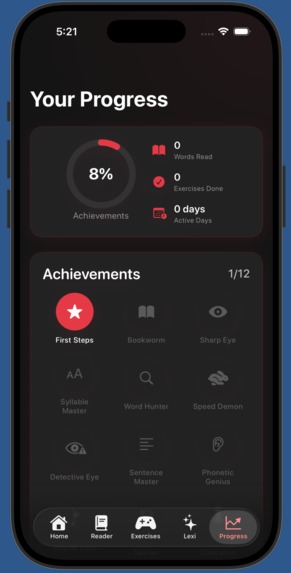
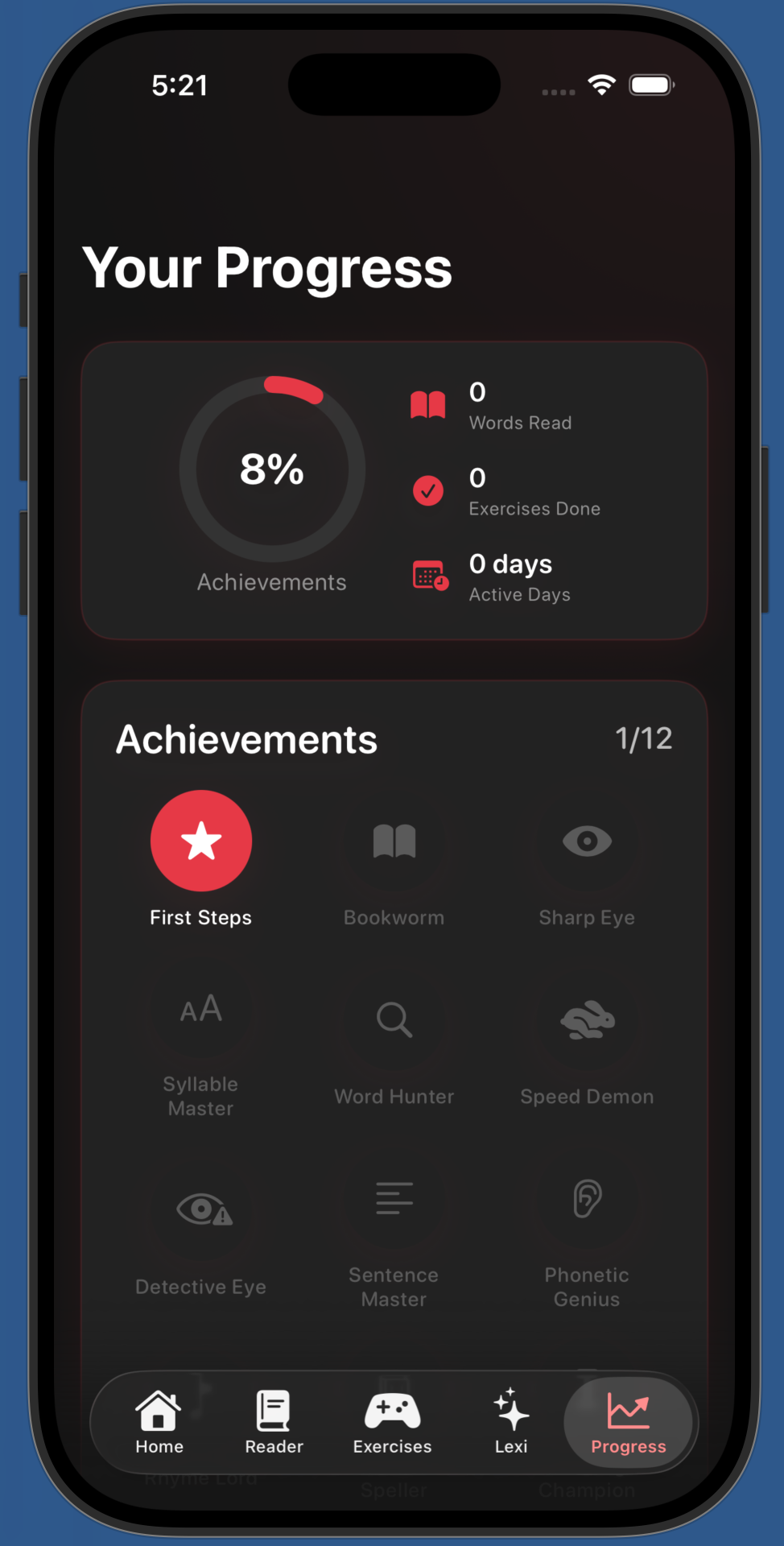
progress tab view to see total words read, active days, achievements unlocked & recently completed exercises with scores
Inspiration
For millions of neurodivergent individuals—including those with dyslexia, ADHD, or visual processing challenges—navigating standard digital text is an exhausting, daily obstacle. Standard fonts, tight line-spacing, and long, uninterrupted blocks of text create a cognitive bottleneck, leading to rapid reading fatigue and low comprehension. I wanted to build a bridge—a tool that transforms reading from a source of stress into a comfortable, confident, and empowering daily habit. That spark of empathy is how NeuroBridge was born.
What it does
NeuroBridge is an accessibility-first cognitive health companion that personalizes the reading experience to each user's unique neurotype. Key features include: *Transformed Text Engine: A powerful custom reader that instantly applies specialized typographic profiles (like OpenDyslexic), adjustable letter/line spacing, syllable-splitting indicators, and focused paragraph viewing. *Smart Camera Input: Digitizes physical books, handouts, or notes instantly and formats them into the user's custom reading layout. *On Device AI: using Apple's Foundation Models I have integrated personal AI reading coach(here Lexi) user can chat, ask questions, learn some words from it. completely on device, no network dependencies it works anytime anywhere. (it is apple's 3B parameter model which can be integrated in any iOS, iPadOS, MacOS application)
*Gamified Cognitive Exercises: *Syllable Splitter: Teaches natural word chunking to improve decoding speed. *Word Hunter: Sharpens visual focus and fast scanning. *Sentence Builder: Tactile drag-and-drop slots that center words for clear structural comprehension. *Letter Detective: A focused alphabet search game built with gentle acoustic and haptic feedback rather than punishing visual markers. *Daily Tracker & Reminders: Encourages cognitive fitness with habit tracking, streak milestones, and custom notifications.
How we built it
NeuroBridge is built natively with SwiftUI to ensure exceptional performance, fluid micro-animations, and full accessibility support: *Liquid Glass Design System: Uses responsive grids, harmonized dark-mode color palettes, glow accents, and custom tab navigation to feel premium and engaging. *Typography Engine: Integrates a modular custom font management system dynamically rendering specialized typefaces at modular scales. *Onboarding & Personalization: An intuitive wizard initializes customized layout profiles based on individual cognitive preferences.
Challenges we ran into
Aligning dynamic, accessibility-centric typography with premium UI aesthetics was the biggest hurdle. Wide-spaced fonts like OpenDyslexic easily break grids and cause text clipping. Solved this by developing custom responsive container constraints, utilizing unique two-pass horizontal alignment algorithms (such as row-grouping FlowLayouts for dragging word chips), and shifting text sizing formulas to allow fluid responsiveness across various device sizes.
Accomplishments that we're proud of
*Unified, Premium Aesthetics: We succeeded in creating a high-fidelity wellness interface that looks and feels beautiful, rather than feeling like a dry utility. *Empathetic Game Design: Redesigning classical games to be stress-free *Flawless Component Sizing: Polishing settings sheets, sliders, and color nodes so they sit comfortably inside the layout without overlapping or clipping.
What we learned
We learned that cognitive accessibility is not a one-size-fits-all solution. Designing for dyslexia requires careful balance; what helps one user (like color overlays) might differ for another. Giving the user absolute modular control over spacing, syllables, and fonts—without cluttering the interface—is the key to true accessibility.
What's next for NeurpBridge
Future scope for NeuroBridge includes adding exercises,tools, features to help people having Attention Deficit Disorder(ADD), Dysgraphia, Dyscalculia, Dyspraxia, Down Syndrome. Add multi-lingual translation support. Cross platform support windows, android, web app (right now it works on iOS & iPadOS , android app porting is in progress). For android on device AI assistance support i will integrate google gemma 4 model via google edge gallery using LiteRT-LM which is Google’s open-source, production-ready inference framework built to run Large Language Models (LLMs) and Generative AI locally on edge devices.
Built With
- avfoundation
- corehaptics
- foundationmodels
- ios
- ipados
- swift
- swiftui
- xcode

Log in or sign up for Devpost to join the conversation.