Inspiration
The inspiration for Nelter Lens came from something I kept seeing over and over, people don’t really read anymore, they just react. I watched as headlines replaced facts, as fake news spread faster than the truth, and as even smart people reposted misinformation without realizing it. When I heard students say they thought the New York Times was just a Wordle app, it hit me that something’s deeply broken. We filter what we eat, drink, and breathe, but we never filter what we read. I built Nelter Lens because I wanted to change that. I wanted to give people the power to slow down, question what they see, and think critically in a world that trains us not to.
What It Does
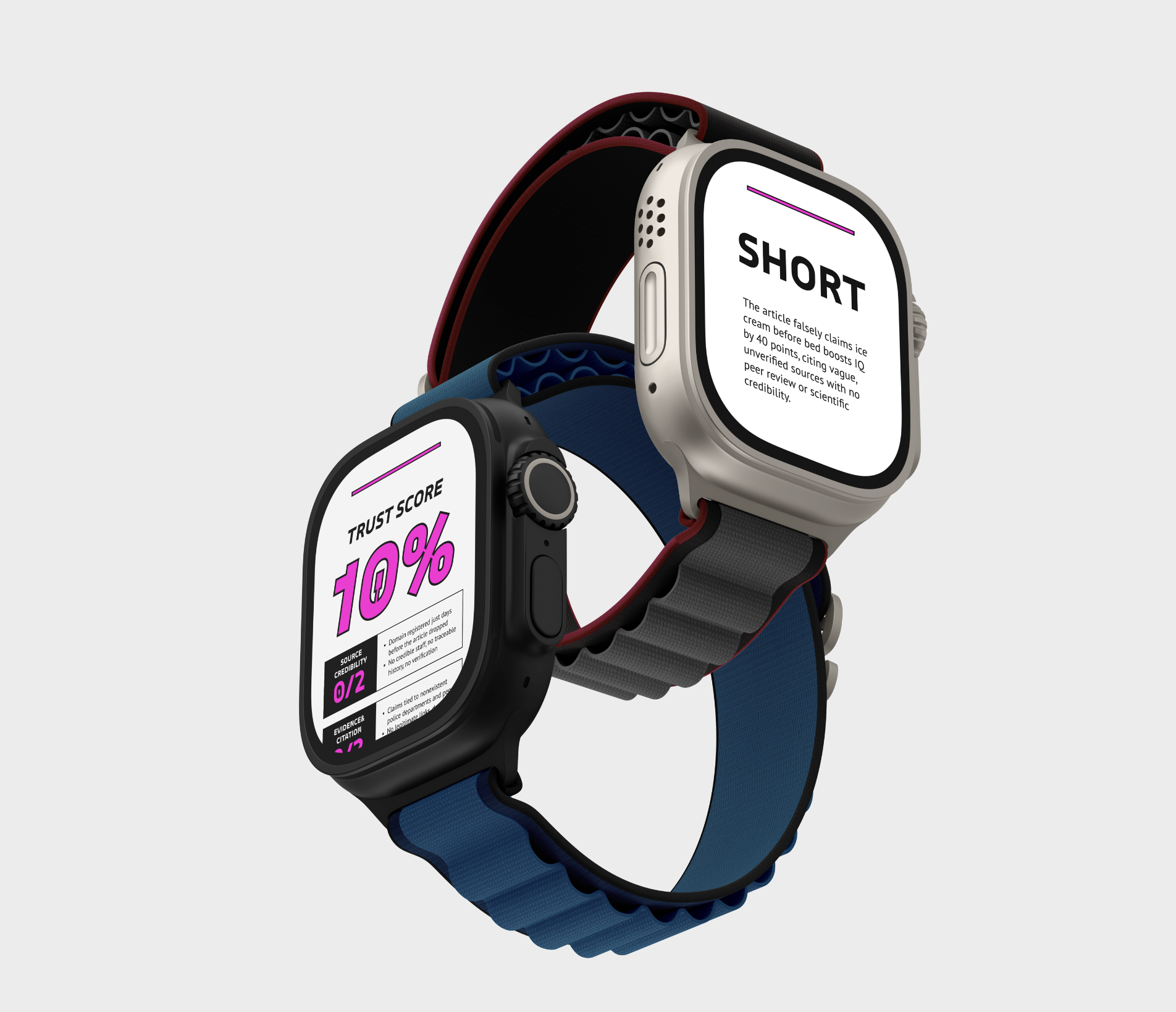
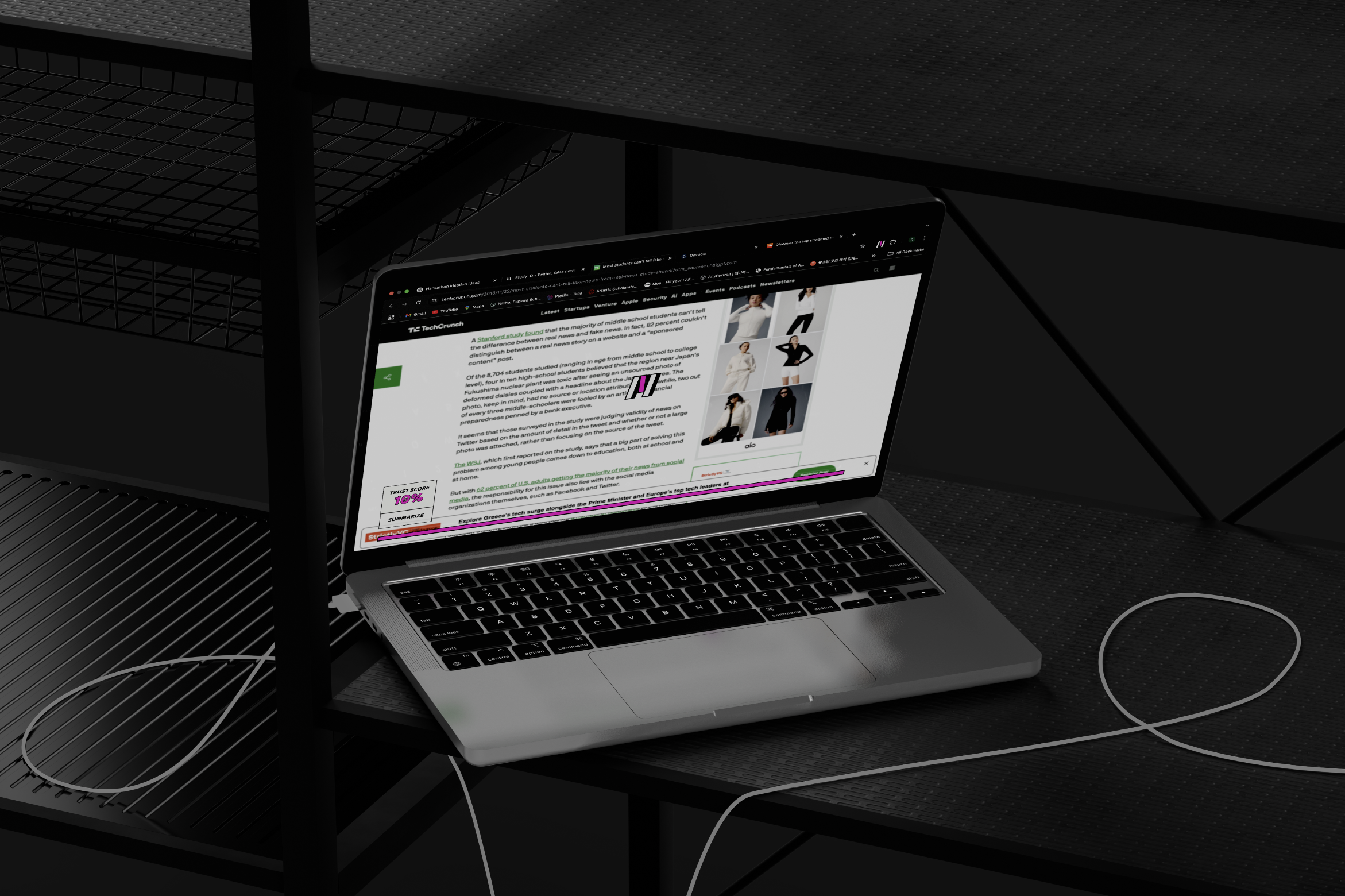
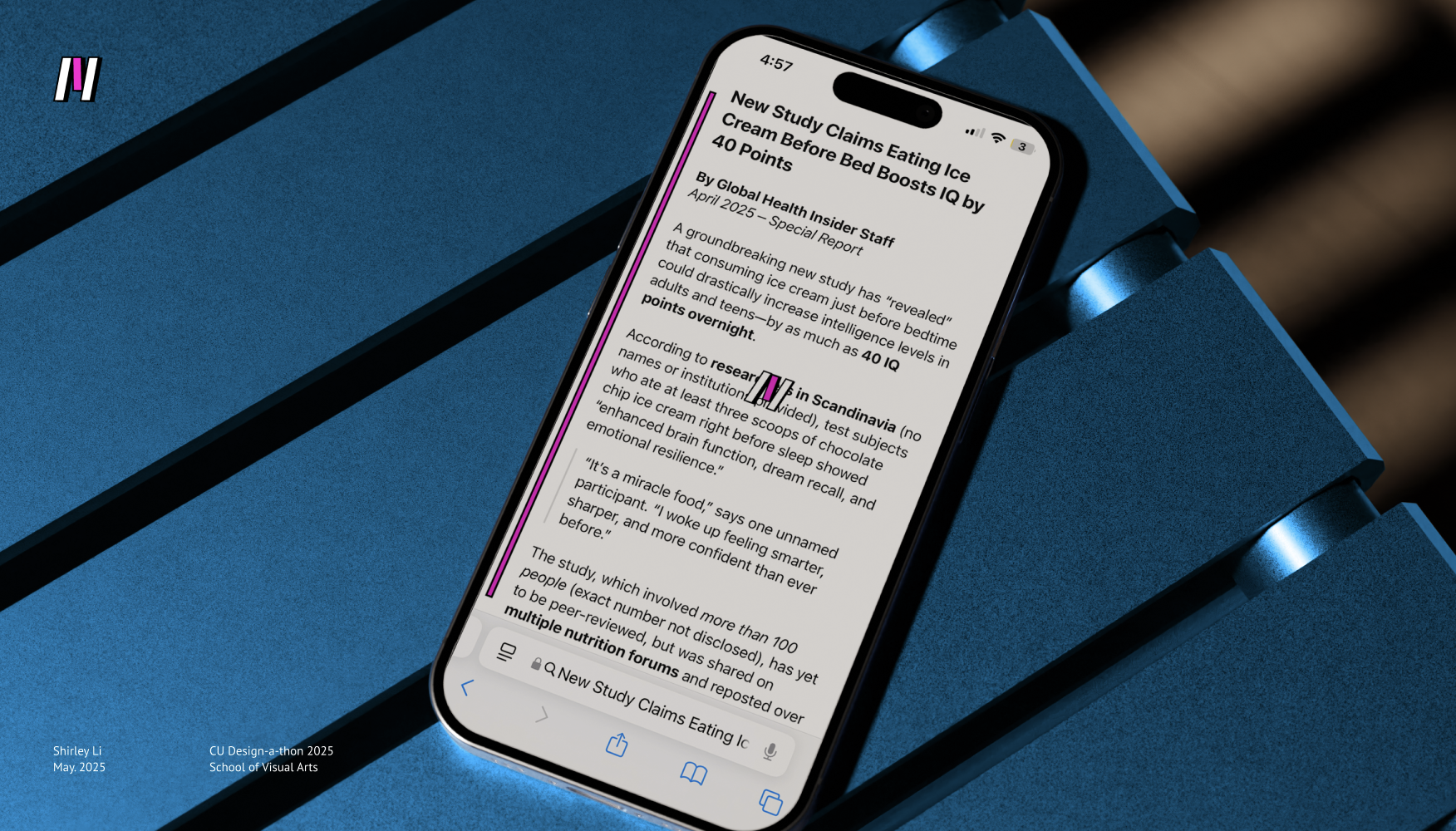
Nelter is a browser extension that helps users read digital articles with clarity and confidence. It scans written content in real time and highlights emotionally manipulative language, biased framing, logical fallacies, and weak sourcing. Each article is assigned a trust score based on tone, structure, and credibility. Users can choose between short, medium, or long summaries to match their attention span and get the key facts fast. Every feature is designed to teach critical reading habits without slowing the user down, making it easier to recognize misinformation and understand content deeply as they scroll.
How we built it
I built Nelter by starting with user research to understand how people interact with news and where misinformation slips through. I interviewed students like myself who admitted they rarely read full articles and often couldn’t tell if something was trustworthy. From there, I mapped out user pain points and used those insights to guide my design process. I focused on making the interface non-intrusive, fast, and emotionally intelligent so it could live within people’s natural scrolling habits. I conducted a SWOT analysis to identify our strengths and limitations and did competitor research to understand gaps in existing tools like NewsGuard and Snopes. Unlike those platforms, Nelter focuses on in-the-moment feedback and cognitive growth. Every feature I designed had to serve one goal: help users think critically without overwhelming them.
Challenges we ran into
One of the biggest challenges I faced was working on this project alone. I struggled for days trying to come up with the right idea and nothing felt meaningful or clear. I kept doubting myself and honestly felt stuck. I didn’t actually start the project until 11pm the night before it was due, just staring at a blank screen hoping something would click. It was overwhelming, and I was convinced I wouldn’t be able to pull it off in time. But once the idea for Nelter Lens finally hit, everything started flowing. I stayed up all night designing, writing, and building with a kind of urgency I didn’t know I had. It felt like a miracle to finish it, and even more of a miracle that it became something I’m truly proud of.
Accomplishments that we're proud of
Finishing by the deadline
What we learned
What I learned through this project is that even when I feel completely stuck or alone, I’m capable of creating something powerful if I trust the process and keep pushing. I realized that good ideas don’t always come fast, and sometimes the pressure and frustration are part of what forces clarity. I also learned how important it is to design with intention, not just for aesthetics but to solve a real problem. Through researching misinformation, competitors, and user behavior, I saw how design can be a tool for education and impact. Most of all, I learned that my voice and perspective matter, and I have the ability to build something that helps people think better and see clearer.
What's next for Nelter
Hopefully I can extend this project and sell it for a lot of $$$.
Built With
- adobe-aftereffects
- adobe-illustrator
- chatgpt
- figma

Log in or sign up for Devpost to join the conversation.