Inspiration
We wanted to create a platform that would serve to be helpful to people, scientists, and educators alike. When it comes to space, planets, and data, we knew that human beings as a whole would be appreciative and can make use of near-real-time natural weather event reporting.
What it does
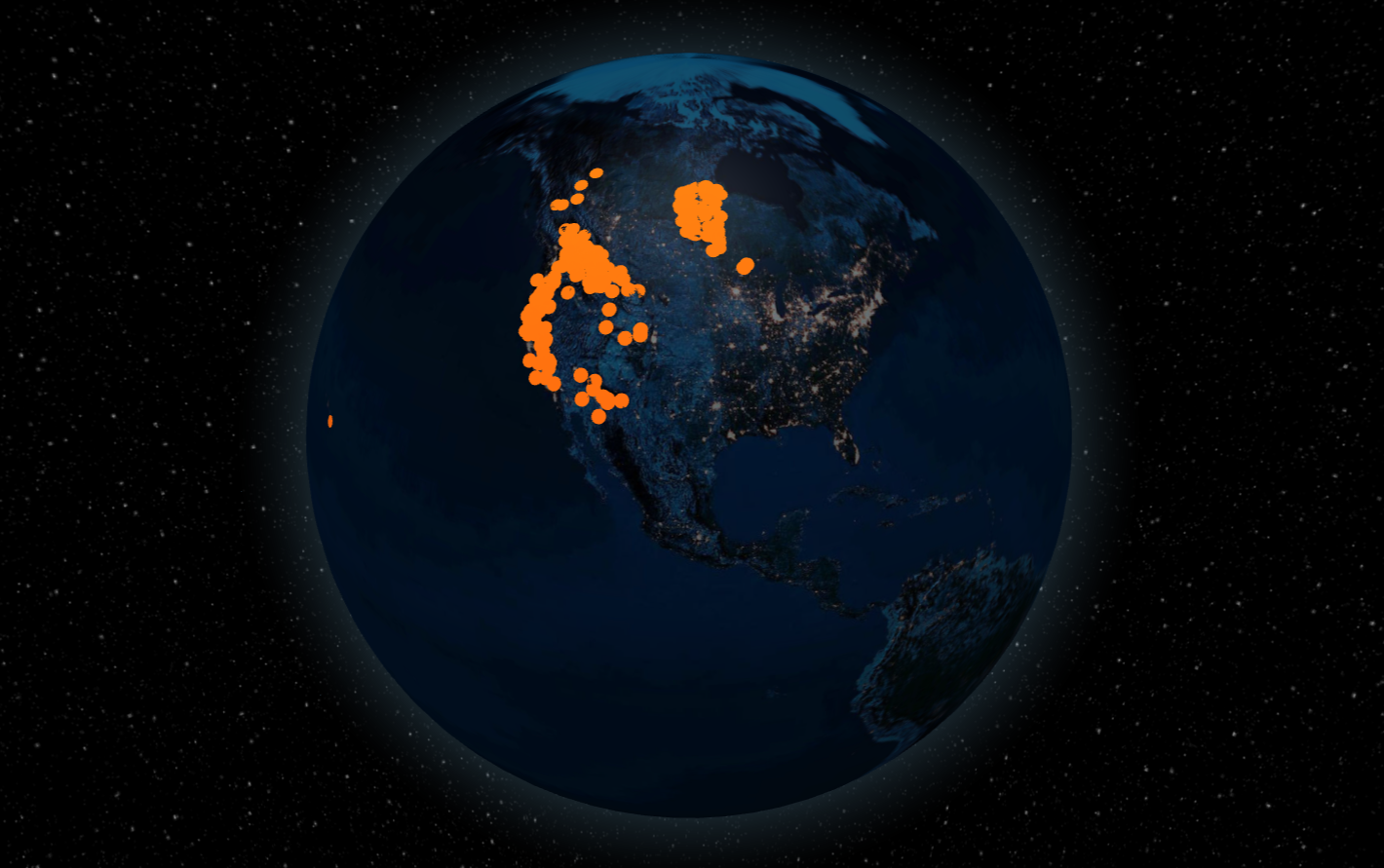
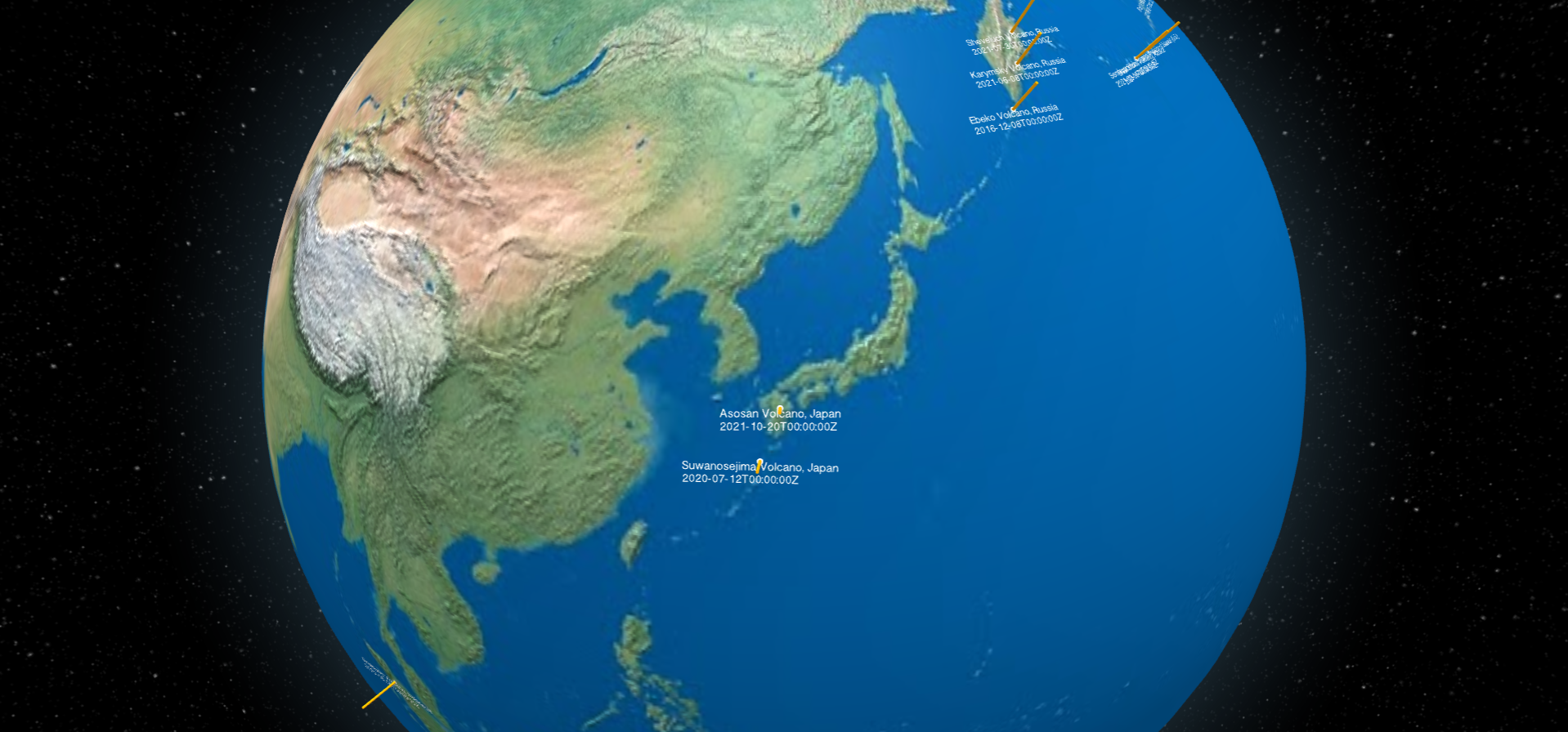
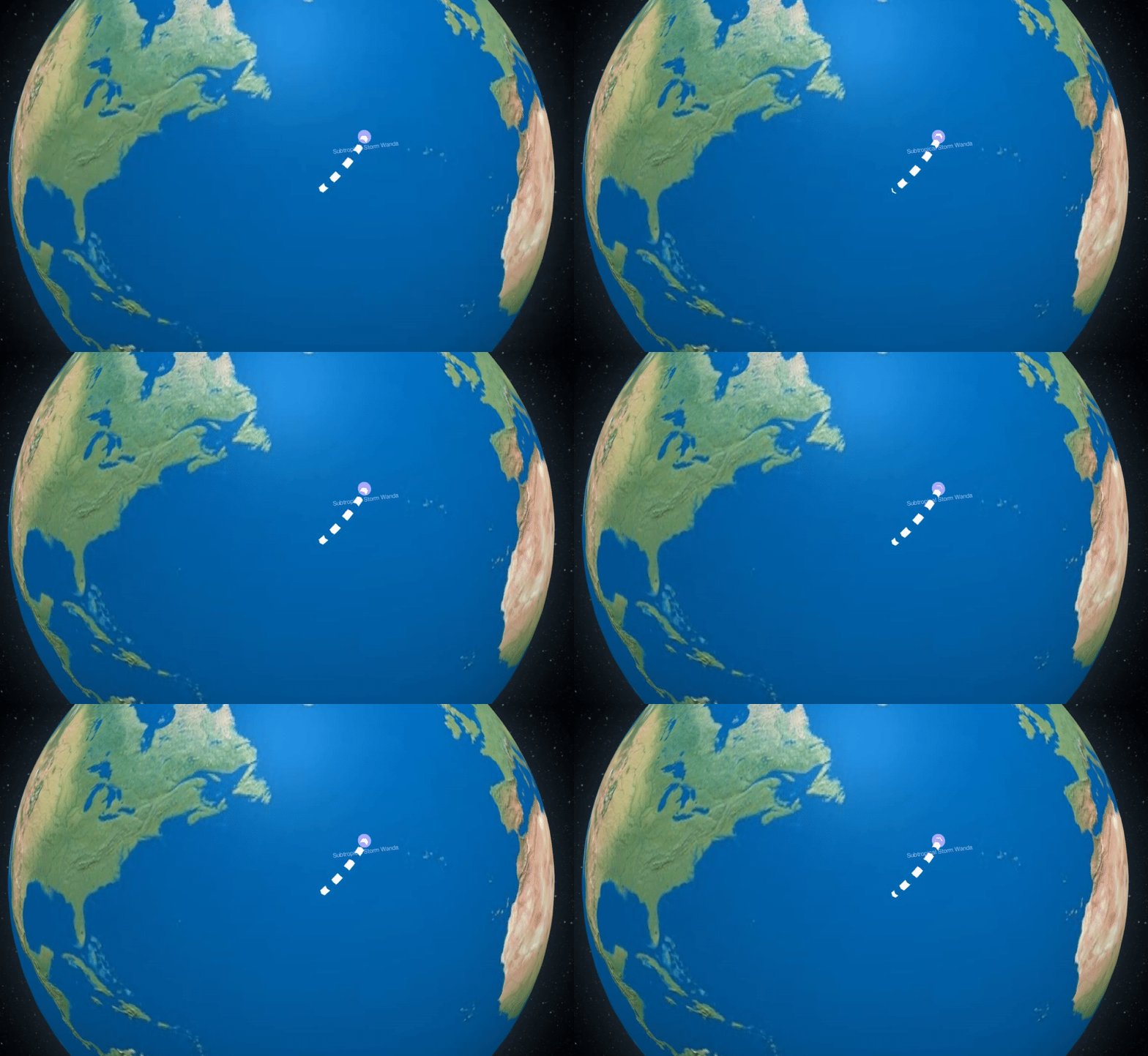
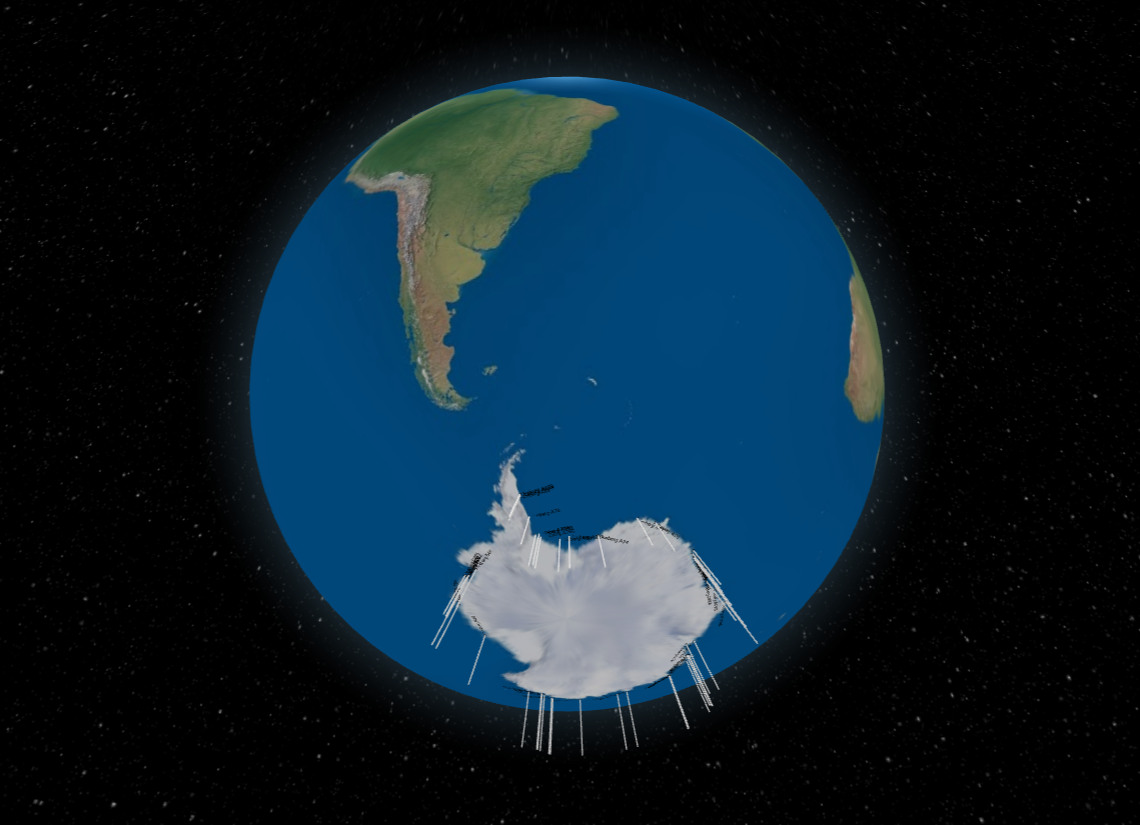
Planet Patterns displays natural event data from NASA's satellites in the form of interactive visualizations.
How we built it
We built the core of Planet Patterns in ReactJS, using React Globe GL as the foundation on which we plotted data points. For each of the weather event categories, we queried NASA's EONET API.
Challenges we ran into
Web development is a weakness for all of us. We wanted to partake in learning skills we were mostly unfamiliar with. For these reasons, debugging simple errors and representing the data in many ways visually cost us many hours.
Accomplishments that we're proud of
We're incredibly excited to say that we completed a project using ReactJS in a time-constrained event.
What's next for Planet Patterns
Seeing as how weather is not exclusive to planet Earth, we would love to parallel our work for the rest of the planets in the Solar System. Since Planet Patterns is such a great documentation tool, it would make sense to include events like Jupiter's Great Red Spot and Saturn's diamond rain.

Log in or sign up for Devpost to join the conversation.