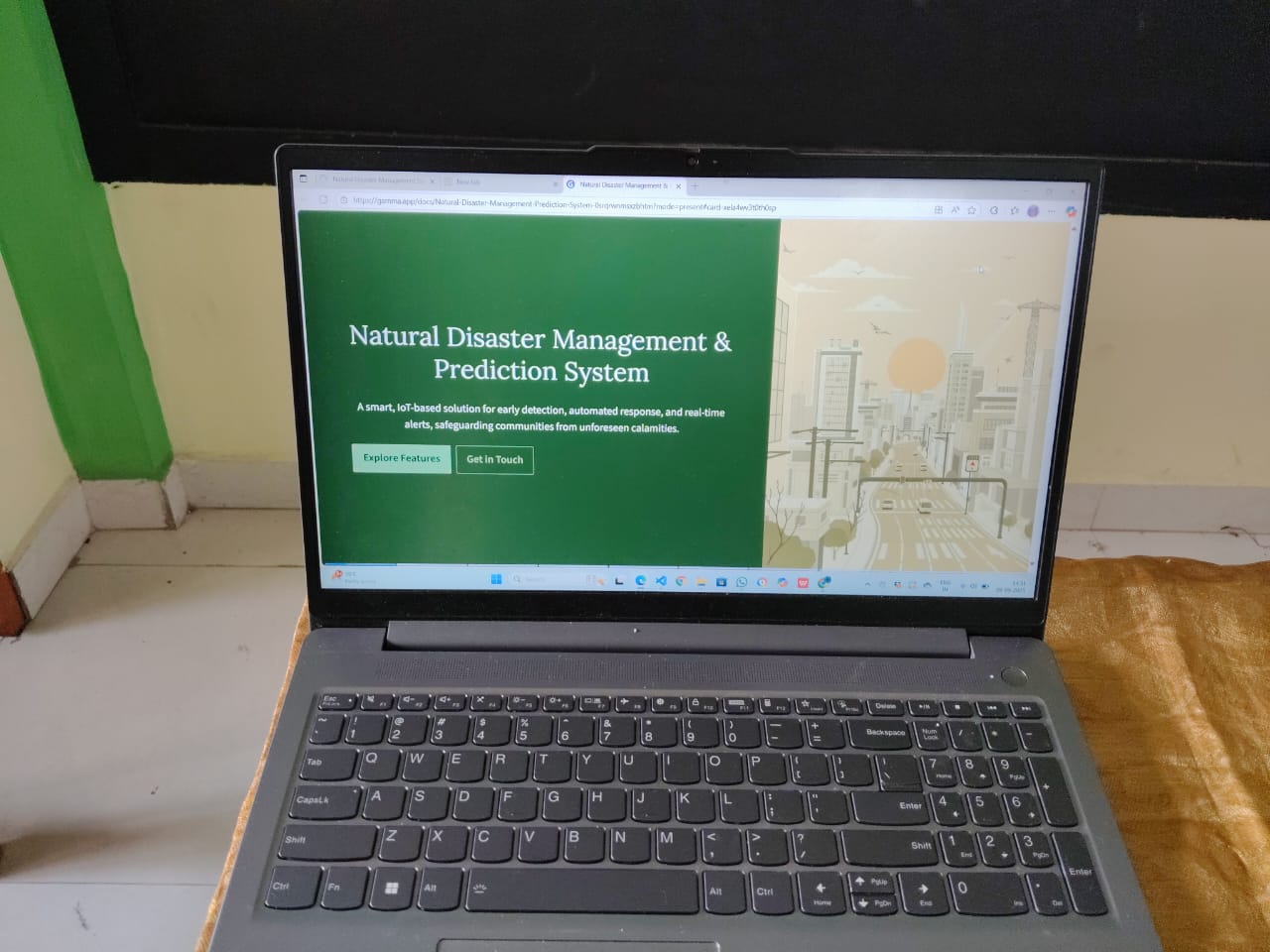
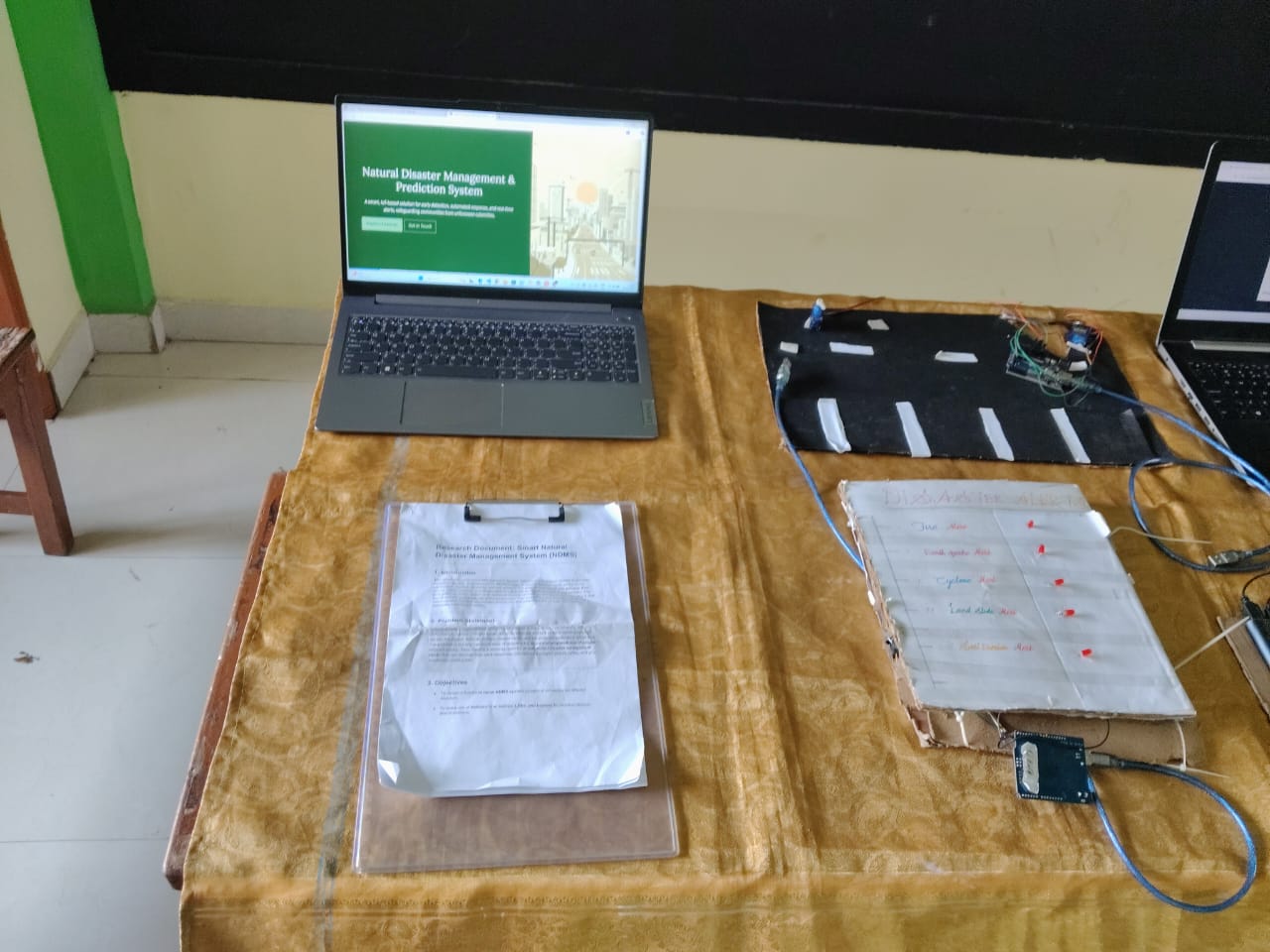
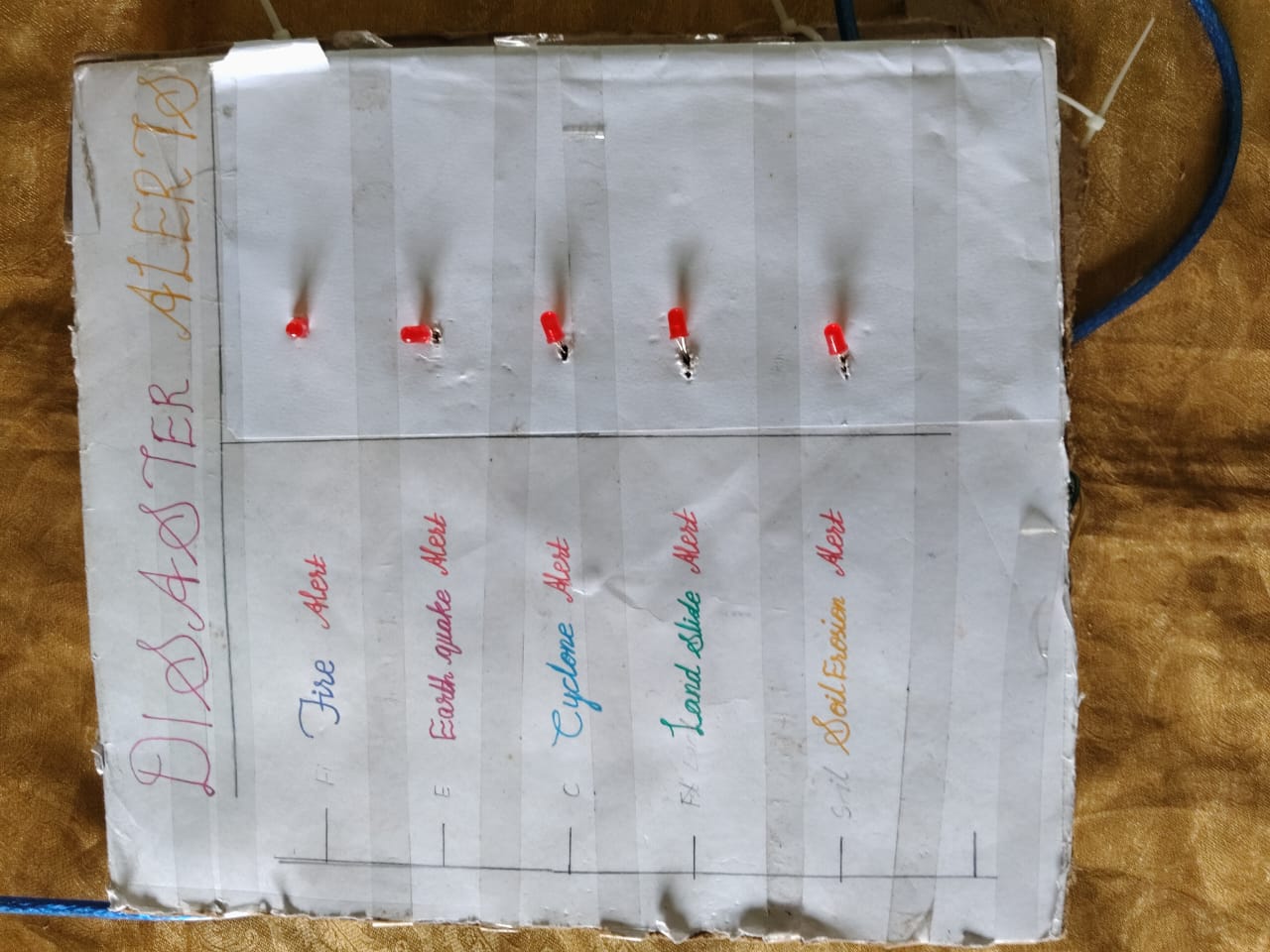
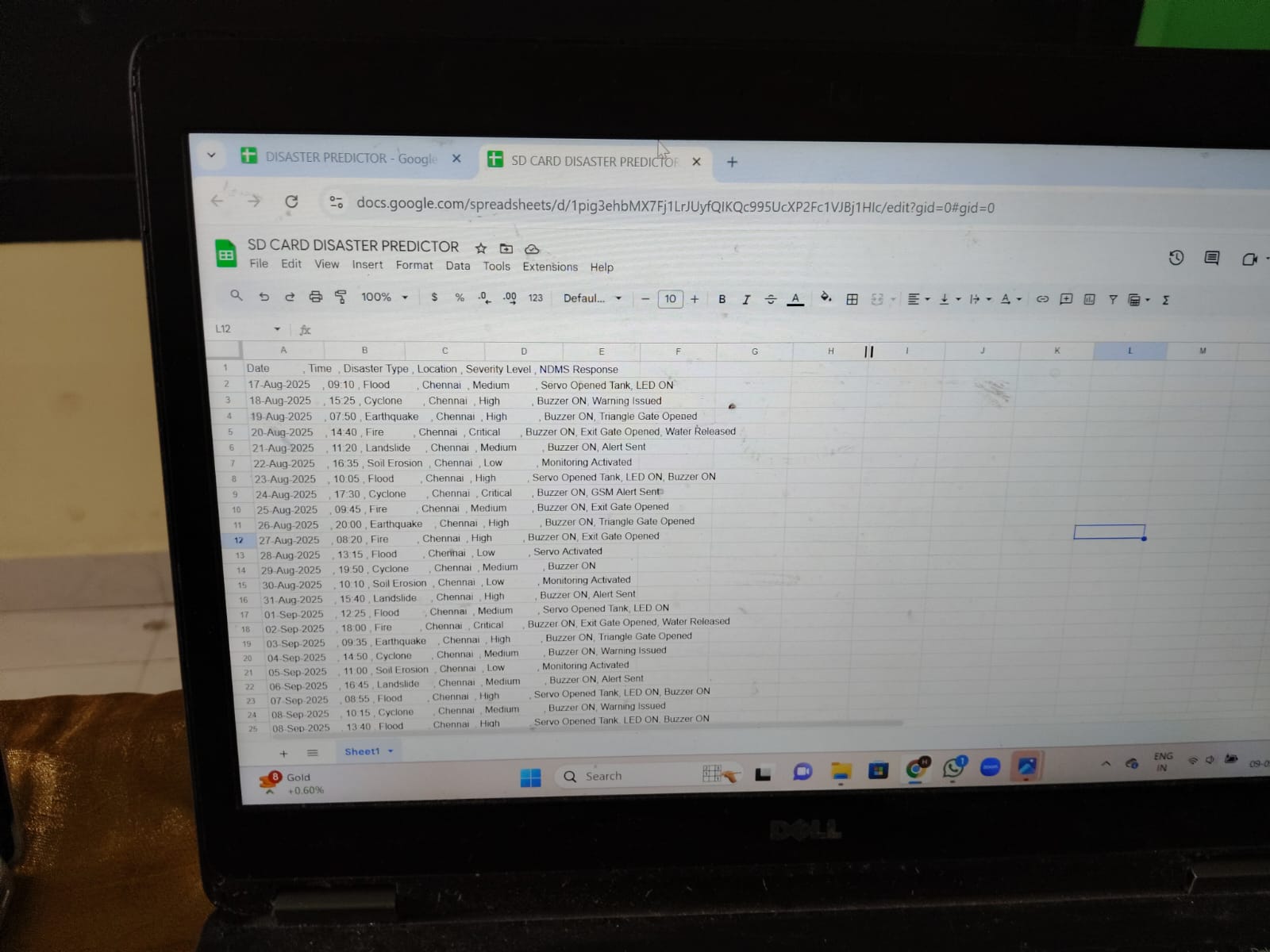

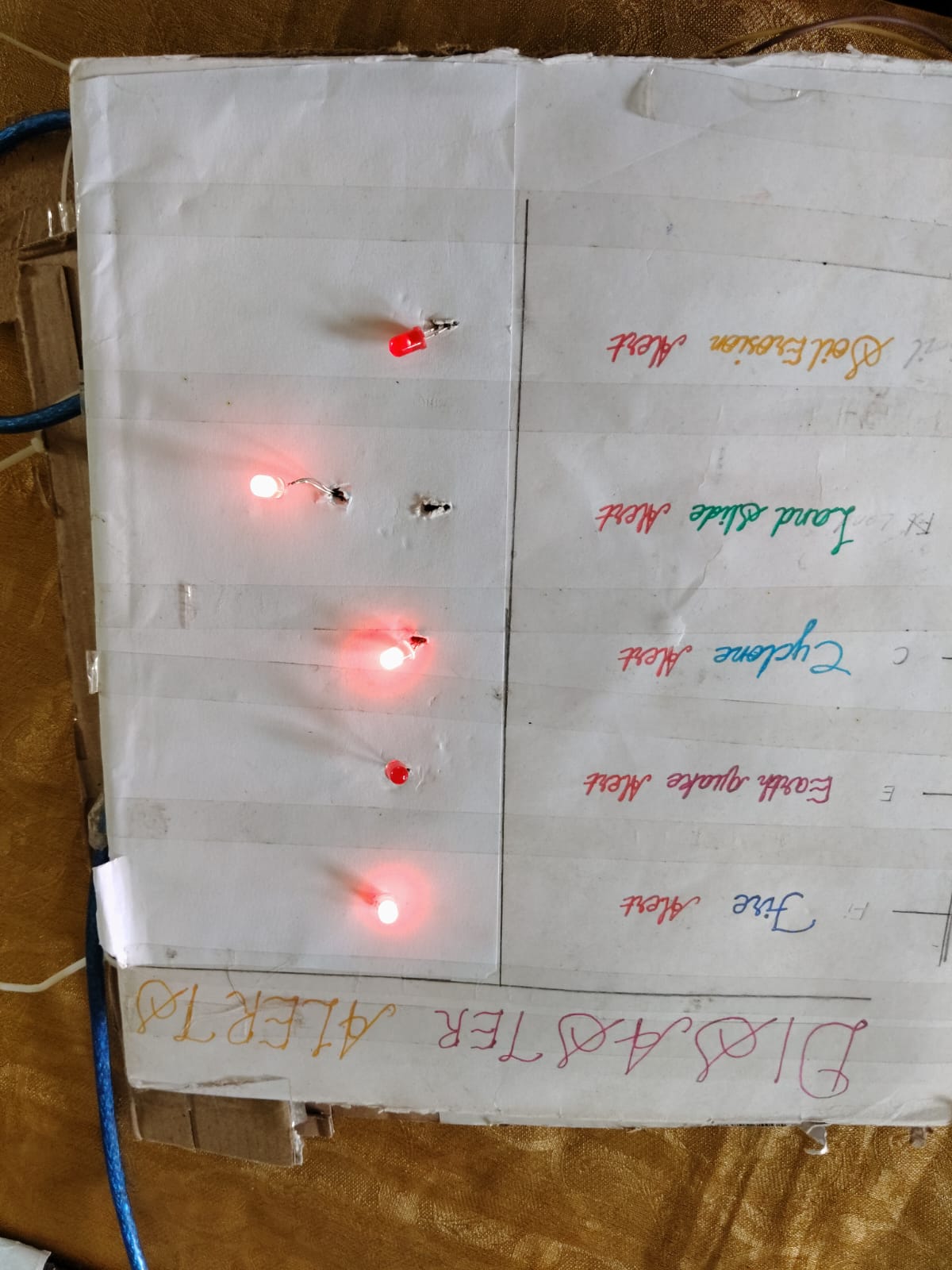
The National Disaster Management System (NDMS) is a fully integrated framework designed to predict, prepare for, respond to, and mitigate all types of natural and man-made disasters, including floods, cyclones, earthquakes, landslides, fires, and soil erosion. It combines hardware alerters, software platforms, AI tools, coding environments, and external support services to ensure a rapid, coordinated, and efficient disaster response across communities and states.
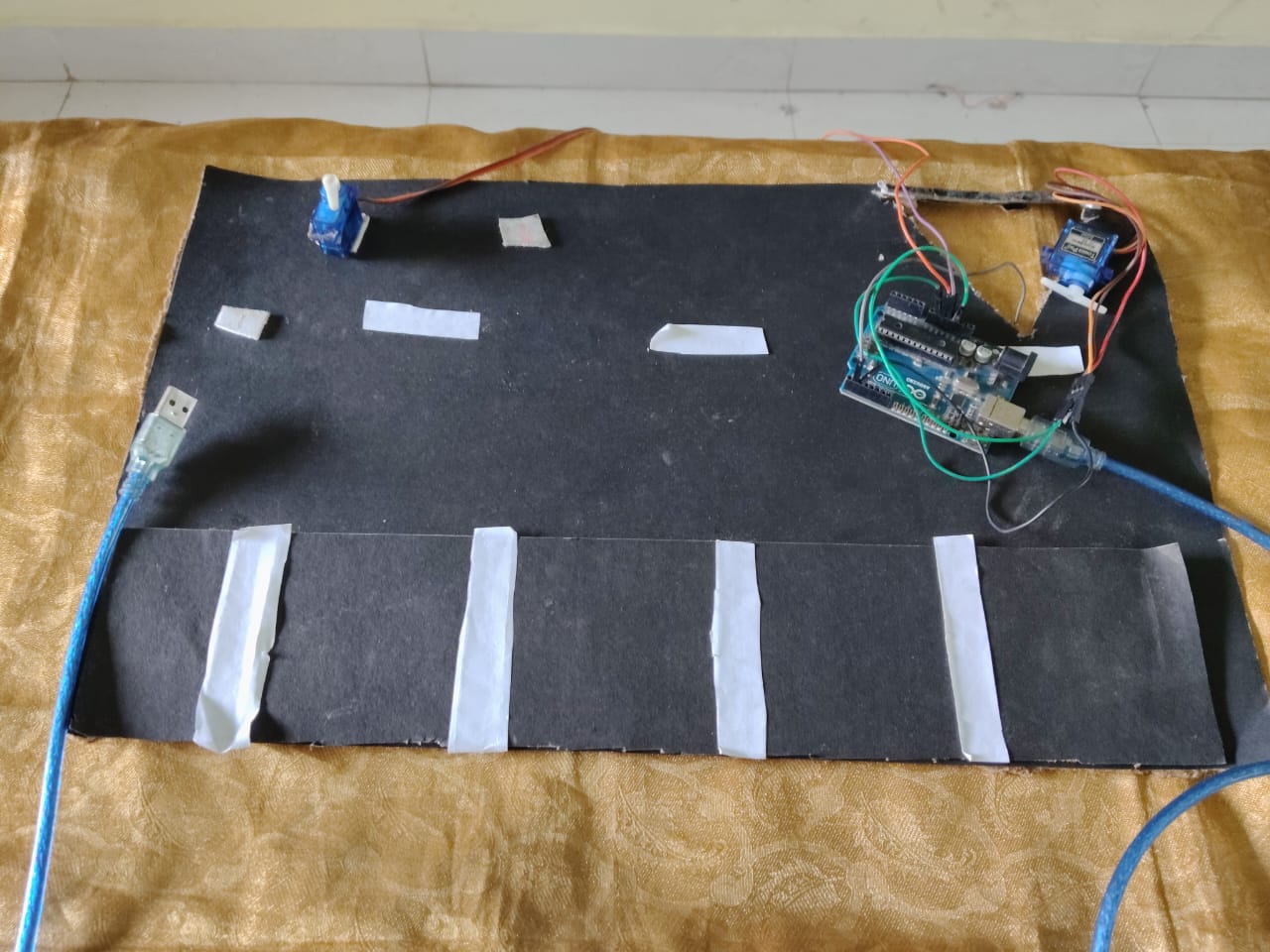
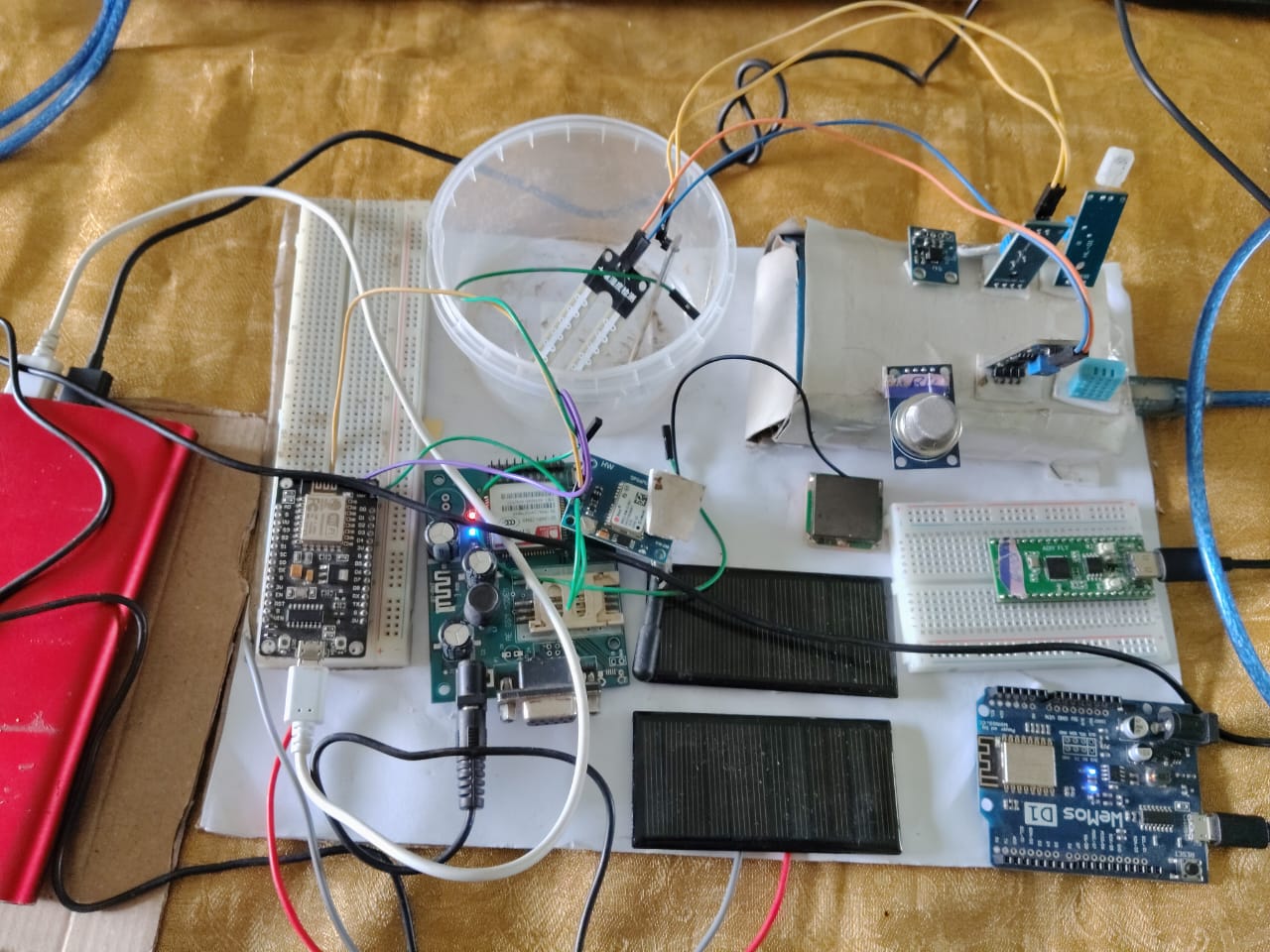
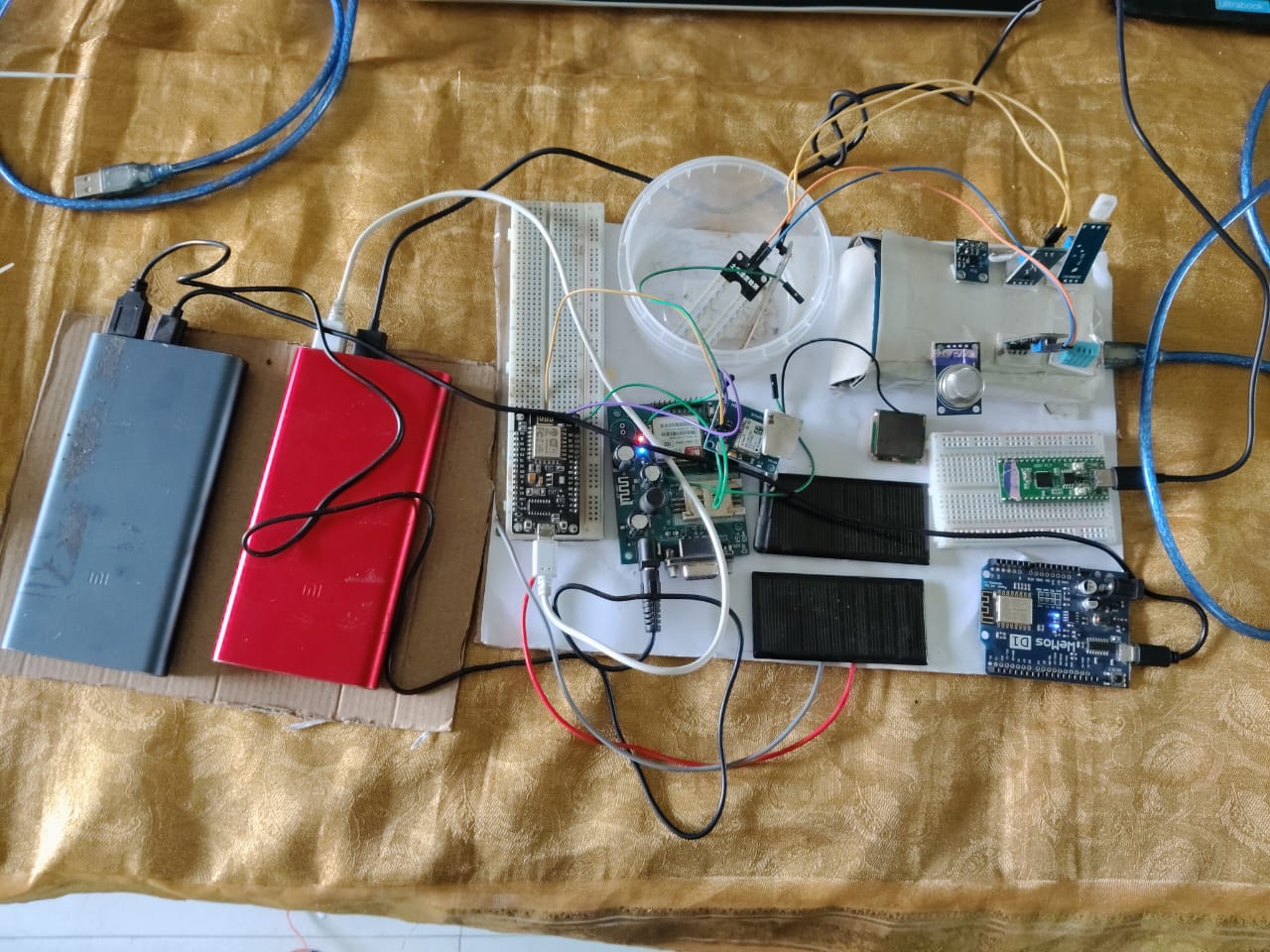
Hardware alerters and responders include devices such as LED indicators, buzzers, emergency sirens, smoke and fire sensors, water level sensors, vibration/earthquake sensors, servo motors for gates or floodwater pumps, IoT-enabled drones, and RFID/NFC detectors. These components detect threats in real-time and alert authorities and the public, or trigger automatic responses such as opening gates, activating sirens, or switching on pumps.
Extra components enhance the system’s capabilities, including solar panels, GPS modules, SD card modules for data logging, temperature and humidity sensors, rain sensors, relays, RTC modules, cloud server hosting, and Wi-Fi or GSM/GPRS modules. These ensure autonomous operation, data collection, and communication even in remote areas.
Websites and apps such as Nucle App, Replit, CodePen, ChatGPT Canvas, IoT Dashboards, Arduino IoT Cloud, Google Earth, Google Sheets, and mobile alert applications provide real-time monitoring, visualization, and interaction for disaster management teams and citizens.
Coding environments and languages include Python, C/C++, JavaScript, HTML, CSS, Arduino C, Node.js, MicroPython, MQTT, and Kafka Streams. These are used to program sensors, control actuators, manage data flows, and implement dashboards and notification systems.
AI tools like ChatGPT, Claude, Gemini AI, Meta AI, Preplexity AI, DeepSeek AI, LLaMA, and BOLT are leveraged for prediction, risk analysis, early warning alerts, decision support, and automated reporting.
External helps and services include ShakeAlert, Flood Hub, Encardio-Rite, NDRF coordination, NDMA alerts, local emergency contacts, government APIs (such as IMD and NDMA), SMS/email alert APIs, GIS data from OpenStreetMap, and real-time monitoring services. These provide critical support for timely intervention, evacuation planning, and community guidance.
The NDMS operates on a four-phase approach: mitigation, preparedness, response, and recovery. Mitigation involves identifying risks and implementing preventive measures such as sustainable land use, flood defenses, forest management, and coastal protection. Preparedness focuses on resource readiness, training, drills, and early warning dissemination. Response ensures immediate action to save lives and property, coordinating all responders, devices, and communication channels. Recovery emphasizes rehabilitation, reconstruction, and long-term risk reduction.
By integrating hardware, software, AI, and human expertise, NDMS ensures a proactive and reactive disaster management ecosystem, enabling India to handle emergencies efficiently, reduce human and economic losses, and strengthen resilience across all communities. This holistic approach combines technology, coordination, and public awareness to make disaster management smarter, faster, and more effective.
Built With
- adxl345
- api
- arduino
- arduinoiot
- bolt
- buzzer
- c++
- chatgpt
- chatgptcanvas
- claude
- codepen
- copilot
- database
- deepseek
- dht11
- docker
- drag&drop
- encardiorite
- esp32
- floodhub
- gemini
- googlesheets
- gps
- gsm
- html
- humiditysensor
- java
- javascript
- json
- kafka
- led
- llama
- metaai
- mq2sensor
- mqtt
- nucleapp
- preplexityai
- prompt
- promptcloud
- python
- rainsensor
- raspberrypipico
- redled
- replit
- sdcard
- sdcardmodule
- servo
- servomotor
- shakealert
- soilmoisture
- solarpanel
- thonny
- vscode
- wemos
- wemosd1

Log in or sign up for Devpost to join the conversation.