
Memorylane: AI-Powered Reminiscence Therapy for Dementia Patients
Inspiration
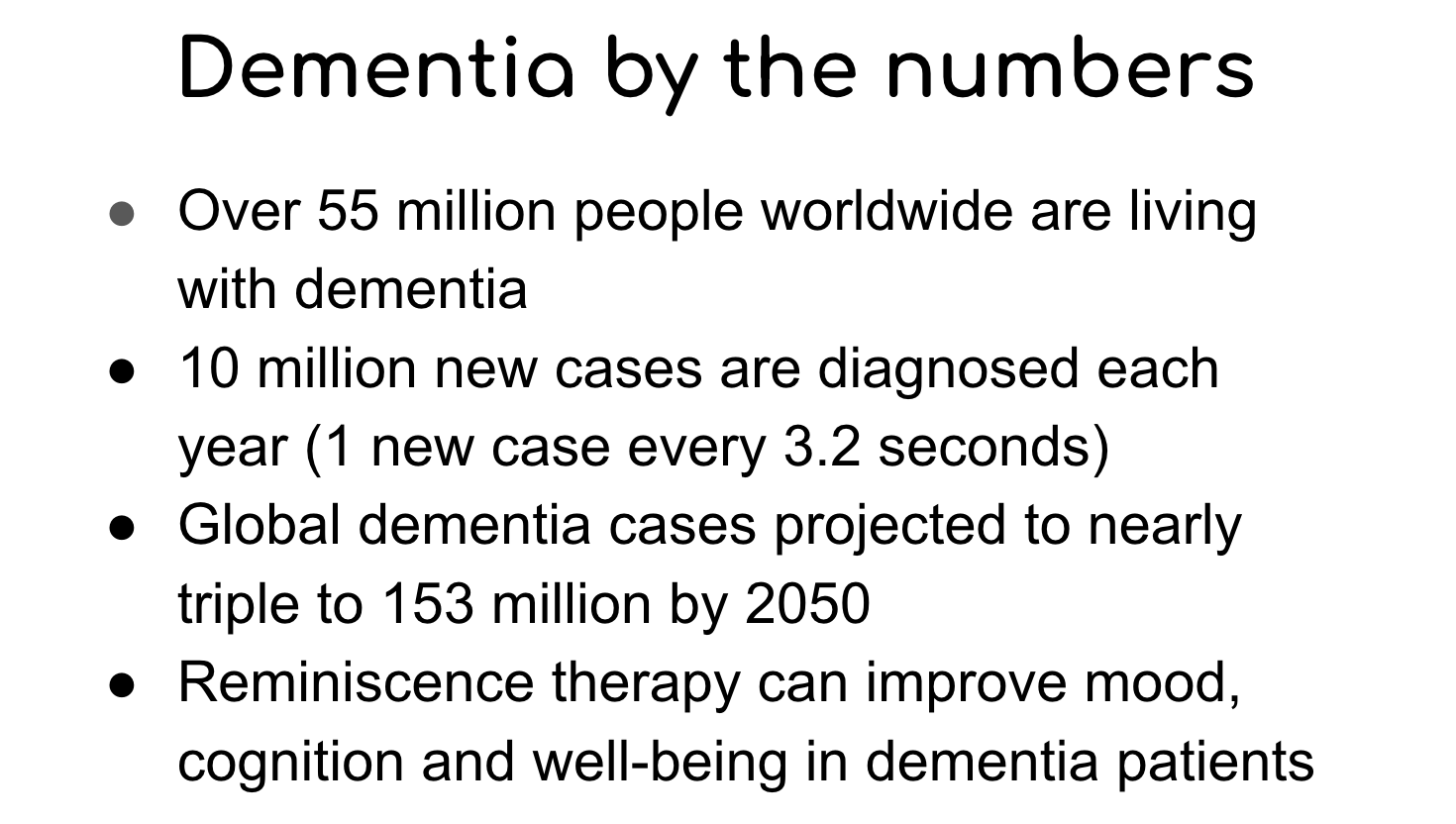
Imagine your grandmother, who once shared vibrant stories of her life, now struggling to remember simple things like her morning routine. This is the reality for millions of dementia patients. The idea for Memorylane was born from a desire to bridge this gap in memory using technology. We wanted to provide a tool that helps families preserve their loved ones' memories while also offering caregivers an accessible, AI-powered way to engage patients through reminiscence therapy.
What it does
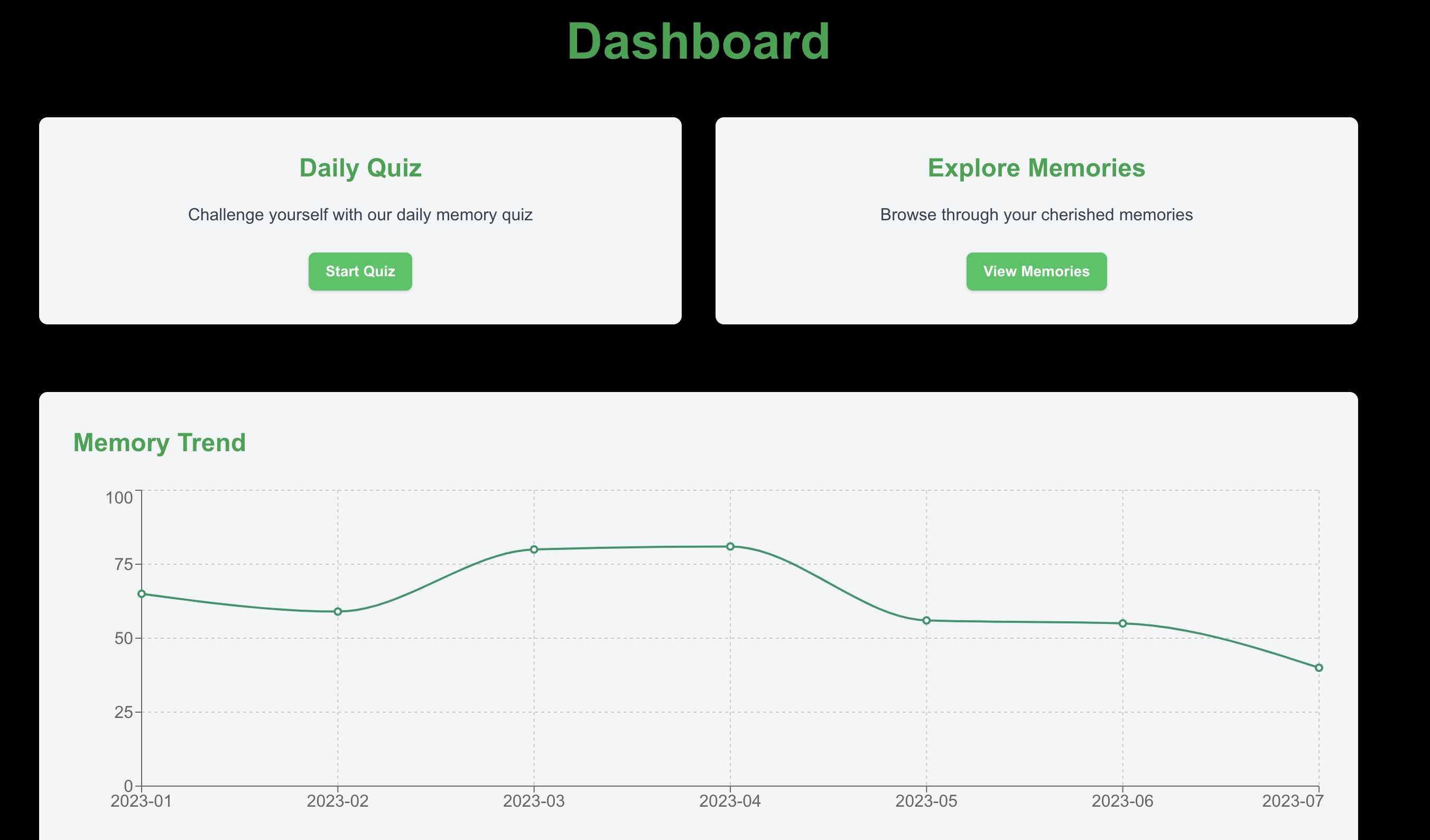
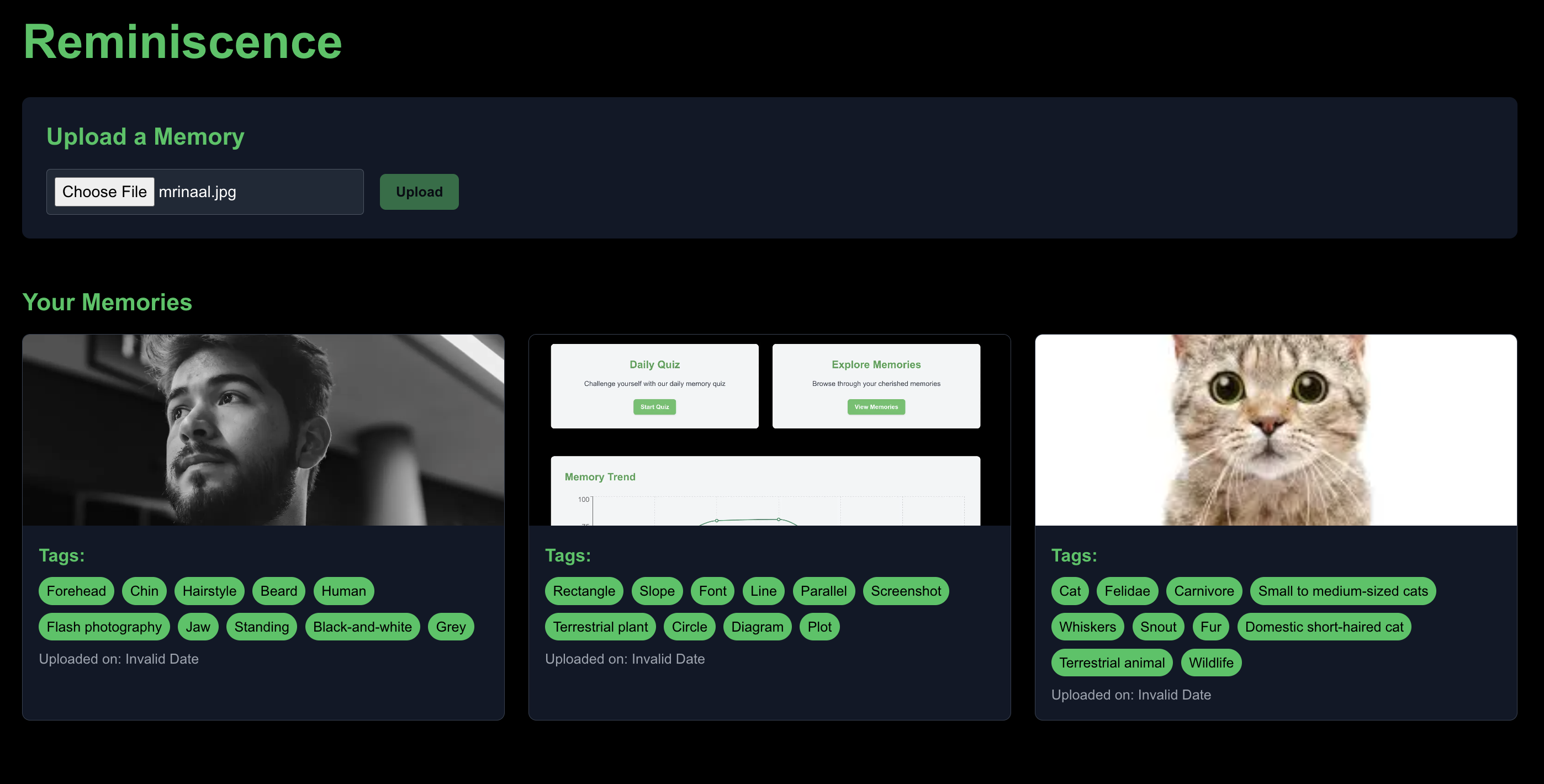
Memorylane allows caregivers and family members to upload photos and videos that are automatically tagged and organized using AI. These are then presented in personalized timelines, creating a digital memory bank that patients can revisit. The platform also generates personalized conversation starters to help spark meaningful discussions between caregivers and dementia patients.
This digital solution provides a continuous, accessible way to conduct reminiscence therapy, improving mood and cognitive functioning, while fostering connection among family members.
How we built it
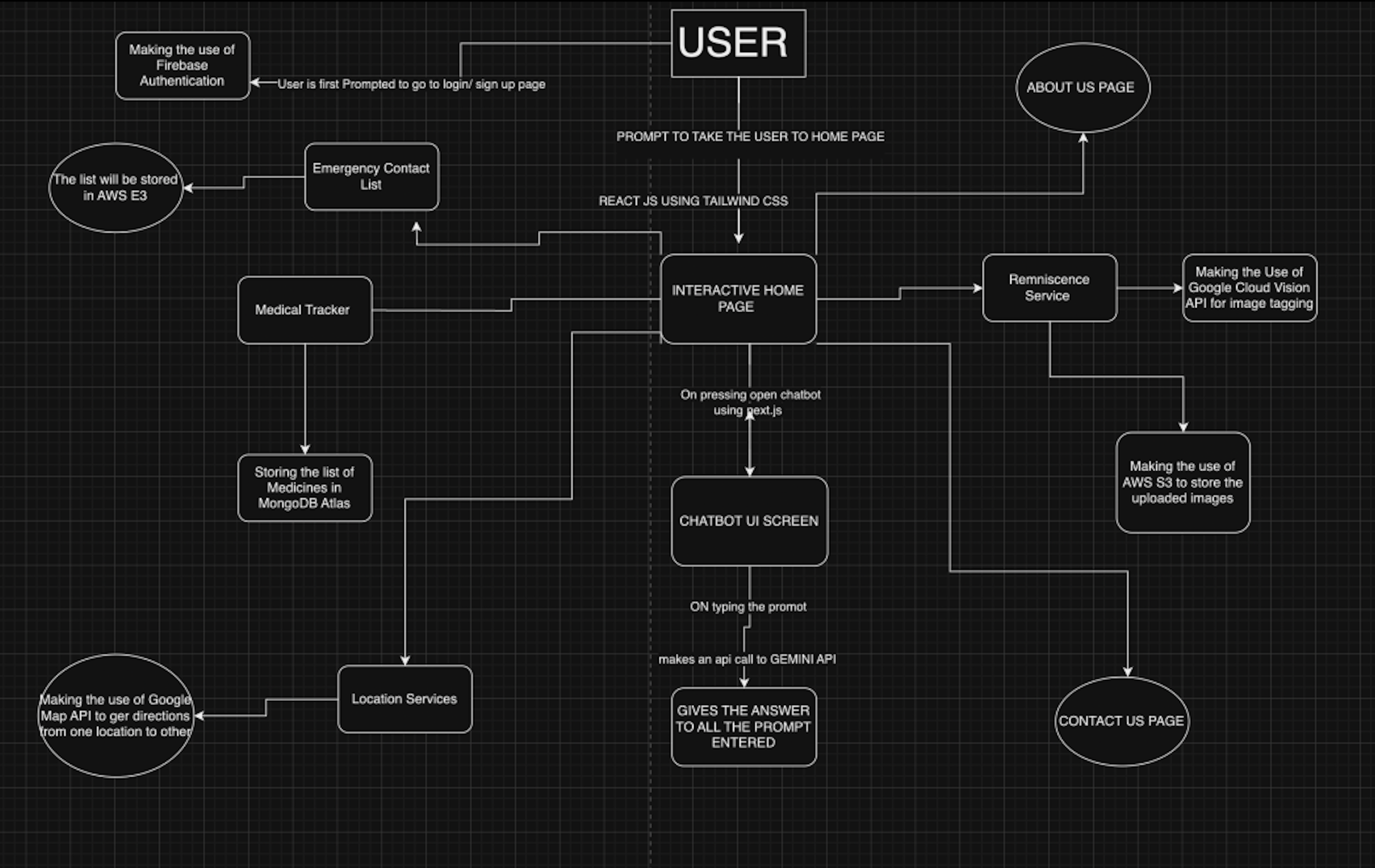
We built Memorylane using a combination of AWS S3 for media storage, Google Cloud Vision for image recognition and tagging, and MongoDB Atlas for storing metadata. The backend was built using Node.js and Express, which handles the media uploads, tagging, and interactions with the MongoDB database. The platform leverages Google's Gemini-1.5-Pro API to generate personalized conversation starters based on the uploaded media, enhancing the therapy experience.
To make the solution scalable, we used Terraform to automate the deployment of AWS infrastructure and services, ensuring smooth scaling and management of resources. Additionally, AWS Lambda and S3 triggers process images as they are uploaded, ensuring fast media tagging and organization.
Challenges we ran into
One of the main challenges we faced was handling the complexities of real-time image tagging using Google Cloud Vision while ensuring the platform remained fast and responsive. Additionally, configuring AWS S3 for public access and managing the cloud infrastructure posed significant hurdles, particularly when balancing security with usability. Integrating MongoDB Atlas as our data store required careful schema planning to ensure scalability and ease of querying.
Accomplishments that we're proud of
We’re proud to have successfully integrated Google Cloud Vision with AWS S3 to create a seamless experience for media uploads and automatic tagging. Additionally, using MongoDB Atlas as our main database has enabled us to easily store and retrieve tagged media with real-time access. Seeing Memorylane work in real-world scenarios, where patients experience improved emotional well-being during therapy sessions, has been immensely rewarding.
What we learned
Through building Memorylane, we learned the importance of balancing scalability with simplicity, especially when integrating multiple cloud services like AWS and Google Cloud Vision. We also gained a deeper understanding of cloud infrastructure management using Terraform and MongoDB Atlas. Most importantly, we learned the value of accessible design, ensuring that the platform caters to both dementia patients and their caregivers.
What's next for Memorylane
We’ve already integrated WCAG 2.2 accessibility guidelines into the platform, including high-contrast mode, simple navigation, and support for text-to-speech. Moving forward, we aim to develop a discrete hardware device for Memorylane, which will allow caregivers to offer therapy sessions without needing a smartphone or tablet, making the platform more accessible to older patients with limited tech experience.
Built With
- adobe-illustrator
- amazon-web-services
- express.js
- figma
- gemini-api
- google-cloud-vision
- google-map-sdk
- google-slides
- mongodb-atlas
- nextjs
- node.js
- react
- tailwind
- terraform
- typescript


Log in or sign up for Devpost to join the conversation.