-
-
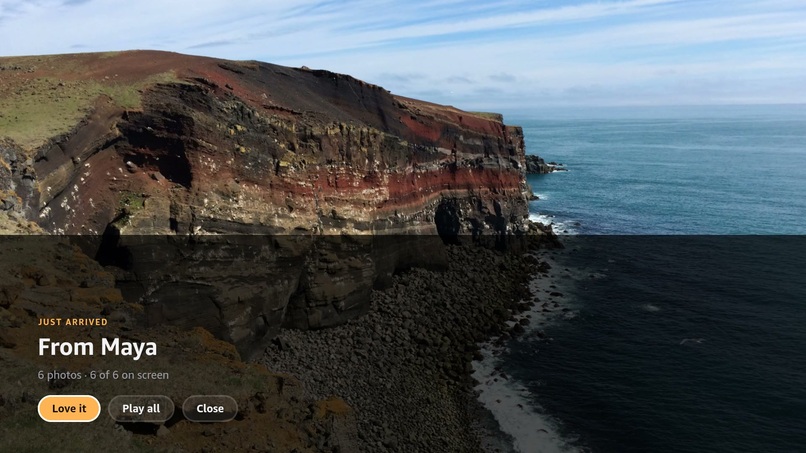
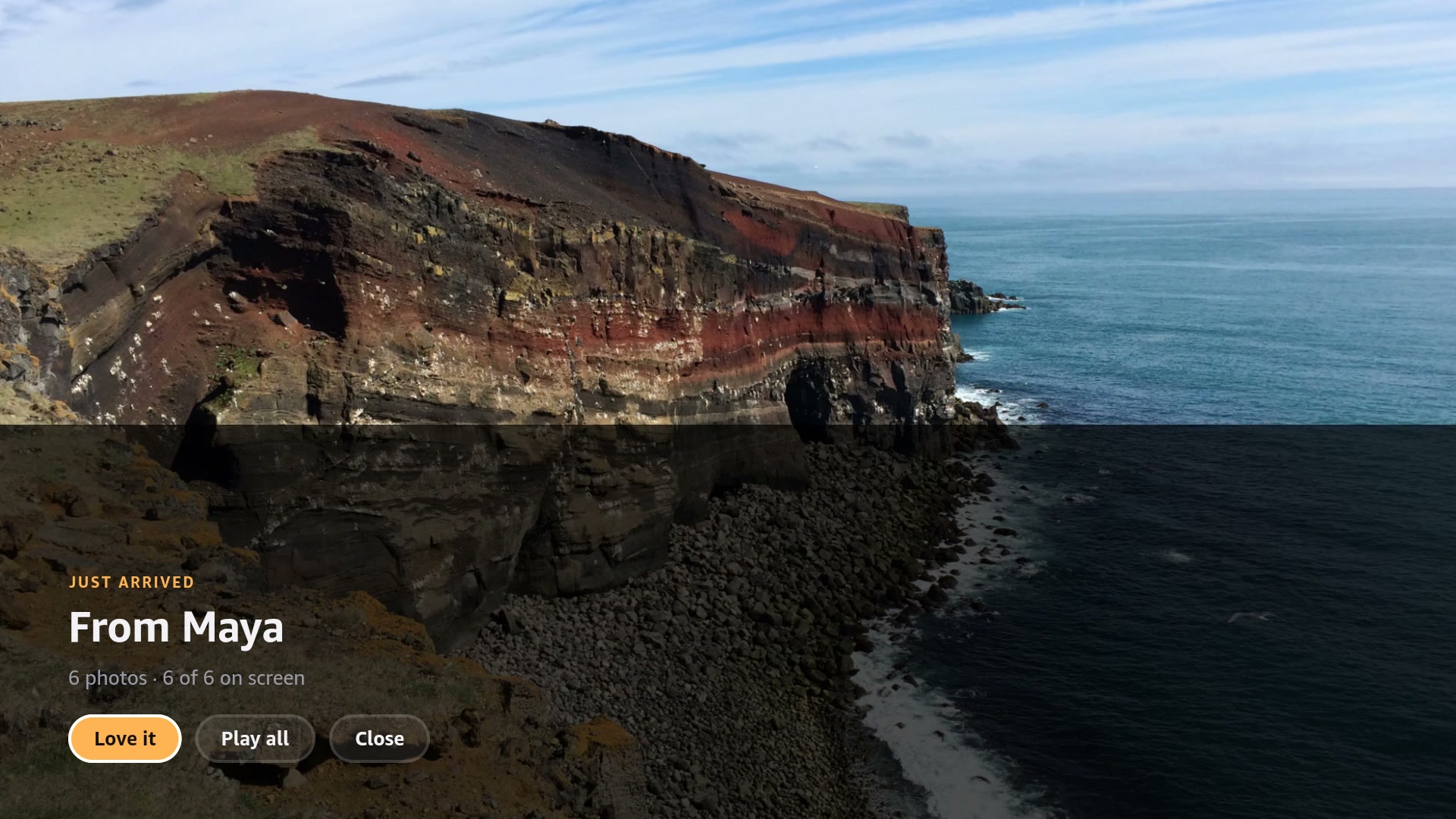
Photos fill the TV the moment they land, with the sender's name; Love it lets them know. Photo: Sergei Gussev, CC BY 2.0
-
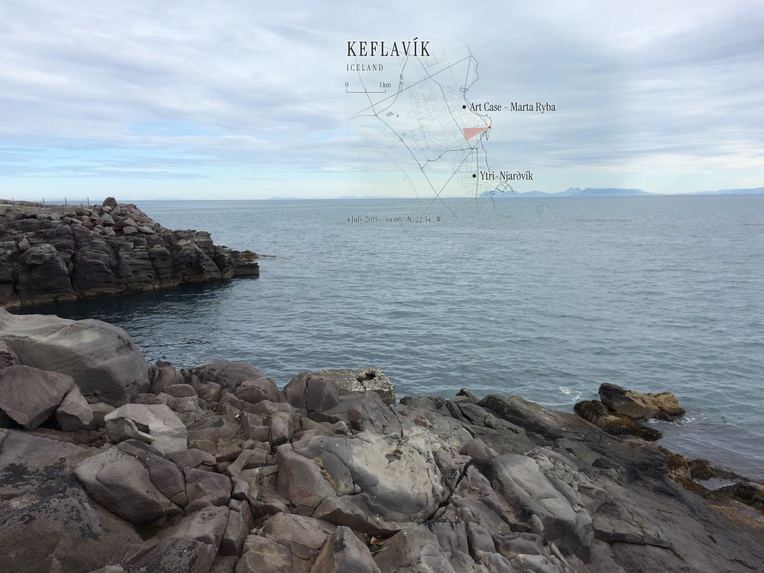
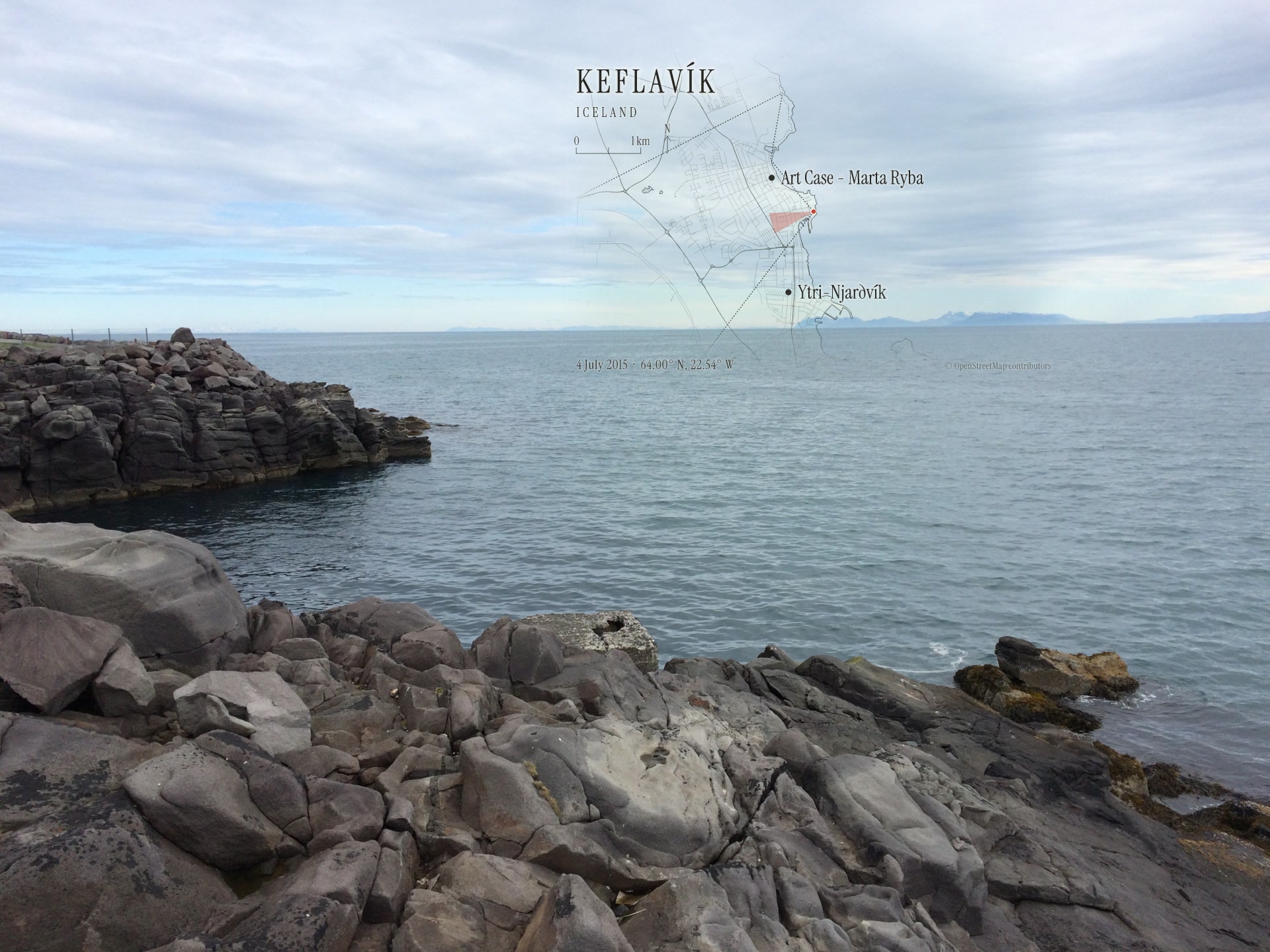
Field note: a small map of where the photo was taken, in its calmest corner. Photo: Sergei Gussev, CC BY 2.0 · © OpenStreetMap
-
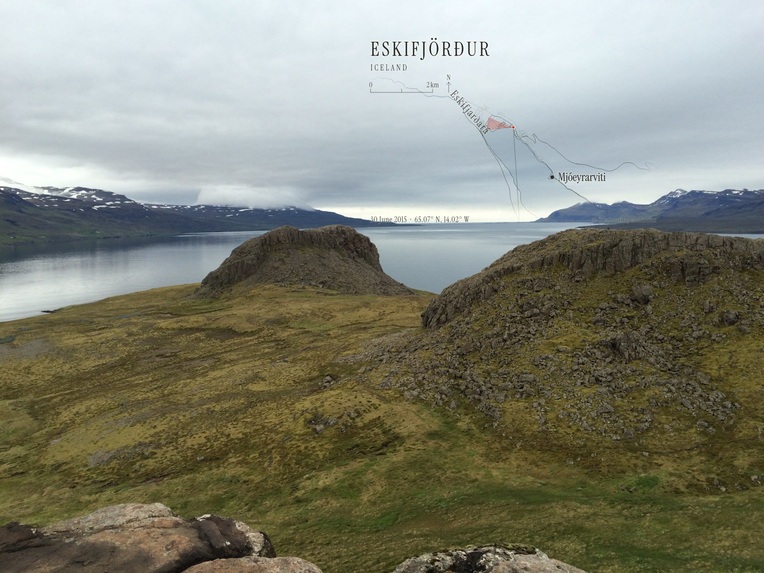
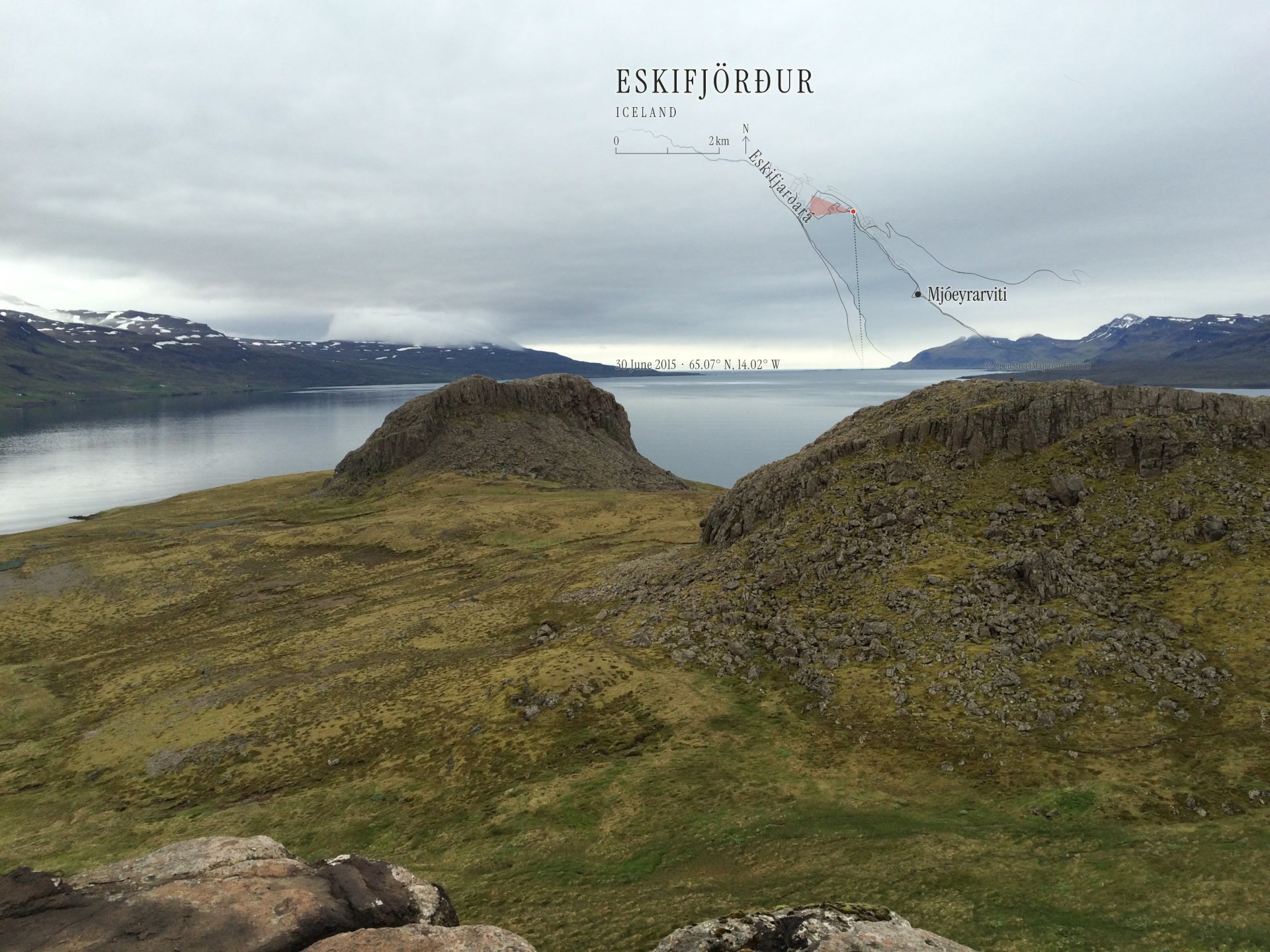
Field notes stay clear of what's in the photo. Photo: Sergei Gussev, CC BY 2.0 · Map © OpenStreetMap contributors
-
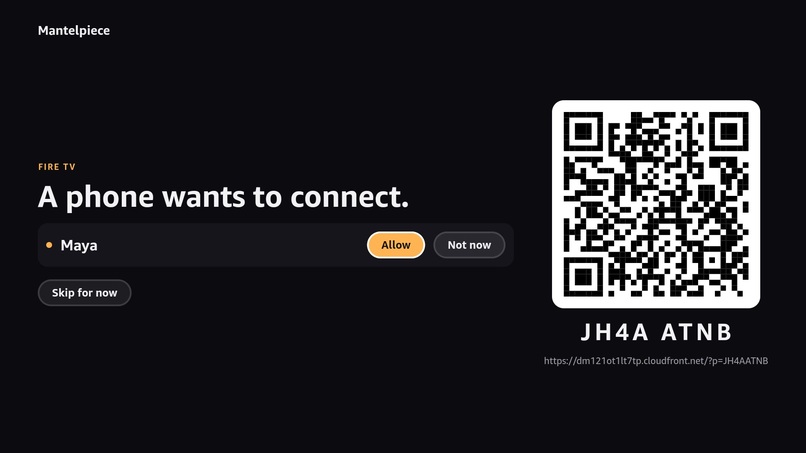
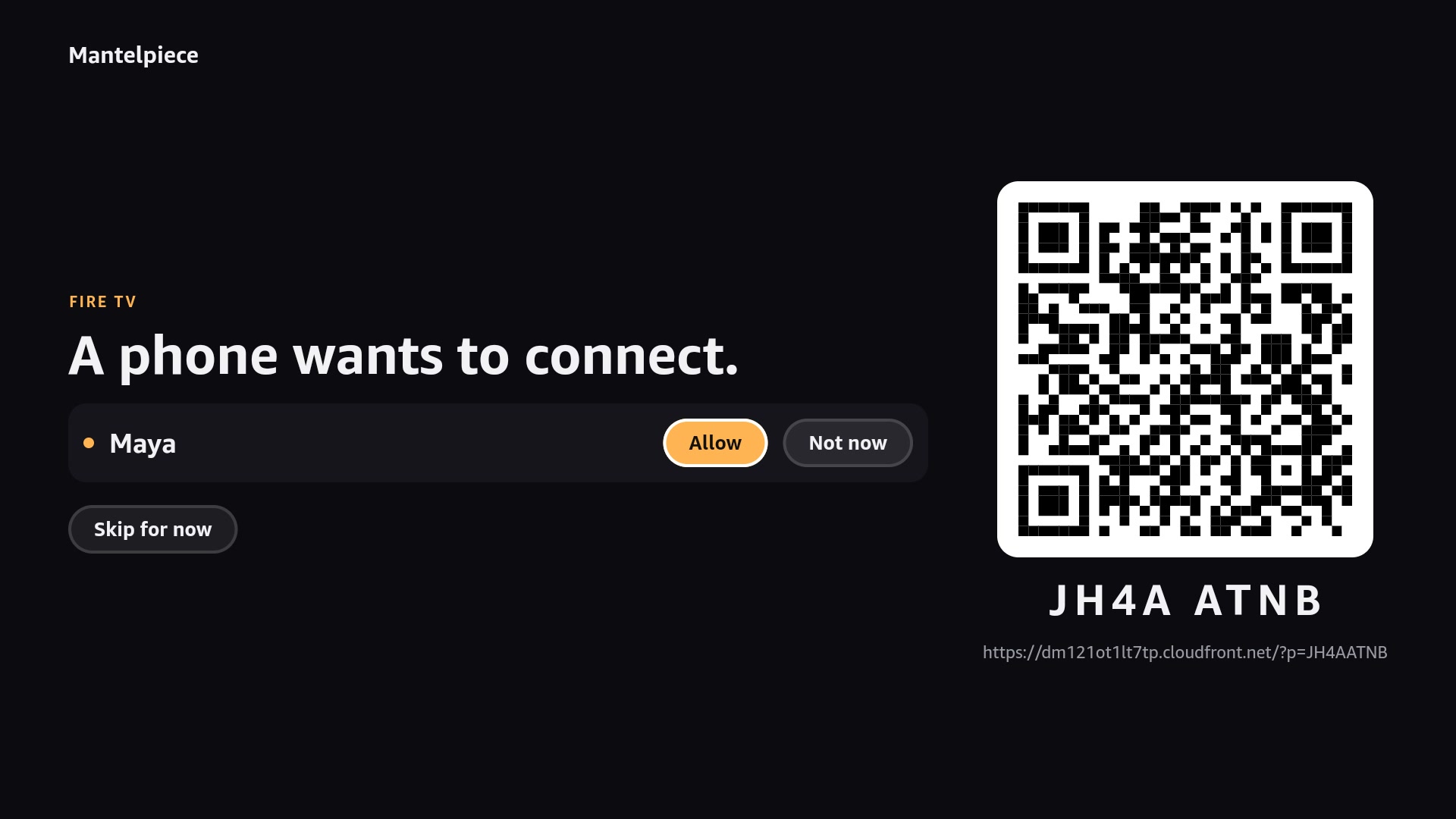
Each phone scans the QR, and someone on the sofa lets it in with the remote. No account, nothing to install.
-
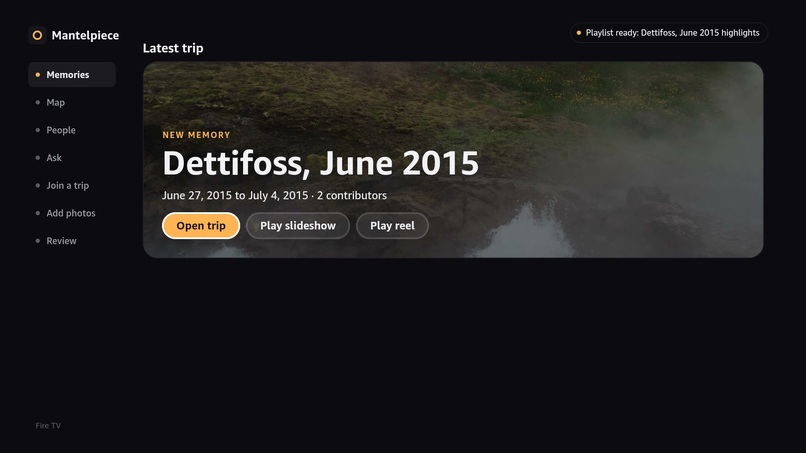
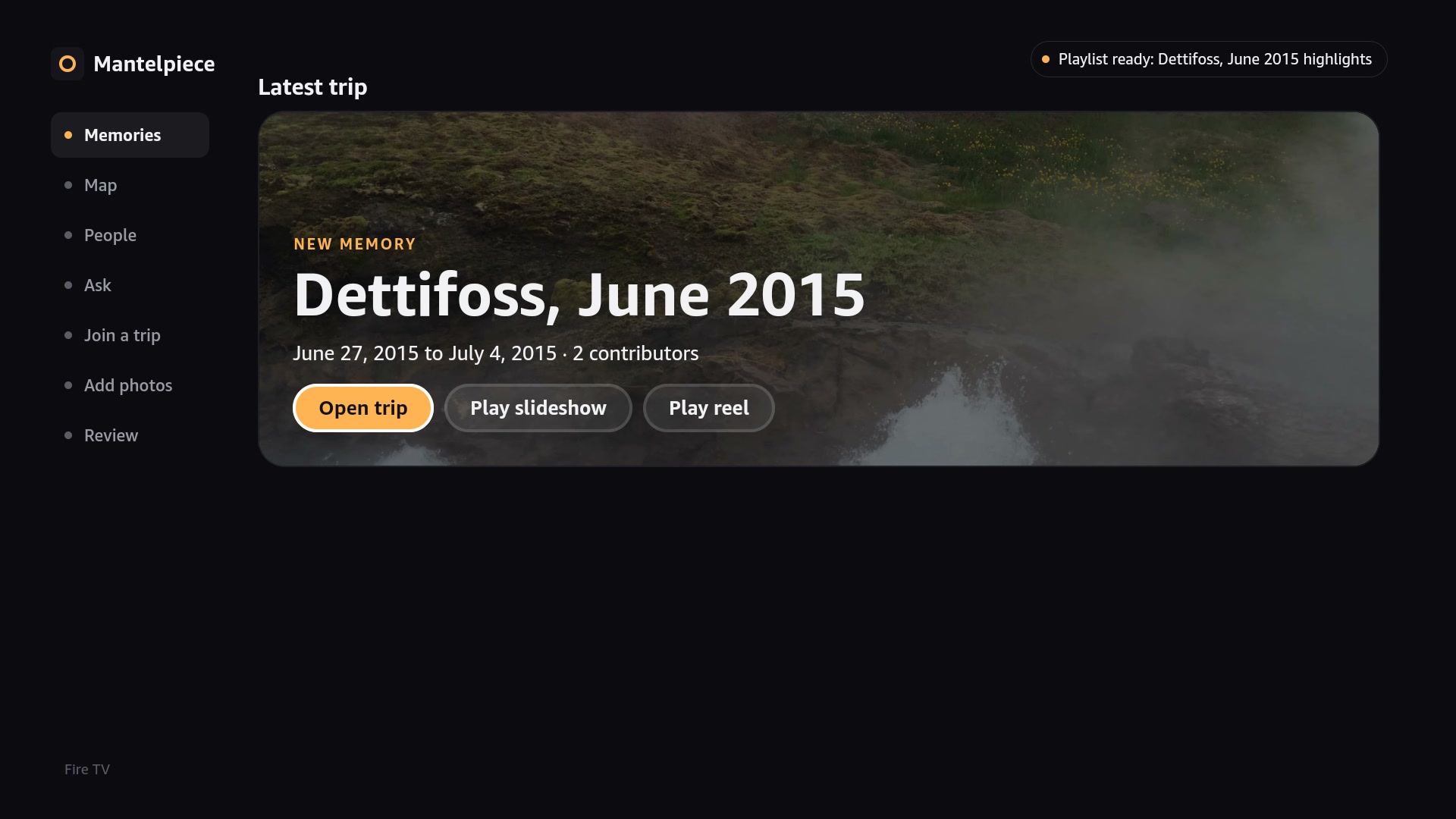
Two phones, one trip: Mantelpiece built it from everyone's photos on its own. Photo: Sergei Gussev, CC BY 2.0
-
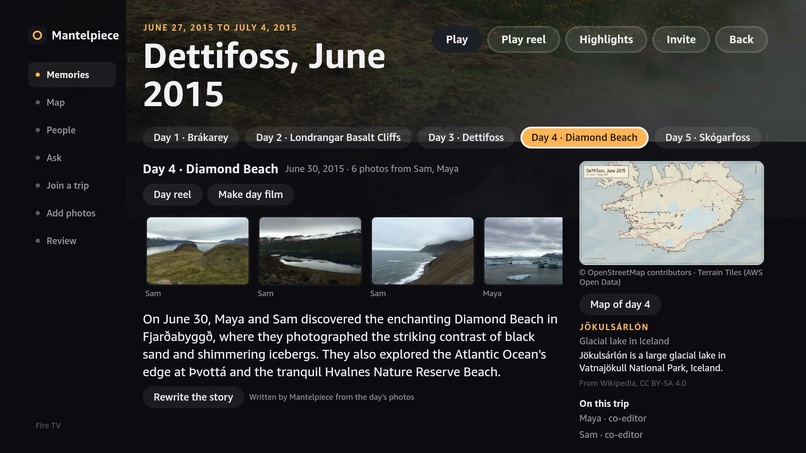
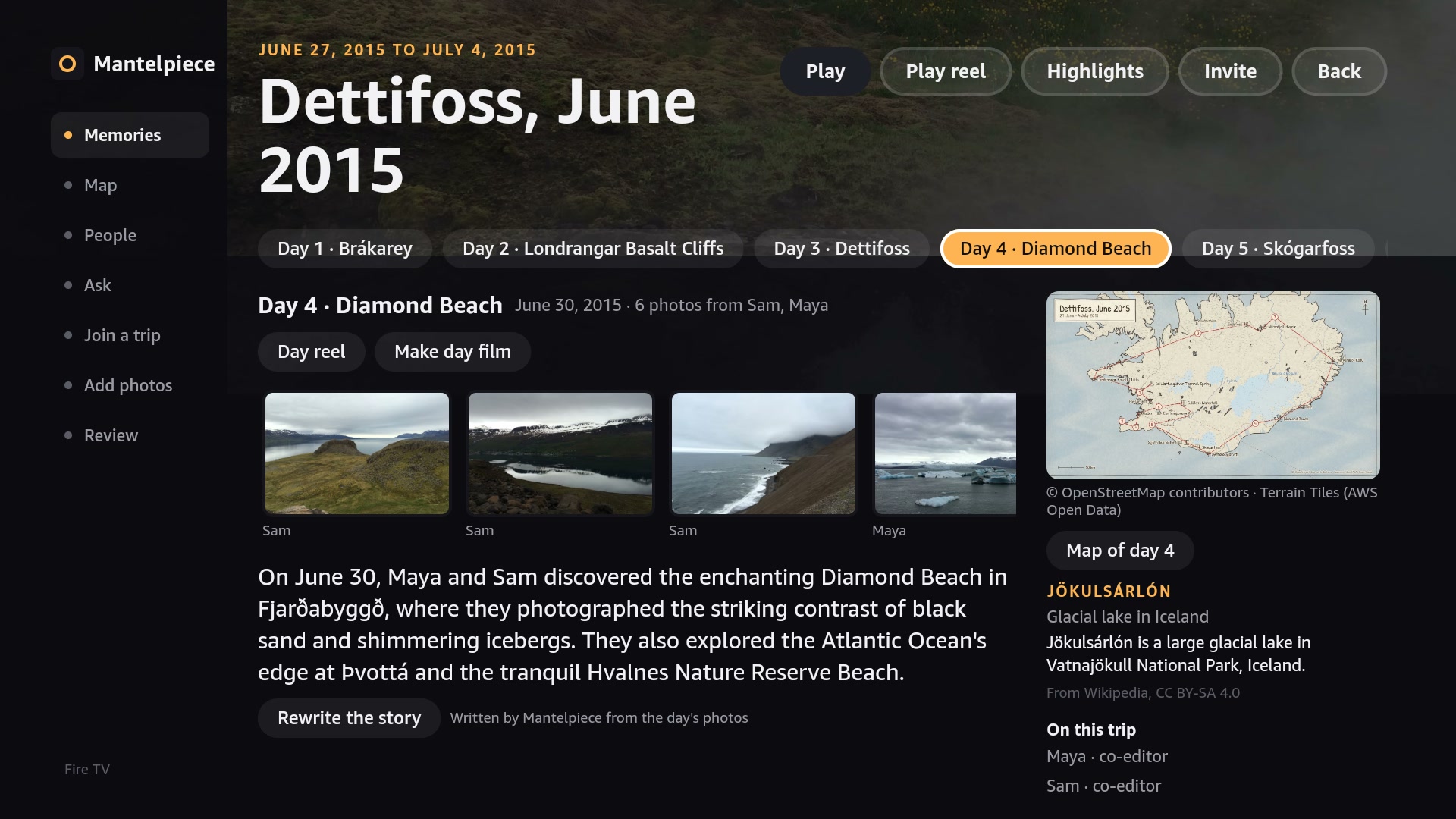
Trip view: each day's story, highlights and map, with who took what. Photos: Sergei Gussev, CC BY 2.0
-
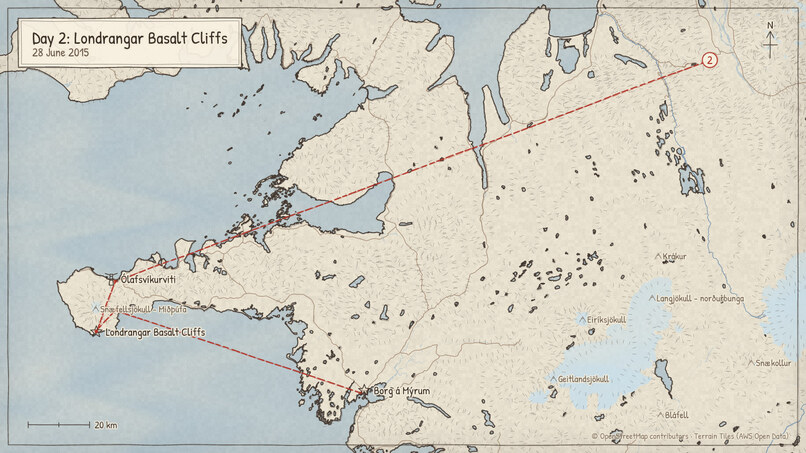
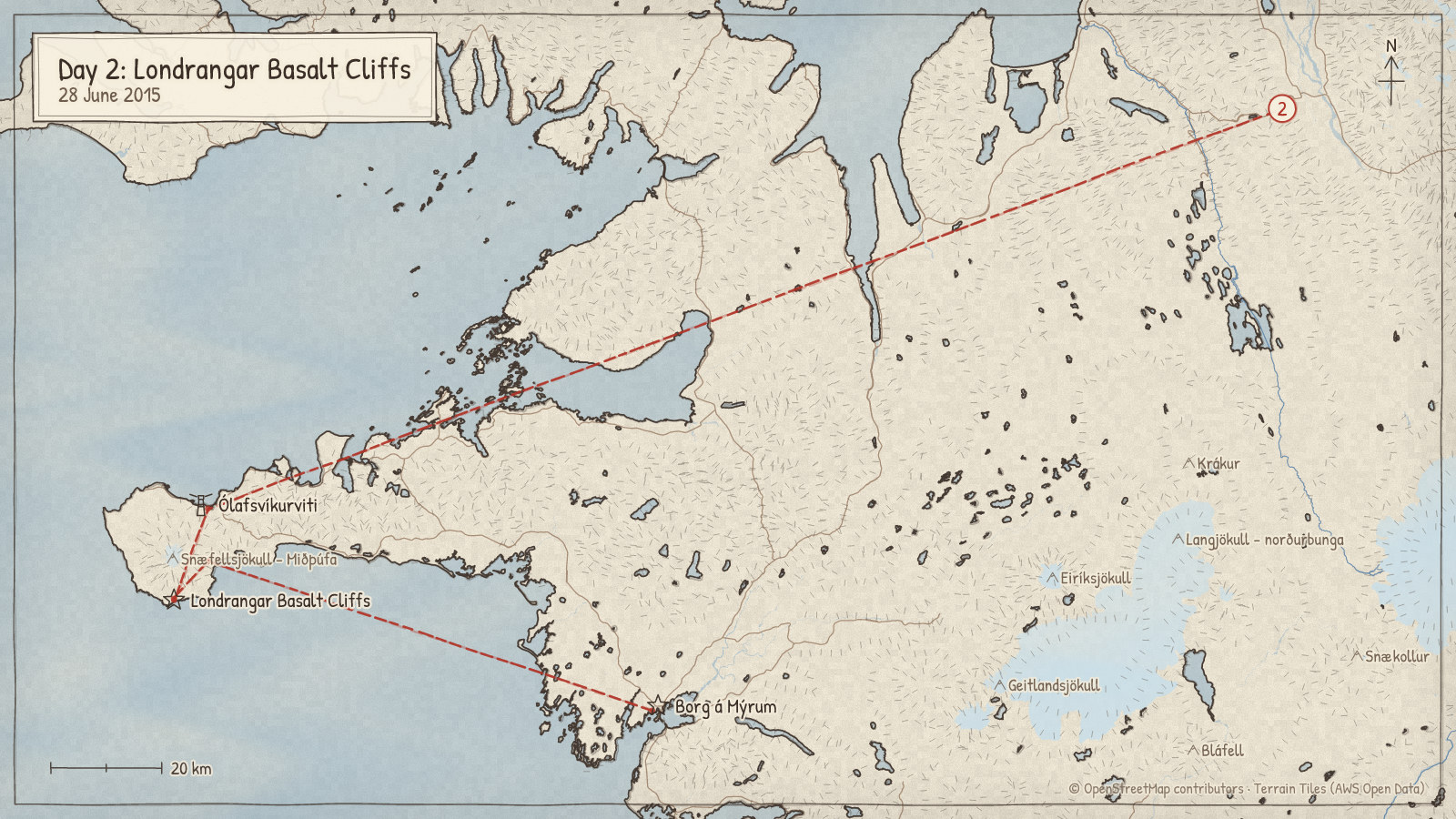
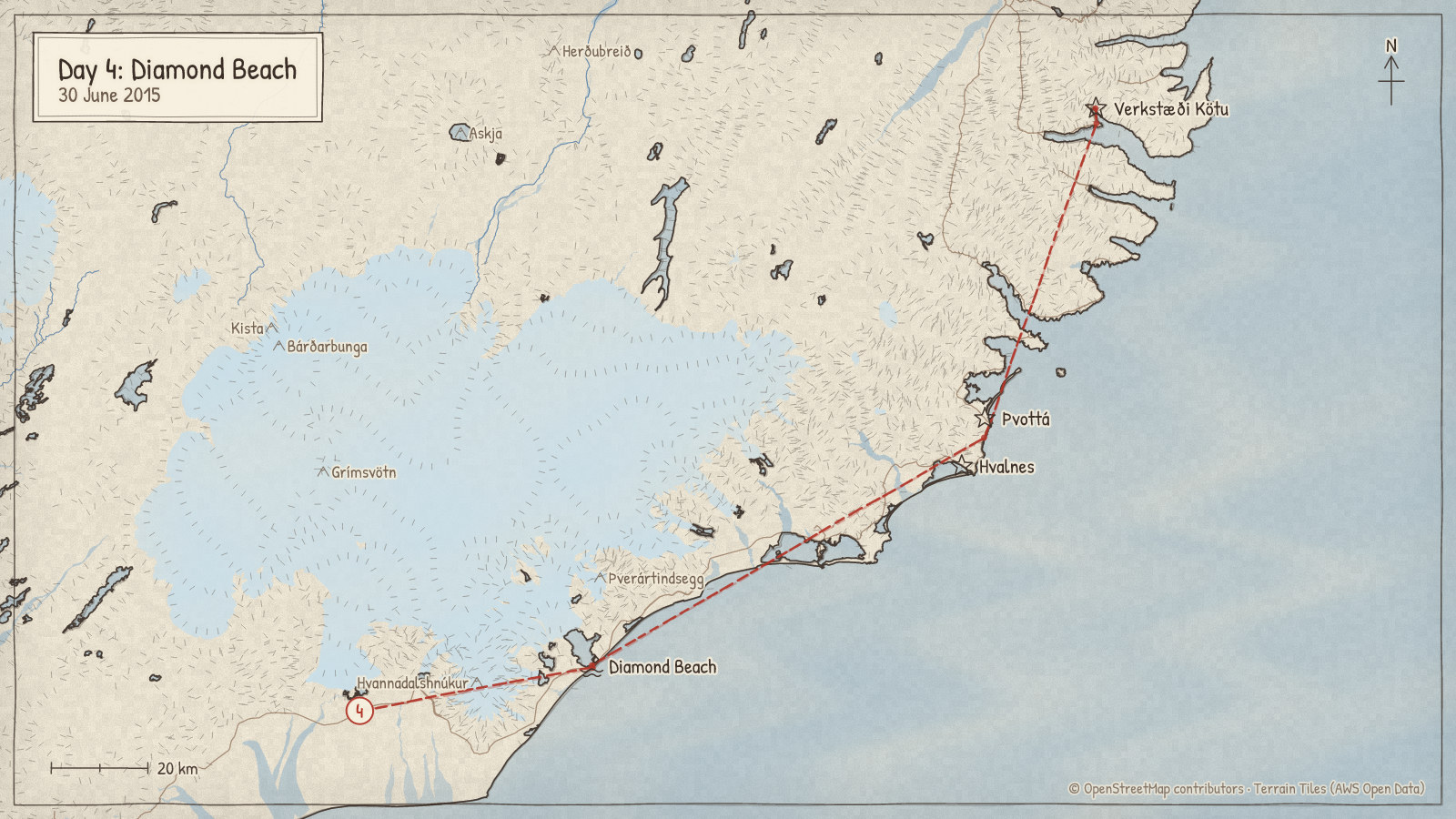
A hand-drawn map for each day: ink coastline, watercolour sea, the route in dashed ink. © OpenStreetMap contributors, Terrain Tiles
-
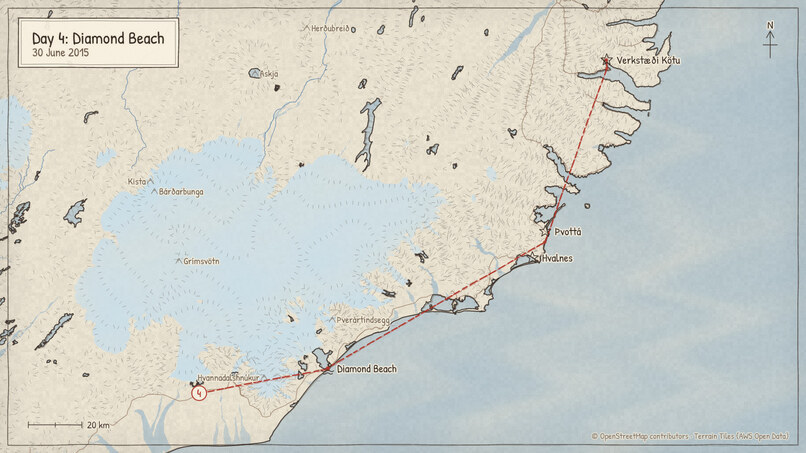
Each day opens on its own map. © OpenStreetMap contributors, Terrain Tiles (AWS Open Data)
-
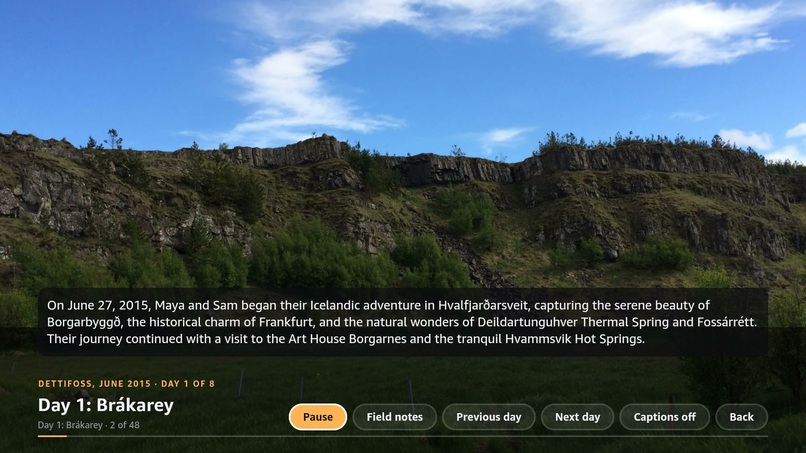
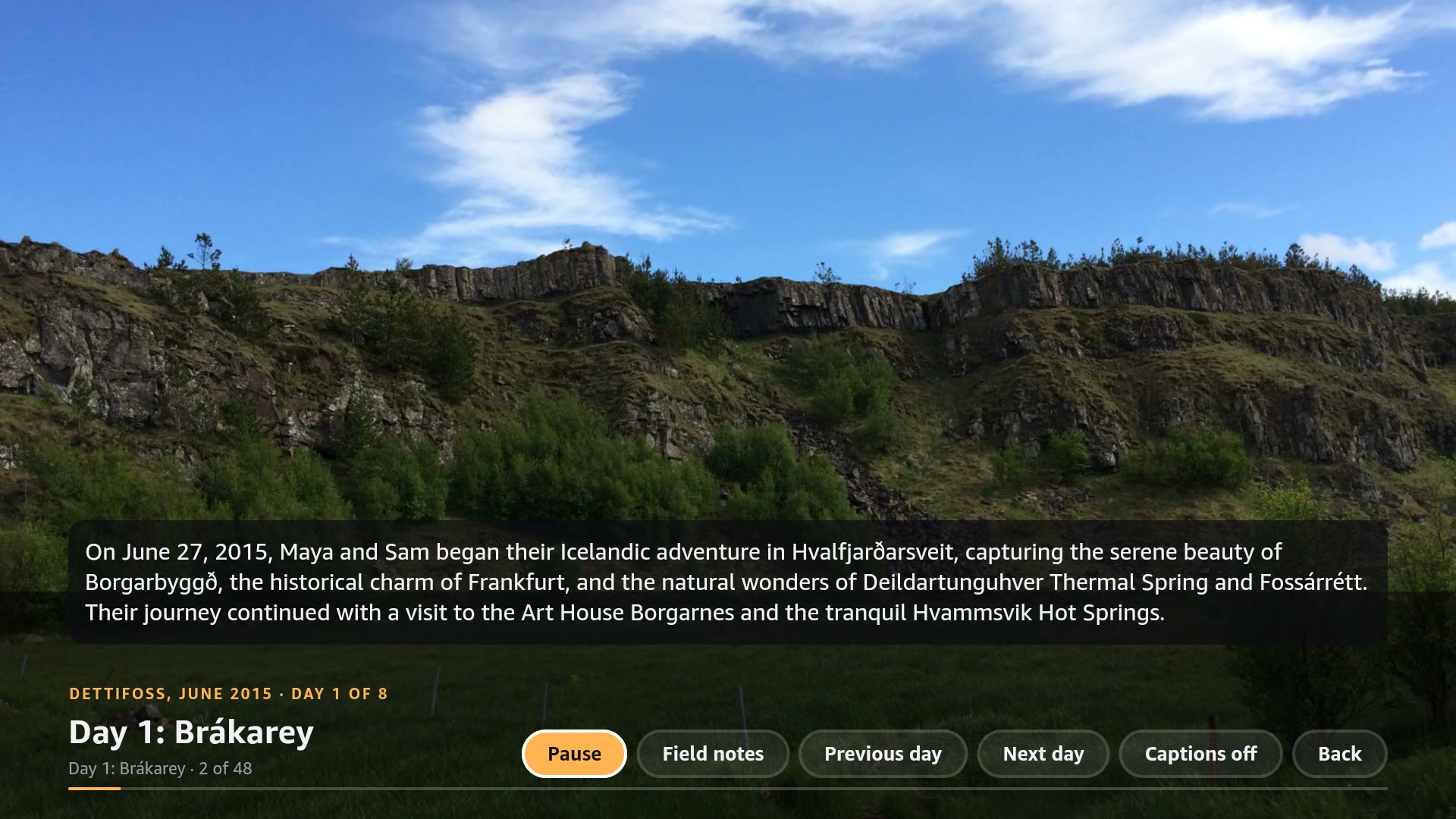
The slideshow tells each day's story, written from the trip's own data. Photo: Sergei Gussev, CC BY 2.0
-
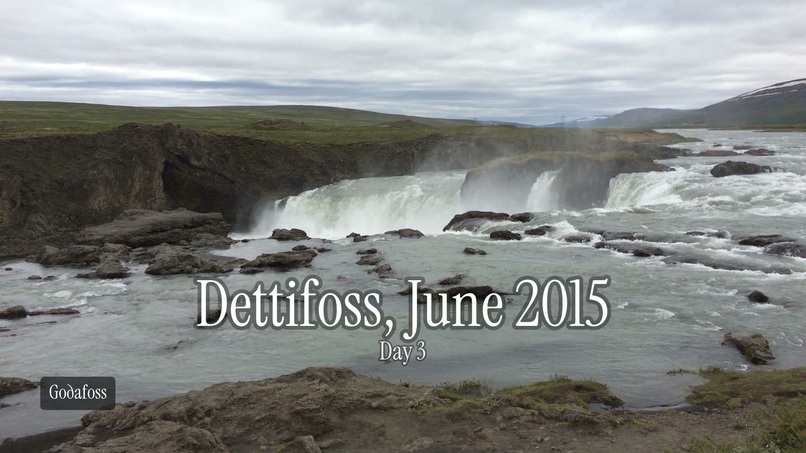
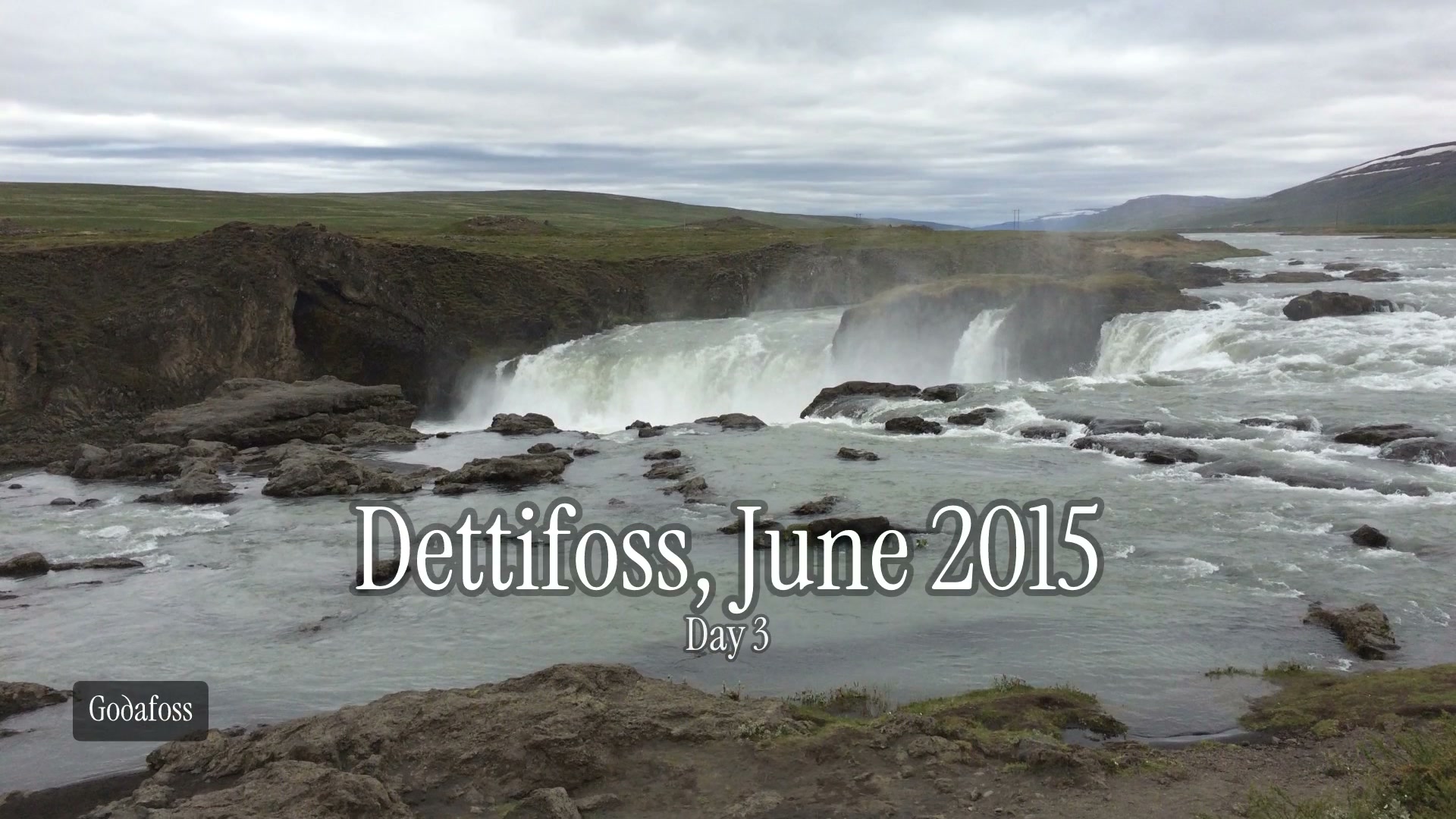
At 21:00, each day of a trip becomes a short film to watch from the sofa. Photo: Sergei Gussev, CC BY 2.0
-
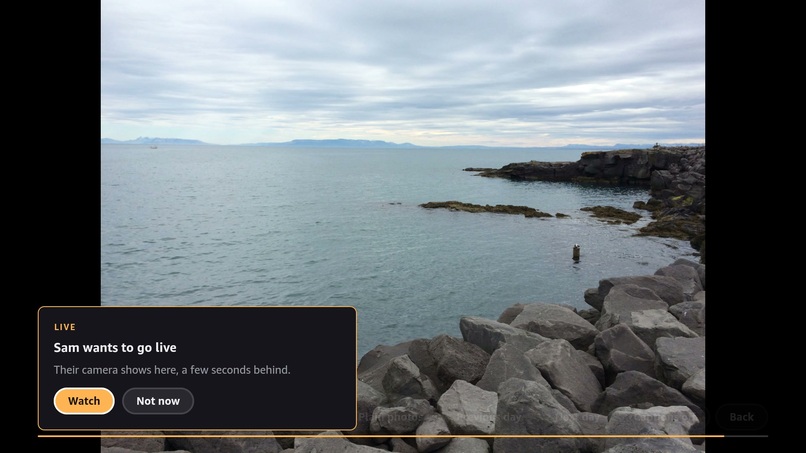
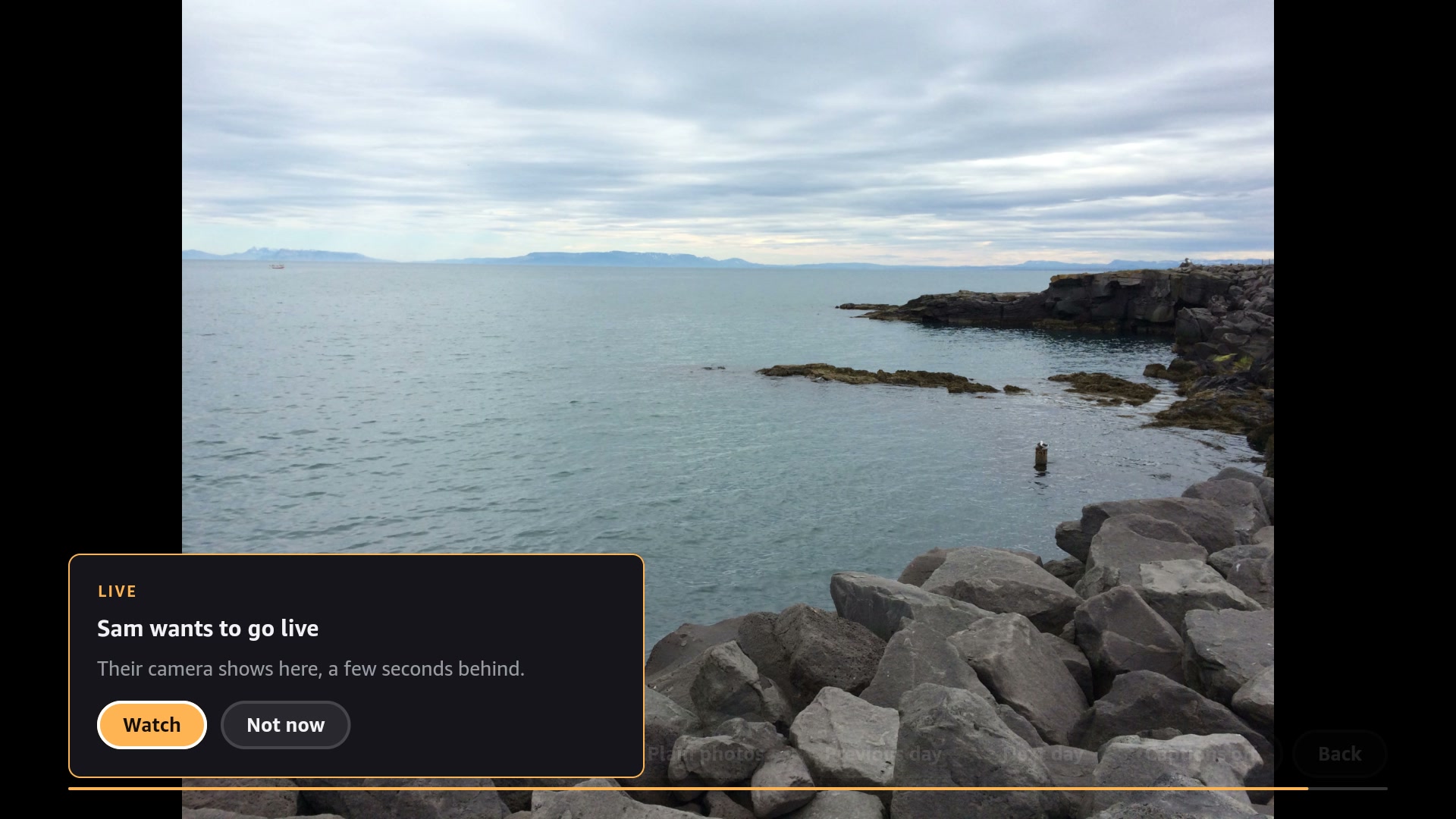
A phone asks to go live, and someone on the sofa selects Watch. Photo: Sergei Gussev, CC BY 2.0
-
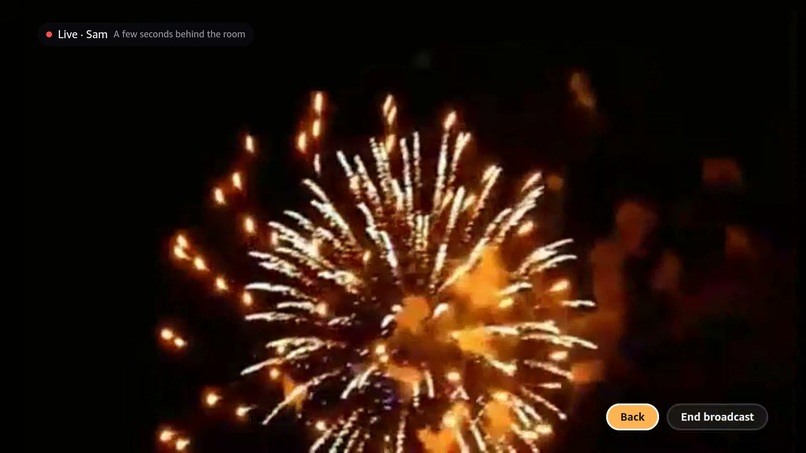
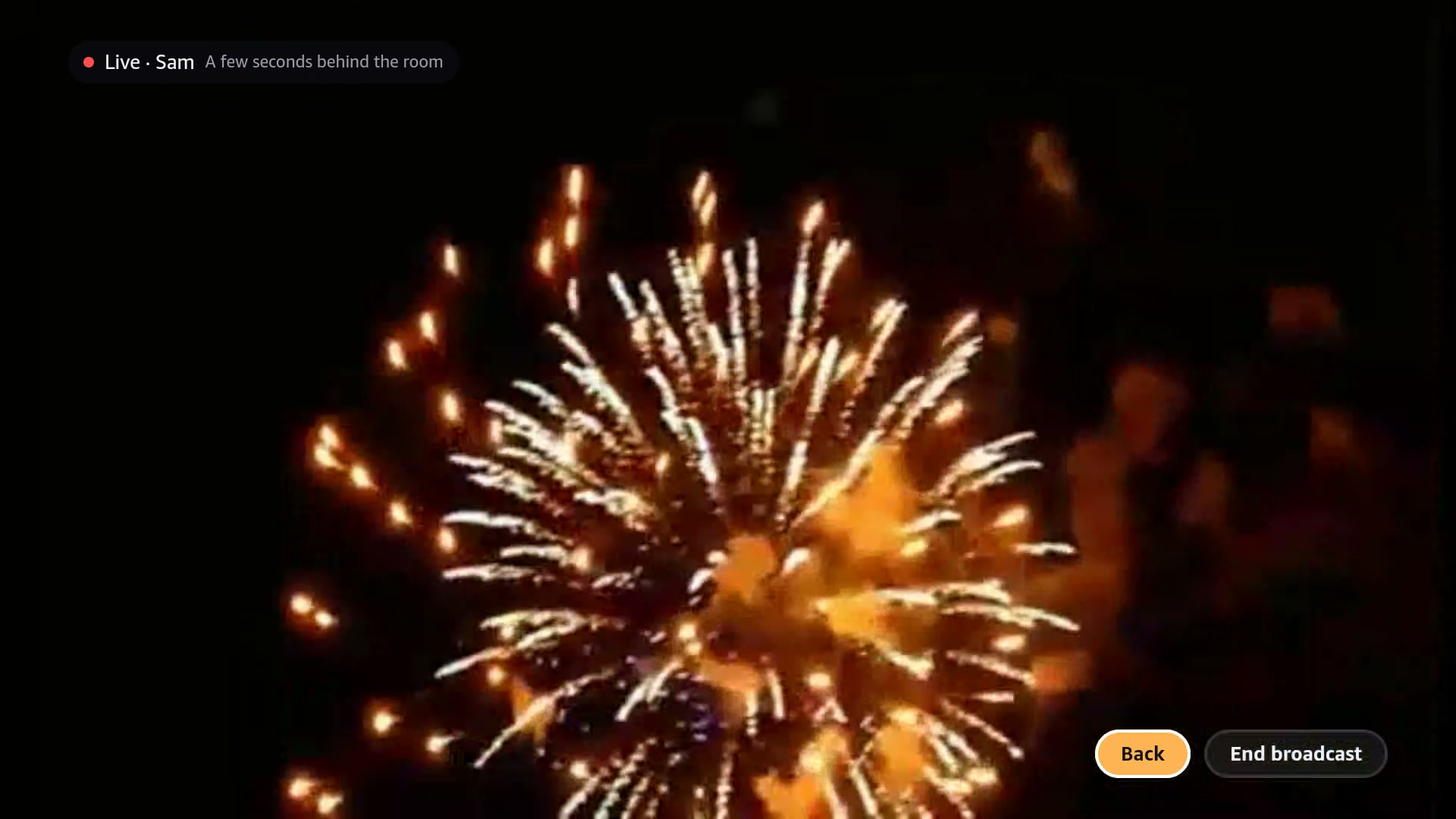
The phone's camera on the big screen, a few seconds behind. Clip: "Fireworks closer view" by Orgio89, CC BY-SA 3.0
-
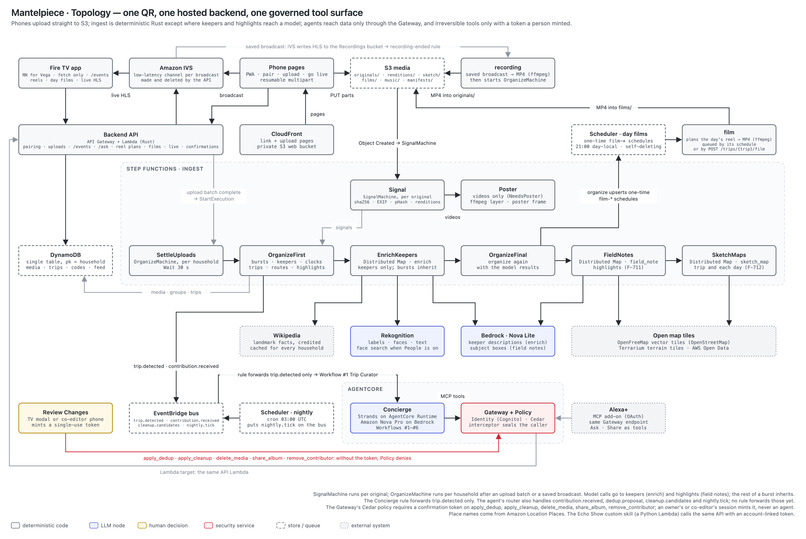
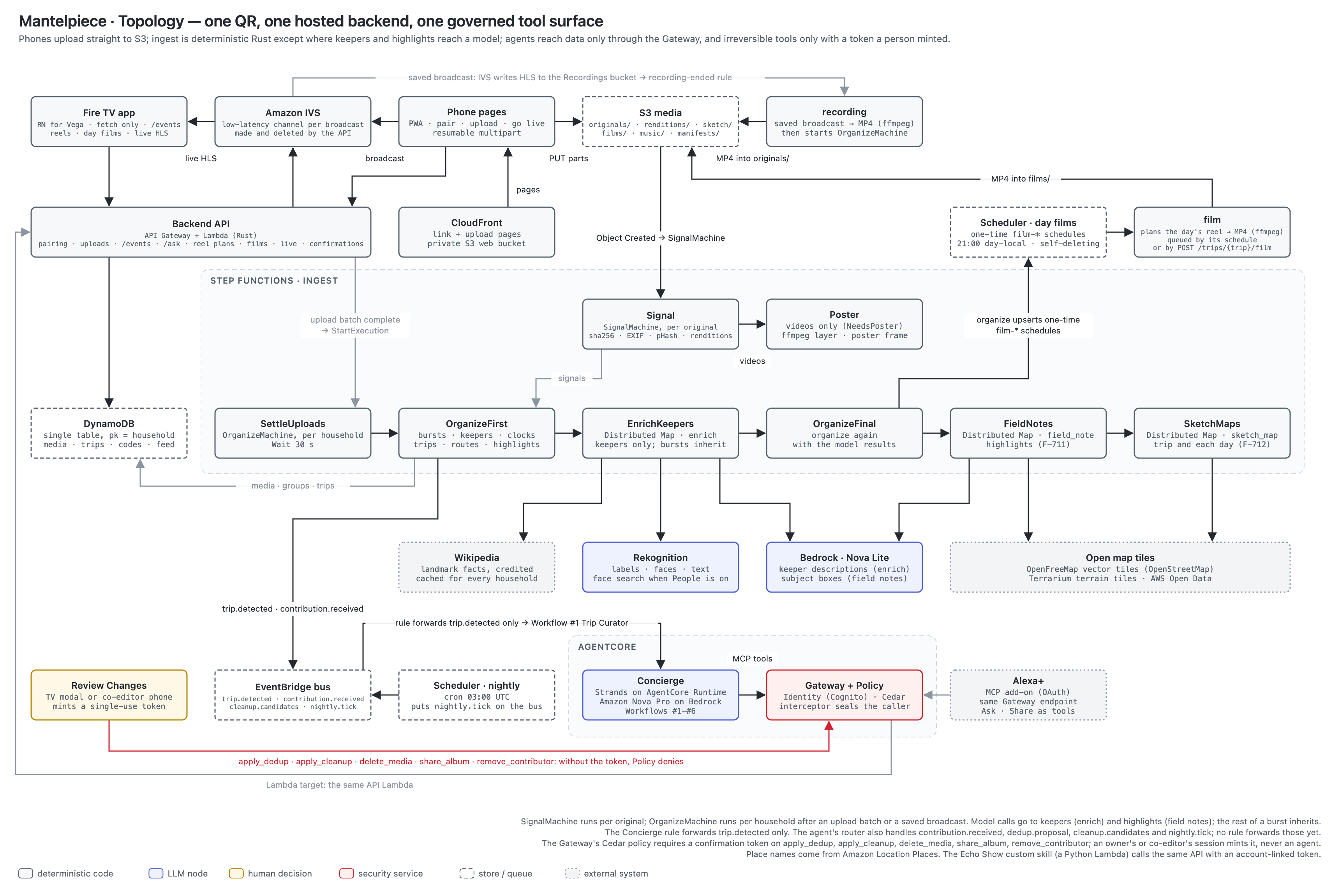
Under the hood: Rust on Lambda, Step Functions, Bedrock and AgentCore, in one AWS CDK stack.
Why
After a trip or a birthday, a family's photos are spread across everyone's phones and rarely seen together. The TV is the one screen the whole family already watches together. Mantelpiece puts everyone's photos there, organized and ready to watch, for any family with a Fire TV, including grandparents in another home.
What it does
Install Mantelpiece on a Fire TV and give your household a name. The TV then shows a QR code. Each person scans it with their phone, types their name, and someone on the sofa approves them with the remote. Nobody needs an account, and there is nothing to install on the phone. On a trip, everyone scans the trip's QR code from their own phone, and their photos go into the same trip with their name on them. The phone does the typing; on the TV, everything is the remote's arrows and Select.
When a photo arrives, it fills the TV screen with the sender's name. One button on the remote sends "loved your photos" back to their phone as a notification. A phone can also ask to go live. When someone at home selects Watch, the phone's camera plays on the big screen about four seconds behind: a party, a school recital, or a trip on the other side of the world.
Mantelpiece curates and enriches each trip automatically. It groups burst shots and keeps the best one, scores every photo, and lines up phones whose clocks disagree. It splits the trip into days, traces the route, and picks the highlights. AI does the rest: Amazon Rekognition labels what is in each photo, Amazon Nova finds each highlight's main subjects so its field-note map can sit clear of them, and an AI agent writes a day-by-day story that says who took which photos. Landmarks come with a short encyclopedia summary, credited on screen.
Then it makes things to watch:
- Field notes: a map inside the photo. A highlight gets a small hand-drawn map of exactly where it was taken, set into the photo's calmest, emptiest part: open sky, sea or grass. Amazon Nova first finds the people, the waterfall or the cliffs in the shot, so the map never covers them; a photo with no quiet space, or no location, gets no map at all. Each map is drawn from OpenStreetMap and terrain data and credited. One button in the slideshow turns field notes on, and selecting a map opens a page about the place.
- Sketch maps. A hand-drawn map of the whole trip and of each day: ink coastlines, watercolour sea and glaciers, pencil shading on the hills, and the route as a dashed ink line with circled day numbers. The slideshow starts each new day on its map.
- Reels and day films. The whole trip, or one day, as a music video on the TV. Every cut falls at the start of a bar of music, and each photo moves slowly toward its subject. At 21:00 each day, that day of the trip becomes a film the family can play from the sofa.
Grandma's Fire TV can join the same trip with its code. She gets everyone's photos the evening they are taken, and her reactions show up in the ticker on your TV.
Deleting or sharing photos always needs a person. Only the owner or a co-editor can approve it, on the TV's Review changes screen, and an AI agent cannot approve it on its own. Maps never show places near home precisely, and anything shared outside the household gets its maps without the part of the route near home.
How we built it
- Fire TV app: React Native for Vega, built for the remote. Every screen is laid out at 1920x1080 and scaled to Vega's 960x540-point window, and focus moves predictably with the D-pad: a preferred button takes focus once, not again on every re-render. The screens are shared in
packages/tv-uiand sit inside a thin Vega shell. The app talks to the backend with fetch only and bundles no native modules; it uses the system-provided@amazon-devices/*ports for storage and media playback. - Phone pages: a web app (PWA), so there is nothing to install. Uploads go straight to S3 in parts and pick up where they left off if the connection drops. A streaming SHA-256 hash rejects exact duplicates before any processing. On Android the page appears in the share menu, and "loved your photos" arrives as a web push notification (RFC 8291, written in Rust).
- Backend: Rust on AWS Lambda behind API Gateway. It handles QR pairing approved on the TV, HMAC-signed sessions, trip codes, presigned upload links, and a long-poll event feed that keeps the TV up to date.
- Photo processing: Step Functions. A task for each photo reads its EXIF data, computes a perceptual hash and a sharpness score, and makes resized copies. Then, for each household, it organizes the photos (bursts, best shots, clock alignment, trips, routes, highlights), sends the best shots to Rekognition, and uses Distributed Maps to draw field notes and sketch maps. Only the best shot of a burst goes to a model; the other shots reuse its results.
- Maps: drawn in Rust with tiny-skia from OpenFreeMap vector tiles and AWS Open Data terrain tiles. Contours, watercolour washes and hand-drawn lines come from seeded noise, so a map always redraws exactly the same, byte for byte. Amazon Nova Lite finds the subjects in each photo so the field note stays clear of them.
- Reels and day films: reels are planned without an AI model, from the photo scores, the subject boxes and the beat grid of CC BY music. Day films are rendered frame by frame in Rust, encoded with ffmpeg, and scheduled for each day with EventBridge Scheduler.
- Live video: Amazon IVS low-latency channels. The phone broadcasts from its browser, and the TV plays the HLS stream through Vega's W3C media port with a patched hls.js.
- Agents: Amazon Bedrock AgentCore. A Concierge agent built with Strands runs on AgentCore Runtime (Amazon Nova Pro by default) and writes each new trip's story when EventBridge reports the trip. Its tools go through AgentCore Gateway, with the API Lambda as the target. An interceptor locks every call to the caller's household, and Cedar policies block irreversible tools unless the call carries a confirmation token.
- Observability and audit: every agent run and tool call is recorded as a trace span tagged with the household. Every pairing, share, deletion and gated tool call leaves an audit record with the confirmation it carried.
- One CDK stack, all serverless:
make updeploys it andmake downremoves it, and a household pays only for what it uses. Everything undermake testruns without AWS.
Challenges
- A Fire TV on Vega has no camera, WebRTC or getUserMedia, so the family's phones became the TV's cameras: each one broadcasts from its browser through Amazon IVS, and the TV plays it about four seconds behind.
- Amazon Photos has no public API, so photos have to come from the phone's camera roll through the browser. This is the biggest gap for memory apps on Fire TV and Alexa+. Our friction log asks for an Amazon Photos MCP tool and a Login with Amazon
photos:readscope. - Live video on Vega needed three fixes in the player: wait for the IVS playlist before attaching media, and attach it only once; keep AAC-LC audio by telling hls.js which platform it is on; and rebuild the player when the picture stalls.
- Amazon Location's static maps cannot be stored under its terms, so we drew our own route maps: hand-drawn sketch maps from OpenStreetMap, with credit on every map.
- A trip story written by a model must never invent a place or a date. It is written only from the trip's structured data and checked against that data before it is saved. A story that fails the check is not shown.
- Finding subjects in landscape photos: the first prompt found nothing in a photo of sea stacks. Naming landscape subjects in the prompt, passing the trip's landmark as a hint, and reading the model's answer more leniently fixed it.
What's next
Register the Alexa+ add-on when the preview opens; its OAuth 2.1 metadata, PKCE client and scope are already served. Then try the Echo Show slideshow skill with Alexa. Run Mantelpiece on a Fire TV Stick: so far everything has run on the Vega Virtual Device, where reel music stops after half a second and the reel plays on silently. Then publish it on the Fire TV Appstore. After that: decoding HEIC photos on the server and native Login with Amazon on the TV. What we have not yet verified is listed in the friction log and the decision log; judges can try it with the testing guide.
Mantelpiece builds a trip from each photo's original date and location, so the demo uses a real 2015 trip around Iceland whose photos are openly licensed: Sergei Gussev, CC BY 2.0, via Wikimedia Commons. Maps © OpenStreetMap contributors and Terrain Tiles (AWS Open Data). Music: "Carefree", "Living Voyage" and "Early Riser" by Kevin MacLeod, CC BY 3.0, via Wikimedia Commons.
Built With
- amazon-api-gateway
- amazon-bedrock
- amazon-bedrock-agentcore
- amazon-cloudfront
- amazon-cognito
- amazon-dynamodb
- amazon-eventbridge
- amazon-ivs
- amazon-nova
- amazon-rekognition
- amazon-web-services
- aws-cdk
- aws-lambda
- aws-step-functions
- eventbridge-scheduler
- ffmpeg
- login-with-amazon
- openstreetmap
- python
- react-native
- rust
- strands-agents
- tiny-skia
- typescript
- vega-os