-
-
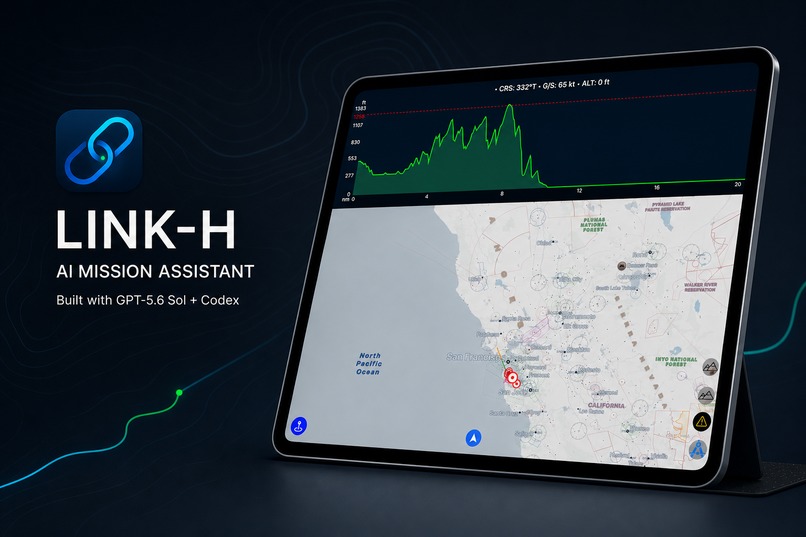
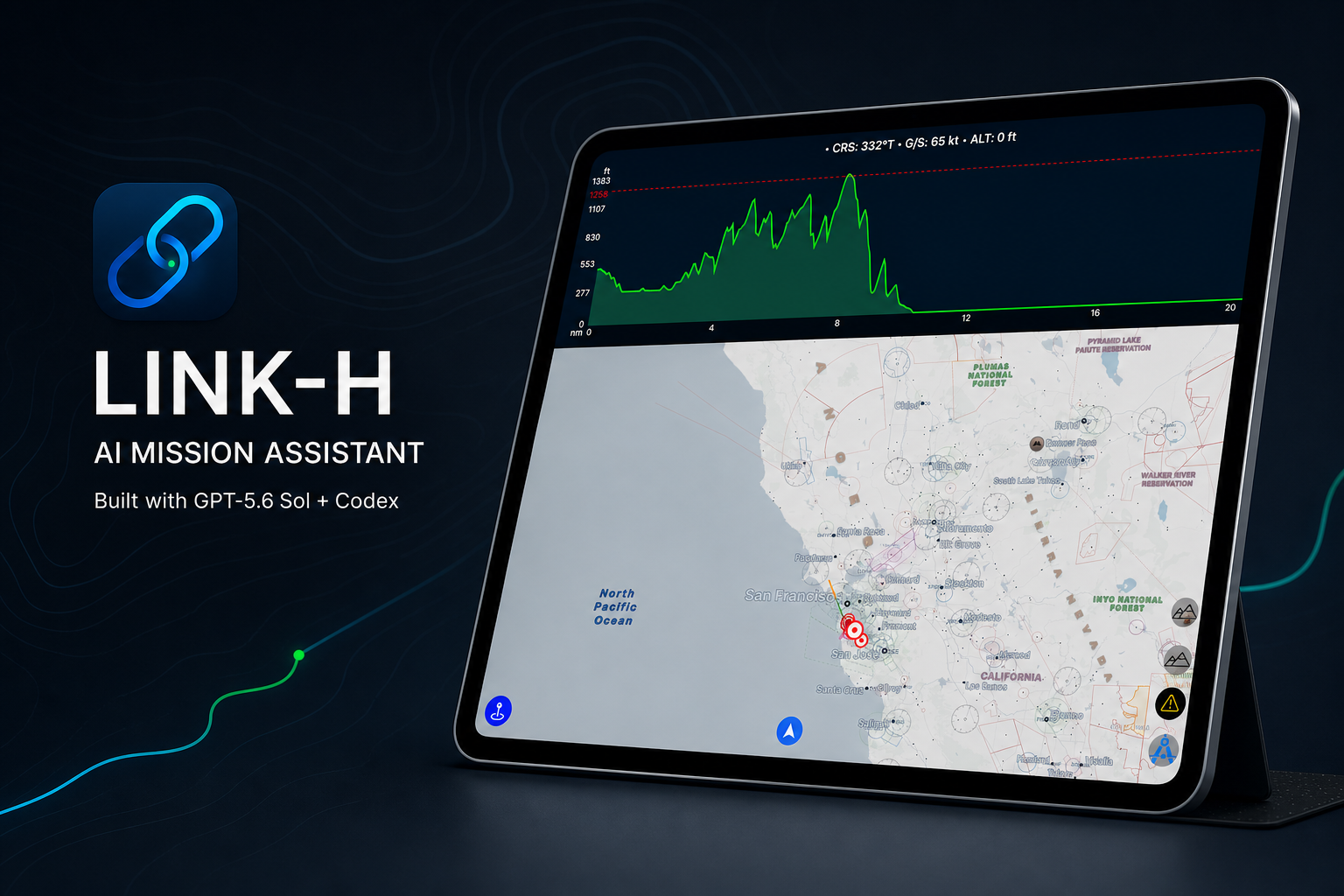
Link-H unifies aviation data in a cockpit-ready mission workspace for iPhone and iPad, refined with GPT-5.6 and Codex.
-
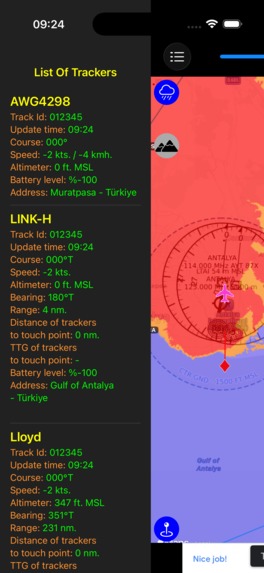
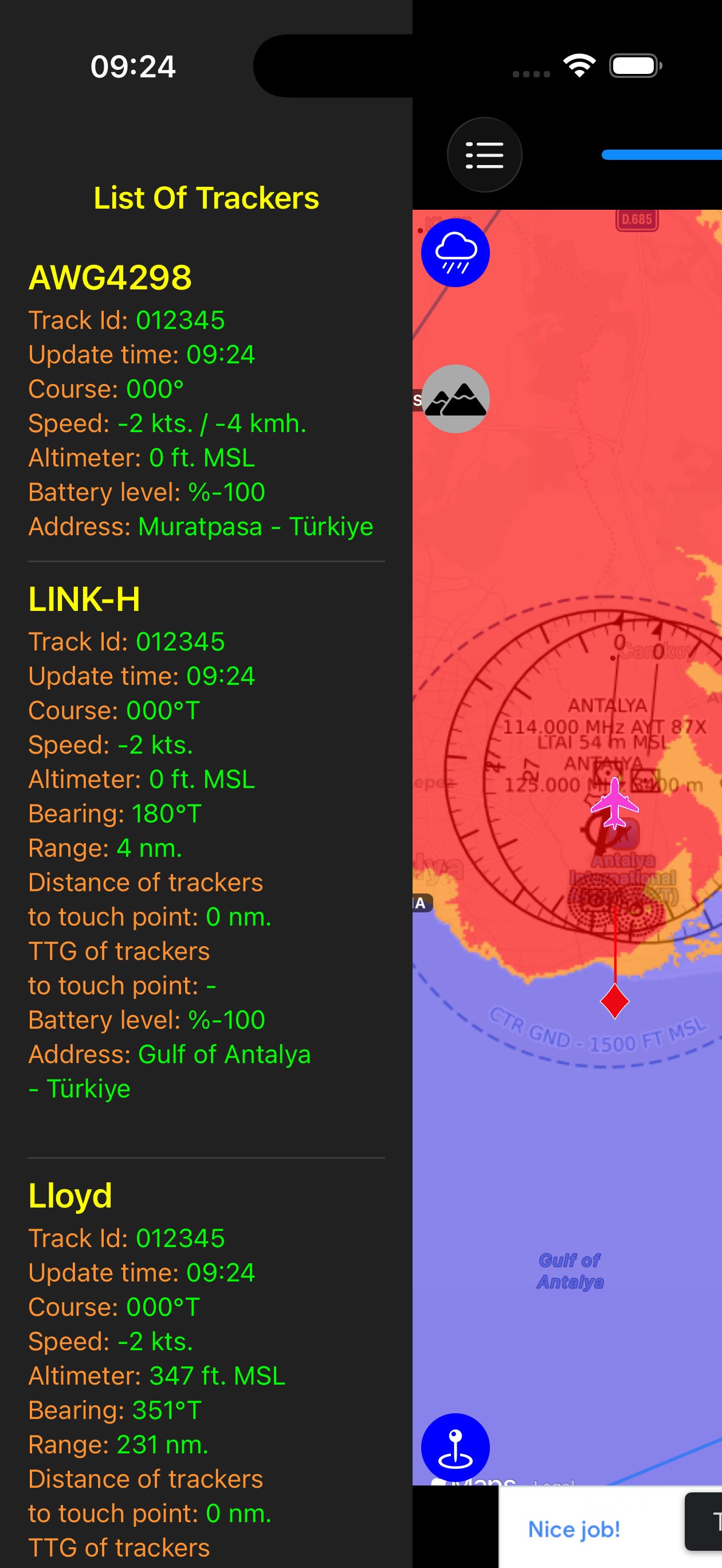
Live mission telemetry shows identity, speed, altitude, bearing, range, and tracker status alongside the operational map.
-
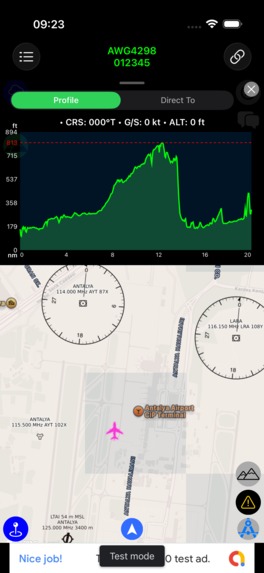
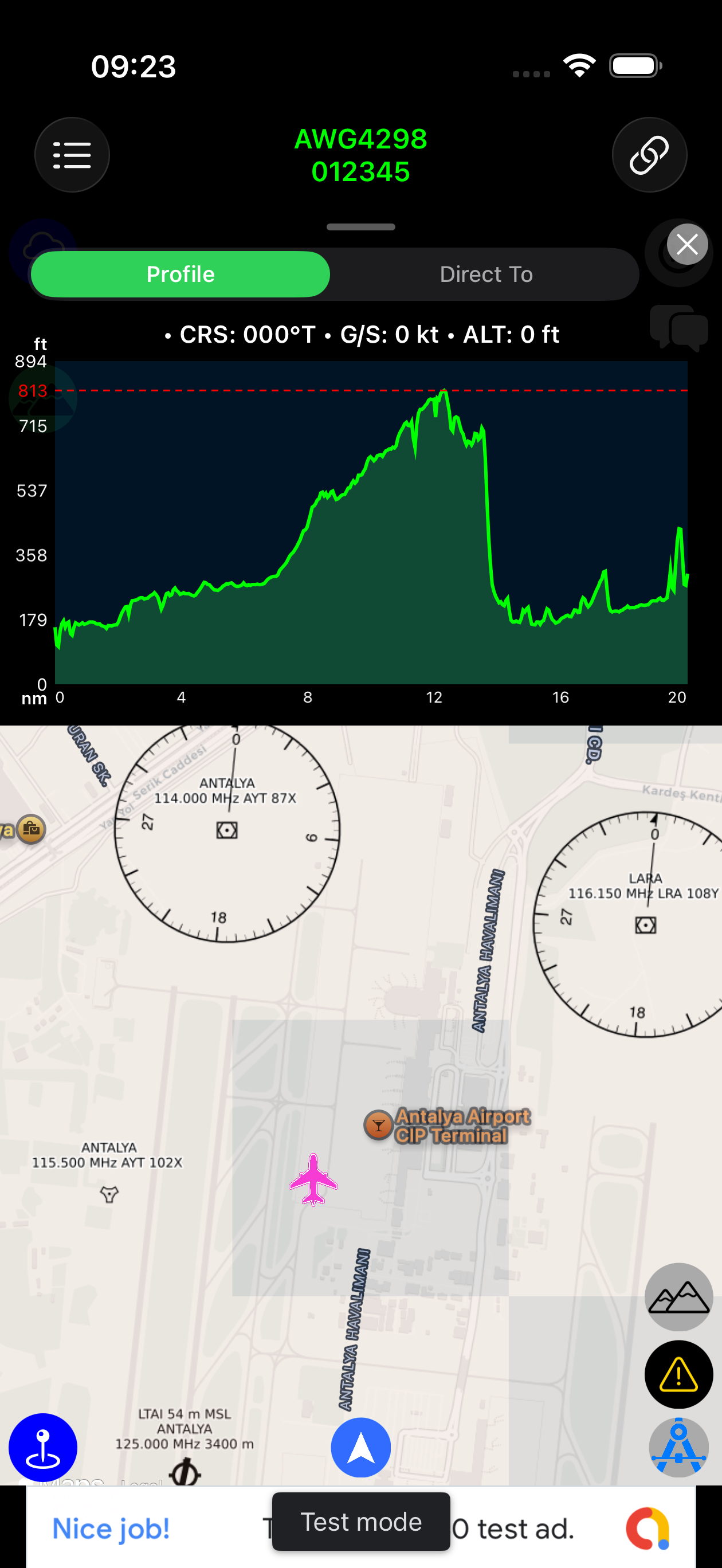
Track elevation history and multiple airport environments remain visible together without leaving the moving map.
-
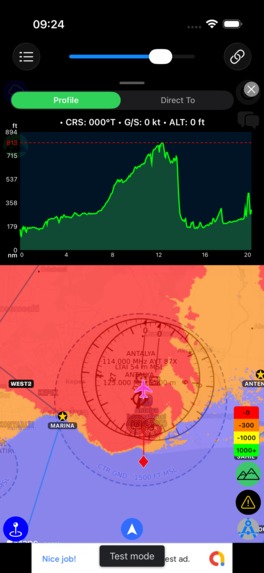
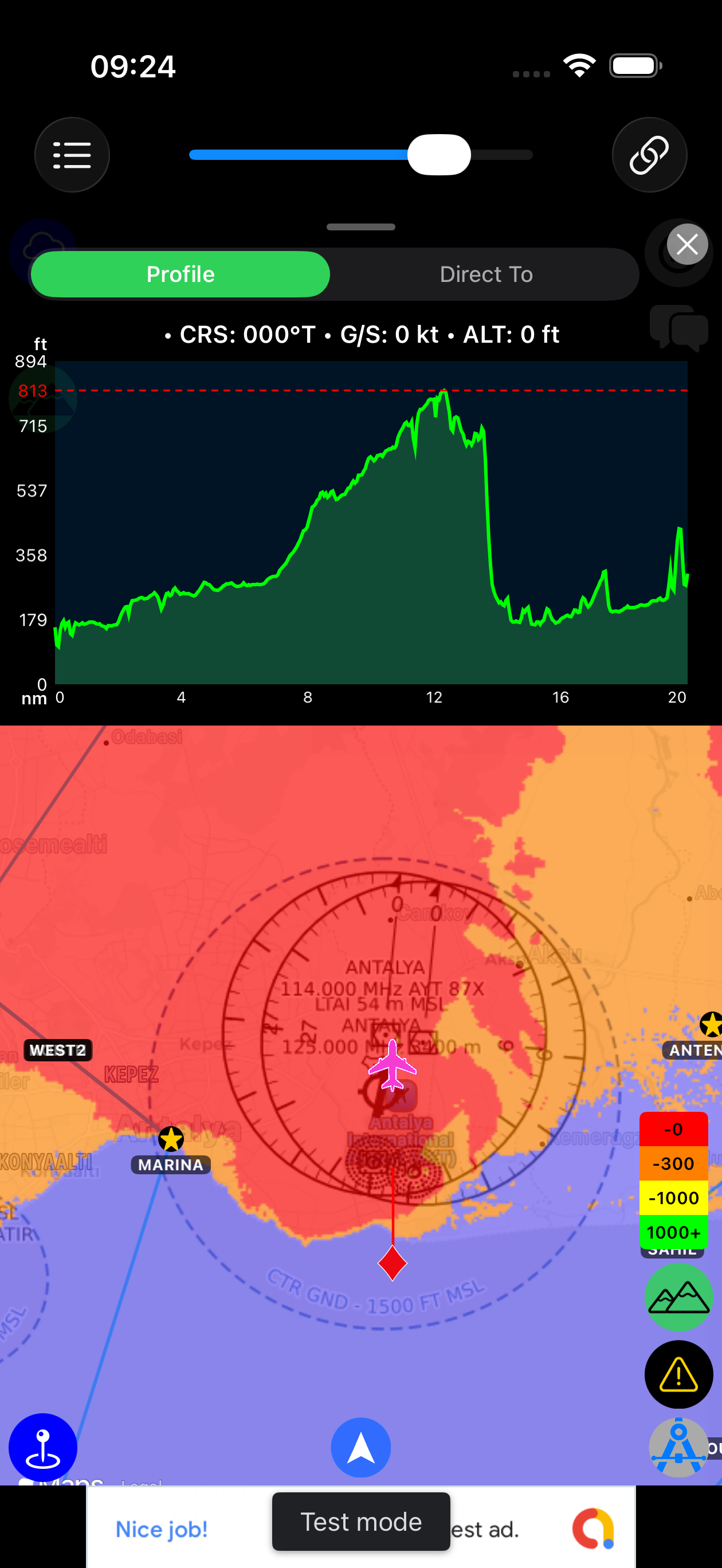
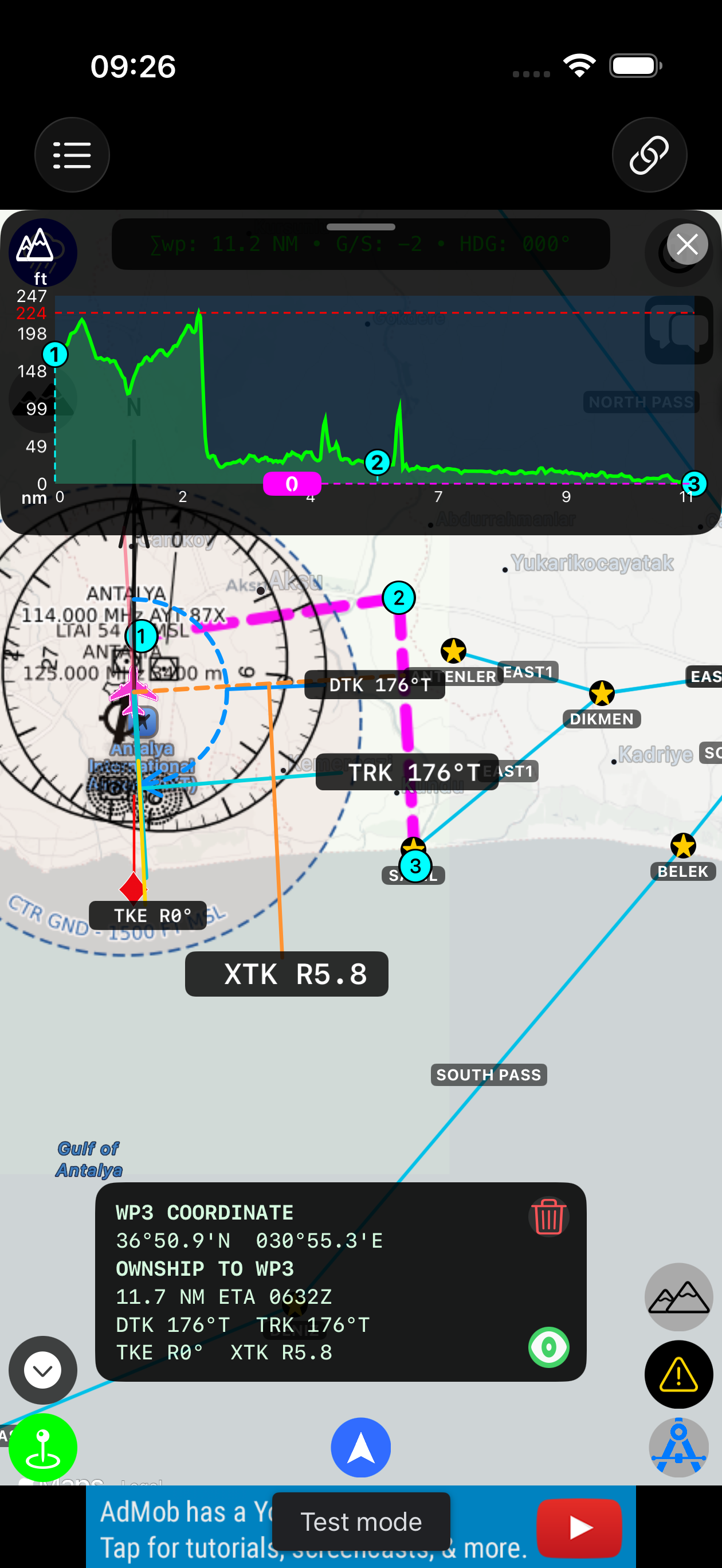
Terrain shading and live elevation profiles help crews understand vertical context around the selected airport.
-
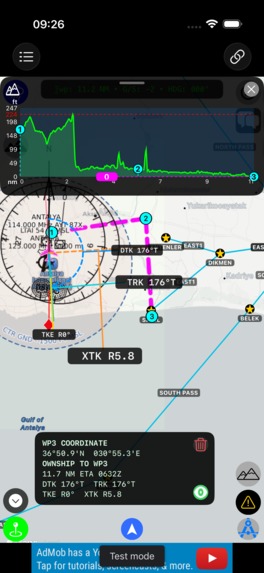
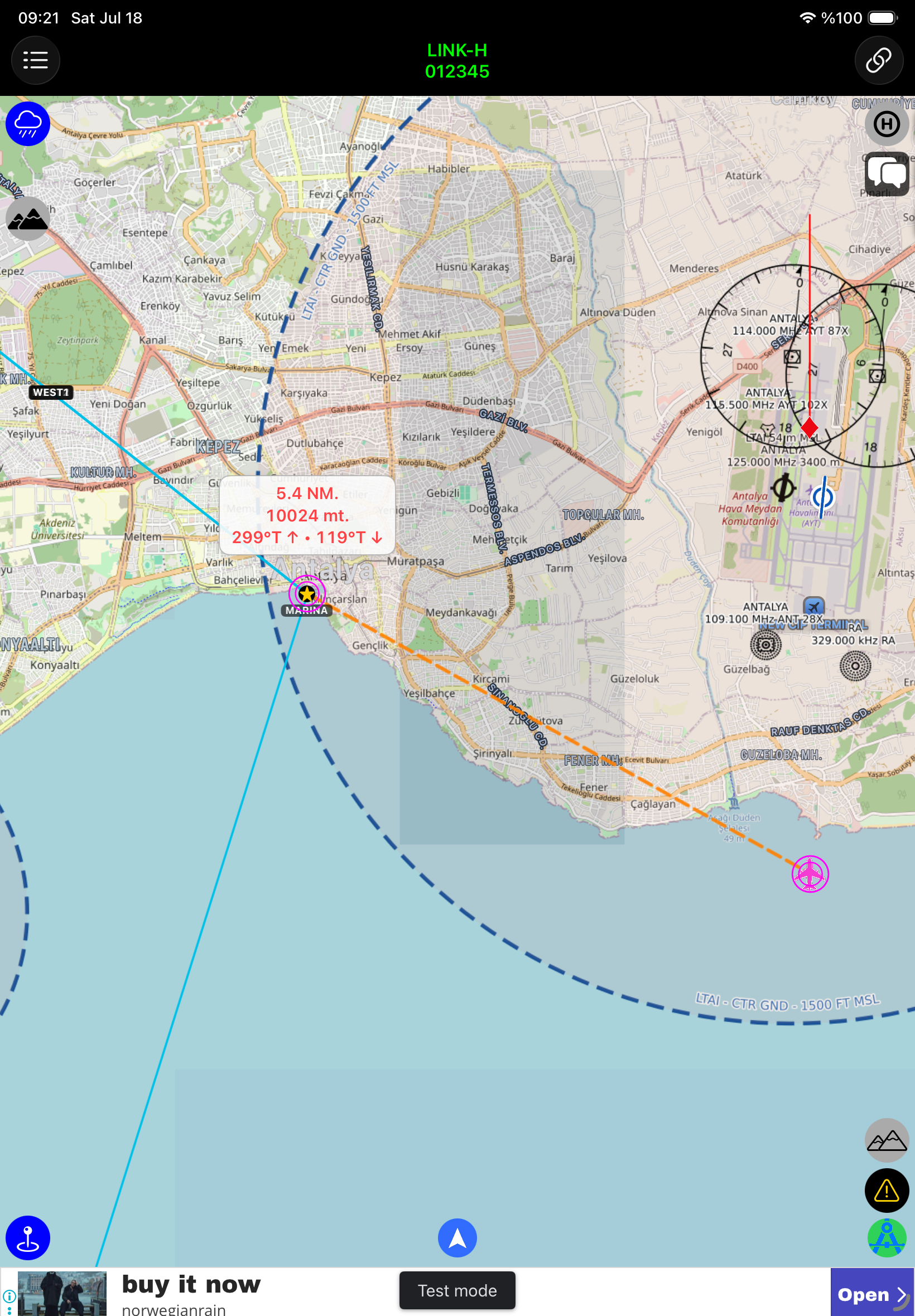
Route planning overlays distance-to-go, track, radial, and timing data directly on an aeronautical chart.
-
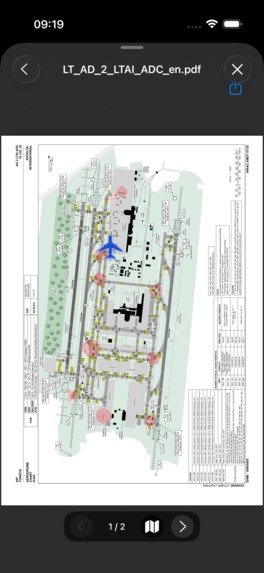
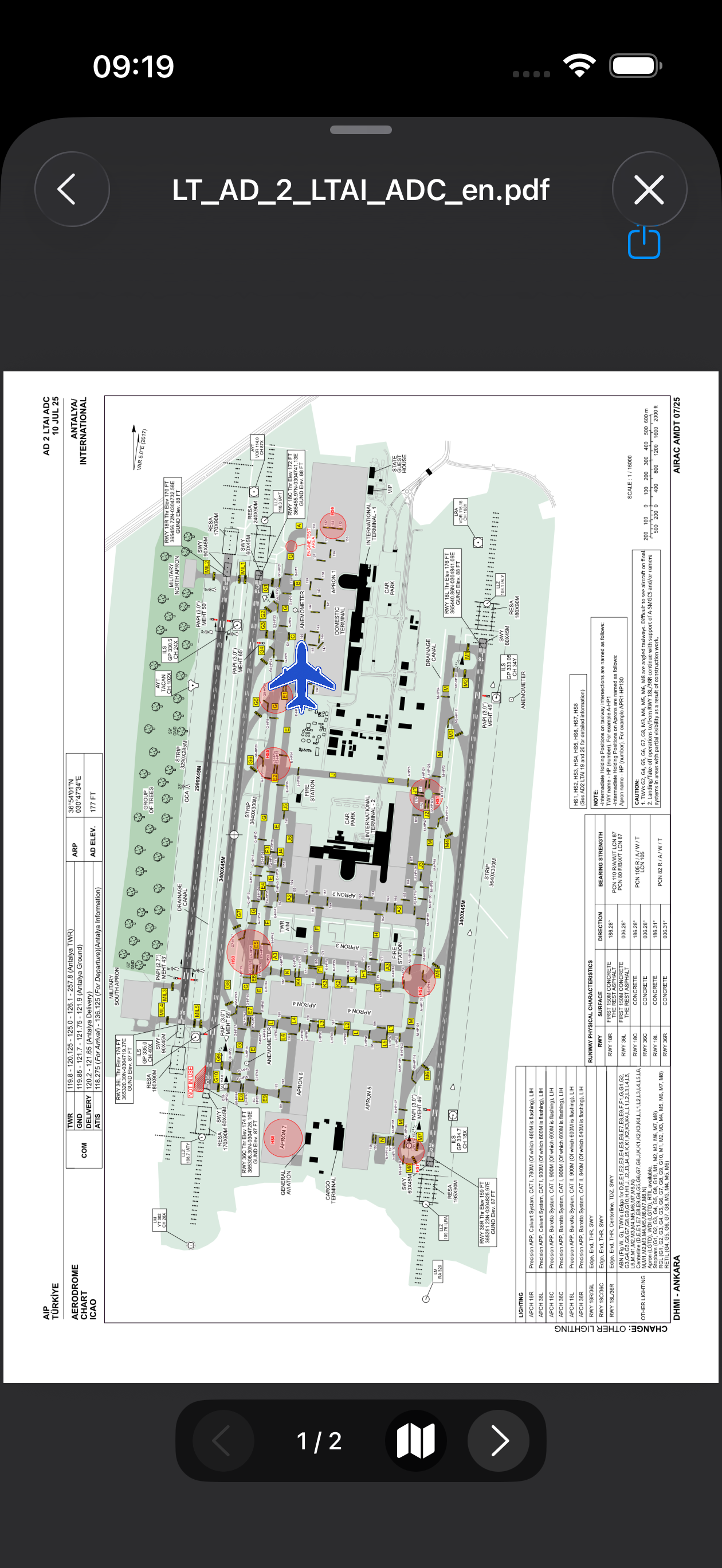
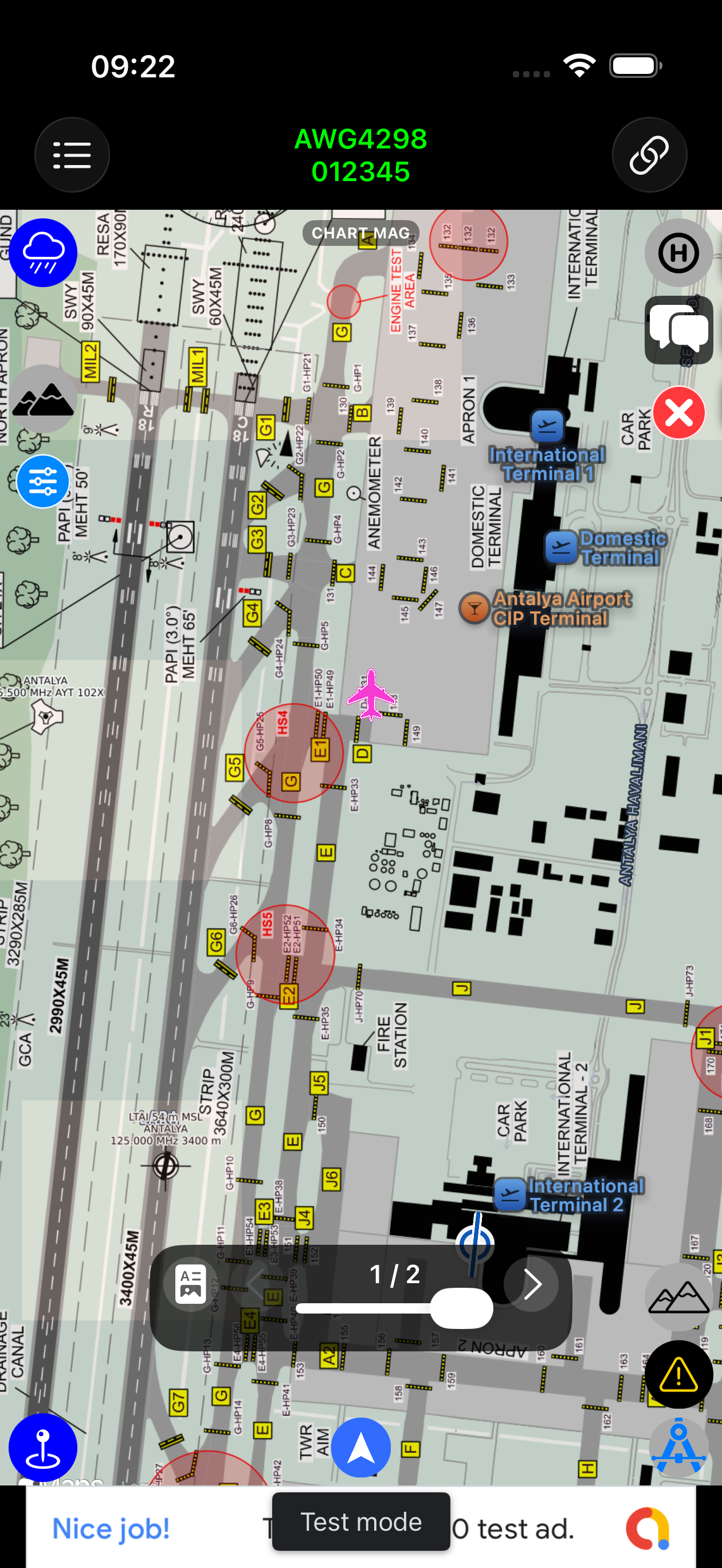
Georeferenced airport diagrams keep aircraft position and surface hotspots aligned with the operational map.
-
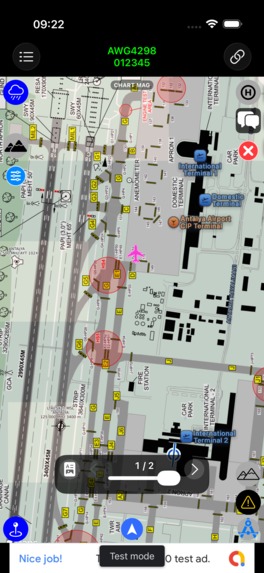
Ground operations view combines aircraft position, runway geometry, taxi areas, and chart detail at useful scale.
-
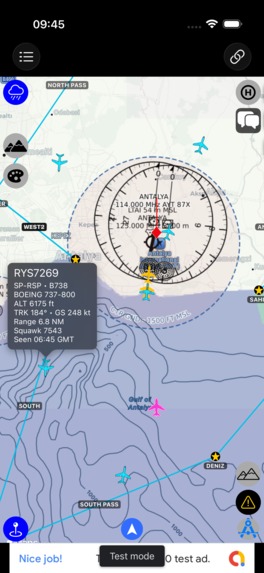
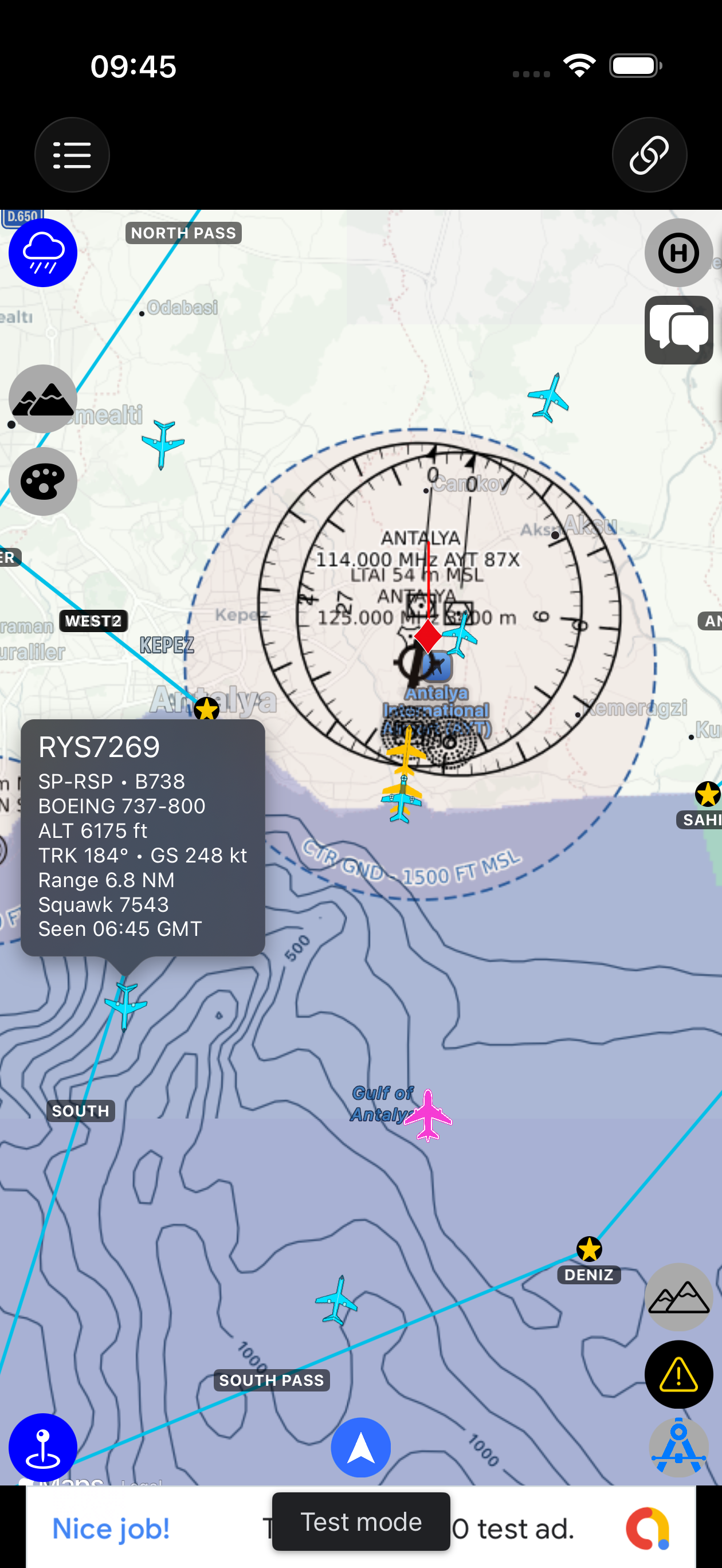
Tap a live aircraft to inspect callsign, squawk, altitude, groundspeed, range, and last-seen time in context.
-
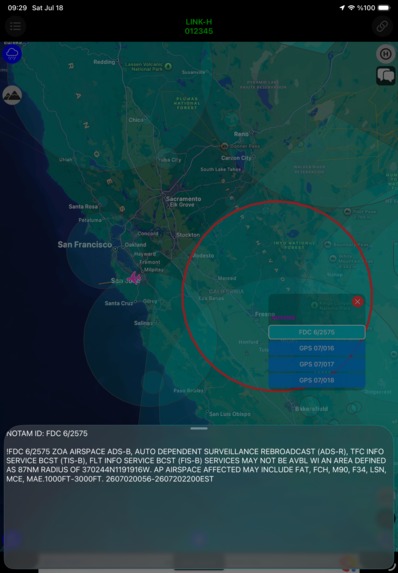
Create operational range rings and GPS reference points directly on the map for quick mission planning.
-
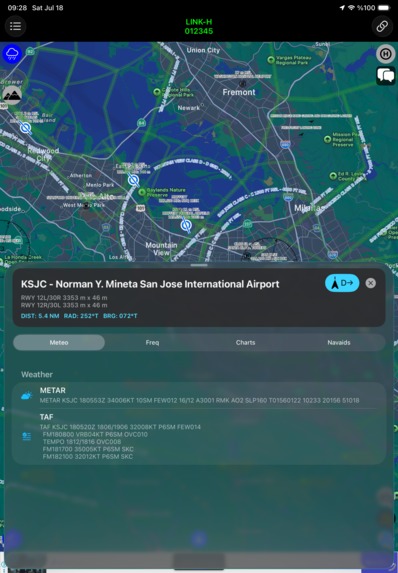
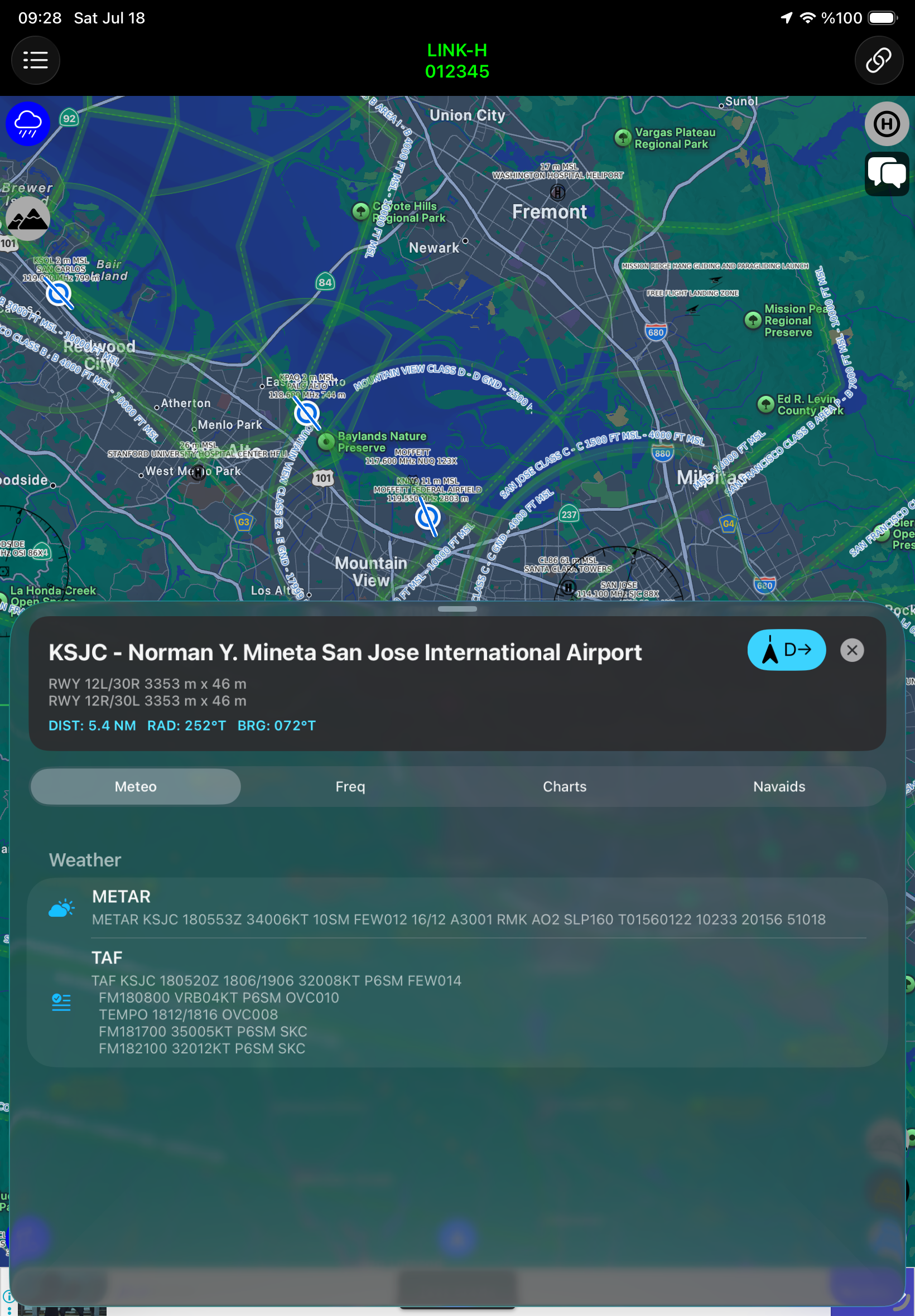
Worldwide airport sheets expose runway data, weather, frequencies, charts, navaids, and Direct-To navigation.
-
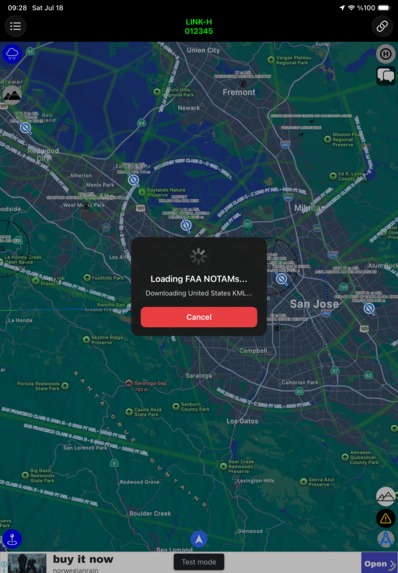
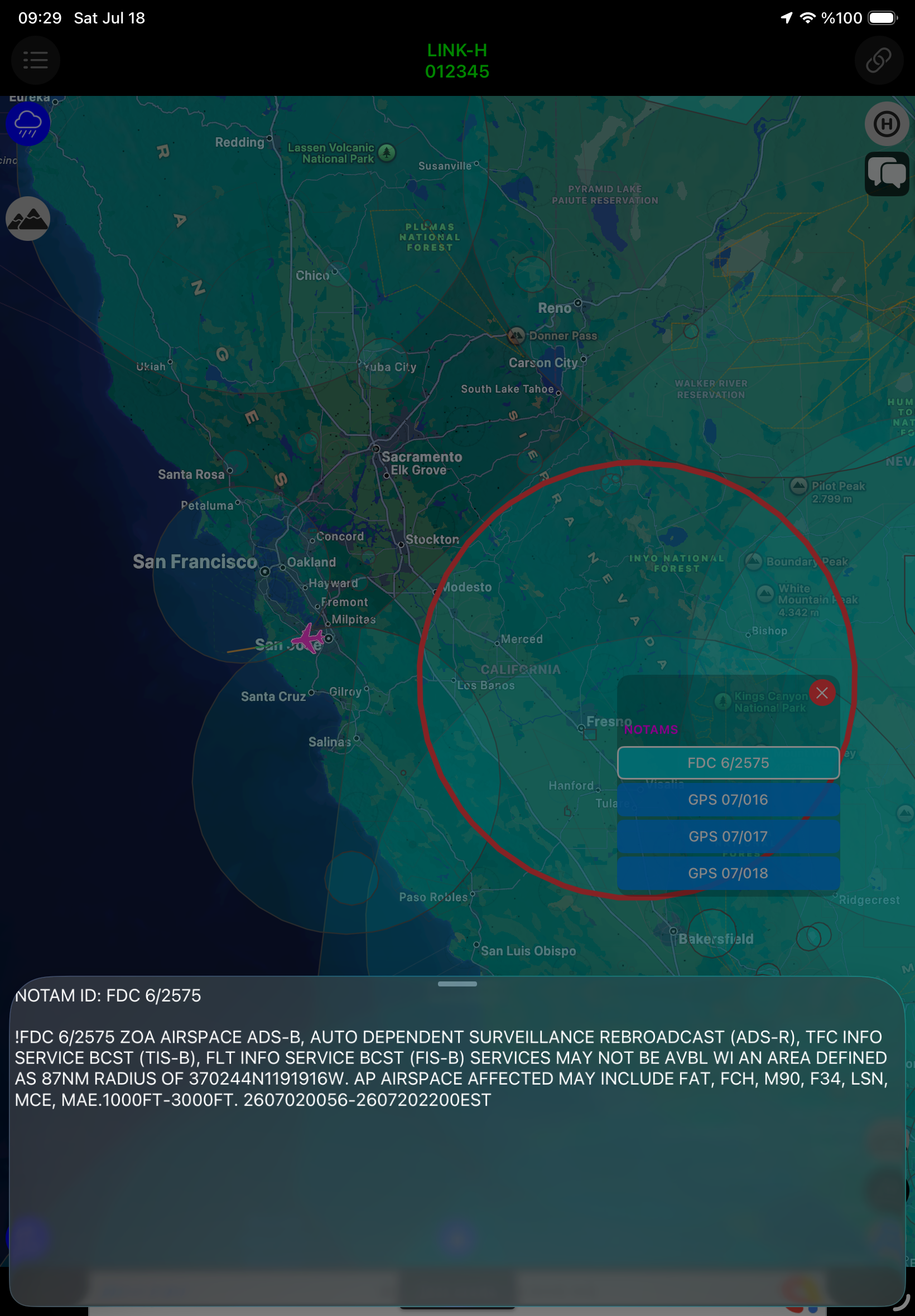
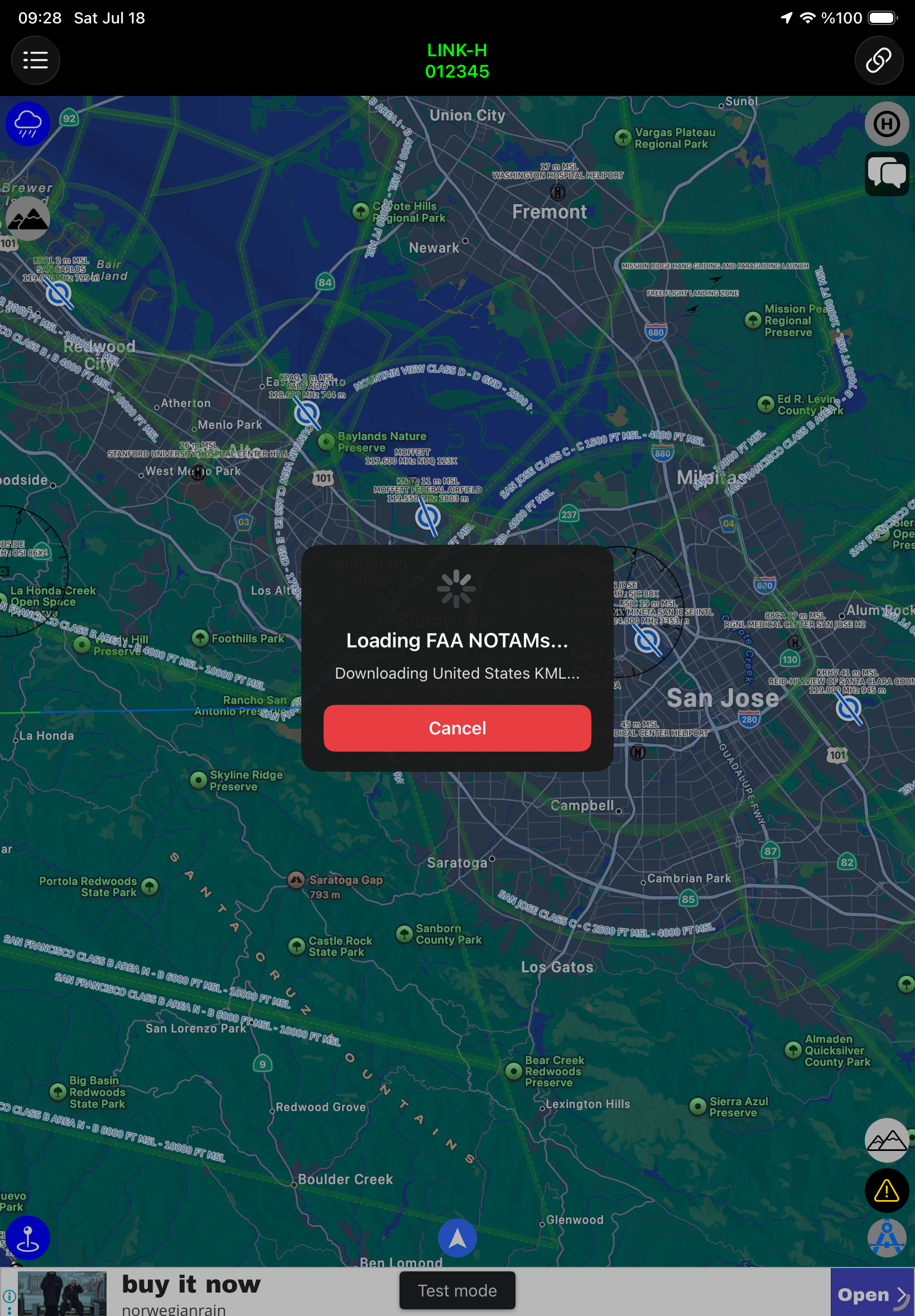
FAA NOTAM packages can be downloaded in-app while the map remains available for continued situational awareness.
-
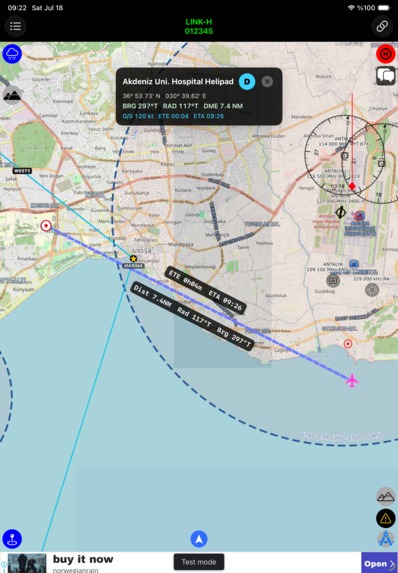
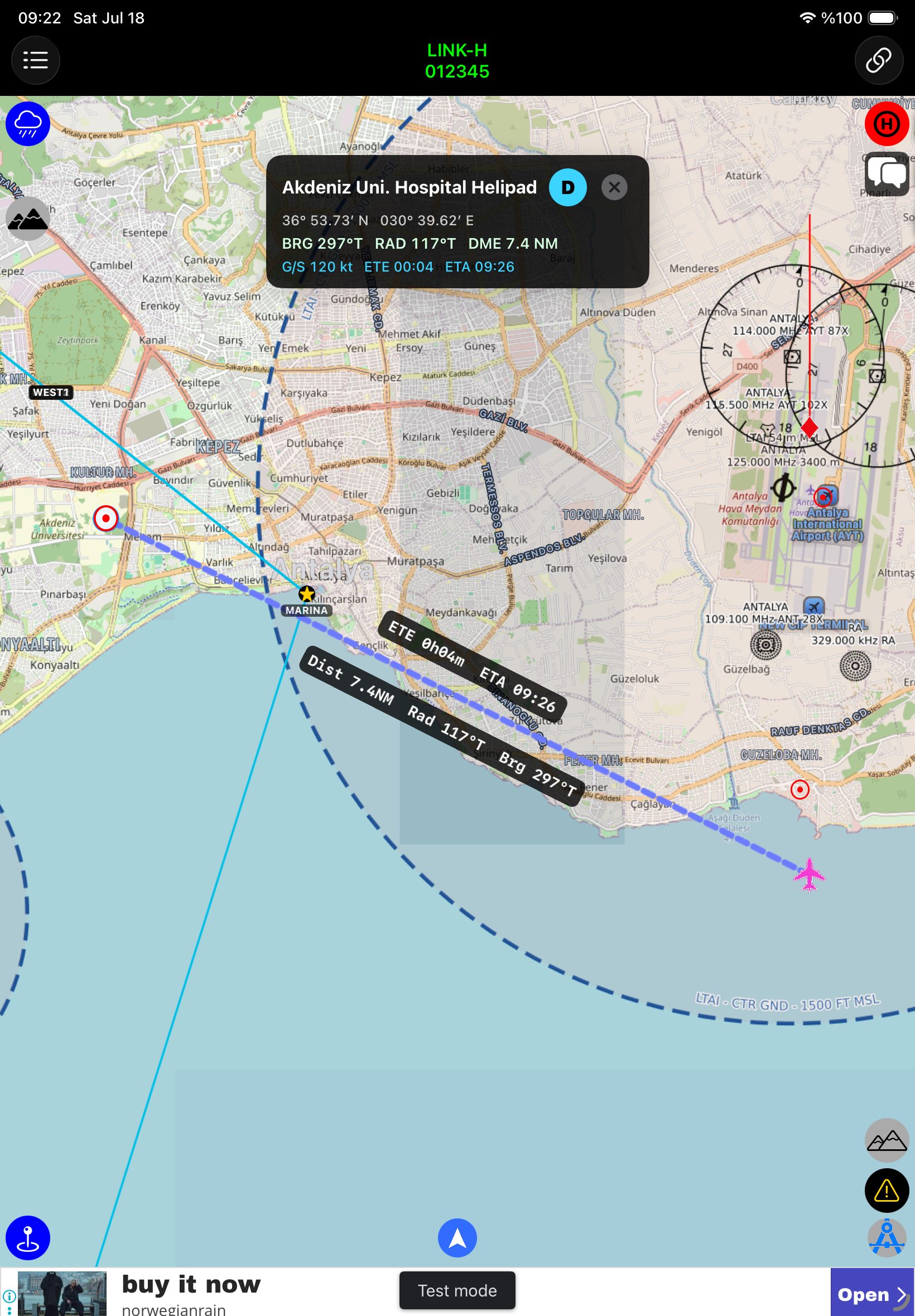
Direct-To guidance displays desired track, radial, bearing, distance, and time-to-go over the active chart.
-
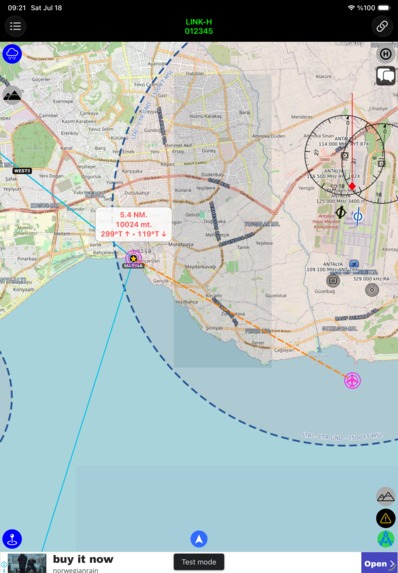
Course deviation and mission timing remain legible over mixed raster and vector aviation layers.
-
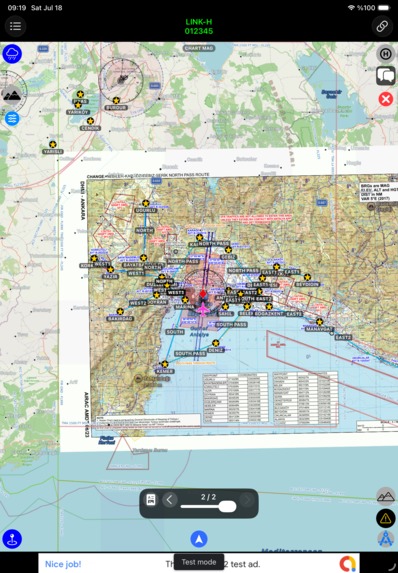
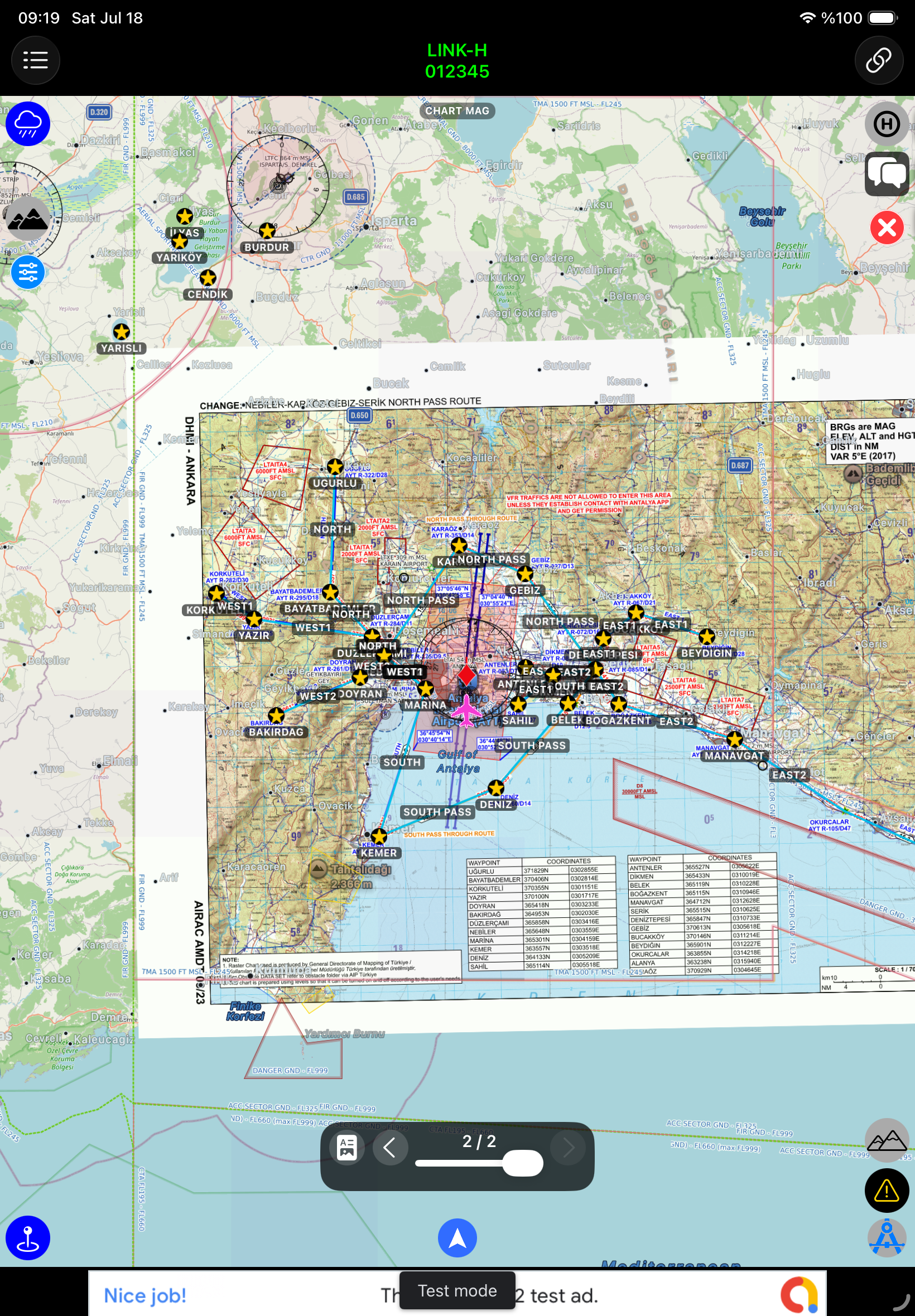
Link-H supports dense regional charts with airports, airspace, routes, restrictions, and operational annotations.
-
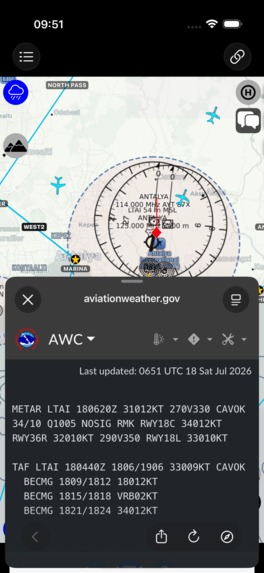
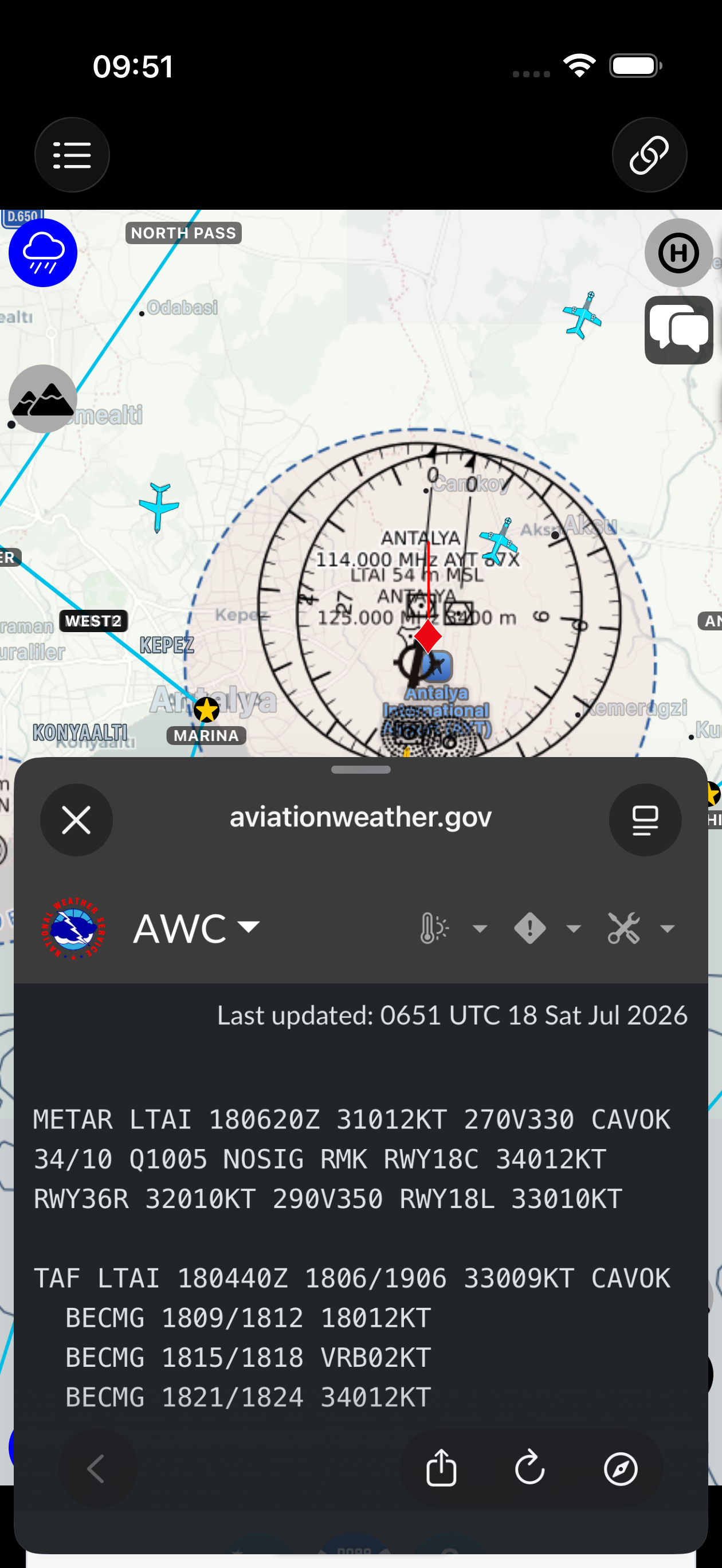
Open official aviation weather resources inside Link-H without losing the active map and mission context.
-
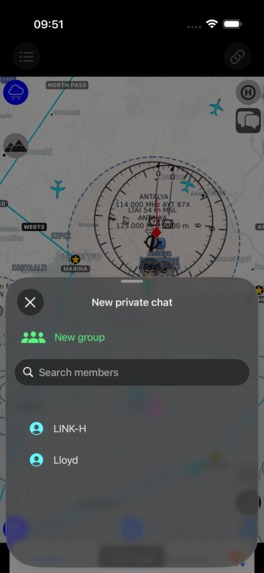
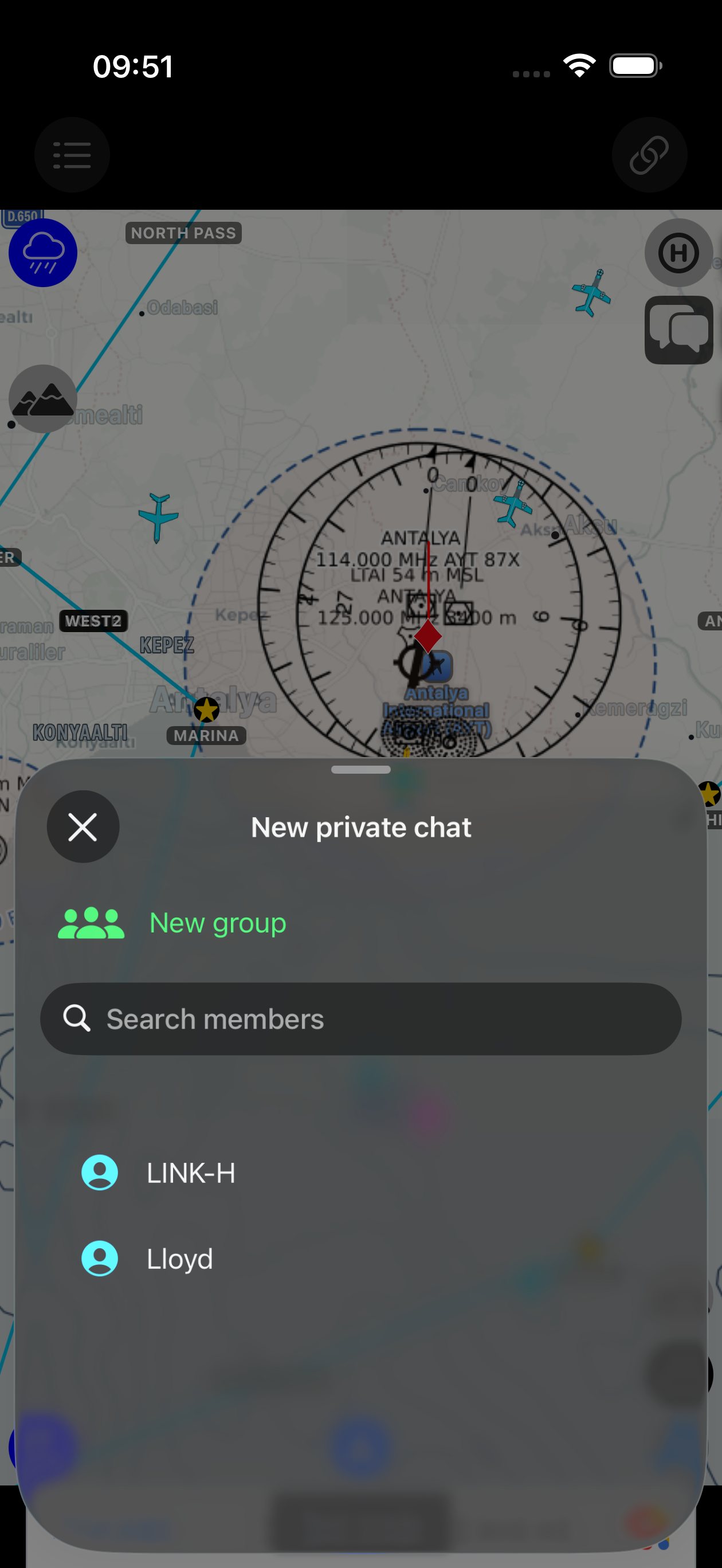
Secure team communication starts from the map, with private chats and mission groups available in a few taps.
Inspiration
Pilots and operational teams often have to switch between separate tools for navigation, weather, airport data, charts, tracking, and record keeping. Every context switch costs attention, and aviation is an environment where clarity and reliability matter more than novelty.
Link-H began as an iPhone and iPad mission workspace designed to bring those fragmented workflows into one operational picture. For OpenAI Build Week, the goal was to meaningfully extend this existing production app with Codex and GPT-5.6, not simply add an AI label to it.
What it does
Link-H combines:
- A moving aviation map with OpenAIP, VFR, weather, terrain, bathymetry, and offline layers
- Direct-To navigation, user waypoints, route tools, and elevation profiles
- Airport runway details, METAR, TAF, frequencies, charts, and nearby navaids
- NOTAM visualization and operational overlays
- Live team tracking and communication
- Track history and an integrated pilot logbook
- Offline-first behavior for field and cockpit use
The result is a single mobile workspace that supports pilots and mission teams before, during, and after a flight.
What we built during OpenAI Build Week
The app existed before the event, so we focused on a clearly documented, technically meaningful extension.
During the submission period, we:
- Expanded the interactive OpenAIP airport layer from region-dependent behavior to worldwide coverage
- Diagnosed a production API contract mismatch that silently discarded valid airport pages when pagination metadata was missing
- Added tolerant page decoding, per-record fault isolation, retry logic, caching, and rate-limit protection
- Added a worldwide fallback containing 17,557 open ICAO runway surfaces so runway-aligned airport symbols and runway summaries remain available during outages or API limits
- Restored tappable runway-direction markers and detailed airport sheets globally
- Improved the Direct-To layout for long international airport names
- Added focused regression tests and validated both Debug and Release iOS builds
- Audited key iPhone and iPad flows including mapping, team tracking, weather, logbook, waypoints, and terrain profiles
How we used Codex and GPT-5.6
Codex was our primary engineering environment, with GPT-5.6 Sol driving the main build thread.
The most valuable part of the workflow was evidence-driven debugging. Codex inspected screenshots and a large Swift codebase, separated the raster airport symbol from the native semantic annotation layer, traced the tap flow into the airport sheet, and compared the decoder contract with real OpenAIP production responses. That investigation identified why Turkey appeared to work while cold-cache regions such as the United States did not.
Codex then helped implement the solution across Swift models, networking, caching, Xcode resources, data-generation tooling, and tests. It also ran targeted test suites and full Debug and Release workspace builds after the changes.
We retained the product and safety decisions: which aviation data could be shown as authoritative, how fallback behavior should be communicated, which actions must remain deterministic, and how to avoid presenting incomplete data as if it were live.
Challenges
Aviation software demands much higher accuracy than a typical mobile application. The hardest challenges included:
- Georeferencing and rendering large aviation datasets without degrading map performance
- Preserving runway orientation and airport interaction across online, offline, cached, and rate-limited states
- Integrating weather, NOTAM, terrain, and airport data from providers with different schemas and availability
- Designing controls that remain legible during high-workload operations and across iPhone and iPad layouts
- Extending a mature application safely without destabilizing existing mission-critical workflows
What we learned
A valid API response can still fail an application when production behavior differs from the published schema. We learned to make transport decoding tolerant while keeping aviation-domain validation strict.
We also learned that a fallback should preserve user intent, not merely draw something. An airport dot without runway direction or a tappable detail path was visually present but operationally incomplete.
Finally, GPT-5.6 and Codex were most effective as an engineering collaborator when they combined visual evidence, source inspection, live API validation, implementation, and repeatable verification in one continuous workflow.
What's next
The next step is an AI-assisted flight briefing and mission-planning layer built around a strict allowlist of structured commands, client-side validation, previews, and explicit user confirmation. It will not be a general chatbot controlling the app. The long-term goal is a trustworthy aviation assistant that can help pilots interpret charts, weather, NOTAMs, terrain, and operational data while keeping every safety-relevant action deterministic and reviewable.

Log in or sign up for Devpost to join the conversation.